WOOFMAP · CANINE ARCHIVENO. 046
Pinschers, Schnauzers, Molossians and Swiss mountain dogs
Appenzell Cattle Dog
Appenzell Cattle Dog
✳ woofmap.comSwitzerland
WOOFMAP · CANINE ARCHIVE · NO. 046
Appenzell Cattle Dog
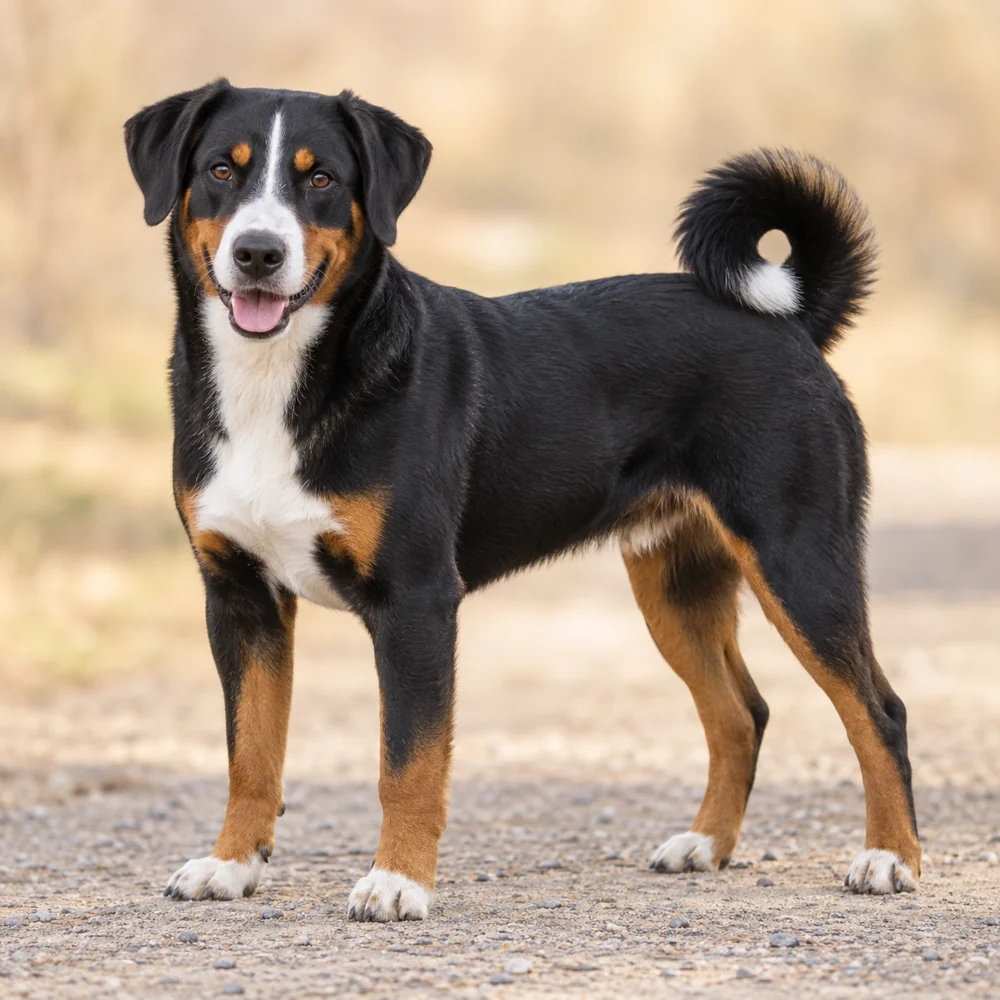
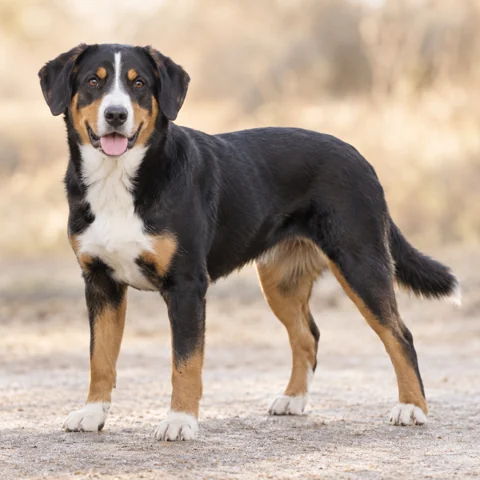
A tricolour Swiss cattle dog with a tightly curled tail.
AI-generated realistic breed image, for visual reference.
This Appenzell Cattle Dog page is still waiting for a voice. Live with a Appenzell Cattle Dog? Share a natural bark, howl or whine and let others hear a little of your dog’s everyday life.
If we feature your recording, we’ll credit you or your dog using the name you choose.
A 5–15 second phone recording in a quiet setting is perfect. Capture a natural moment without startling or disturbing your dog. Audio or video with sound is welcome.
Share your dog’s voice ↗[email protected]Attach your recording, breed and preferred credit. Please confirm you recorded it and allow woofmap to feature it.
Thank you for helping us build a playful Woof Planet together. Every little woof deserves to be heard.
Pinschers, Schnauzers, Molossians and Swiss mountain dogs
Appenzell Cattle Dog
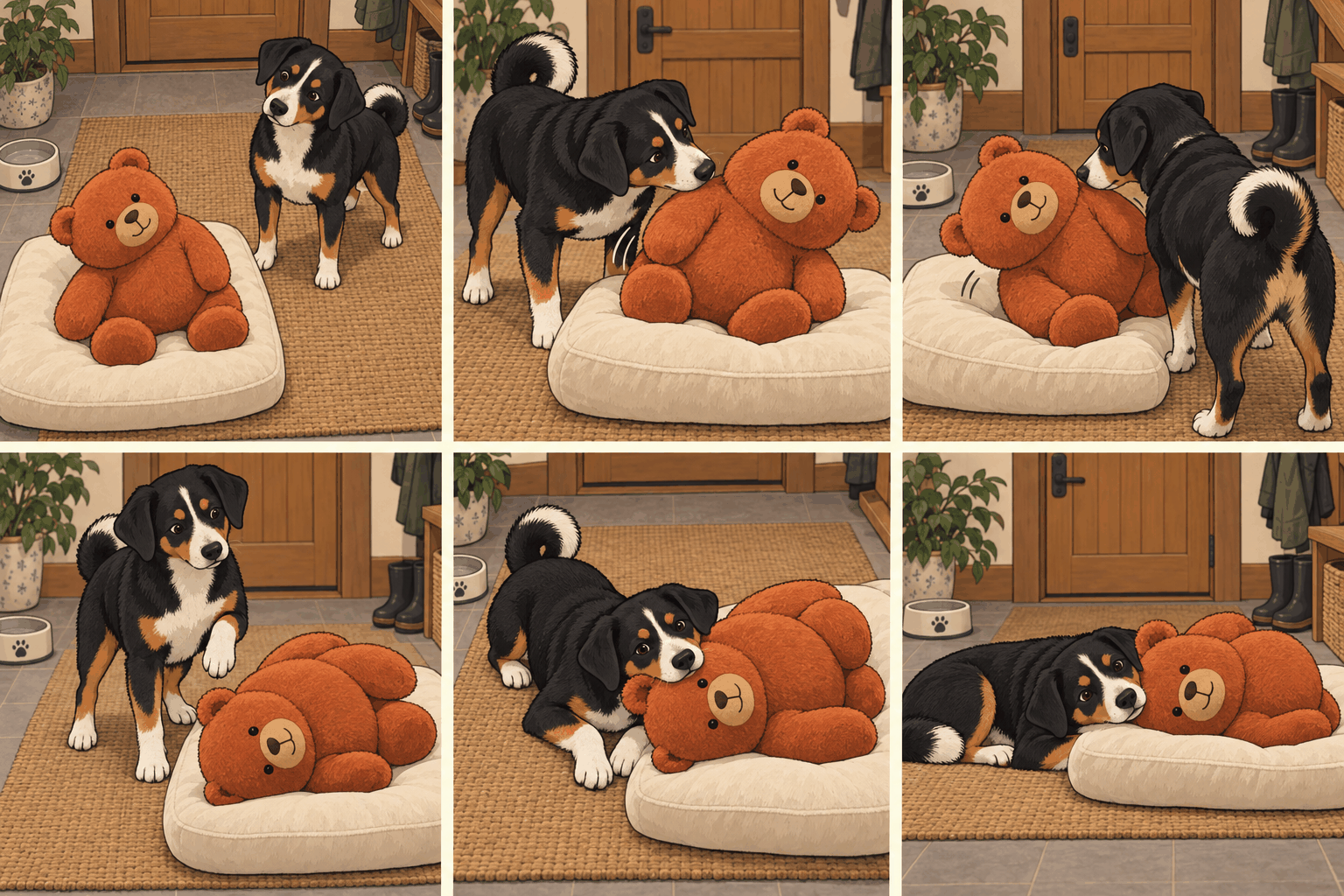
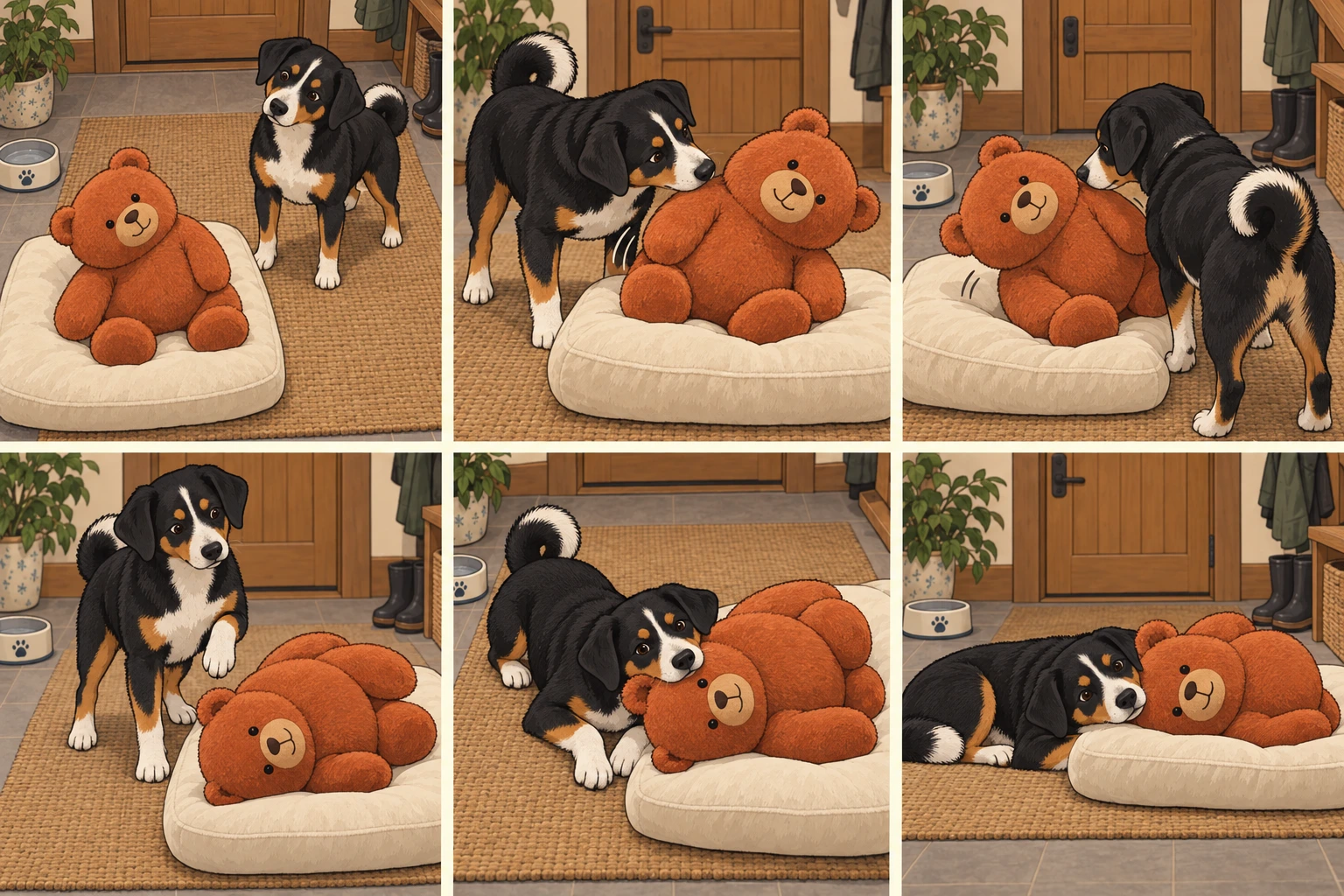
The same black-base tricolour dog tries to straighten a bear on a cushion. Gentle nudges only make it lean farther—until leaning becomes the perfect way to rest.
Originally bred in Switzerland’s Appenzell region, it drove cattle and guarded homesteads. An 1853 account described its high-pitched bark, short coat and cattle work; a breed club founded in 1906 sought to preserve it, and the first valid standard followed in 1914.
Medium-sized, muscular and compact, it is nearly square in outline. Desired height is 52–56 cm for males and 50–54 cm for females, with a 2 cm tolerance either way; the triangular ears hang down, while the tail curls tightly over the croup in motion.
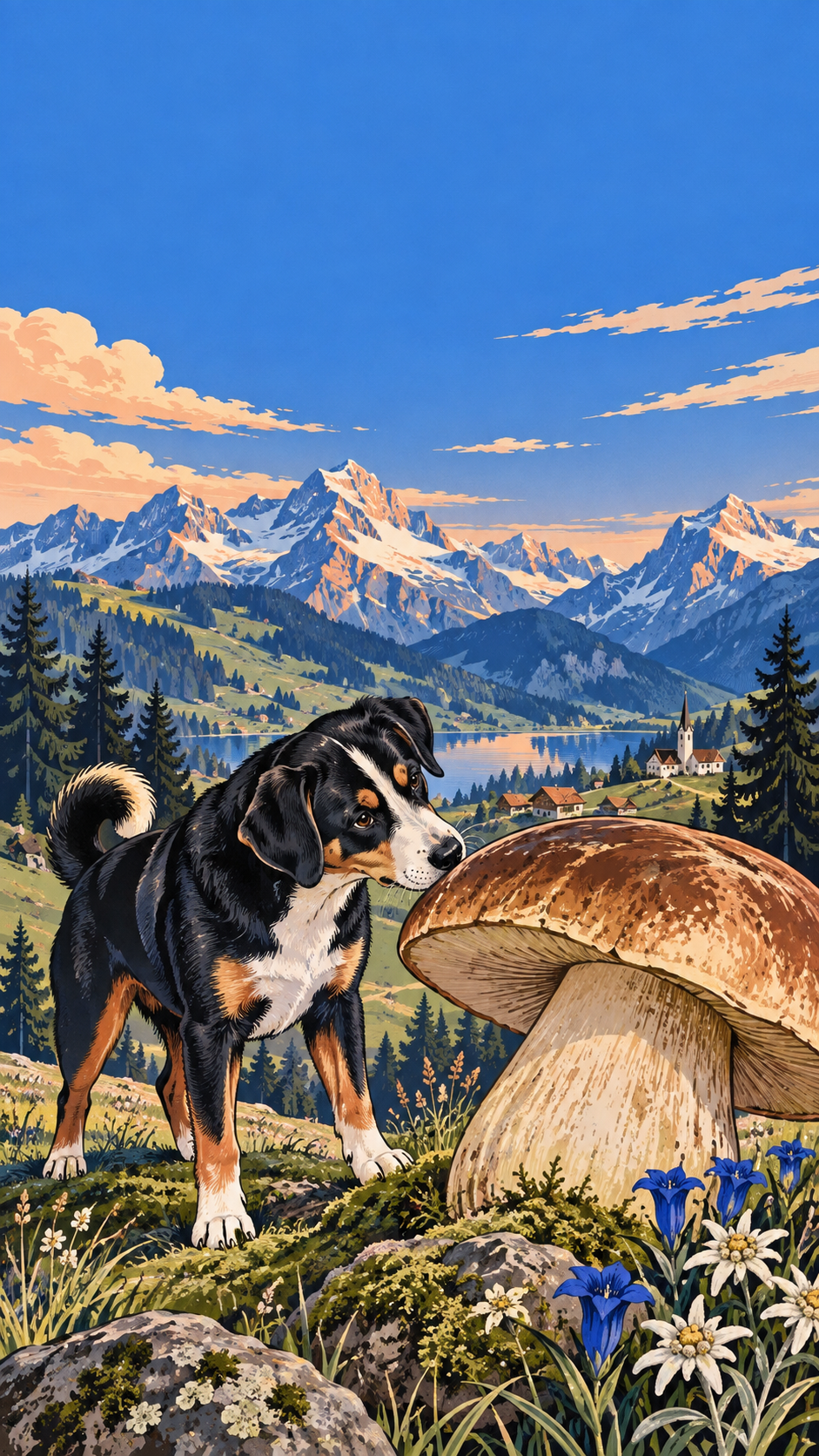
Look for tricolour markings on a black or Havana-brown base: reddish-brown points above the eyes and white on all four feet and the tail tip. The nearly square body, cheek-hugging drop ears and tightly curled tail in motion distinguish it; the two base colours are not separate size varieties.
The standard describes a lively, self-assured, reliable and fearless dog that is slightly suspicious of strangers and capable of learning. Patient, reward-based training and gradual introductions can help channel its alertness; individual responses to people and settings vary.
Brush the double coat regularly and check ears, nails and feet. Alongside walks, offer scent games, training or other purposeful activities suited to a cattle-working dog. Its watchdog tendencies make reward-based practice with quiet cues, recall and visitor manners valuable from an early age. Provide a place to settle and manage barking and introductions at home.
Possibly, if the household is prepared to manage its reserve with strangers. Give it a quiet retreat and reward calm visitor routines rather than forcing contact.
Its coat is short but has a dense undercoat, so regular brushing helps remove loose hair. Black and Havana-brown dogs share that coat structure; short length alone does not mean little shedding.
This breed was used to drive cattle and guard property, so purposeful training and exploration can complement walks. Adjust activities to the individual dog and practise settling after excitement.
SOURCE NOTES
Breed traits follow the cited official standards; everyday care advice is our editorial interpretation of coat, build and working purpose.
Coat and size varieties can share a standard. The number is an archive reference, not a rarity score. An independent educational atlas, not a registry publication. Temperament varies; consult a veterinarian about health concerns.
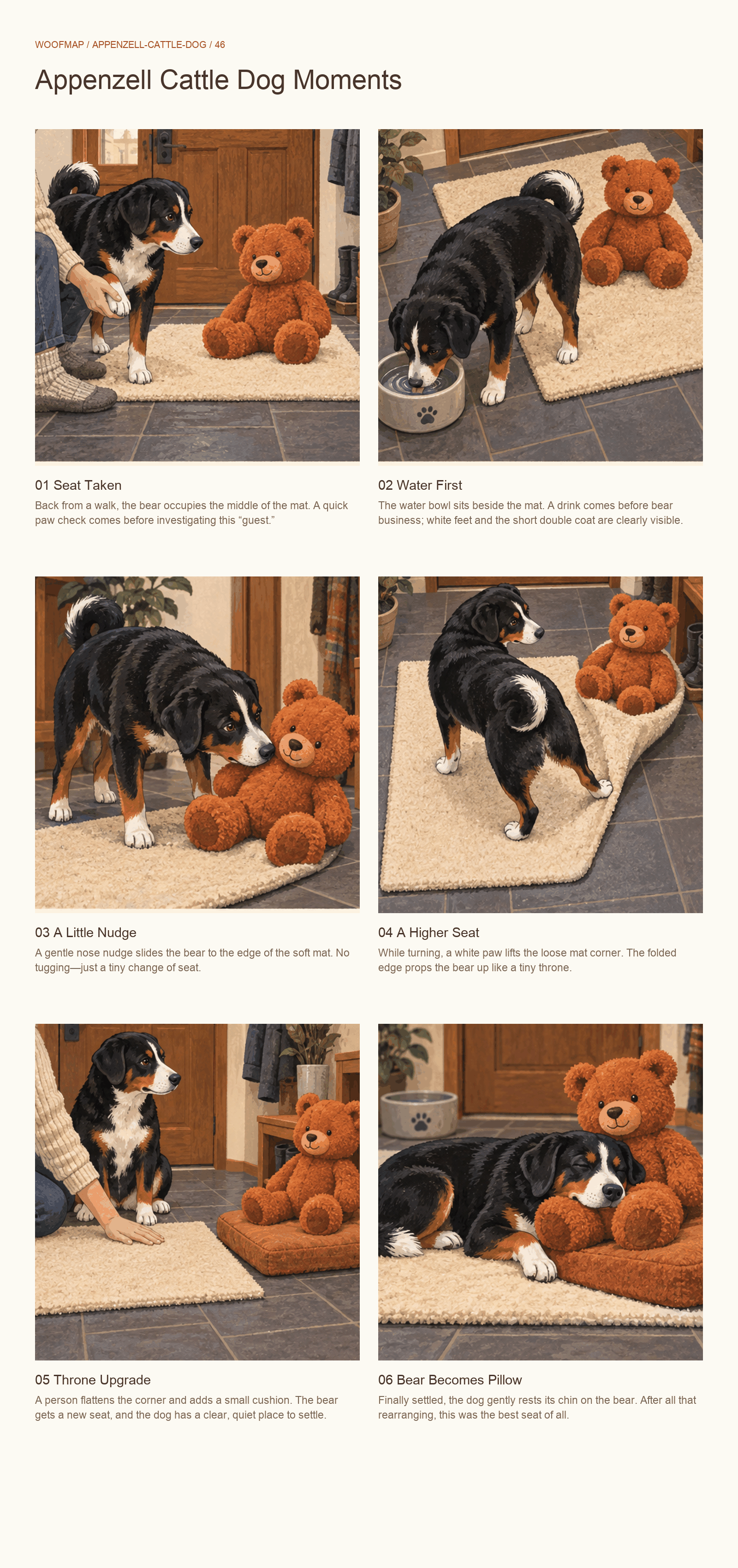
WOOFMAP / APPENZELL-CATTLE-DOG / LITTLE MOMENTS
Illustrated here is the black-base tricolour variant, with reddish-brown and white markings, a short double coat, cheek-hugging drop ears and a tightly curled tail in motion. The bear comedy is fictional, not a breed-wide trait.
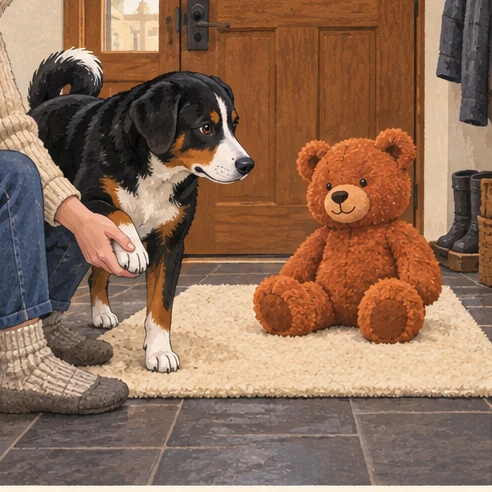
Back from a walk, the bear occupies the middle of the mat. A quick paw check comes before investigating this “guest.”
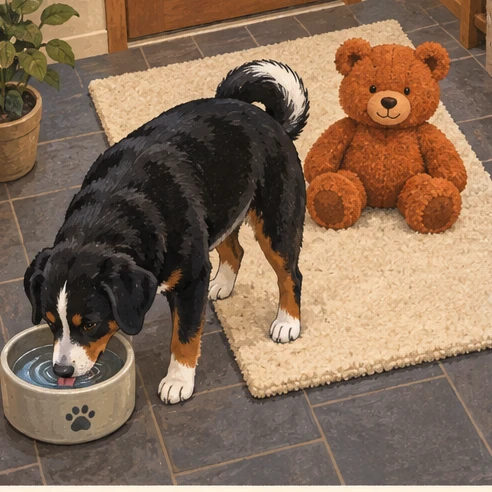
The water bowl sits beside the mat. A drink comes before bear business; white feet and the short double coat are clearly visible.
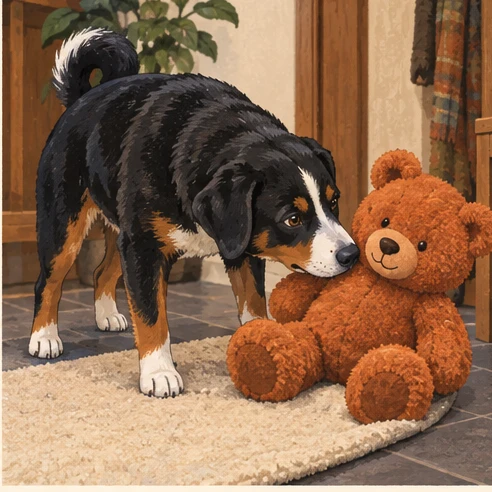
A gentle nose nudge slides the bear to the edge of the soft mat. No tugging—just a tiny change of seat.
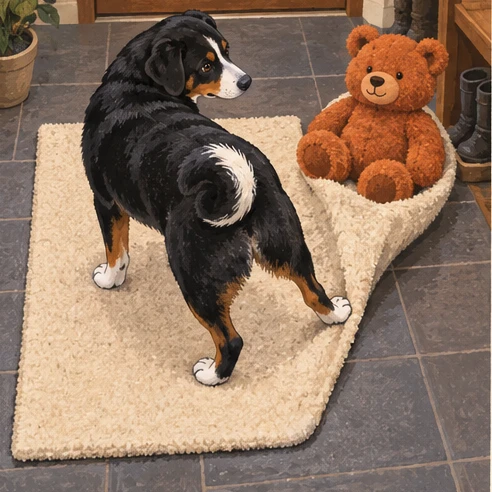
While turning, a white paw lifts the loose mat corner. The folded edge props the bear up like a tiny throne.
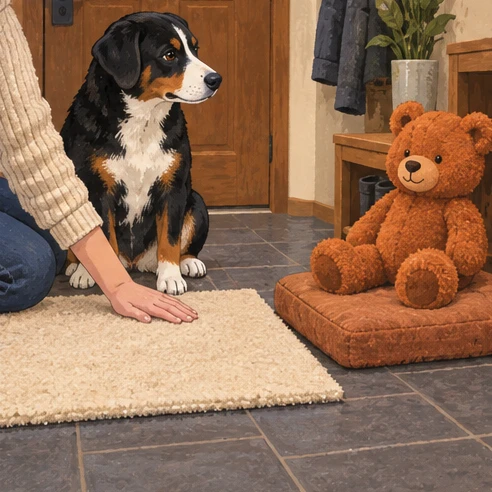
A person flattens the corner and adds a small cushion. The bear gets a new seat, and the dog has a clear, quiet place to settle.
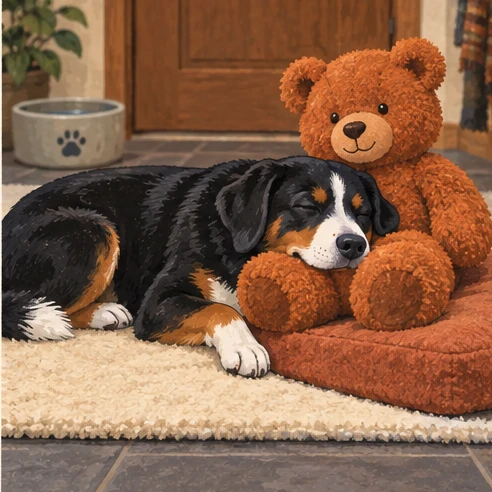
Finally settled, the dog gently rests its chin on the bear. After all that rearranging, this was the best seat of all.
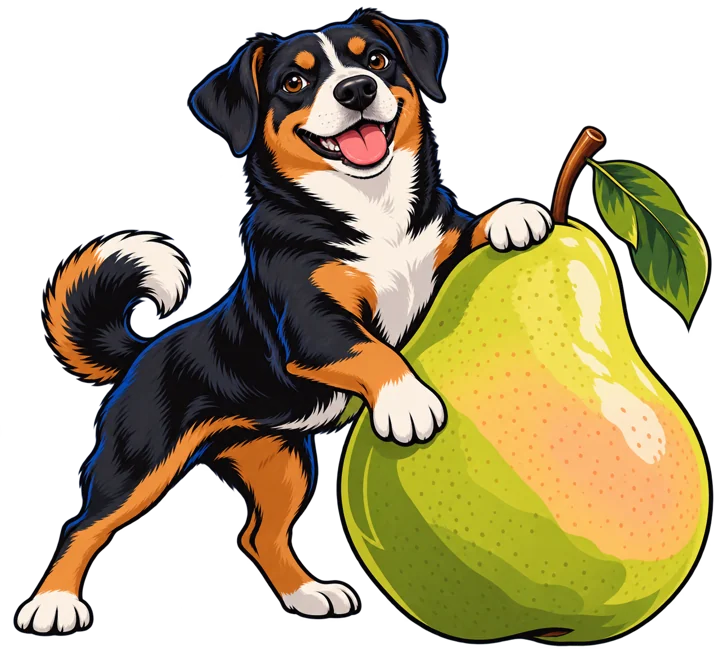
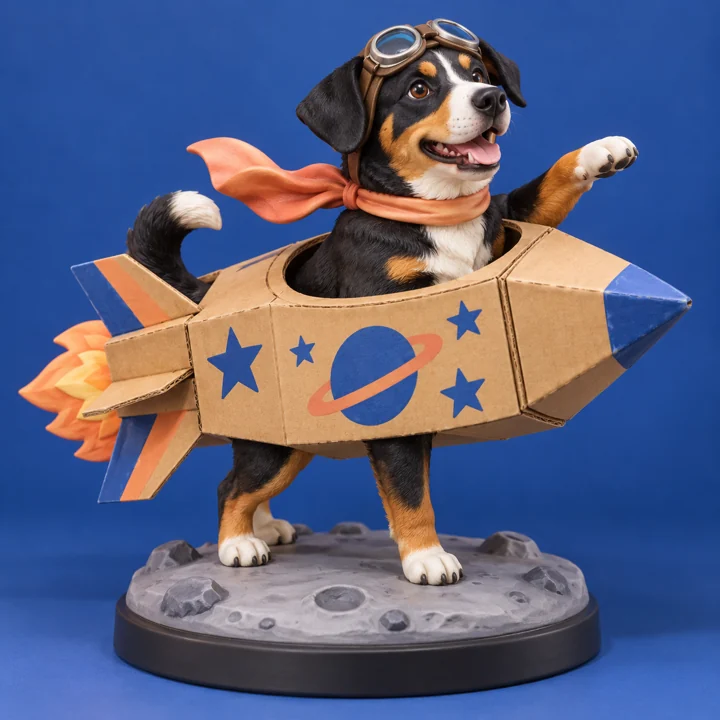
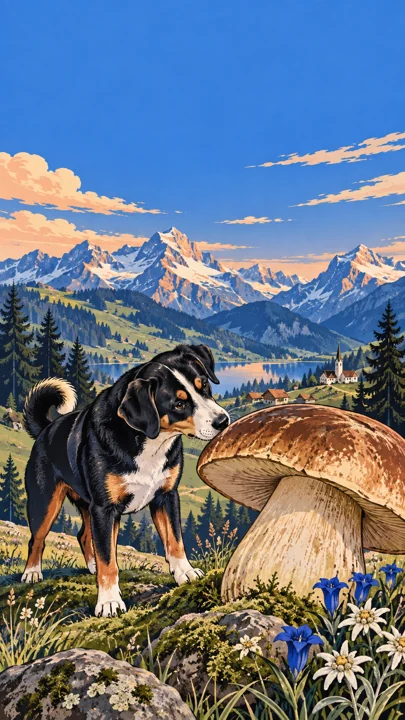
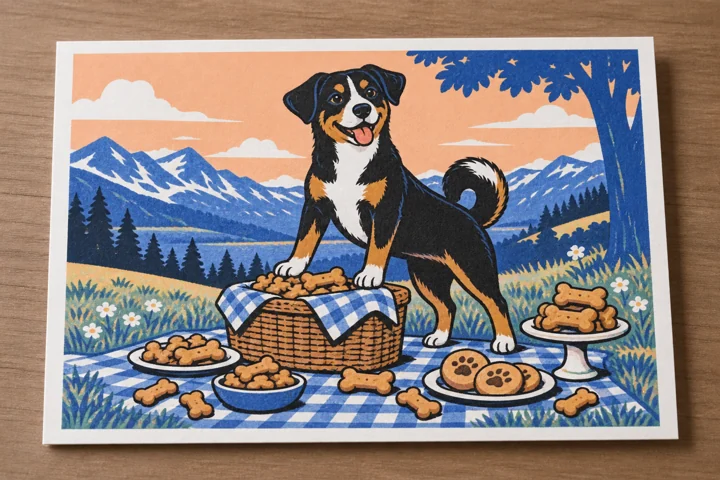
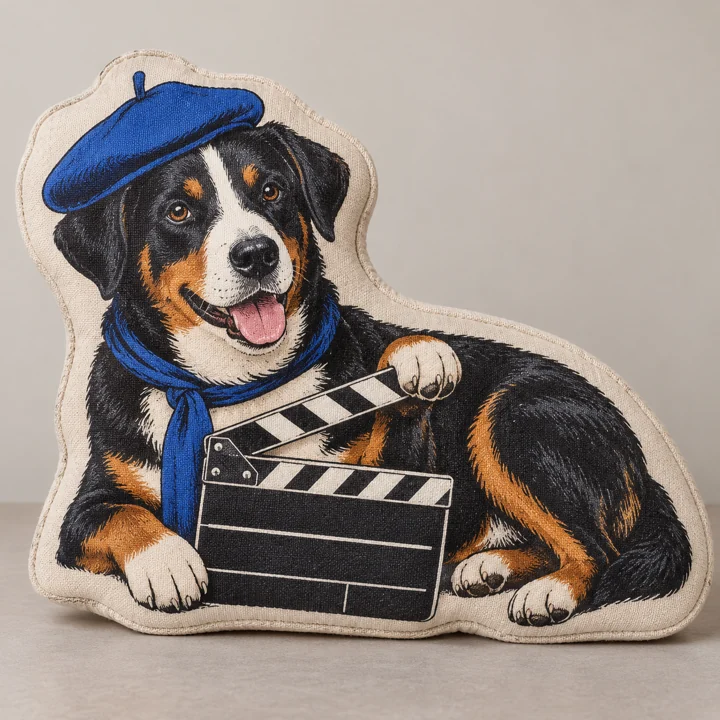
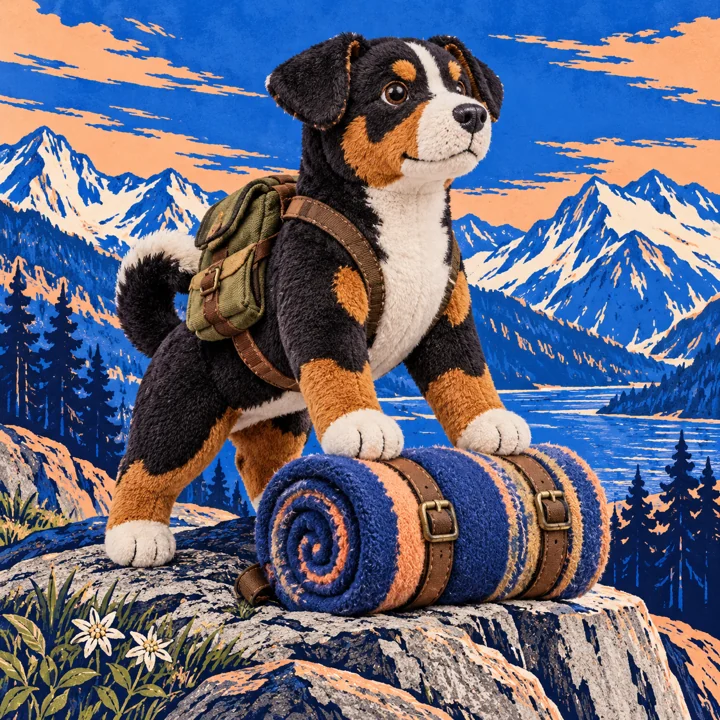
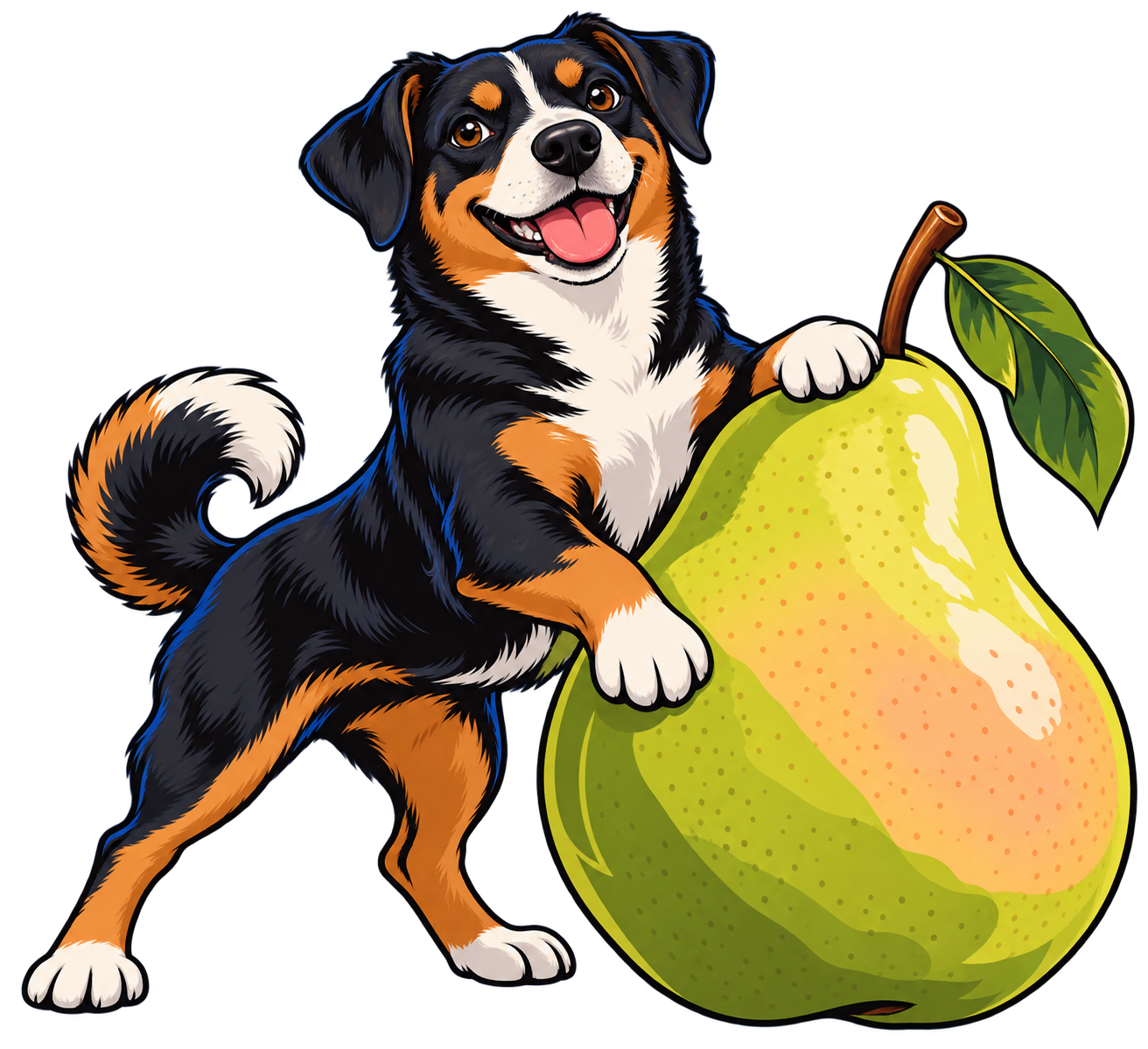
Eight transparent PNGs to save individually. Switch captions on or off for your chats.
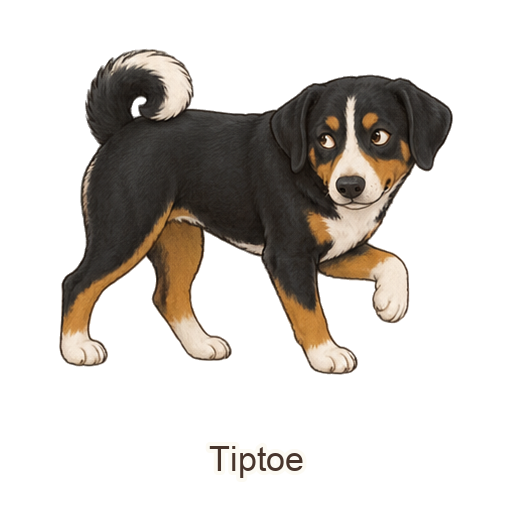 Tiptoe
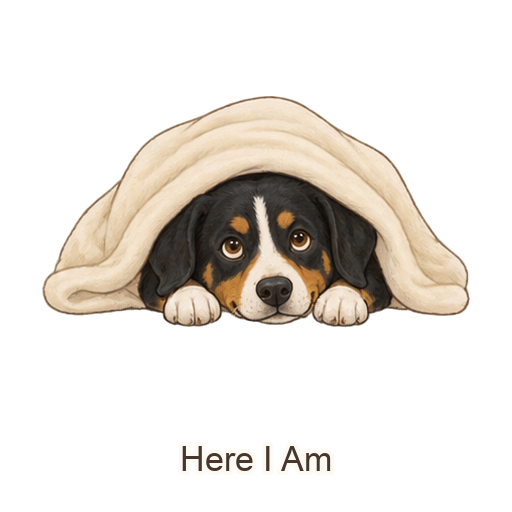 Here I Am
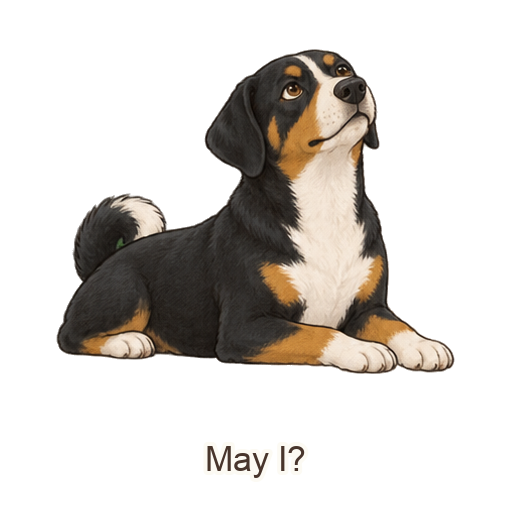 May I?
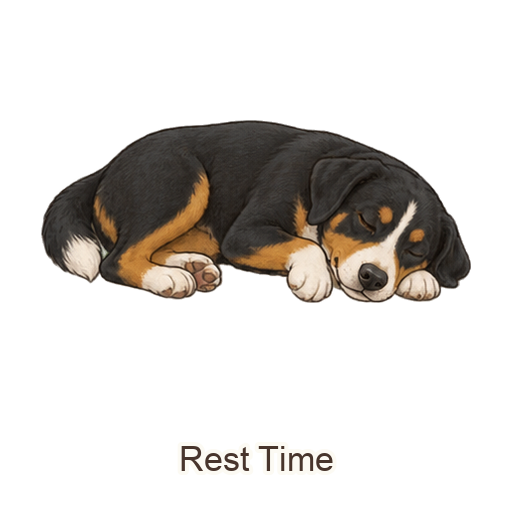 Rest Time
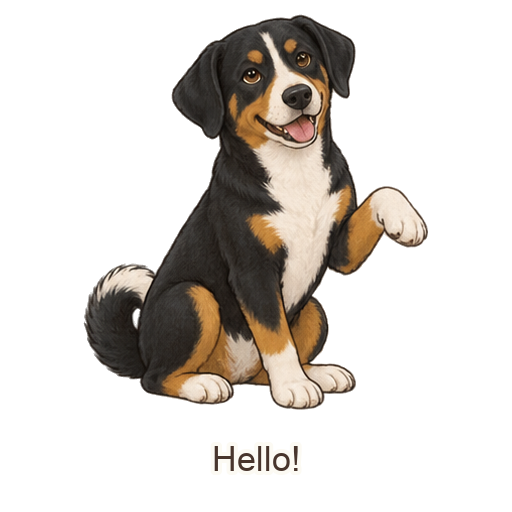 Hello!
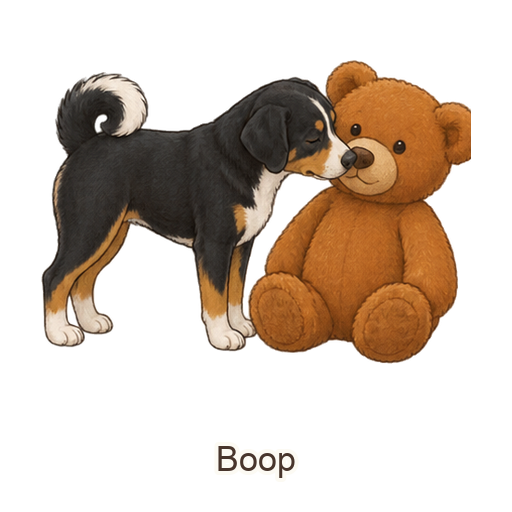 Boop
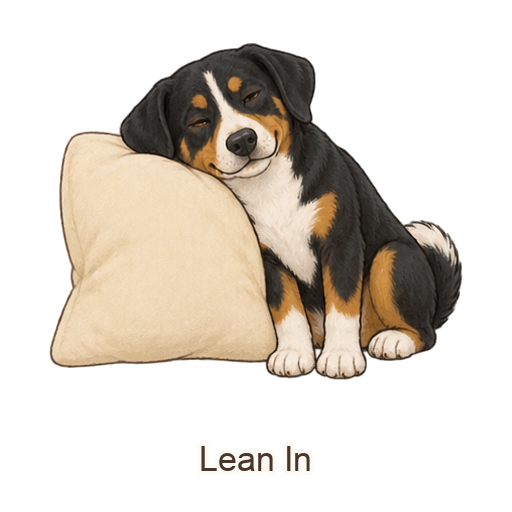 Lean In
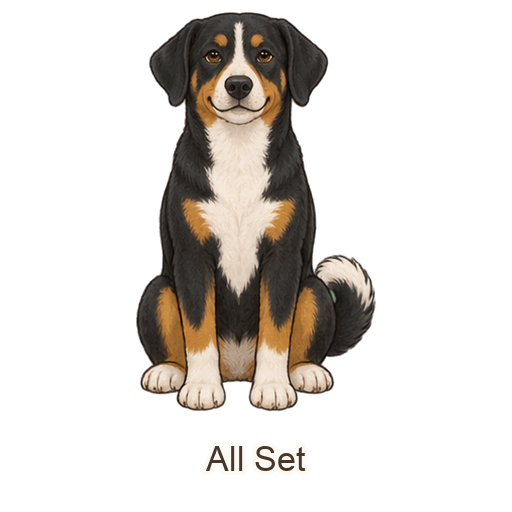 All Set
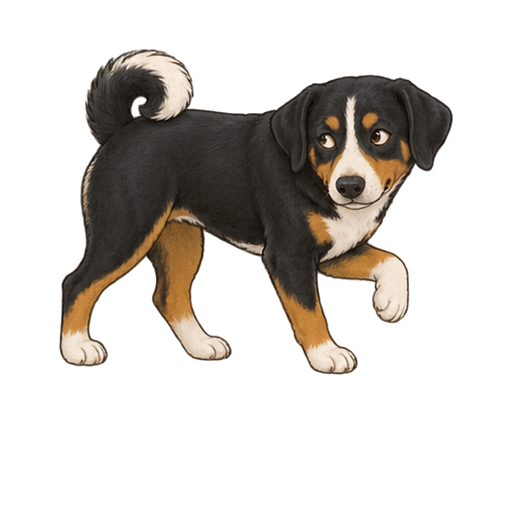 Tiptoe
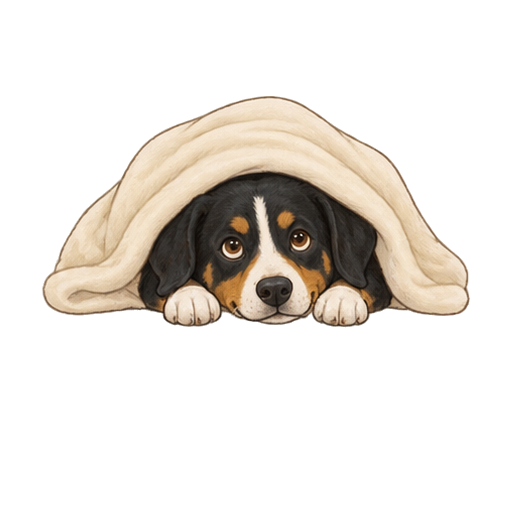 Here I Am
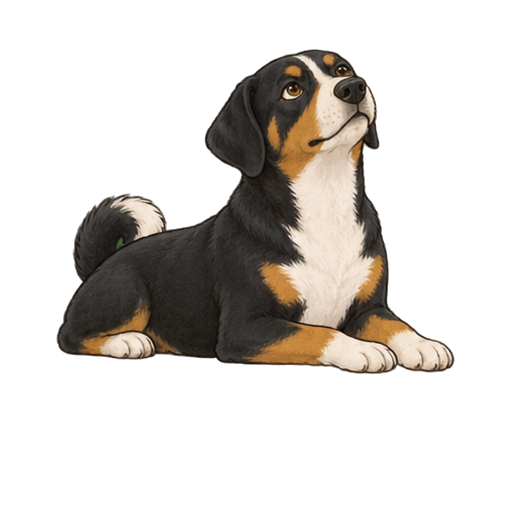 May I?
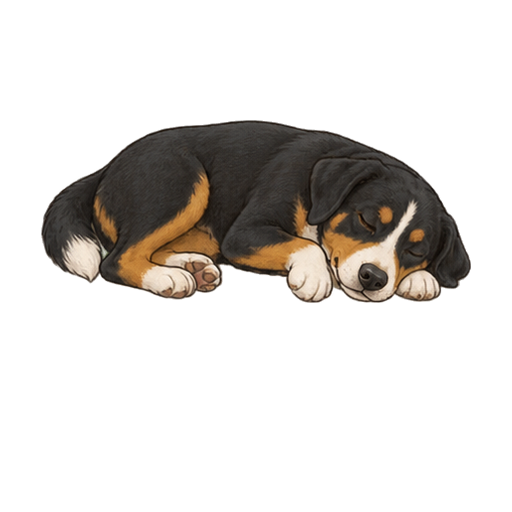 Rest Time
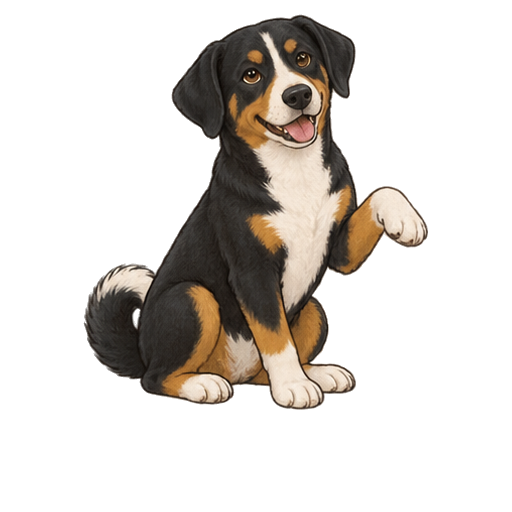 Hello!
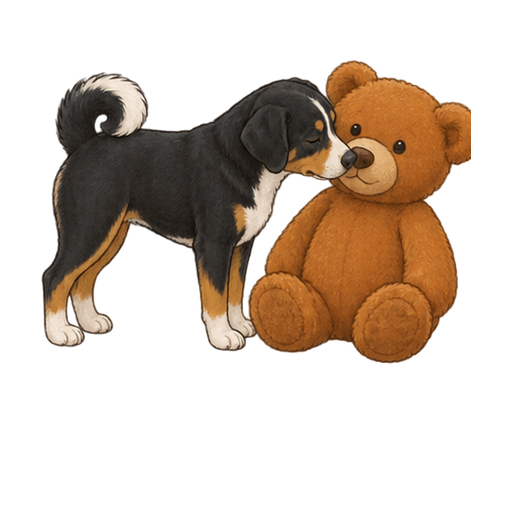 Boop
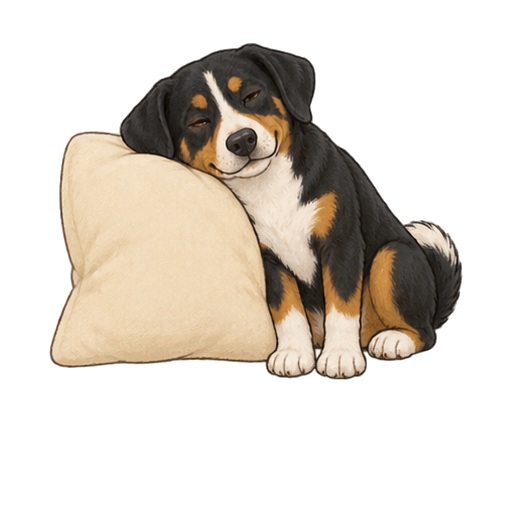 Lean In
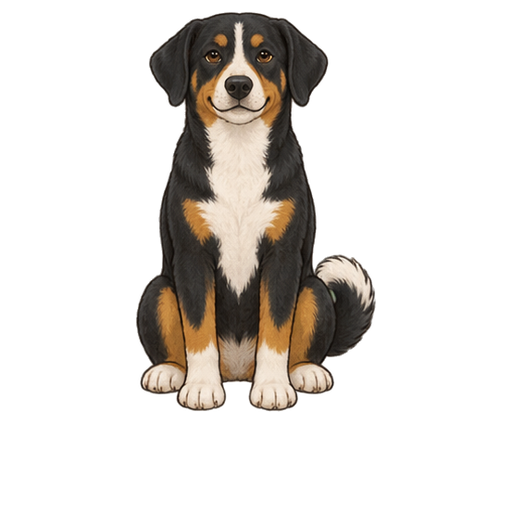 All Set
Original woofmap artwork, assisted by GPT Image 2. Free for personal chats and non-commercial sharing with credit to woofmap.com. Fictional moods do not predict every dog’s temperament; see this page’s factual sources.
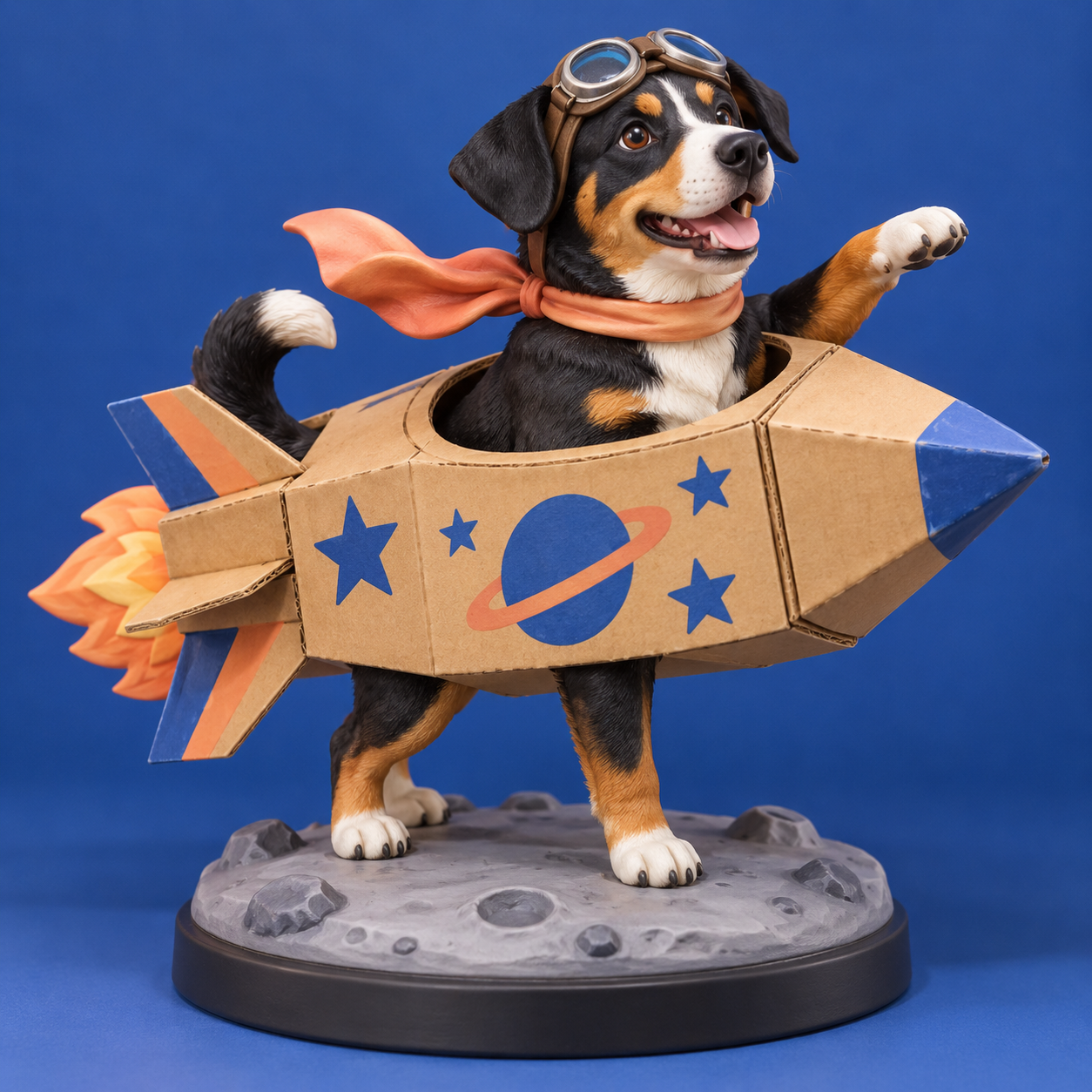
Combine the available parts, choose a name and take a little joy home.
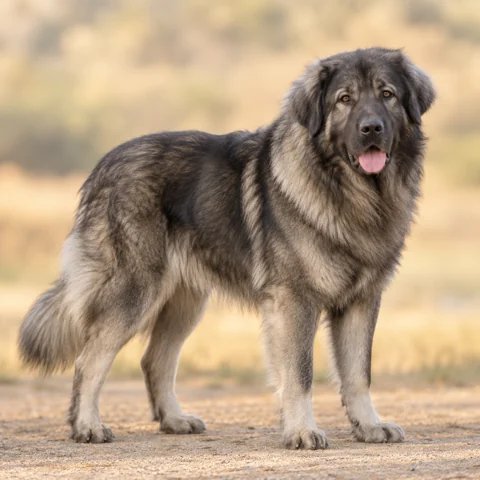 AI realistic image
Pinschers, Schnauzers, Molossians and Swiss mountain dogs
Yugoslavian Shepherd Dog - Sharplanina
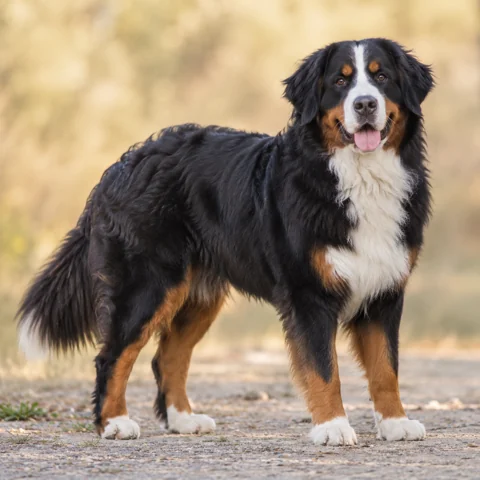 AI realistic image
Pinschers, Schnauzers, Molossians and Swiss mountain dogs
Bernese Mountain Dog
 AI realistic image
Pinschers, Schnauzers, Molossians and Swiss mountain dogs
Entlebuch Cattle Dog