WOOFMAP · CANINE ARCHIVENO. 211
Spitz and primitive types
Canadian Eskimo Dog
Canadian Eskimo Dog
✳ woofmap.comCanada
WOOFMAP · CANINE ARCHIVE · NO. 211
Canadian Eskimo Dog
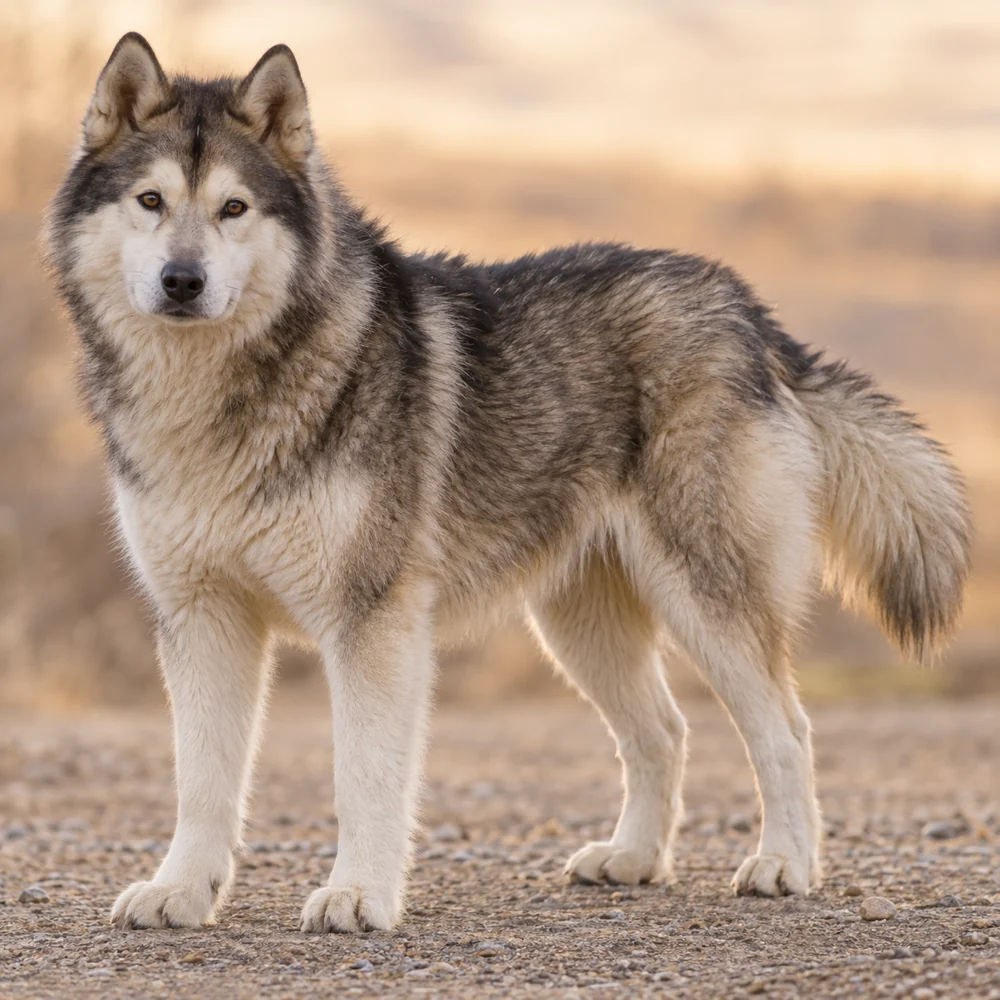
A powerful sled dog shaped by demanding Arctic work.
AI-generated realistic breed image, for visual reference.
This Canadian Eskimo Dog page is still waiting for a voice. Live with a Canadian Eskimo Dog? Share a natural bark, howl or whine and let others hear a little of your dog’s everyday life.
If we feature your recording, we’ll credit you or your dog using the name you choose.
A 5–15 second phone recording in a quiet setting is perfect. Capture a natural moment without startling or disturbing your dog. Audio or video with sound is welcome.
Share your dog’s voice ↗[email protected]Attach your recording, breed and preferred credit. Please confirm you recorded it and allow woofmap to feature it.
Thank you for helping us build a playful Woof Planet together. Every little woof deserves to be heard.
Spitz and primitive types
Canadian Eskimo Dog
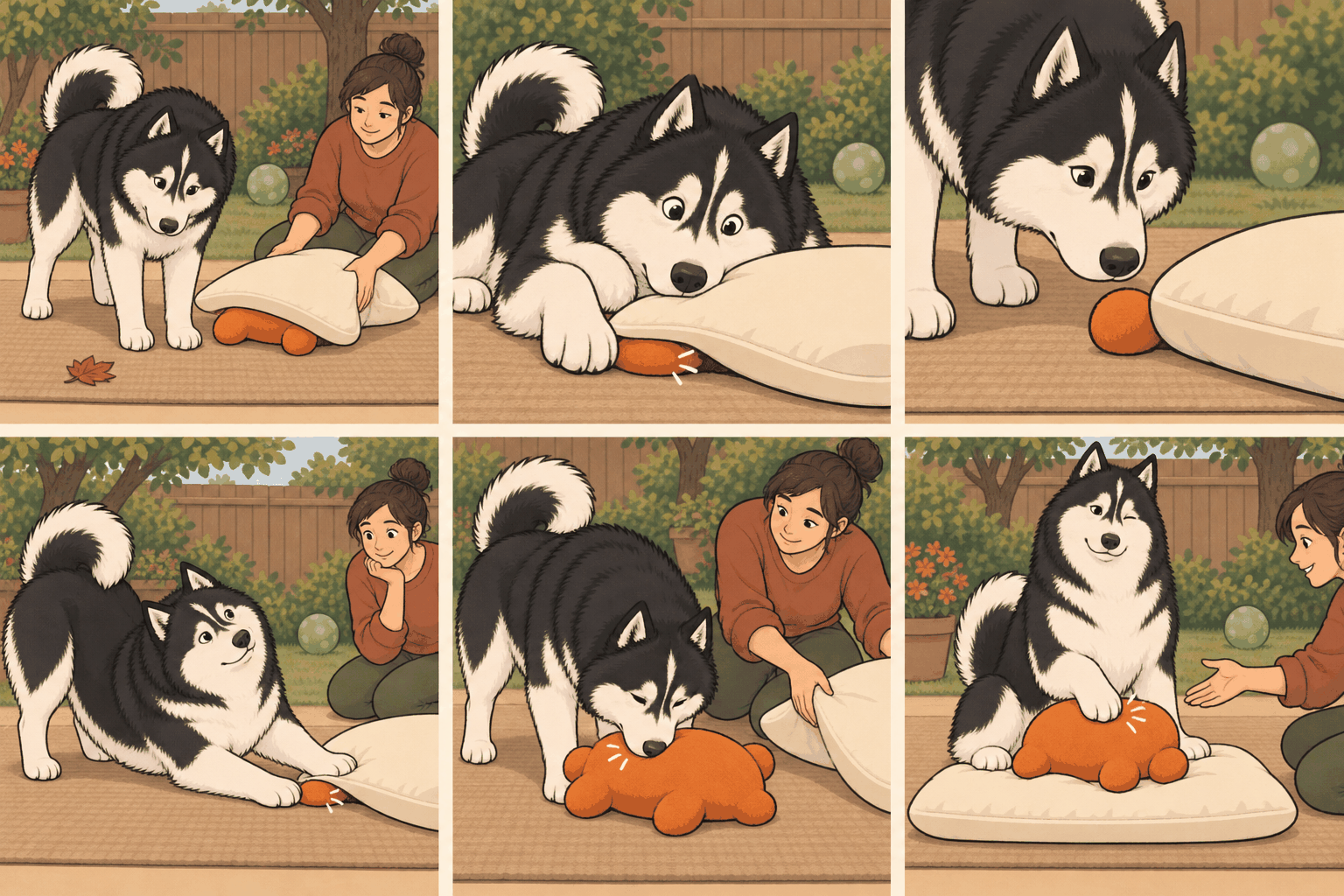
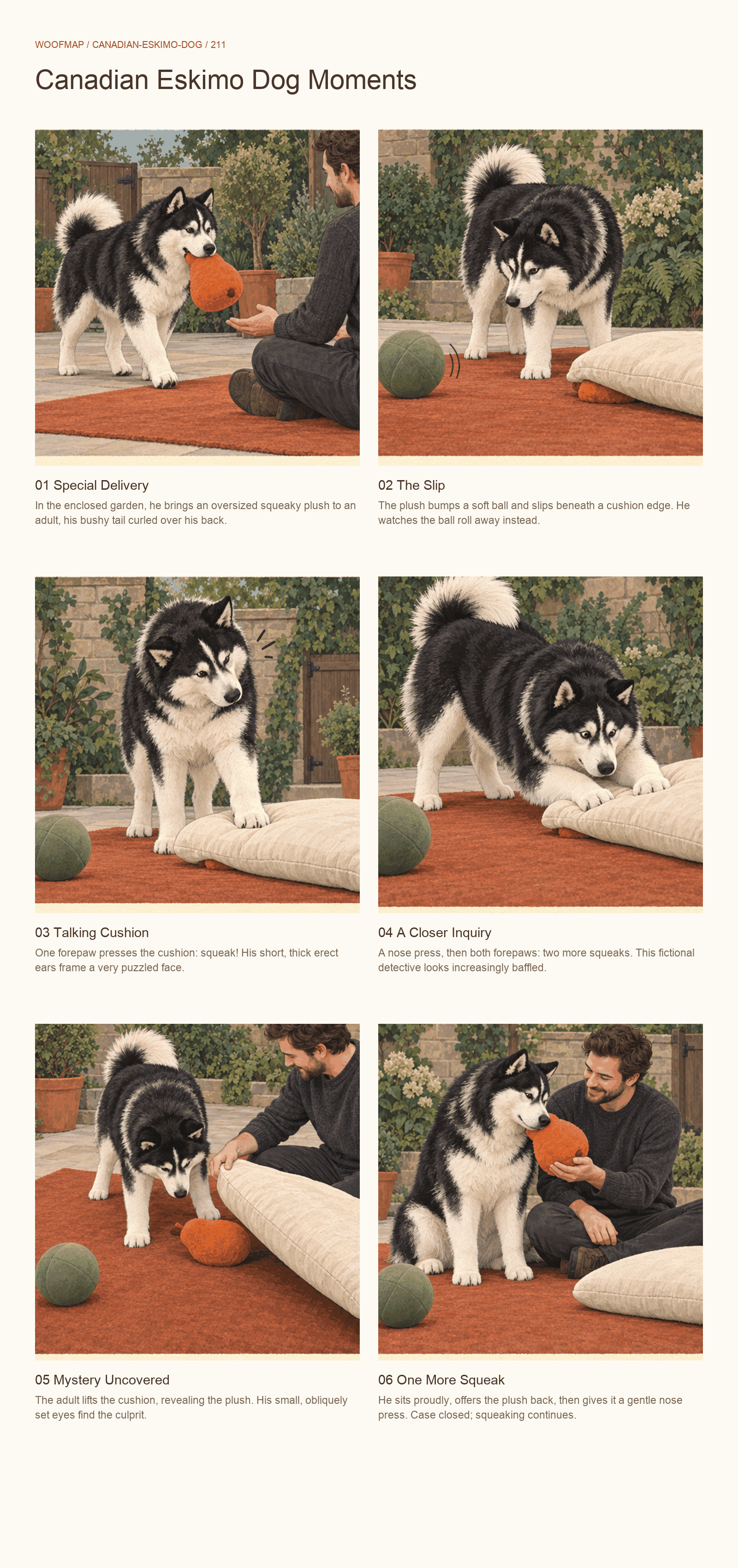
The same black-and-white male investigates a squeak in a quiet garden. Six wordless beats let the movements reveal the answer.
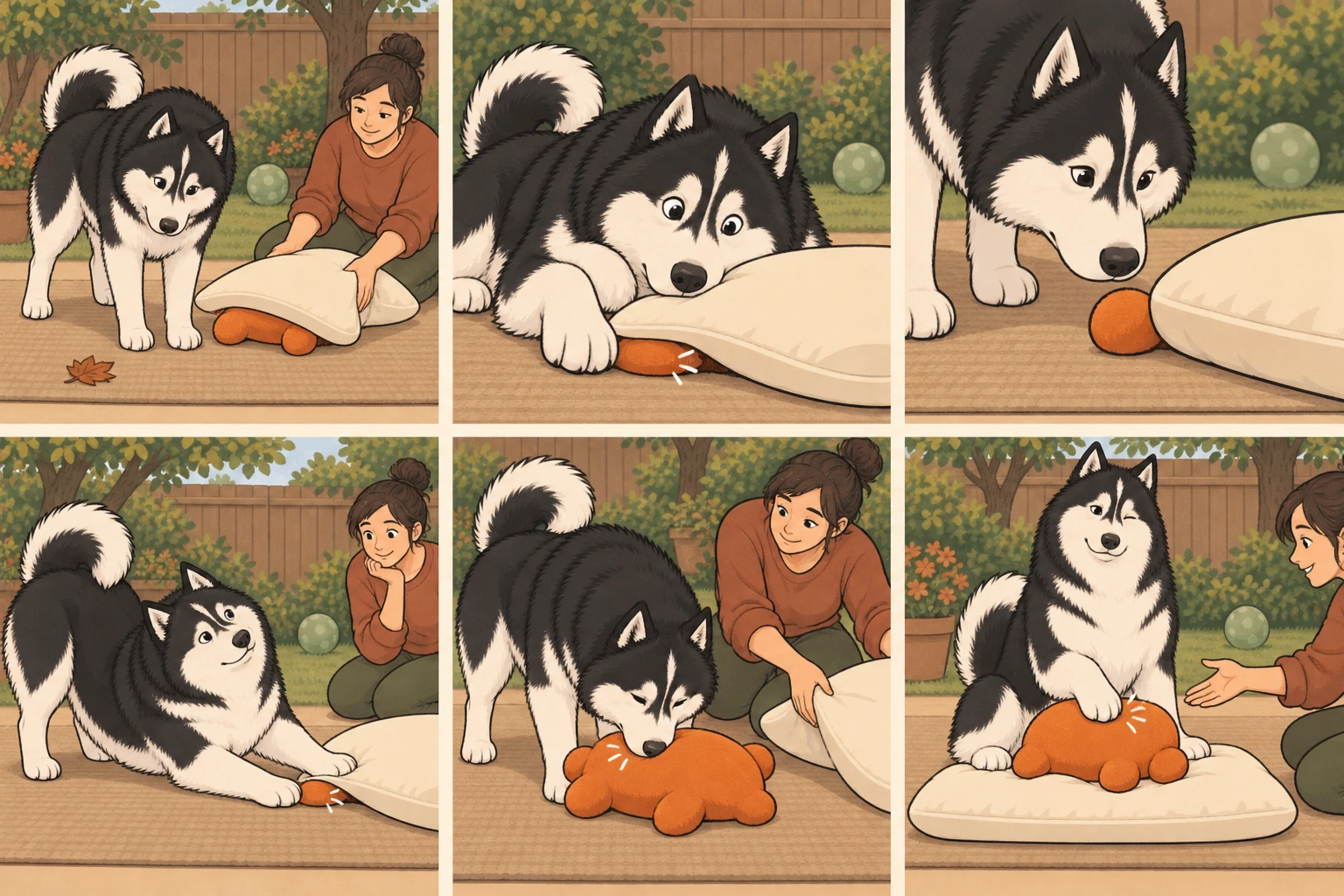
The breed has a history of roughly 1,100–2,000 years alongside the Thule culture of Inuit in Arctic Canada. It hauled sleds, carried packs in summer and helped hunters find seal breathing holes and hold large game at bay. The present strain arose chiefly from dogs acquired from remaining Inuit-kept populations by the Eskimo Dog Research Foundation.
Muscular and substantial, with a broad, deep chest, this dog is built for strength and endurance rather than speed. Males stand 58–70 cm at the withers and females 50–60 cm and are generally lighter; the short, thick ears are erect, and the bushy tail is usually raised or curled over the back.
Look for a muscular, not fat, body, a broad deep chest, wedge-shaped head, short thick erect ears and a usually raised bushy tail. The standard accepts many solid colours, two-colour patterns and facial markings rather than defining colour varieties. Males are generally larger with a more pronounced mane; females are smaller and often shorter-coated.
The standard describes mature dogs as generally gentle and affectionate; with strangers, they may show quiet curiosity or keep their distance, and individuals vary. This is a pack-oriented working dog that can respond intensely to food, work or play. Consistent, reward-based guidance by experienced adults is appropriate; the standard does not regard it as a child's pet.
Brush the dense double coat regularly, more often during its annual moult when undercoat can come away in clumps. Provide secure, engaging activity such as appropriate pulling or pack work, introduced gradually rather than relying on brief walks alone. Plan for reliable containment, consistent household rules and adult supervision of interactions with other dogs. Reward-based training helps build cooperation while allowing for an individual's strong responses to stimulation.
The standard explicitly says it should not be considered a child's pet; adults must take responsibility for handling and training. Supervise any contact with children carefully and respond to the individual dog's behaviour.
During the annual moult, dense undercoat may loosen in clumps over several days, so brush out loose hair. Check and groom the thick coat routinely at other times too; females may also moult after having pups.
Offer safe outdoor exploration and suitable pulling or pack tasks matched to the dog's condition and working heritage. Teach leash skills, recall and waiting gradually with rewards, and manage encounters with other dogs.
SOURCE NOTES
Breed traits follow the cited official standards; everyday care advice is our editorial interpretation of coat, build and working purpose.
Coat and size varieties can share a standard. The number is an archive reference, not a rarity score. An independent educational atlas, not a registry publication. Temperament varies; consult a veterinarian about health concerns.
WOOFMAP / CANADIAN-ESKIMO-DOG / LITTLE MOMENTS
Our illustrated male has a black-and-white coat, short thick erect ears, a wedge-shaped head, a broad deep chest, a dense double coat, a neck-and-shoulder mane and a bushy curled tail. His garden moods are fictional, not breed guarantees.
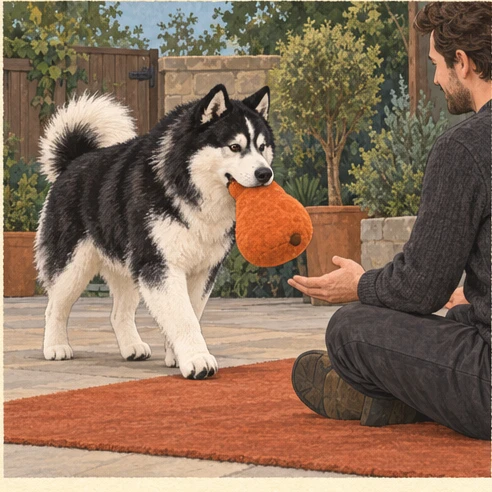
In the enclosed garden, he brings an oversized squeaky plush to an adult, his bushy tail curled over his back.
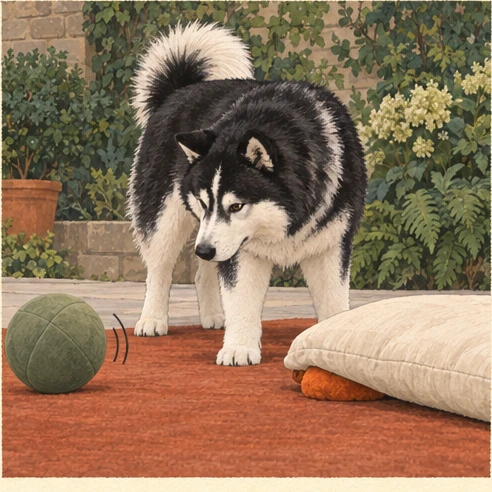
The plush bumps a soft ball and slips beneath a cushion edge. He watches the ball roll away instead.
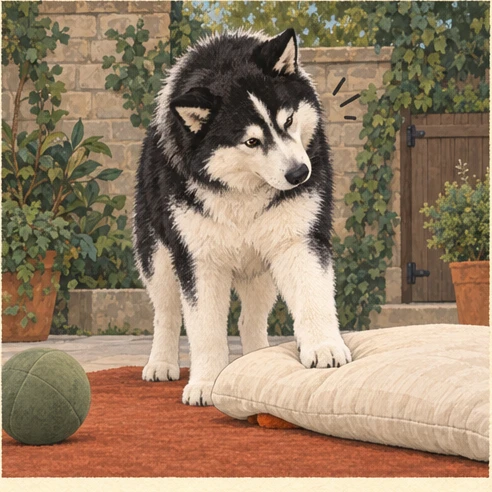
One forepaw presses the cushion: squeak! His short, thick erect ears frame a very puzzled face.
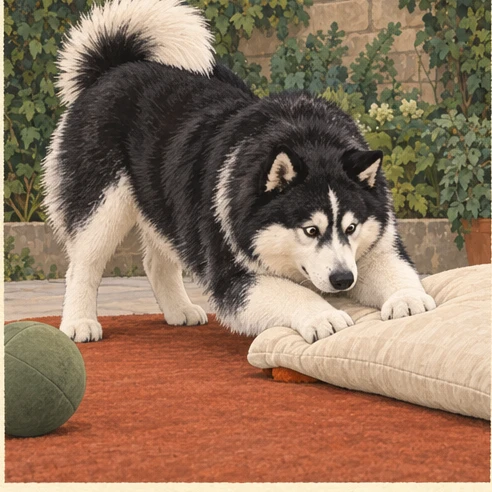
A nose press, then both forepaws: two more squeaks. This fictional detective looks increasingly baffled.
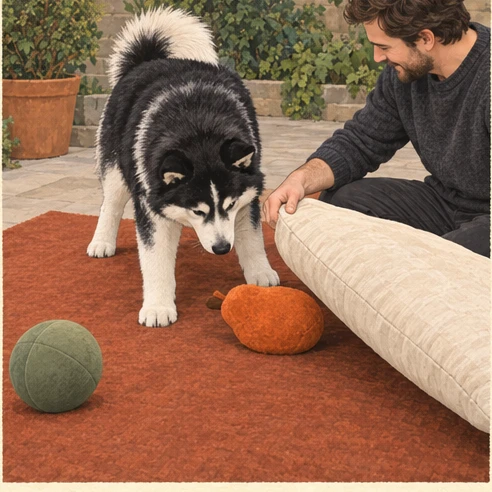
The adult lifts the cushion, revealing the plush. His small, obliquely set eyes find the culprit.
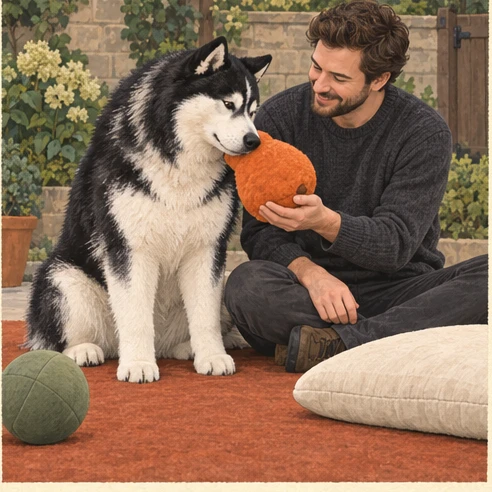
He sits proudly, offers the plush back, then gives it a gentle nose press. Case closed; squeaking continues.
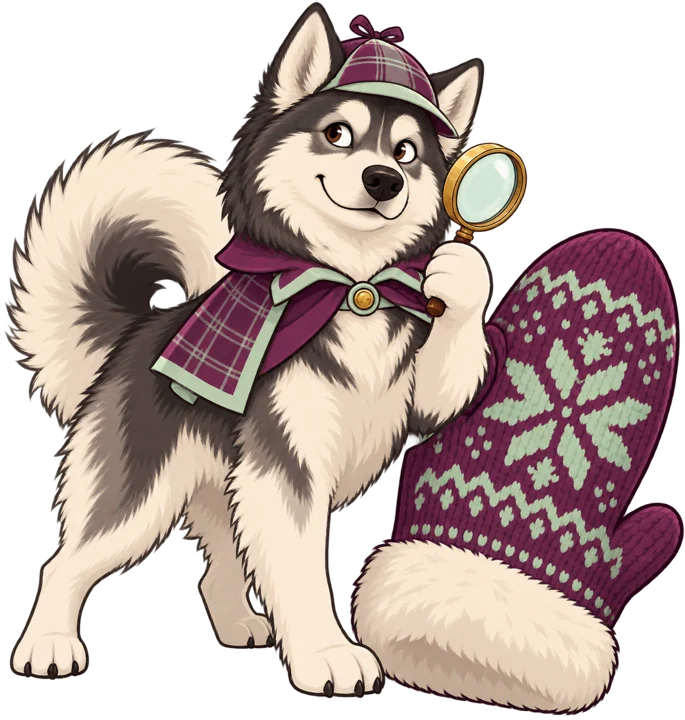

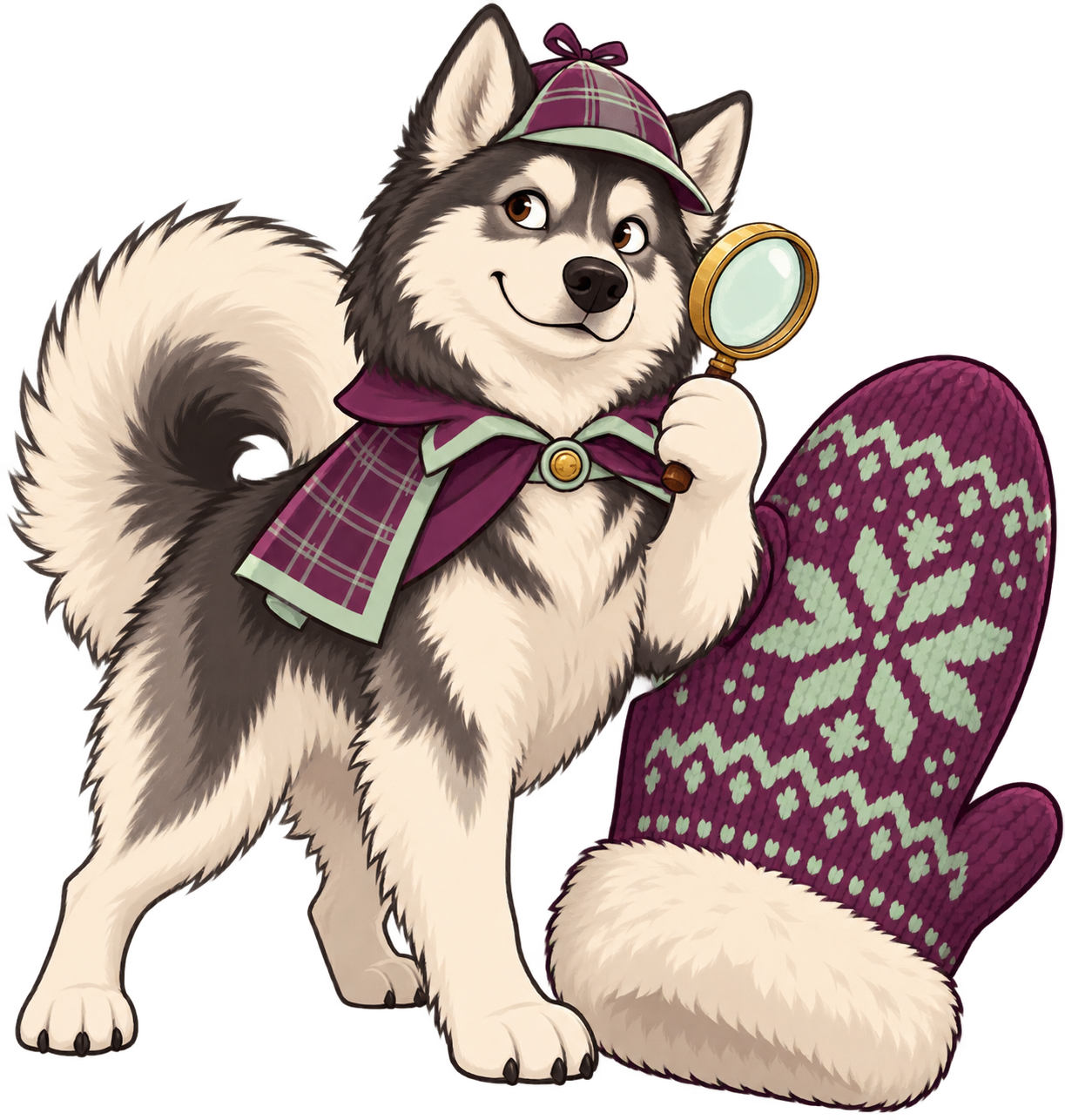
Eight transparent PNGs to save individually. Switch captions on or off for your chats.
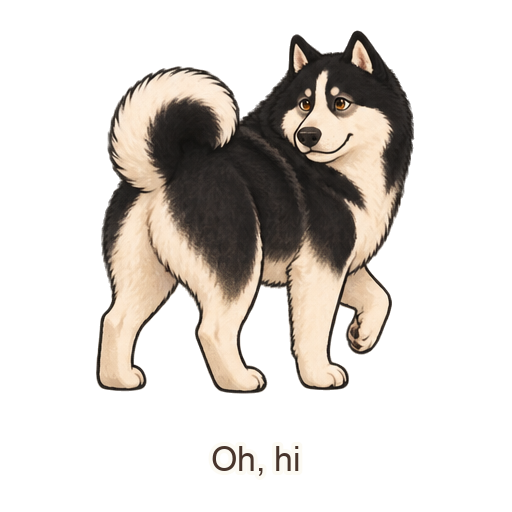 Oh, hi
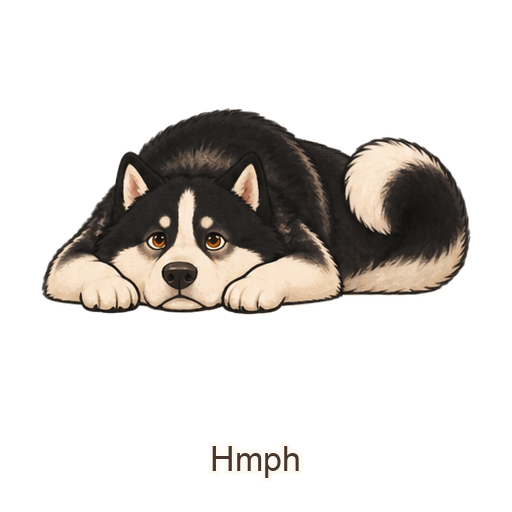 Hmph
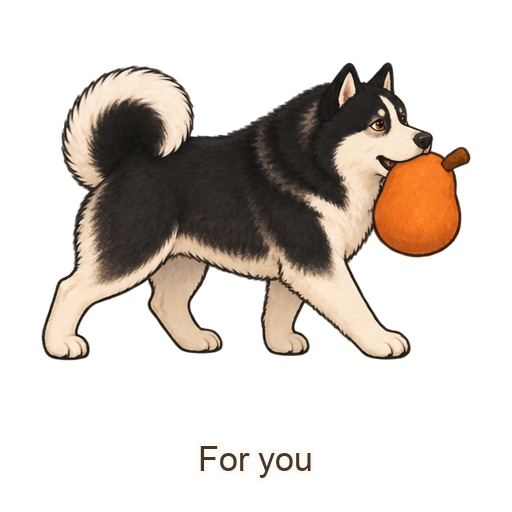 For you
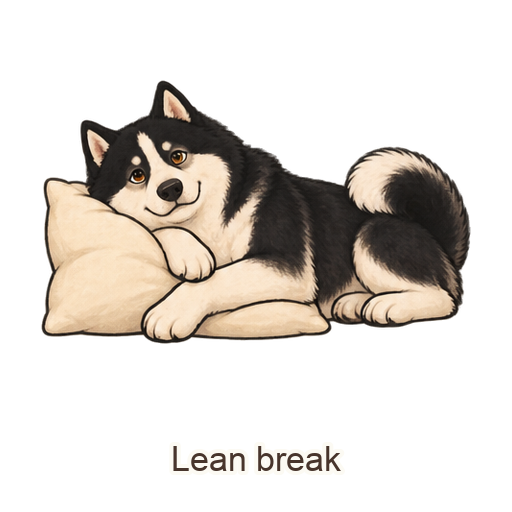 Lean break
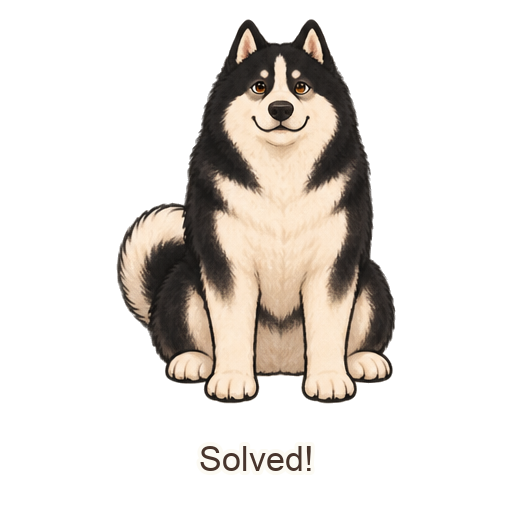 Solved!
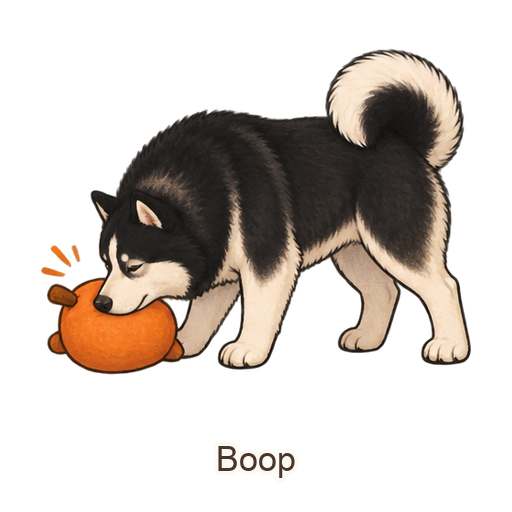 Boop
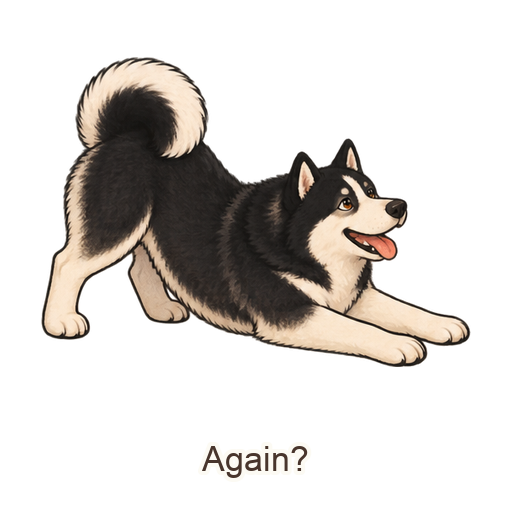 Again?
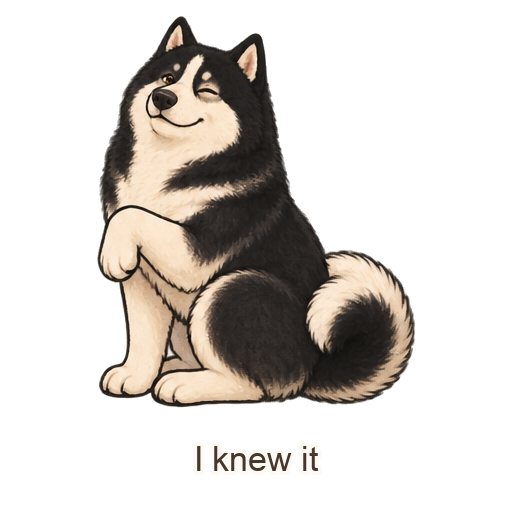 I knew it
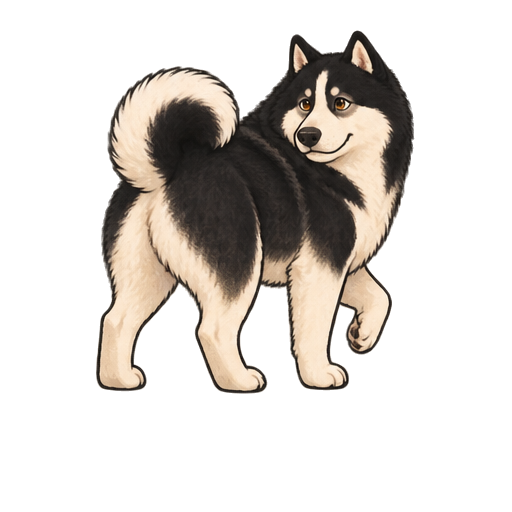 Oh, hi
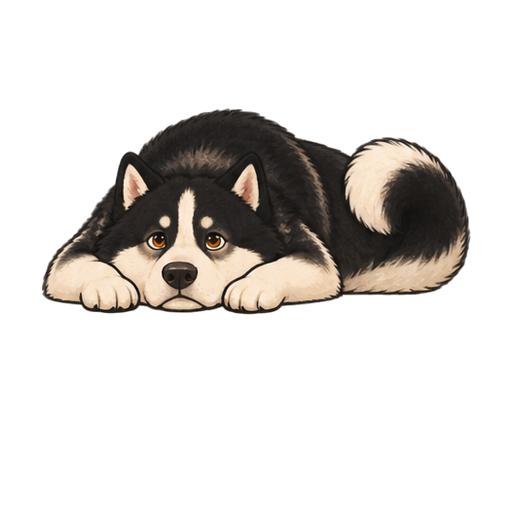 Hmph
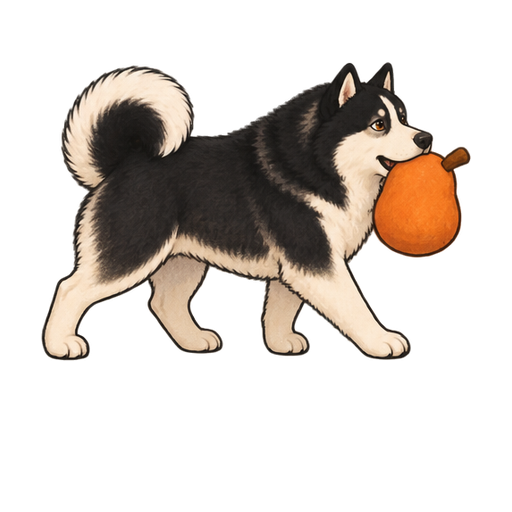 For you
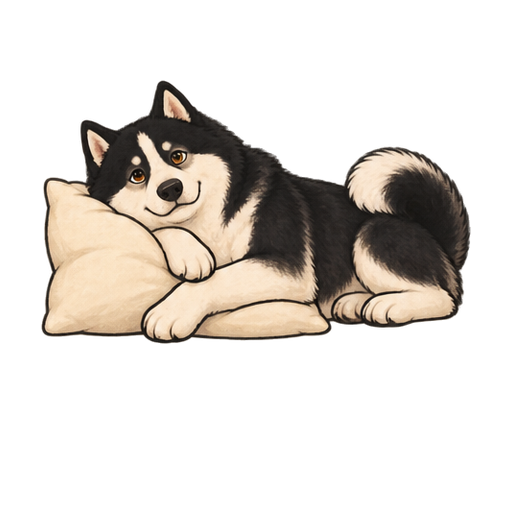 Lean break
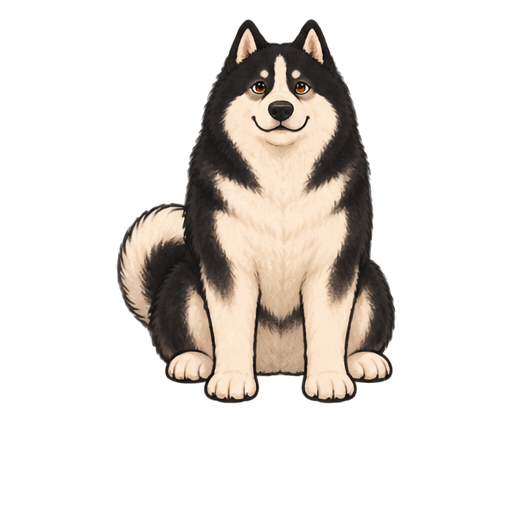 Solved!
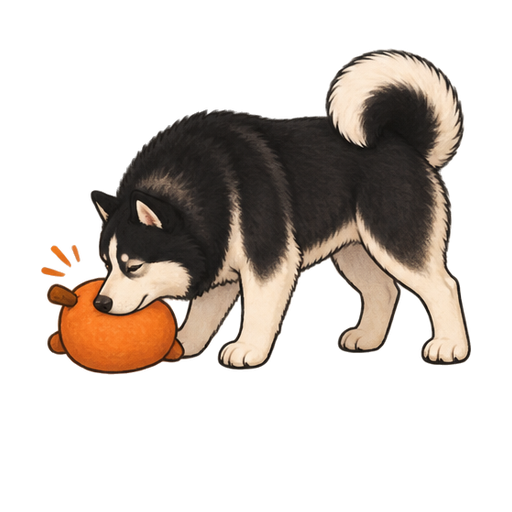 Boop
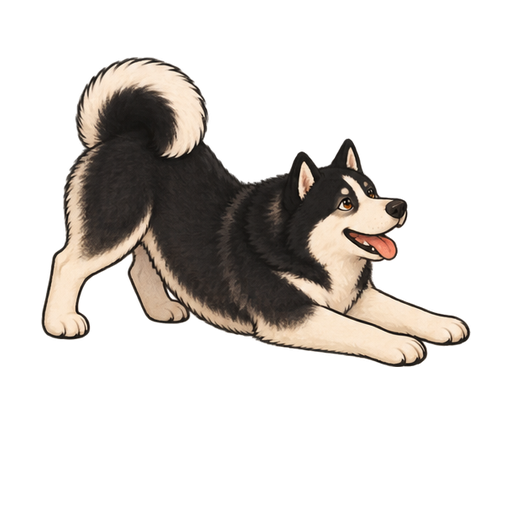 Again?
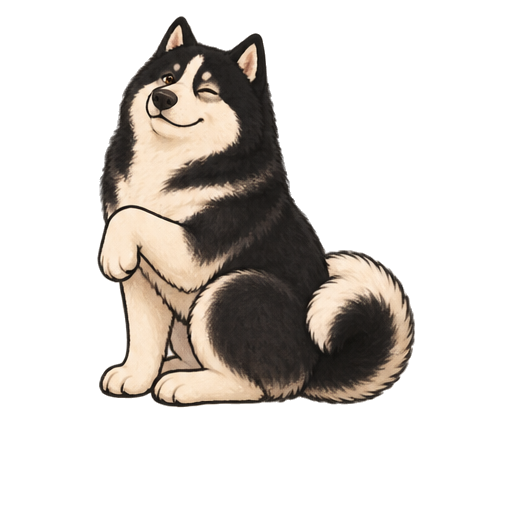 I knew it
Original woofmap artwork, assisted by GPT Image 2. Free for personal chats and non-commercial sharing with credit to woofmap.com. Fictional moods do not predict every dog’s temperament; see this page’s factual sources.
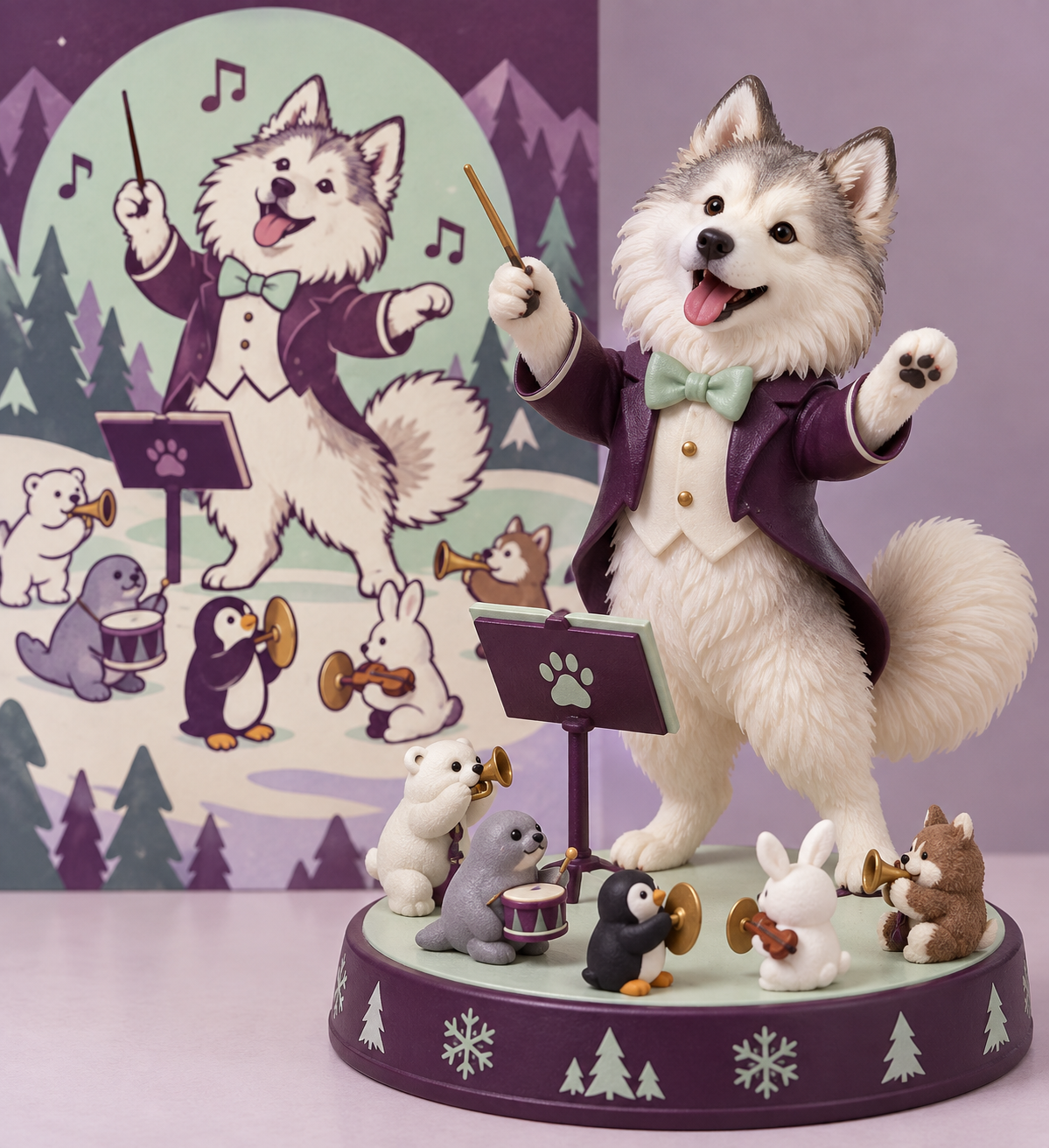
Combine the available parts, choose a name and take a little joy home.
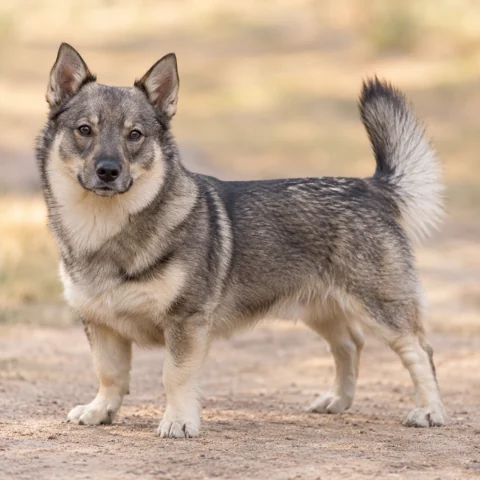 AI realistic image
Spitz and primitive types
Swedish Vallhund
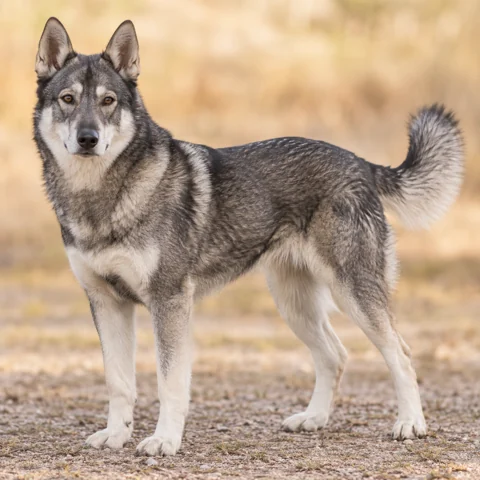 AI realistic image
Spitz and primitive types
Jämthund
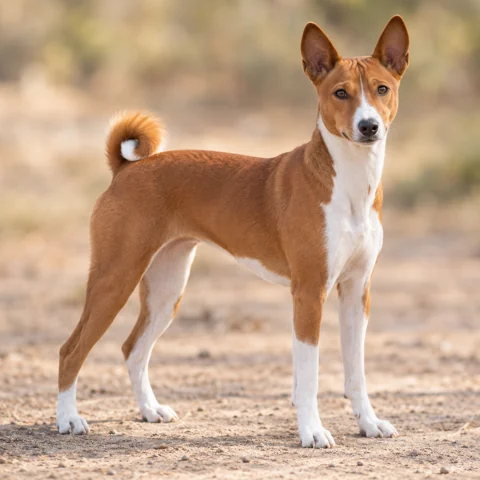 AI realistic image
Spitz and primitive types
Basenji