WOOFMAP · CANINE ARCHIVENO. 136
Companion and toy dogs
Cavalier King Charles Spaniel
Cavalier King Charles Spaniel
✳ woofmap.comGreat Britain
WOOFMAP · CANINE ARCHIVE · NO. 136
Cavalier King Charles Spaniel
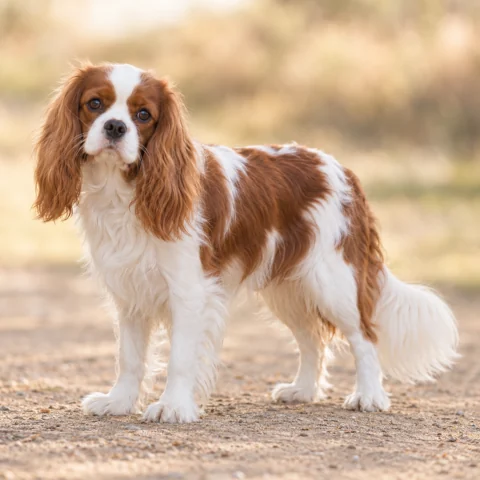
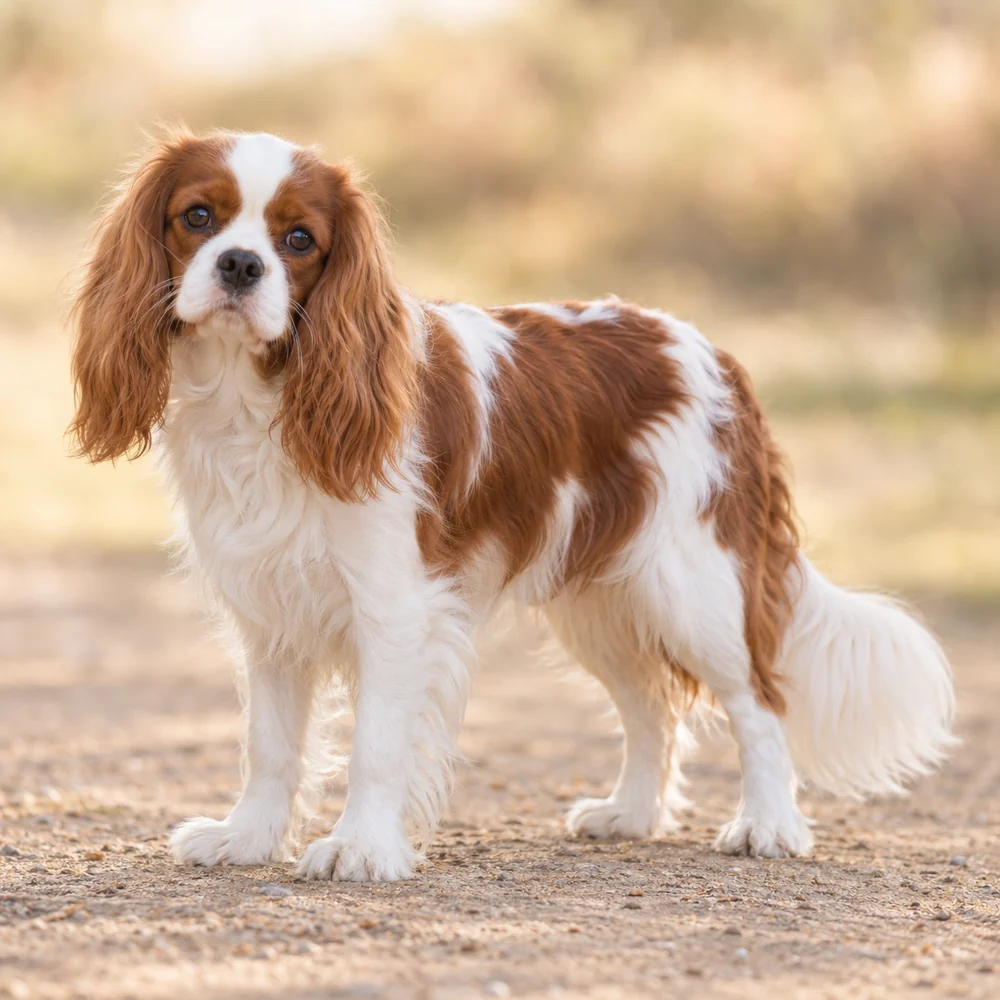
Silky ears and four distinctive colour patterns.
AI-generated realistic breed image, for visual reference.
Real recording · Individual vocal example · Short sample Excerpt trimmed, volume normalized and converted to MP3; pitch and speed unchanged.
Recording source: bspiller5 · Freesound · Dog Barking - Cavalier King Charles Spaniel ↗ · CC BY 3.0 · Open the recording
Companion and toy dogs
Cavalier King Charles Spaniel
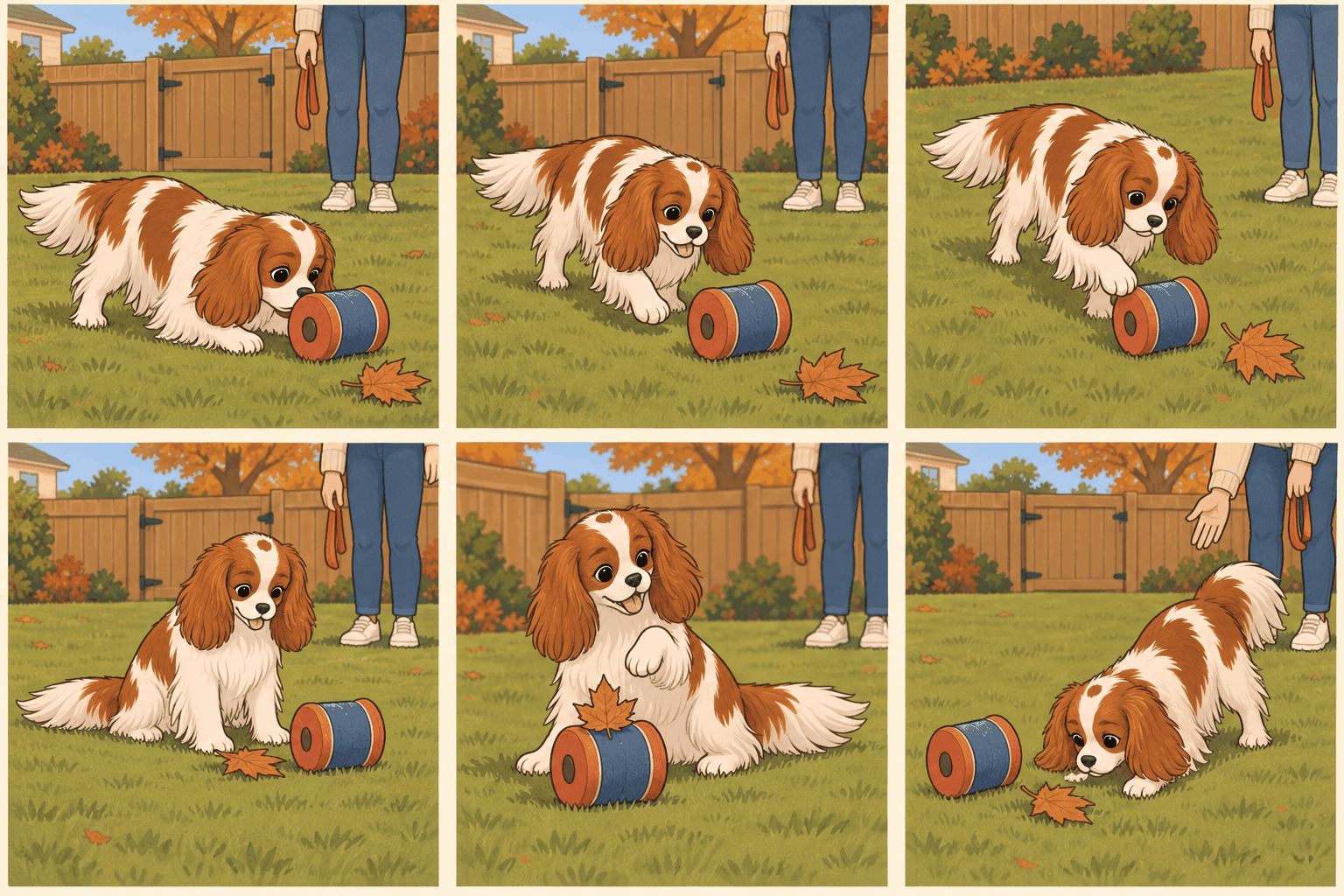
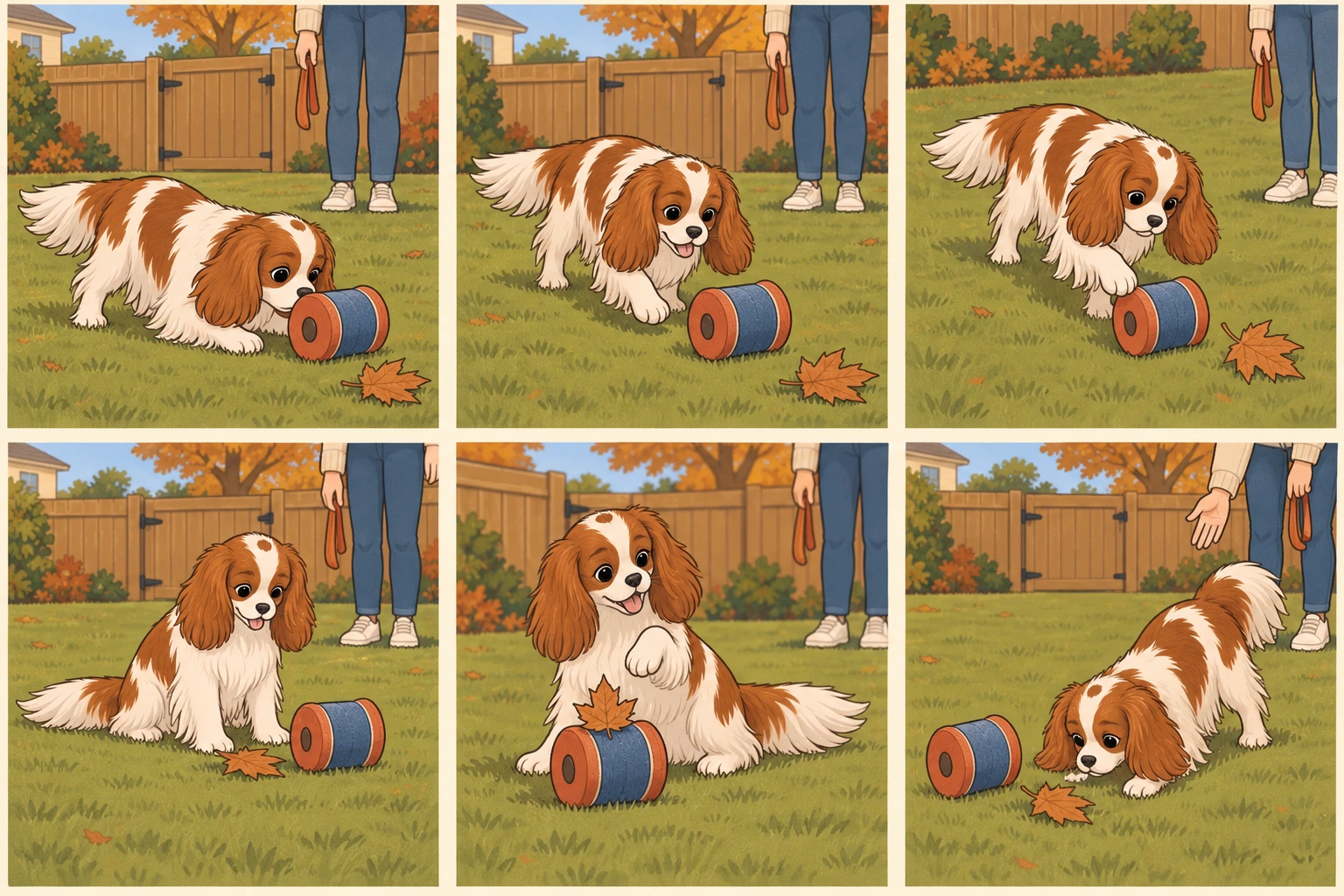
One gentle nudge sends a fabric spool rolling through the yard—until a leaf steals the finale. The handler keeps the ribbon separate, out of the dog's mouth and clear of its body.
Originating in Great Britain, the breed is classified among English Toy Spaniels and its stated use is as a companion and toy dog. The standard gives no development timeline or former working role; it describes a small, balanced dog with elegant movement and an affectionate temperament.
Small and balanced, it has a standard weight of 5.4–8 kg, a level back and moderately boned limbs. Its high-set ears carry abundant feathering; the proportionate tail is carried happily but not much above the back.
Look for high-set, long feathered ears, dark round eyes that do not protrude, and a long silky coat without curls. All four recognized colours belong to the same breed, not separate size varieties; Blenheim has chestnut markings on pearly white, with a spot between the ears especially prized.
The standard describes a sporting, affectionate, fearless, cheerful and friendly dog, without aggression or a tendency to nervousness. Guide its energy with kind, reward-based training while allowing for individual differences in responses to people, dogs and new places.
Brush the feathering on ears, legs, underside and tail regularly to prevent tangles, and keep the coat's natural appearance. Offer daily walks, sniffing and play as well as companionship. Reward-based practice can build recall, loose-lead walking and comfort with time alone. Small size does not remove its need for engagement and consistent household routines.
Its small size can suit apartment living when walks, interaction and quiet rest are provided. Teach comfort with solitude and everyday sounds gradually rather than relying on a breed-wide promise of easy behaviour.
Check behind the ears, under the legs and through the feathering for knots, then brush them out gently. A naturally untrimmed presentation does not mean the long coat can be left unchecked or uncleaned.
Indoor games help, but walks and opportunities to sniff offer broader stimulation. Adjust activity to the individual and practise lead manners and responding when called outdoors.
FCI published a revised English standard on 6 October 2026; the PDF gives 8 September 2026 as the date of the official valid standard. Use the official standard linked on this page for the full provisions. The revision explicitly excludes unlisted colours or combinations. This is a breed-standard rule, not a judgement of an individual dog’s health or value.
SOURCE NOTES
Breed traits follow the cited official standards; everyday care advice is our editorial interpretation of coat, build and working purpose.
Coat and size varieties can share a standard. The number is an archive reference, not a rarity score. An independent educational atlas, not a registry publication. Temperament varies; consult a veterinarian about health concerns.
WOOFMAP / CAVALIER-KING-CHARLES-SPANIEL / LITTLE MOMENTS
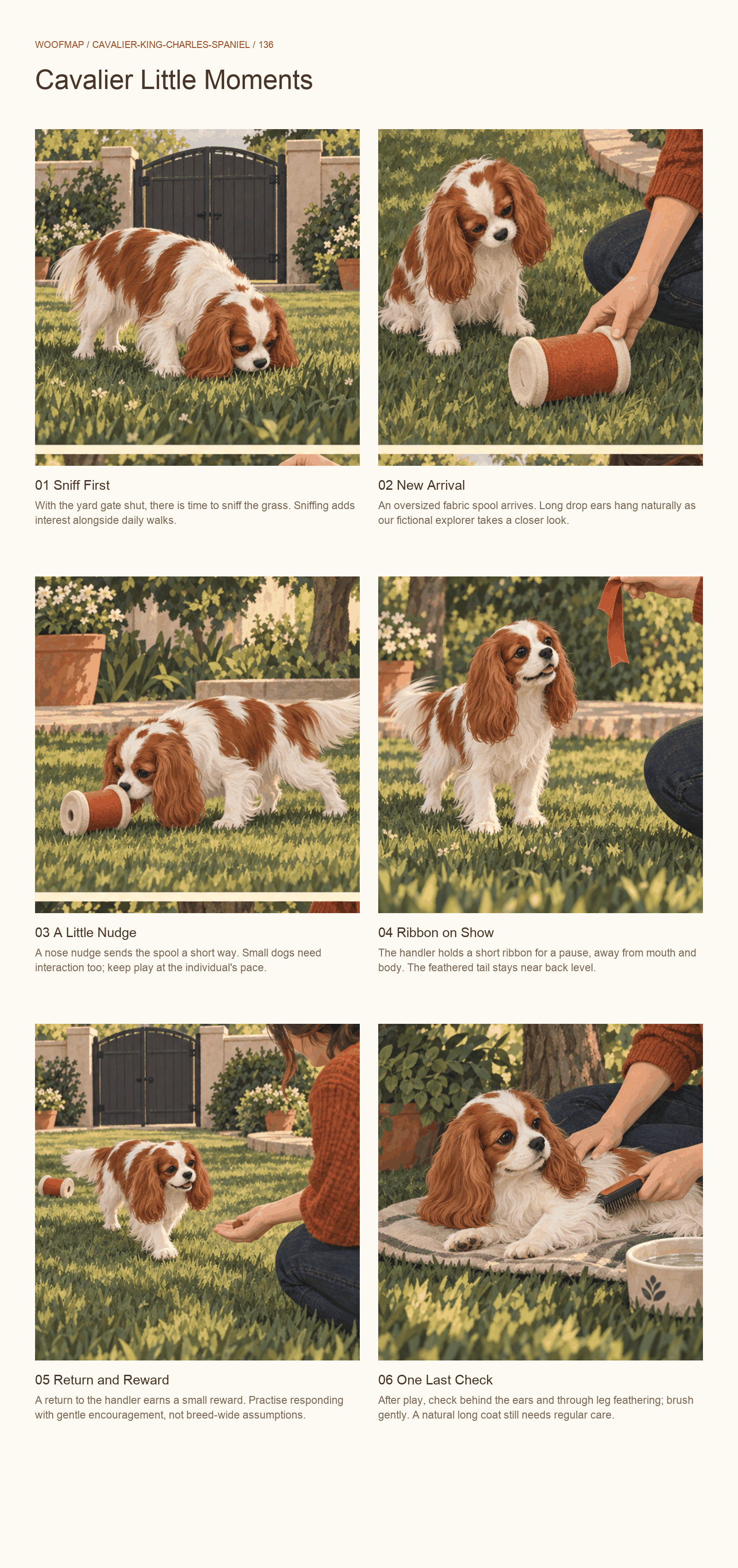
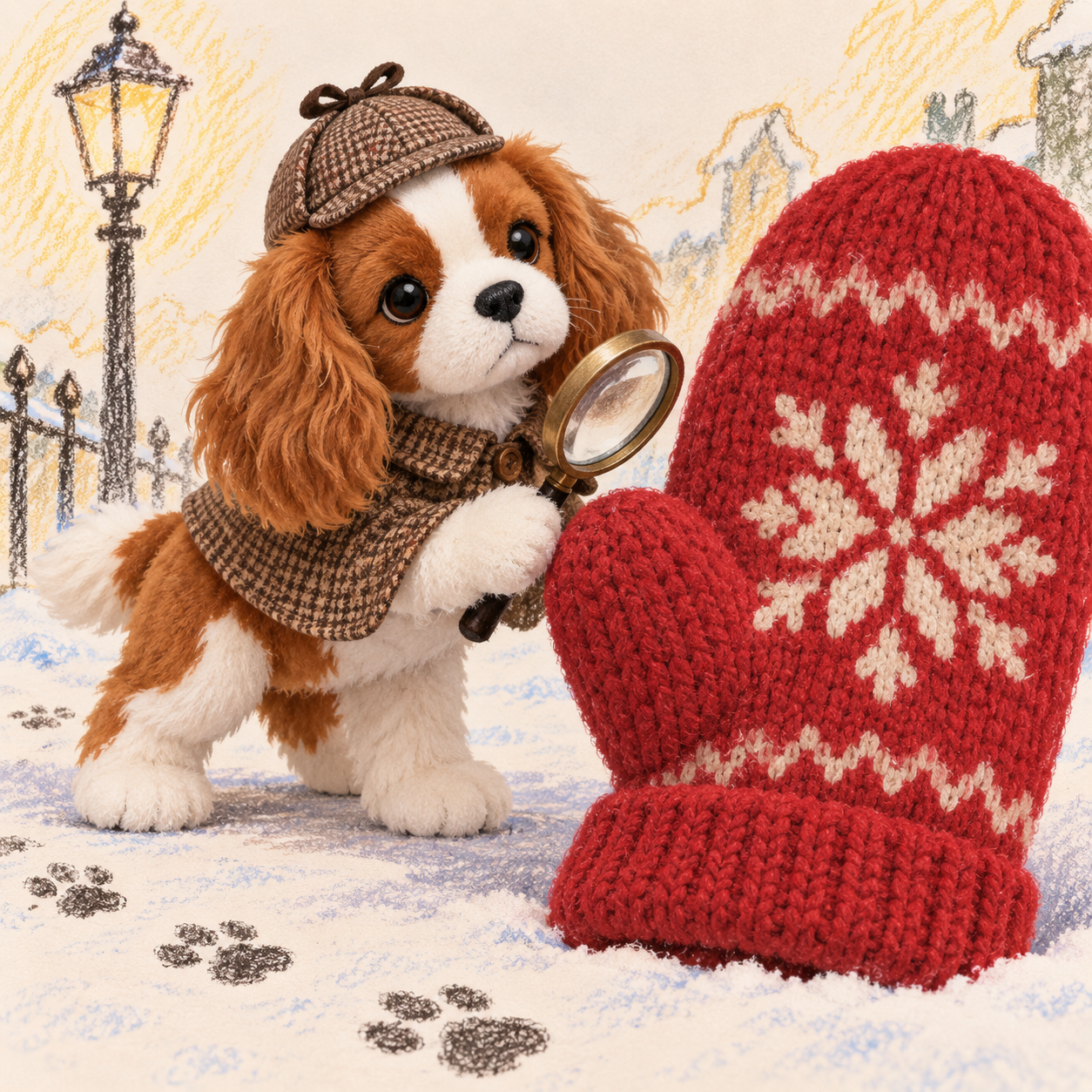
This Cavalier King Charles Spaniel wears the Blenheim variant: chestnut markings on pearly white, high-set drop ears and silky feathering. The yard-side moods belong to this fictional individual.
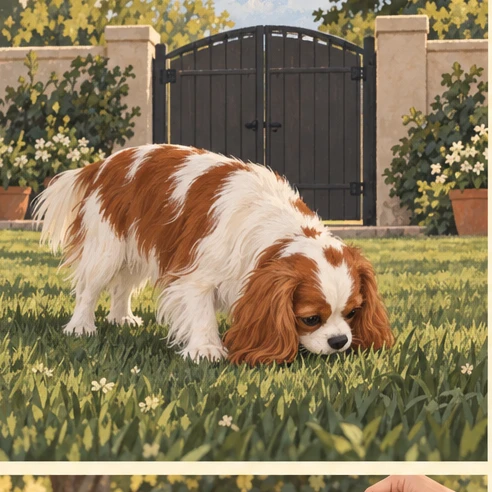
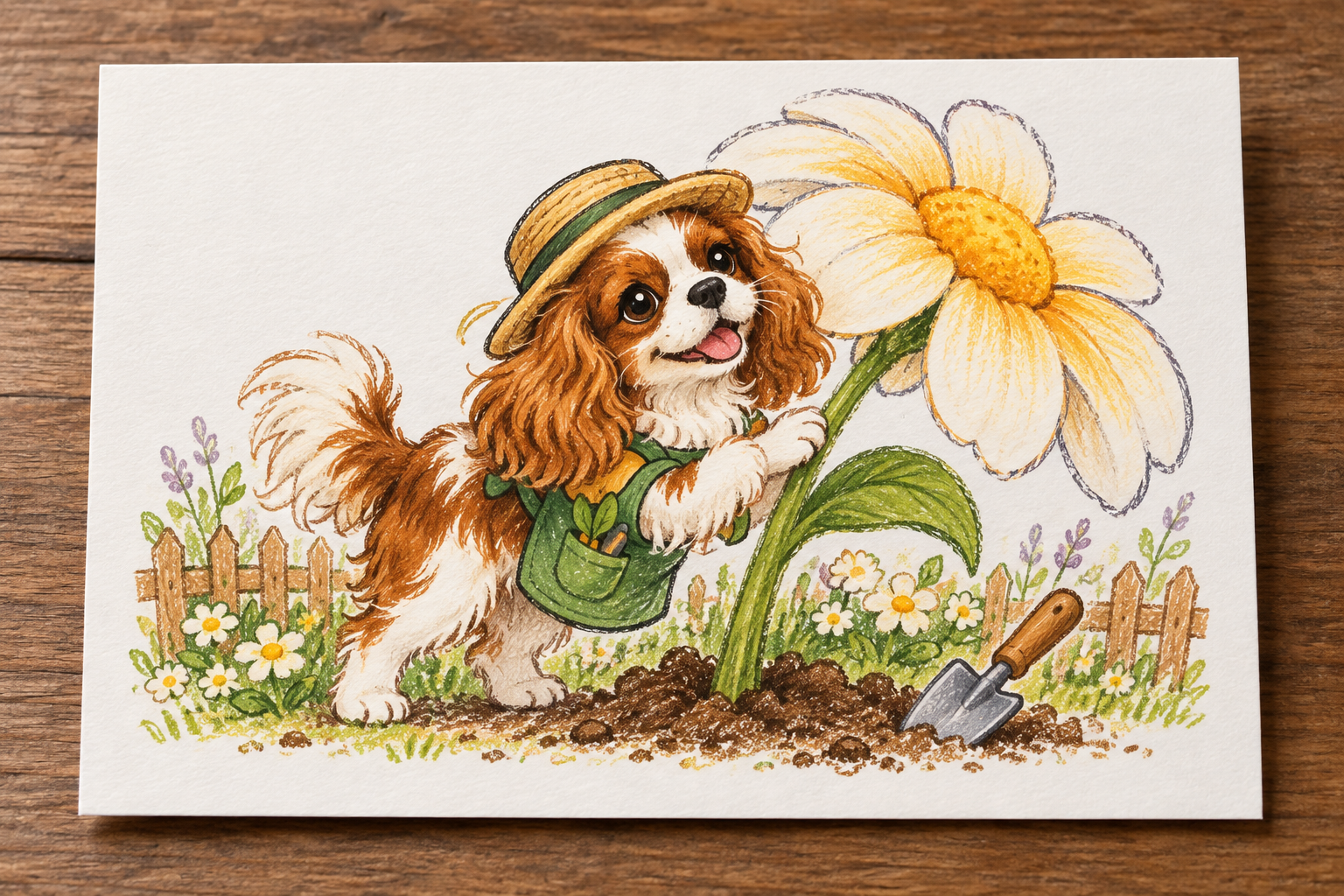
With the yard gate shut, there is time to sniff the grass. Sniffing adds interest alongside daily walks.
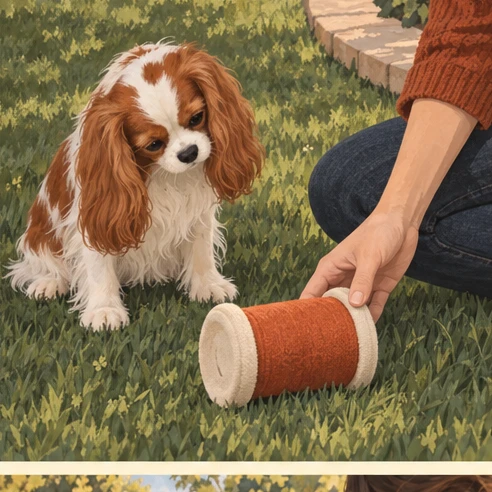
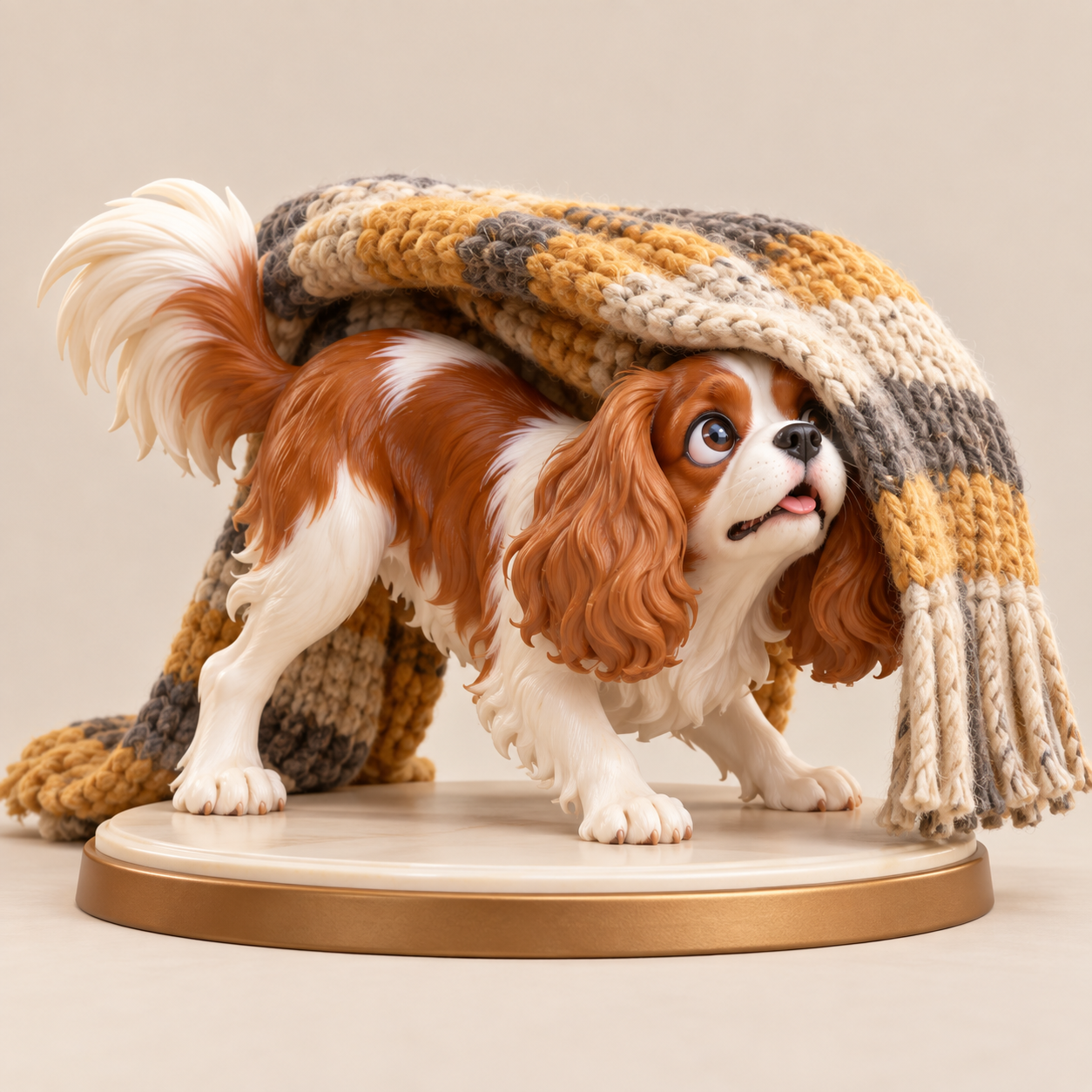
An oversized fabric spool arrives. Long drop ears hang naturally as our fictional explorer takes a closer look.
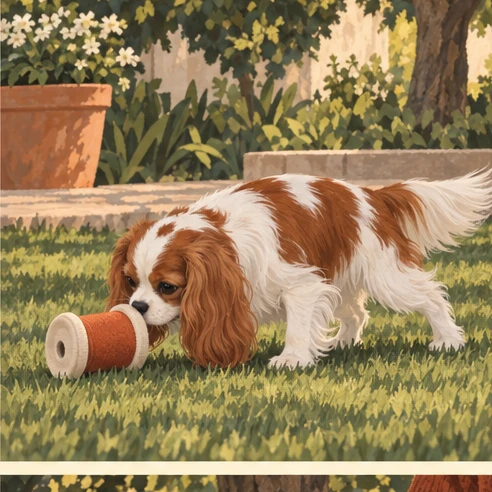
A nose nudge sends the spool a short way. Small dogs need interaction too; keep play at the individual's pace.
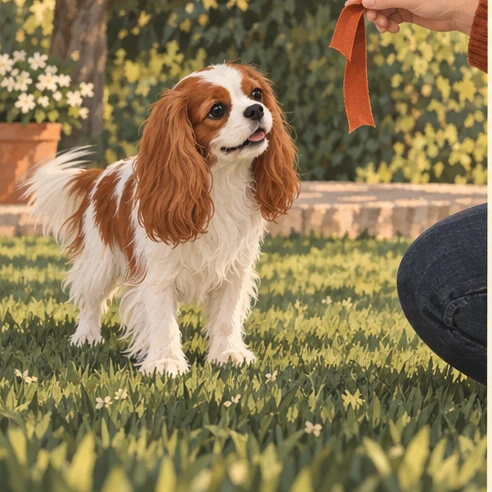
The handler holds a short ribbon for a pause, away from mouth and body. The feathered tail stays near back level.
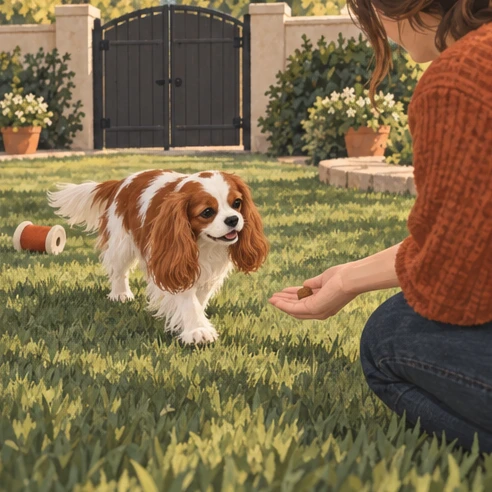
A return to the handler earns a small reward. Practise responding with gentle encouragement, not breed-wide assumptions.
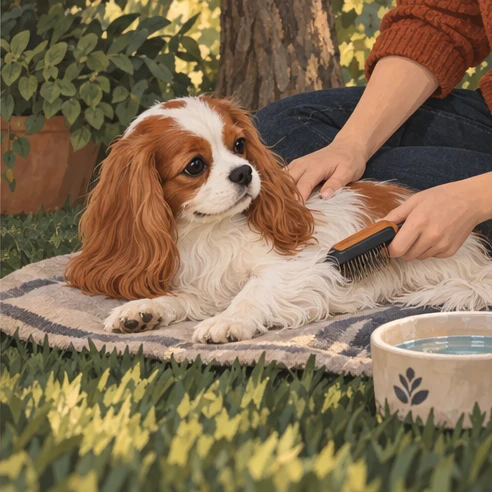
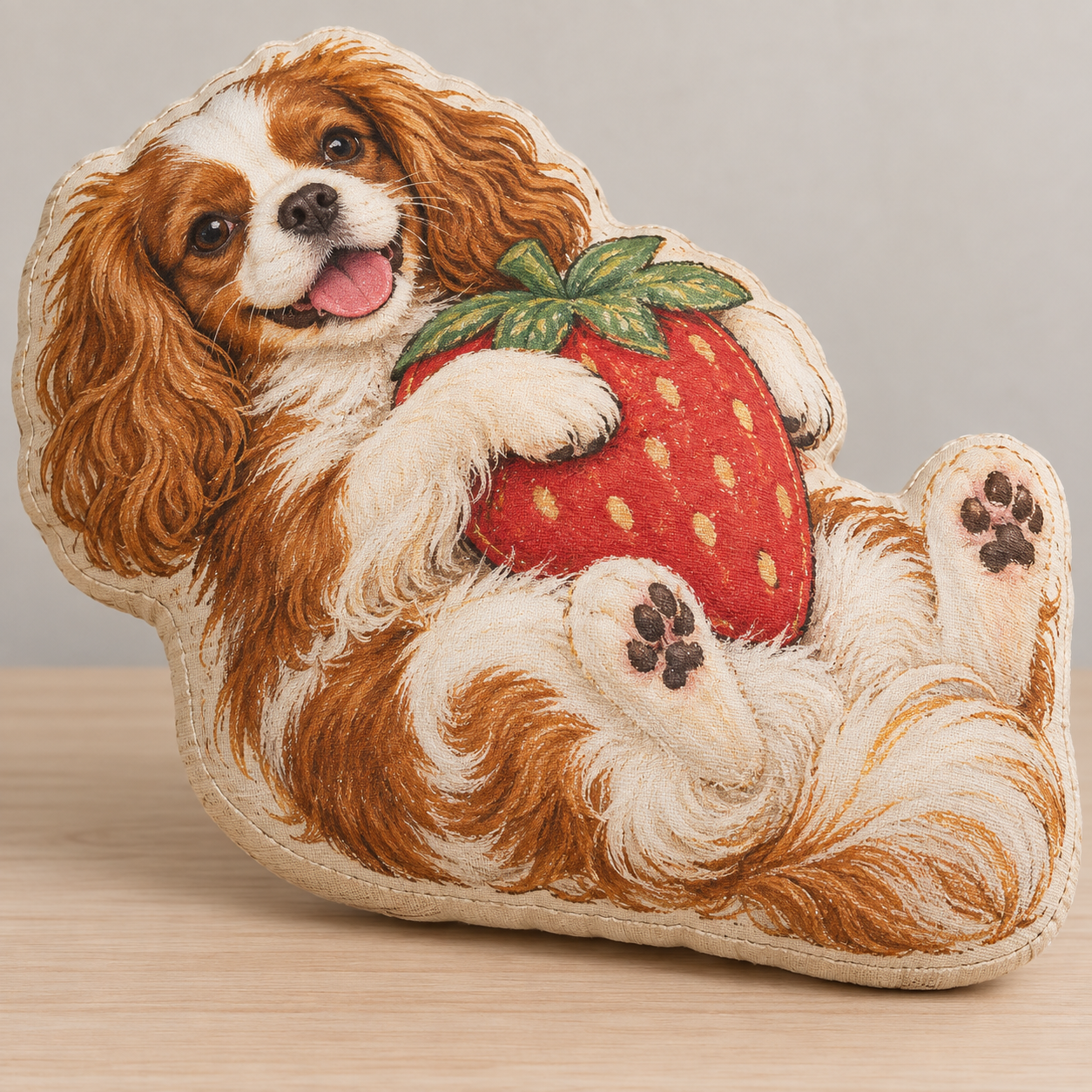
After play, check behind the ears and through leg feathering; brush gently. A natural long coat still needs regular care.

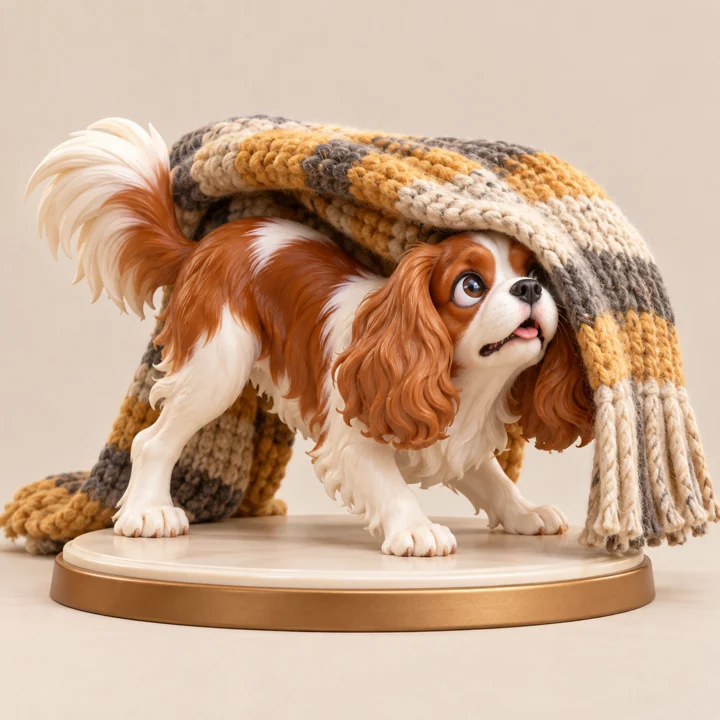

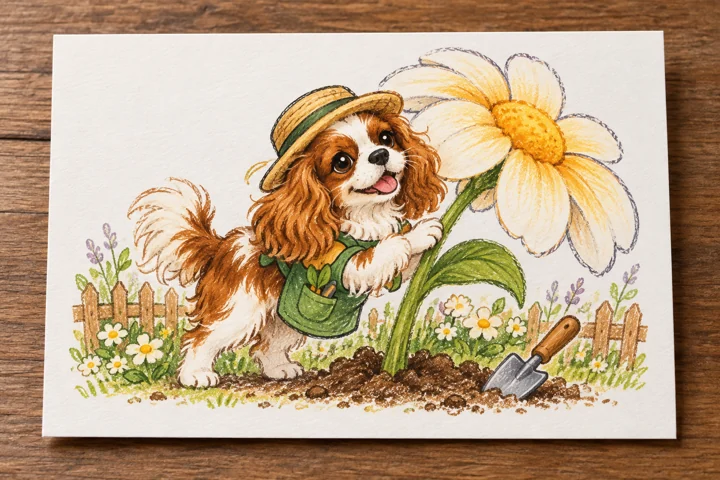
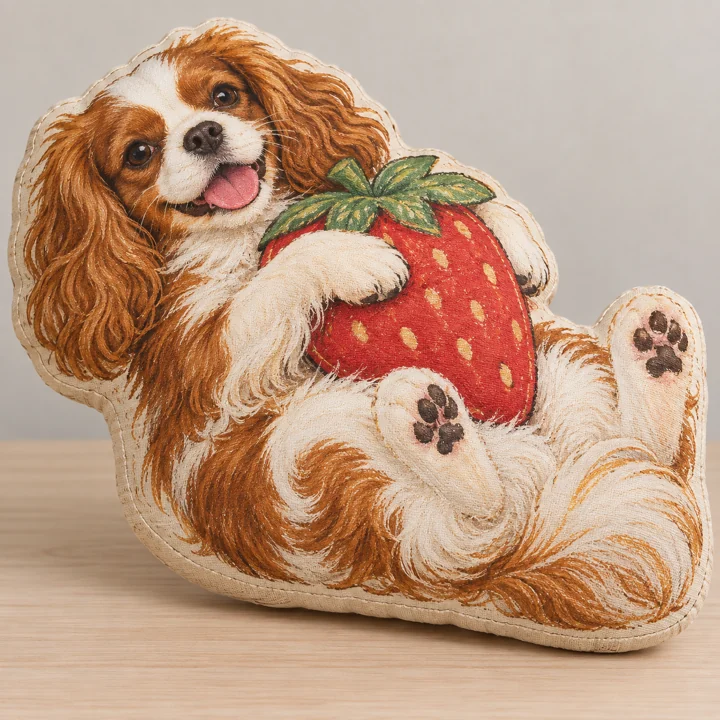
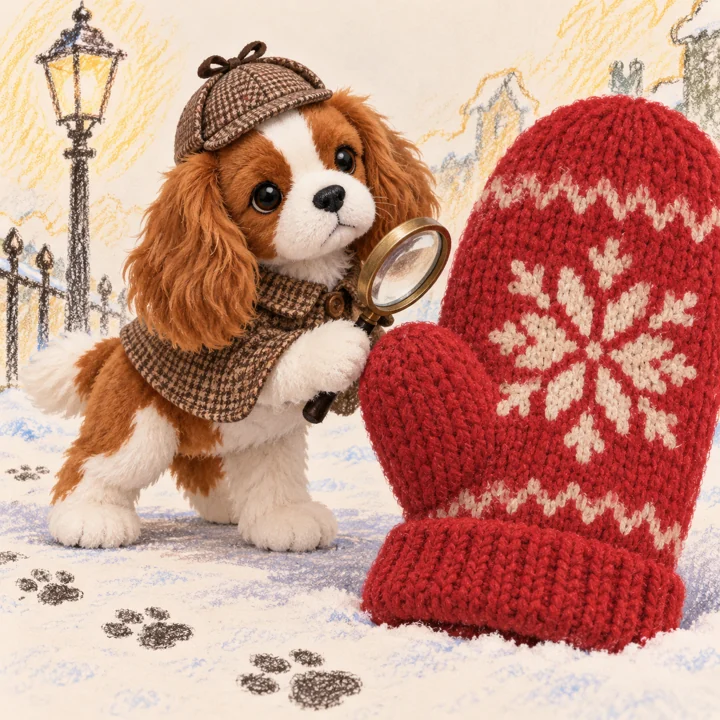
Eight transparent PNGs to save individually. Switch captions on or off for your chats.
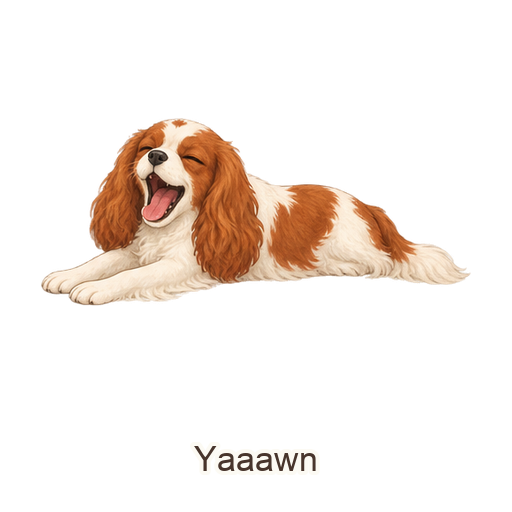 Yaaawn
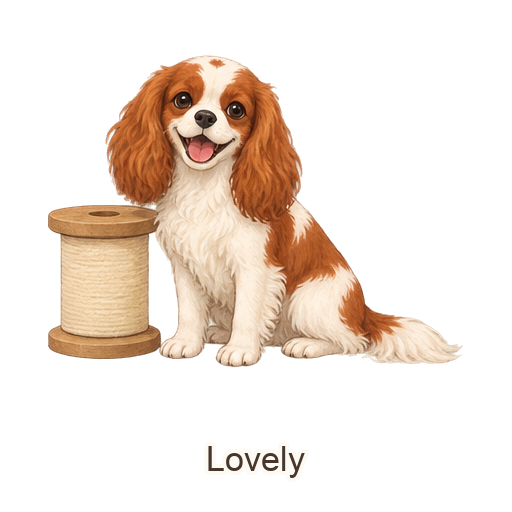 Lovely
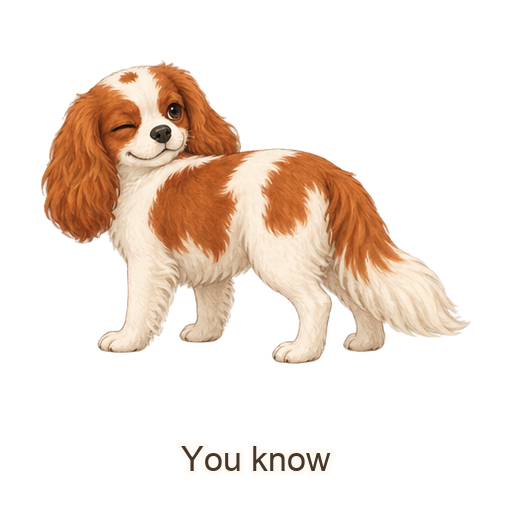 You know
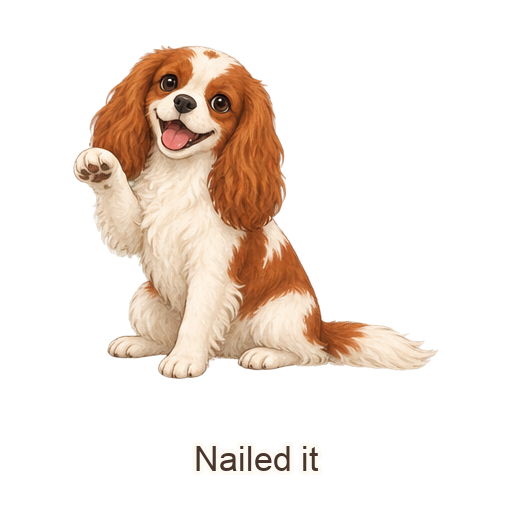 Nailed it
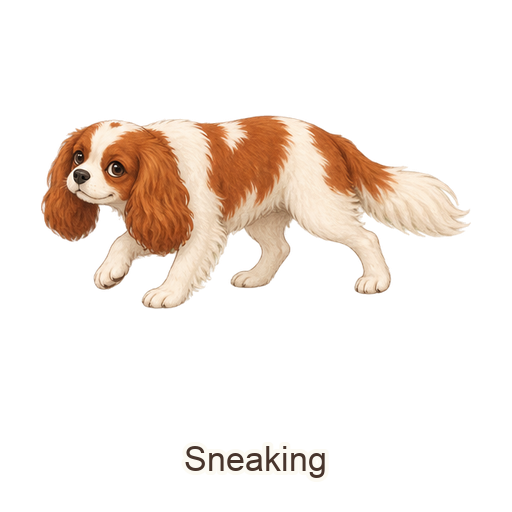 Sneaking
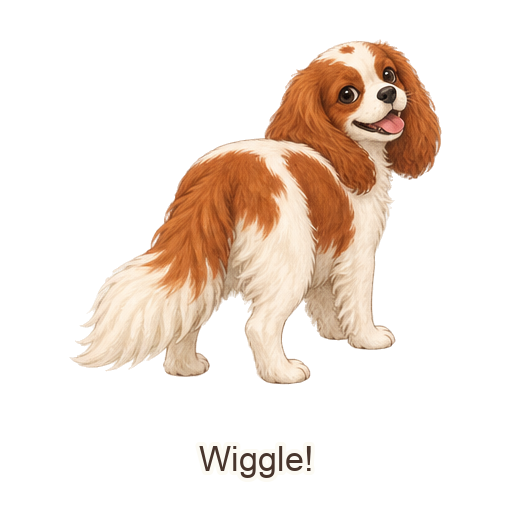 Wiggle!
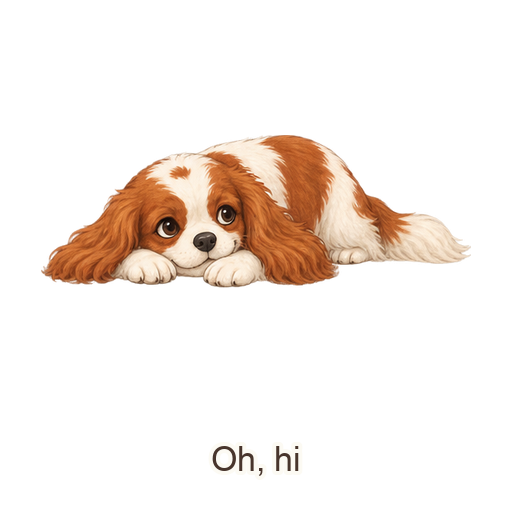 Oh, hi
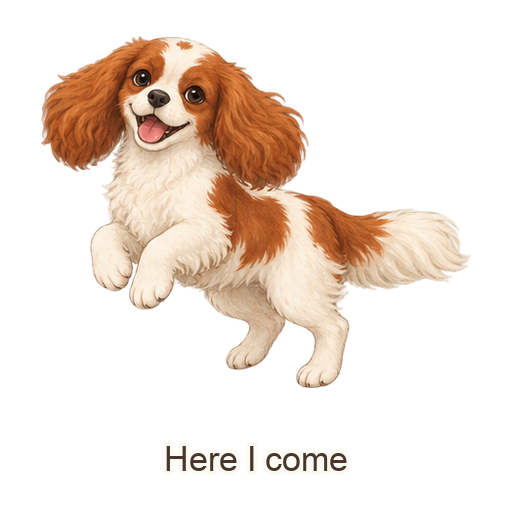 Here I come
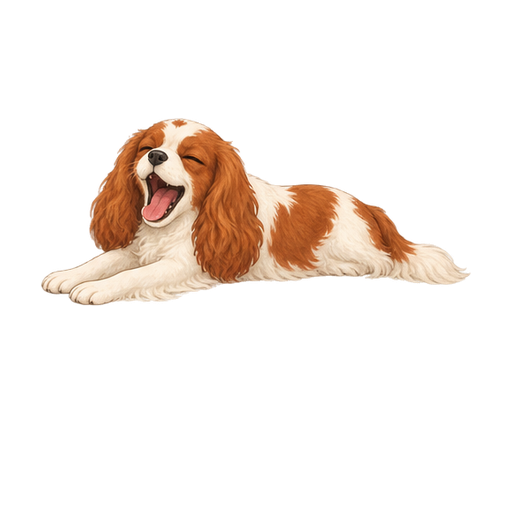 Yaaawn
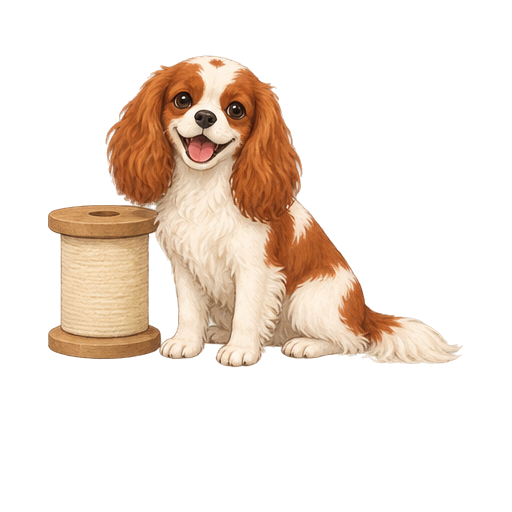 Lovely
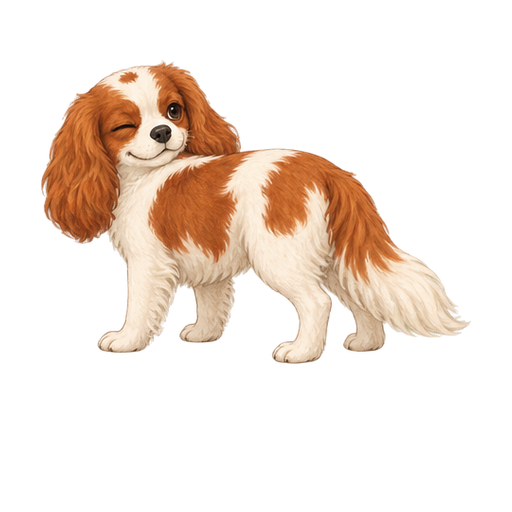 You know
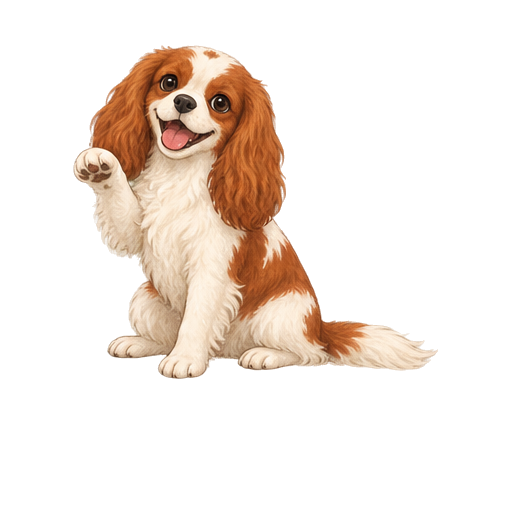 Nailed it
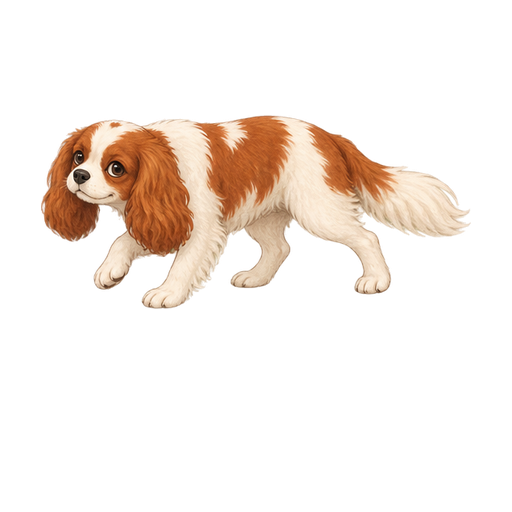 Sneaking
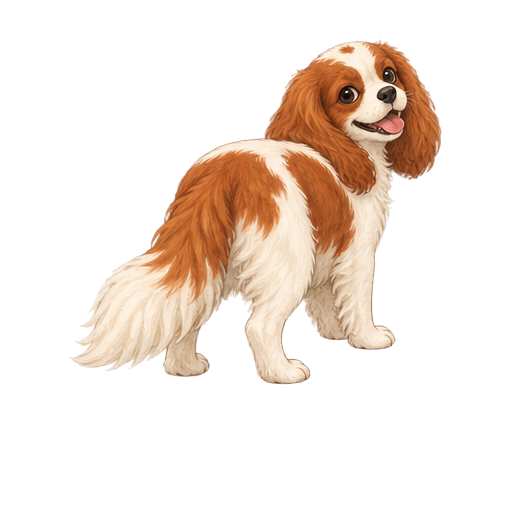 Wiggle!
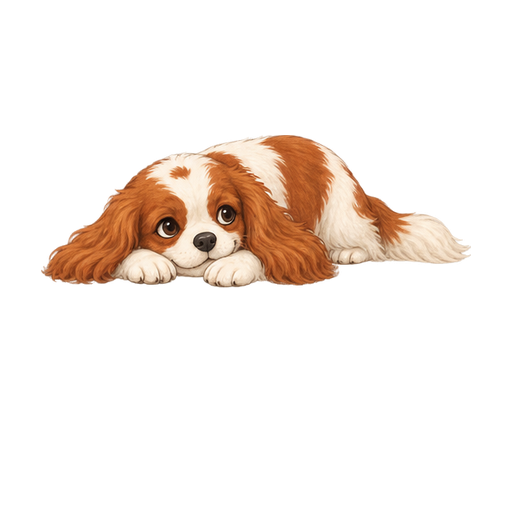 Oh, hi
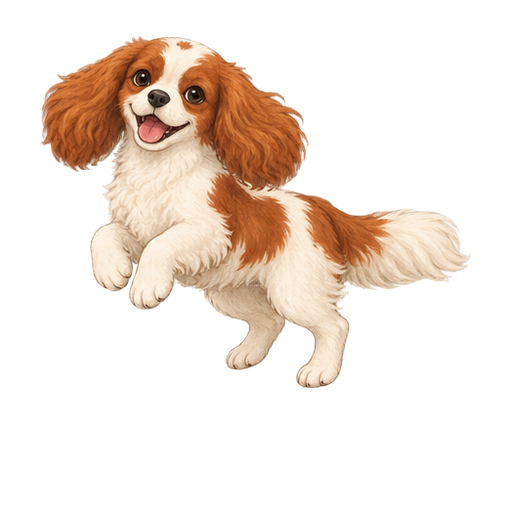 Here I come
Original woofmap artwork, assisted by GPT Image 2. Free for personal chats and non-commercial sharing with credit to woofmap.com. Fictional moods do not predict every dog’s temperament; see this page’s factual sources.
Combine the available parts, choose a name and take a little joy home.
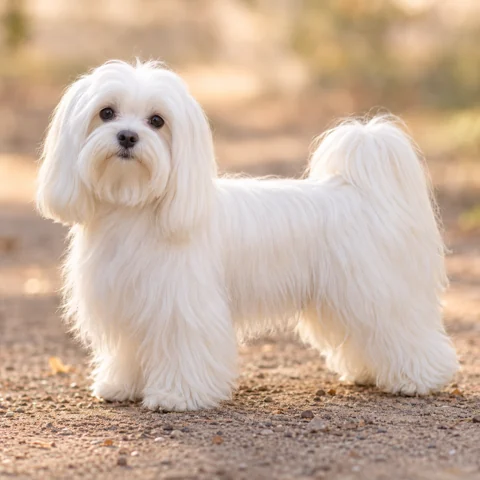 AI realistic image
Companion and toy dogs
Maltese
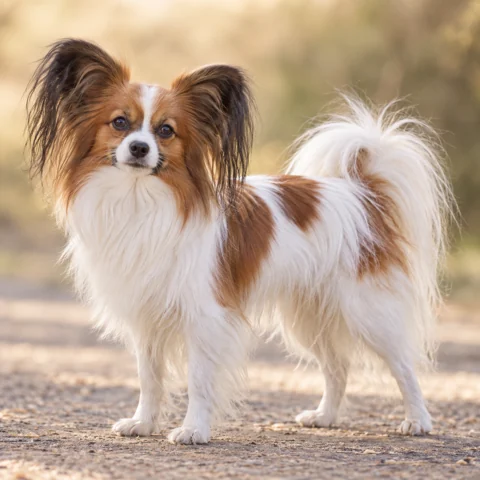 AI realistic image
Companion and toy dogs
Continental Toy Spaniel
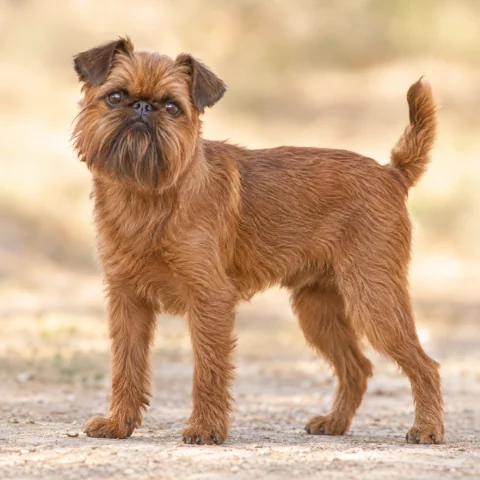 AI realistic image
Companion and toy dogs
Griffon Bruxellois