WOOFMAP · CANINE ARCHIVENO. 263
Retrievers, flushing dogs and water dogs
Chesapeake Bay Retriever
Chesapeake Bay Retriever
✳ woofmap.comUnited States of America
WOOFMAP · CANINE ARCHIVE · NO. 263
Chesapeake Bay Retriever
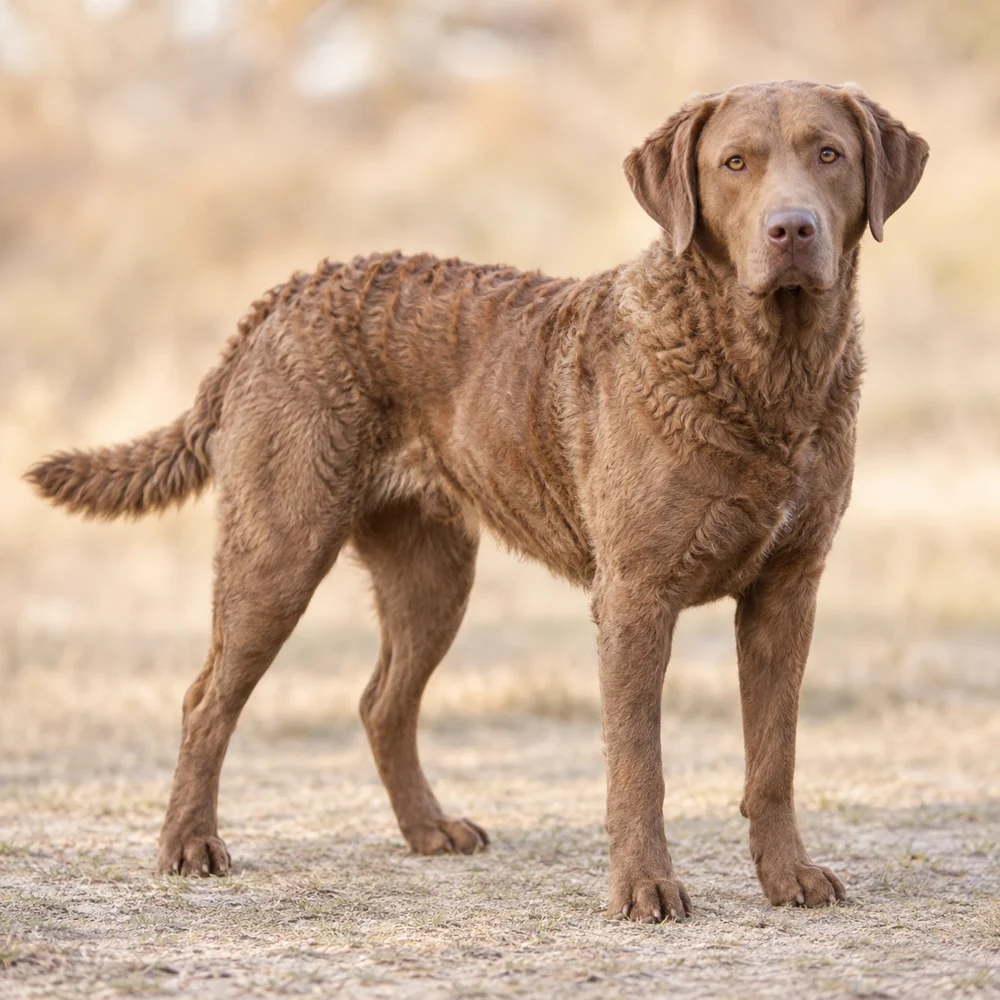
A retriever shaped by cold-water waterfowl work on Chesapeake Bay.
AI-generated realistic breed image, for visual reference.
This Chesapeake Bay Retriever page is still waiting for a voice. Live with a Chesapeake Bay Retriever? Share a natural bark, howl or whine and let others hear a little of your dog’s everyday life.
If we feature your recording, we’ll credit you or your dog using the name you choose.
A 5–15 second phone recording in a quiet setting is perfect. Capture a natural moment without startling or disturbing your dog. Audio or video with sound is welcome.
Share your dog’s voice ↗[email protected]Attach your recording, breed and preferred credit. Please confirm you recorded it and allow woofmap to feature it.
Thank you for helping us build a playful Woof Planet together. Every little woof deserves to be heard.
Retrievers, flushing dogs and water dogs
Chesapeake Bay Retriever
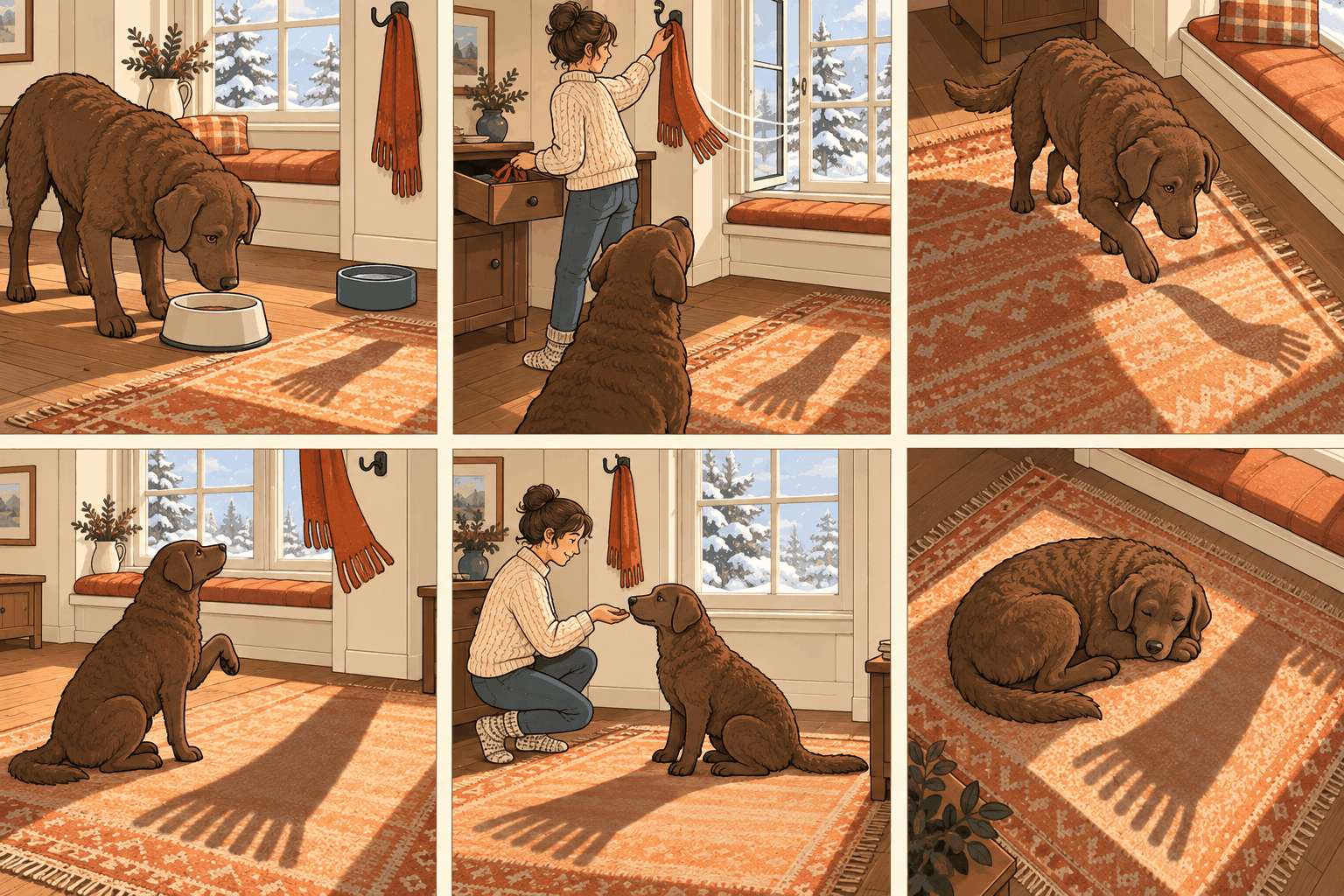
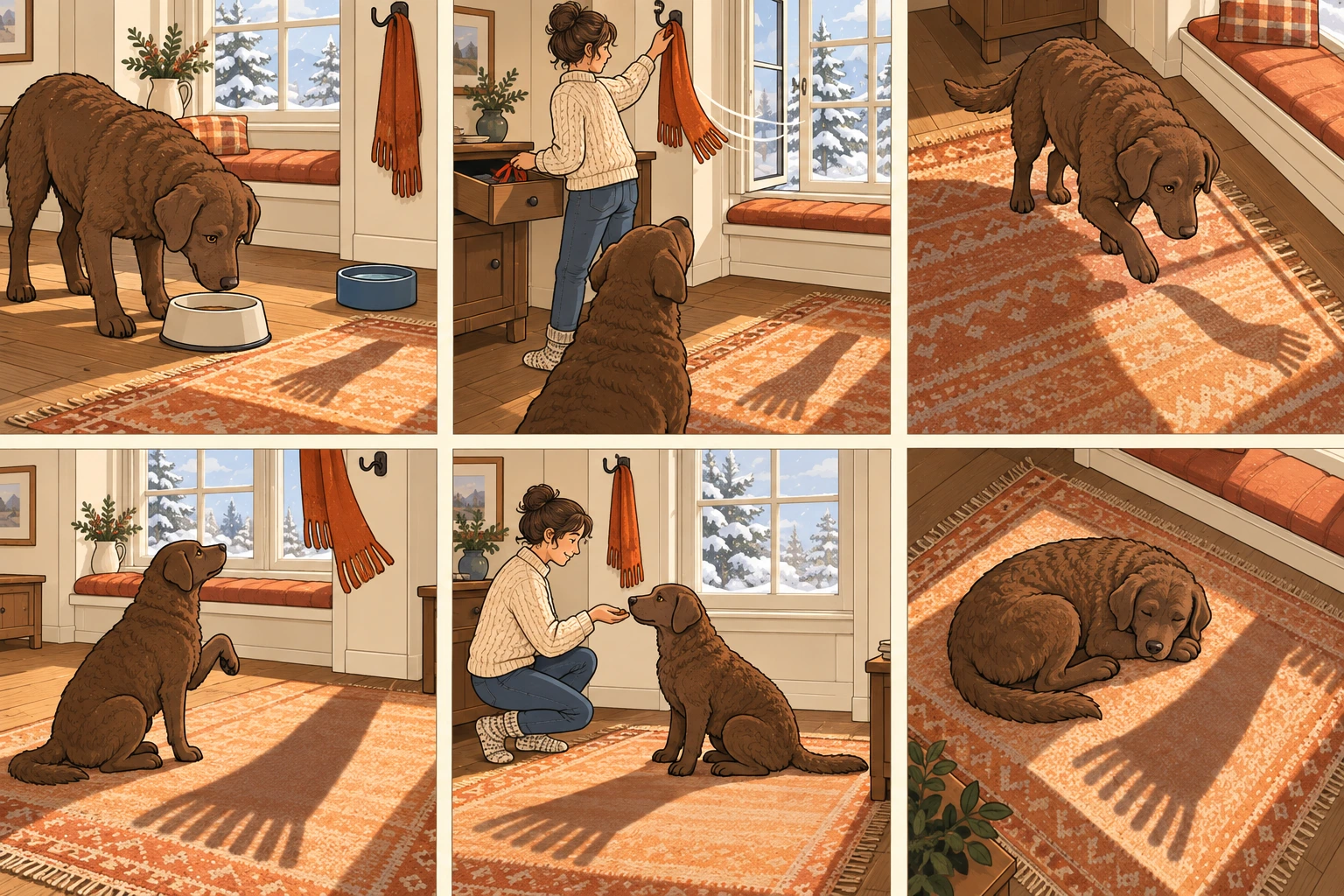
The scarf stays beyond mouth reach, and the handler puts the ribbon away. A little shadow chase ends in quiet company.
Developed along Chesapeake Bay, the breed retrieved waterfowl on land and in water. The standard describes work amid wind, tides and icy water, sometimes breaking ice during repeated retrieves; its strength, stamina and coat suit that demanding role.
Strong and balanced, it has a deep, broad chest and hindquarters level with or slightly higher than the shoulders. Males stand 58–66 cm and females 53–61 cm at the withers; the small, high-set ears hang loosely, and the medium-length tail is straight or slightly curved.
Look for clear yellowish-to-amber eyes, small high-set drop ears and a thick, short double coat that waves only in limited areas. The hindquarters are no lower than the shoulders, and the feet are webbed; this standard specifies no separate varieties.
The standard prizes a bright, happy disposition, intelligence, quiet good sense and affectionate protectiveness, alongside alertness and courage. Its willingness to work and love of water suit clear, consistent reward-based training; responses to unfamiliar people or situations still vary by dog and experience.
Brush the dense double coat regularly and attend to loose hair during shedding; rinse off debris after water work and let the coat dry. Retrieving games, scent tasks and suitable swimming or outdoor activity can channel its working drive. Use reward-based training for recall, delivering objects and settling, with gradual exposure to people and places. A home should be ready to manage an active dog and a wet or muddy coat, not rely on a yard alone.
Possibly, if the household is prepared for ongoing training and purposeful activities with a strong, active working dog. Practising leash manners, recall and calm greetings early is more useful than relying on a yard to tire it out.
The short coat still has a dense undercoat, so brush out loose hair and check for trapped grit. Its natural oils are part of its working coat; frequent harsh washing to make it fluffy is unnecessary.
Alongside walks, offer safe retrieving practice, scent searches and suitable water activities that use its original skills. Assess water conditions and location before swimming, and manage outings with reliable recall and a lead where needed.
SOURCE NOTES
Breed traits follow the cited official standards; everyday care advice is our editorial interpretation of coat, build and working purpose.
Coat and size varieties can share a standard. The number is an archive reference, not a rarity score. An independent educational atlas, not a registry publication. Temperament varies; consult a veterinarian about health concerns.
WOOFMAP / CHESAPEAKE-BAY-RETRIEVER / LITTLE MOMENTS
This pack depicts a solid-brown dog with small high-set drop ears, amber eyes and a short, thick coat with waves limited to the neck, shoulders, back and loins. Its winter-day moods belong to this fictional individual.
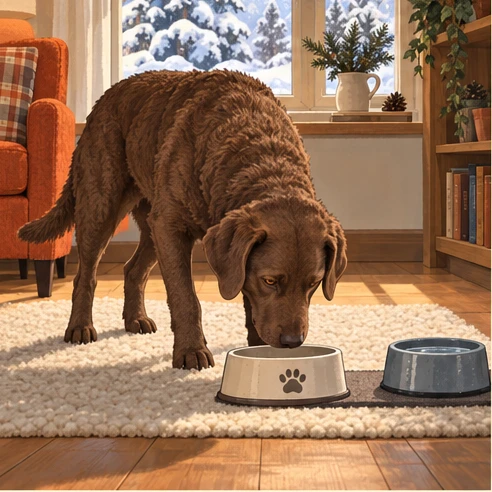
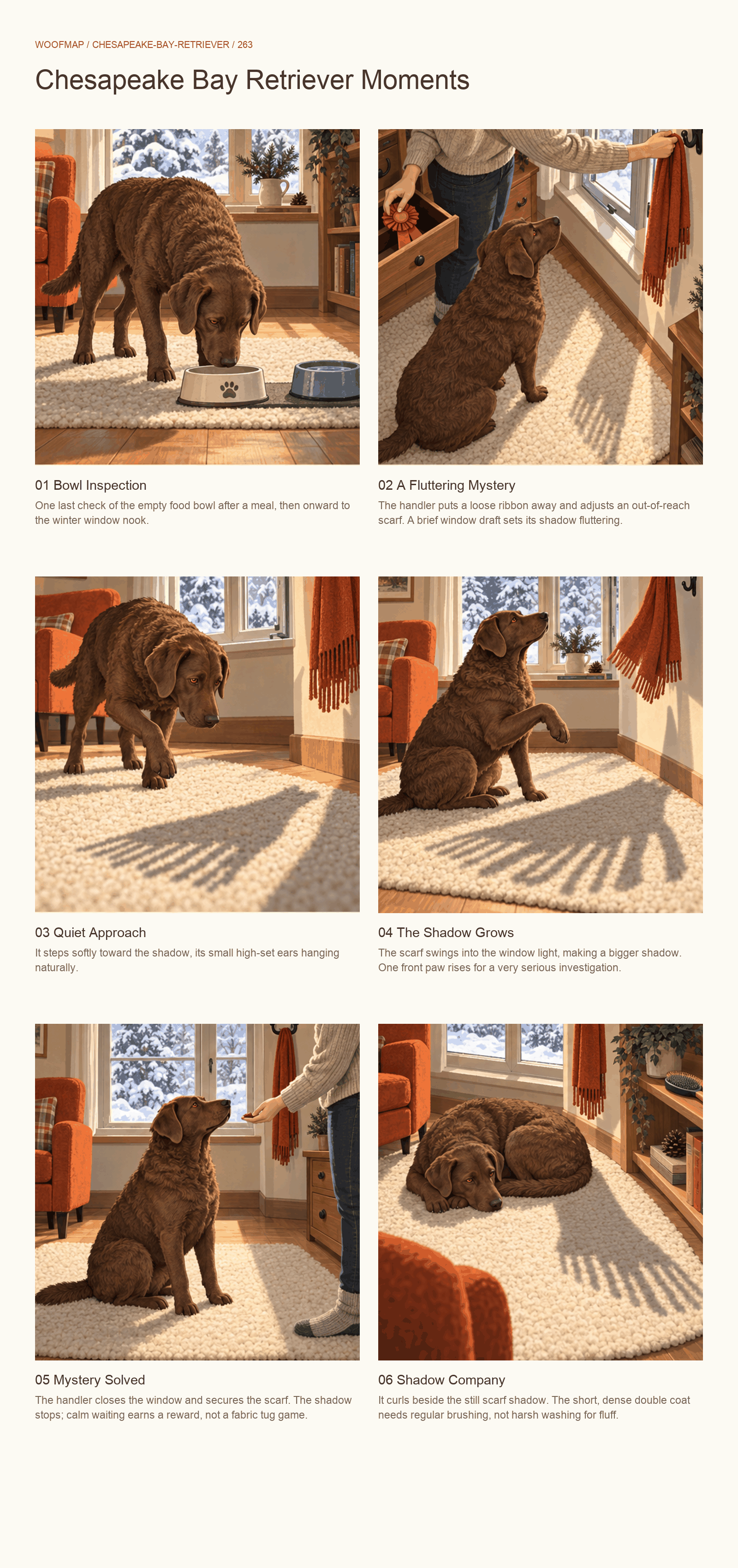
One last check of the empty food bowl after a meal, then onward to the winter window nook.
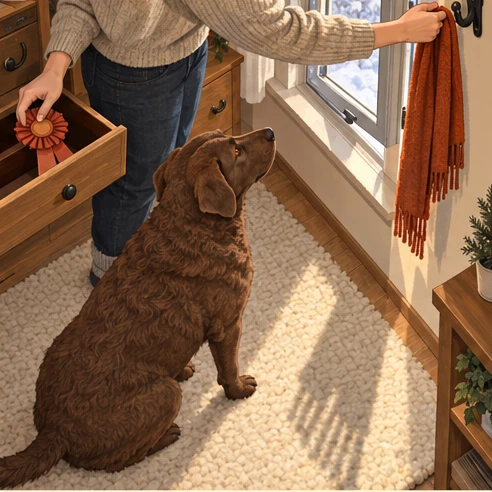
The handler puts a loose ribbon away and adjusts an out-of-reach scarf. A brief window draft sets its shadow fluttering.
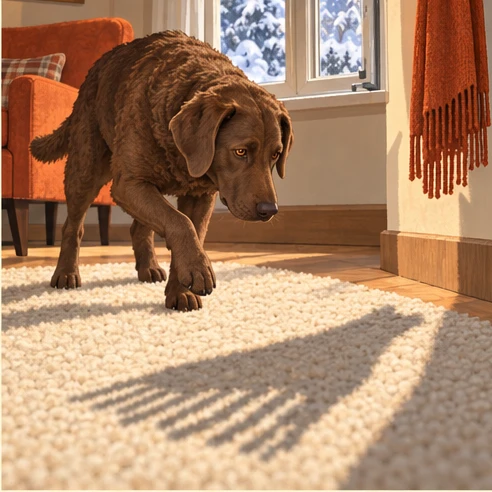
It steps softly toward the shadow, its small high-set ears hanging naturally.
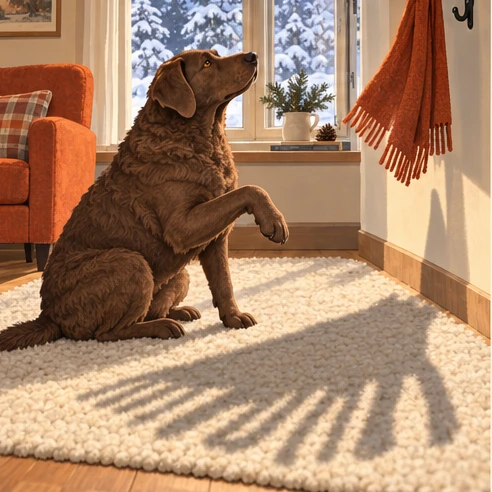
The scarf swings into the window light, making a bigger shadow. One front paw rises for a very serious investigation.
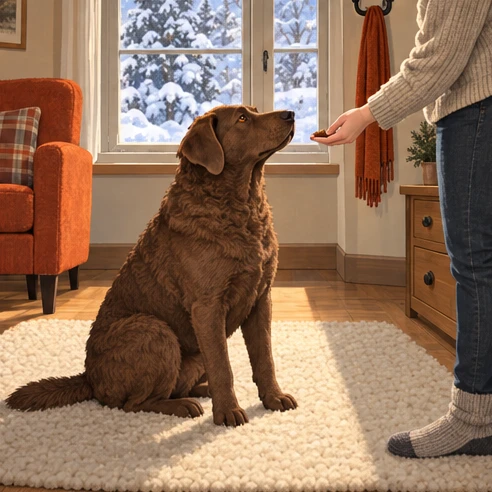
The handler closes the window and secures the scarf. The shadow stops; calm waiting earns a reward, not a fabric tug game.
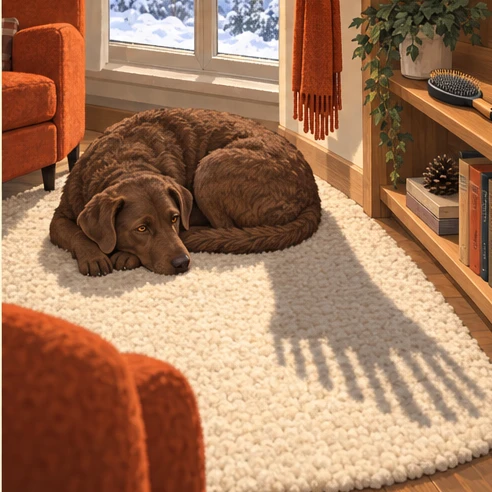
It curls beside the still scarf shadow. The short, dense double coat needs regular brushing, not harsh washing for fluff.
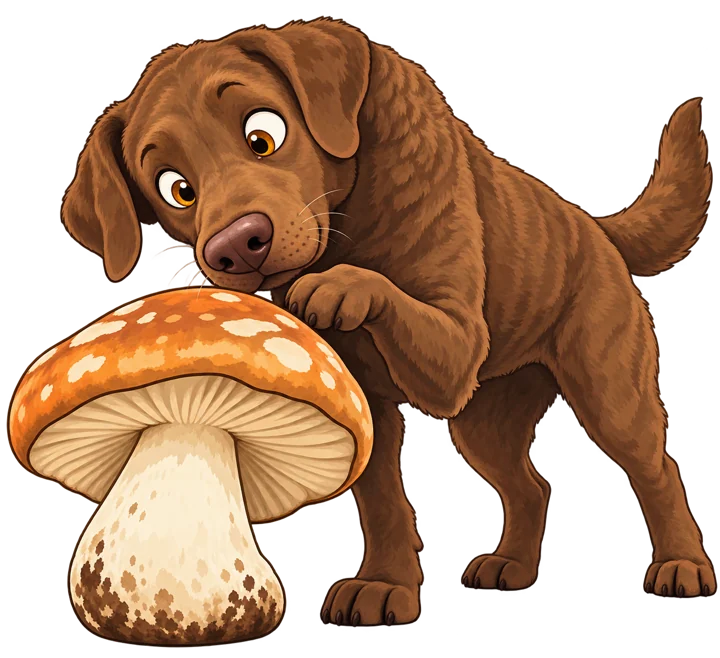
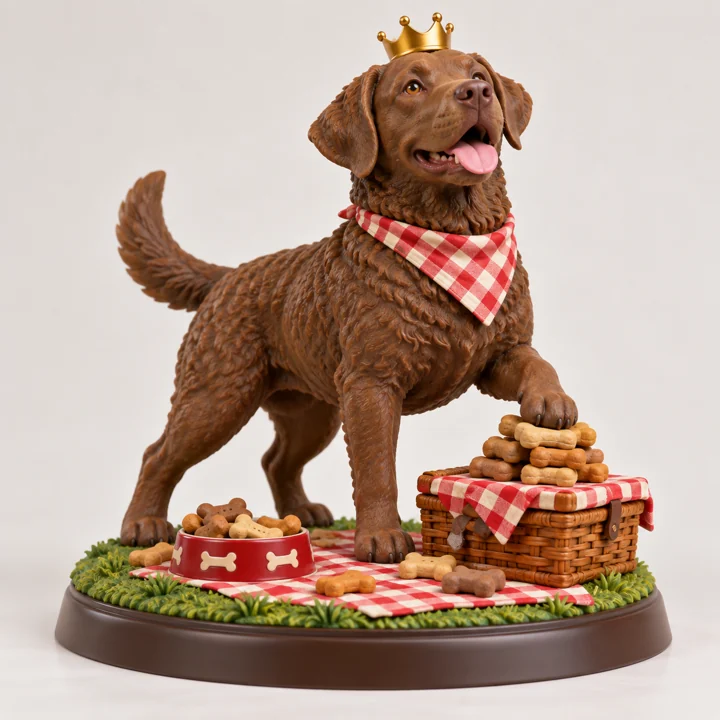
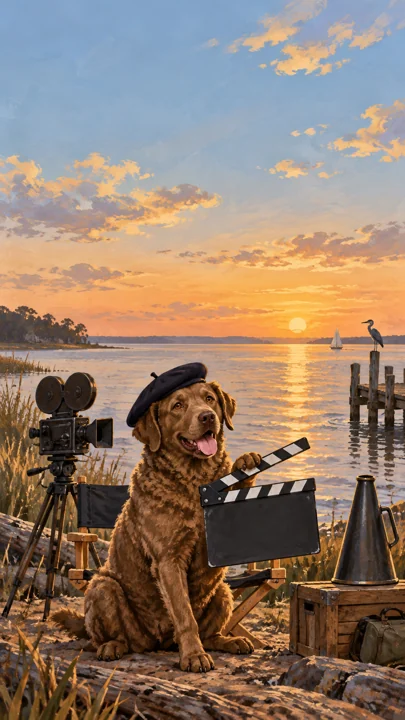
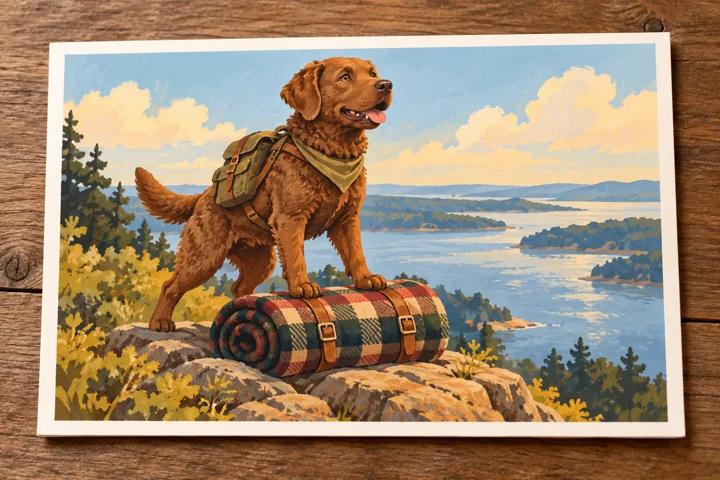
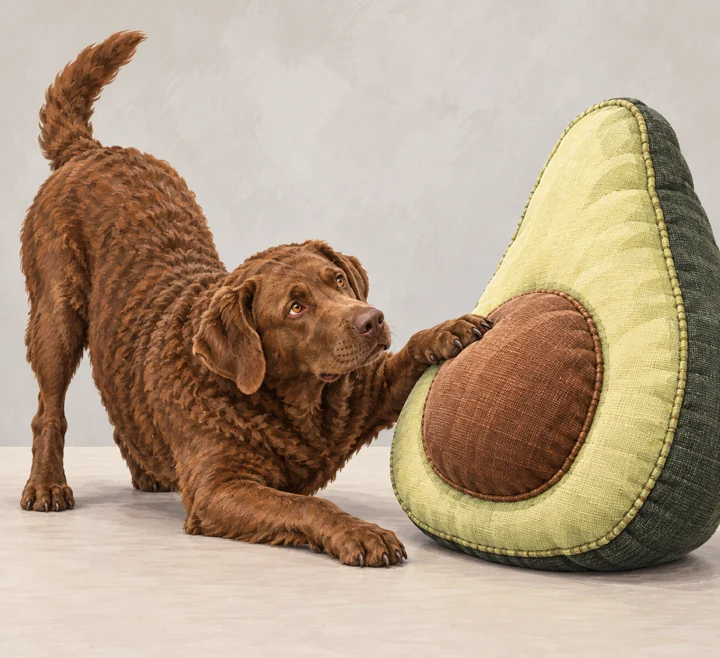
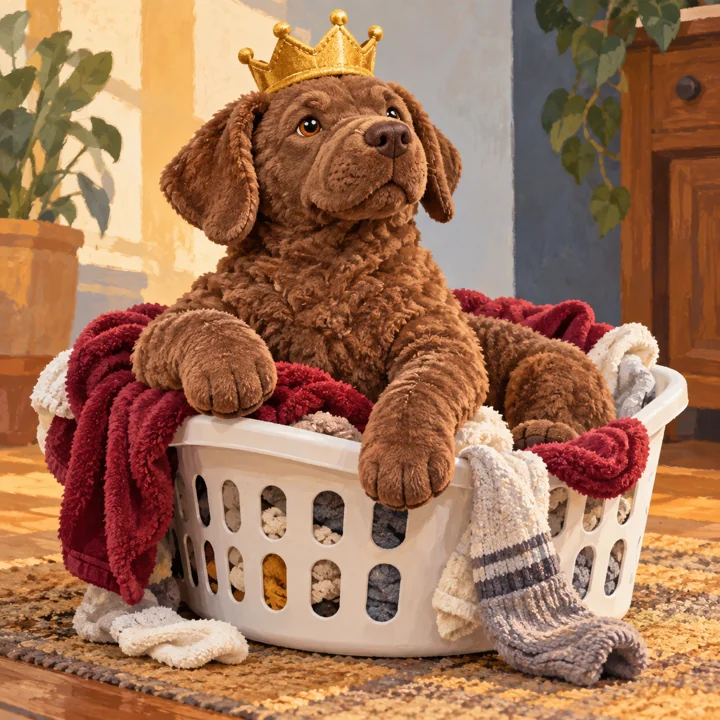
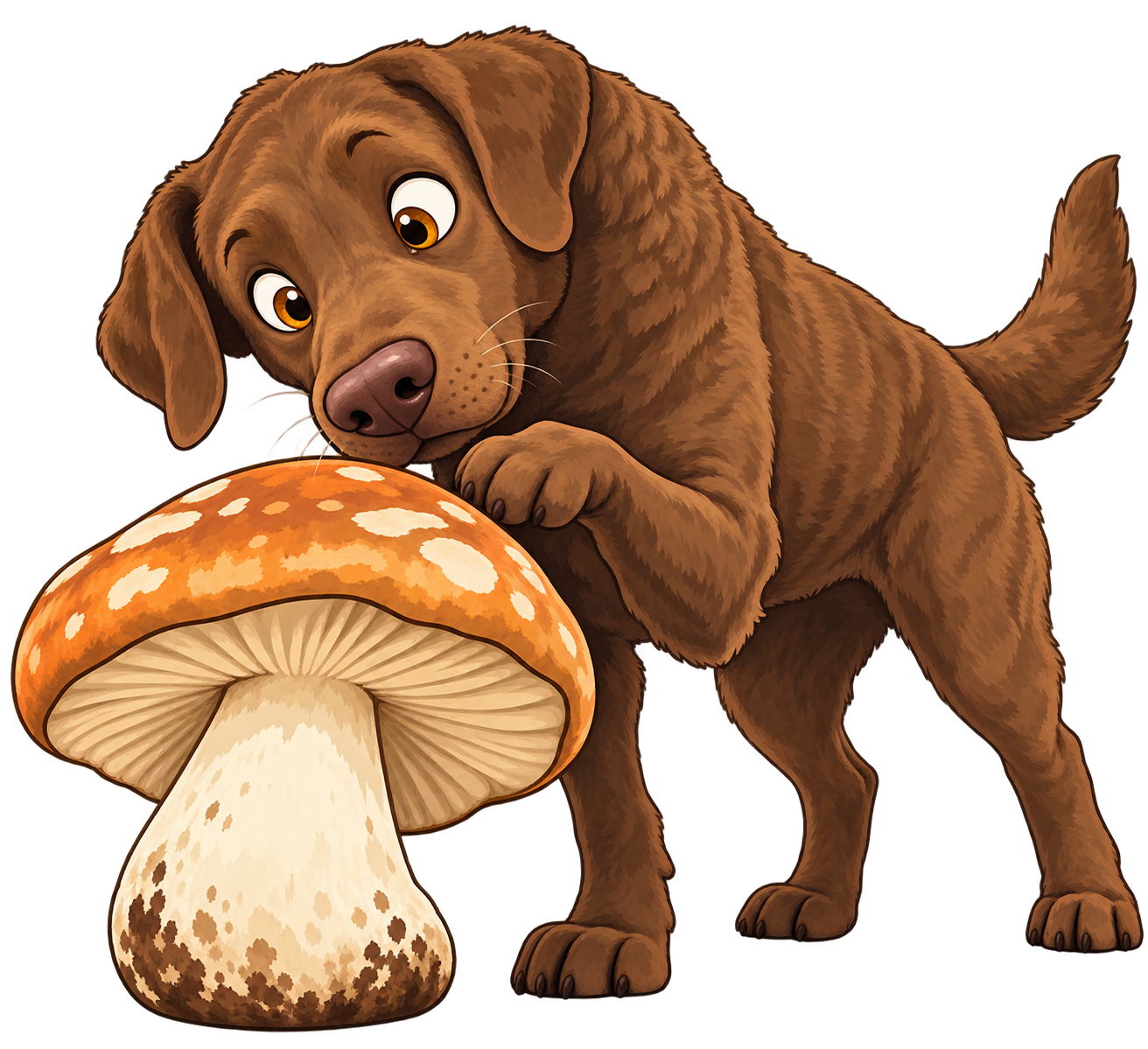
Eight transparent PNGs to save individually. Switch captions on or off for your chats.
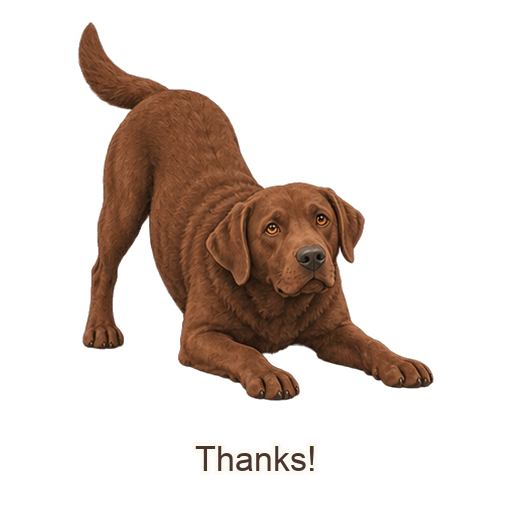 Thanks!
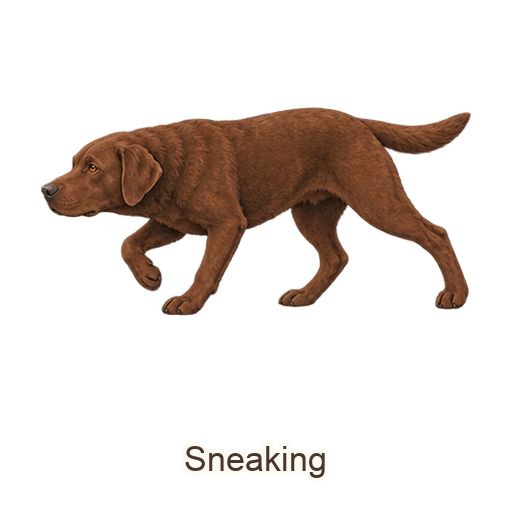 Sneaking
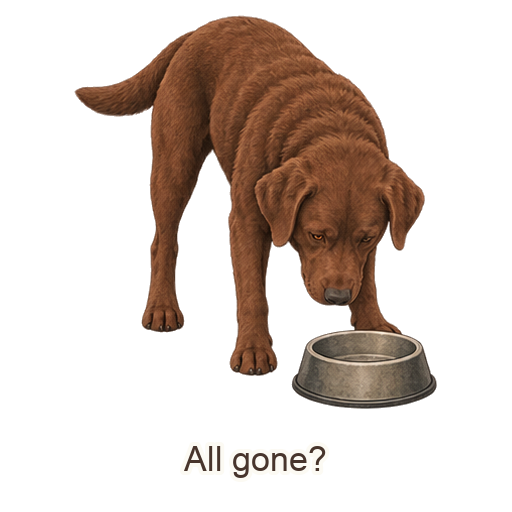 All gone?
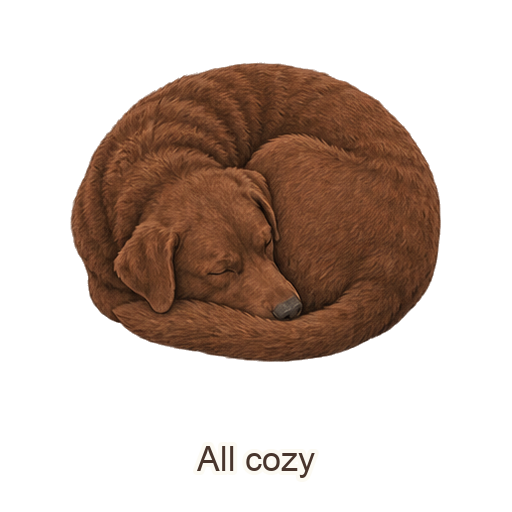 All cozy
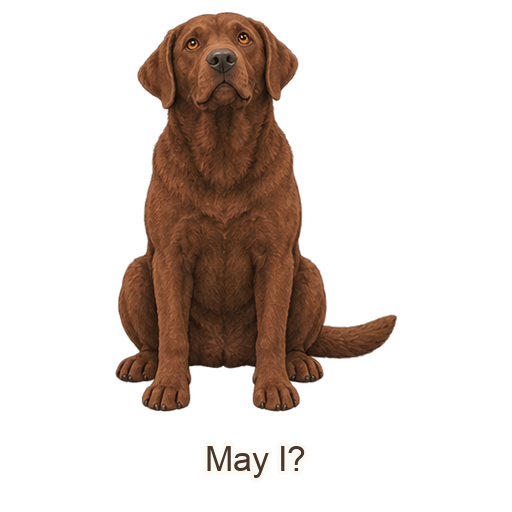 May I?
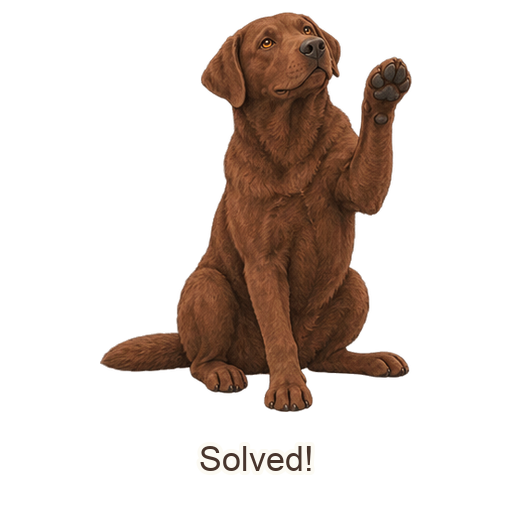 Solved!
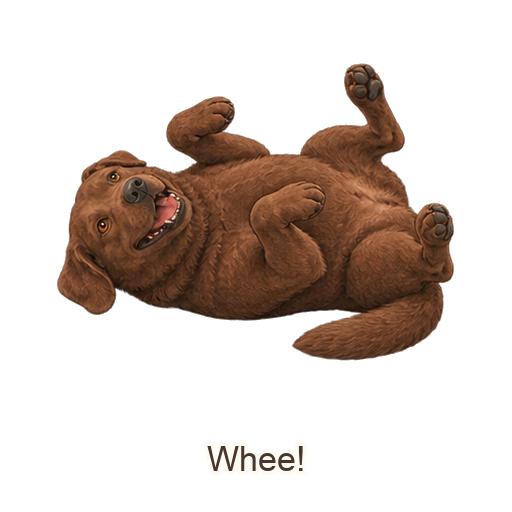 Whee!
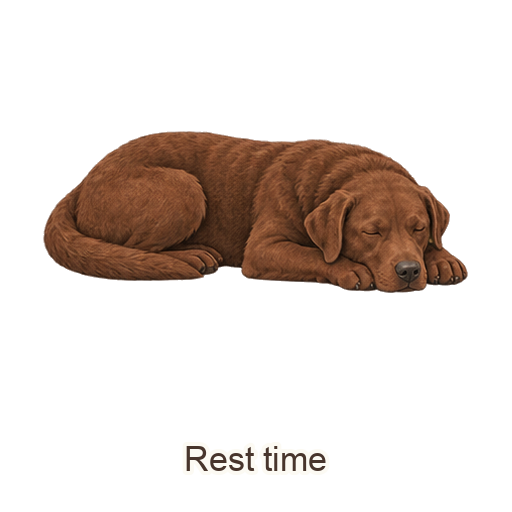 Rest time
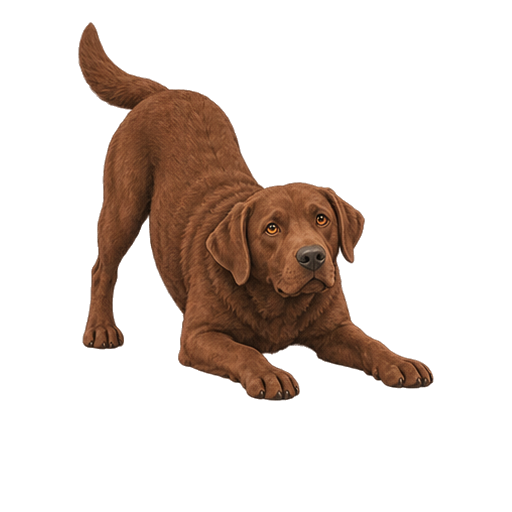 Thanks!
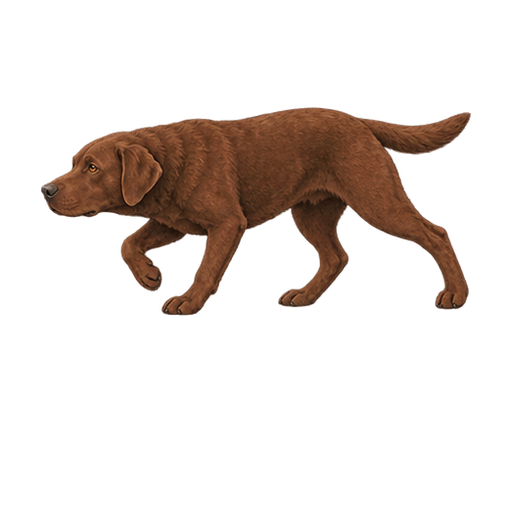 Sneaking
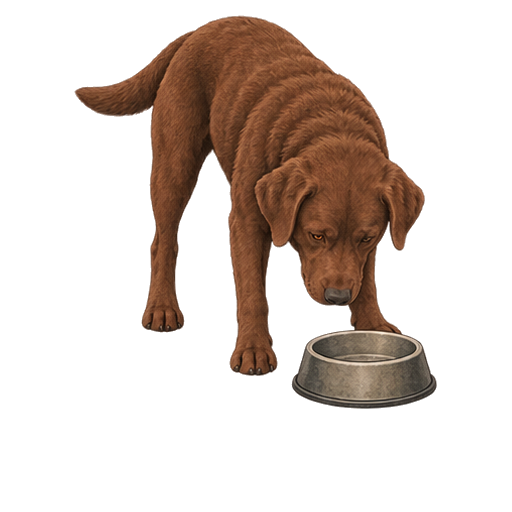 All gone?
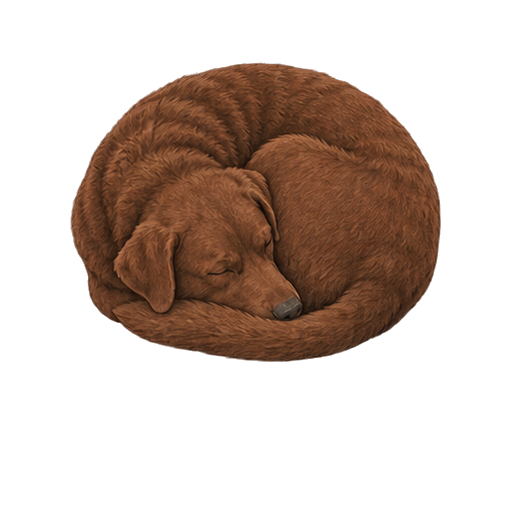 All cozy
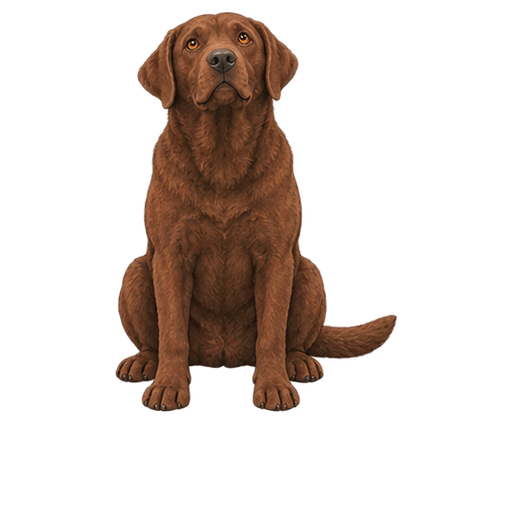 May I?
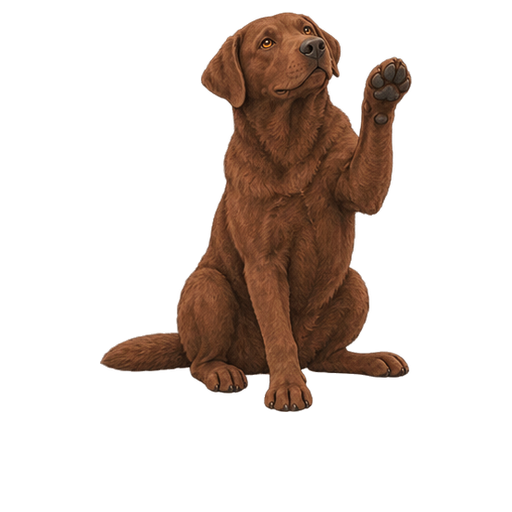 Solved!
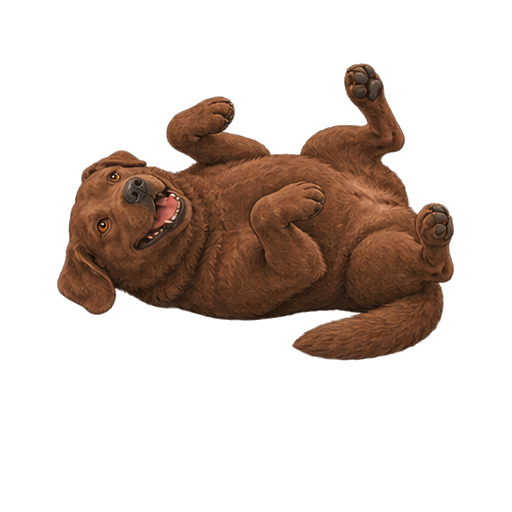 Whee!
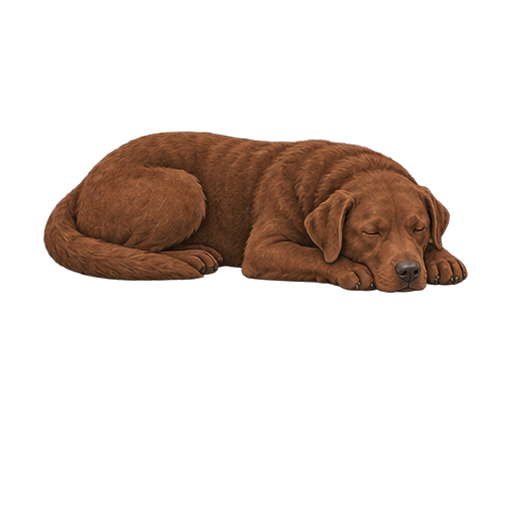 Rest time
Original woofmap artwork, assisted by GPT Image 2. Free for personal chats and non-commercial sharing with credit to woofmap.com. Fictional moods do not predict every dog’s temperament; see this page’s factual sources.
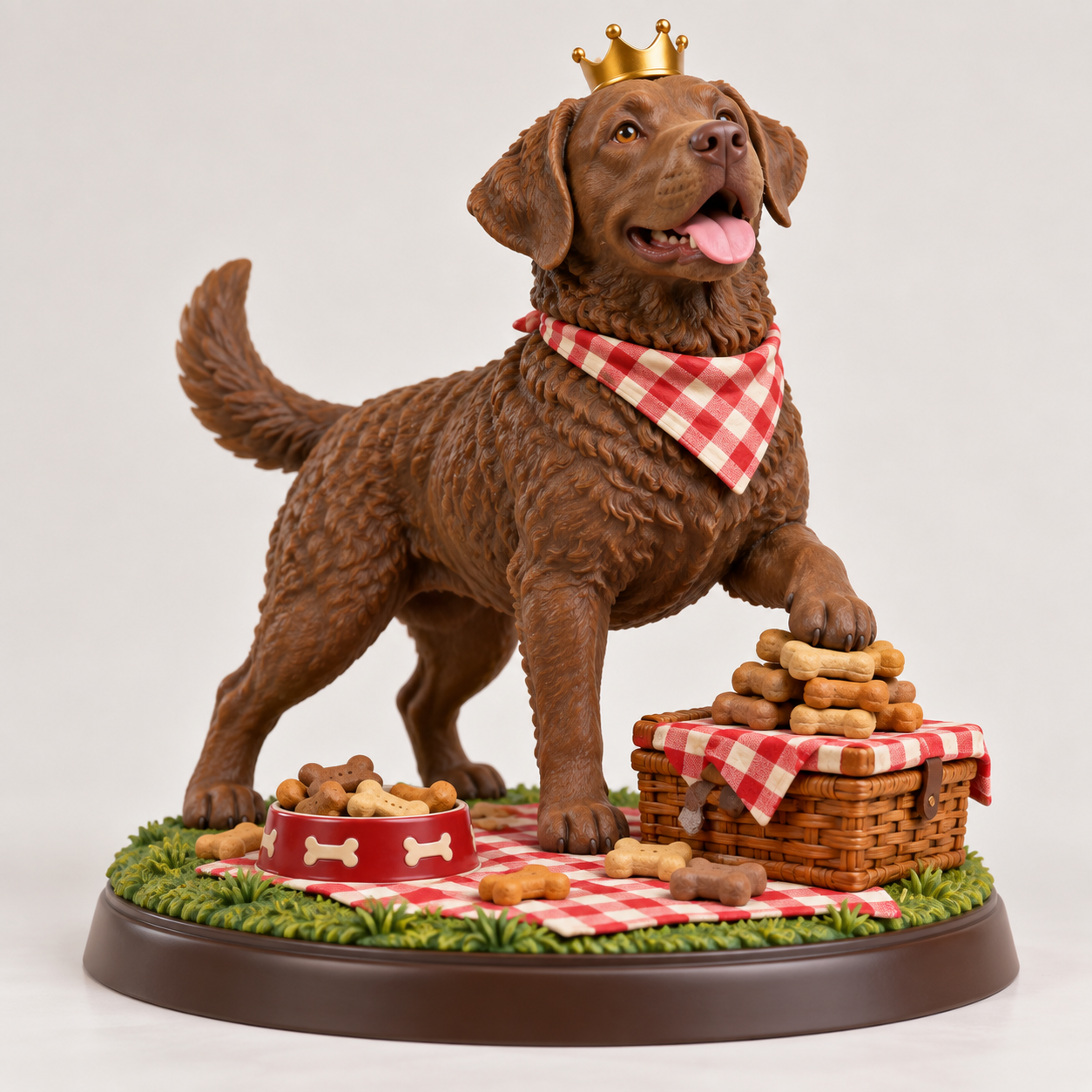
Combine the available parts, choose a name and take a little joy home.
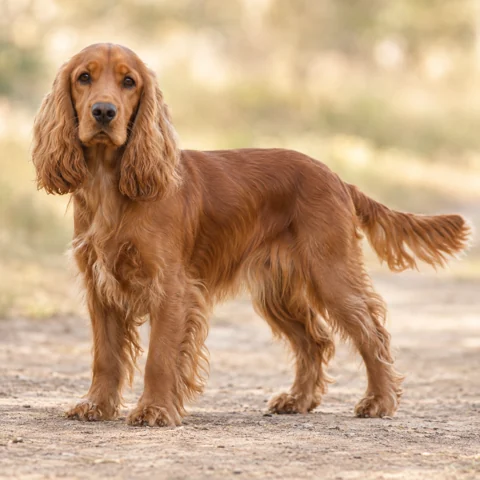 AI realistic image
Retrievers, flushing dogs and water dogs
English Cocker Spaniel
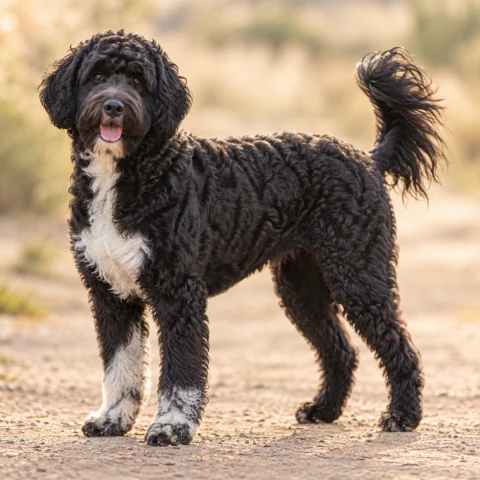 AI realistic image
Retrievers, flushing dogs and water dogs
Portuguese Water Dog
 AI realistic image
Retrievers, flushing dogs and water dogs
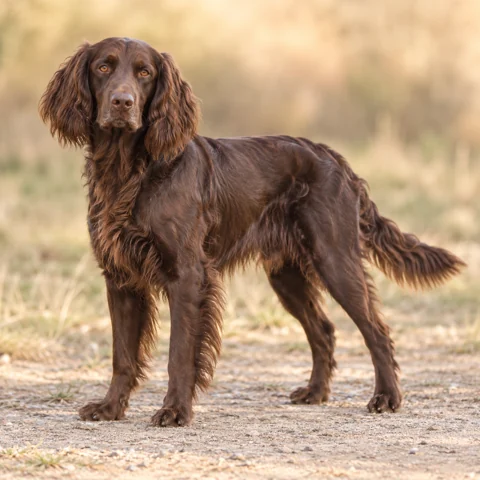
German Spaniel