WOOFMAP · CANINE ARCHIVENO. 049
Spitz and primitive types
Finnish Spitz
Finnish Spitz
✳ woofmap.comFinland
WOOFMAP · CANINE ARCHIVE · NO. 049
Finnish Spitz
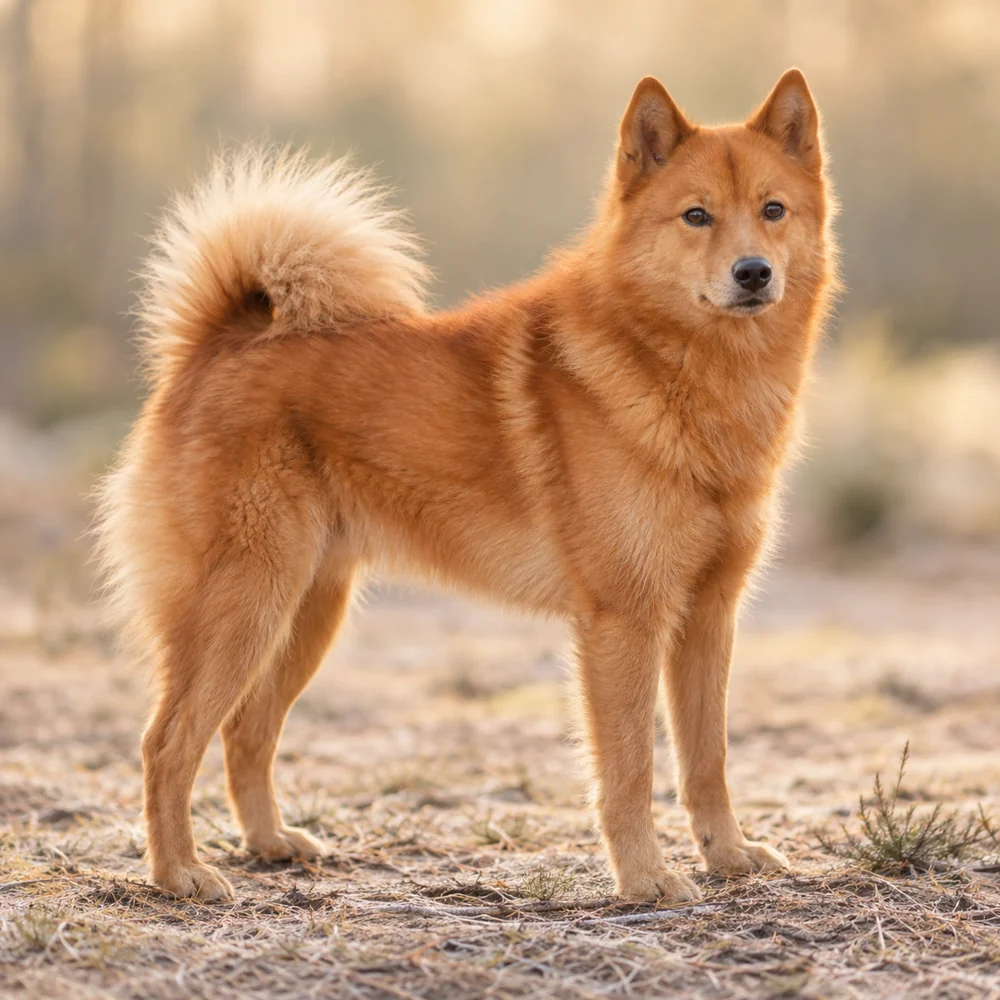
Finland’s red hunting spitz that marks game by barking.
AI-generated realistic breed image, for visual reference.
This Finnish Spitz page is still waiting for a voice. Live with a Finnish Spitz? Share a natural bark, howl or whine and let others hear a little of your dog’s everyday life.
If we feature your recording, we’ll credit you or your dog using the name you choose.
A 5–15 second phone recording in a quiet setting is perfect. Capture a natural moment without startling or disturbing your dog. Audio or video with sound is welcome.
Share your dog’s voice ↗[email protected]Attach your recording, breed and preferred credit. Please confirm you recorded it and allow woofmap to feature it.
Thank you for helping us build a playful Woof Planet together. Every little woof deserves to be heard.
Spitz and primitive types
Finnish Spitz
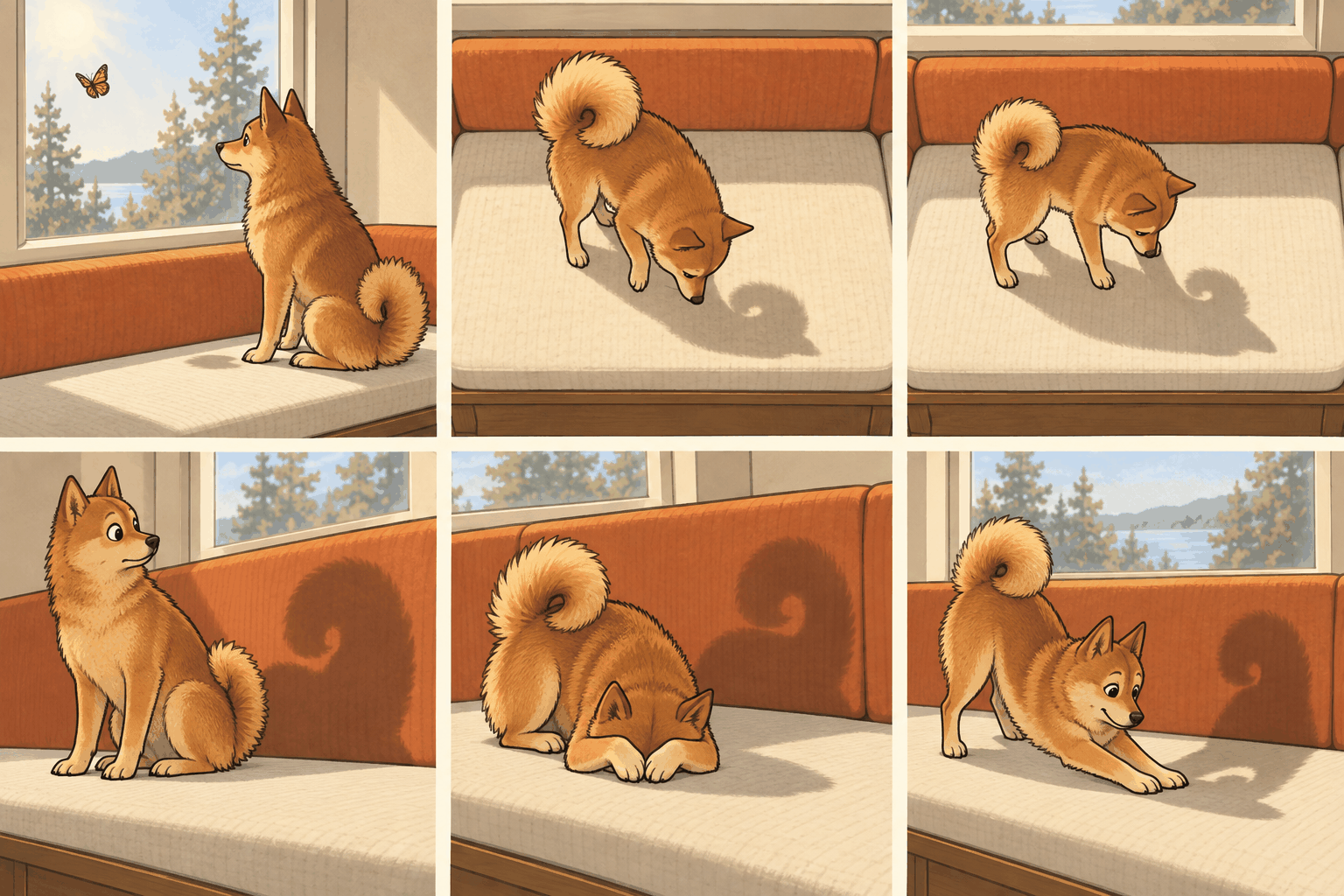
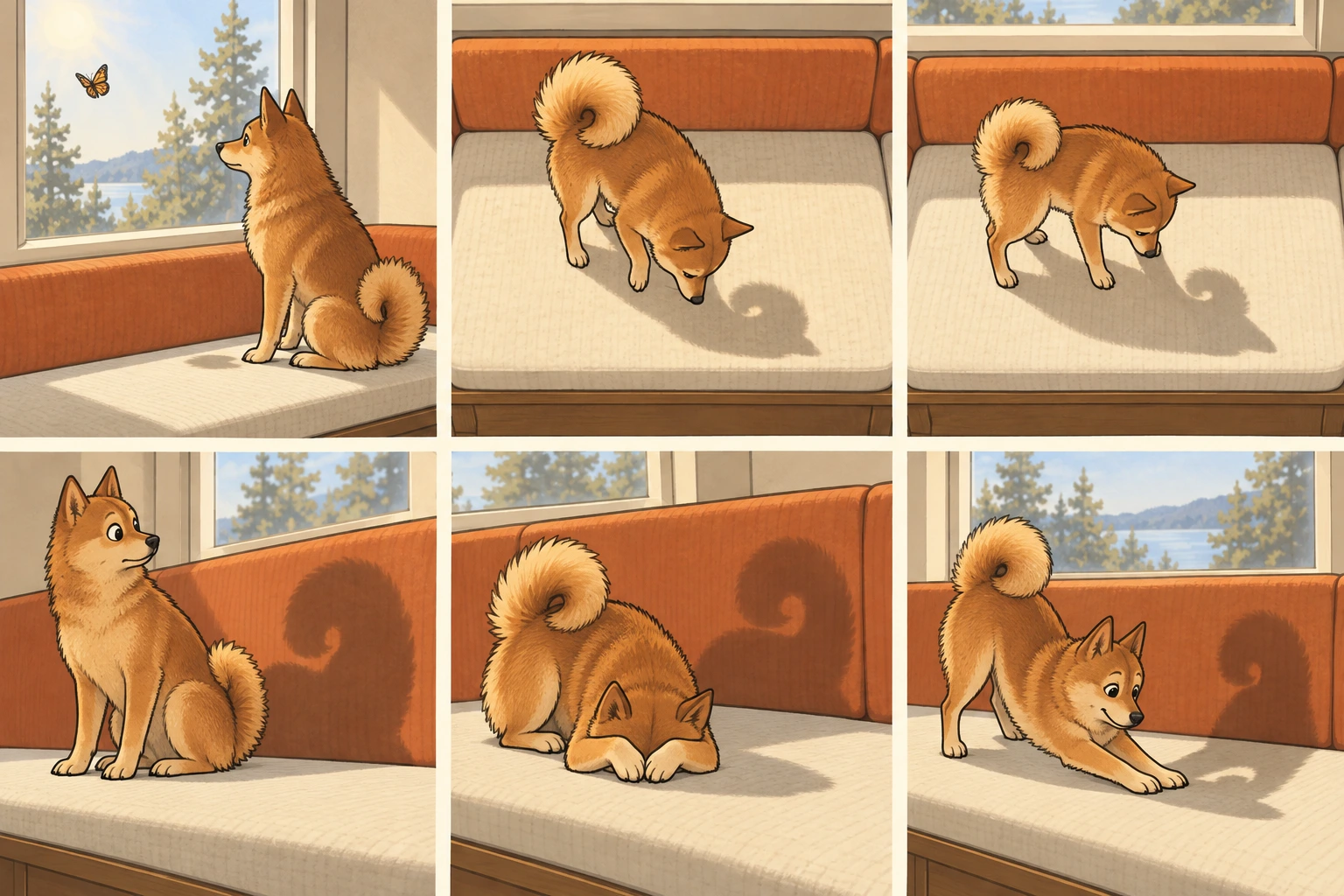
On a low, wide window seat, a curled-tail shadow becomes a mystery guest. Every investigation makes the mix-up bigger—until the dog spots the source.
Dogs of this type hunted varied game throughout Finland hundreds of years ago; an early breeding aim was effective barking at game in trees. When registration began in the 1890s, dogs alike in type and purpose were found mainly in the east and north. The first standard was established in 1892; the breed’s stated work is chiefly forest-game-bird hunting, as well as hunting predatory small game, waterfowl and elk.
Lean, firm and almost square, this breed is somewhat smaller than a typical medium-sized dog. Males stand 44–50 cm and females 39–45 cm; the small pointed ears are erect, and the tail curves forward over the back before lying against the thigh.
Look for a firm, nearly square dog with a bright red or golden-red back, black nose, small ears that are always erect, and a tail curved tightly over the back. The standard describes one breed, not separate coat or size varieties; it gives different height ranges for males and females. Barking to mark game is central to its hunting role.
The standard describes a lively, vigorous, brave and determined dog: rather independent in hunting, yet able to work cooperatively. It may be somewhat reserved with strangers, so an enthusiastic greeting should not be assumed of every individual. Reward-based practice and consistent cues can support cooperation while allowing for differences in alertness and response.
Brush the stand-off coat and dense undercoat regularly, more often when loose hair increases. Walks, scent games and search tasks can engage its hunting senses and energy. Because barking marks game in its original work, patiently teach a response to cues and manage noise around neighbours. Use a secure enclosure or lead where wildlife might trigger a chase.
Suitability depends on activity, training and workable barking management, not floor space alone. Its hunting role involves marking game by barking, which matters particularly near neighbours.
Brush through both the outer coat and the short, dense undercoat, paying attention to longer hair around the neck, hindquarters and tail. Brush more when shedding increases rather than trying to alter its natural stand-off outline.
Combine outings with scent searches, finding games and gradual cue training to reflect its searching and game-marking work. Keep control with a lead or secure fencing where wildlife could prompt pursuit.
SOURCE NOTES
Breed traits follow the cited official standards; everyday care advice is our editorial interpretation of coat, build and working purpose.
Coat and size varieties can share a standard. The number is an archive reference, not a rarity score. An independent educational atlas, not a registry publication. Temperament varies; consult a veterinarian about health concerns.
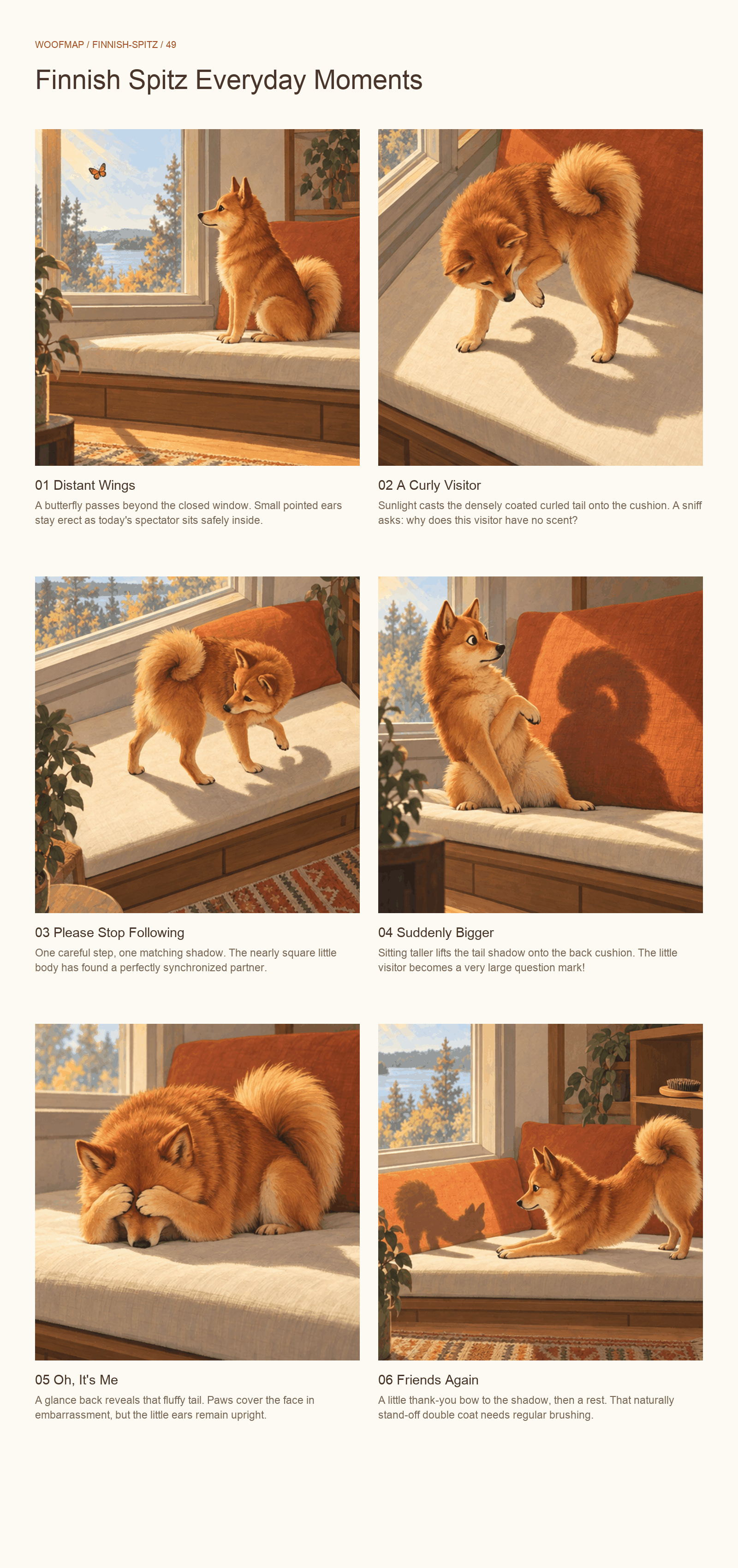
WOOFMAP / FINNISH-SPITZ / LITTLE MOMENTS
Illustrated with a golden-red back, paler body areas and no white markings, small erect ears, a nearly square body and a curled tail over the back. This fictional dog's window-side mix-up is not a breed-wide personality claim.
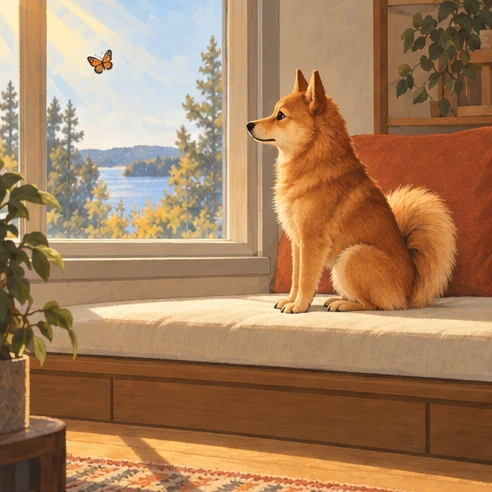
A butterfly passes beyond the closed window. Small pointed ears stay erect as today's spectator sits safely inside.
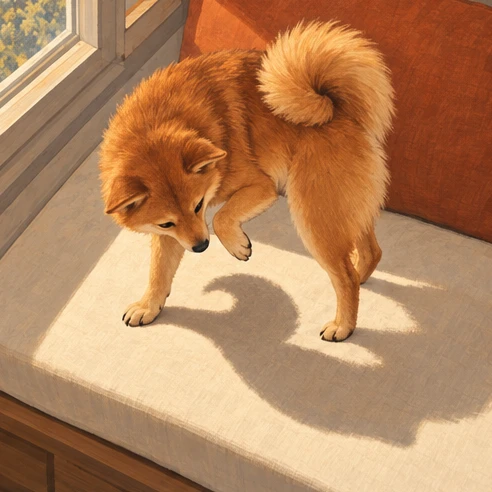
Sunlight casts the densely coated curled tail onto the cushion. A sniff asks: why does this visitor have no scent?
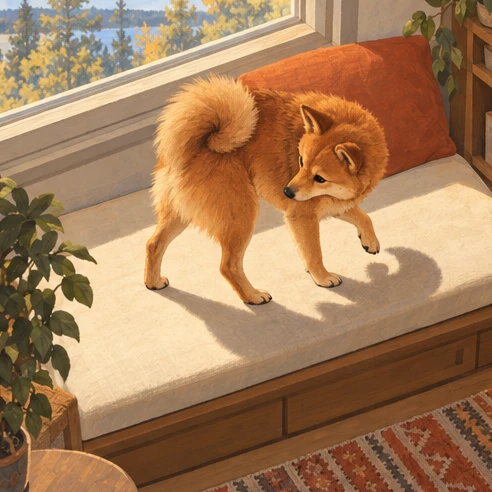
One careful step, one matching shadow. The nearly square little body has found a perfectly synchronized partner.
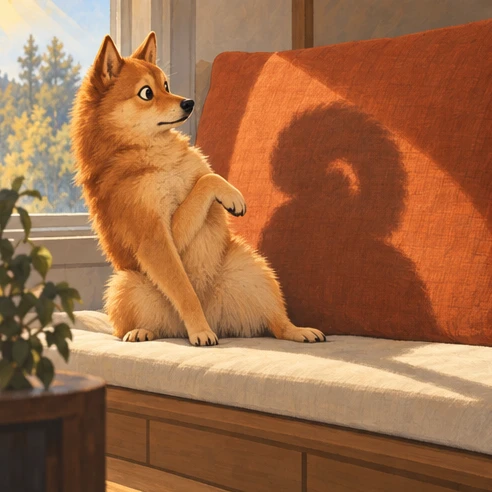
Sitting taller lifts the tail shadow onto the back cushion. The little visitor becomes a very large question mark!
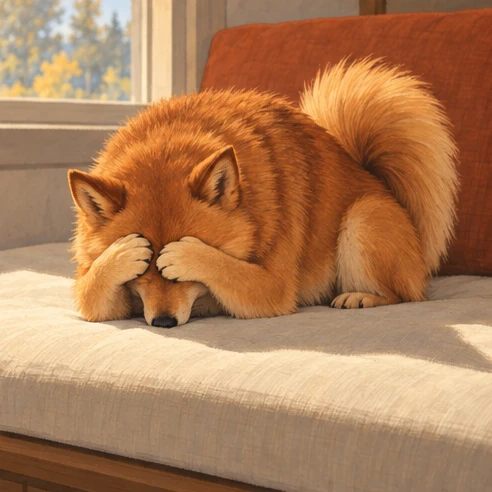
A glance back reveals that fluffy tail. Paws cover the face in embarrassment, but the little ears remain upright.
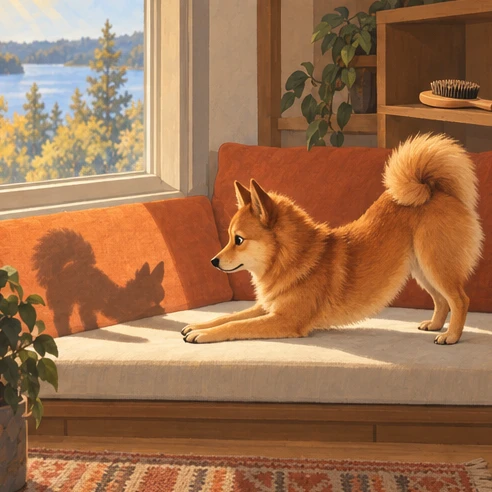
A little thank-you bow to the shadow, then a rest. That naturally stand-off double coat needs regular brushing.
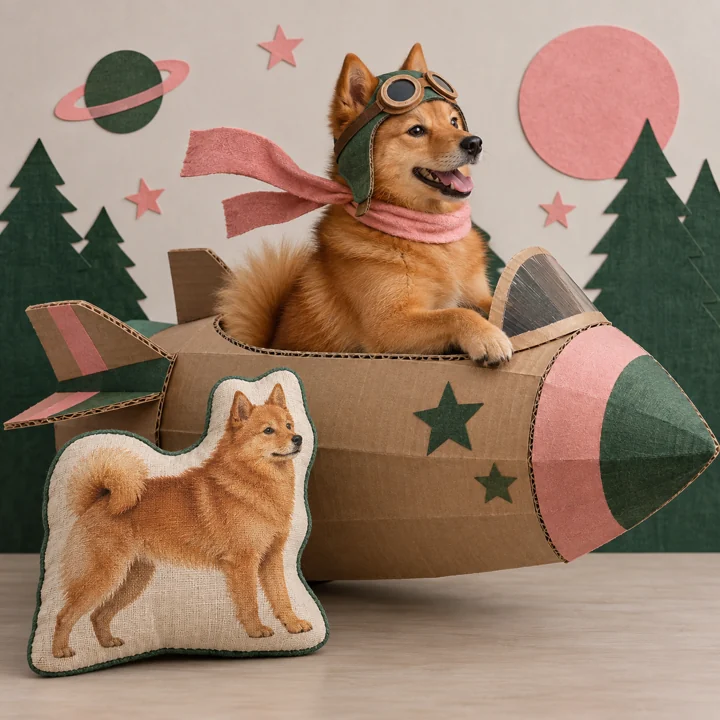
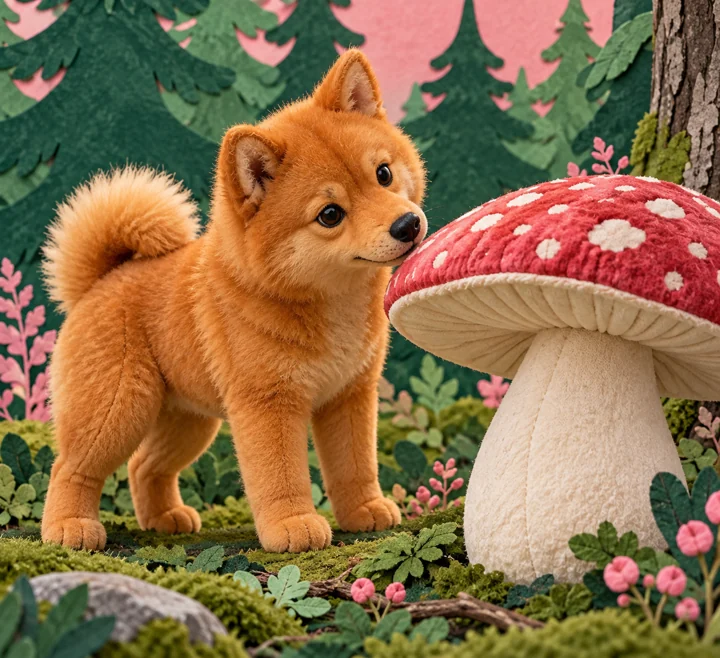
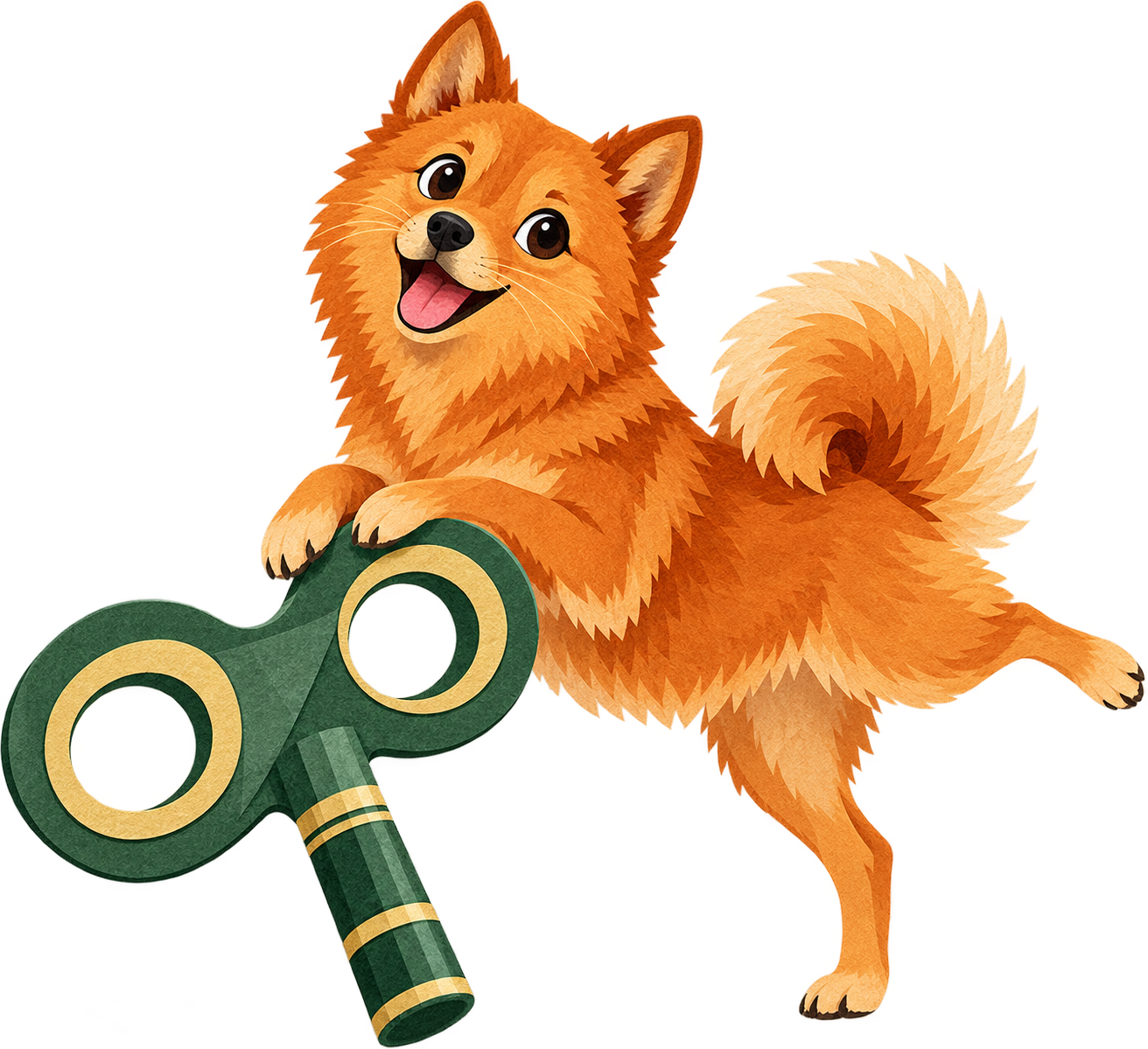
Eight transparent PNGs to save individually. Switch captions on or off for your chats.
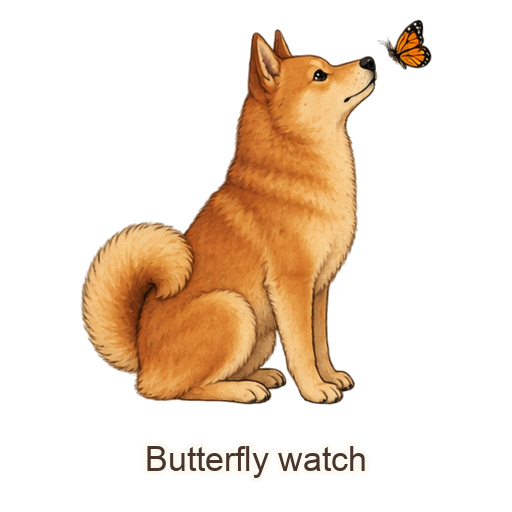 Butterfly watch
 So embarrassed
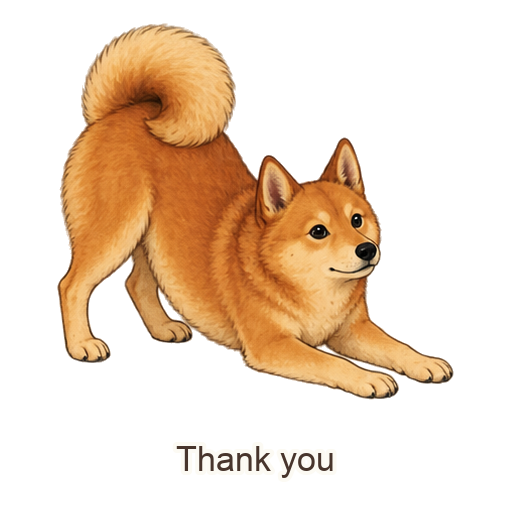 Thank you
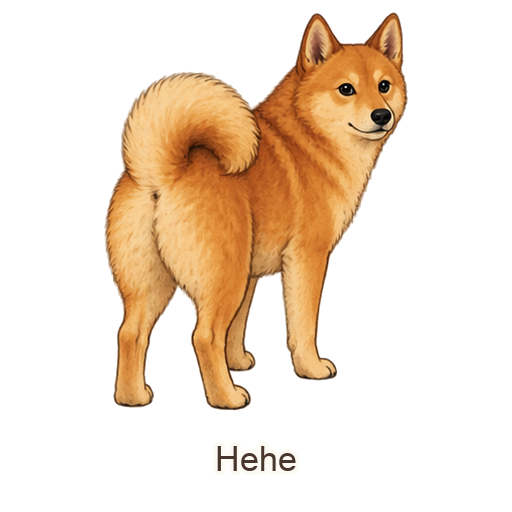 Hehe
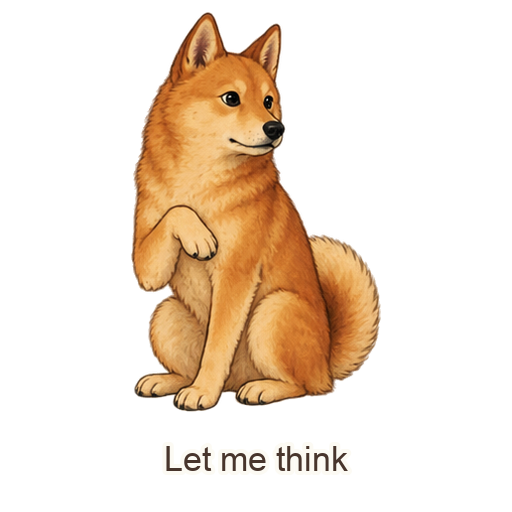 Let me think
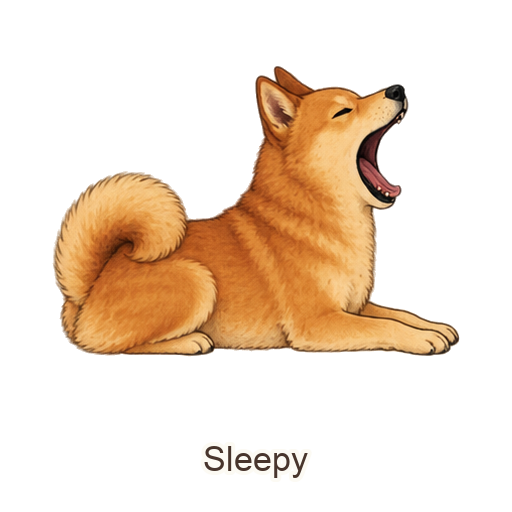 Sleepy
 Whoa!
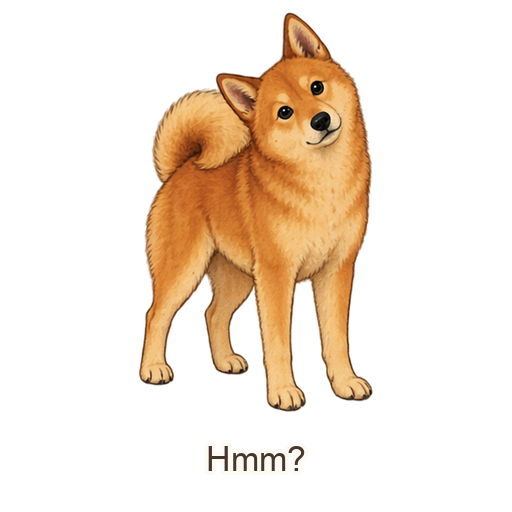 Hmm?
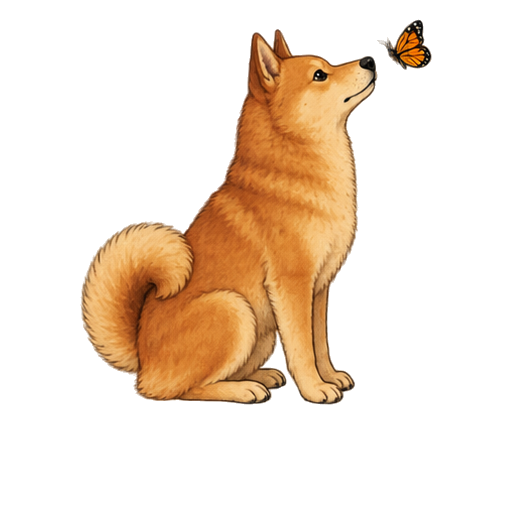 Butterfly watch
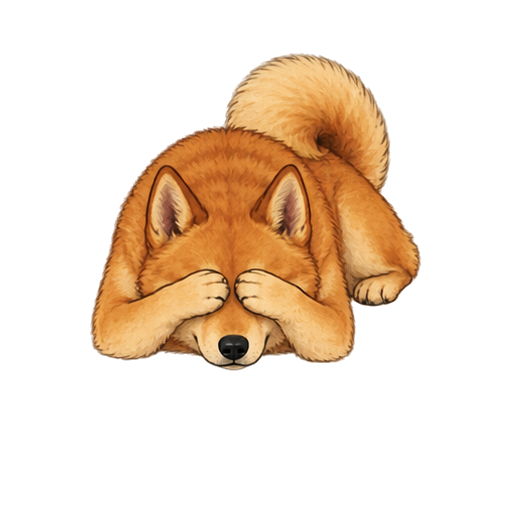 So embarrassed
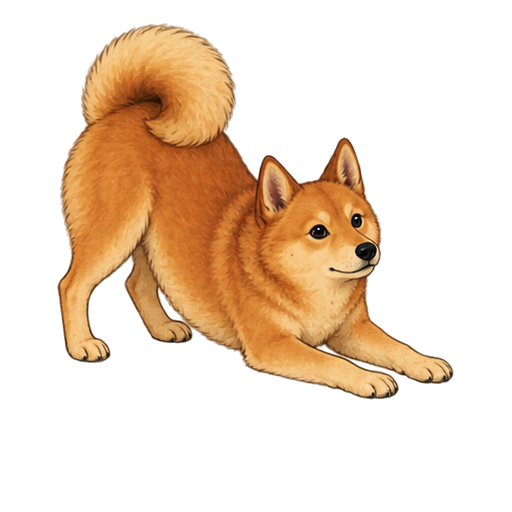 Thank you
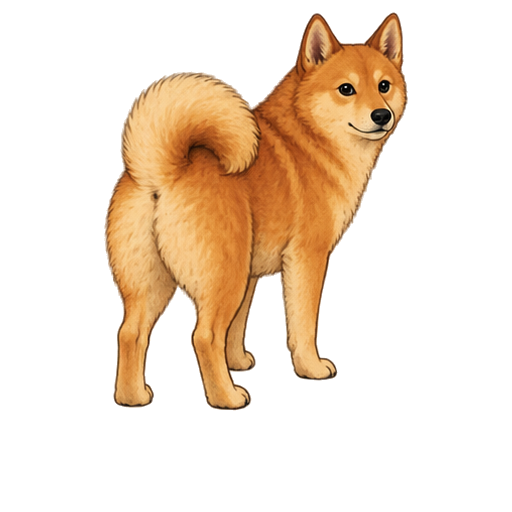 Hehe
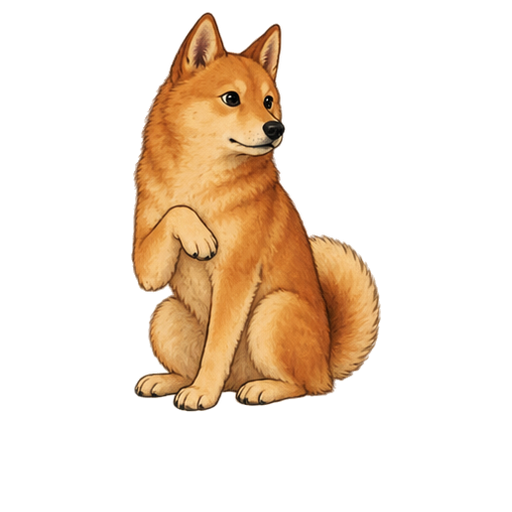 Let me think
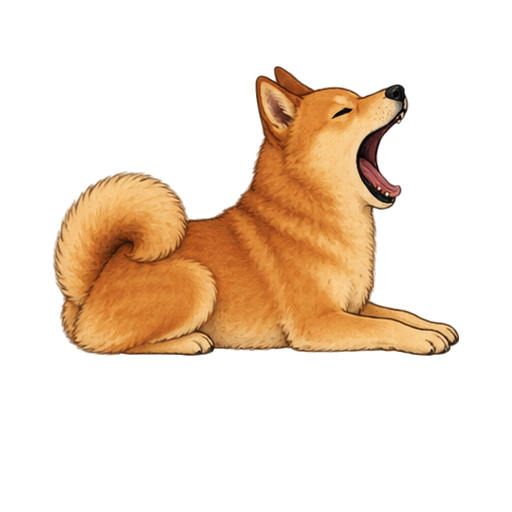 Sleepy
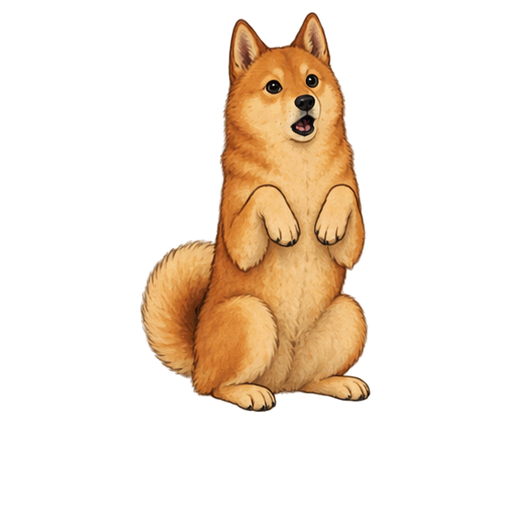 Whoa!
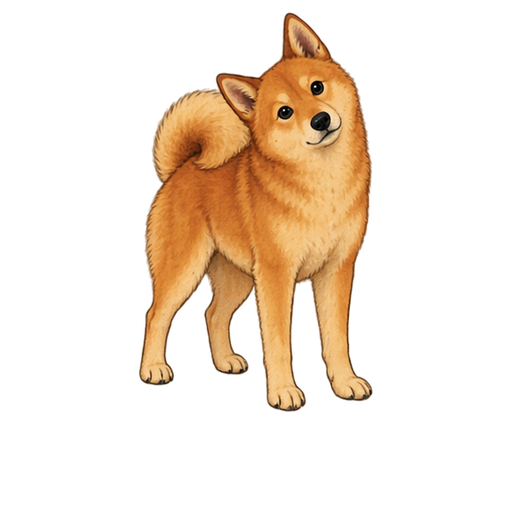 Hmm?
Original woofmap artwork, assisted by GPT Image 2. Free for personal chats and non-commercial sharing with credit to woofmap.com. Fictional moods do not predict every dog’s temperament; see this page’s factual sources.
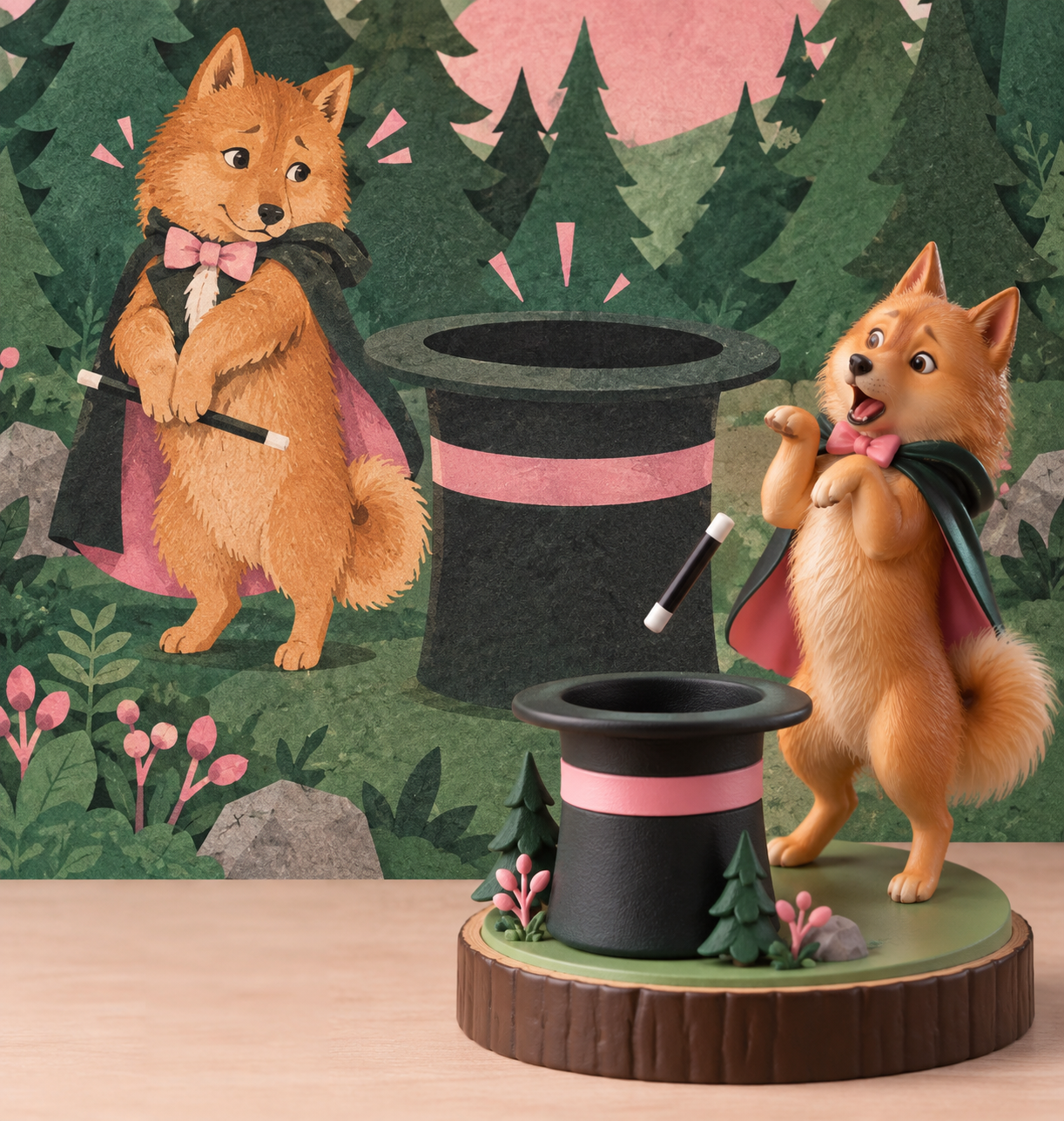
Combine the available parts, choose a name and take a little joy home.
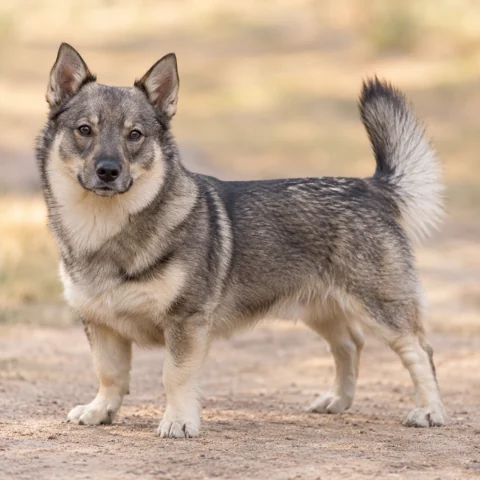 AI realistic image
Spitz and primitive types
Swedish Vallhund
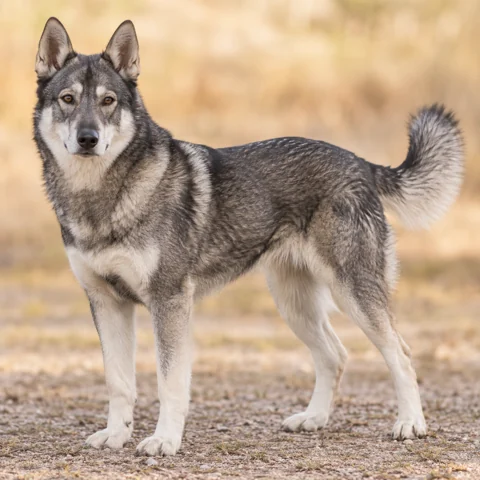 AI realistic image
Spitz and primitive types
Jämthund
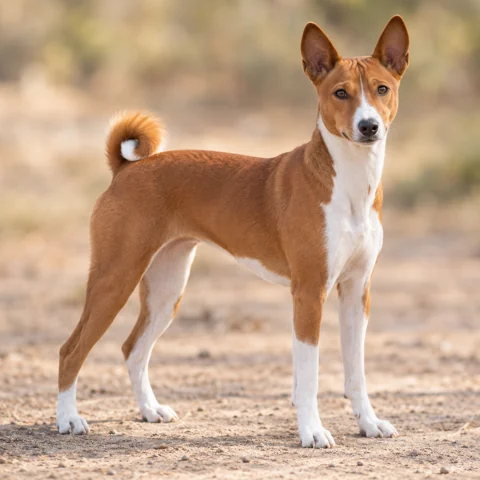 AI realistic image
Spitz and primitive types
Basenji