WOOFMAP · CANINE ARCHIVENO. 289
Spitz and primitive types
Icelandic Sheepdog
Icelandic Sheepdog
✳ woofmap.comIceland
WOOFMAP · CANINE ARCHIVE · NO. 289
Icelandic Sheepdog
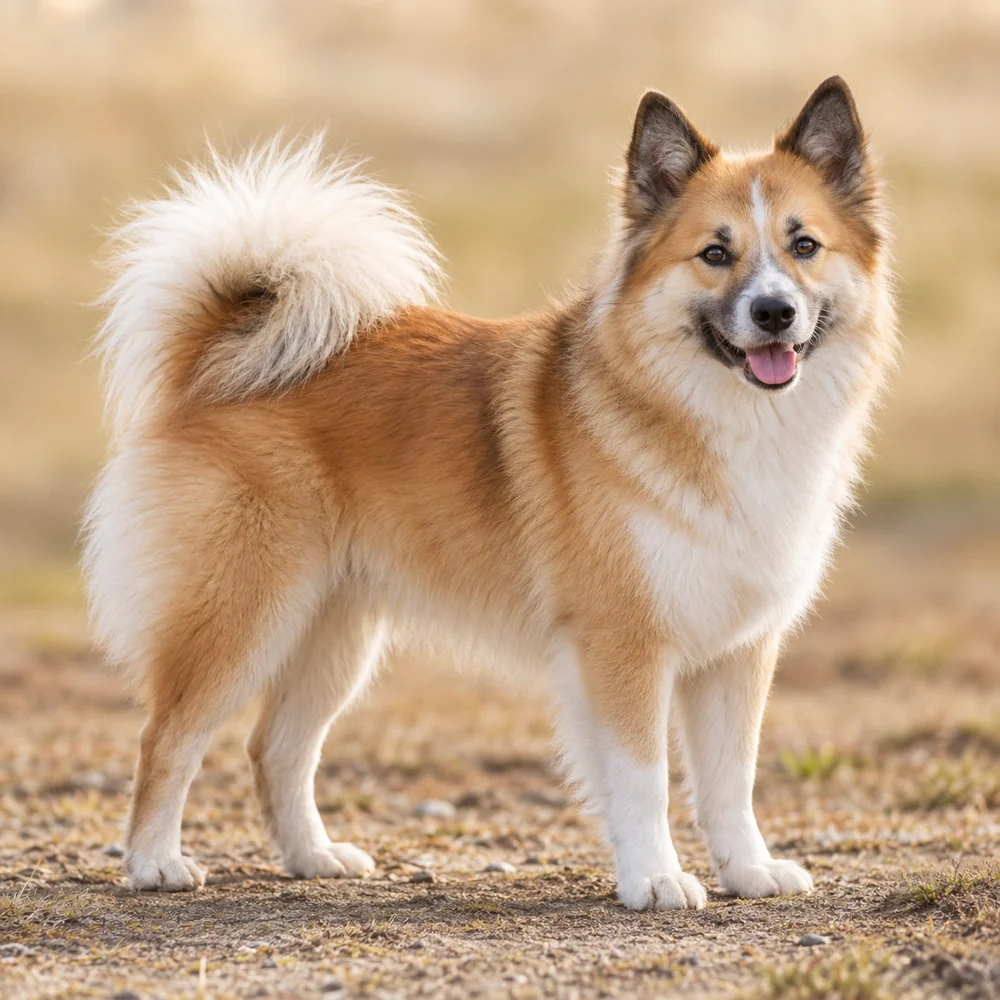
Iceland’s native herding spitz, known for working with its voice.
AI-generated realistic breed image, for visual reference.
This Icelandic Sheepdog page is still waiting for a voice. Live with a Icelandic Sheepdog? Share a natural bark, howl or whine and let others hear a little of your dog’s everyday life.
If we feature your recording, we’ll credit you or your dog using the name you choose.
A 5–15 second phone recording in a quiet setting is perfect. Capture a natural moment without startling or disturbing your dog. Audio or video with sound is welcome.
Share your dog’s voice ↗[email protected]Attach your recording, breed and preferred credit. Please confirm you recorded it and allow woofmap to feature it.
Thank you for helping us build a playful Woof Planet together. Every little woof deserves to be heard.
Spitz and primitive types
Icelandic Sheepdog
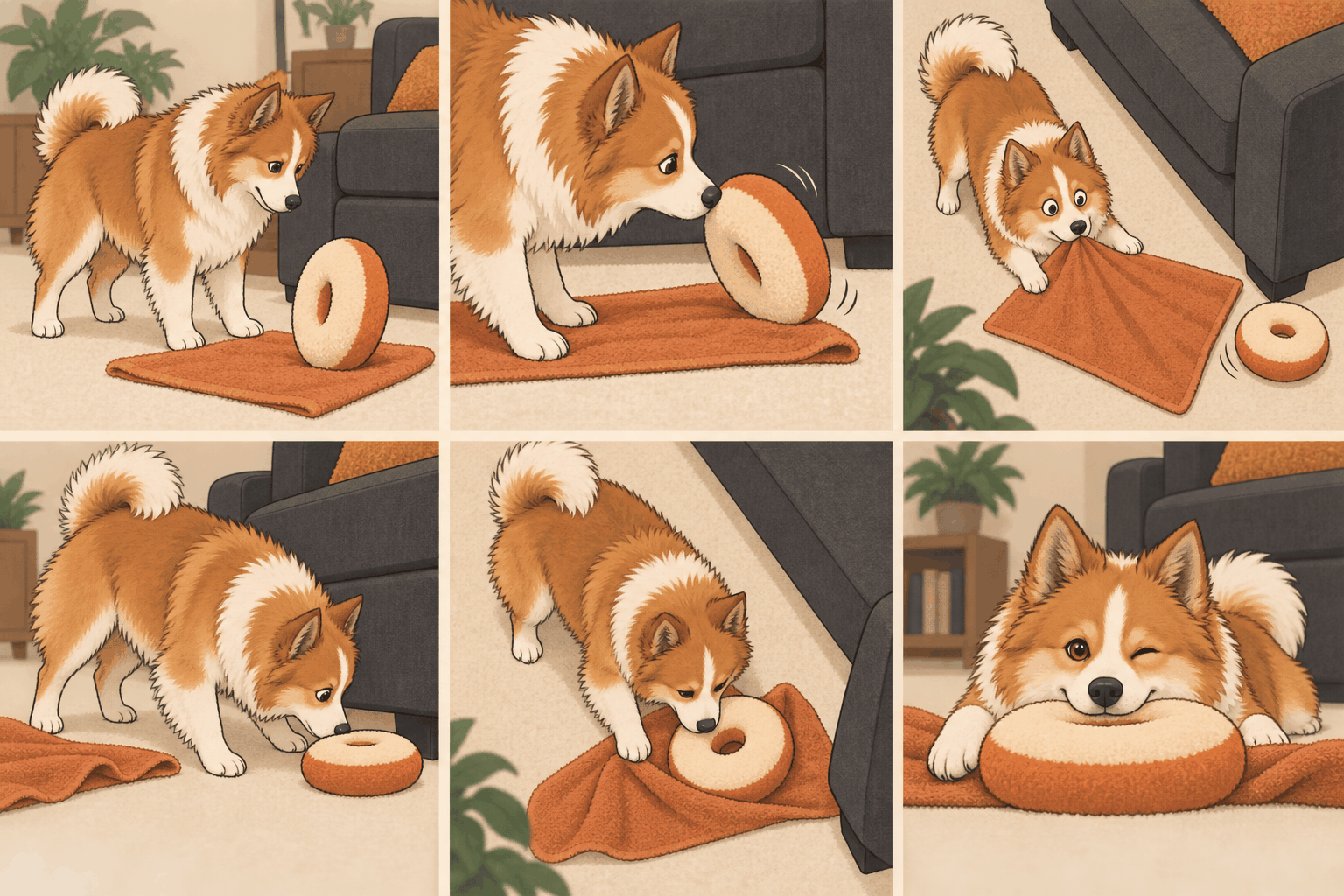
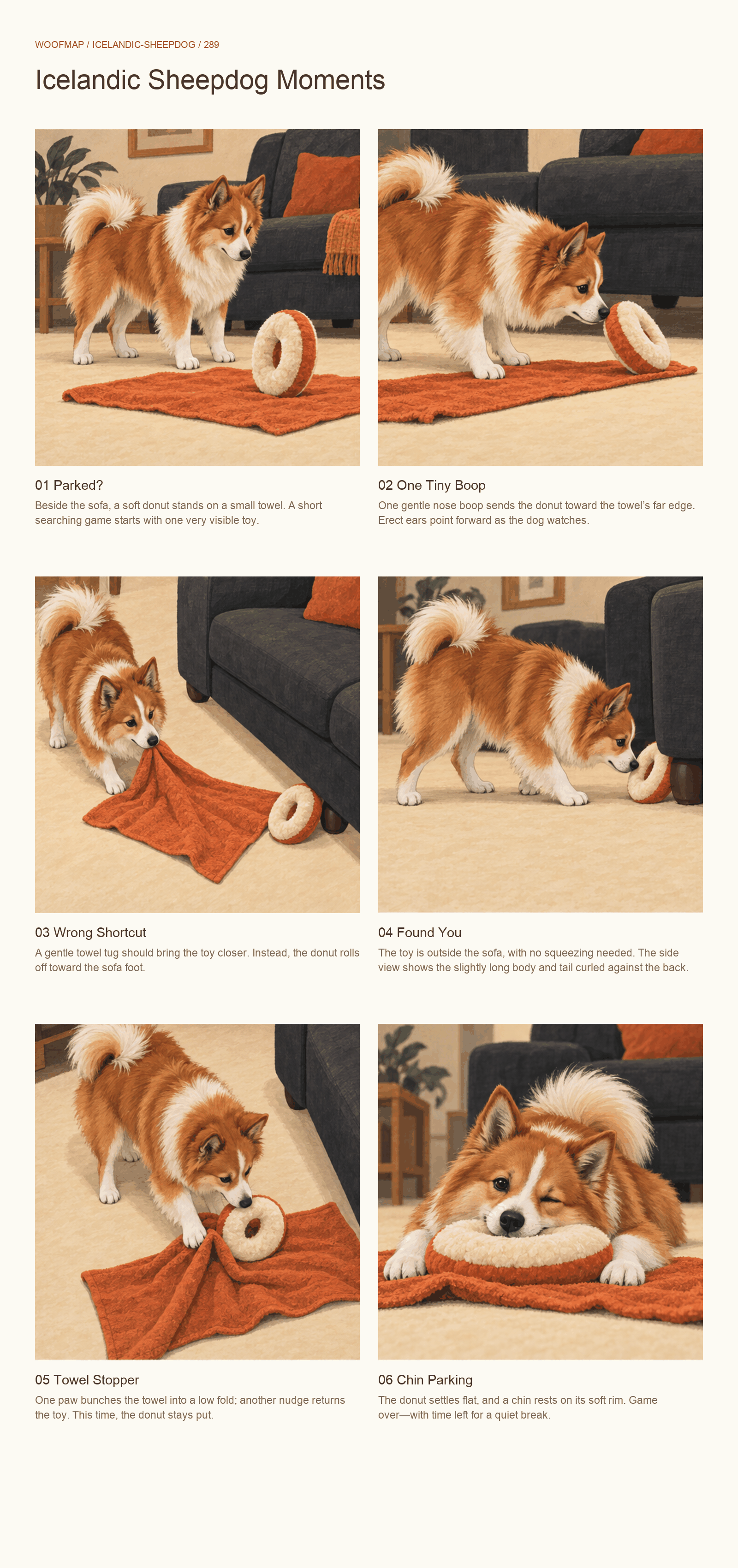
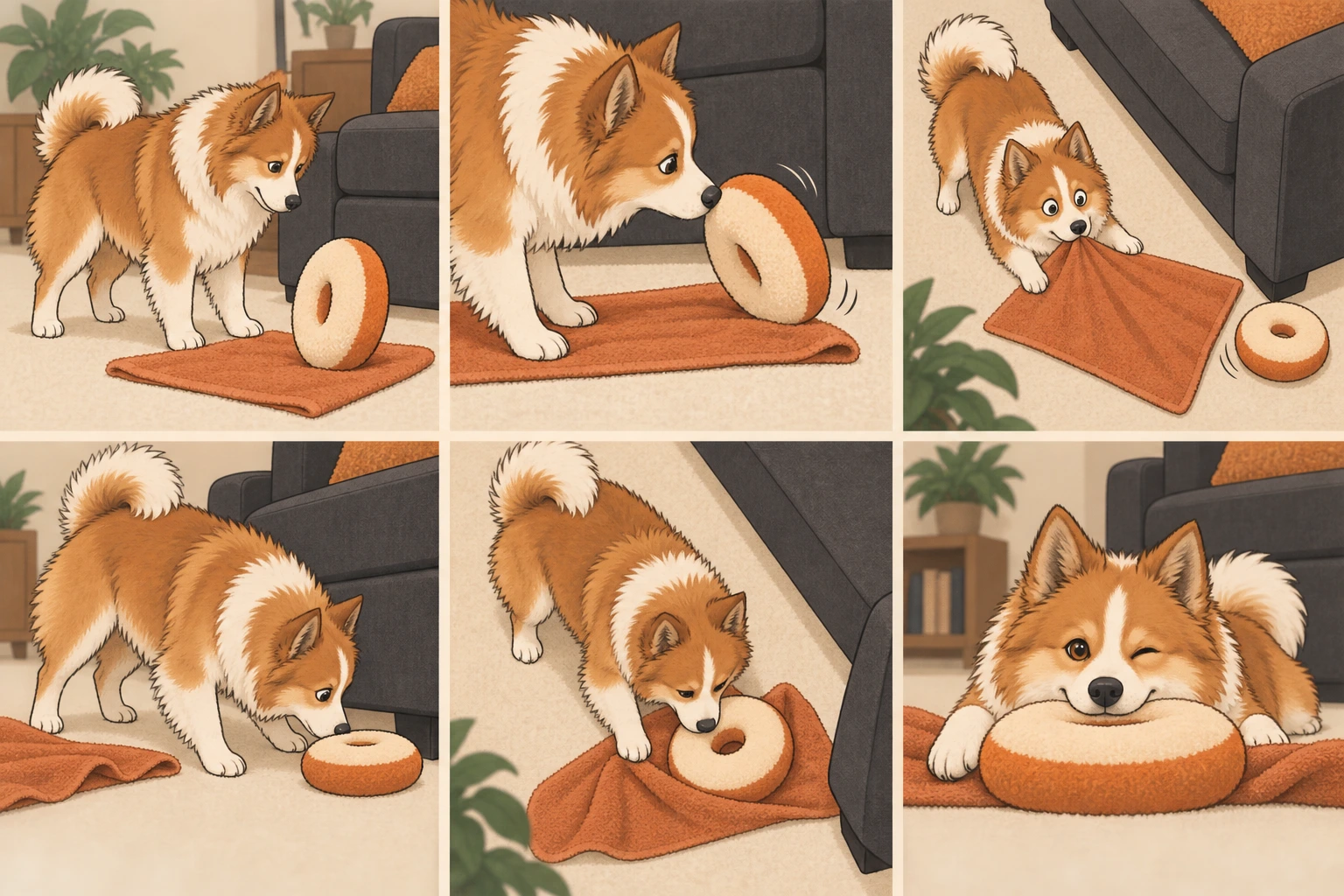
A small towel, a soft donut toy and two miscalculations lead to a clever parking spot. A wordless gag starring one fictional dog—not a breed-wide personality claim.
The breed is native to Iceland and descends from dogs brought by the original Viking settlers in AD 870–930. It became indispensable for rounding up livestock and everyday farm work, adapting its working methods to local terrain and farming practices.
Sturdy and slightly rectangular in profile, the breed has an ideal height of 46 cm for males and 42 cm for females. Its medium-sized ears stand erect, and its high-set tail curls over and touches the back.
Look for either coat variety: both have a fairly coarse outer coat and soft, thick undercoat, while the long-haired variety has more pronounced furnishings and tail hair. The rectangular outline, responsive erect ears and tail curled against the back are useful clues; well-developed double hind dewclaws are desirable, but no single colour identifies the breed.
The standard describes a cheerful, inquisitive, playful, confident dog with a gentle temperament. This agile herder uses barking in livestock work and announces visitors without being aggressive; reward-based practice can channel that alertness into cooperation, recall and settling, though individuals vary in vocality and social response.
Brush the double coat regularly, paying extra attention to loose undercoat during shedding; check the long-haired variety’s furnishings and tail for tangles. Offer walks, exploration and engaging search or cue-based games suited to an active herder. Because it may bark to announce visitors, reward a quiet cue and reliable recall rather than punishing normal alert behaviour. Provide company, activity and consistent household rules.
It naturally alerts to visitors by barking, so constant quiet is an unrealistic expectation. Managing doorway triggers, practising rewarded quiet behaviour and meeting its activity needs matter more than floor area alone.
No: it also has a thick double coat that needs regular brushing, especially when undercoat is loosening. The long-haired variety additionally needs checks for tangles behind the ears and in its leg furnishings.
Alongside walks, try scent exploration, searching games and short training sessions that engage a dog developed for farm work. Practise recall around distractions and leave room for calm rest.
SOURCE NOTES
Breed traits follow the cited official standards; everyday care advice is our editorial interpretation of coat, build and working purpose.
Coat and size varieties can share a standard. The number is an archive reference, not a rarity score. An independent educational atlas, not a registry publication. Temperament varies; consult a veterinarian about health concerns.
WOOFMAP / ICELANDIC-SHEEPDOG / LITTLE MOMENTS
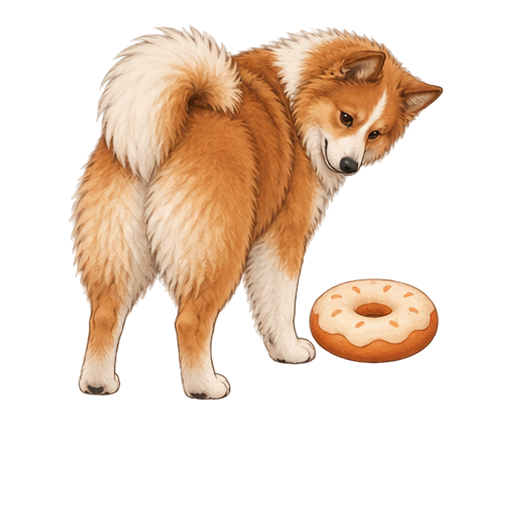
Illustrated here is the long-haired red-and-white variant, with a sturdy, slightly rectangular body, erect ears and a tail curled against the back. This sofa-side adventure belongs to one fictional dog.
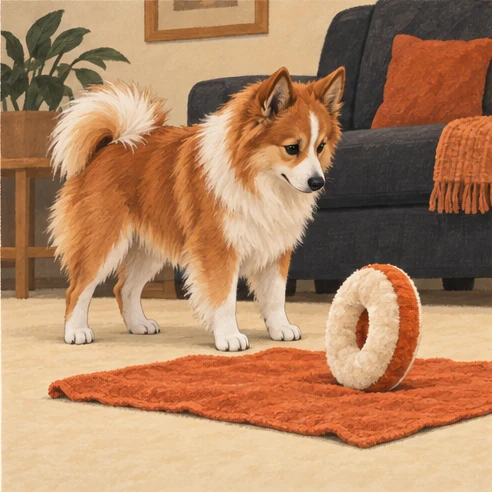
Beside the sofa, a soft donut stands on a small towel. A short searching game starts with one very visible toy.
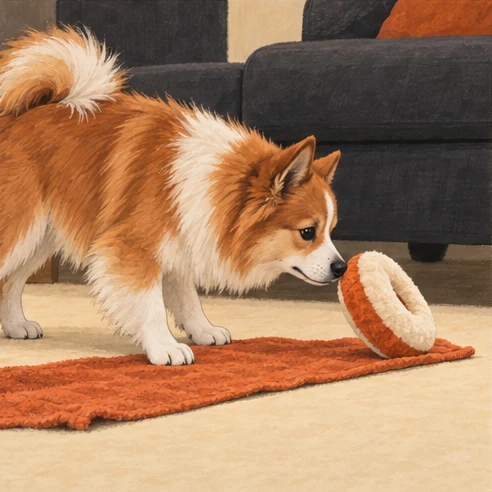
One gentle nose boop sends the donut toward the towel’s far edge. Erect ears point forward as the dog watches.
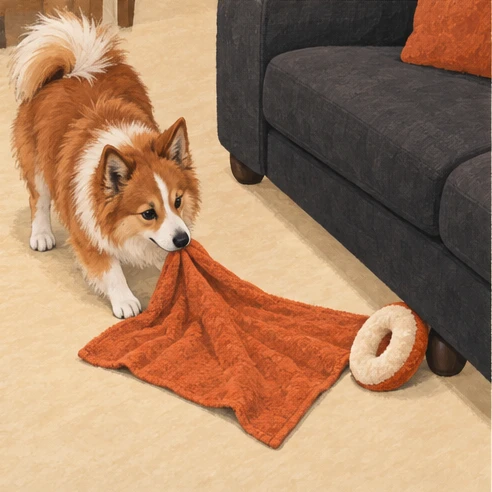
A gentle towel tug should bring the toy closer. Instead, the donut rolls off toward the sofa foot.
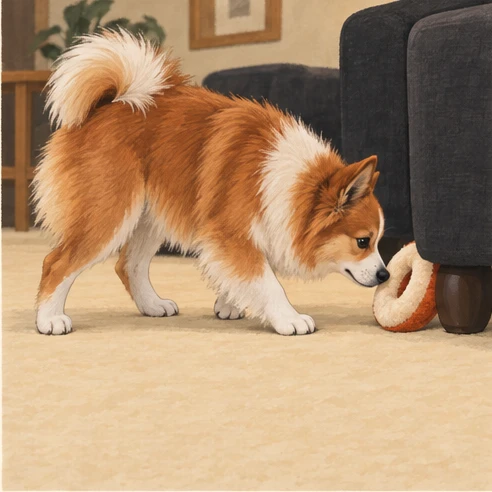
The toy is outside the sofa, with no squeezing needed. The side view shows the slightly long body and tail curled against the back.
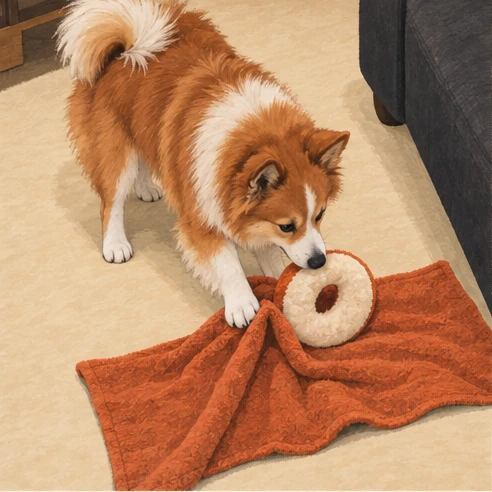
One paw bunches the towel into a low fold; another nudge returns the toy. This time, the donut stays put.
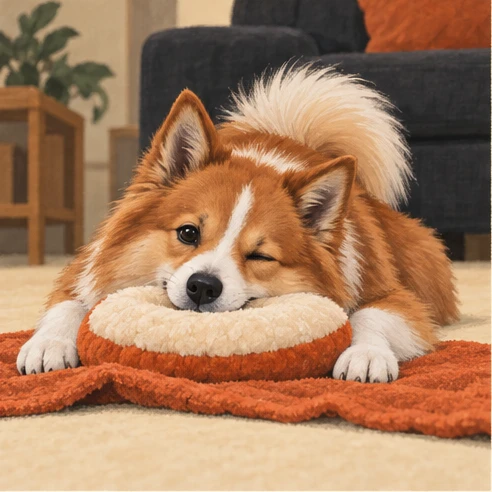
The donut settles flat, and a chin rests on its soft rim. Game over—with time left for a quiet break.

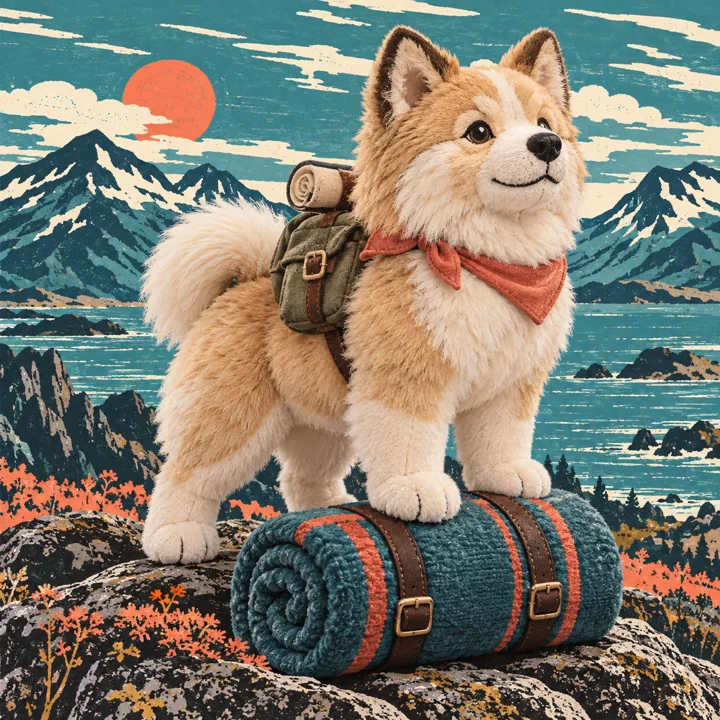
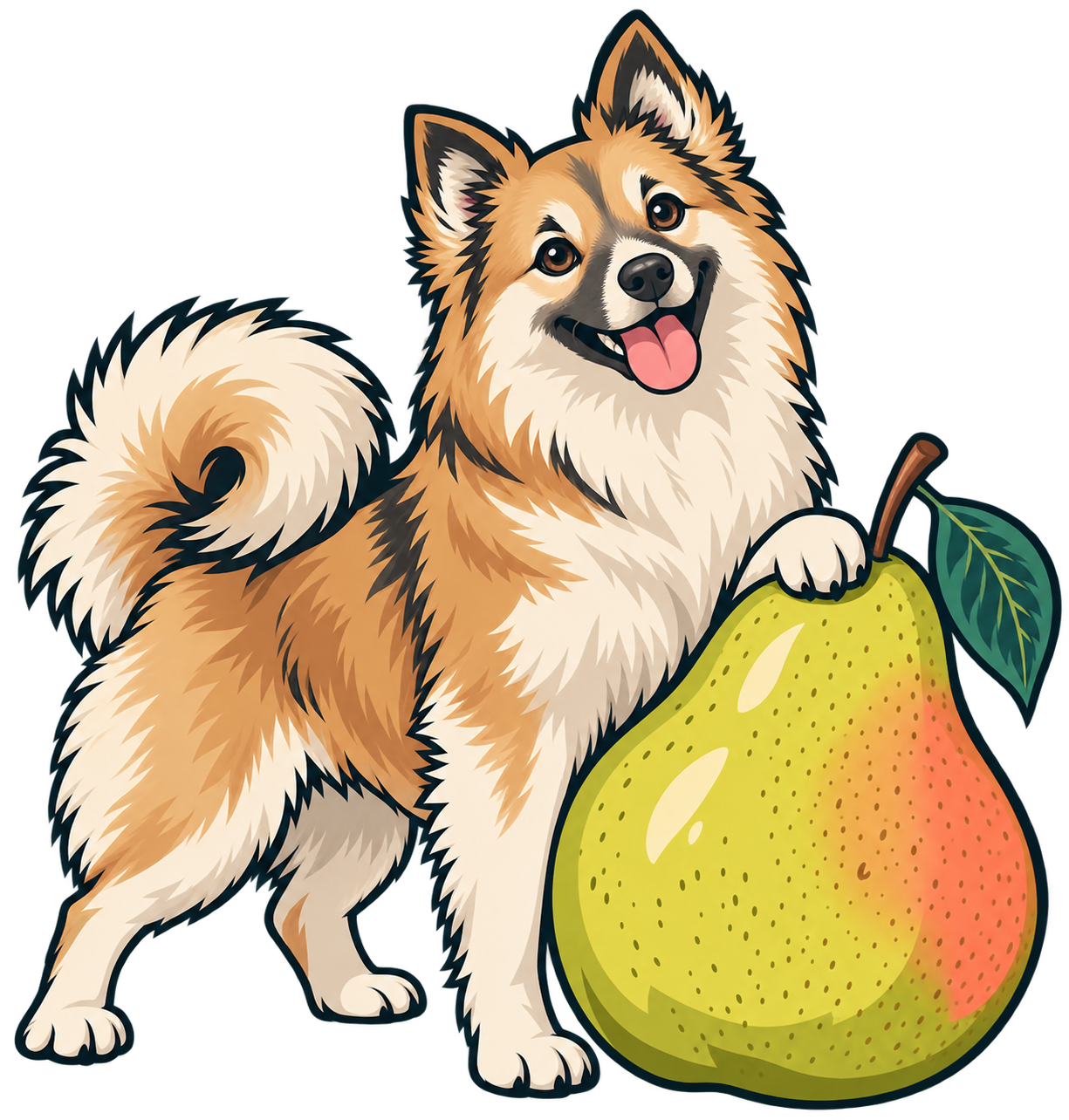
Eight transparent PNGs to save individually. Switch captions on or off for your chats.
 Hehe
 For You
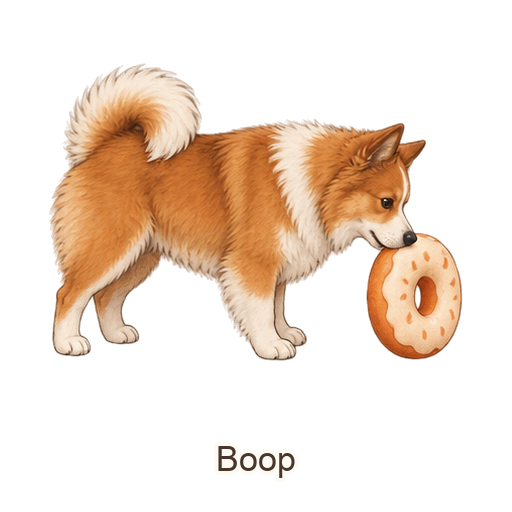 Boop
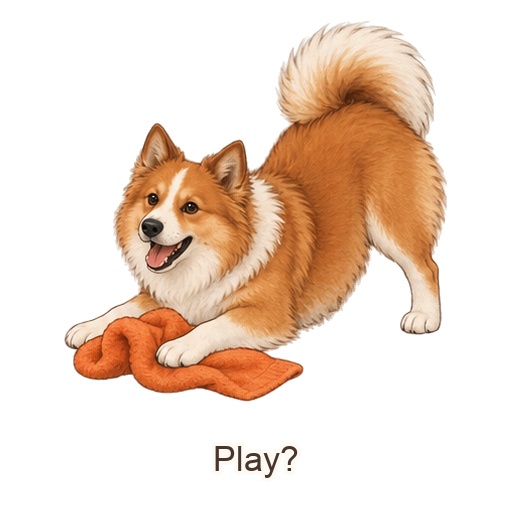 Play?
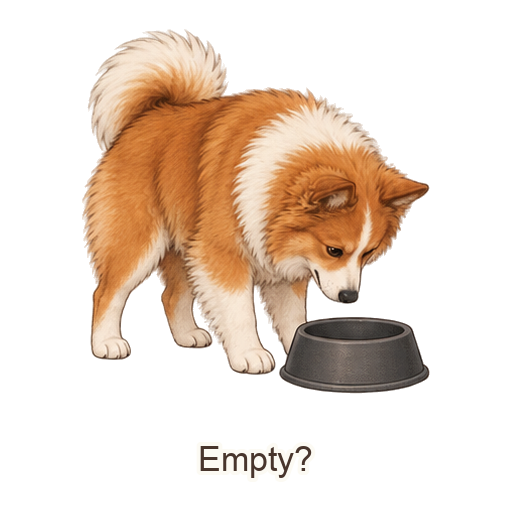 Empty?
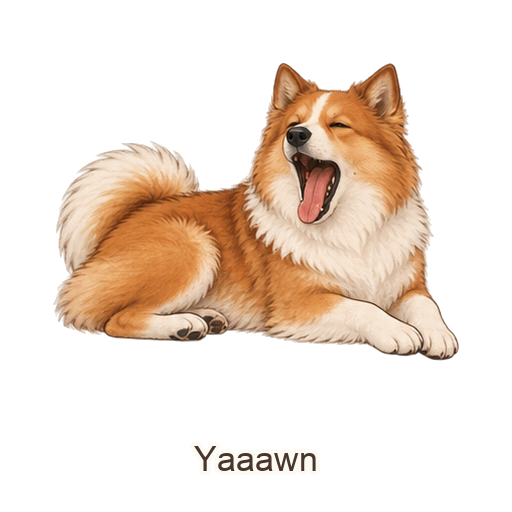 Yaaawn
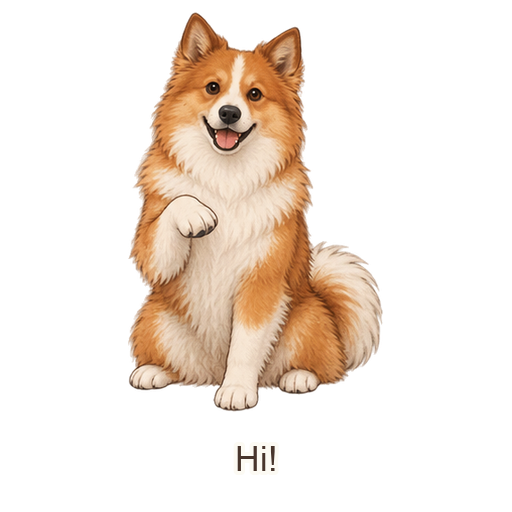 Hi!
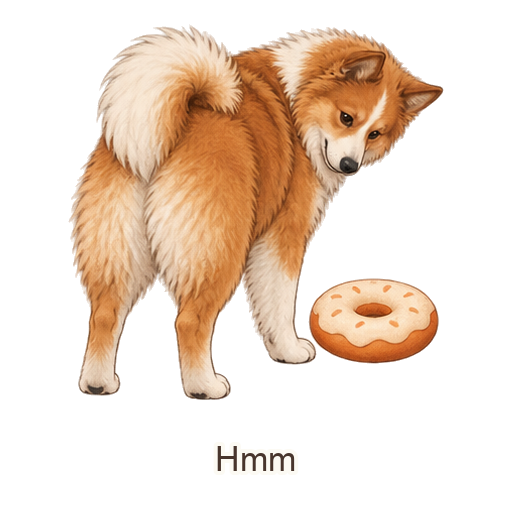 Hmm
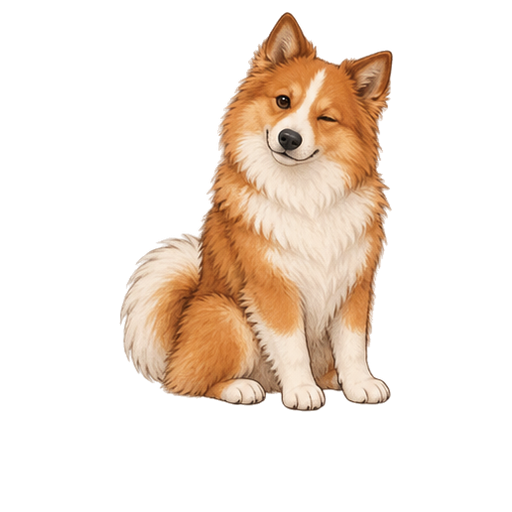 Hehe
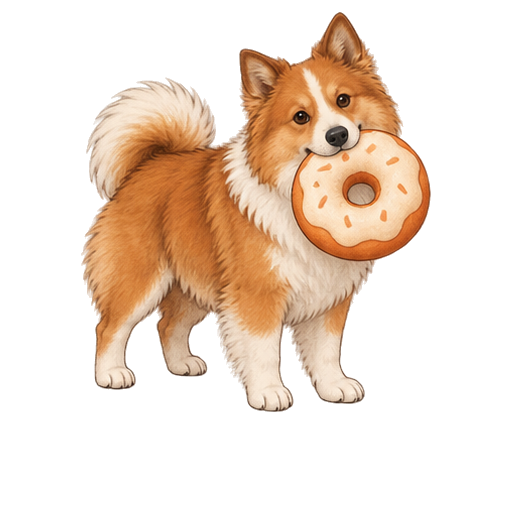 For You
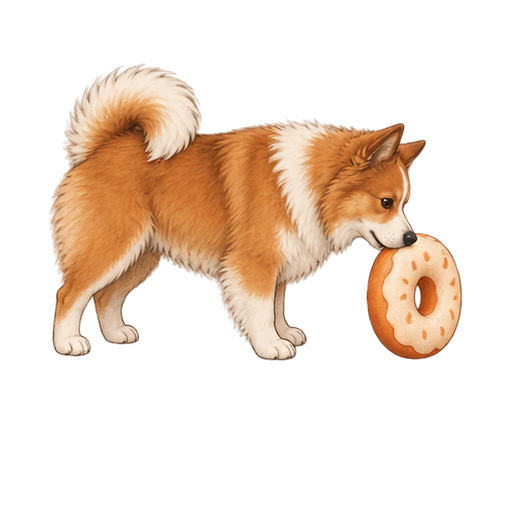 Boop
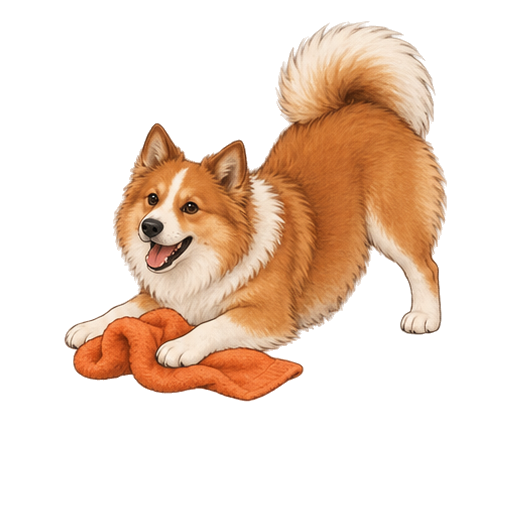 Play?
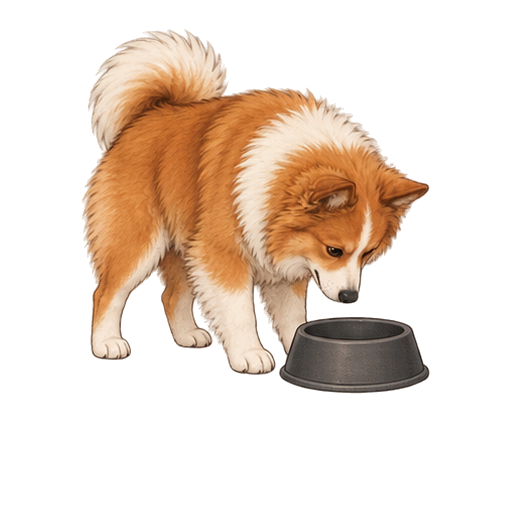 Empty?
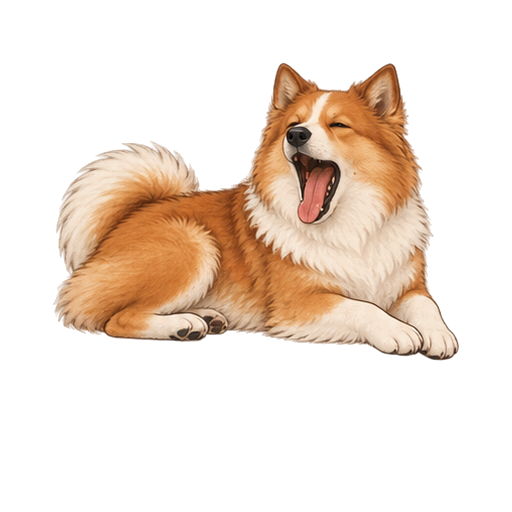 Yaaawn
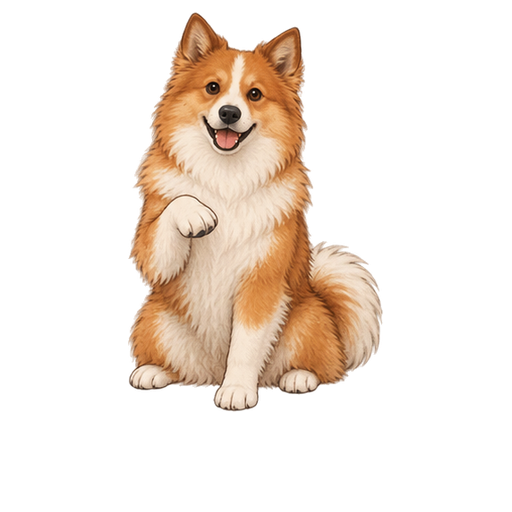 Hi!
 Hmm
Original woofmap artwork, assisted by GPT Image 2. Free for personal chats and non-commercial sharing with credit to woofmap.com. Fictional moods do not predict every dog’s temperament; see this page’s factual sources.
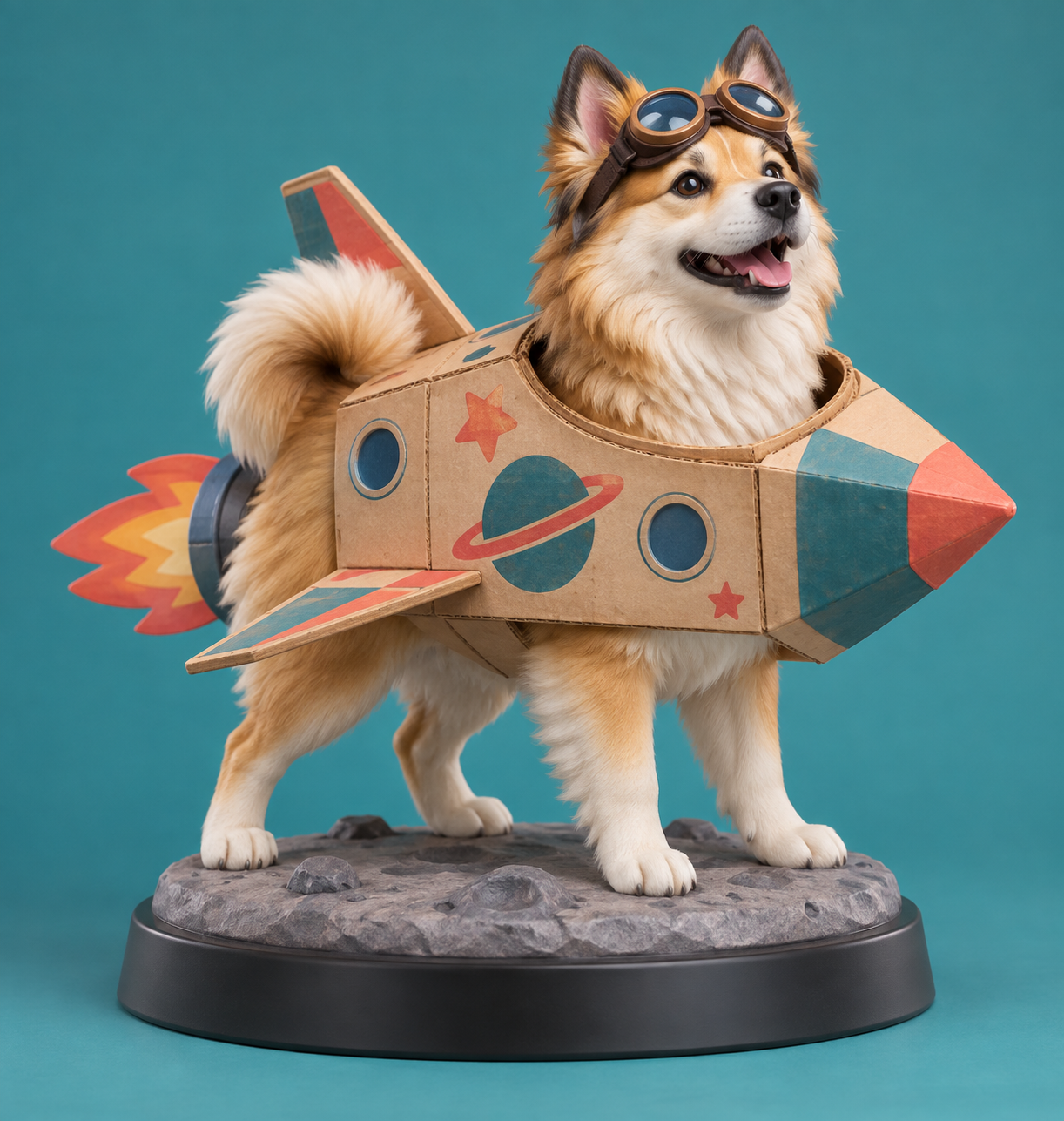
Combine the available parts, choose a name and take a little joy home.
 AI realistic image
Spitz and primitive types
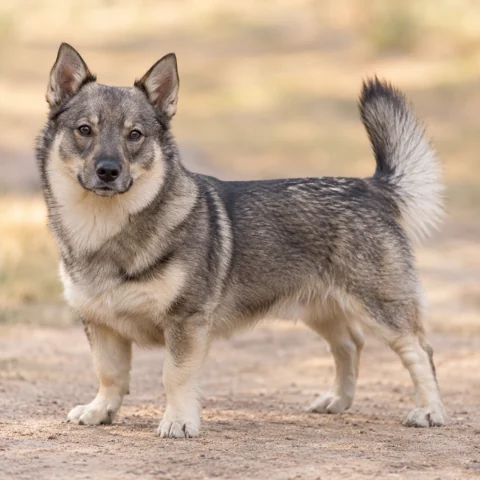
Swedish Vallhund
 AI realistic image
Spitz and primitive types
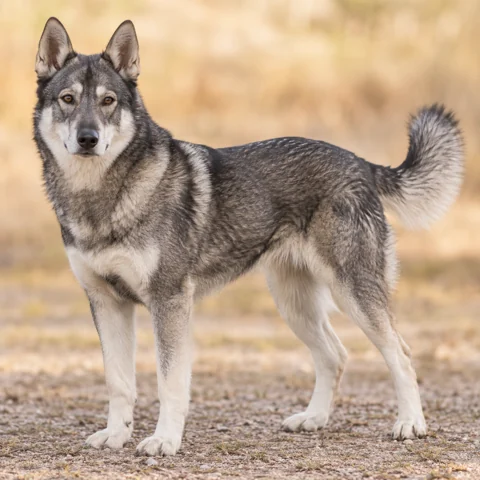
Jämthund
 AI realistic image
Spitz and primitive types
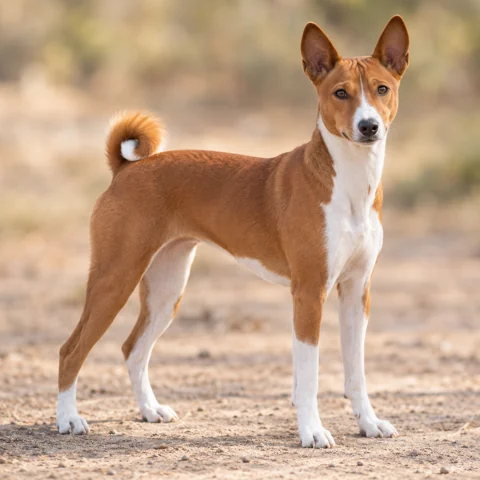
Basenji