WOOFMAP · CANINE ARCHIVENO. 262
Spitz and primitive types
Japanese Spitz
Japanese Spitz
✳ woofmap.comJapan
WOOFMAP · CANINE ARCHIVE · NO. 262
Japanese Spitz
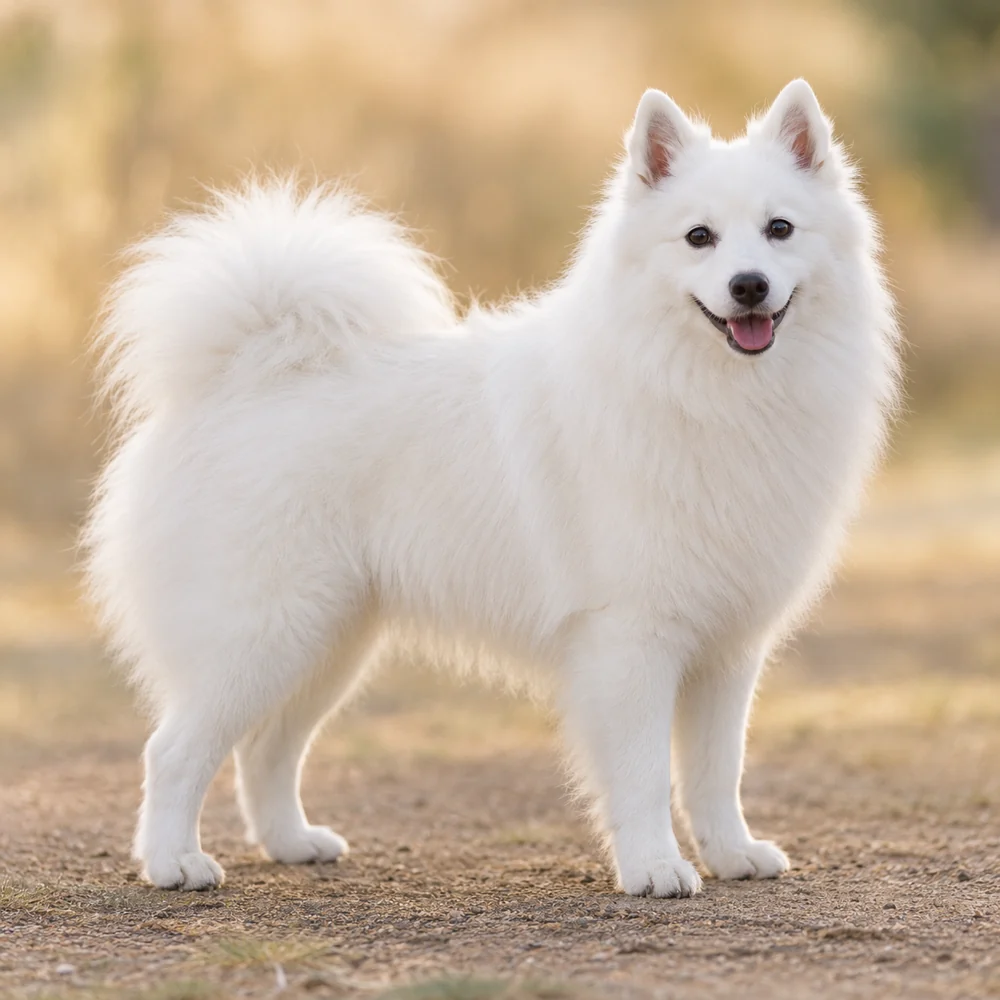
A bright white spitz with a full ruff and a feathered tail.
AI-generated realistic breed image, for visual reference.
This Japanese Spitz page is still waiting for a voice. Live with a Japanese Spitz? Share a natural bark, howl or whine and let others hear a little of your dog’s everyday life.
If we feature your recording, we’ll credit you or your dog using the name you choose.
A 5–15 second phone recording in a quiet setting is perfect. Capture a natural moment without startling or disturbing your dog. Audio or video with sound is welcome.
Share your dog’s voice ↗[email protected]Attach your recording, breed and preferred credit. Please confirm you recorded it and allow woofmap to feature it.
Thank you for helping us build a playful Woof Planet together. Every little woof deserves to be heard.
Spitz and primitive types
Japanese Spitz
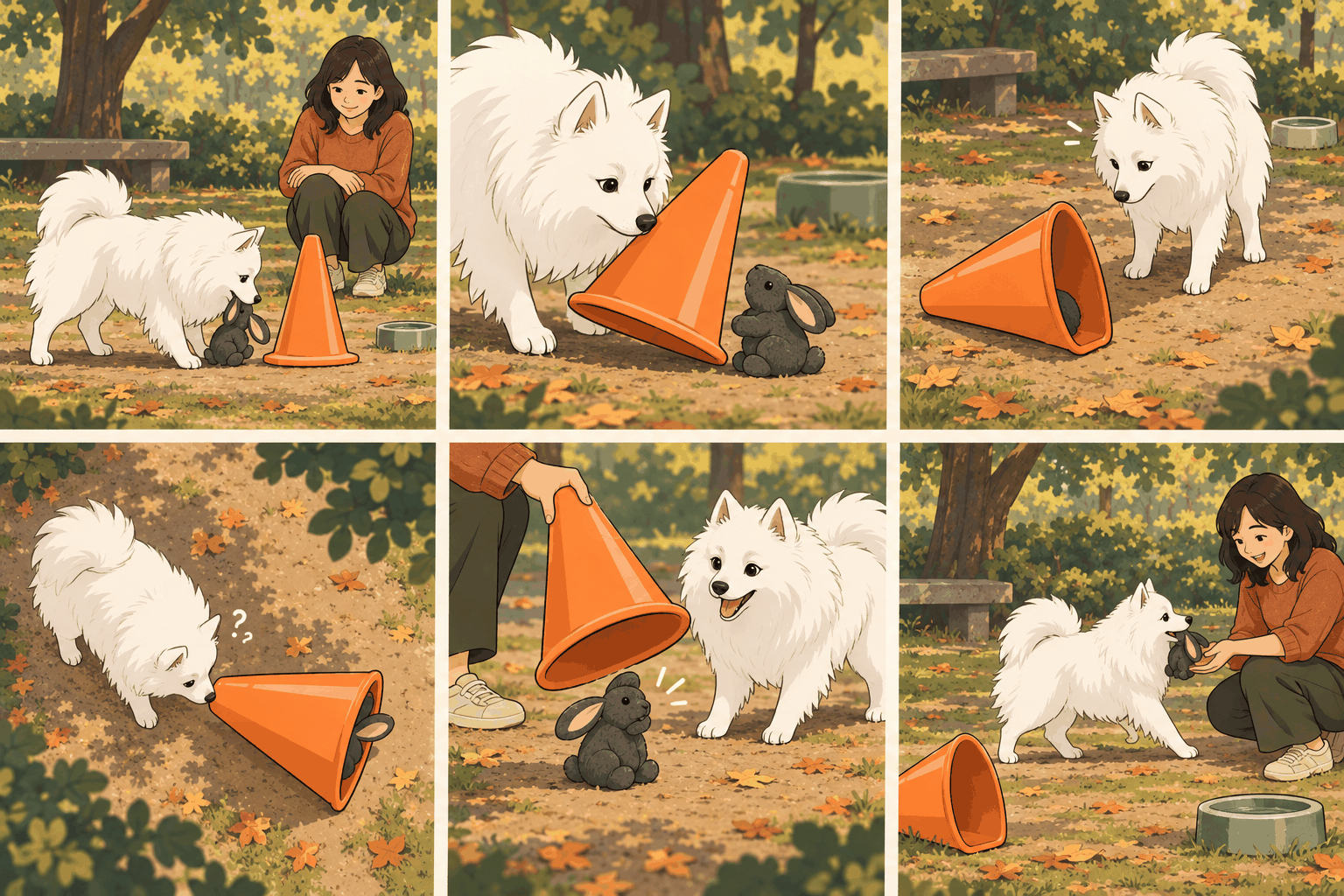
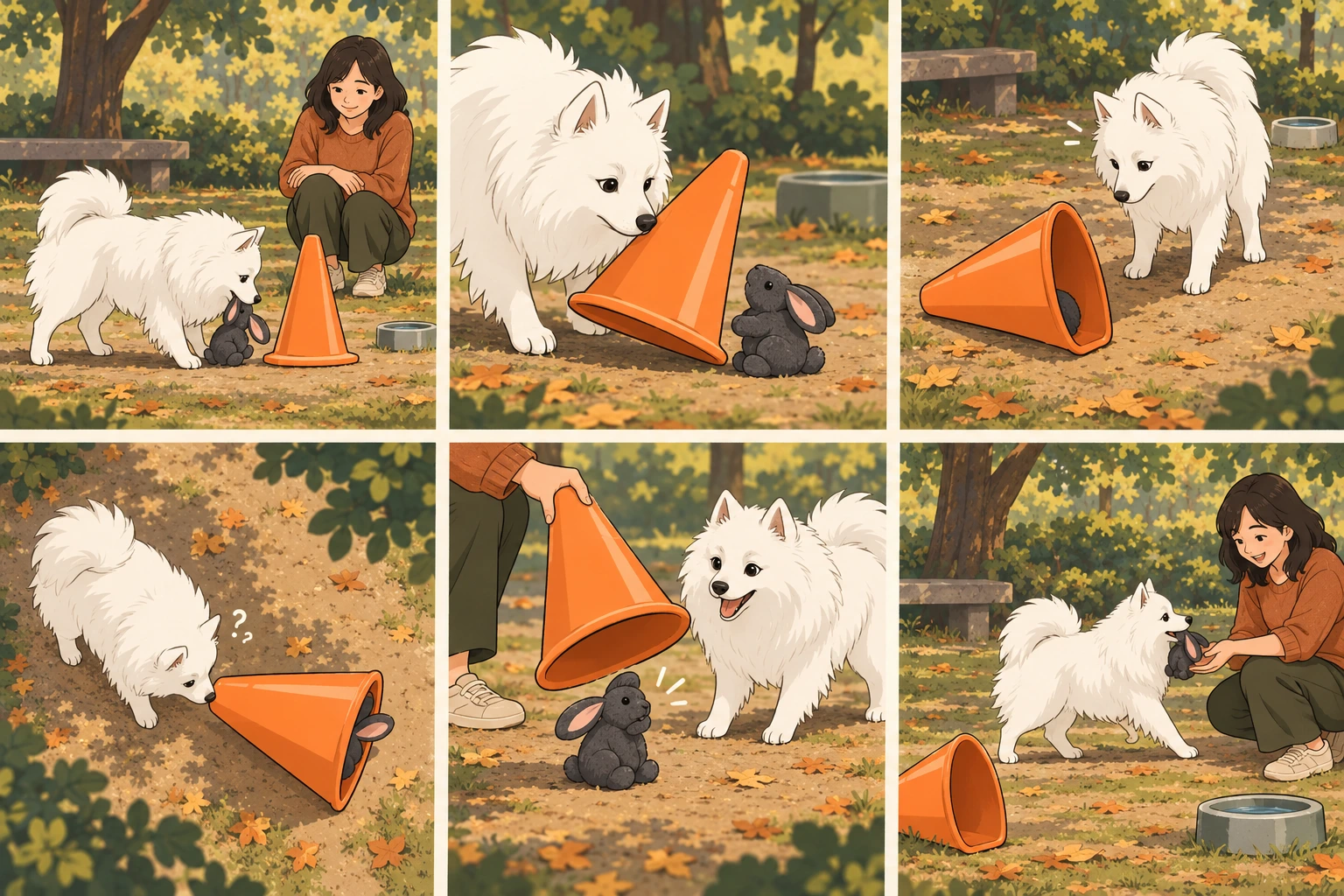
One gentle nose nudge hides a plush beneath a lightweight cone. A little search ends with a helping hand and a quiet rest after play.
The standard says the breed is thought to trace to large white German Spitz brought to Japan around 1920 via Siberia and northeastern China; it was first shown in Tokyo in 1921. Further white Spitz imports, including dogs from Canada, contributed to its development, and the Japan Kennel Club established a unified standard in 1948. Its stated use is as a companion dog.
Males stand 30–38 cm at the withers; females are slightly smaller. The sturdy, balanced body is slightly longer than tall, with small forward-facing erect ears and a high-set tail carried over the back.
Look for pure white coat over dense undercoat, a prominent neck and chest ruff, small forward-facing triangular ears and a tail carried over the back. The black nose, slightly oblique dark almond eyes and subtly longer-than-tall body add useful clues; this standard lists no colour or size varieties.
The standard describes an intelligent, cheerful dog with keen senses and does not permit noisiness. Clear, consistent reward-based training can channel its attentiveness and reinforce calm behaviour; activity and social responses still vary between individuals.
Brush the double coat regularly, paying particular attention to the long hair around the ruff and tail; brush more often when needed. Offer walks, play and short learning games to engage this alert companion. Reward calm responses and practise household routines, including time alone, rather than relying on scolding for barking. Provide daily company and a quiet place to settle.
It is classified as a companion dog, but a good fit depends on time for company, grooming and consistent guidance. Alertness need not mean constant barking; reward quiet settling and account for the individual dog.
This is a double coat, not a short single coat. Brush through to the undercoat and check the ruff and tail for tangles; the amount of loose hair can vary by dog and season.
Combine everyday walks with sniffing, play and brief training, while watching when the dog needs rest. Practising calm responses to sounds and building comfort with time alone can be more useful than focusing only on exercise volume.
SOURCE NOTES
Breed traits follow the cited official standards; everyday care advice is our editorial interpretation of coat, build and working purpose.
Coat and size varieties can share a standard. The number is an archive reference, not a rarity score. An independent educational atlas, not a registry publication. Temperament varies; consult a veterinarian about health concerns.
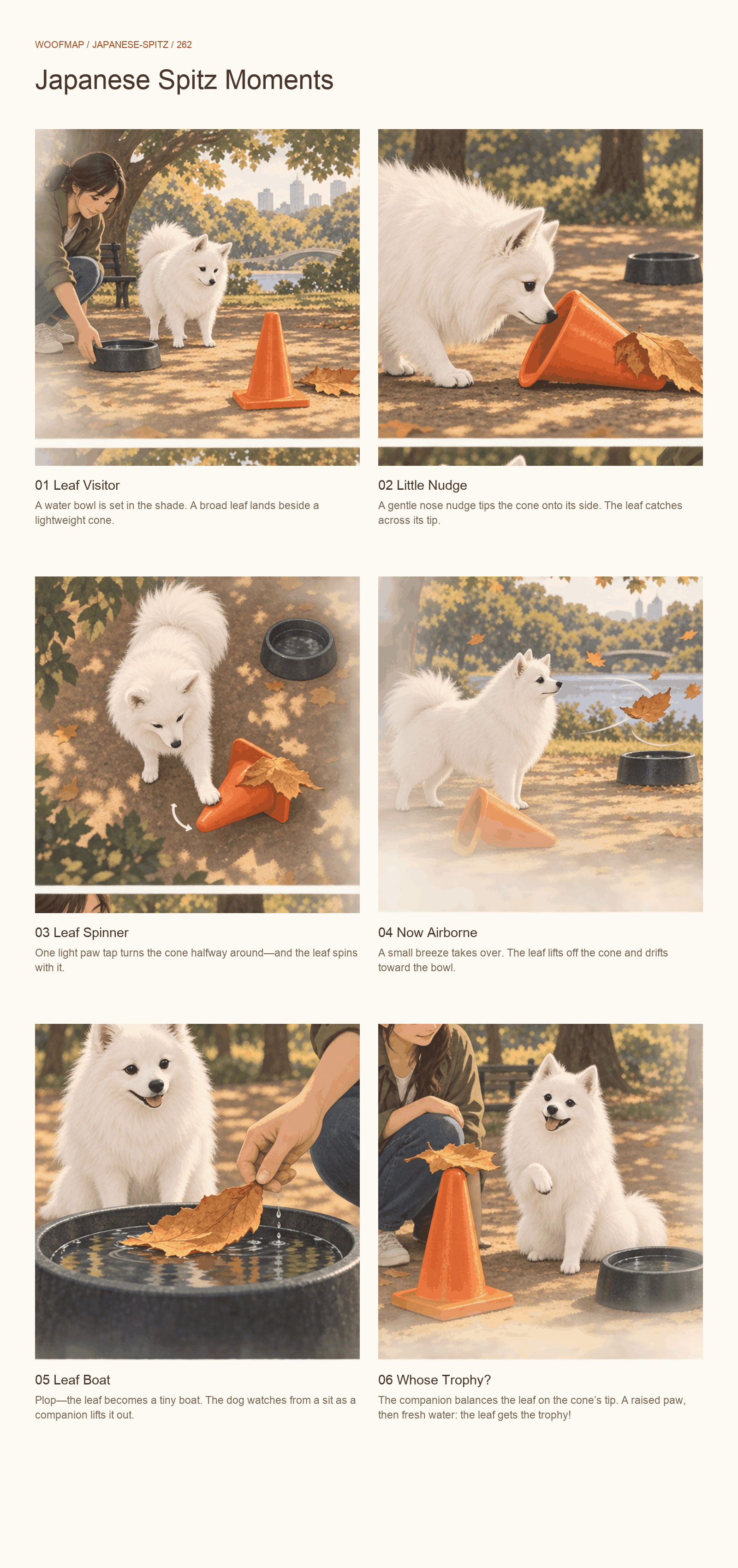
WOOFMAP / JAPANESE-SPITZ / LITTLE MOMENTS
Illustrated in the standard’s only accepted colour: pure white, with a double coat, small forward-facing erect ears, a full ruff and a feathered tail over the back. This park adventure and its moods are fictional, not breed-wide traits.
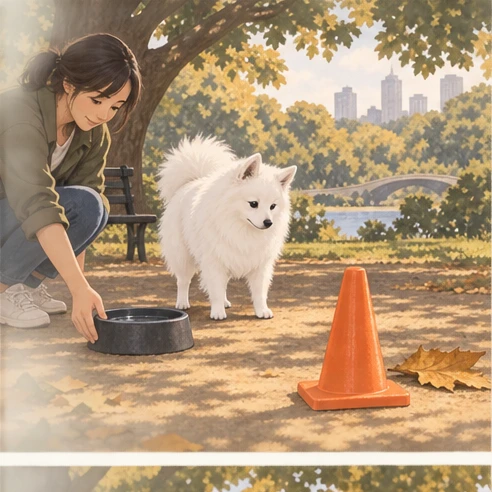
A water bowl is set in the shade. A broad leaf lands beside a lightweight cone.
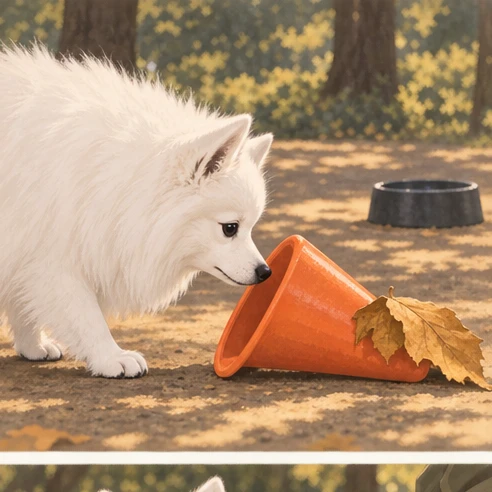
A gentle nose nudge tips the cone onto its side. The leaf catches across its tip.
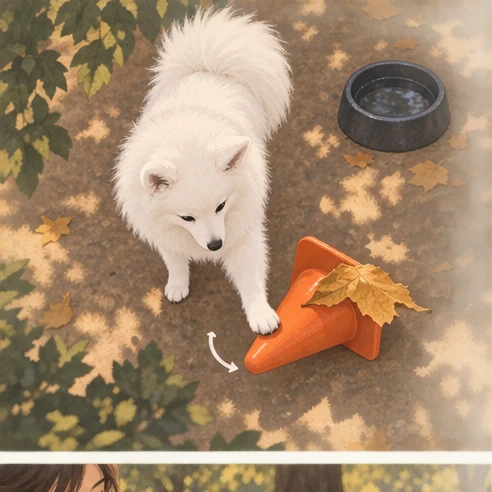
One light paw tap turns the cone halfway around—and the leaf spins with it.
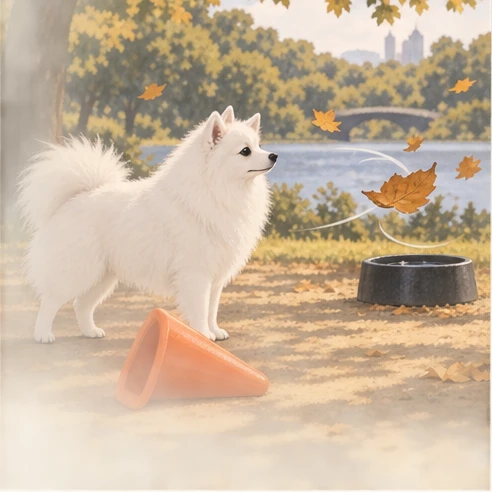
A small breeze takes over. The leaf lifts off the cone and drifts toward the bowl.
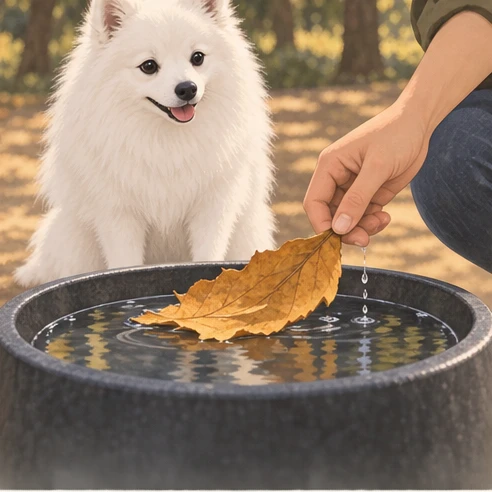
Plop—the leaf becomes a tiny boat. The dog watches from a sit as a companion lifts it out.
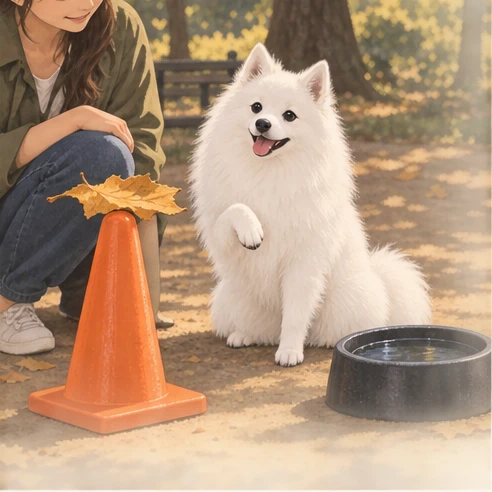
The companion balances the leaf on the cone’s tip. A raised paw, then fresh water: the leaf gets the trophy!
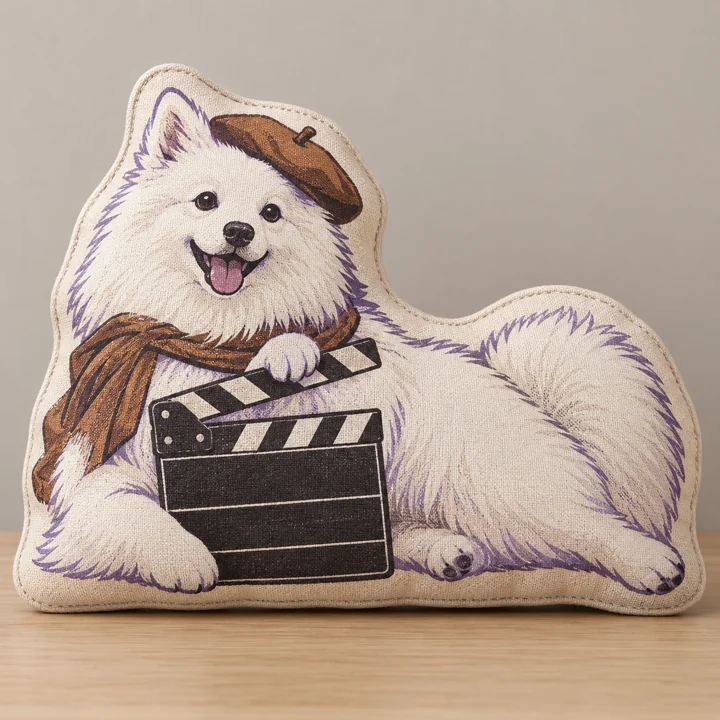
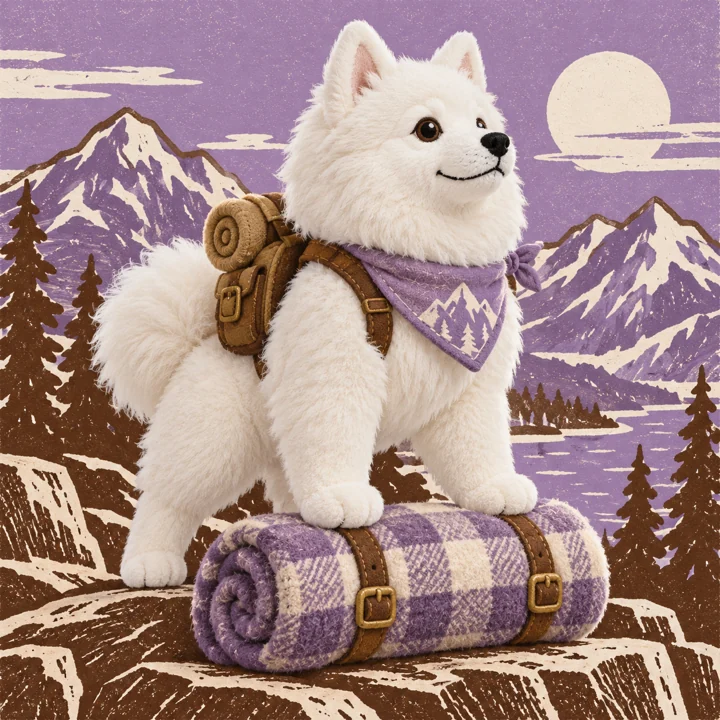
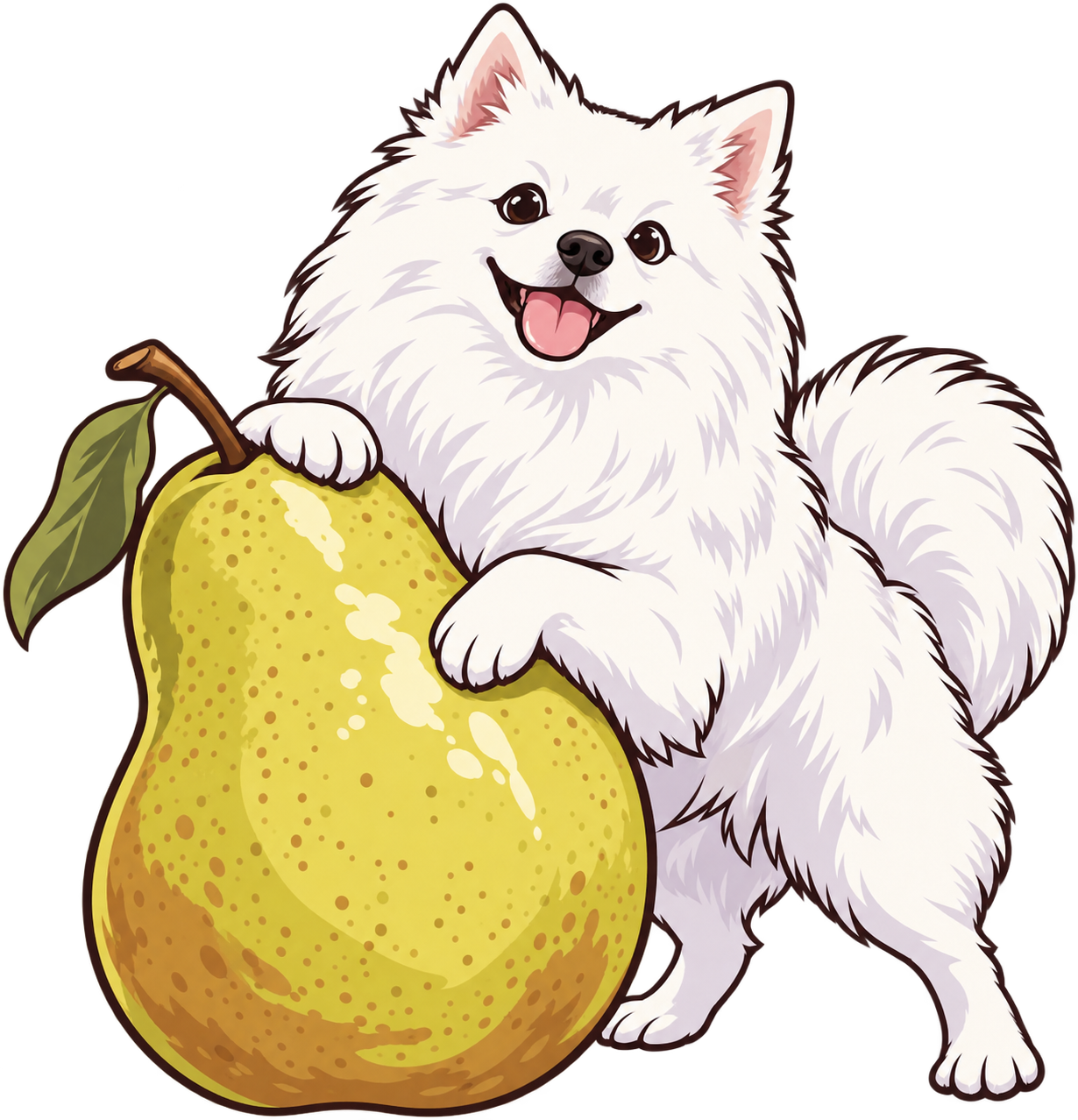
Eight transparent PNGs to save individually. Switch captions on or off for your chats.
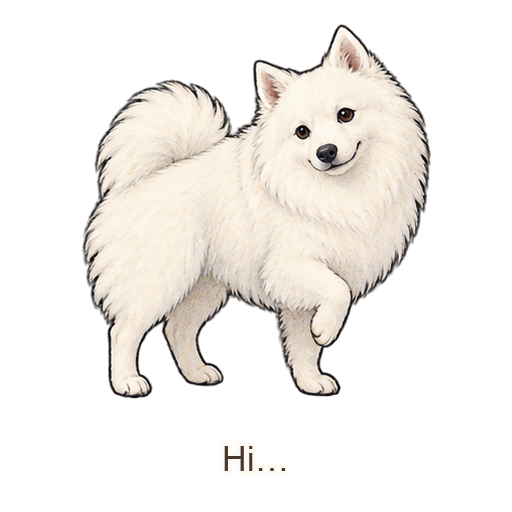 Hi…
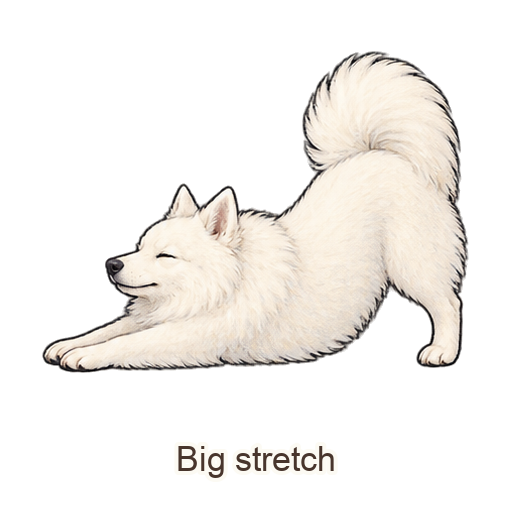 Big stretch
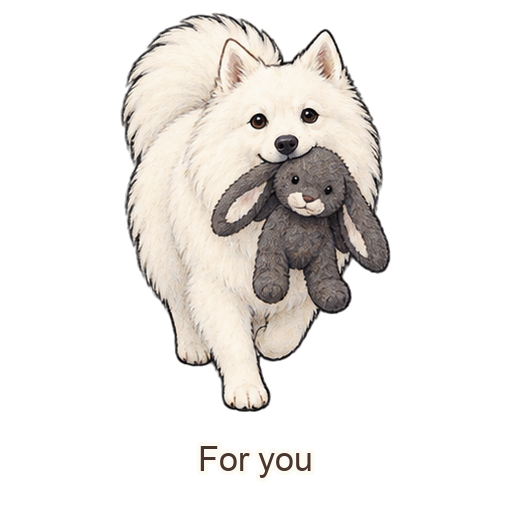 For you
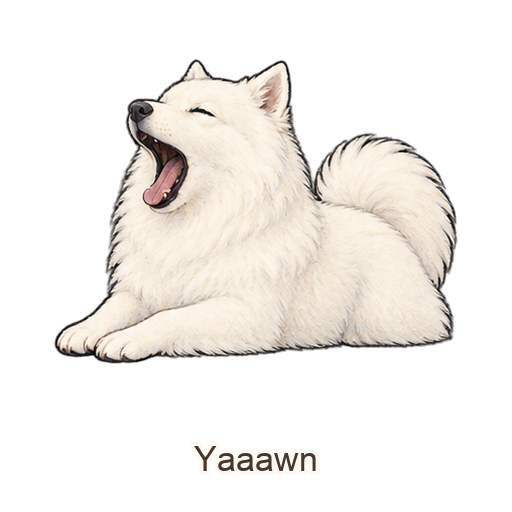 Yaaawn
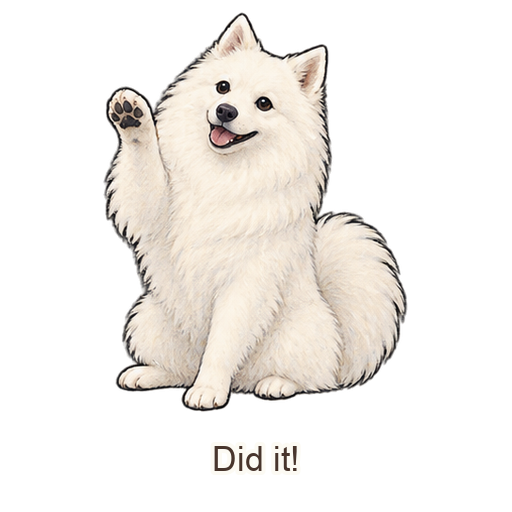 Did it!
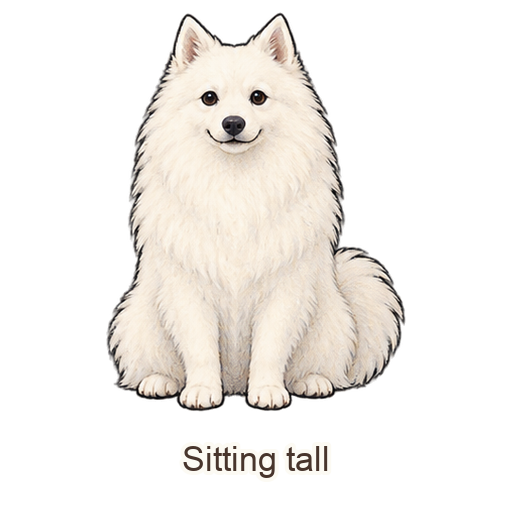 Sitting tall
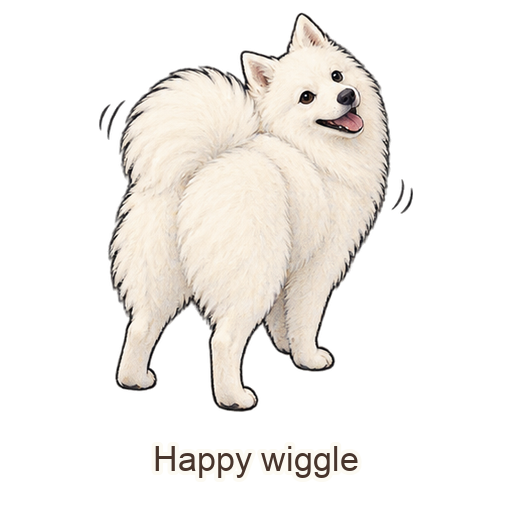 Happy wiggle
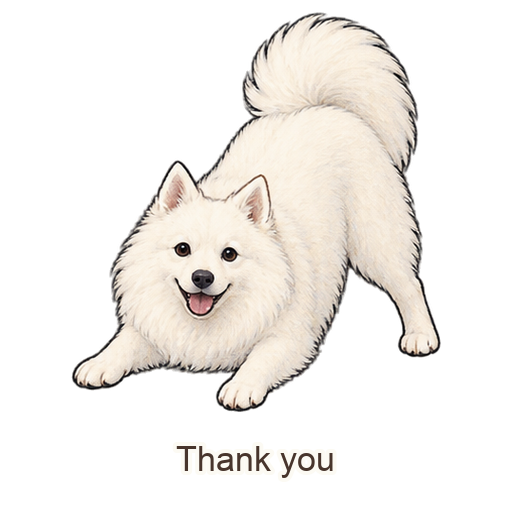 Thank you
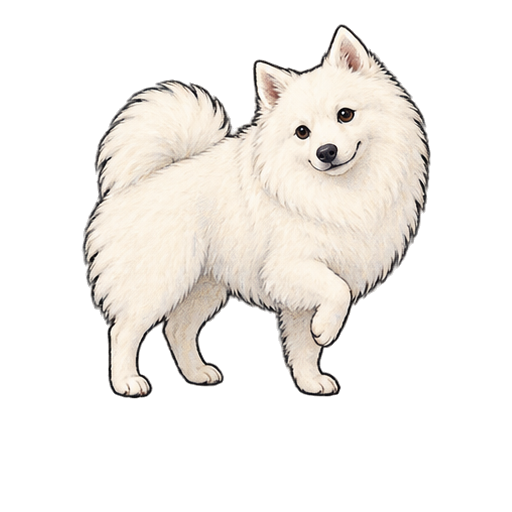 Hi…
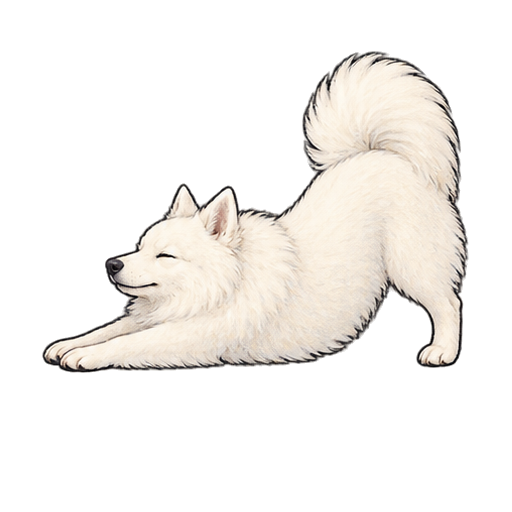 Big stretch
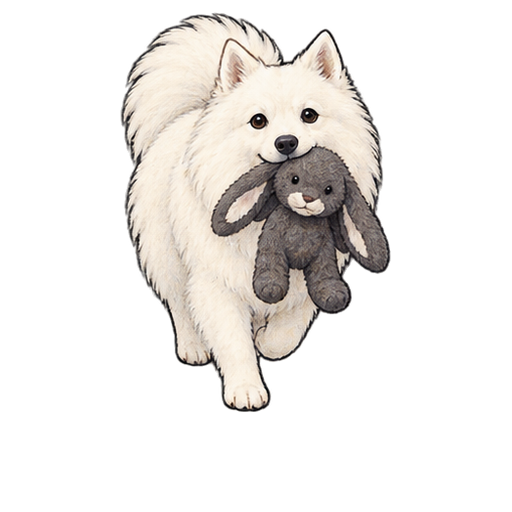 For you
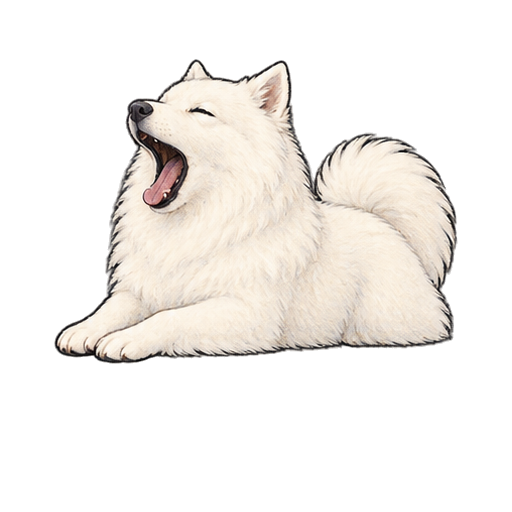 Yaaawn
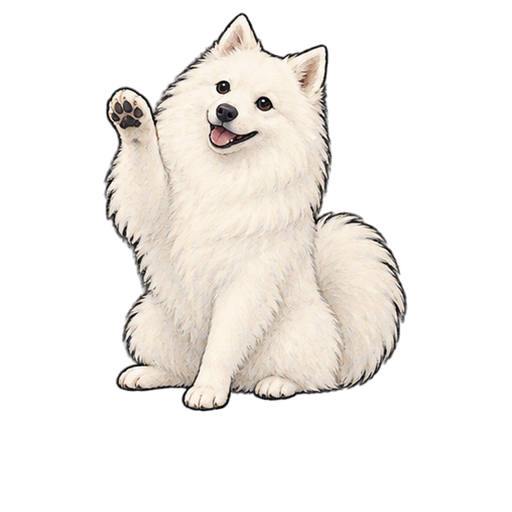 Did it!
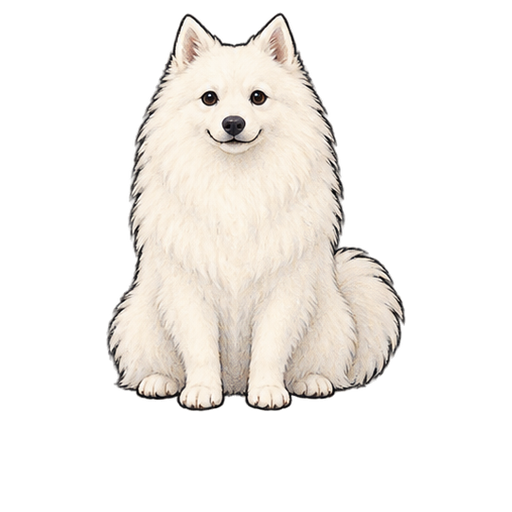 Sitting tall
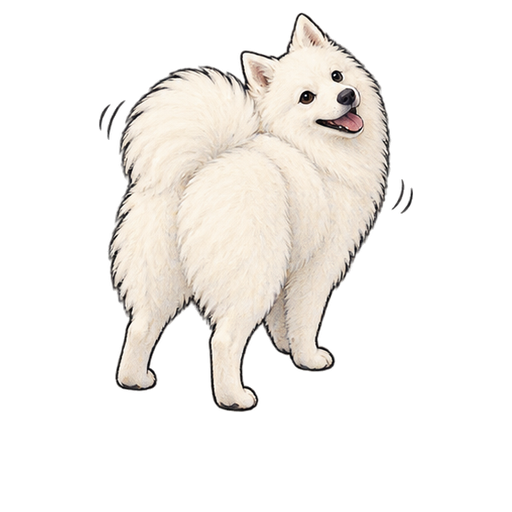 Happy wiggle
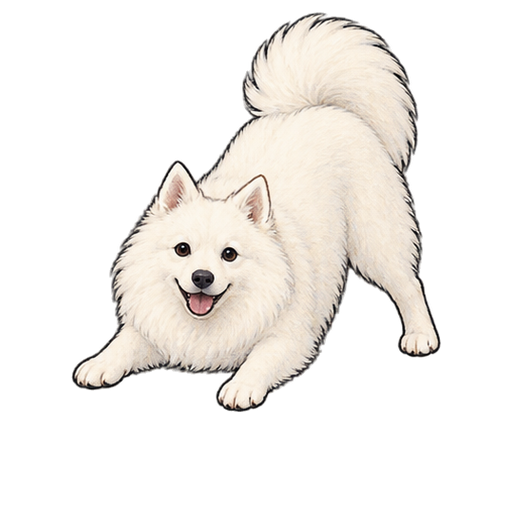 Thank you
Original woofmap artwork, assisted by GPT Image 2. Free for personal chats and non-commercial sharing with credit to woofmap.com. Fictional moods do not predict every dog’s temperament; see this page’s factual sources.
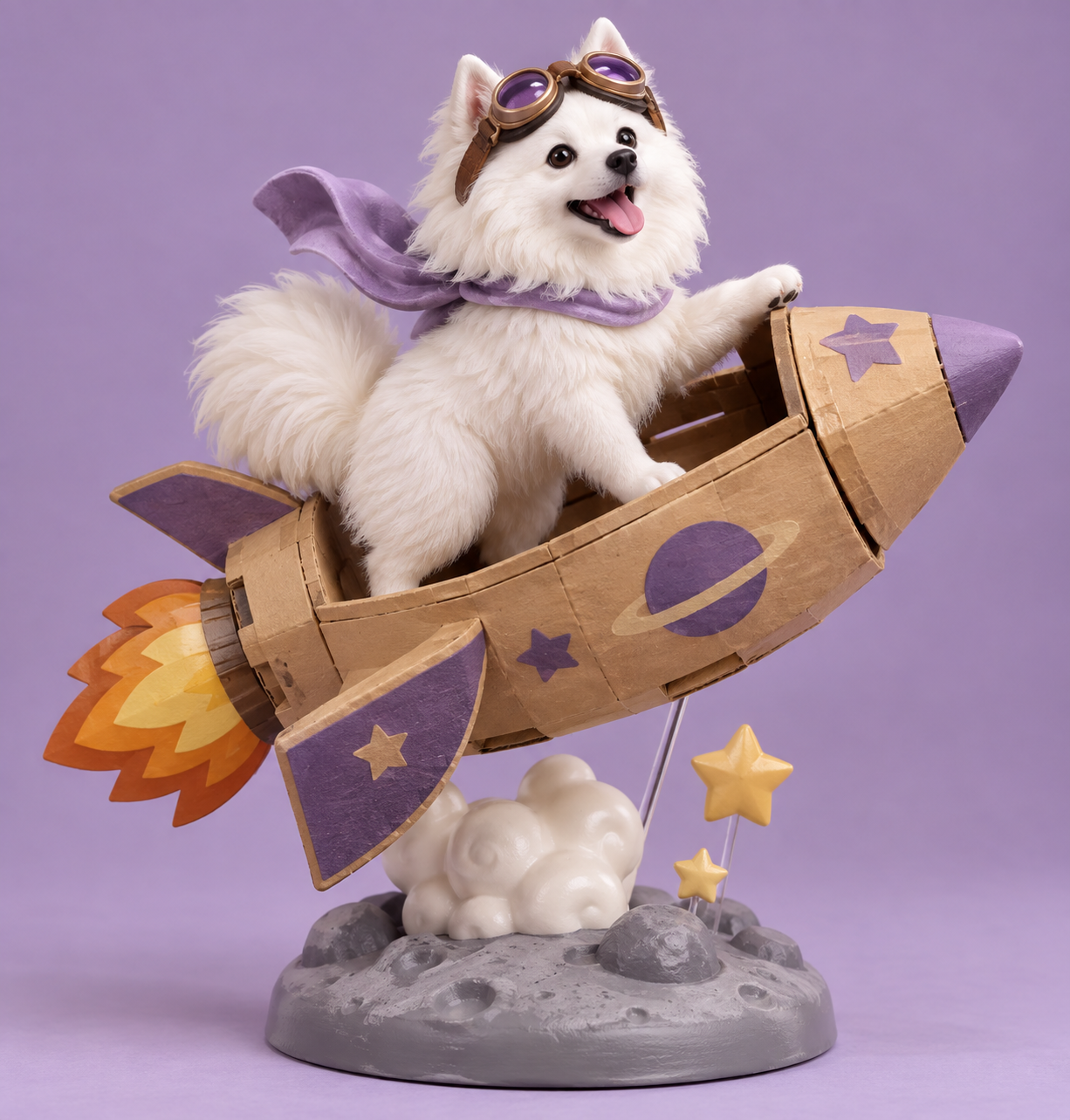
Combine the available parts, choose a name and take a little joy home.
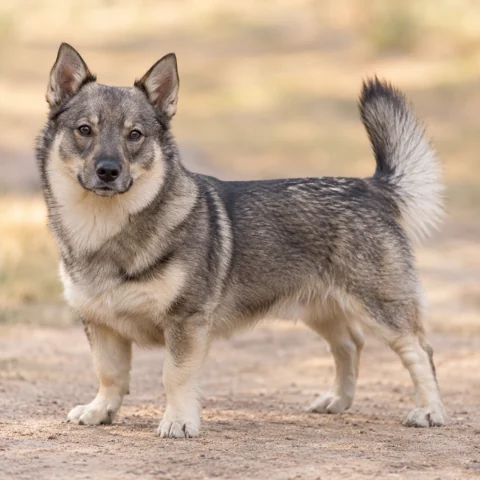 AI realistic image
Spitz and primitive types
Swedish Vallhund
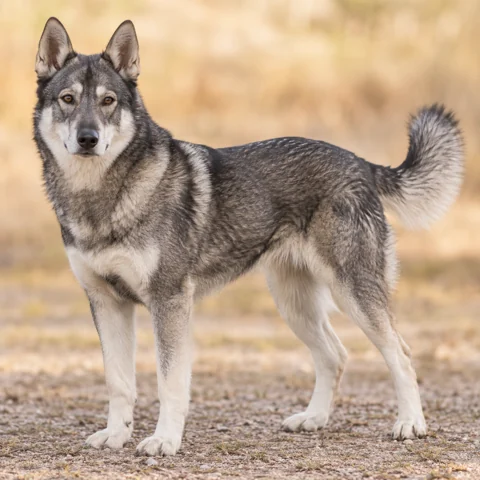 AI realistic image
Spitz and primitive types
Jämthund
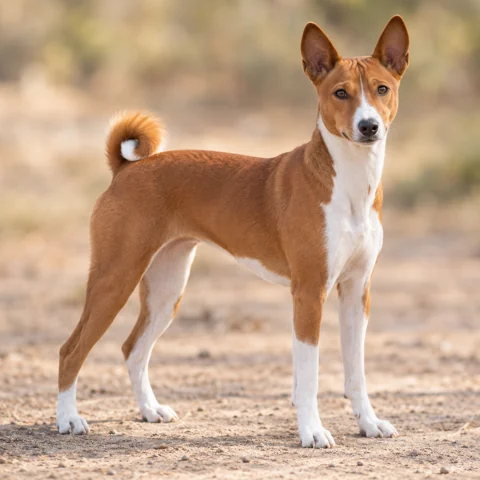 AI realistic image
Spitz and primitive types
Basenji