WOOFMAP · CANINE ARCHIVENO. 128
Companion and toy dogs
King Charles Spaniel
King Charles Spaniel
✳ woofmap.comGreat Britain
WOOFMAP · CANINE ARCHIVE · NO. 128
King Charles Spaniel
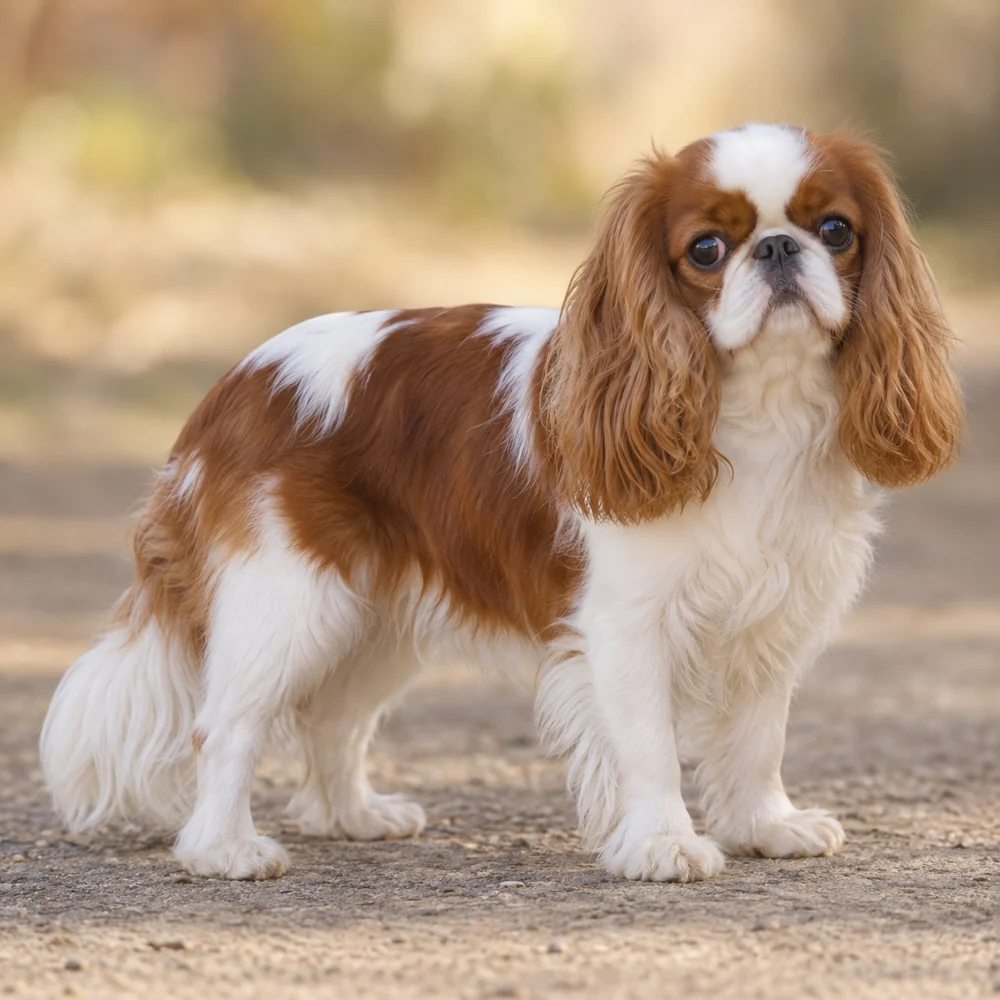
A domed-headed English companion with four classic coat colours.
AI-generated realistic breed image, for visual reference.
This King Charles Spaniel page is still waiting for a voice. Live with a King Charles Spaniel? Share a natural bark, howl or whine and let others hear a little of your dog’s everyday life.
If we feature your recording, we’ll credit you or your dog using the name you choose.
A 5–15 second phone recording in a quiet setting is perfect. Capture a natural moment without startling or disturbing your dog. Audio or video with sound is welcome.
Share your dog’s voice ↗[email protected]Attach your recording, breed and preferred credit. Please confirm you recorded it and allow woofmap to feature it.
Thank you for helping us build a playful Woof Planet together. Every little woof deserves to be heard.
Companion and toy dogs
King Charles Spaniel
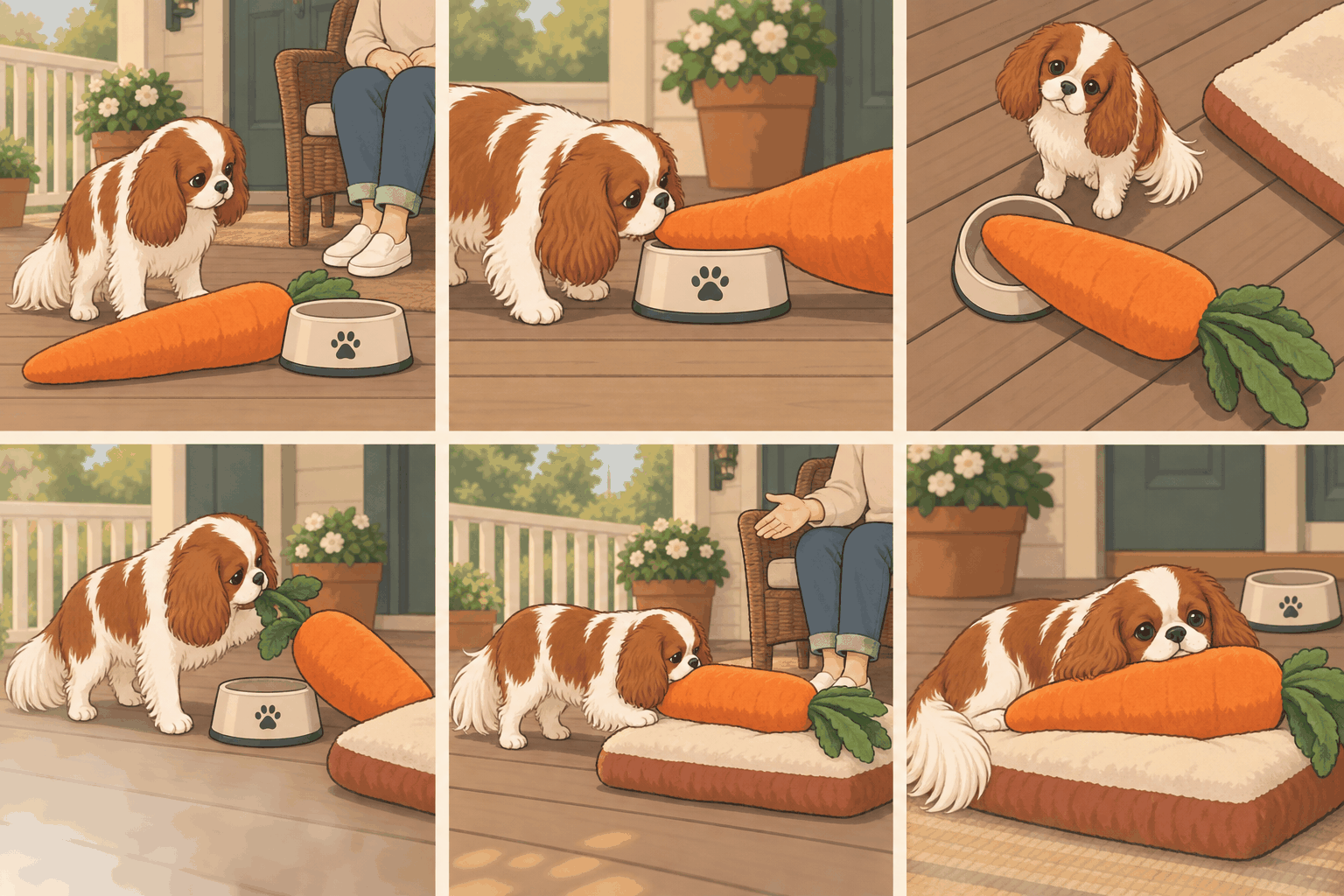
The same Blenheim dog meets an oversized plush carrot. Six wordless beats turn a tiny tidying problem into a soft, silly payoff.
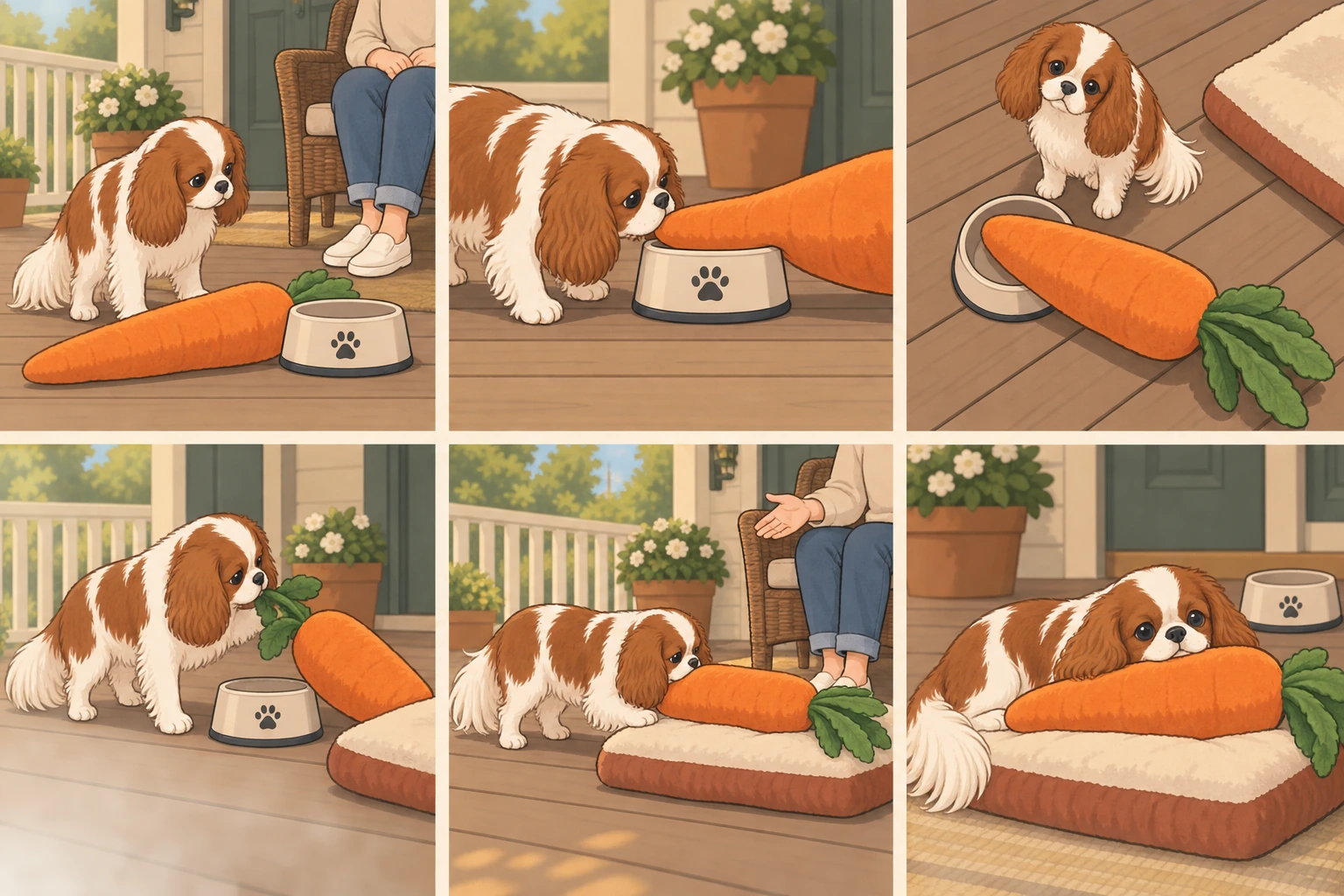
Related to the Cavalier King Charles Spaniel, the breed takes its name from a dog favoured by King Charles II; some countries call it the English Toy Spaniel. Toy spaniels were long valued as pets in England and continental Europe and were bred progressively smaller from setter dogs. Once little gun dogs, they were prized as companions and crossed with toy dogs from the East, shaping their facial appearance.
Refined, compact and cobby, this dog has a standard weight of 3.6–6.3 kg. The back is short and level, the chest broad and deep, and the low-set ears hang against the cheeks; the feathered tail is not carried above the back, while natural bobtails and kinked tails are tolerated.
Look for the domed head, pronounced stop, short upturned muzzle and low-set, heavily feathered ears; this is not the longer-muzzled Cavalier King Charles Spaniel. Black and tan, tricolour, Blenheim and ruby are four colour varieties of the same breed, not different size varieties.
The standard describes a happy, intelligent, gentle and affectionate dog that can also be reserved. It is a companion, but affection toward familiar people does not guarantee eagerness to meet strangers; patient, reward-based teaching and gradual introductions suit individual differences.
Brush the long coat regularly, checking behind the ears and through the leg and tail feathering for tangles, and keep the hanging ears clean. Offer walks, sniffing and short games suited to a small companion with a gun-dog background. Use reward-based training for recall, settling and gradual time alone rather than overlooking manners because of its size. Allow a reserved individual to approach unfamiliar people at its own pace.
Its small size and companion role can suit a compact home, provided it gets outings and interaction. Teach calm indoor behaviour and build up time alone gradually rather than assuming size makes management effortless.
All four colours share the same long, silky coat and substantial feathering, so the grooming priorities are alike. Comb areas prone to tangling, especially behind the ears and on the legs and tail; the standard makes no no-shedding claim.
It is now a toy companion, yet its history includes small gun dogs, making sniffing walks and interactive games worthwhile. Match activity to the individual, reward basic skills and give a cautious dog time to adjust to new places.
FCI published a revised English standard on 6 October 2026; the PDF gives 8 September 2026 as the date of the official valid standard. Use the official standard linked on this page for the full provisions. The revision explicitly excludes unlisted colours or combinations. This is a breed-standard rule, not a judgement of an individual dog’s health or value.
SOURCE NOTES
Breed traits follow the cited official standards; everyday care advice is our editorial interpretation of coat, build and working purpose.
Coat and size varieties can share a standard. The number is an archive reference, not a rarity score. An independent educational atlas, not a registry publication. Temperament varies; consult a veterinarian about health concerns.
WOOFMAP / KING-CHARLES-SPANIEL / LITTLE MOMENTS
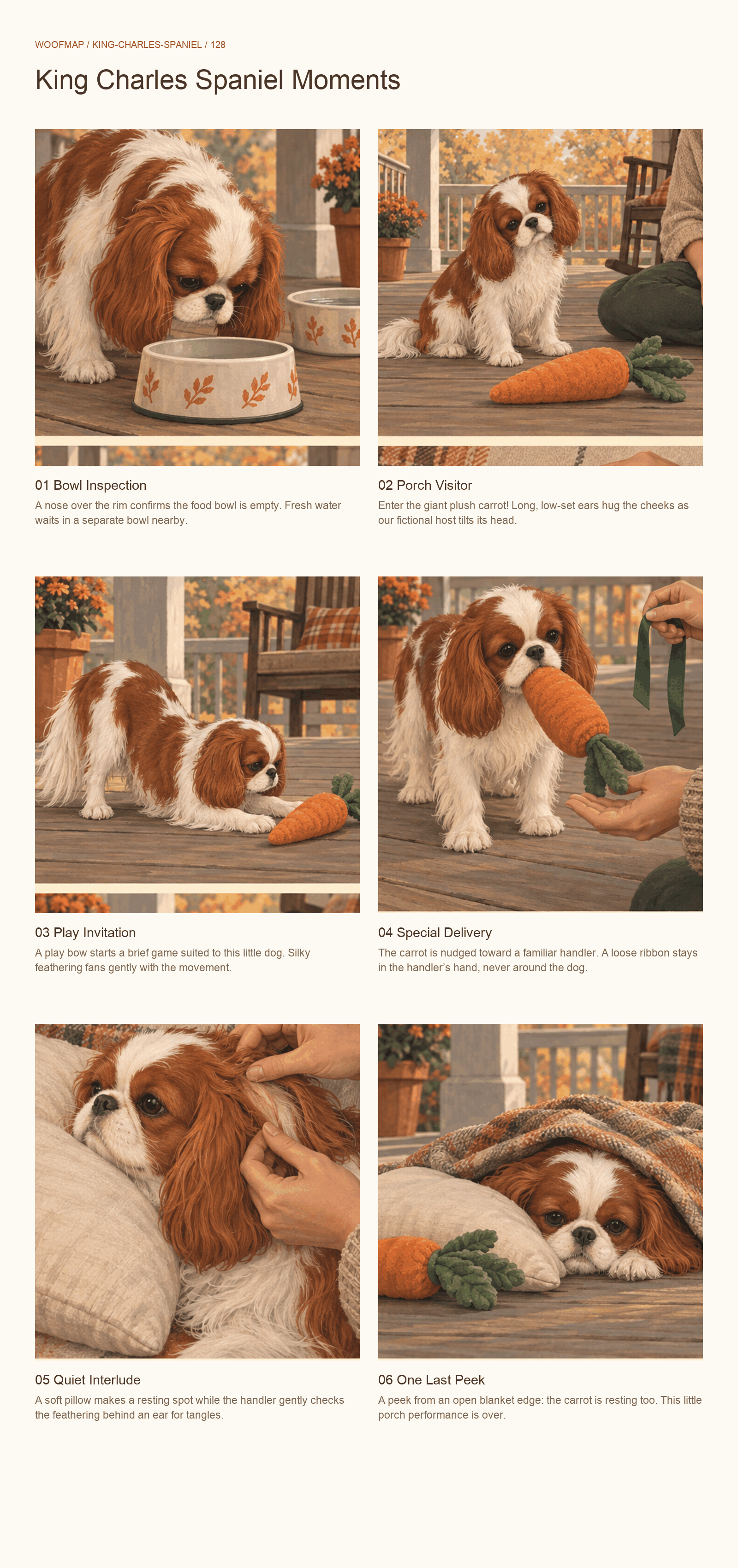
Illustrated in Blenheim: a long, silky chestnut-red and white coat, low-set hanging ears, a domed head and a short, broad, upturned muzzle. These porch antics belong to one fictional dog.
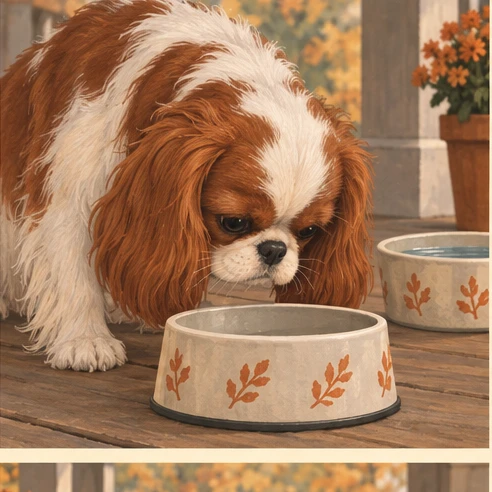
A nose over the rim confirms the food bowl is empty. Fresh water waits in a separate bowl nearby.
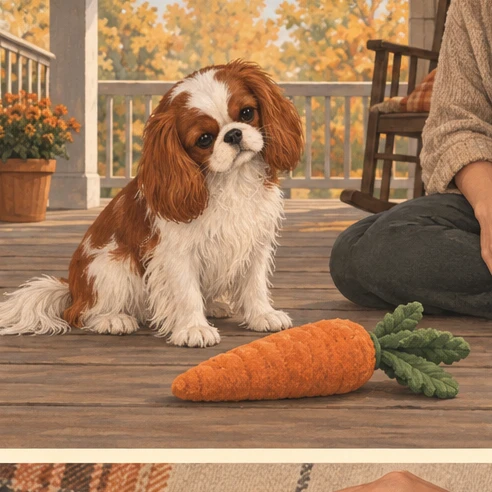
Enter the giant plush carrot! Long, low-set ears hug the cheeks as our fictional host tilts its head.
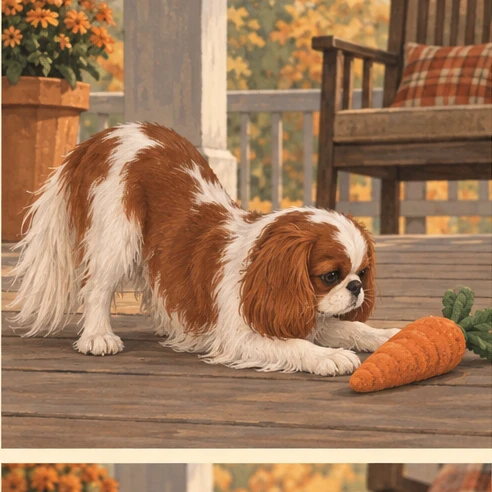
A play bow starts a brief game suited to this little dog. Silky feathering fans gently with the movement.
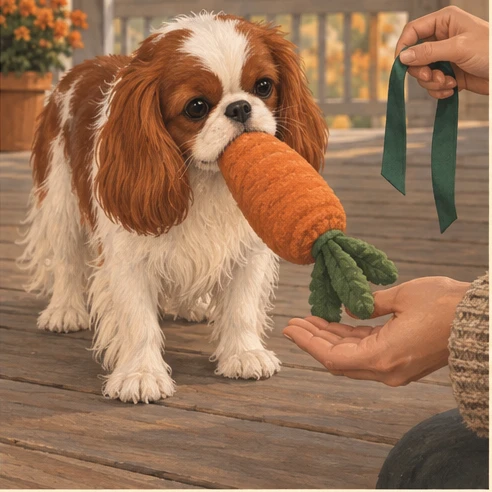
The carrot is nudged toward a familiar handler. A loose ribbon stays in the handler’s hand, never around the dog.
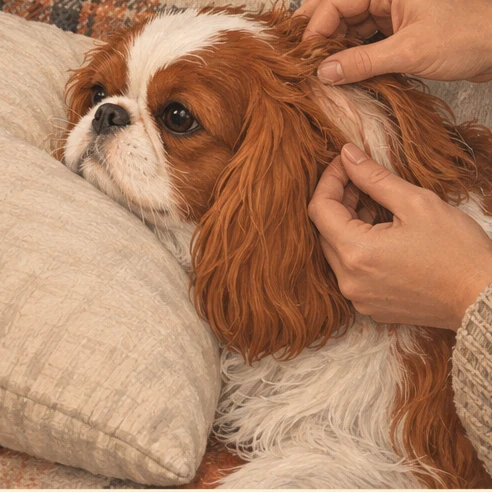
A soft pillow makes a resting spot while the handler gently checks the feathering behind an ear for tangles.
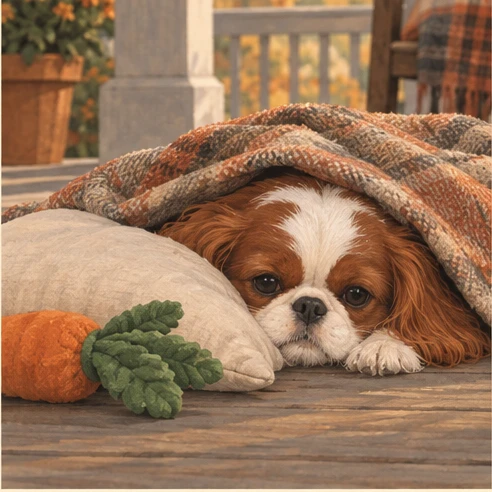
A peek from an open blanket edge: the carrot is resting too. This little porch performance is over.

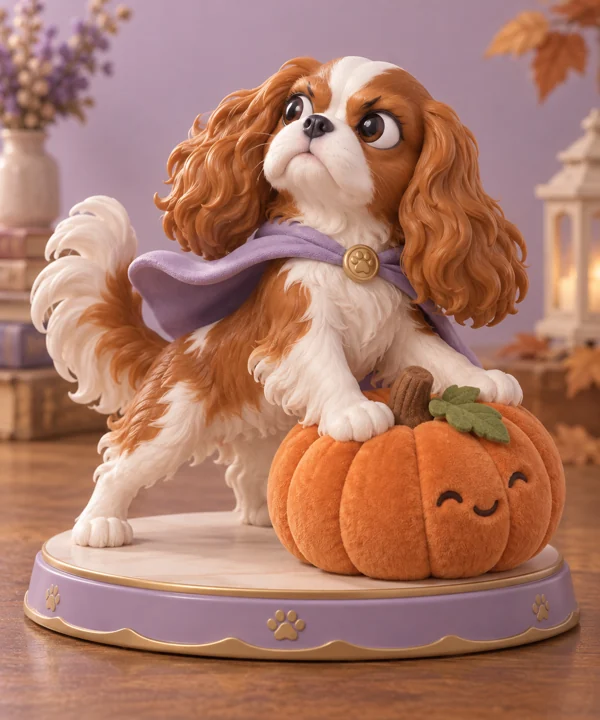
Eight transparent PNGs to save individually. Switch captions on or off for your chats.
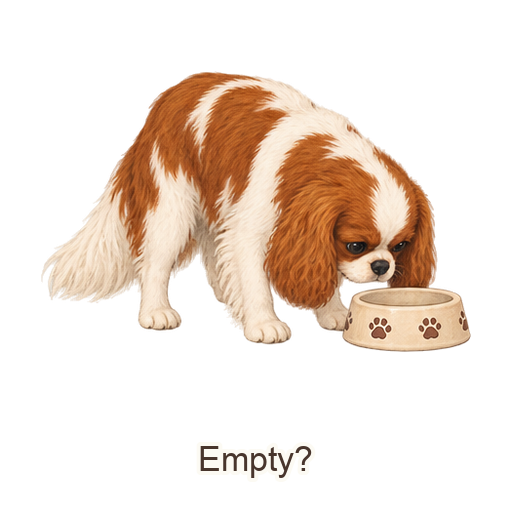 Empty?
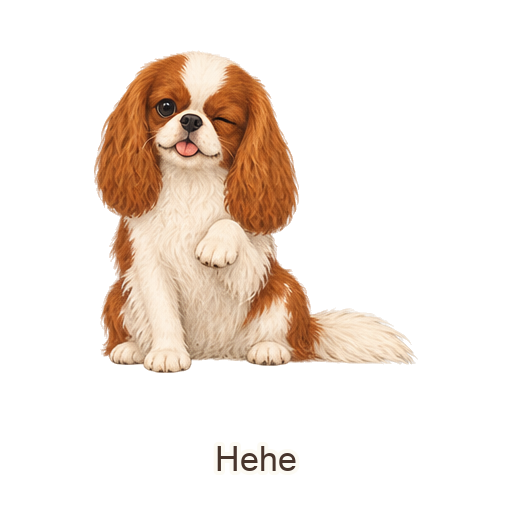 Hehe
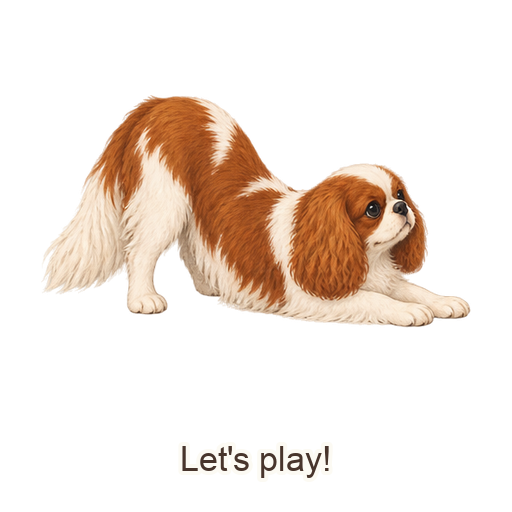 Let's play!
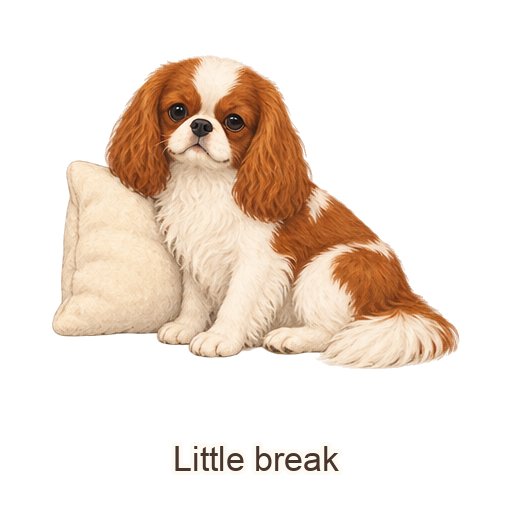 Little break
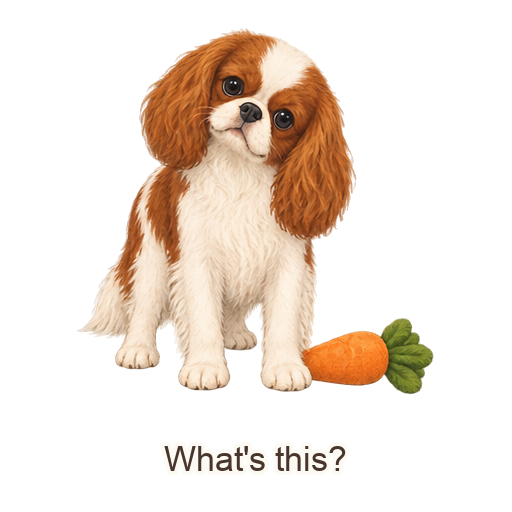 What's this?
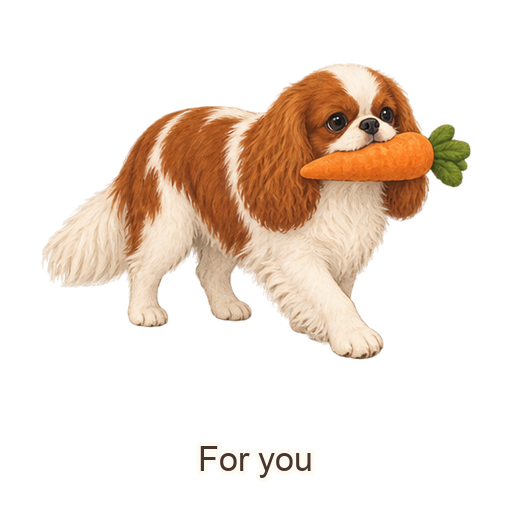 For you
 Thanks!
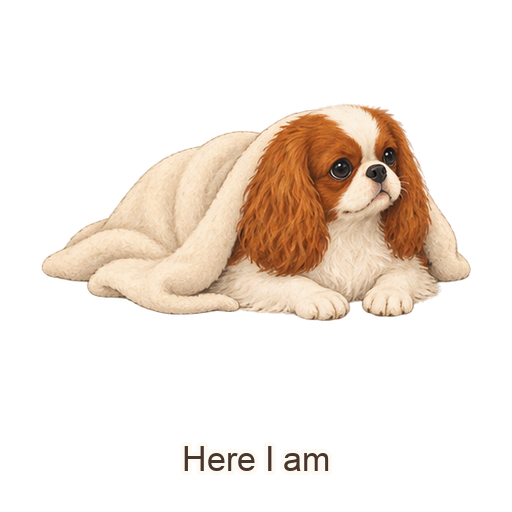 Here I am
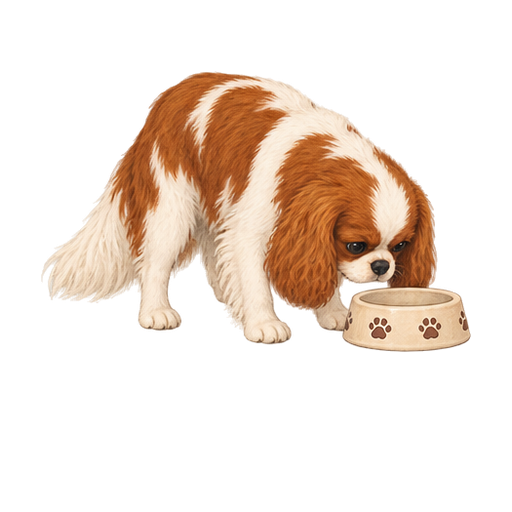 Empty?
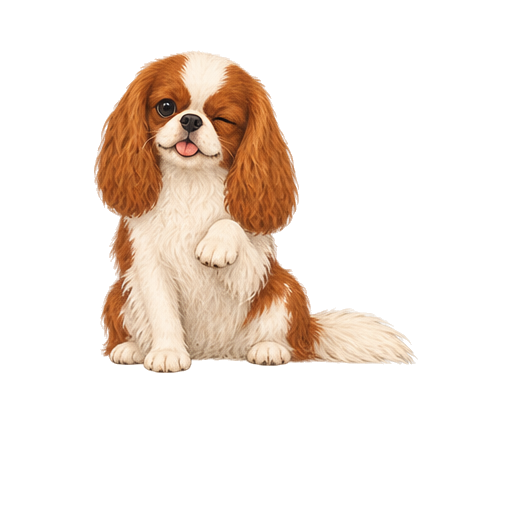 Hehe
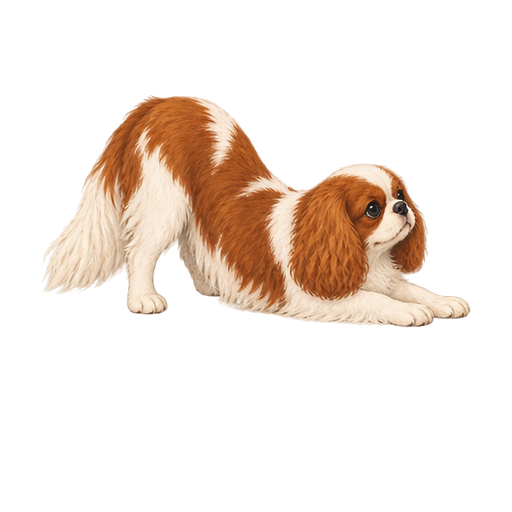 Let's play!
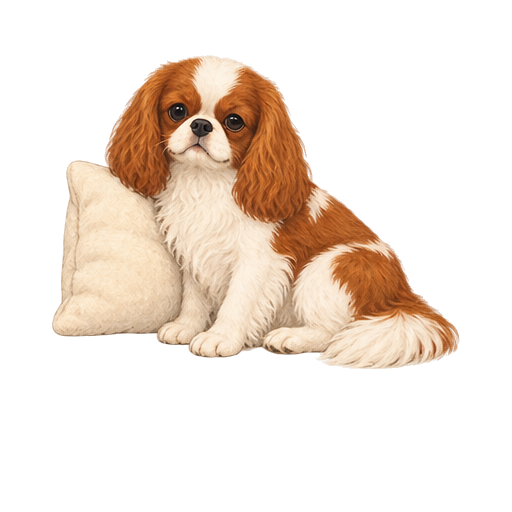 Little break
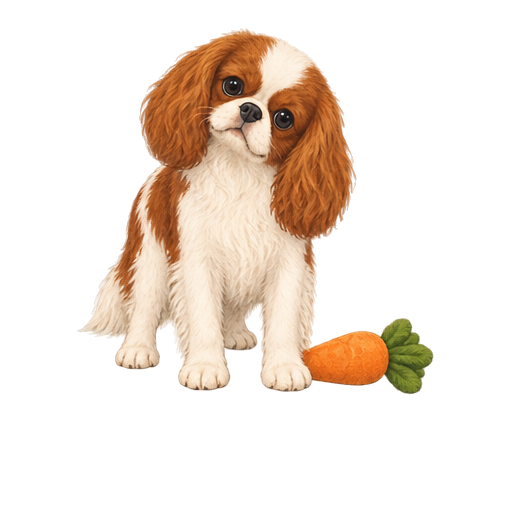 What's this?
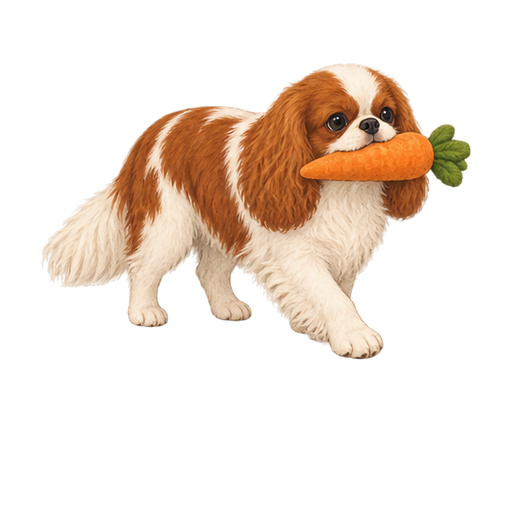 For you
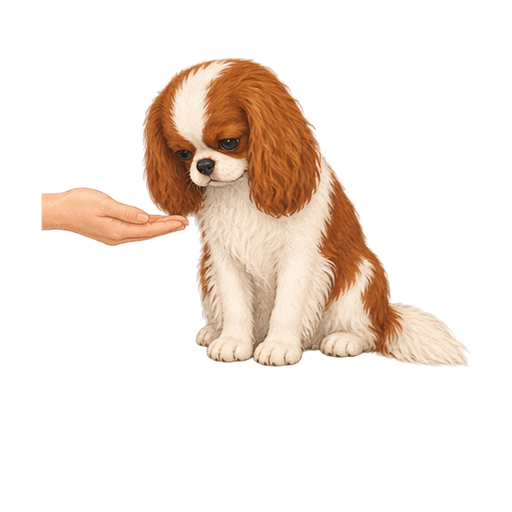 Thanks!
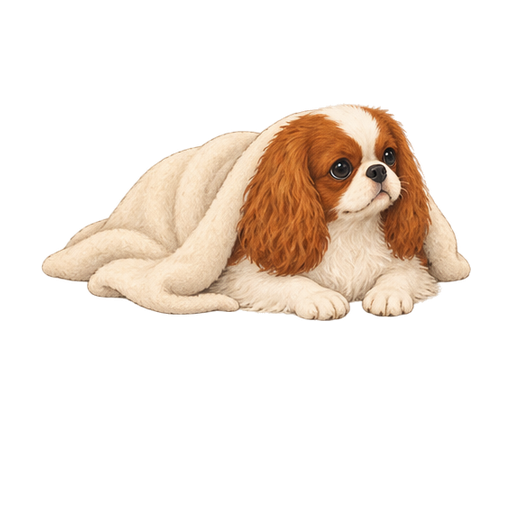 Here I am
Original woofmap artwork, assisted by GPT Image 2. Free for personal chats and non-commercial sharing with credit to woofmap.com. Fictional moods do not predict every dog’s temperament; see this page’s factual sources.
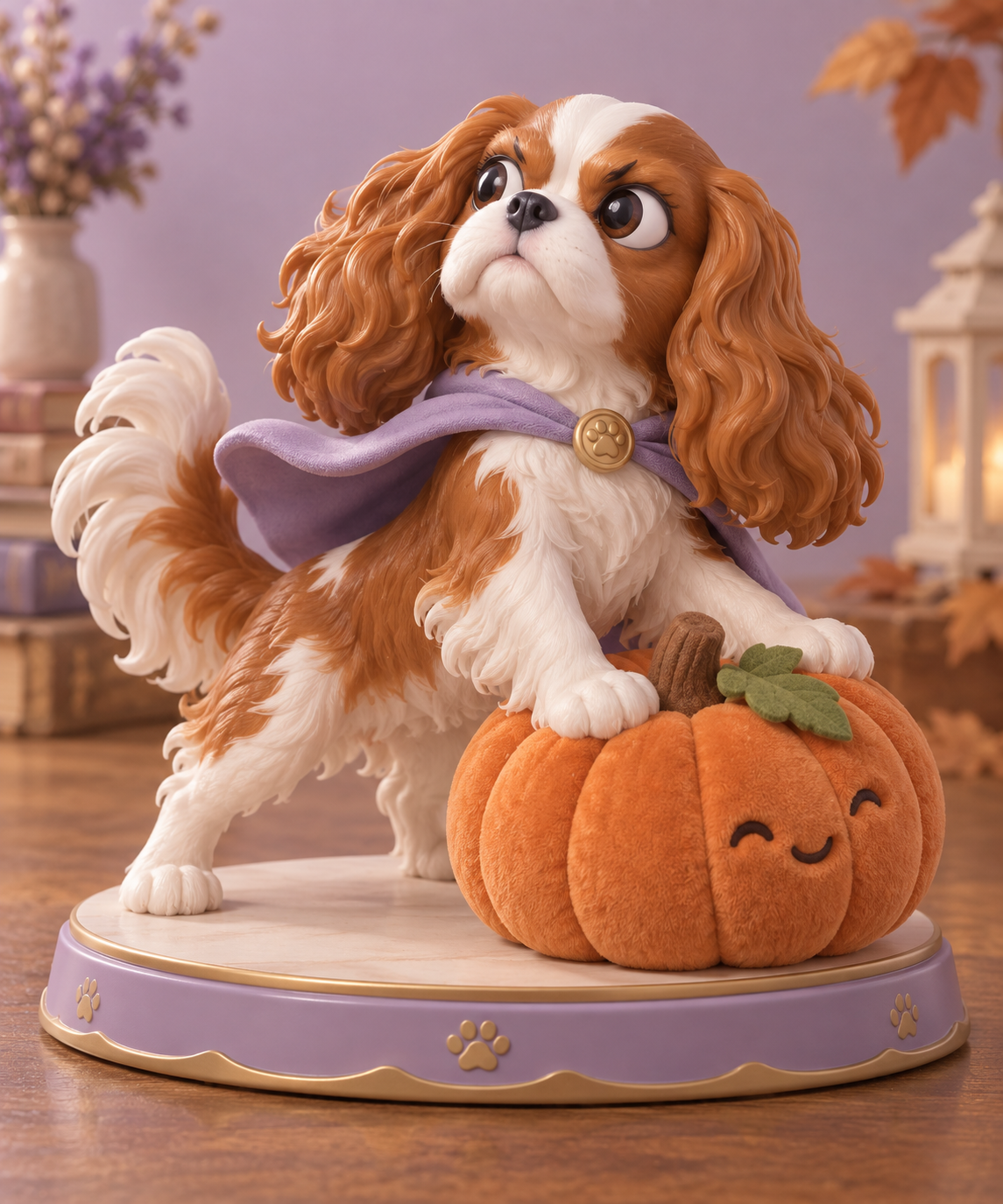
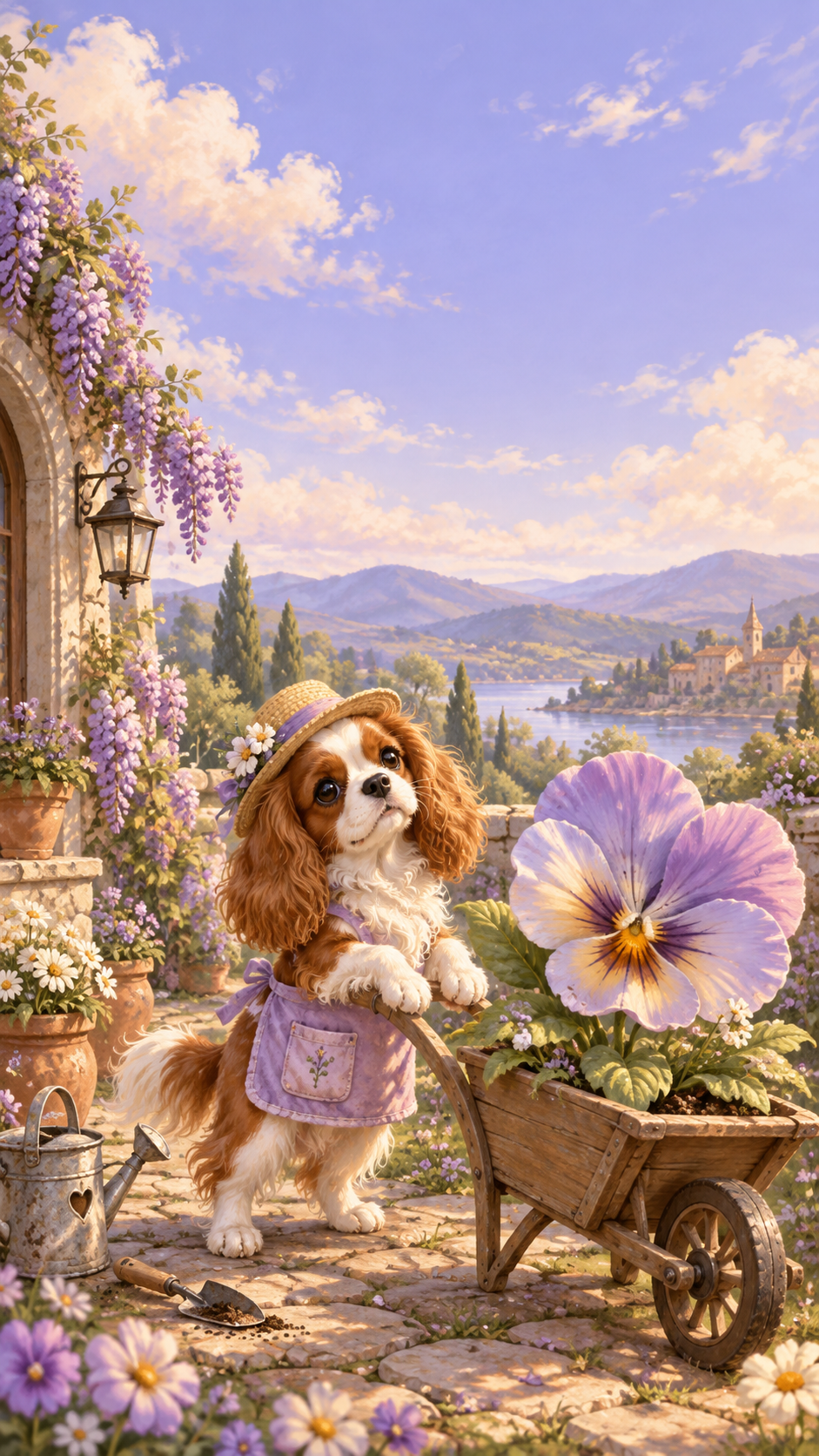
Combine the available parts, choose a name and take a little joy home.
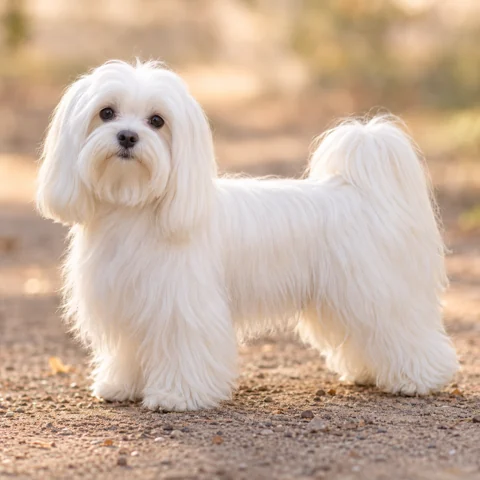 AI realistic image
Companion and toy dogs
Maltese
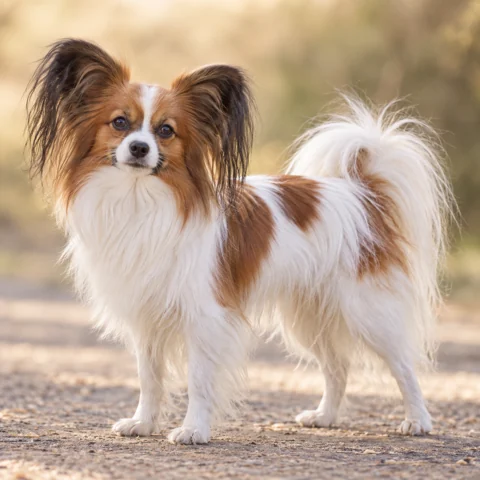 AI realistic image
Companion and toy dogs
Continental Toy Spaniel
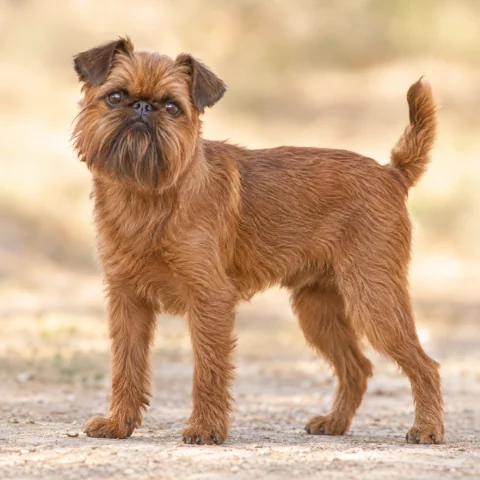 AI realistic image
Companion and toy dogs
Griffon Bruxellois