WOOFMAP · CANINE ARCHIVENO. 070
Terriers
Lakeland Terrier
Lakeland Terrier
✳ woofmap.comGreat Britain
WOOFMAP · CANINE ARCHIVE · NO. 070
Lakeland Terrier
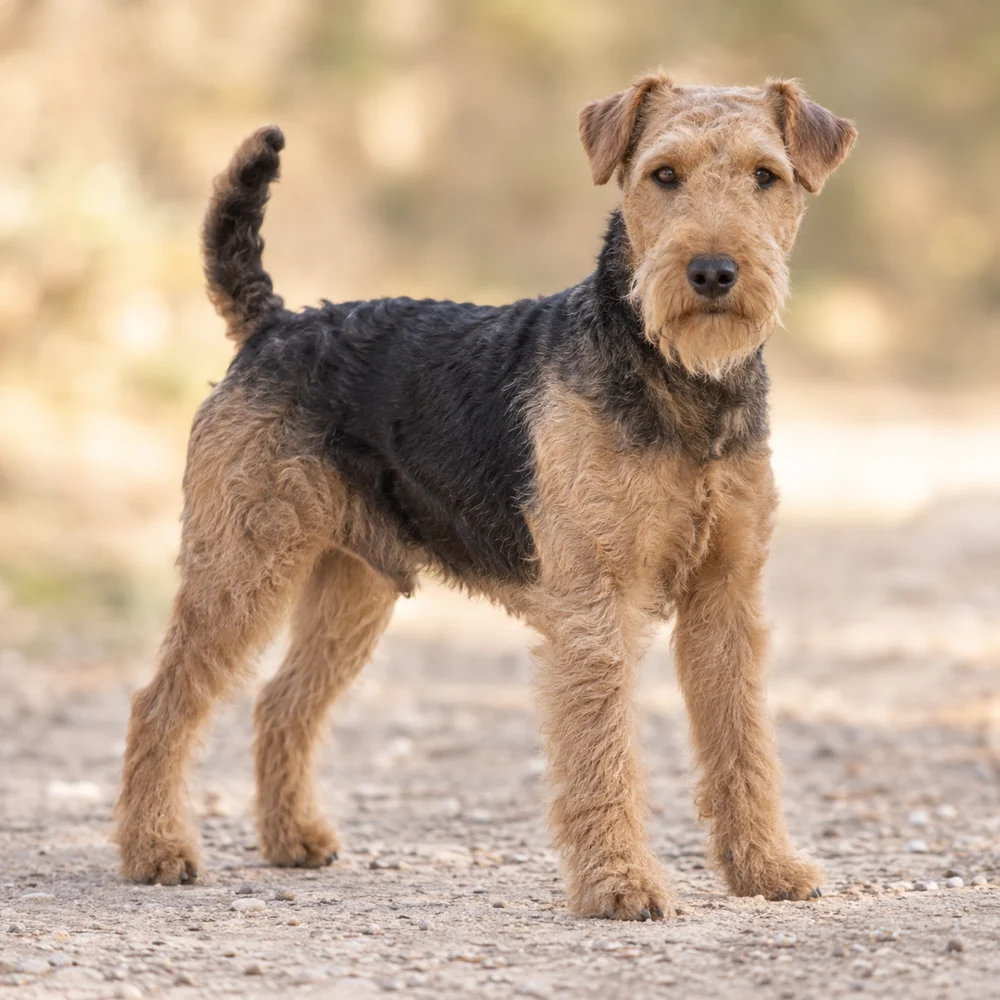
A compact British terrier, keen and ready for action.
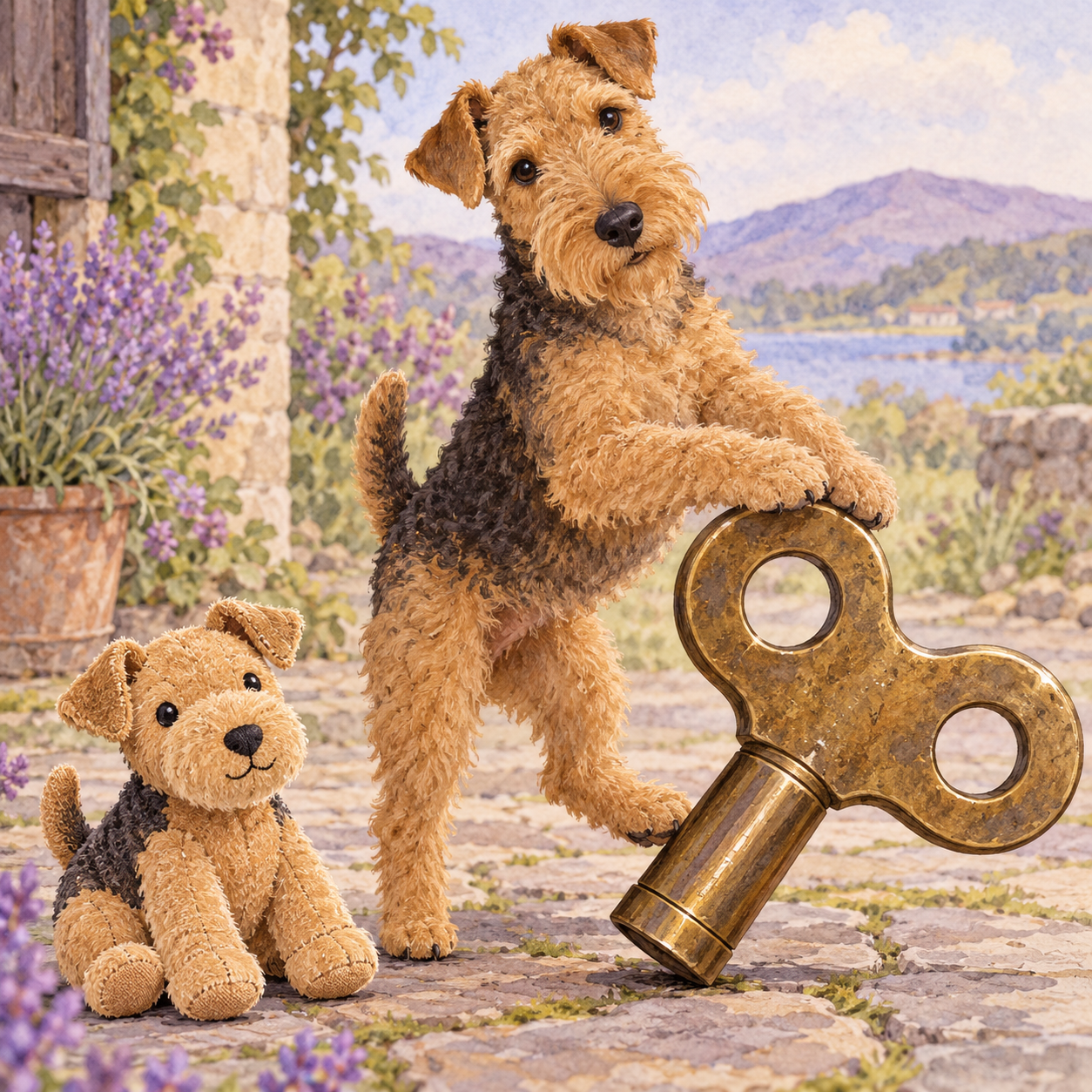
AI-generated realistic breed image, for visual reference.
This Lakeland Terrier page is still waiting for a voice. Live with a Lakeland Terrier? Share a natural bark, howl or whine and let others hear a little of your dog’s everyday life.
If we feature your recording, we’ll credit you or your dog using the name you choose.
A 5–15 second phone recording in a quiet setting is perfect. Capture a natural moment without startling or disturbing your dog. Audio or video with sound is welcome.
Share your dog’s voice ↗[email protected]Attach your recording, breed and preferred credit. Please confirm you recorded it and allow woofmap to feature it.
Thank you for helping us build a playful Woof Planet together. Every little woof deserves to be heard.
Terriers
Lakeland Terrier
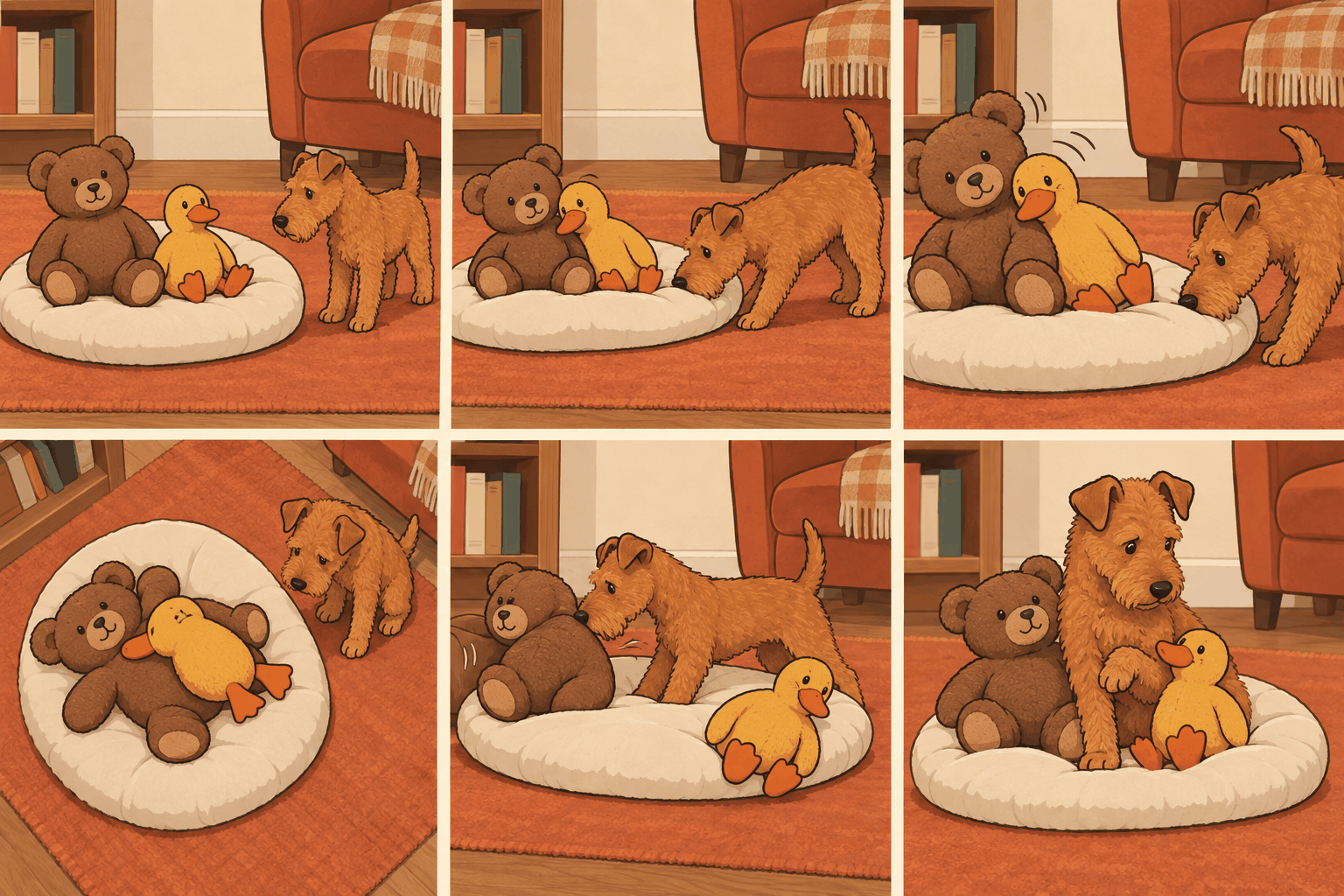
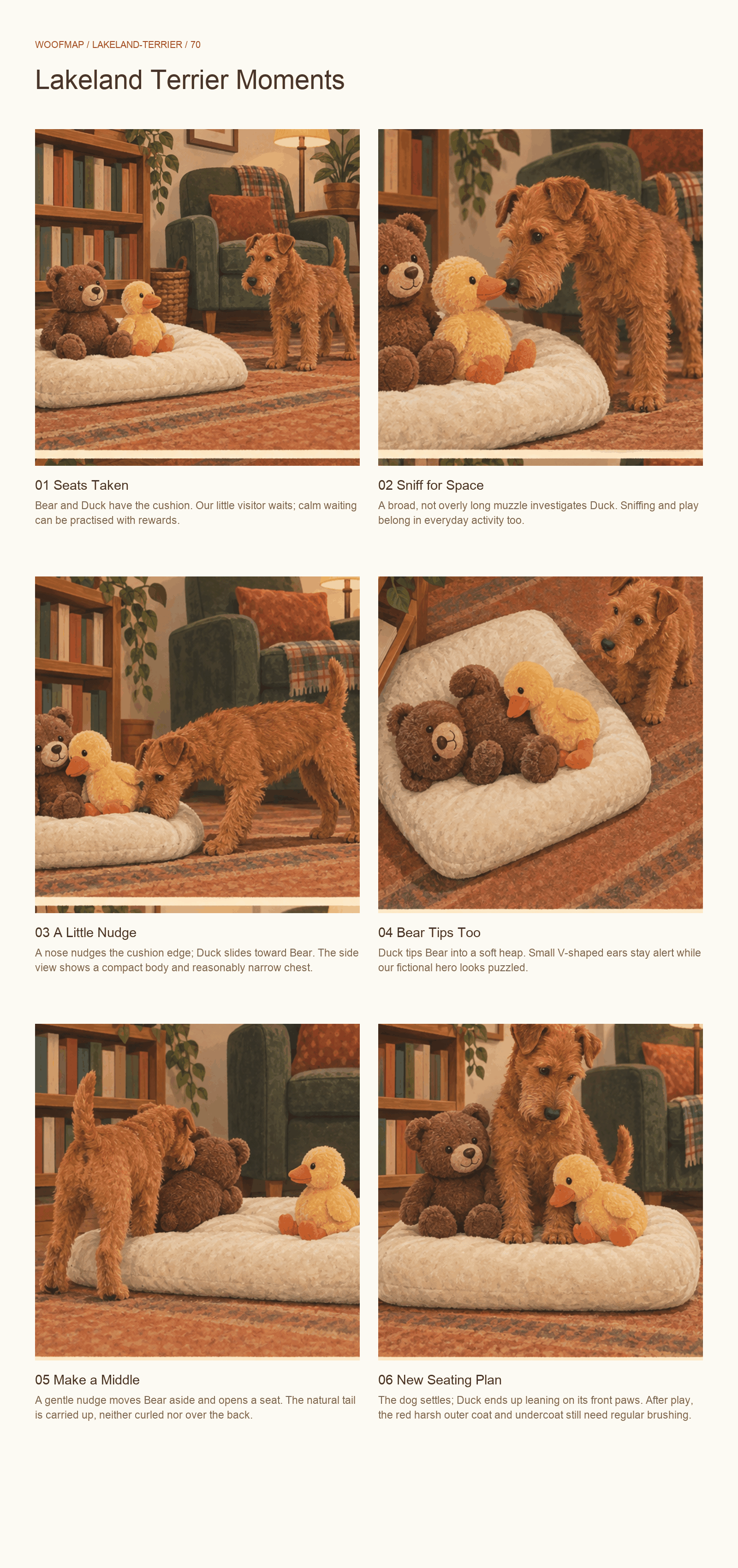
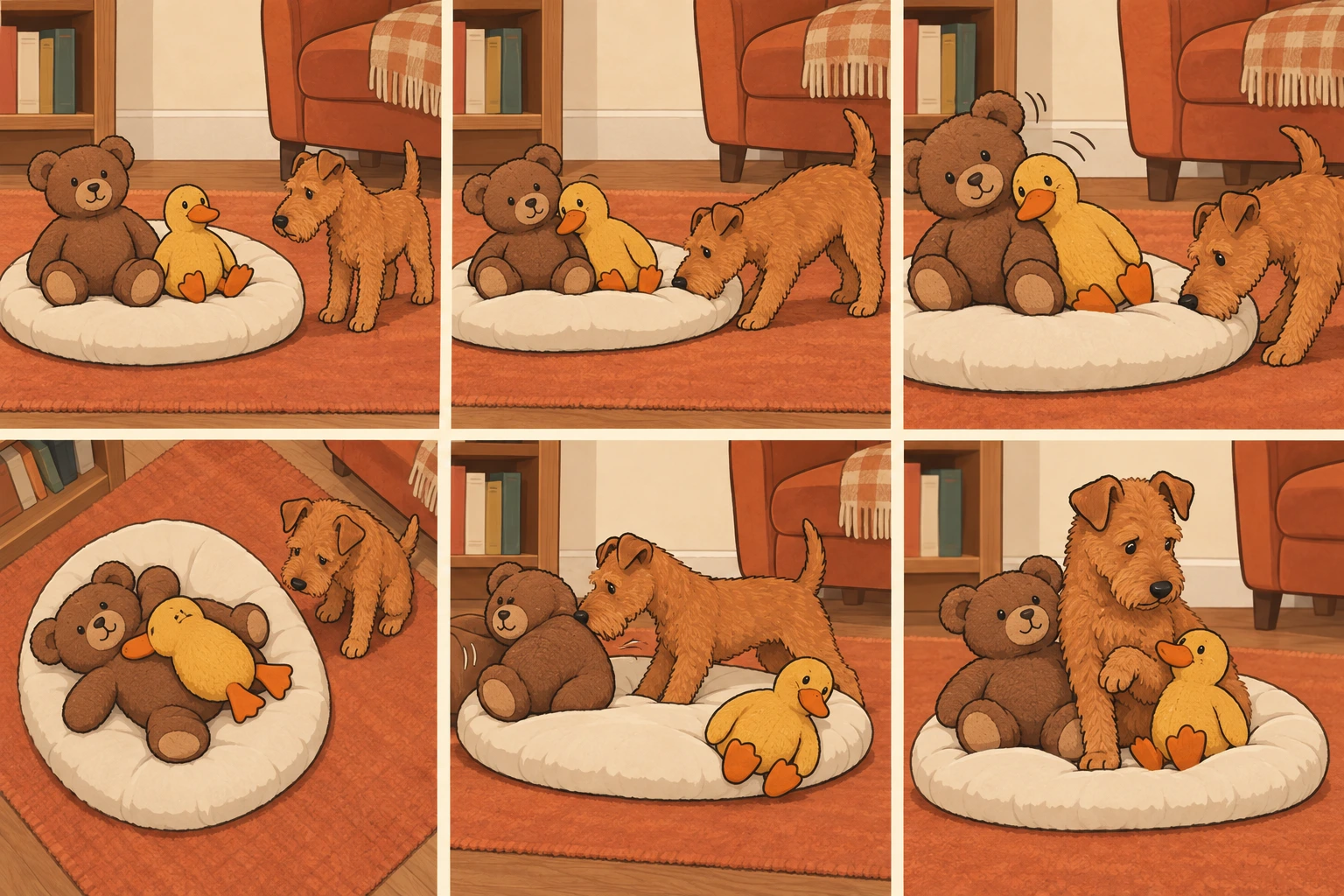
One plush duck, one stuffed bear, one soft cushion: gentle nudges make the seating increasingly silly. Six wordless beats keep every toy close to the floor.
The Lakeland Terrier originates in Great Britain and is listed in the FCI standard for terrier use. The standard emphasizes a compact, workmanlike build and quick, fearless demeanour; it does not detail a development timeline or a more specific historical job.
Compact and balanced, it has a strong, moderately short back and a reasonably narrow chest; shoulder height does not exceed 37 cm. The moderately small V-shaped ears are carried alertly, and the tail, docked or undocked, is carried gaily but neither curled nor over the back.
Look for the compact, balanced body, reasonably narrow chest, harsh coat with undercoat and small V-shaped ears. Several colours are accepted, not just black and tan, and the standard describes both docked and undocked tails.
The standard describes a lively, fearless, quick-moving dog that is bold, friendly and self-confident. Reward-based training with clear rules can channel its readiness for activity better than harsh correction. Individuals vary, and the breed description does not guarantee ease with every stranger or animal.
Brush the harsh outer coat and undercoat regularly, and arrange coat maintenance suited to a wire-coated terrier as needed. Provide walks, play and opportunities to sniff and explore. Keep reward-based training varied, practising recall and settling; use a lead and manage the setting when small animals or other distractions are nearby.
Its modest size alone does not determine suitability: this is an alert, active terrier. Apartment life can work when outings, indoor engagement, consistent training and management of noise and shared spaces are provided.
The harsh outer coat and substantial undercoat need regular attention despite the dog's compact size. Hair can still be shed, and the amount varies with the individual and coat care; it should not be described as non-shedding.
Combine walks with sniffing, play and brief reward-based practice rather than relying on physical activity alone. Around animals or compelling distractions, start with a lead and enough distance, then build attention and recall gradually.
FCI published a revised English standard on 6 October 2026; the PDF gives 8 September 2026 as the date of the official valid standard. Use the official standard linked on this page for the full provisions. The revision explicitly excludes unlisted colours or combinations. This is a breed-standard rule, not a judgement of an individual dog’s health or value.
SOURCE NOTES
Breed traits follow the cited official standards; everyday care advice is our editorial interpretation of coat, build and working purpose.
Coat and size varieties can share a standard. The number is an archive reference, not a rarity score. An independent educational atlas, not a registry publication. Temperament varies; consult a veterinarian about health concerns.
WOOFMAP / LAKELAND-TERRIER / LITTLE MOMENTS
A plush-seat shuffle in the reading corner. This fictional dog has the accepted solid-red wire coat and a natural tail, with small V-shaped ears and a compact build throughout. Its moods belong to this story, not every dog.
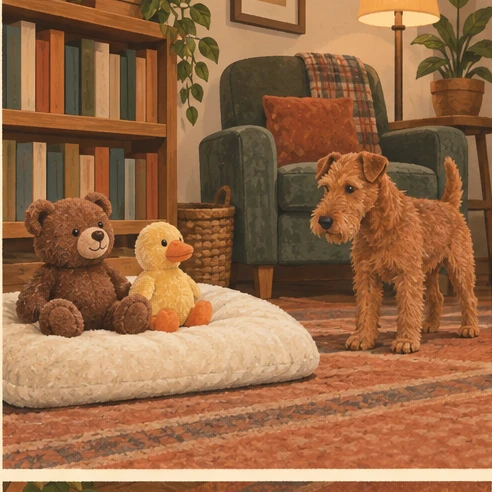
Bear and Duck have the cushion. Our little visitor waits; calm waiting can be practised with rewards.
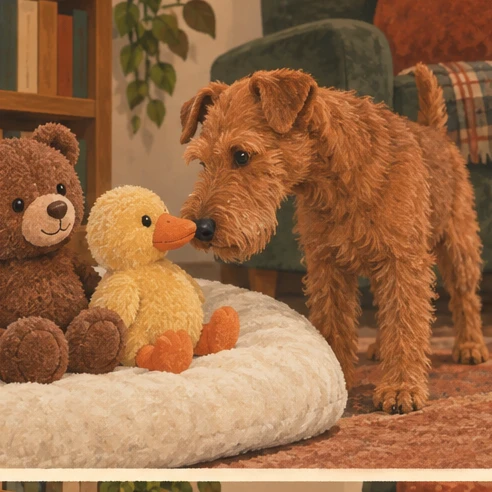
A broad, not overly long muzzle investigates Duck. Sniffing and play belong in everyday activity too.
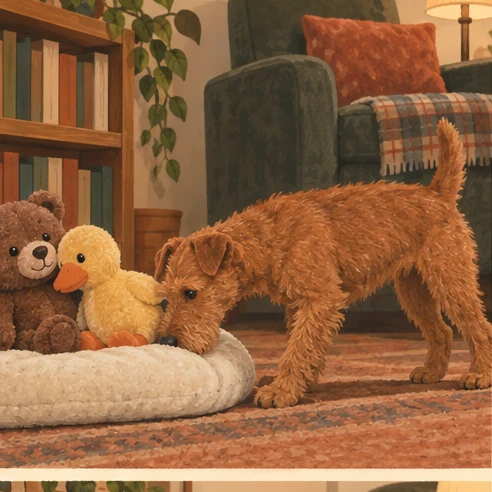
A nose nudges the cushion edge; Duck slides toward Bear. The side view shows a compact body and reasonably narrow chest.
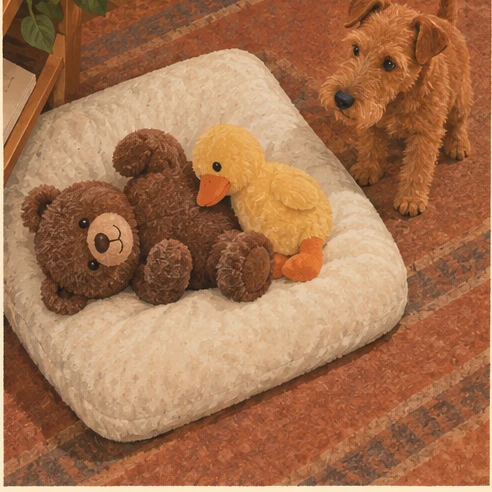
Duck tips Bear into a soft heap. Small V-shaped ears stay alert while our fictional hero looks puzzled.
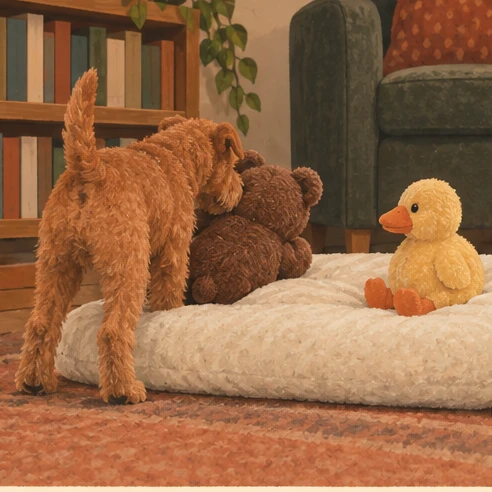
A gentle nudge moves Bear aside and opens a seat. The natural tail is carried up, neither curled nor over the back.
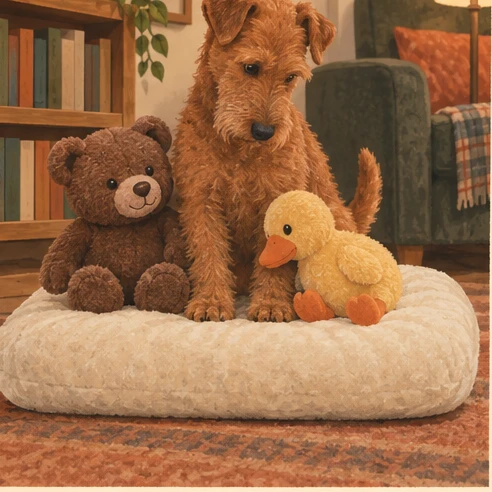
The dog settles; Duck ends up leaning on its front paws. After play, the red harsh outer coat and undercoat still need regular brushing.

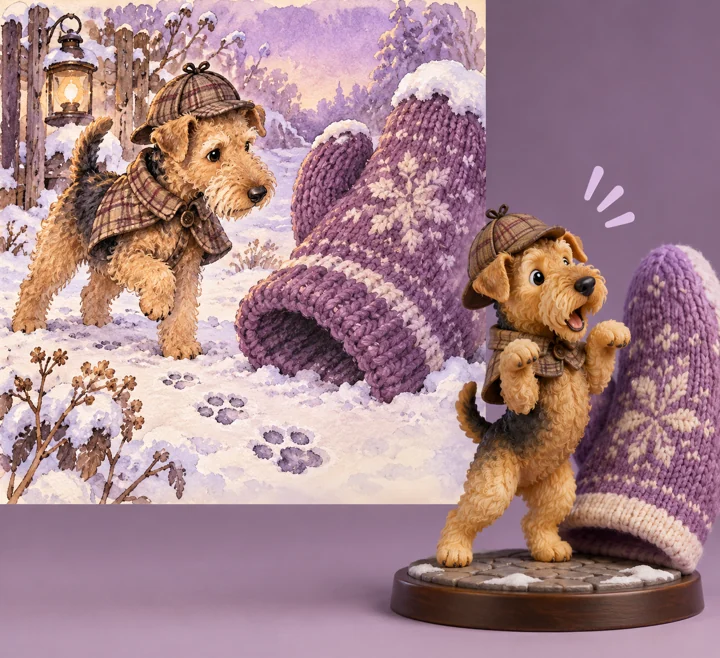

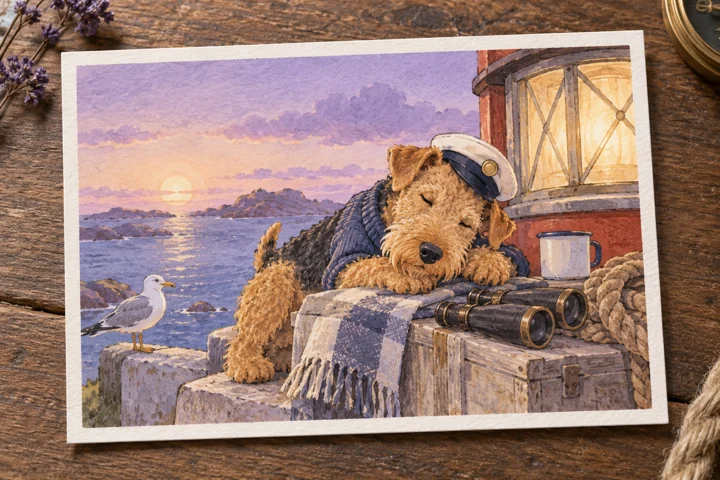
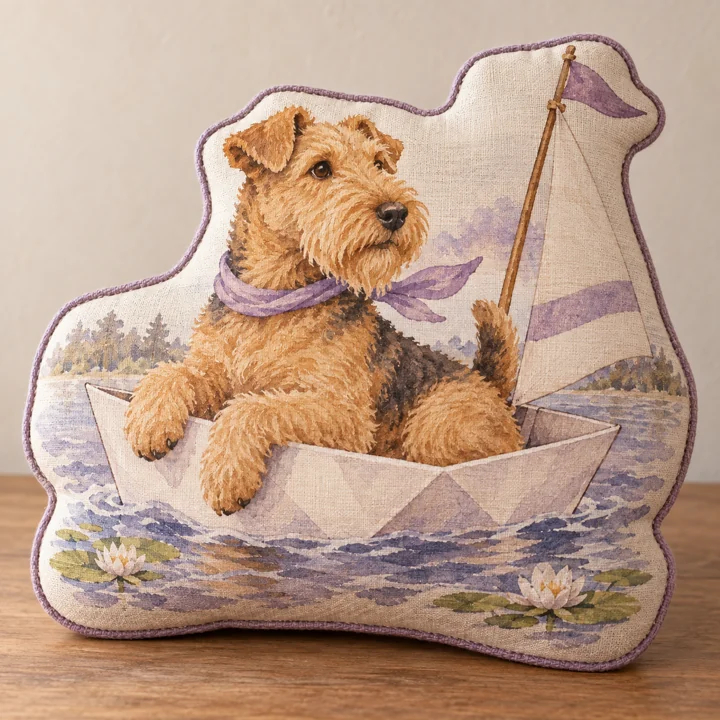
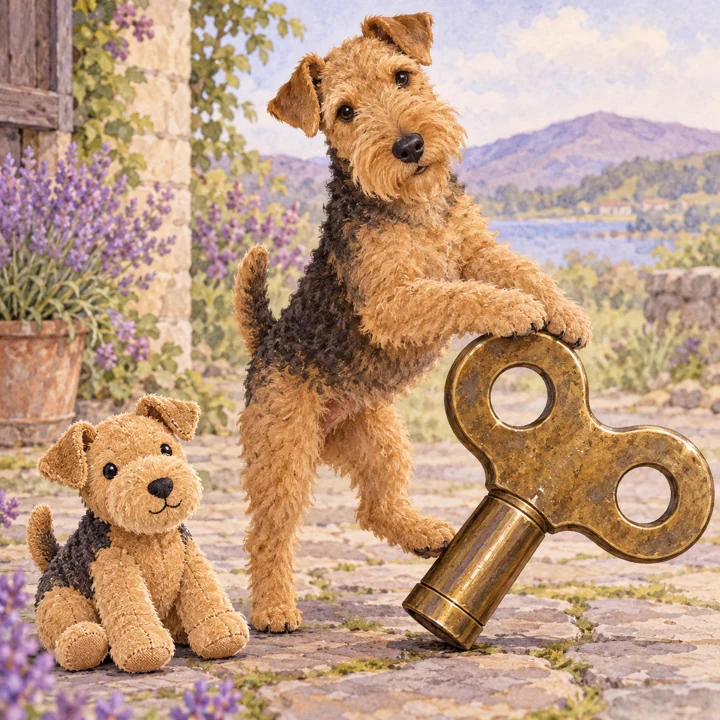
Eight transparent PNGs to save individually. Switch captions on or off for your chats.
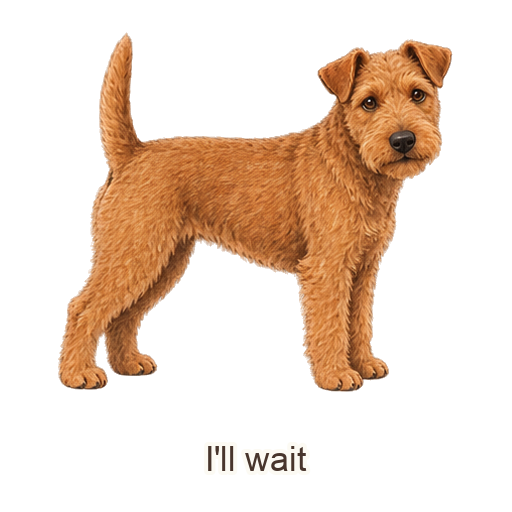 I'll wait
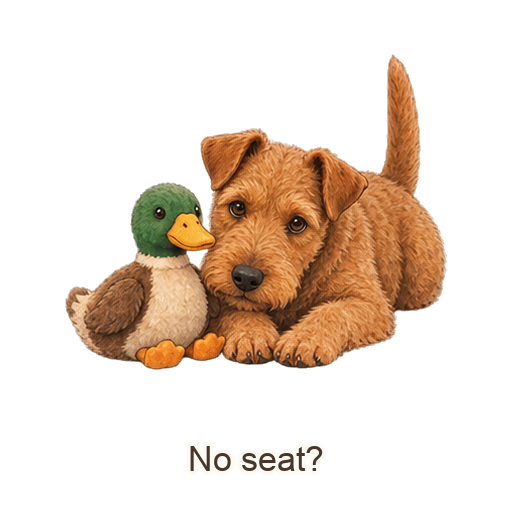 No seat?
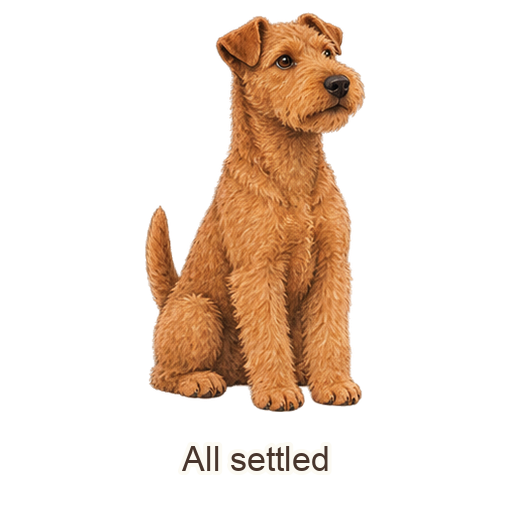 All settled
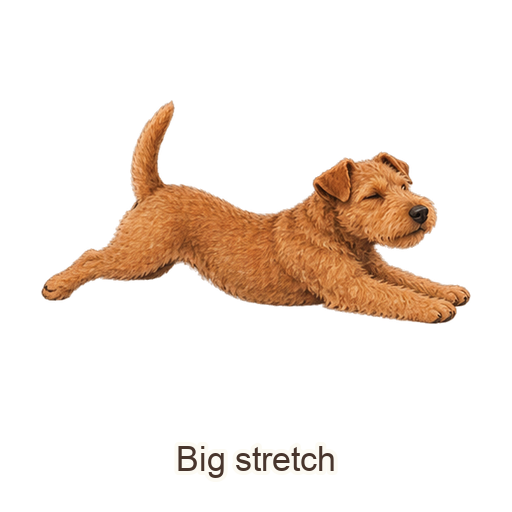 Big stretch
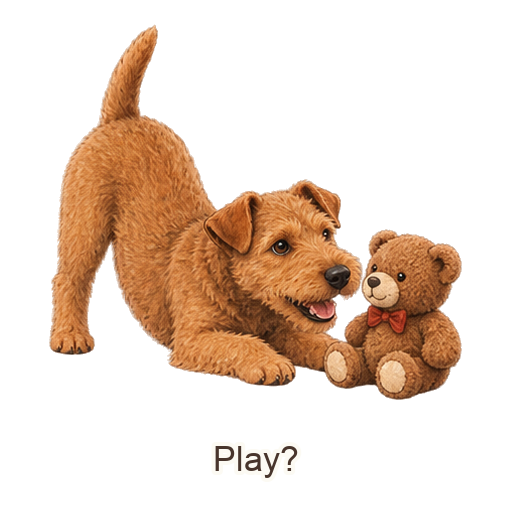 Play?
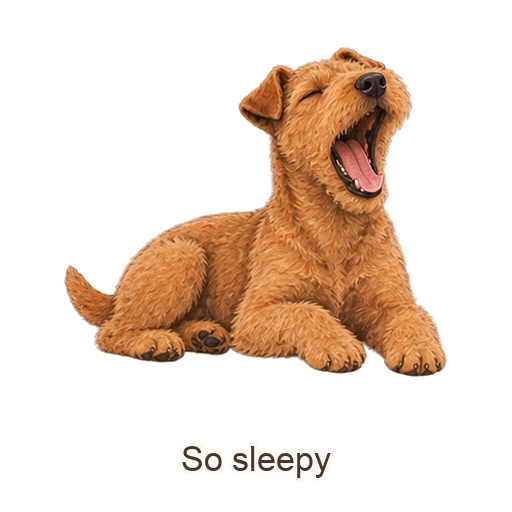 So sleepy
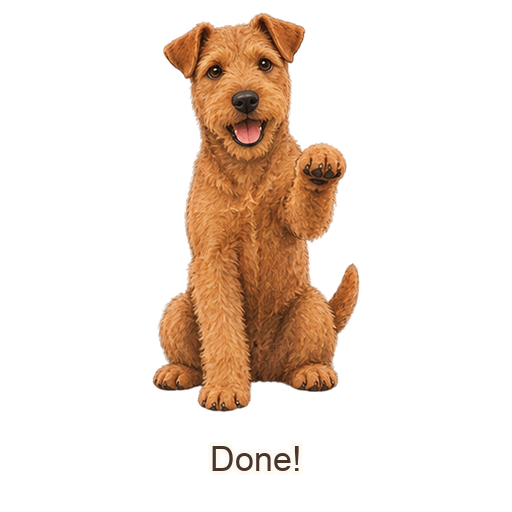 Done!
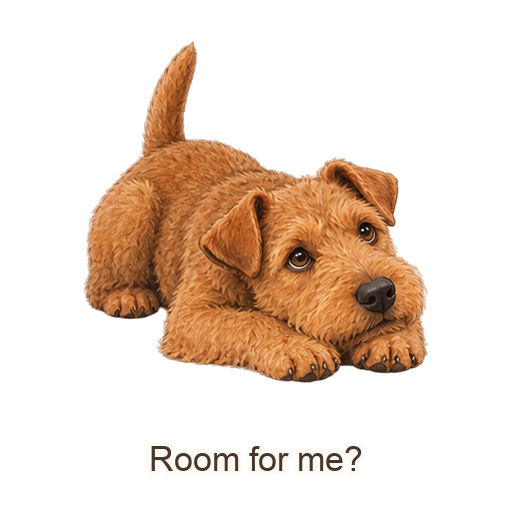 Room for me?
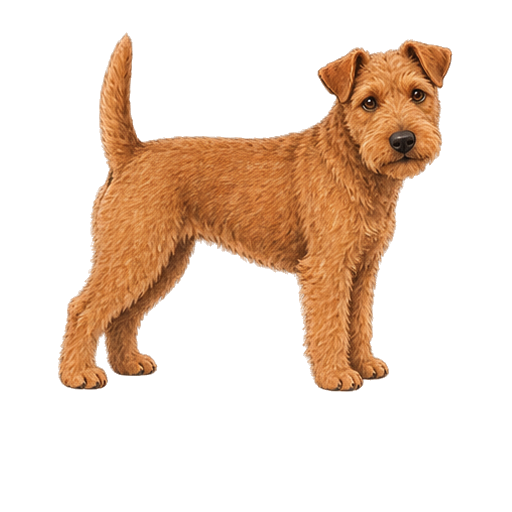 I'll wait
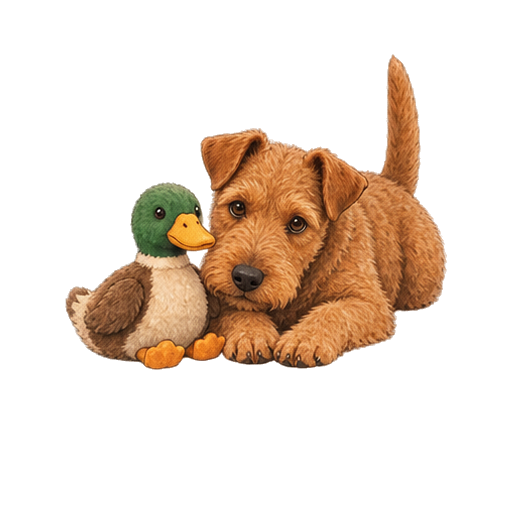 No seat?
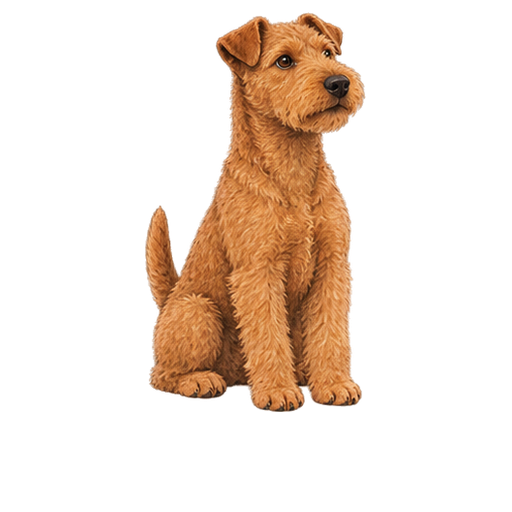 All settled
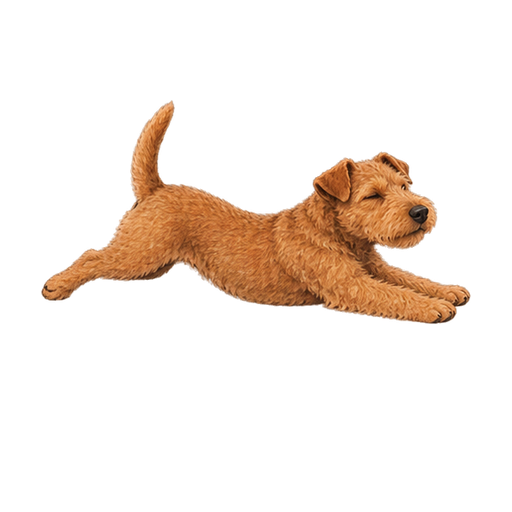 Big stretch
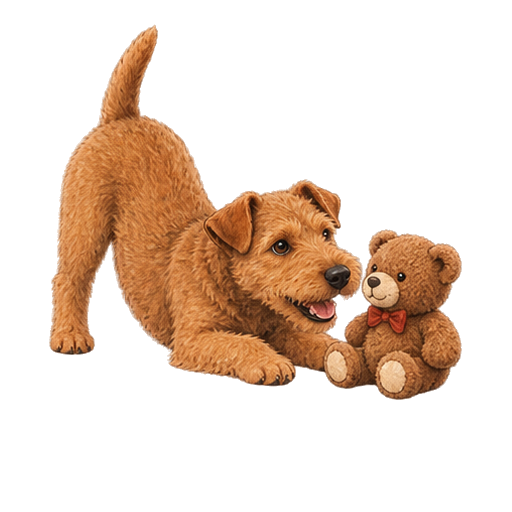 Play?
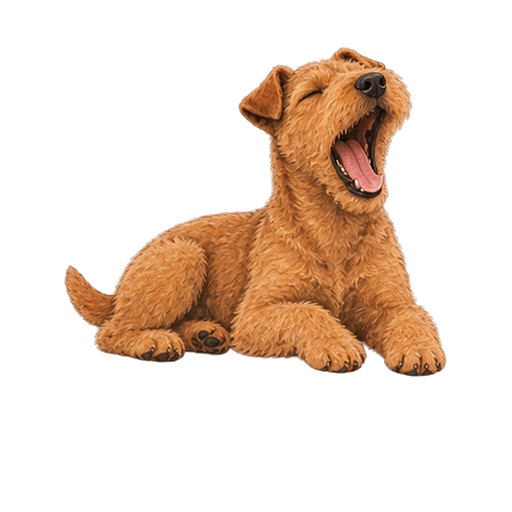 So sleepy
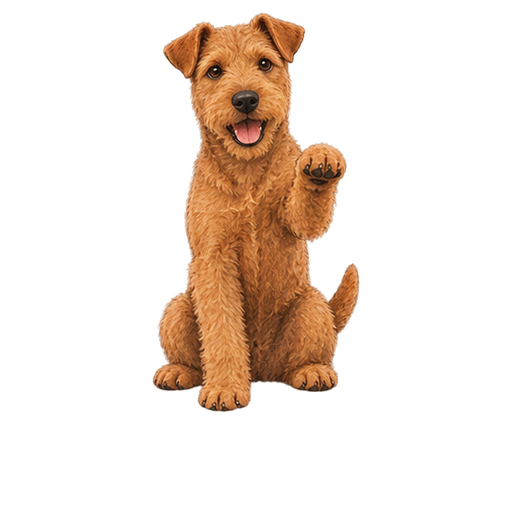 Done!
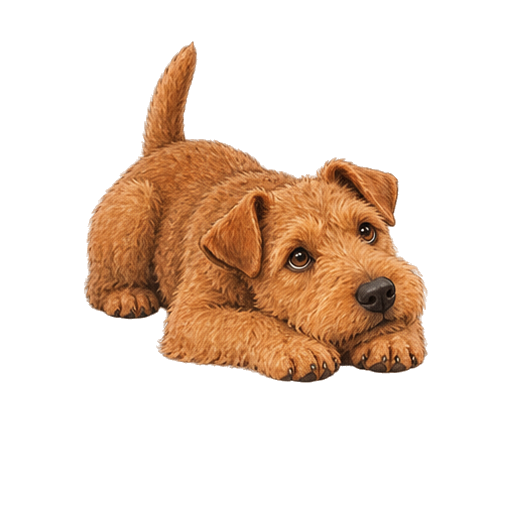 Room for me?
Original woofmap artwork, assisted by GPT Image 2. Free for personal chats and non-commercial sharing with credit to woofmap.com. Fictional moods do not predict every dog’s temperament; see this page’s factual sources.
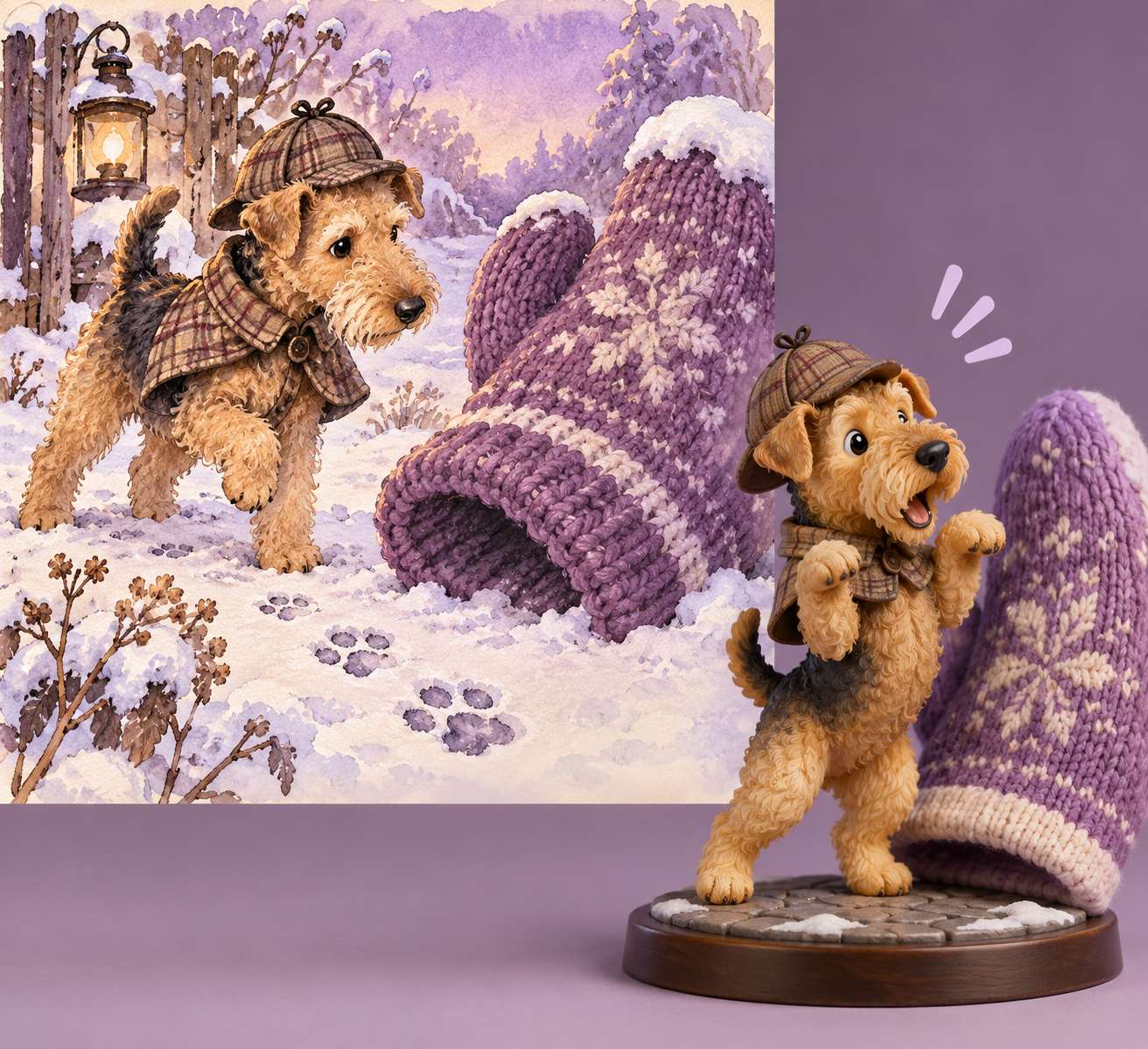
Combine the available parts, choose a name and take a little joy home.