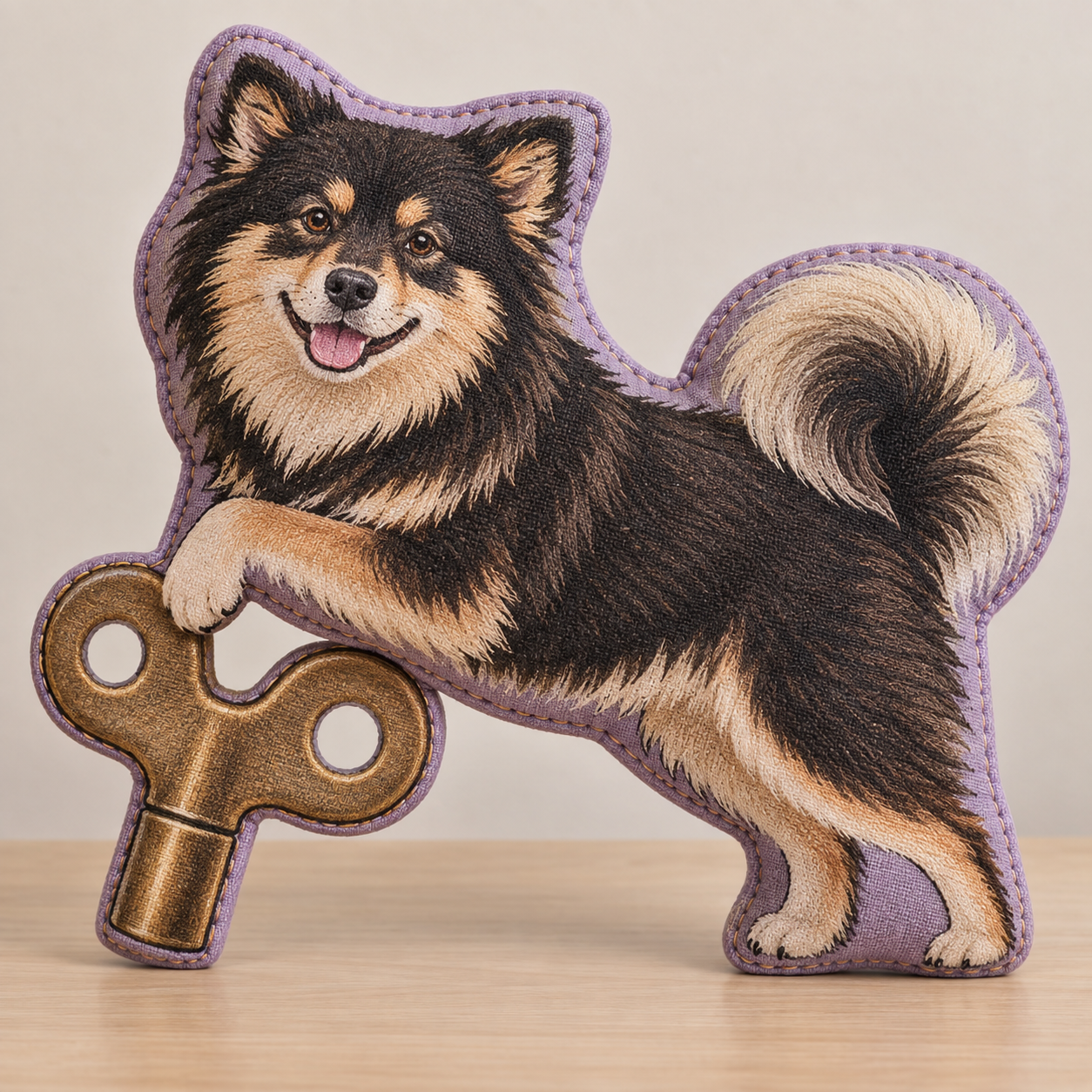
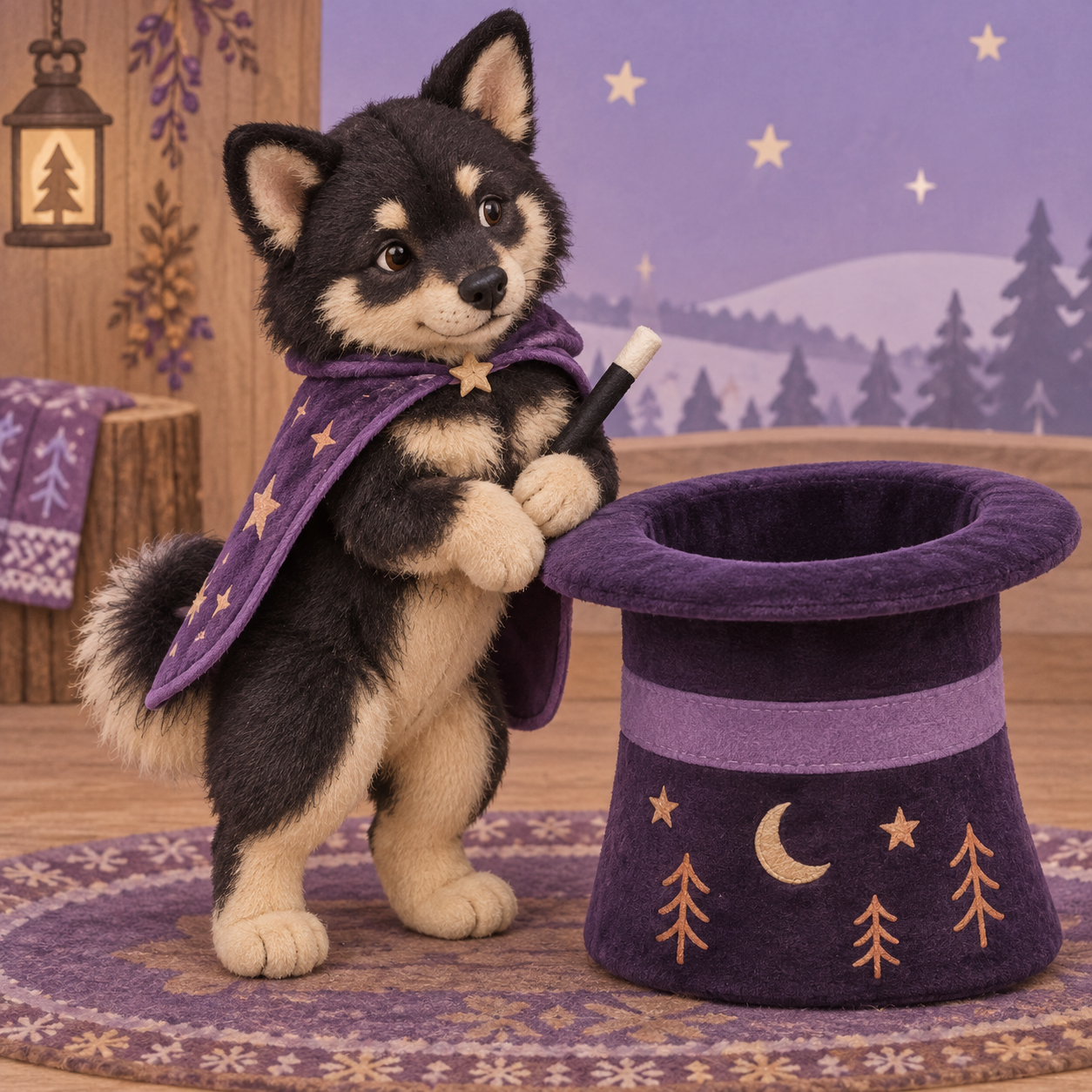
WOOFMAP · CANINE ARCHIVENO. 284
Spitz and primitive types
Lapponian Herder
Lapponian Herder
✳ woofmap.comFinland
WOOFMAP · CANINE ARCHIVE · NO. 284
Lapponian Herder
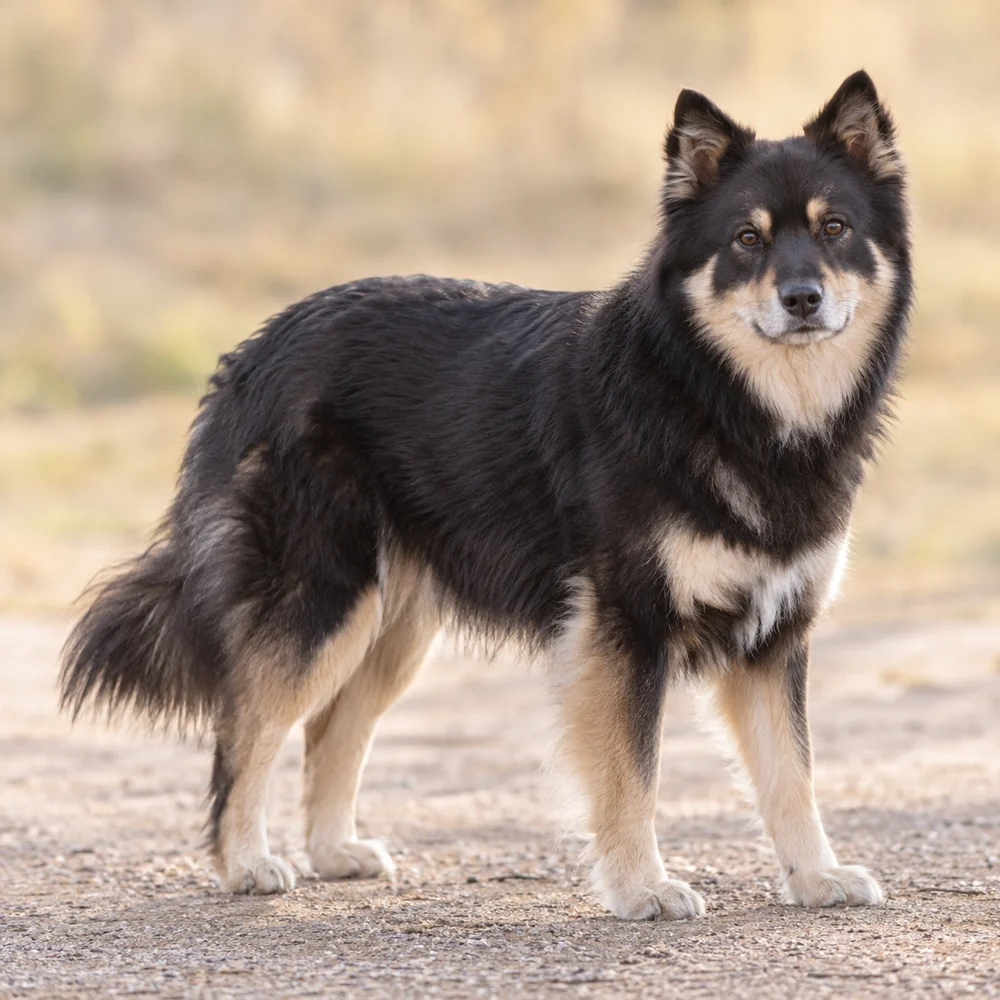
A Finnish working spitz shaped by reindeer herding.
AI-generated realistic breed image, for visual reference.
This Lapponian Herder page is still waiting for a voice. Live with a Lapponian Herder? Share a natural bark, howl or whine and let others hear a little of your dog’s everyday life.
If we feature your recording, we’ll credit you or your dog using the name you choose.
A 5–15 second phone recording in a quiet setting is perfect. Capture a natural moment without startling or disturbing your dog. Audio or video with sound is welcome.
Share your dog’s voice ↗[email protected]Attach your recording, breed and preferred credit. Please confirm you recorded it and allow woofmap to feature it.
Thank you for helping us build a playful Woof Planet together. Every little woof deserves to be heard.
Spitz and primitive types
Lapponian Herder
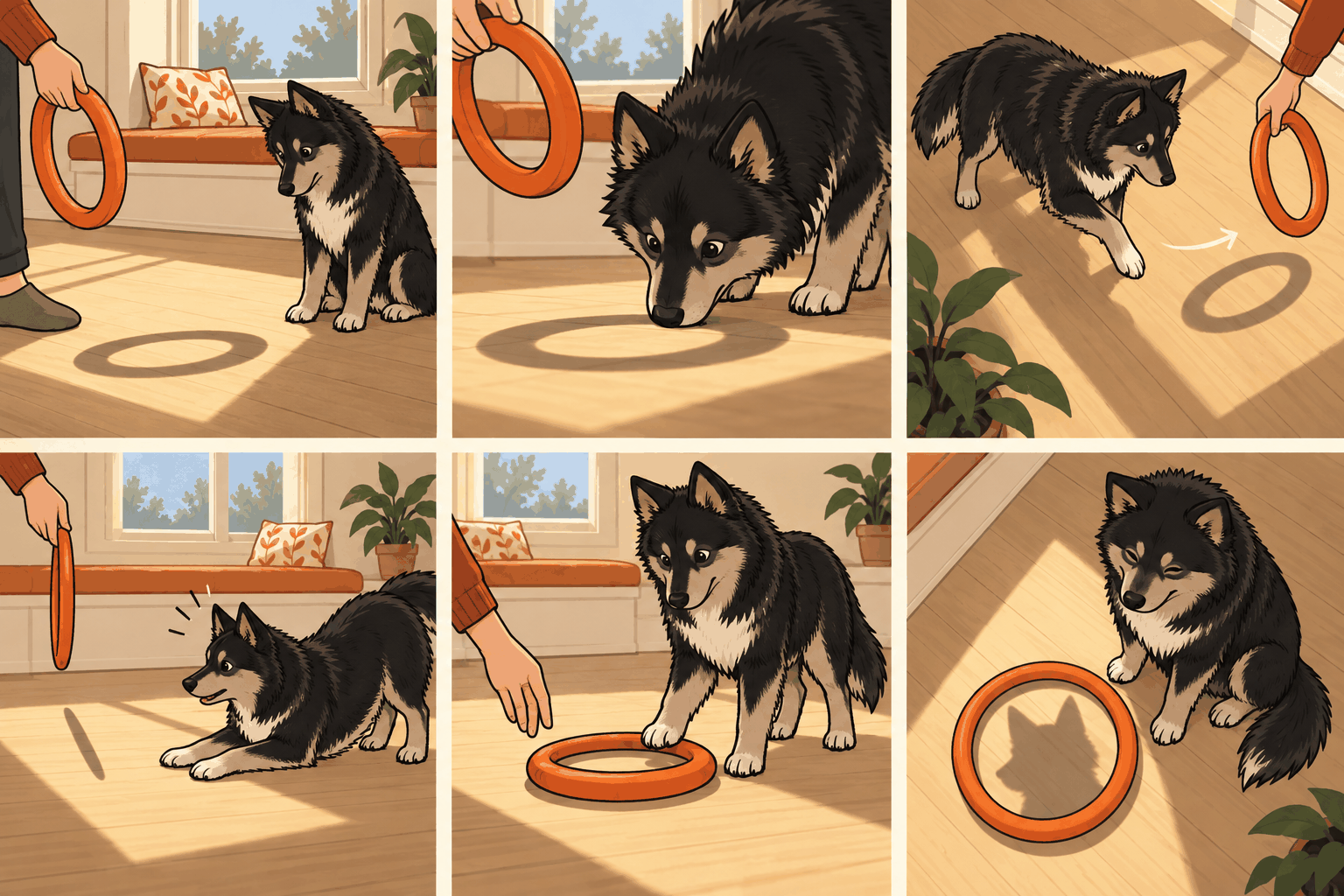
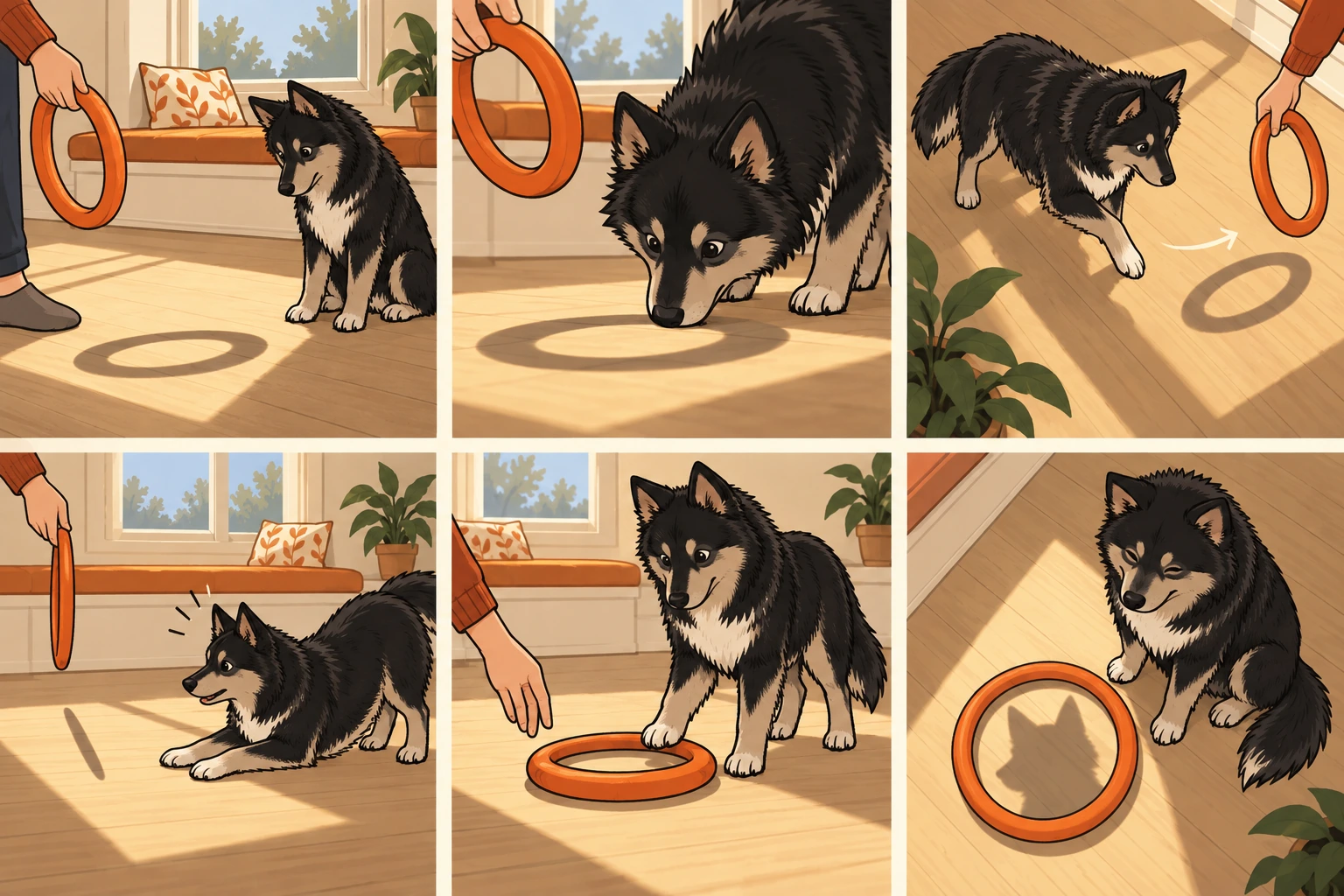
The same black, pricked-ear dog meets the ring’s shadow. Six wordless beats turn a little confusion into a small discovery.
For hundreds of years, the Lapps used dogs of this type to herd reindeer. Breed registration began in the 1950s, when these dogs and the modern Finnish Lapphund were still treated as one breed. The Lapponian Herder became a separate breed on 10 December 1966 after two distinct reindeer-herding breeds were recognized.
This medium-sized herder is about 10% longer than tall, strong-boned and muscular without appearing heavy. Ideal height is 51 cm for males and 46 cm for females, with a ±3 cm tolerance; the ears are pricked, though slightly floppy ears are accepted, and the low-set tail hangs at rest.
Look for a sturdy, medium-sized dog slightly longer than tall, with a straight, harsh outer coat and dense undercoat. The tail is low-set and hangs at rest, not characteristically curled over the back; slightly floppy ears are accepted. Its colours extend beyond solid black to greyish and dark-brown shades with lighter markings.
The standard describes a docile, calm, friendly, energetic dog willing to work and inclined to bark while working. Reward-based training can channel that willingness into shared tasks, but individuals may respond differently to people and situations. Introduce new experiences gradually and teach comfortable downtime.
Brush through the outer coat and dense undercoat regularly, more often when loose hair increases. Walks, exploration and cooperative games give this former reindeer herder both movement and a job to think about. Use rewards and consistent cues to practise recall, settling and quiet behaviour, since the breed readily barks while working. Provide a calm place to rest and adjust activities to the individual dog.
Suitability depends more on daily activity, training and opportunities to settle than on the address itself. Because working barks come readily, practise quiet behaviour at home and consider neighbours.
Brush down to the fine, dense undercoat rather than smoothing only the harsher surface. Check fuller-haired areas such as the neck, chest and backs of the thighs, and remove loose hair as needed.
Combine outings with sniffing, recall practice and short cooperative tasks rather than relying on yard access alone. Build skills with rewards, increase difficulty gradually and watch when your dog needs a break.
SOURCE NOTES
Breed traits follow the cited official standards; everyday care advice is our editorial interpretation of coat, build and working purpose.
Coat and size varieties can share a standard. The number is an archive reference, not a rarity score. An independent educational atlas, not a registry publication. Temperament varies; consult a veterinarian about health concerns.
WOOFMAP / LAPPONIAN-HERDER / LITTLE MOMENTS
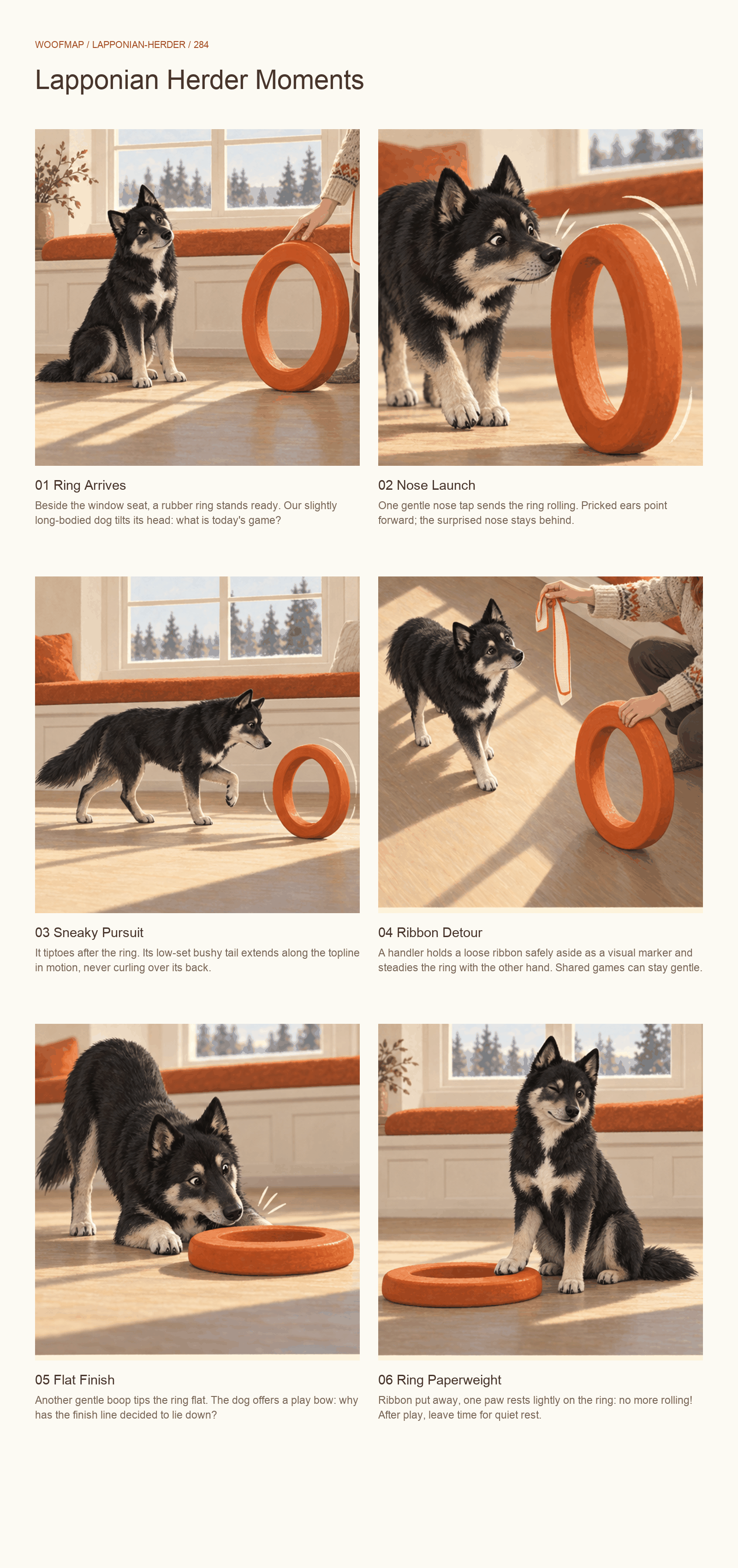
Illustrated variant: pricked ears, a black medium-length harsh straight coat, lighter face and leg markings, and a white chest patch. These playful moods belong to one fictional dog.
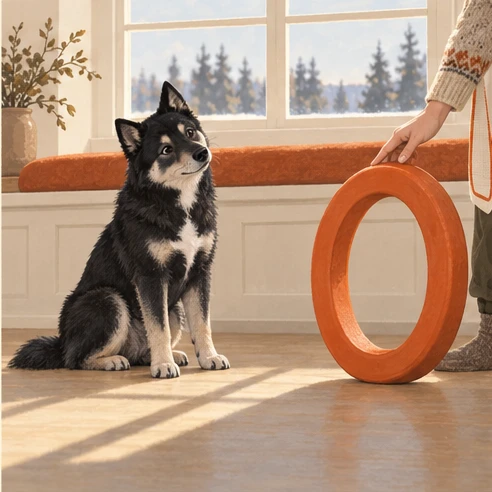
Beside the window seat, a rubber ring stands ready. Our slightly long-bodied dog tilts its head: what is today's game?
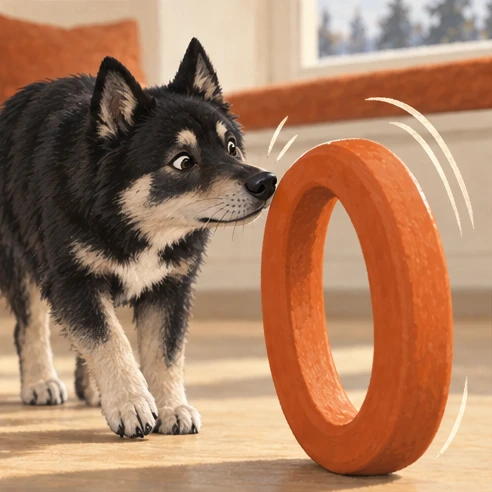
One gentle nose tap sends the ring rolling. Pricked ears point forward; the surprised nose stays behind.
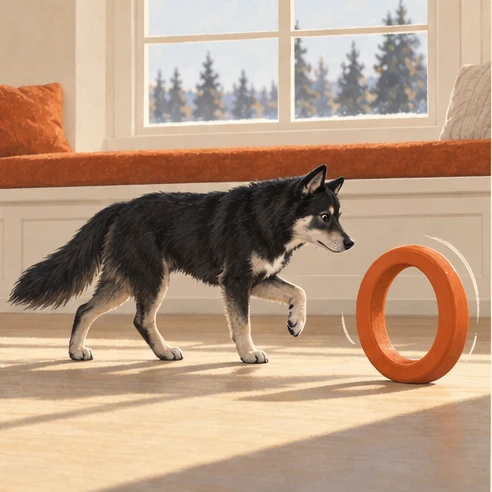
It tiptoes after the ring. Its low-set bushy tail extends along the topline in motion, never curling over its back.
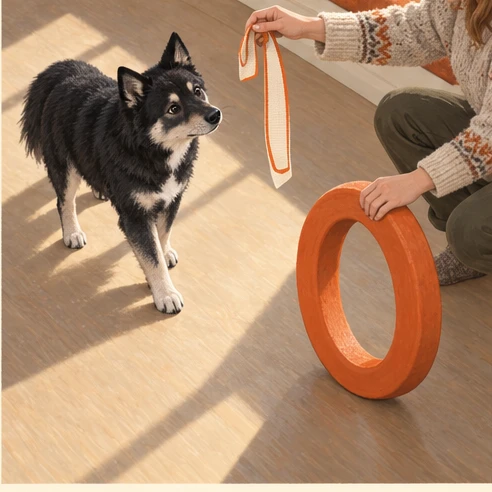
A handler holds a loose ribbon safely aside as a visual marker and steadies the ring with the other hand. Shared games can stay gentle.
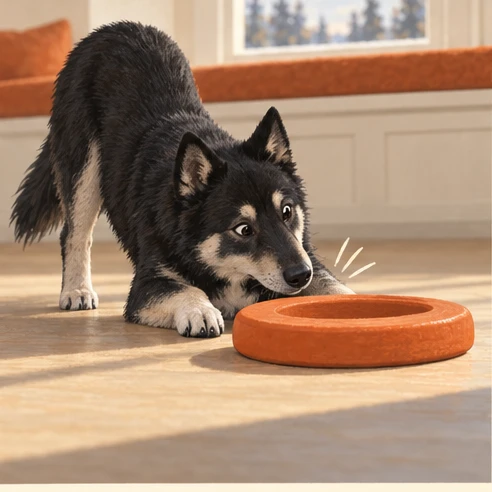
Another gentle boop tips the ring flat. The dog offers a play bow: why has the finish line decided to lie down?
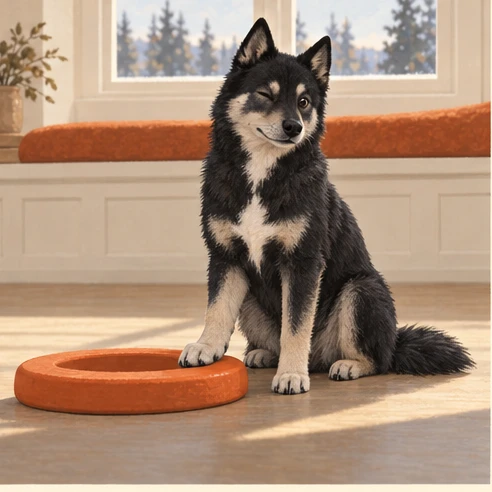
Ribbon put away, one paw rests lightly on the ring: no more rolling! After play, leave time for quiet rest.
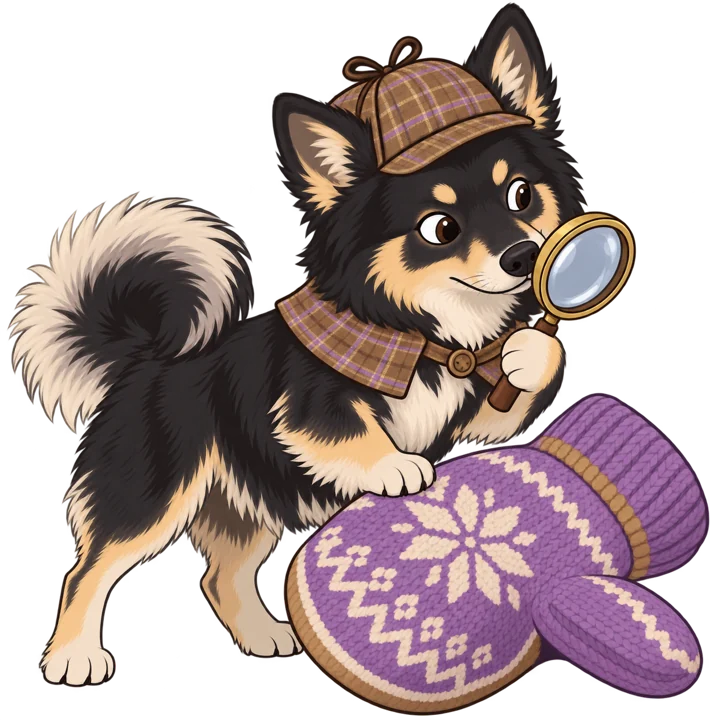

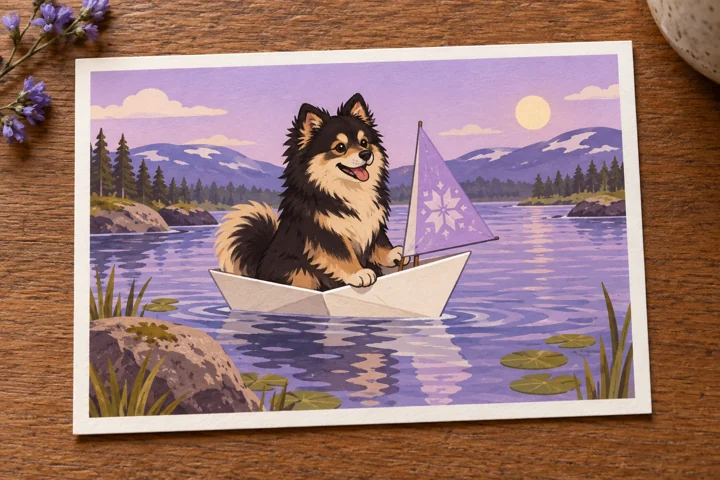
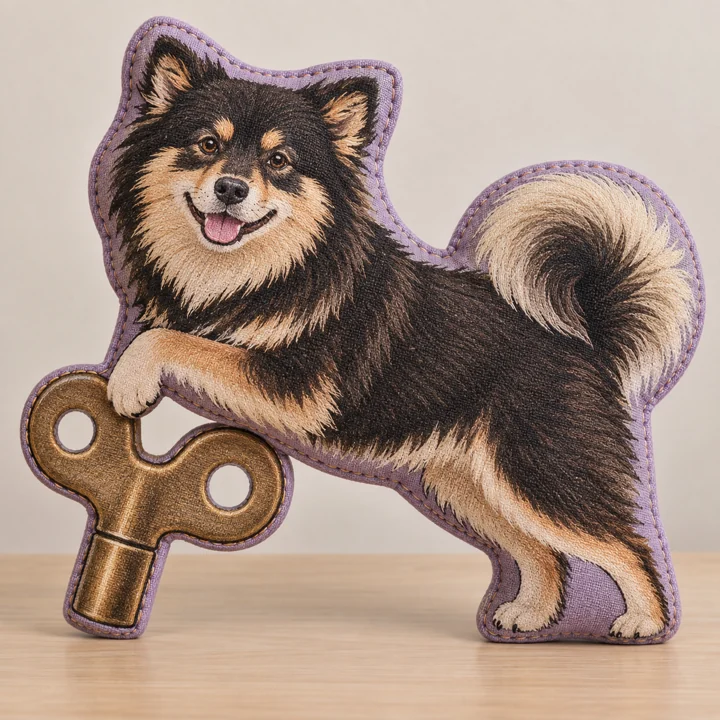
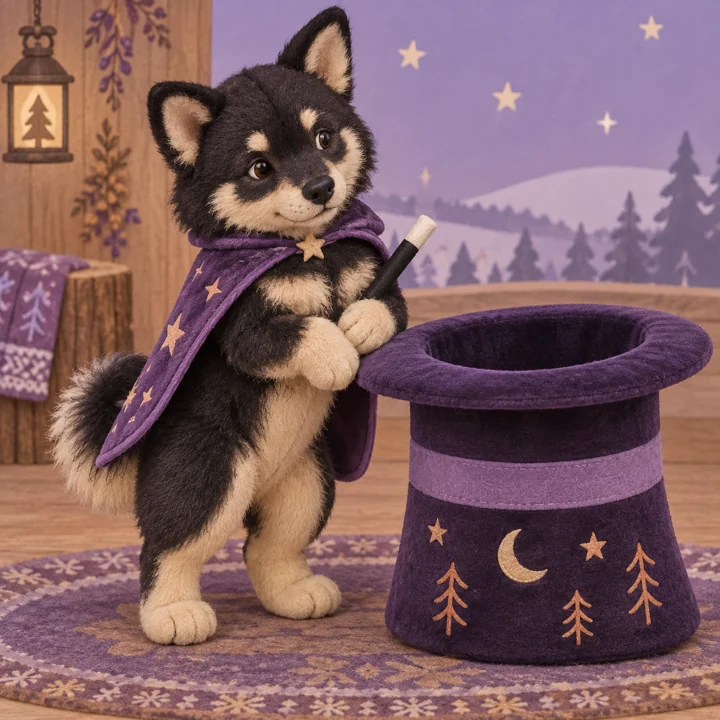
Eight transparent PNGs to save individually. Switch captions on or off for your chats.
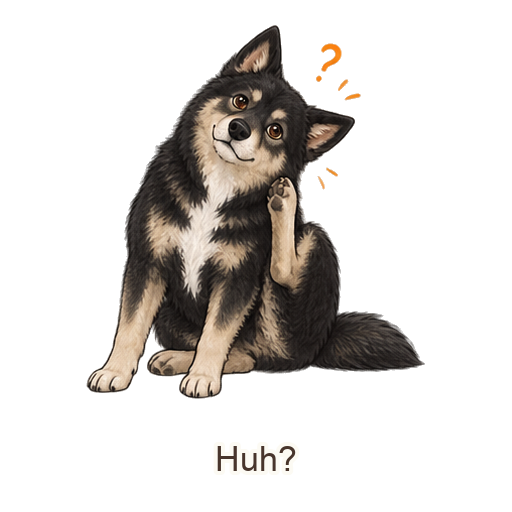 Huh?
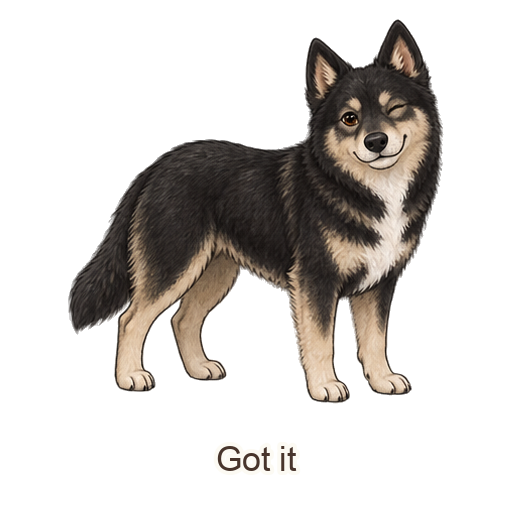 Got it
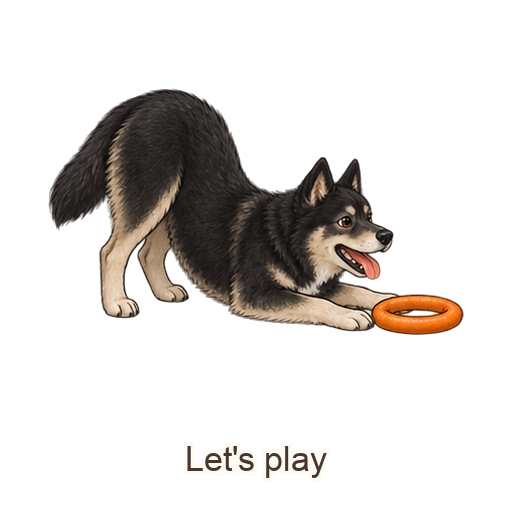 Let's play
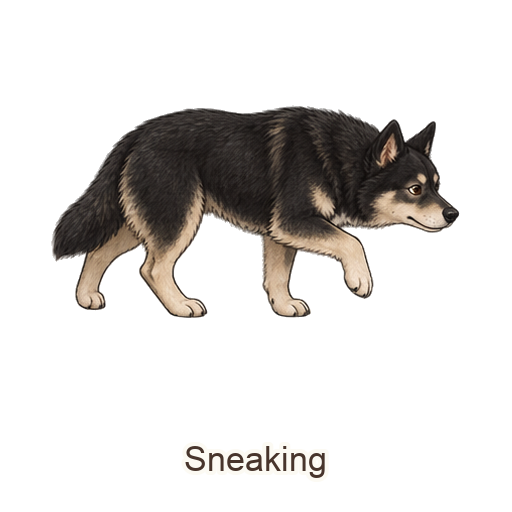 Sneaking
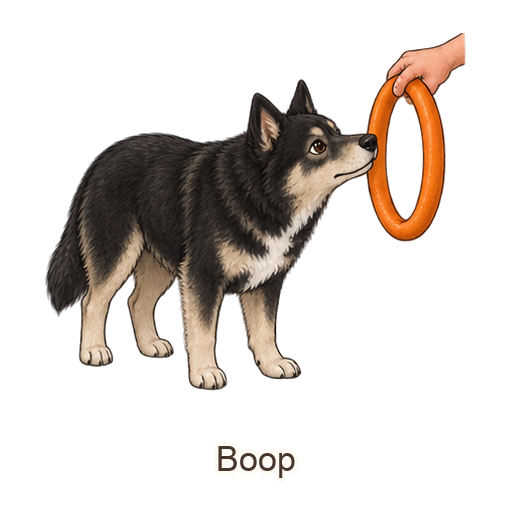 Boop
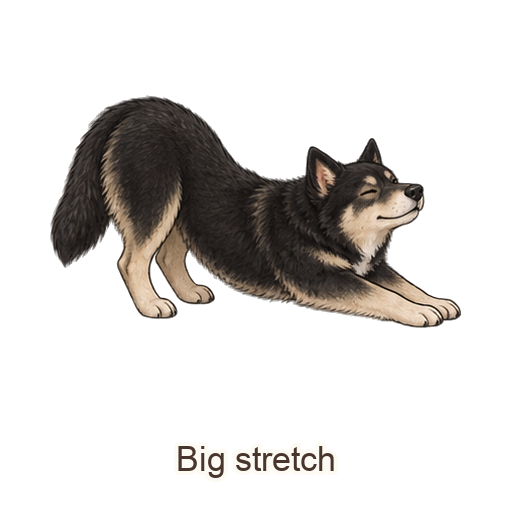 Big stretch
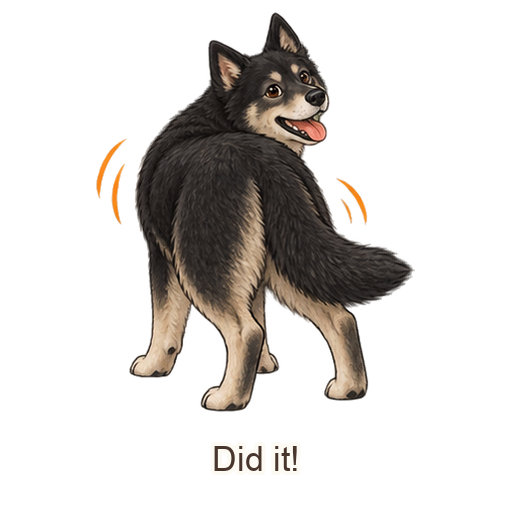 Did it!
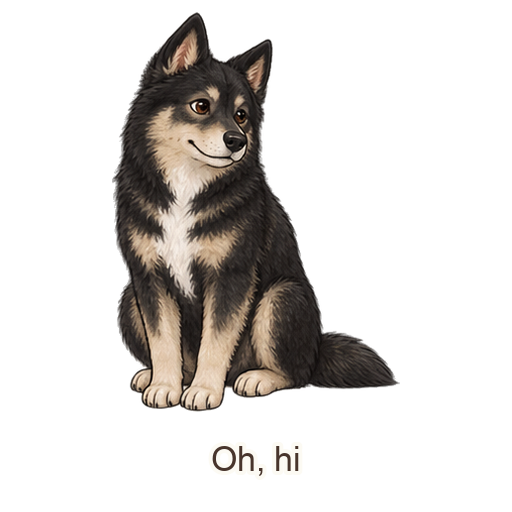 Oh, hi
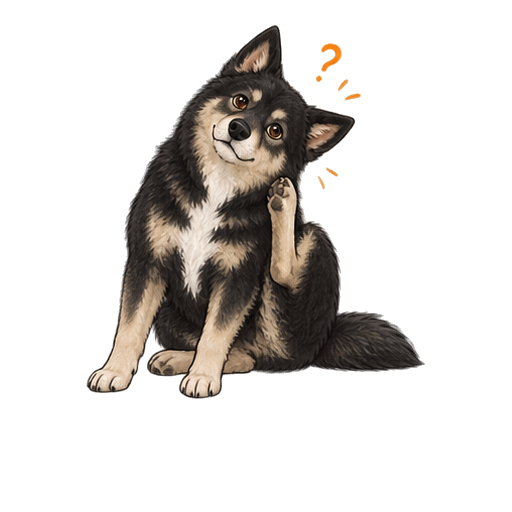 Huh?
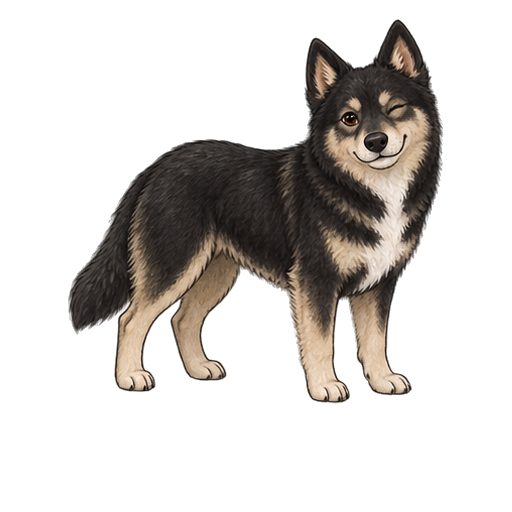 Got it
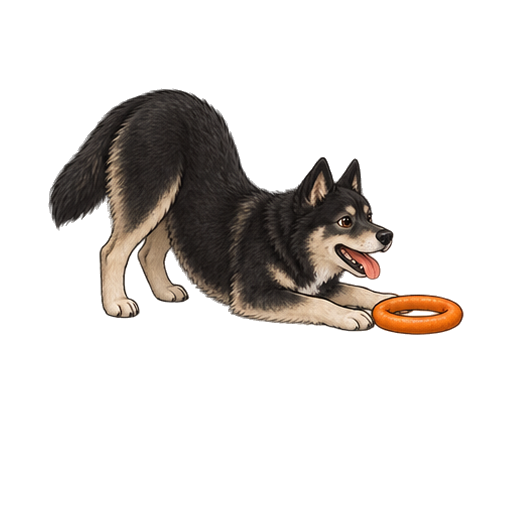 Let's play
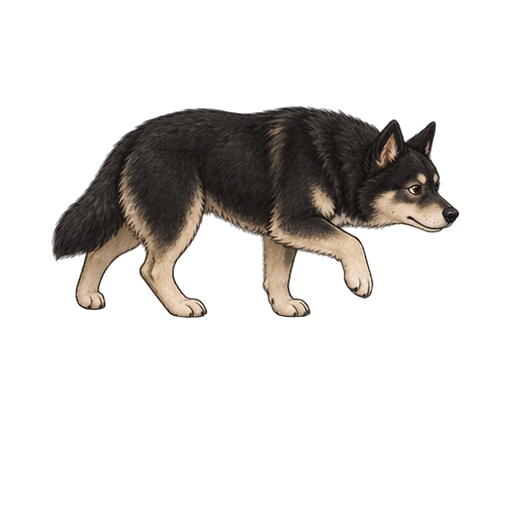 Sneaking
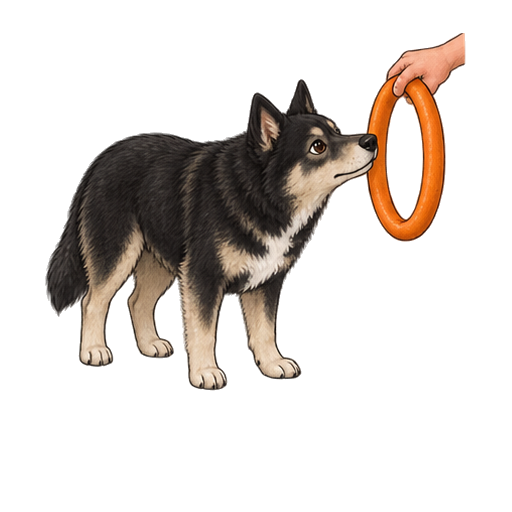 Boop
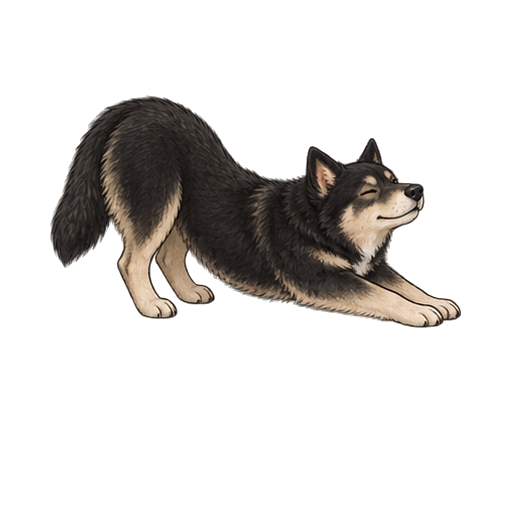 Big stretch
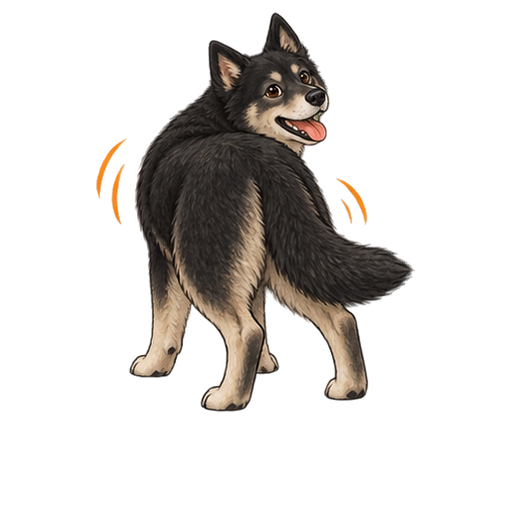 Did it!
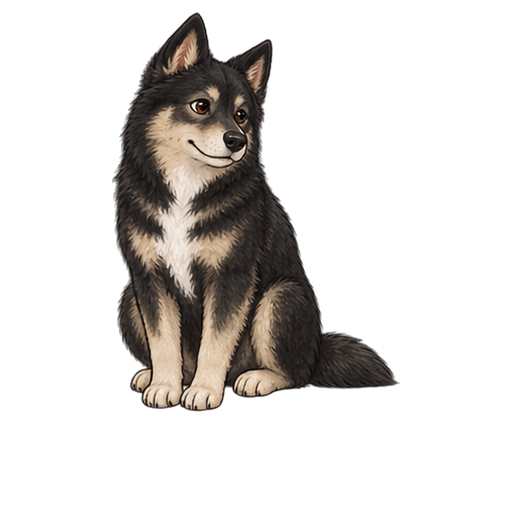 Oh, hi
Original woofmap artwork, assisted by GPT Image 2. Free for personal chats and non-commercial sharing with credit to woofmap.com. Fictional moods do not predict every dog’s temperament; see this page’s factual sources.
Combine the available parts, choose a name and take a little joy home.
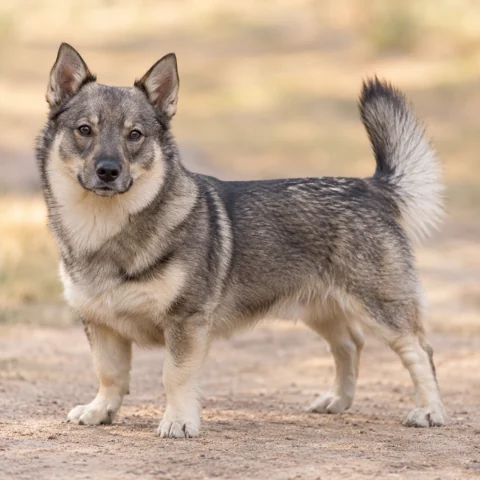 AI realistic image
Spitz and primitive types
Swedish Vallhund
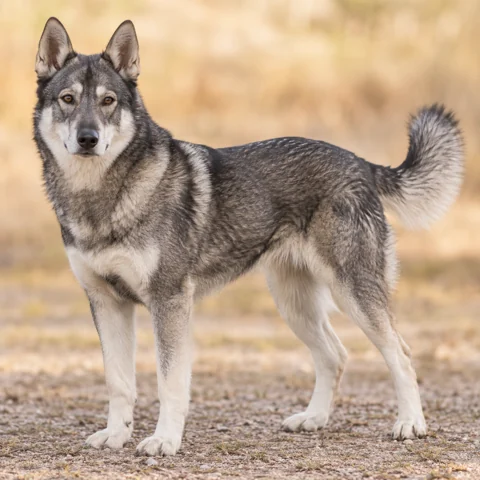 AI realistic image
Spitz and primitive types
Jämthund
 AI realistic image
Spitz and primitive types
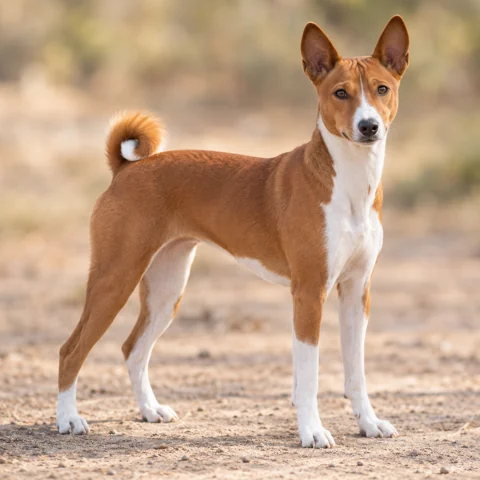
Basenji