WOOFMAP · CANINE ARCHIVENO. 276
Spitz and primitive types
Norrbottenspitz
Norrbottenspitz
✳ woofmap.comSweden
WOOFMAP · CANINE ARCHIVE · NO. 276
Norrbottenspitz
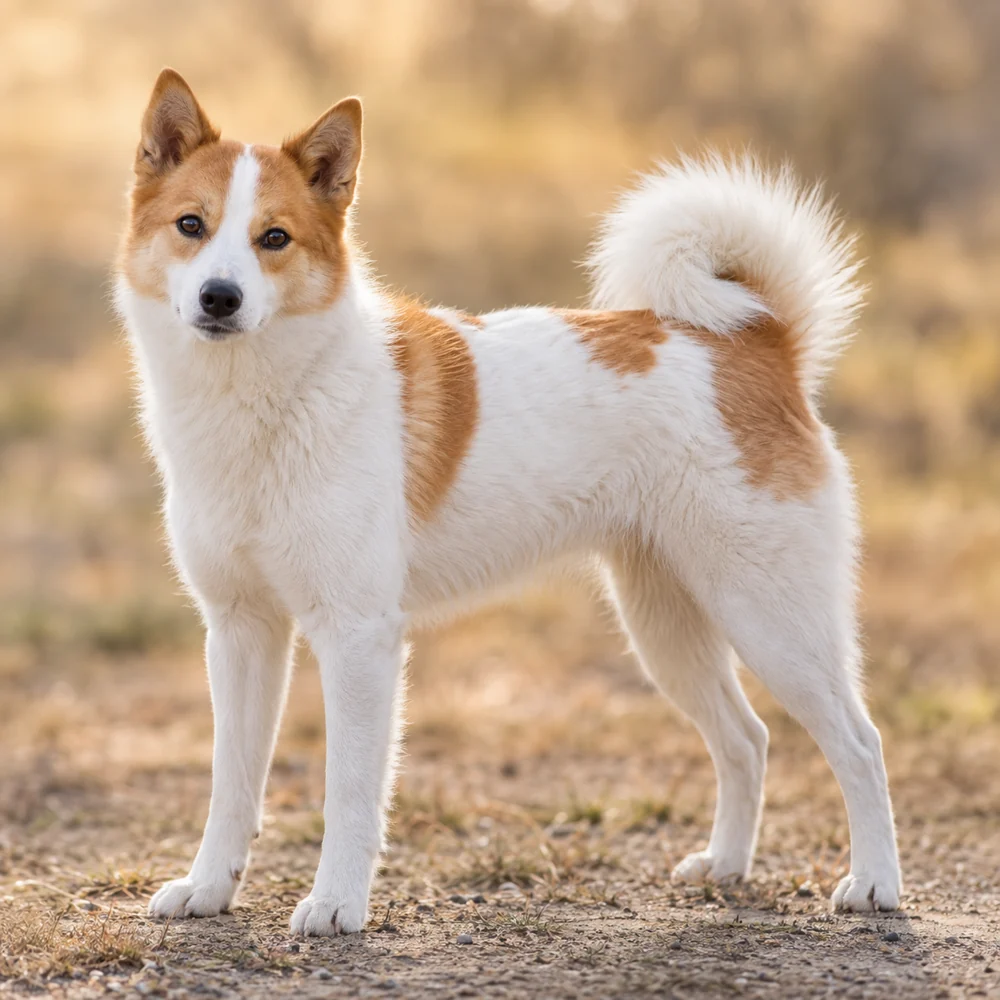
A small, agile hunting spitz from northern Sweden.
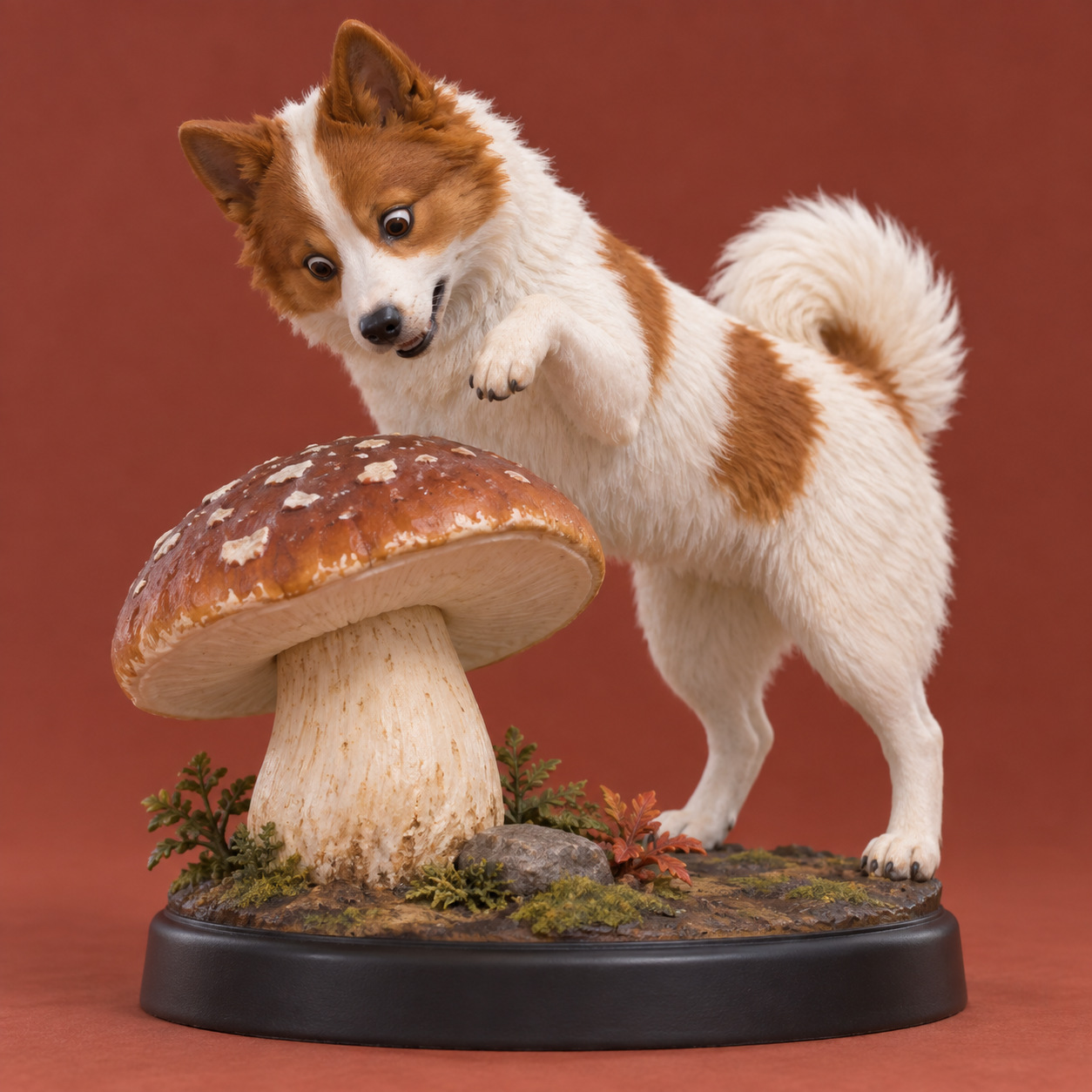
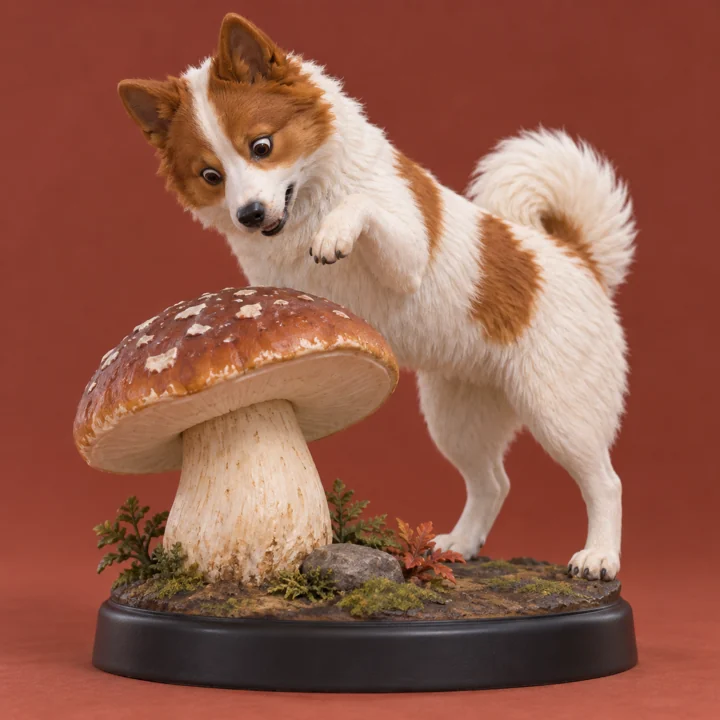
AI-generated realistic breed image, for visual reference.
This Norrbottenspitz page is still waiting for a voice. Live with a Norrbottenspitz? Share a natural bark, howl or whine and let others hear a little of your dog’s everyday life.
If we feature your recording, we’ll credit you or your dog using the name you choose.
A 5–15 second phone recording in a quiet setting is perfect. Capture a natural moment without startling or disturbing your dog. Audio or video with sound is welcome.
Share your dog’s voice ↗[email protected]Attach your recording, breed and preferred credit. Please confirm you recorded it and allow woofmap to feature it.
Thank you for helping us build a playful Woof Planet together. Every little woof deserves to be heard.
Spitz and primitive types
Norrbottenspitz
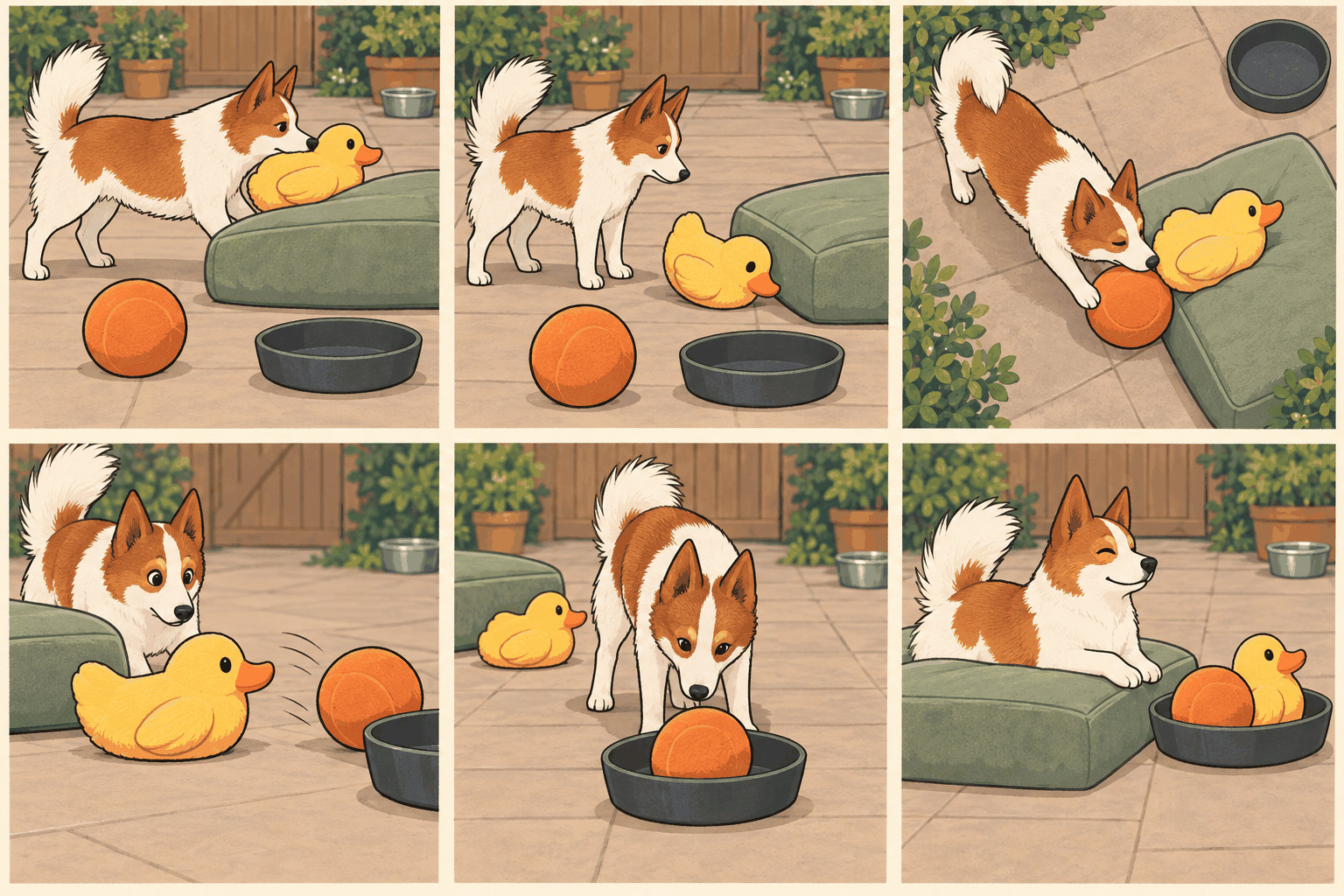
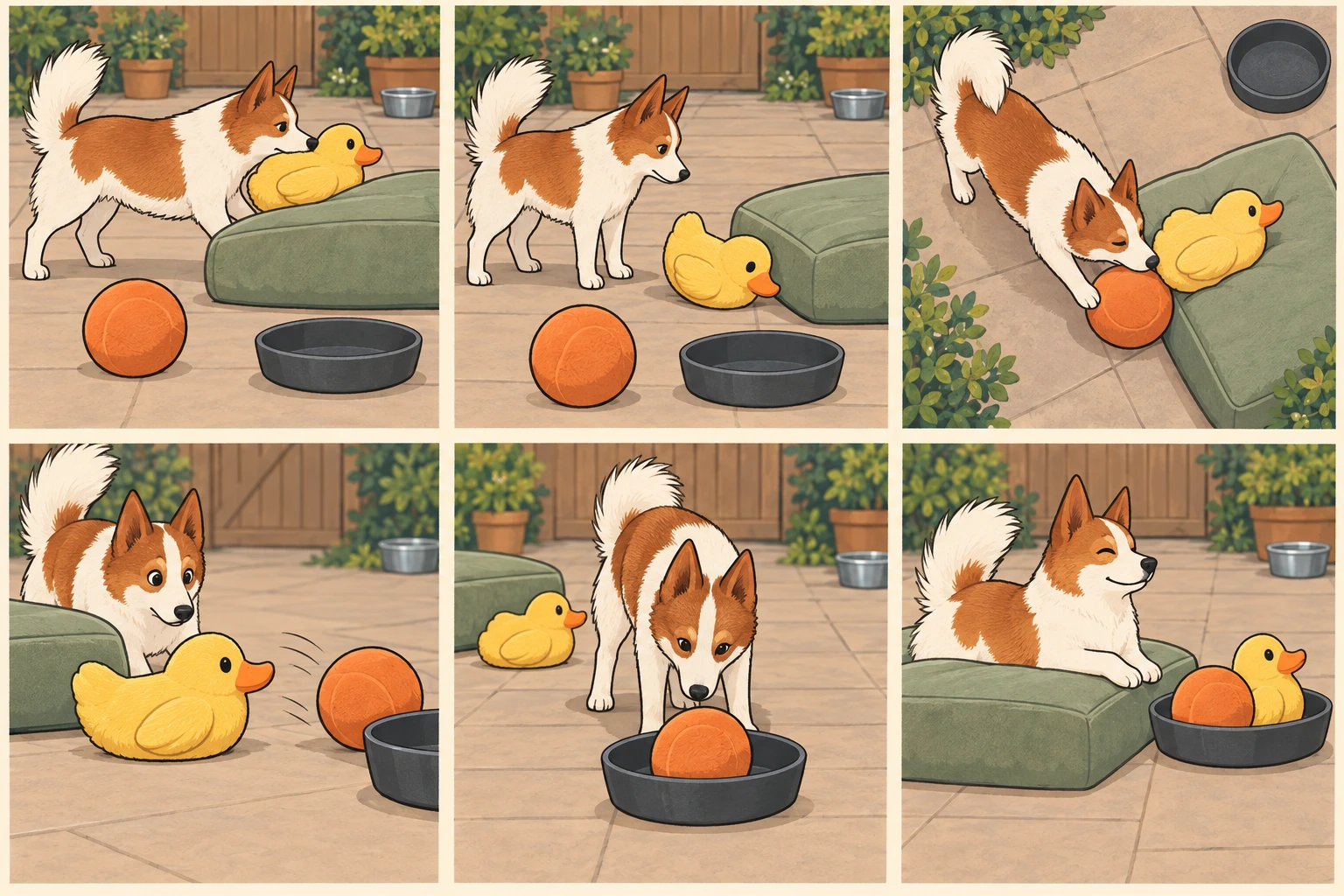
The same white-and-red dog tries to settle a plush duck in a securely enclosed garden. Six wordless beats of fictional toy trouble.
The standard suggests descent from small Laika-type spitz that lived with hunters in the North Cape area. Hunting for food and fur sustained people in northern Scandinavia, but registrations ceased after fur prices fell following World War II. Typical dogs later found on inland North Bothnia homesteads enabled the breed’s return to the Swedish Kennel Club registry in 1967.
Small and slightly longer than tall, it is muscular and agile. Its ears stand erect and its high-set tail curves loosely upward; ideal height is 45 cm for males and 42 cm for females, with a 2 cm tolerance either way.
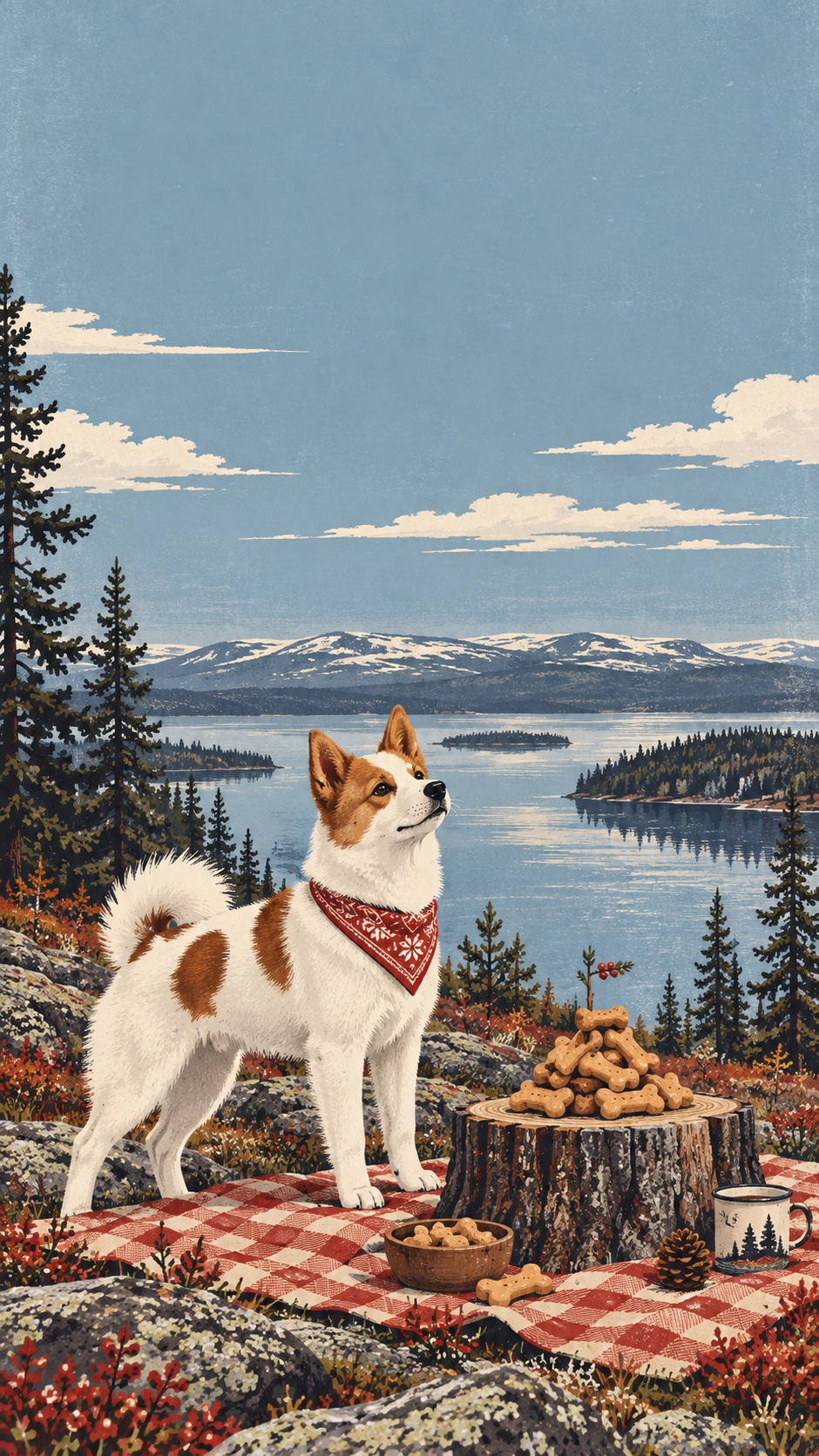
Look for a compact, slightly rectangular spitz with erect ears, a high-set loosely curled tail, and clear, fairly large patches on white. Red or yellow patches are preferred, not the only permitted colors. The standard defines no separate size or coat varieties.
The standard describes an attentive, bold hunter with a lively, self-confident and kind disposition. Used mainly for forest grouse, it can also hunt fur game and bay elk, so reward-based work on attention and recall is valuable. Individuals differ in arousal and responses to unfamiliar situations; introduce new experiences gradually.
Brush the double coat regularly, more often when loose hair increases, and check ears, nails and paw pads. Offer scent games, searches and interactive play alongside walks to engage its hunting instincts. Teach recall and settling with rewards and clear rules; use a lead or secure enclosure around wildlife rather than assuming a small dog will ignore it.
Size alone is misleading: this is an alert, lively hunting dog that may bark in response to activity. A household prepared to provide engagement, teach settling and manage the environment is a better match.
Its dense undercoat and short, straight outer coat do shed. Regular brushing removes loose hair; brush more often during heavier shedding and pay attention to the longer hair on the neck and beneath the tail.
Its traditional work involves pursuing birds and other game, so wildlife may draw an immediate response. Prevent wandering with a lead or secure fencing, and provide searches and scent activities as appropriate outlets.
SOURCE NOTES
Breed traits follow the cited official standards; everyday care advice is our editorial interpretation of coat, build and working purpose.
Coat and size varieties can share a standard. The number is an archive reference, not a rarity score. An independent educational atlas, not a registry publication. Temperament varies; consult a veterinarian about health concerns.
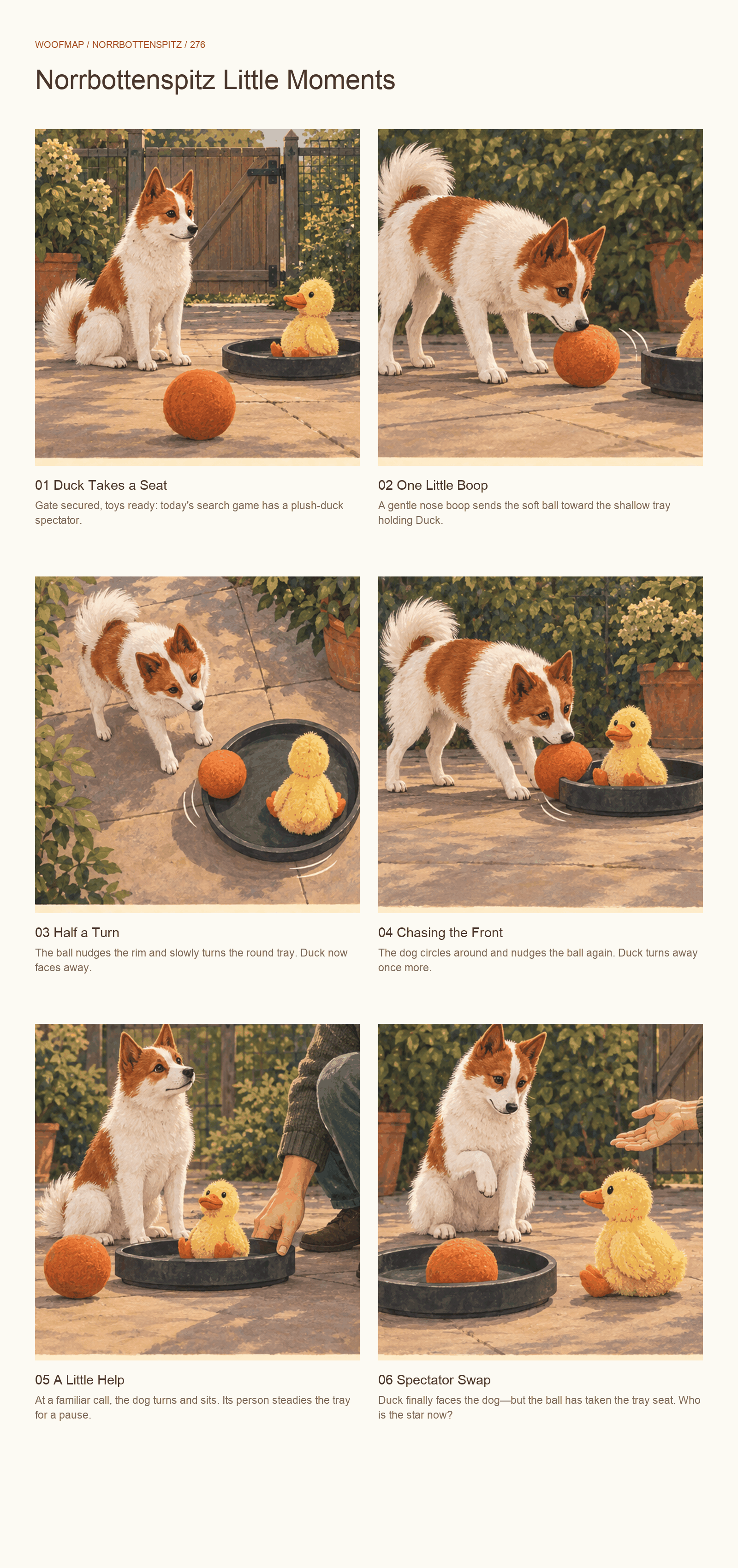
WOOFMAP / NORRBOTTENSPITZ / LITTLE MOMENTS
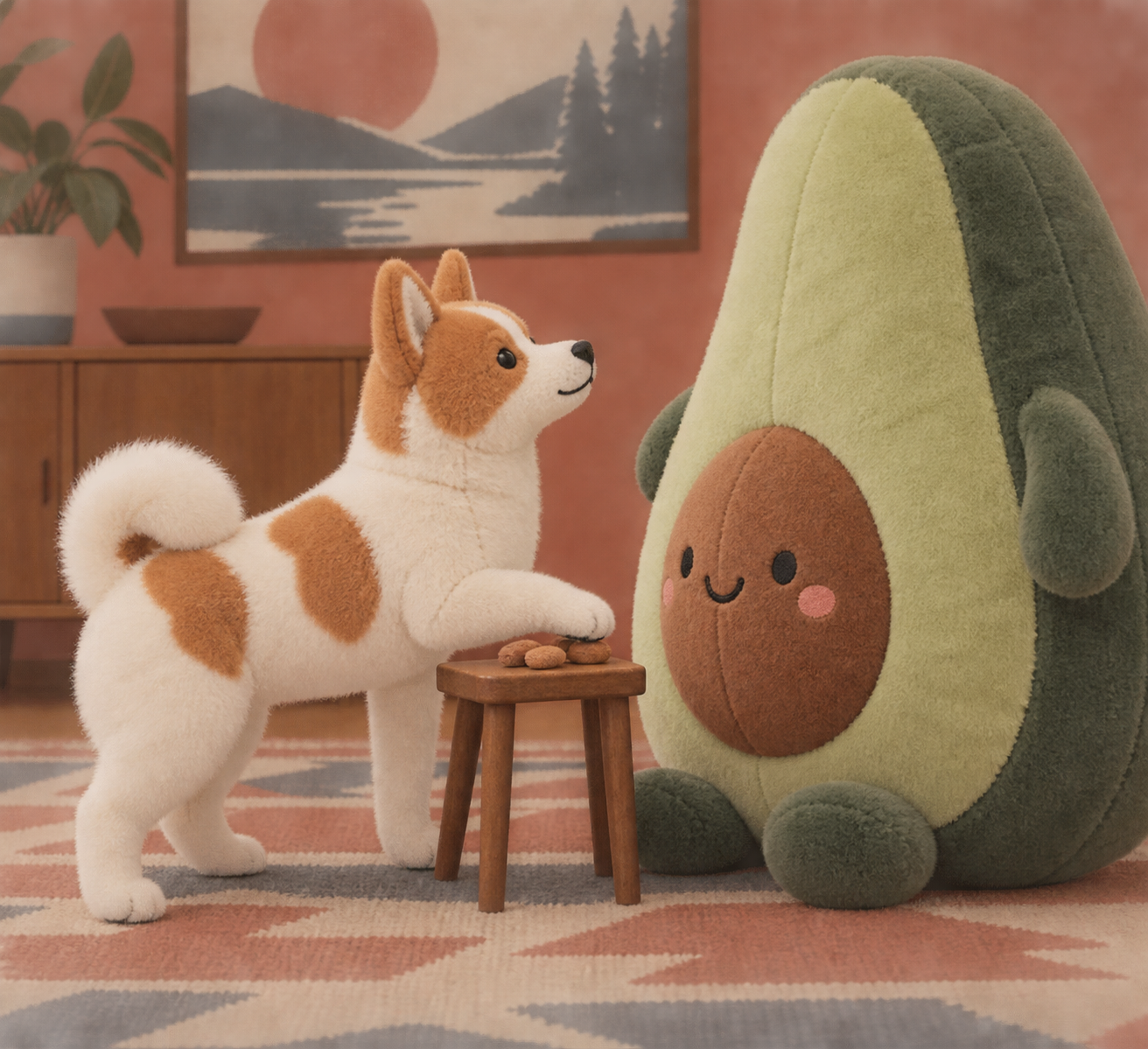
Illustrated here with distinct red patches on white, erect ears, a short, straight double coat and a high-set, loosely curled tail. This garden comedy is fictional, not a breed-wide personality claim.
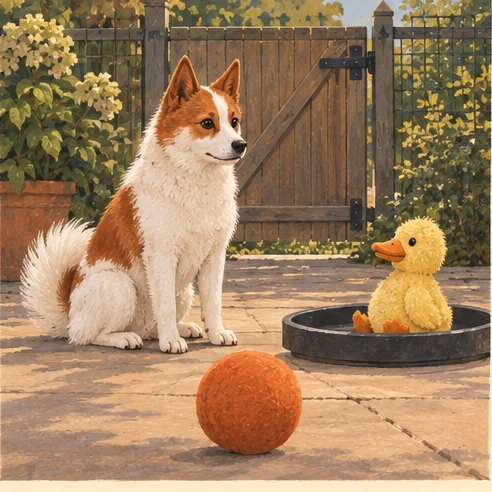
Gate secured, toys ready: today's search game has a plush-duck spectator.
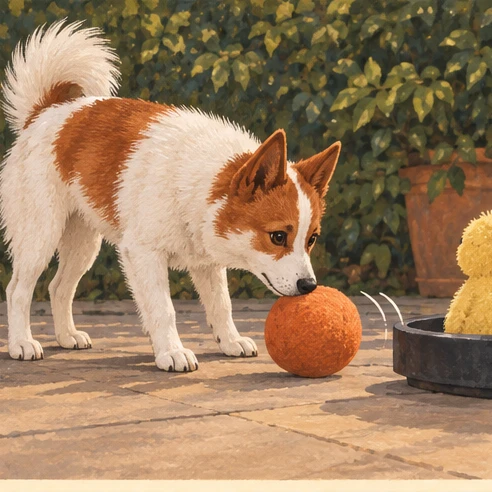
A gentle nose boop sends the soft ball toward the shallow tray holding Duck.
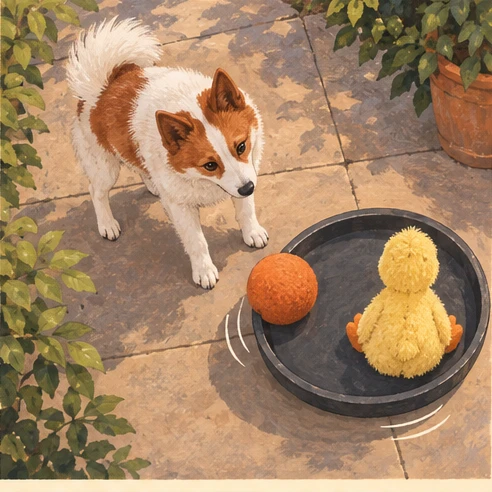
The ball nudges the rim and slowly turns the round tray. Duck now faces away.
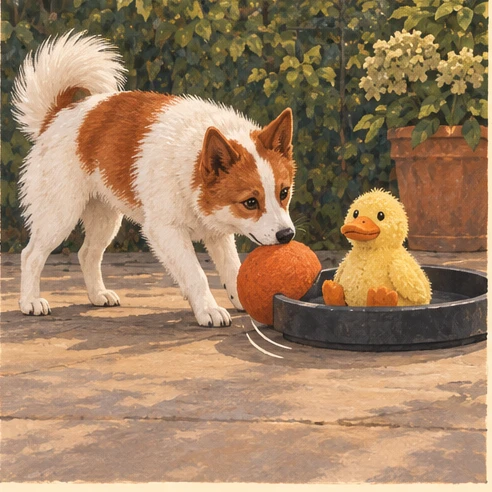
The dog circles around and nudges the ball again. Duck turns away once more.
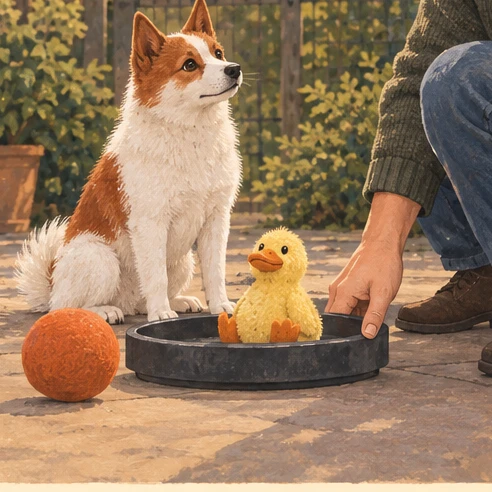
At a familiar call, the dog turns and sits. Its person steadies the tray for a pause.
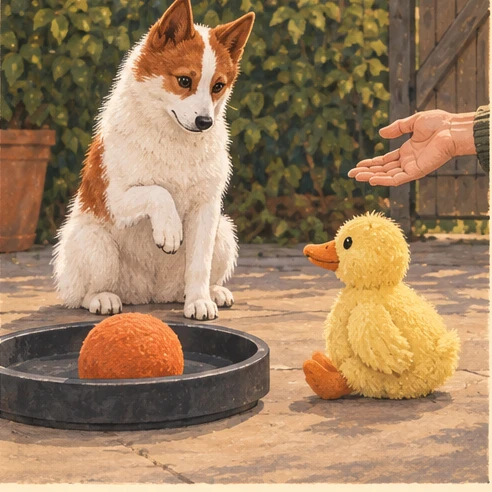
Duck finally faces the dog—but the ball has taken the tray seat. Who is the star now?
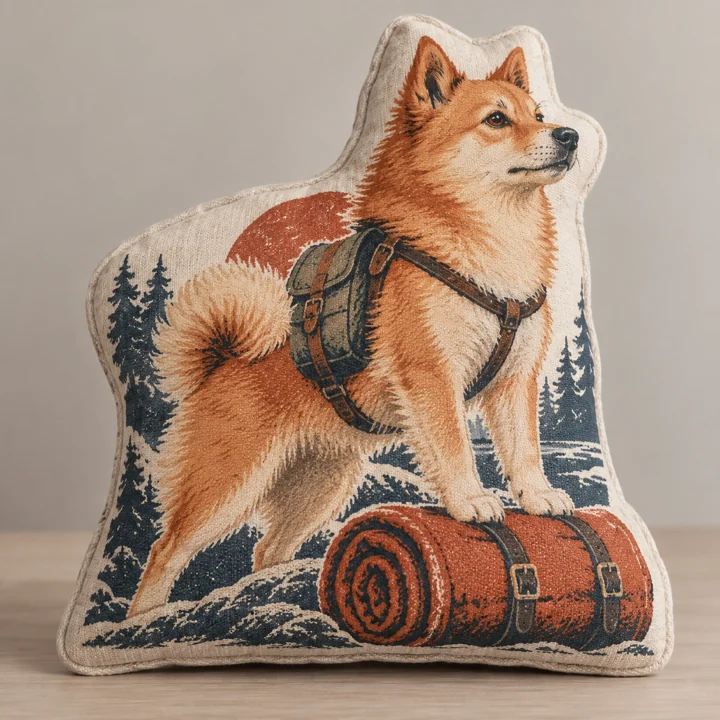
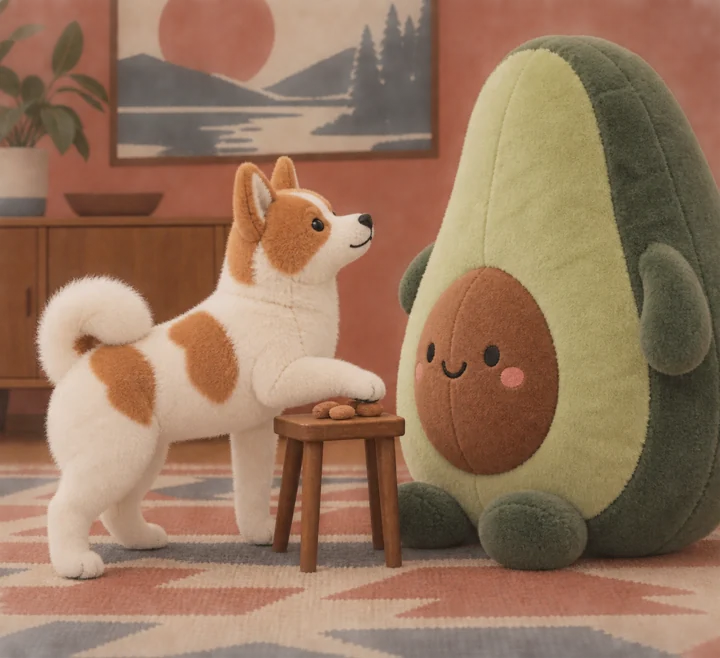
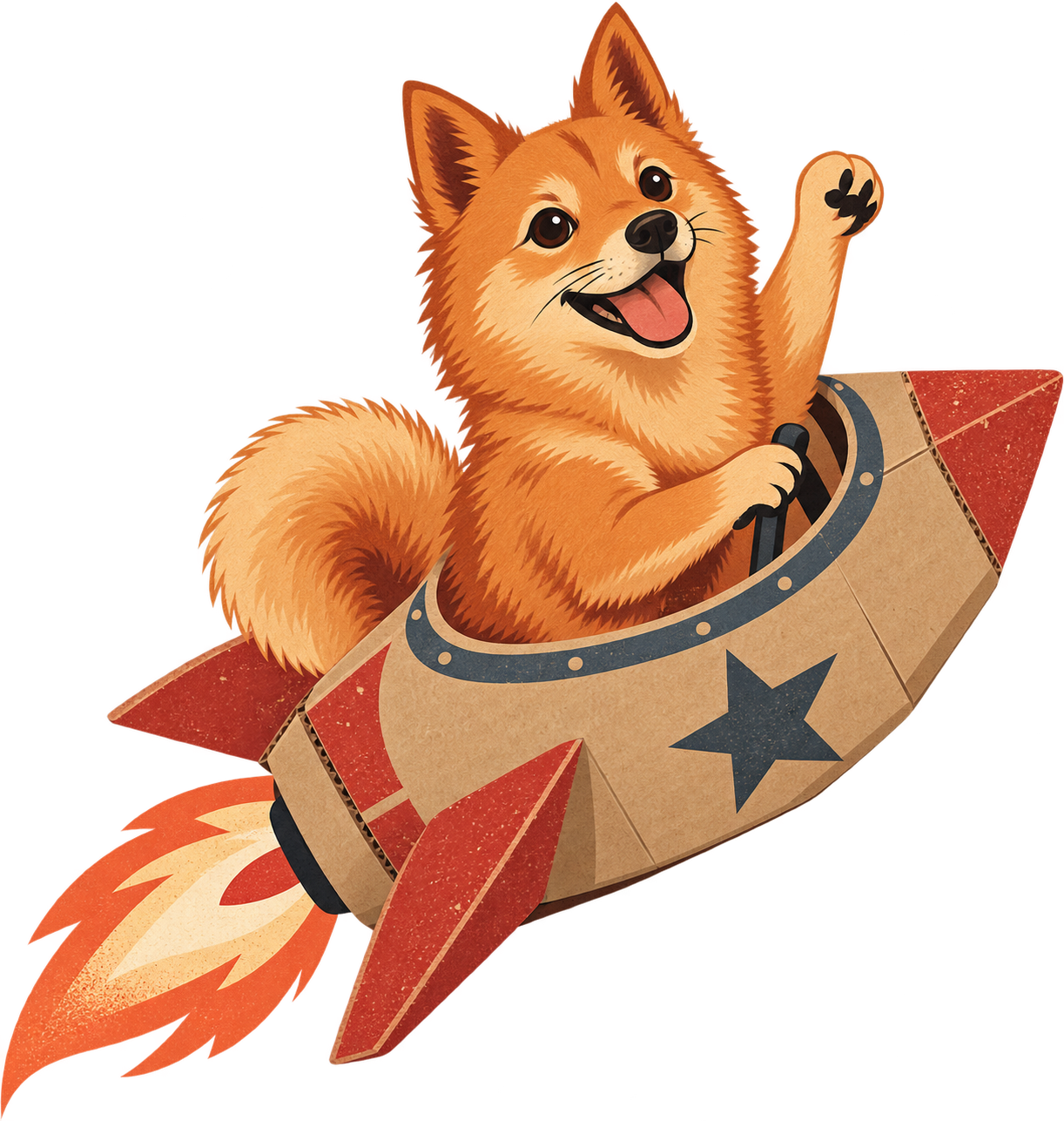
Eight transparent PNGs to save individually. Switch captions on or off for your chats.
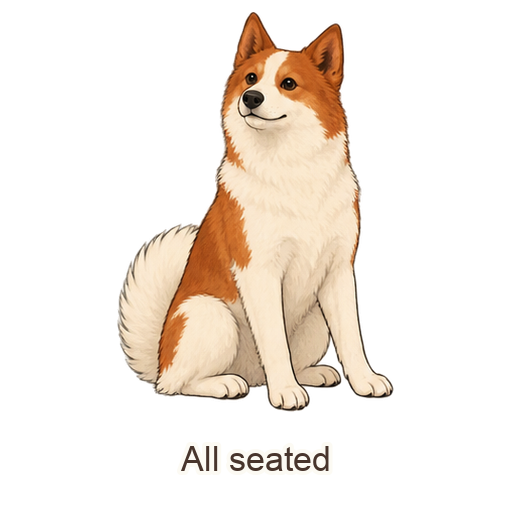 All seated
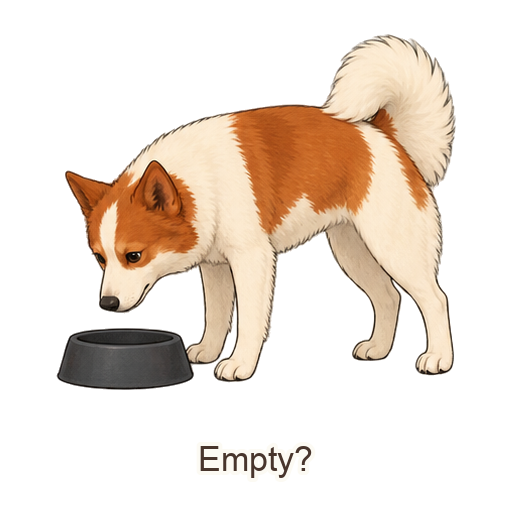 Empty?
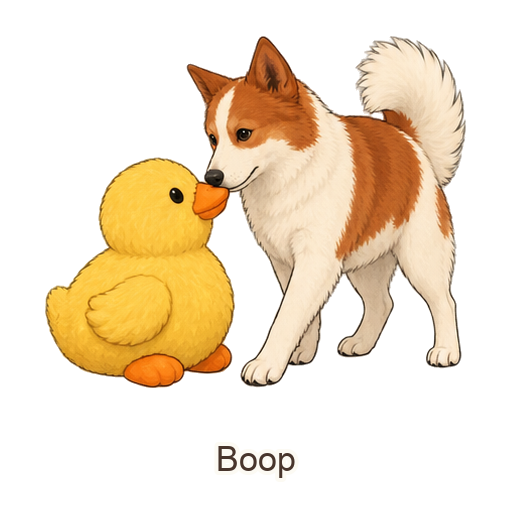 Boop
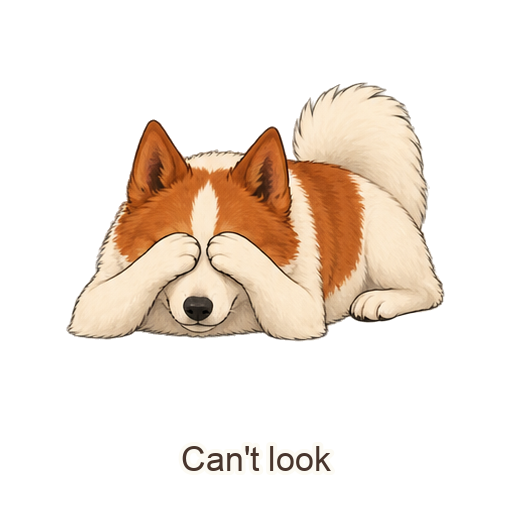 Can't look
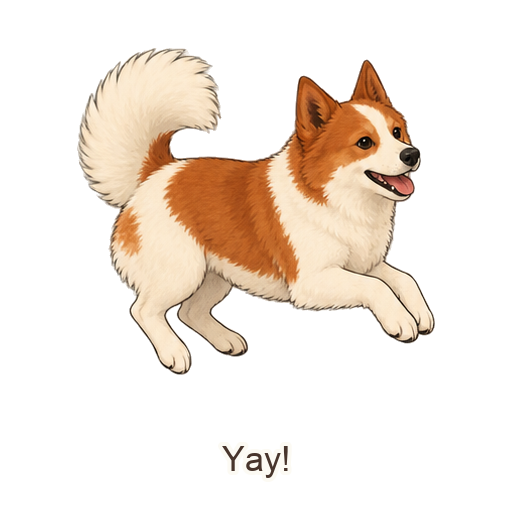 Yay!
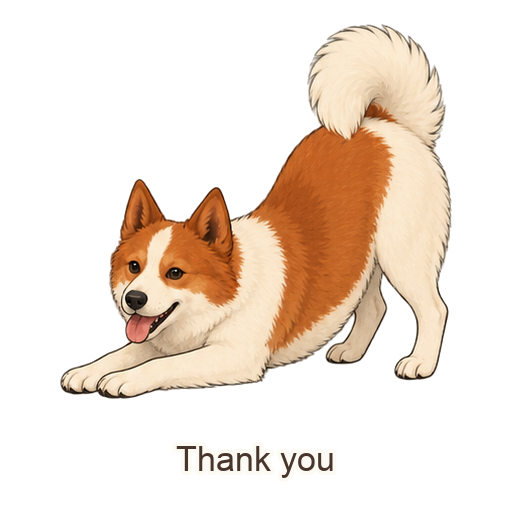 Thank you
 Done!
 Little break
 All seated
 Empty?
 Boop
 Can't look
 Yay!
 Thank you
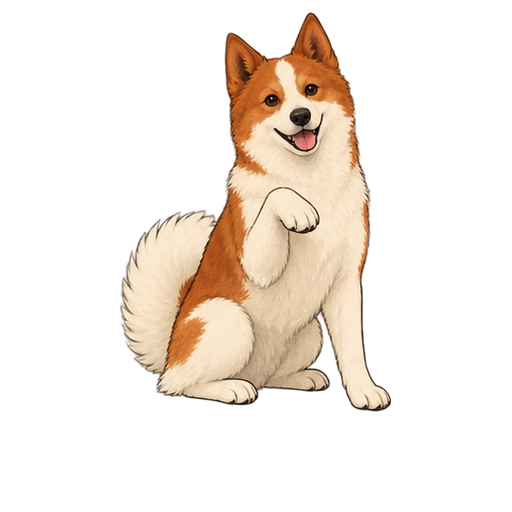 Done!
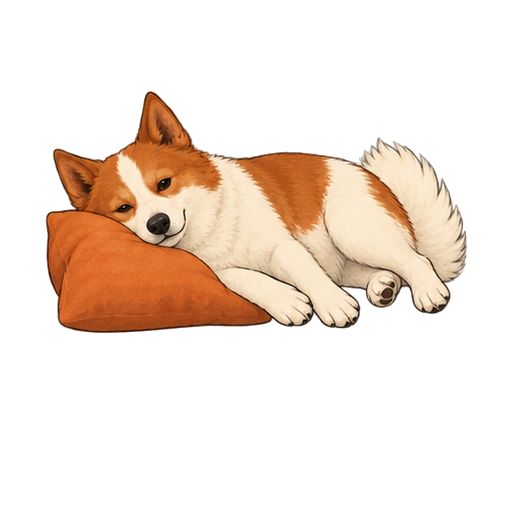 Little break
Original woofmap artwork, assisted by GPT Image 2. Free for personal chats and non-commercial sharing with credit to woofmap.com. Fictional moods do not predict every dog’s temperament; see this page’s factual sources.
Combine the available parts, choose a name and take a little joy home.
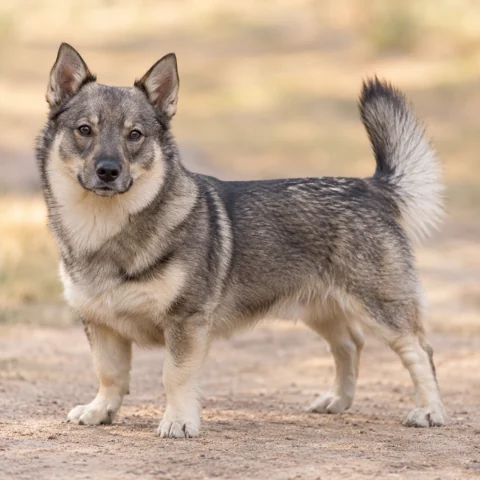 AI realistic image
Spitz and primitive types
Swedish Vallhund
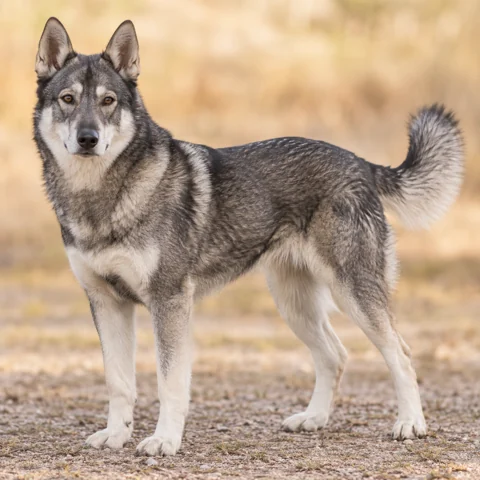 AI realistic image
Spitz and primitive types
Jämthund
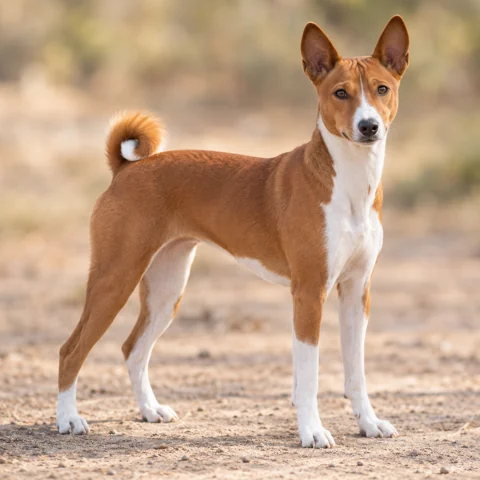 AI realistic image
Spitz and primitive types
Basenji