WOOFMAP · CANINE ARCHIVENO. 203
Scent hounds and related breeds
Norwegian Hound
Norwegian Hound
✳ woofmap.comNorway
WOOFMAP · CANINE ARCHIVE · NO. 203
Norwegian Hound
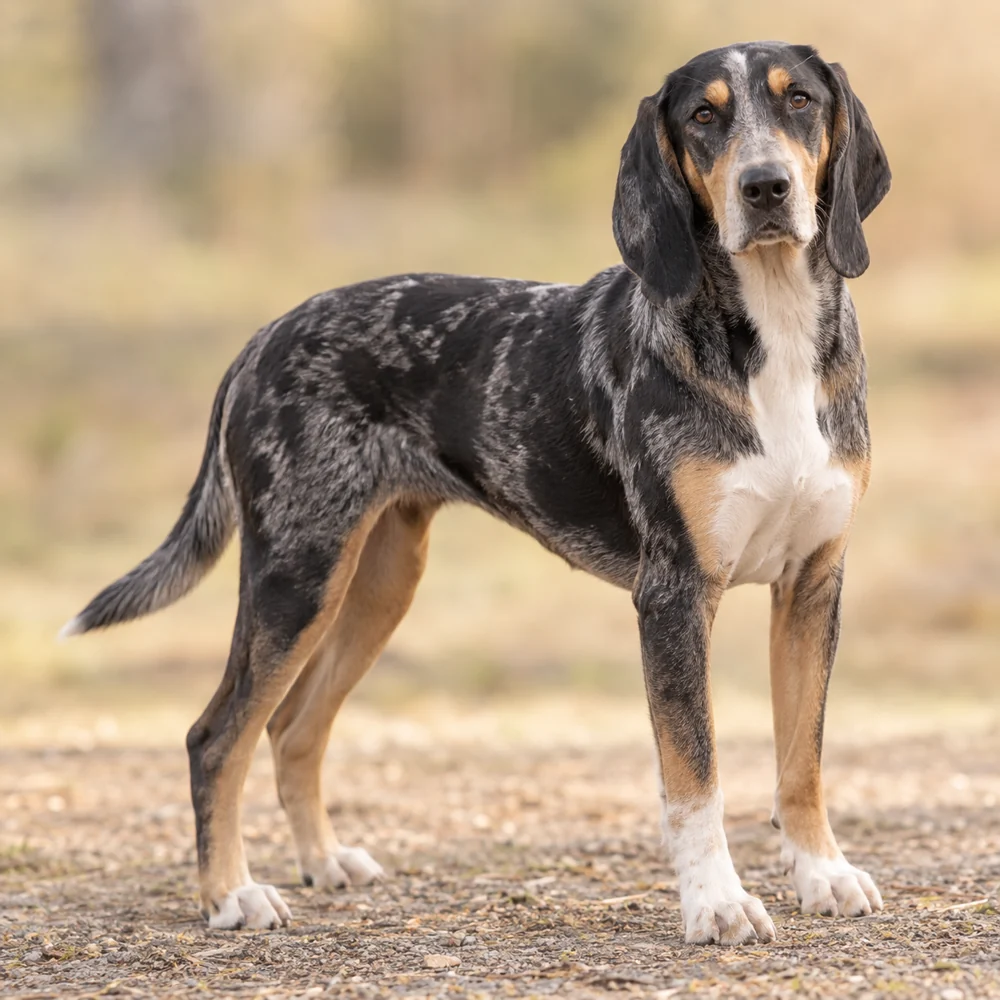
An enduring Norwegian scenthound in either of two accepted colour patterns.
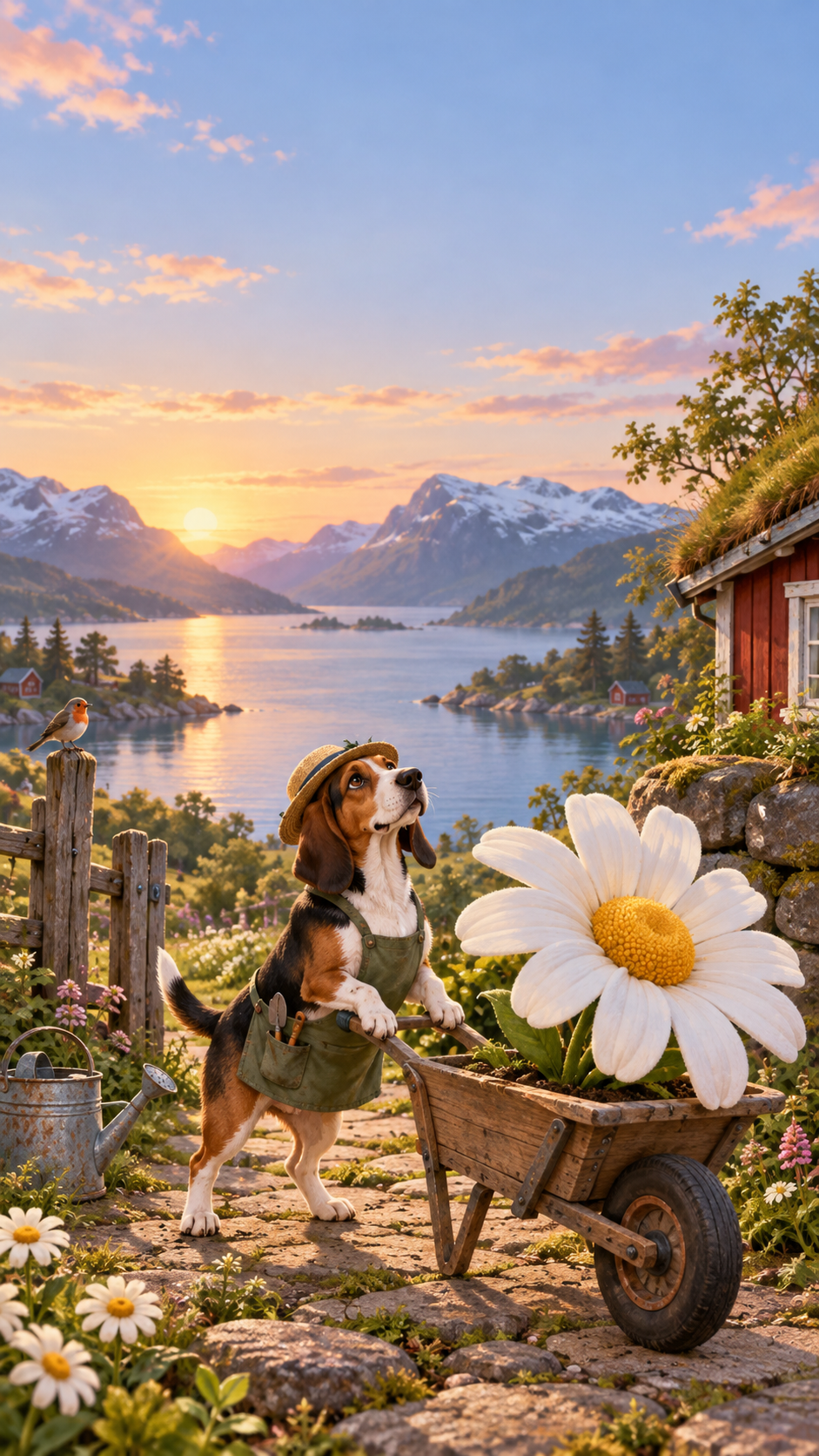
AI-generated realistic breed image, for visual reference.
This Norwegian Hound page is still waiting for a voice. Live with a Norwegian Hound? Share a natural bark, howl or whine and let others hear a little of your dog’s everyday life.
If we feature your recording, we’ll credit you or your dog using the name you choose.
A 5–15 second phone recording in a quiet setting is perfect. Capture a natural moment without startling or disturbing your dog. Audio or video with sound is welcome.
Share your dog’s voice ↗[email protected]Attach your recording, breed and preferred credit. Please confirm you recorded it and allow woofmap to feature it.
Thank you for helping us build a playful Woof Planet together. Every little woof deserves to be heard.
Scent hounds and related breeds
Norwegian Hound
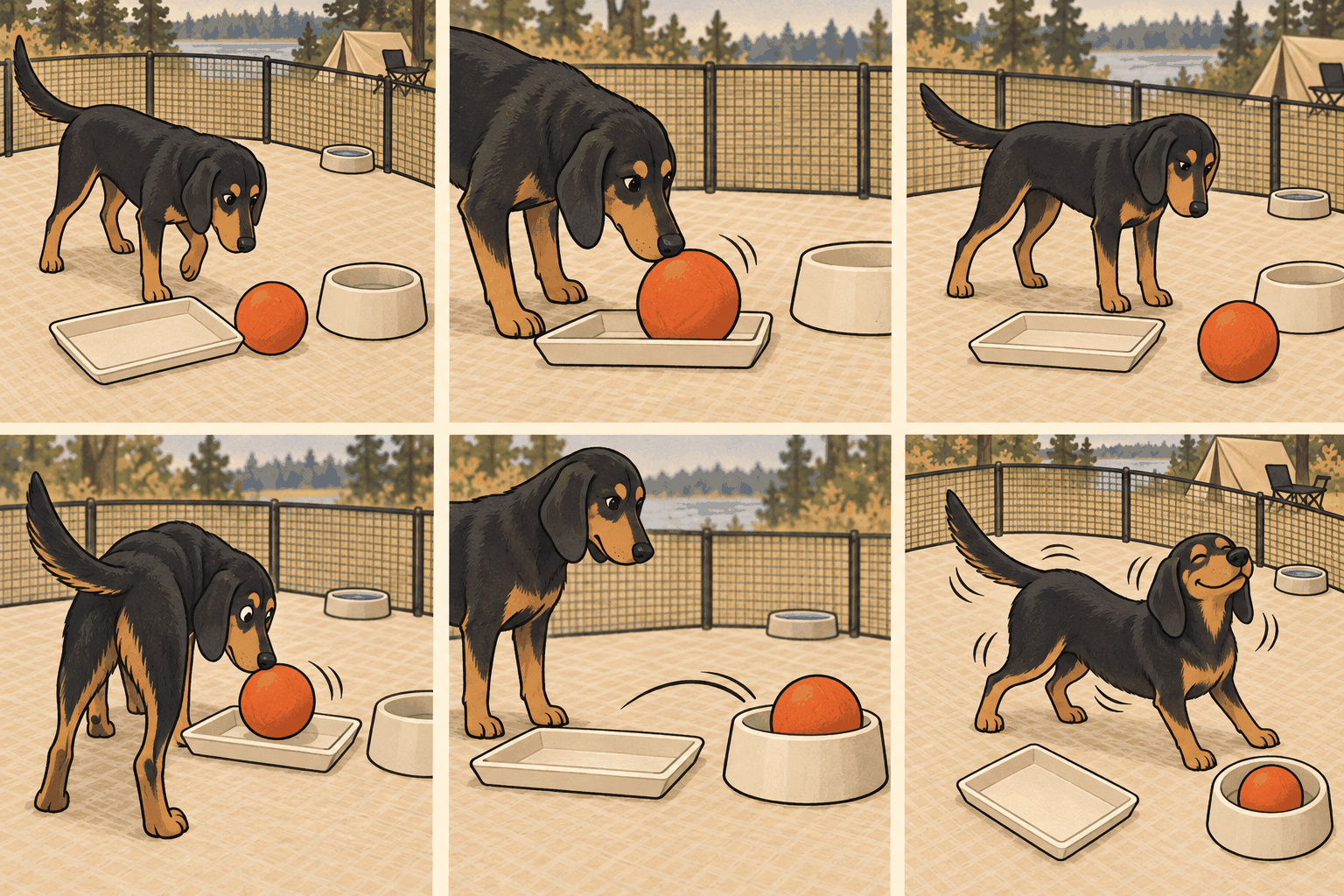
Inside a secure enclosure, a large soft ball keeps rolling out of a shallow tray. This fictional dog tries a new angle and finally finds a parking solution.
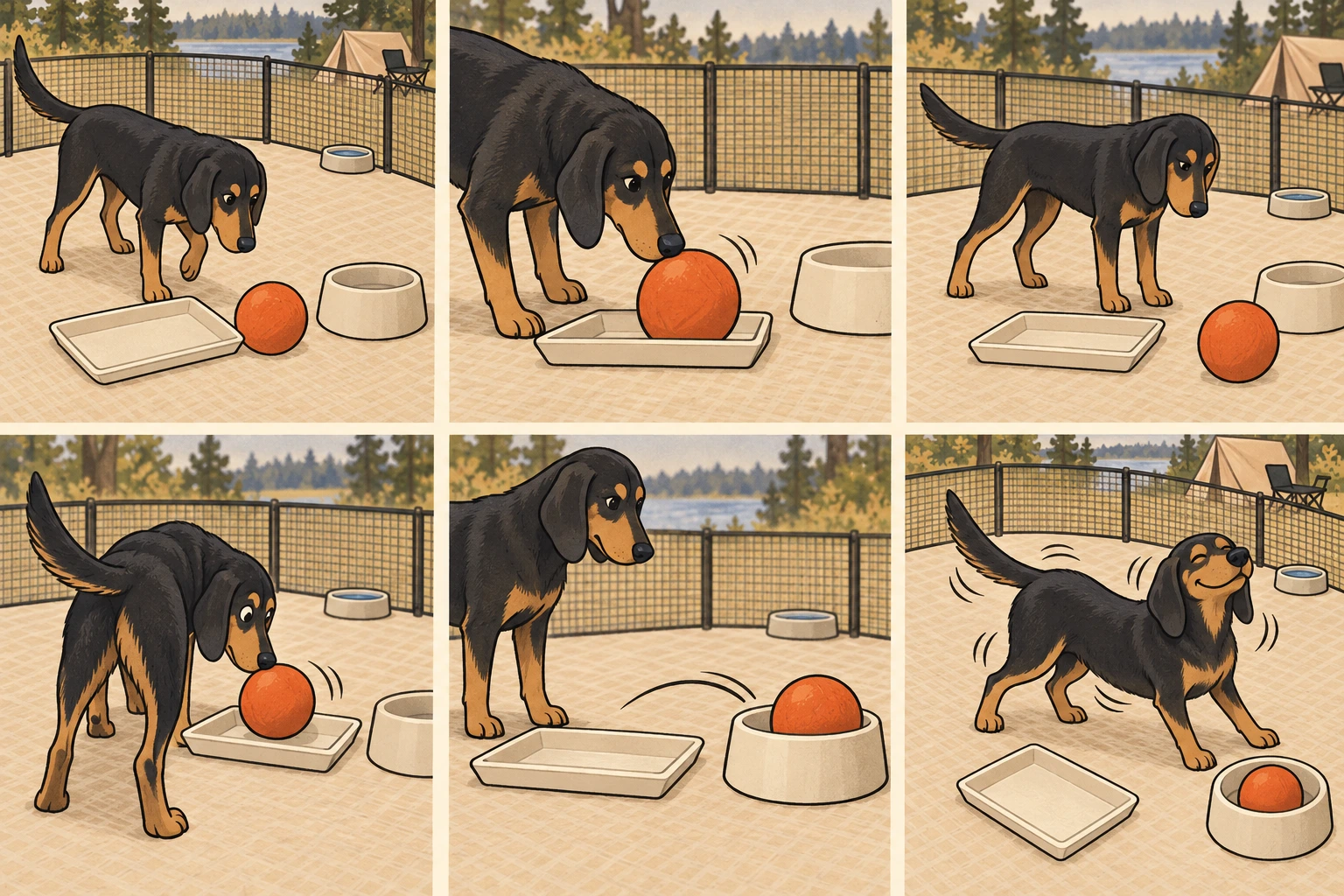
The breed is named for Norwegian captain Wilhelm Conrad Dunker, who developed it from several scenthound breeds in the first half of the 19th century. Local hare hounds were found across Norway, and the Dunker was developed for scent work. Numbers fell during the Second World War; after a later recovery, limited crossbreeding was permitted to address close relatedness within the breed.
Medium-sized, distinctly rectangular and powerful without looking heavy; males stand 50–58 cm and females 47–54 cm at the withers. The ears hang flat against the head, while the tapering tail curves slightly upward and reaches about the hock.
Look for a medium-sized, rectangular hound that is strong rather than heavy, with flat-hanging ears and a long, gently upcurved tail. The standard describes both diluted black with tan and blue merle with pale tan and white; merling or wall eyes alone do not identify the breed.
The standard describes a steady-nerved, sociable and trusting hound that combines hunting and companion qualities. Its open nature can help with reward-based training, but scent work remains part of its character, so practise recall and self-control; individuals vary in their responses to people and surroundings.
Brush the dense coat regularly, and check ears, paws and between the toes for debris after outings. Offer walks, opportunities to sniff and gradually taught scent games to engage its working instincts. Use reward-based training for recall, loose-leash walking and settling; use a lead or secure enclosure where tempting scents could draw it away. A home should be ready to provide activity and company while managing tracking behaviour.
Potentially, but it should not be expected to spend all its time resting indoors. Provide regular outdoor sniffing opportunities and teach household routines with positive reinforcement.
No; diluted black with tan markings is also accepted. Brush the dense coat and remove debris after outdoor activity; do not assume it is a non-shedding dog.
Practise responding to its name and returning in quiet places before adding distractions. Until its response is reliable, use a lead in open areas and reserve off-lead exploration for secure enclosures.
SOURCE NOTES
Breed traits follow the cited official standards; everyday care advice is our editorial interpretation of coat, build and working purpose.
Coat and size varieties can share a standard. The number is an archive reference, not a rarity score. An independent educational atlas, not a registry publication. Temperament varies; consult a veterinarian about health concerns.
WOOFMAP / NORWEGIAN-HOUND / LITTLE MOMENTS
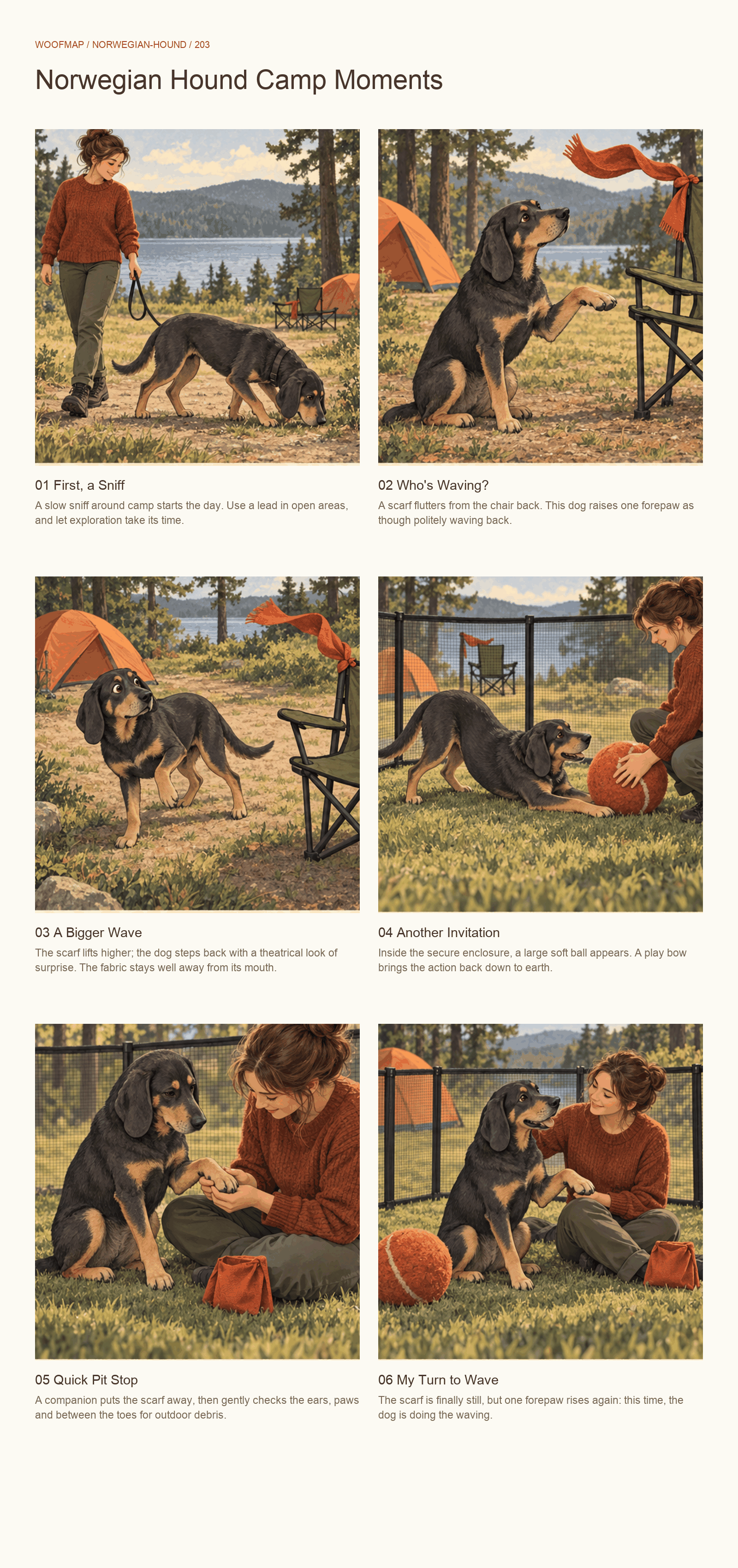
Illustrated in diluted black with tan markings, with a rectangular body, flat-hanging ears and a gently upcurved, tapering tail. These campsite moods belong to one fictional dog.
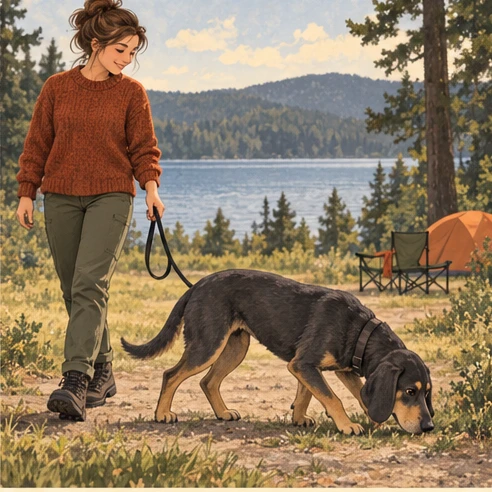
A slow sniff around camp starts the day. Use a lead in open areas, and let exploration take its time.
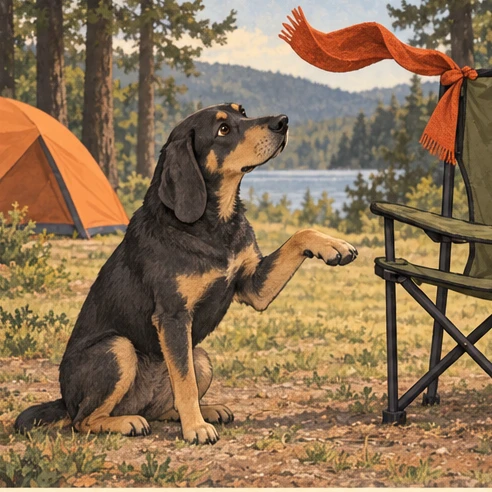
A scarf flutters from the chair back. This dog raises one forepaw as though politely waving back.
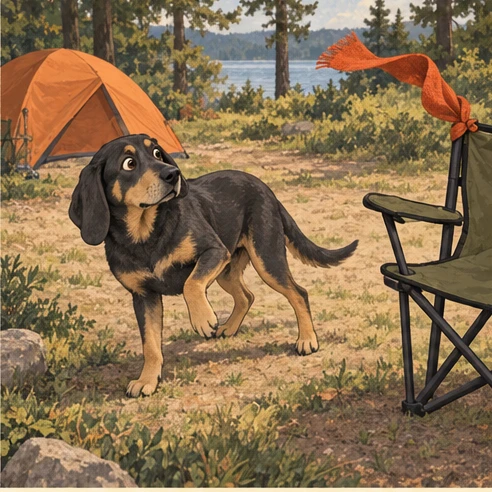
The scarf lifts higher; the dog steps back with a theatrical look of surprise. The fabric stays well away from its mouth.
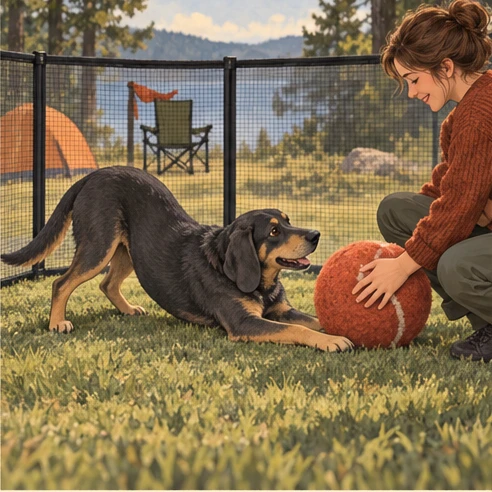
Inside the secure enclosure, a large soft ball appears. A play bow brings the action back down to earth.
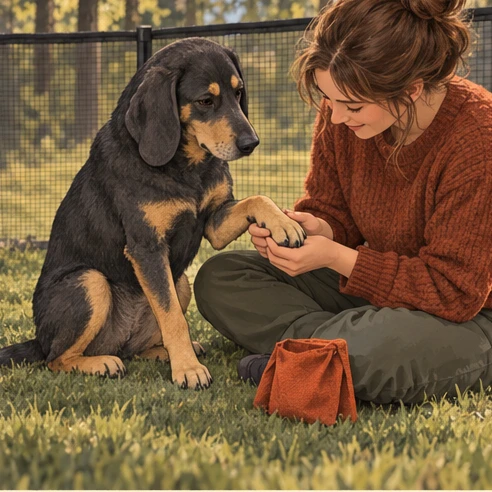
A companion puts the scarf away, then gently checks the ears, paws and between the toes for outdoor debris.
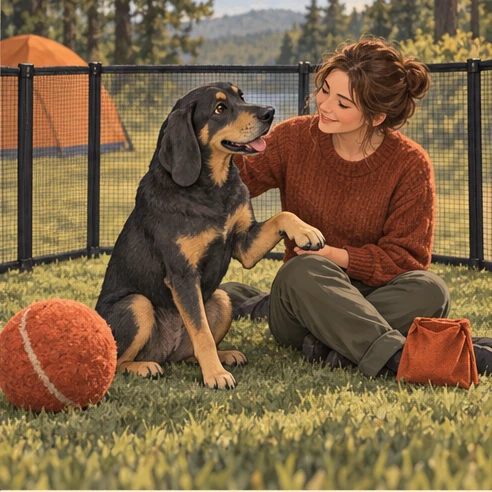
The scarf is finally still, but one forepaw rises again: this time, the dog is doing the waving.
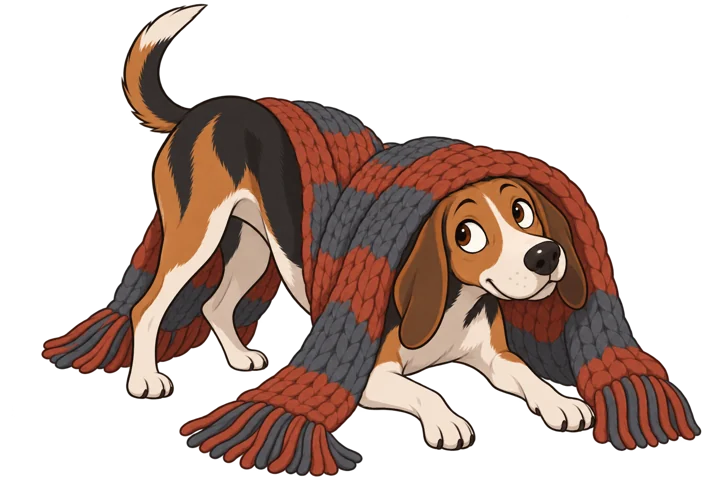
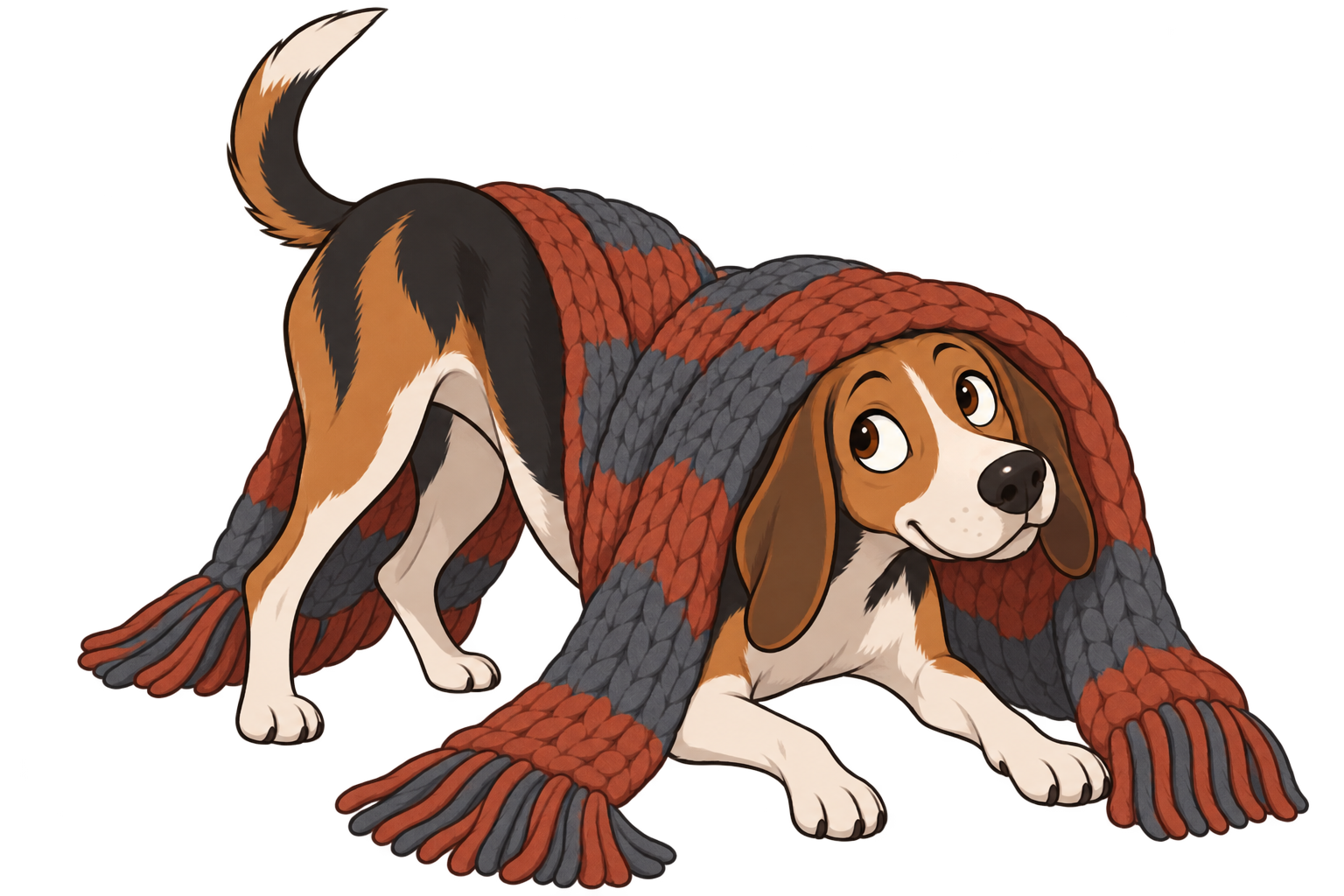
Eight transparent PNGs to save individually. Switch captions on or off for your chats.
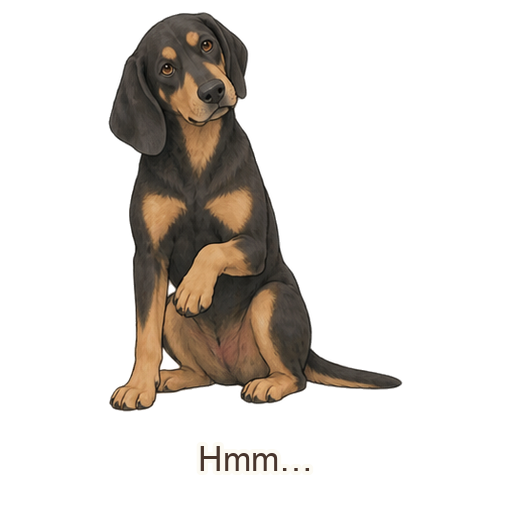 Hmm…
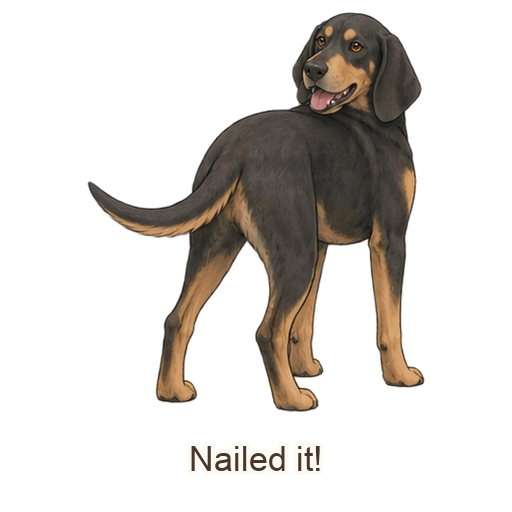 Nailed it!
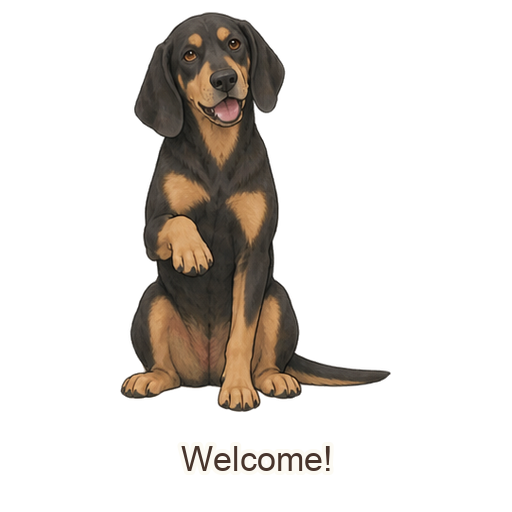 Welcome!
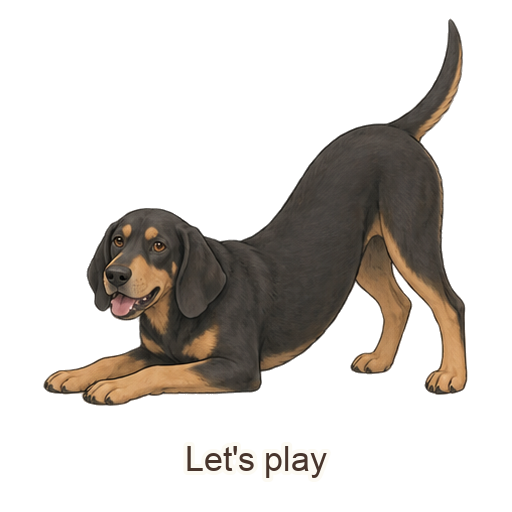 Let's play
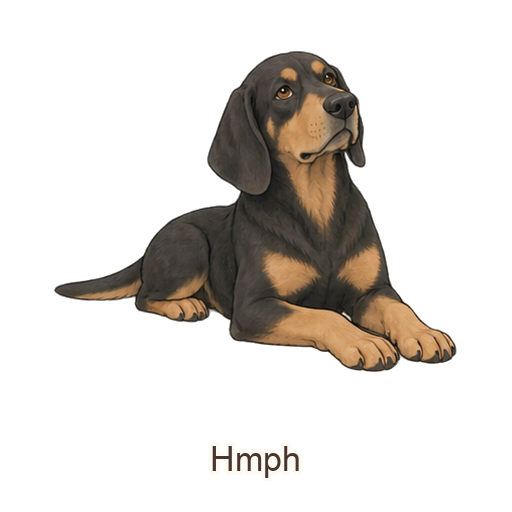 Hmph
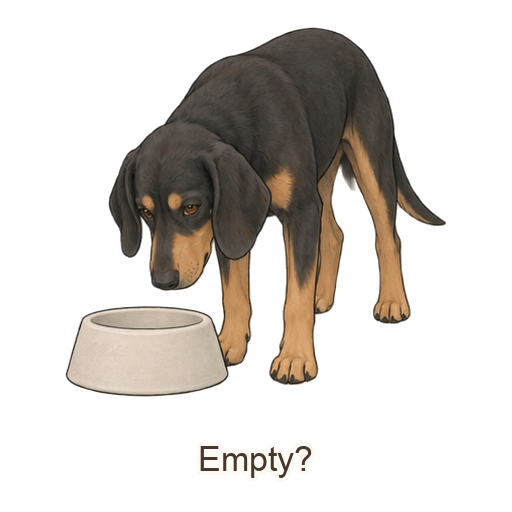 Empty?
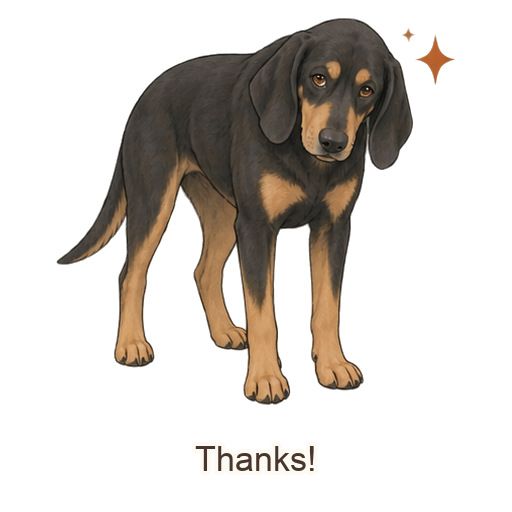 Thanks!
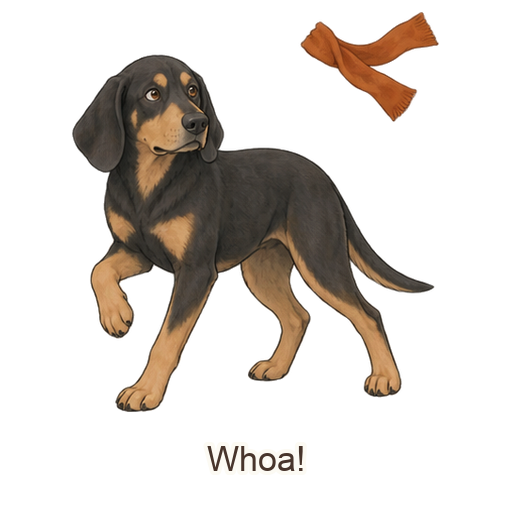 Whoa!
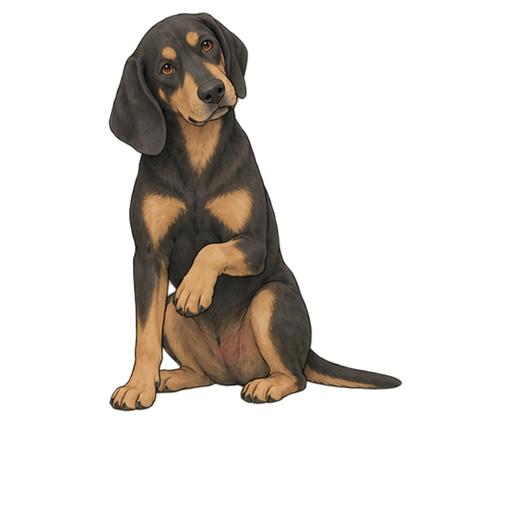 Hmm…
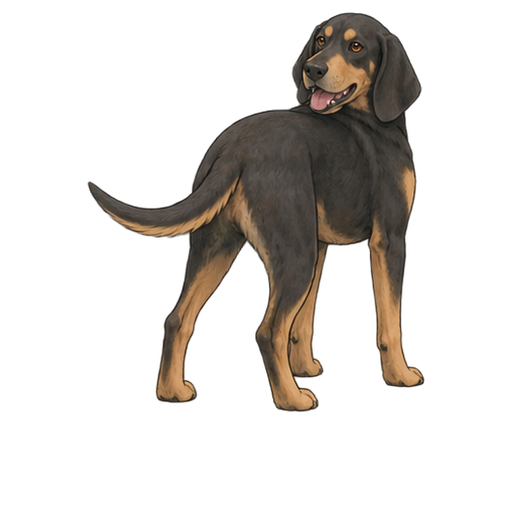 Nailed it!
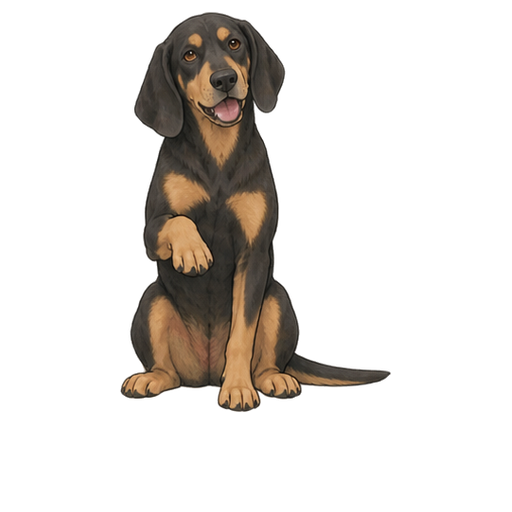 Welcome!
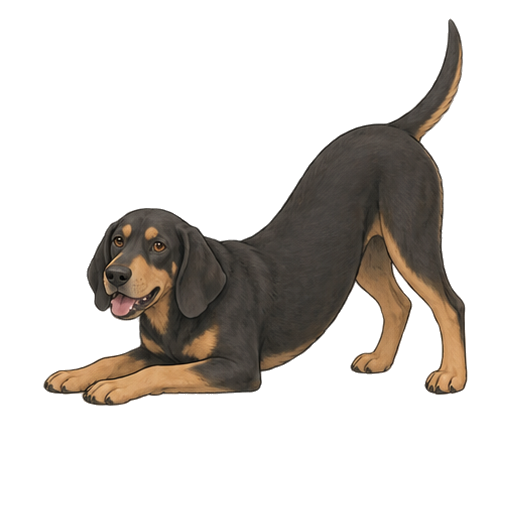 Let's play
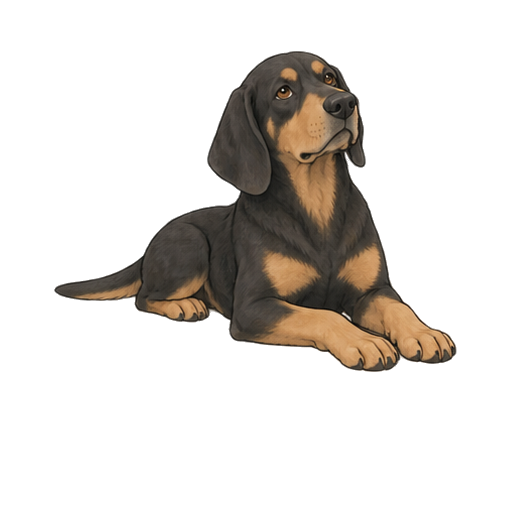 Hmph
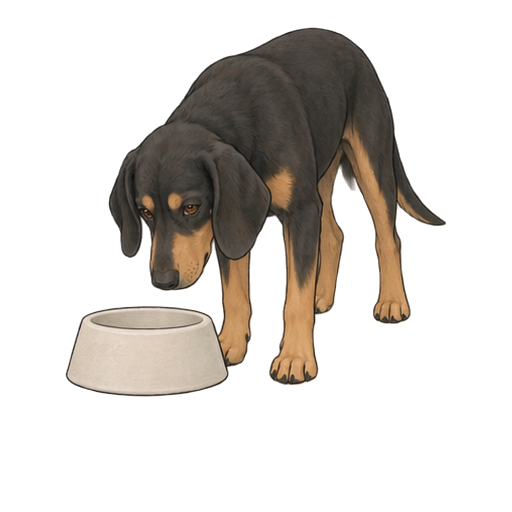 Empty?
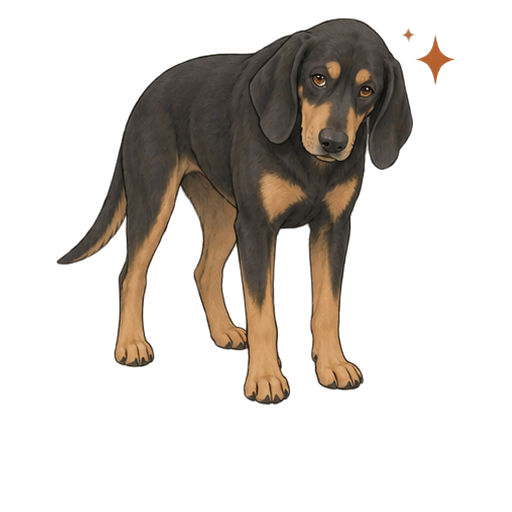 Thanks!
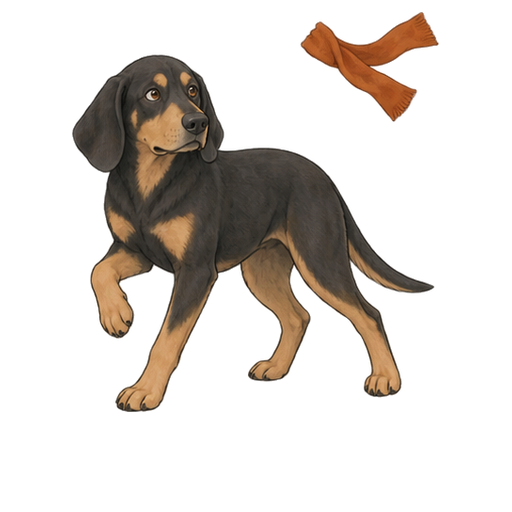 Whoa!
Original woofmap artwork, assisted by GPT Image 2. Free for personal chats and non-commercial sharing with credit to woofmap.com. Fictional moods do not predict every dog’s temperament; see this page’s factual sources.
Combine the available parts, choose a name and take a little joy home.
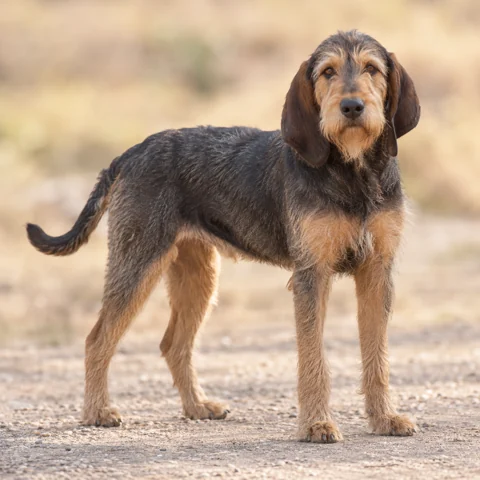 AI realistic image
Scent hounds and related breeds
Griffon Nivernais
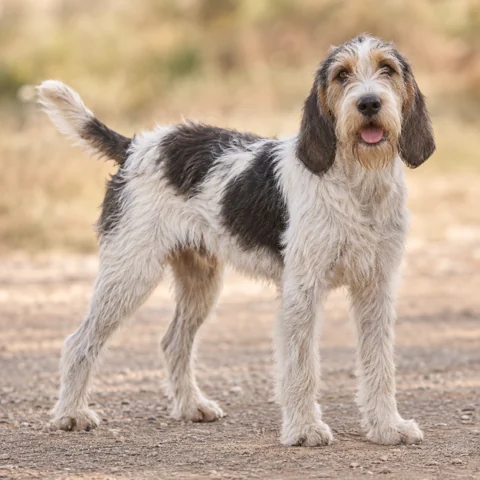 AI realistic image
Scent hounds and related breeds
Briquet Griffon Vendeen
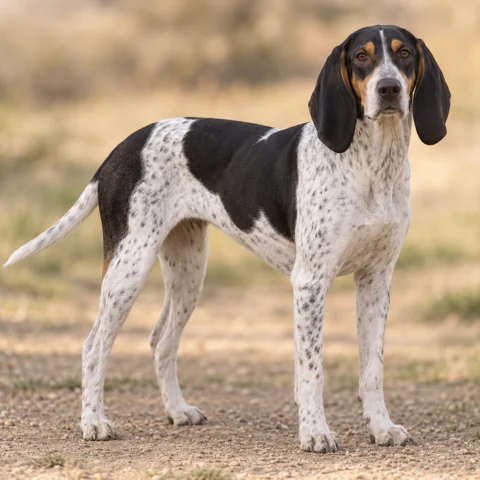 AI realistic image
Scent hounds and related breeds
Ariegeois