WOOFMAP · CANINE ARCHIVENO. 016
Sheepdogs and cattle dogs
Old English Sheepdog
Old English Sheepdog
✳ woofmap.comGreat Britain
WOOFMAP · CANINE ARCHIVE · NO. 016
Old English Sheepdog
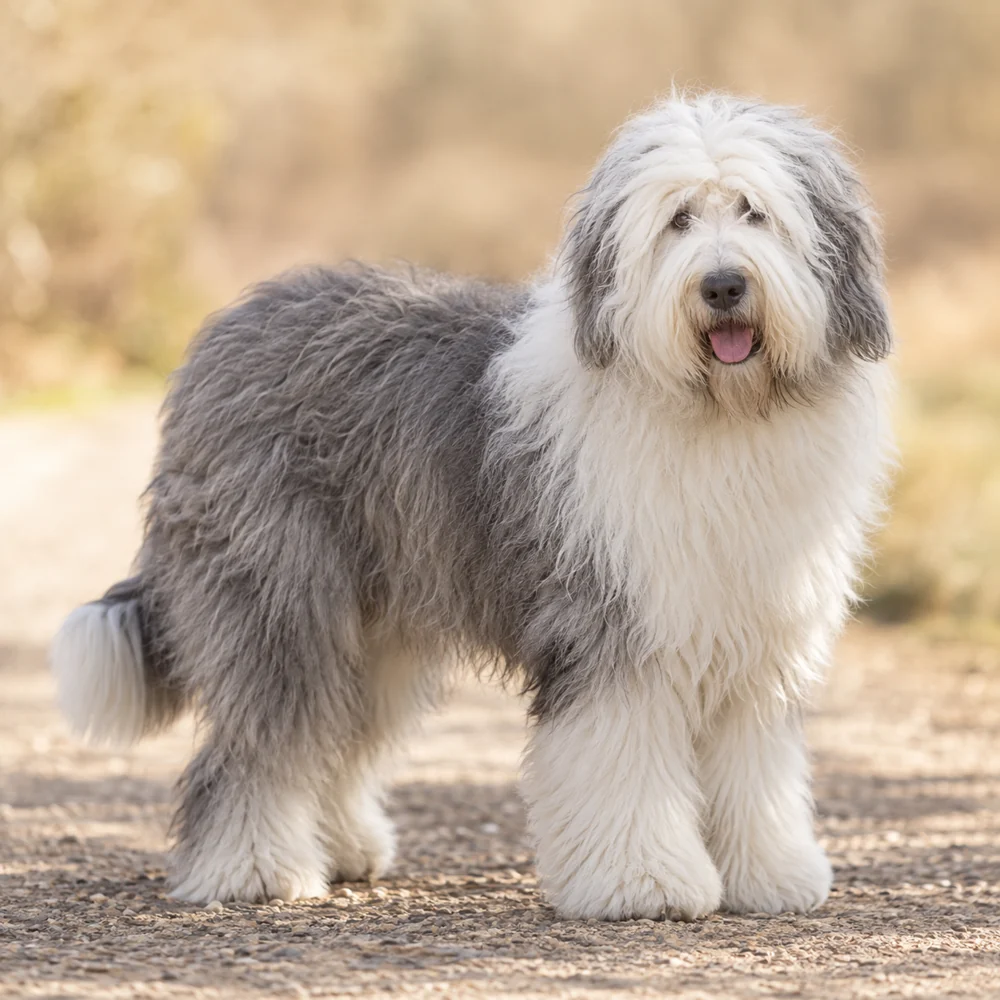
Beneath the shaggy coat is a sturdy sheepdog with a distinctive rolling walk.
AI-generated realistic breed image, for visual reference.
This Old English Sheepdog page is still waiting for a voice. Live with a Old English Sheepdog? Share a natural bark, howl or whine and let others hear a little of your dog’s everyday life.
If we feature your recording, we’ll credit you or your dog using the name you choose.
A 5–15 second phone recording in a quiet setting is perfect. Capture a natural moment without startling or disturbing your dog. Audio or video with sound is welcome.
Share your dog’s voice ↗[email protected]Attach your recording, breed and preferred credit. Please confirm you recorded it and allow woofmap to feature it.
Thank you for helping us build a playful Woof Planet together. Every little woof deserves to be heard.
Sheepdogs and cattle dogs
Old English Sheepdog
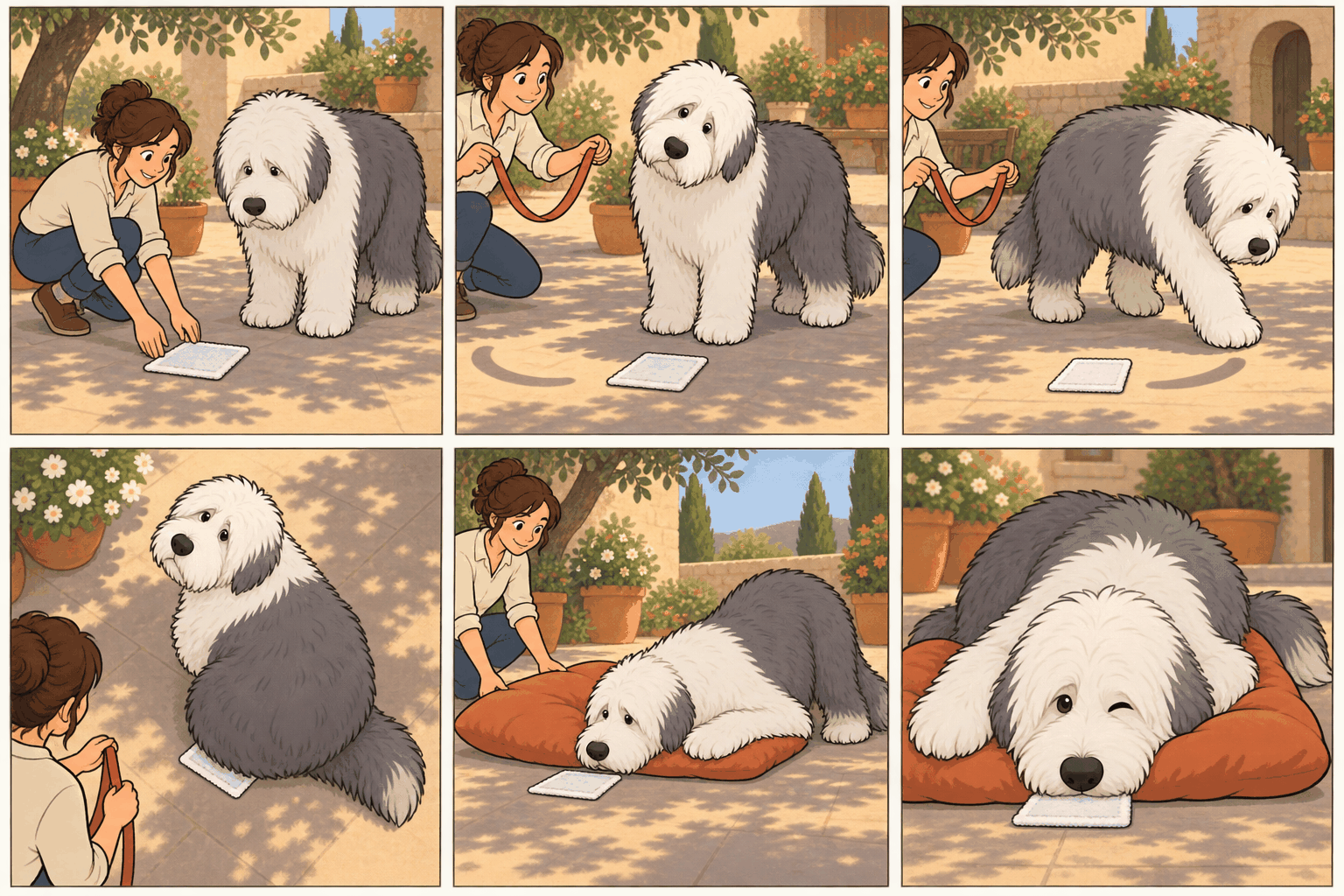
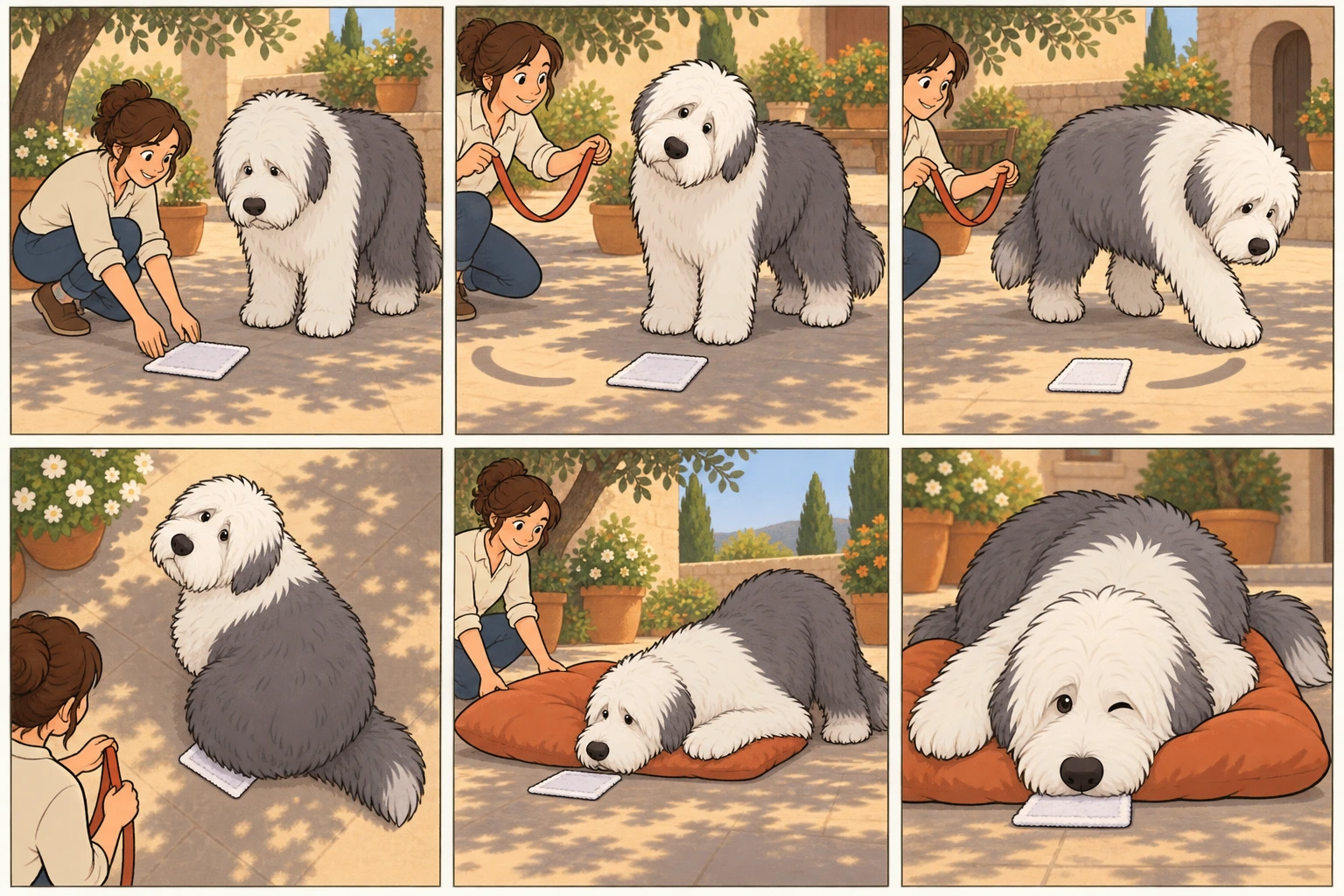
A handler-held ribbon casts a shadow, while a tiny towel becomes an ambitious seat. Six silent beats end with just one nose fitting perfectly.
The standard suggests ancestry from European shepherd dogs of Owtcharka and Bergamasco types crossed with British sheepdogs. It is now regarded as a native British breed, often called the Bob-Tail, with sheepdog work as its stated function. Its rural character, weather-resistant coat and resonant bark are also noted.
Square-looking, compact and muscular, it stands slightly higher at the loin than the withers; males measure at least 61 cm and females at least 56 cm, with no upper limit stated. Ears are small and lie flat; an undocked tail is naturally carried and heavily feathered, while natural stumpy tails and historical docking are also described.
Look for the rising topline, pear-shaped body and rolling walk, rather than shaggy hair alone. The body and hindquarters are solid grey, grizzle or blue, with optional white socks; this standard defines no separate varieties, and a full tail is consistent with it.
The standard describes a biddable, even-tempered, bold and faithful dog, without nervousness or unprovoked aggression. Build cooperation through clear routines, rewards and gradual socialization; individual temperament and responses to strangers still vary.
Brush in sections down to the roots, checking behind ears, armpits and hindquarters, and dry thoroughly after washing. Offer walks, sniffing and reward-based tasks suited to a sheepdog's stamina and learning ability. Provide room to move and teach settling, lead manners and cooperative grooming early. Manage the resonant bark and chasing without punitive methods.
It can, if the household can meet a large dog's activity, grooming and training needs. With close neighbours, teach quiet relaxation rather than relying on a garden to occupy it.
No; loose hair can remain trapped in the dense coat and contribute to mats. Thorough, regular brushing matters more than surface brushing, and the standard also calls for a natural outline.
Search games, recall practice and structured play can provide purposeful activity. If it chases children or animals, use separation and reward turning back to the handler instead of encouraging pursuit.
FCI published a revised English standard on 6 October 2026; the PDF gives 8 September 2026 as the date of the official valid standard. Use the official standard linked on this page for the full provisions. The revision explicitly excludes unlisted colours or combinations. This is a breed-standard rule, not a judgement of an individual dog’s health or value.
SOURCE NOTES
Breed traits follow the cited official standards; everyday care advice is our editorial interpretation of coat, build and working purpose.
Coat and size varieties can share a standard. The number is an archive reference, not a rarity score. An independent educational atlas, not a registry publication. Temperament varies; consult a veterinarian about health concerns.
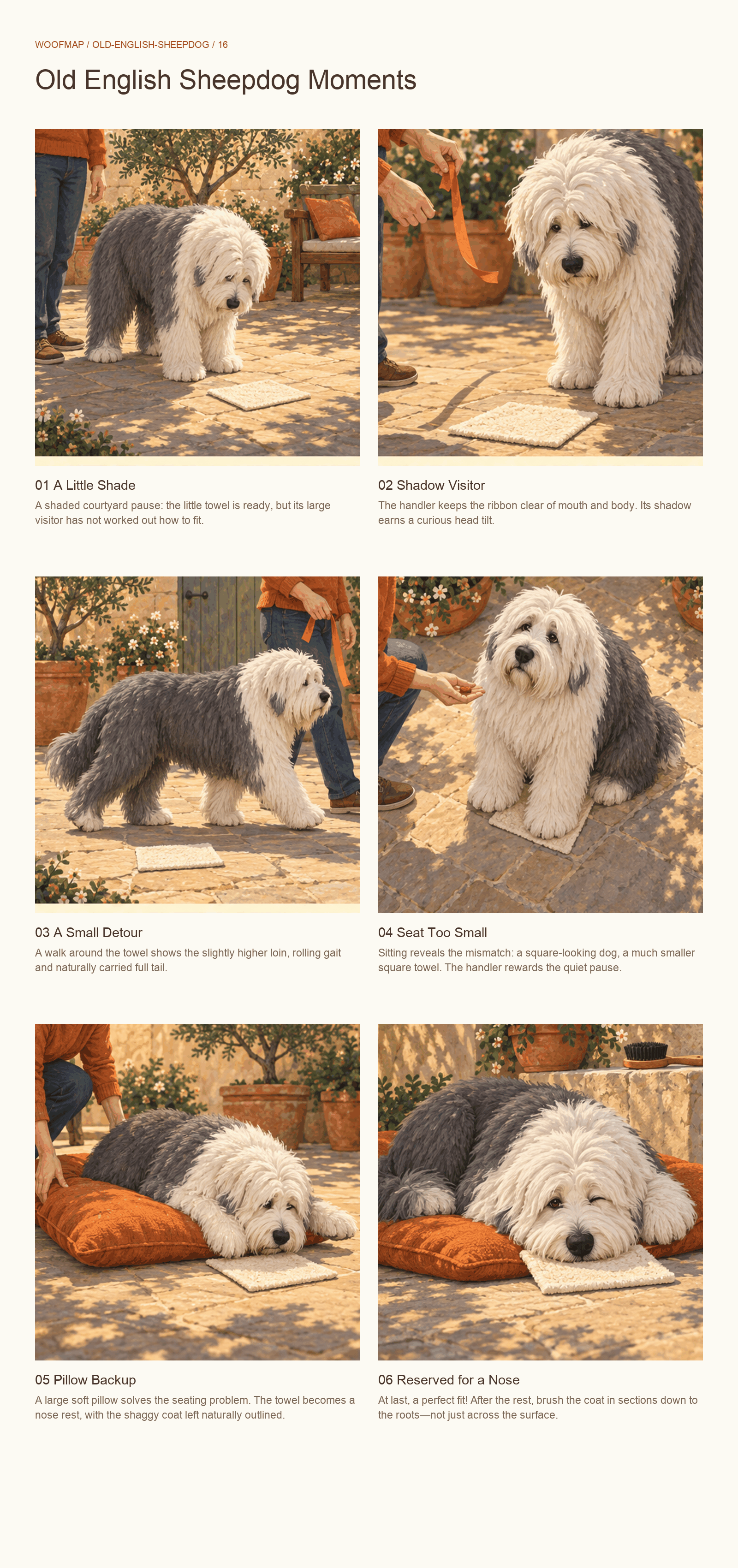
WOOFMAP / OLD-ENGLISH-SHEEPDOG / LITTLE MOMENTS
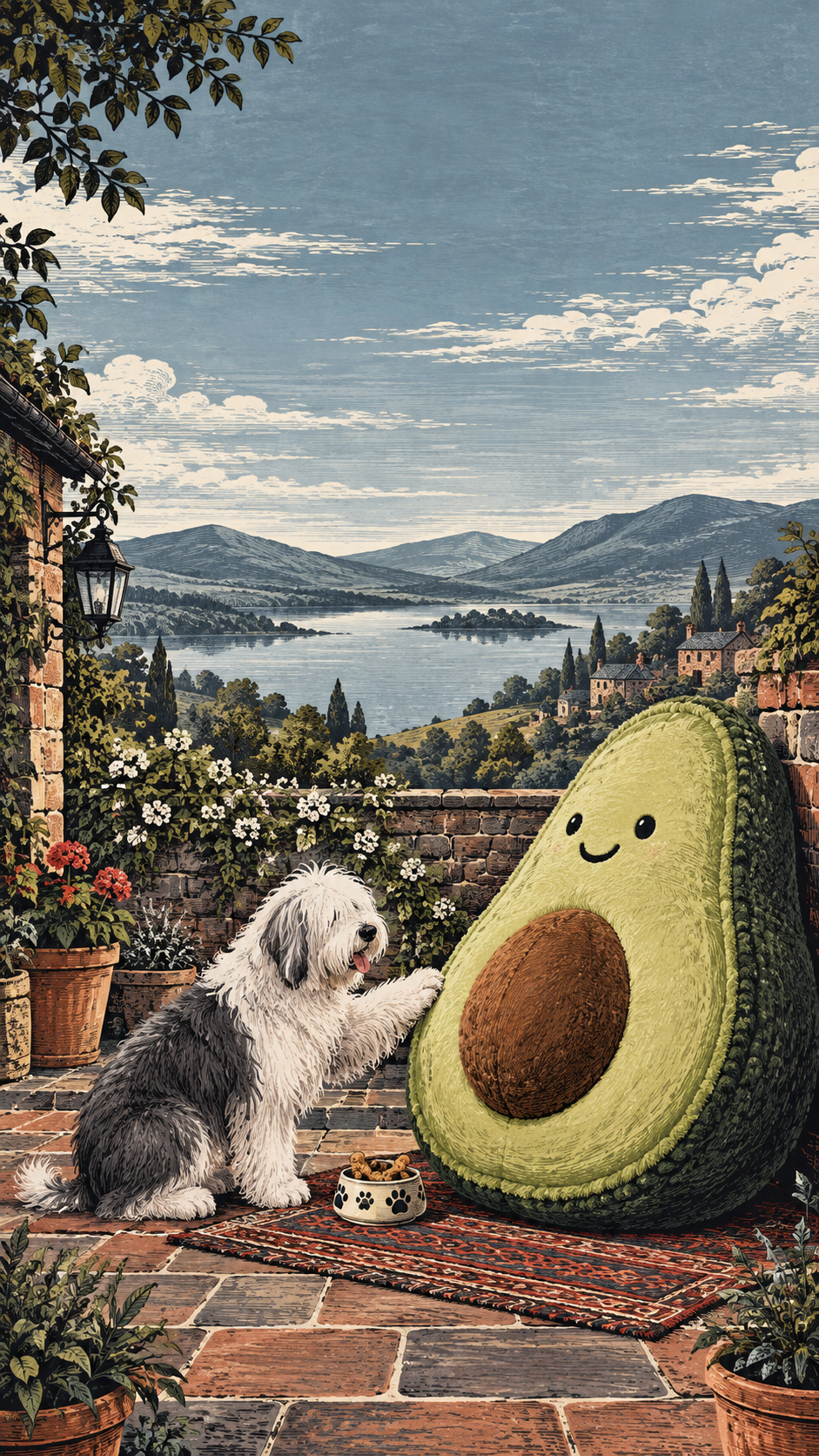
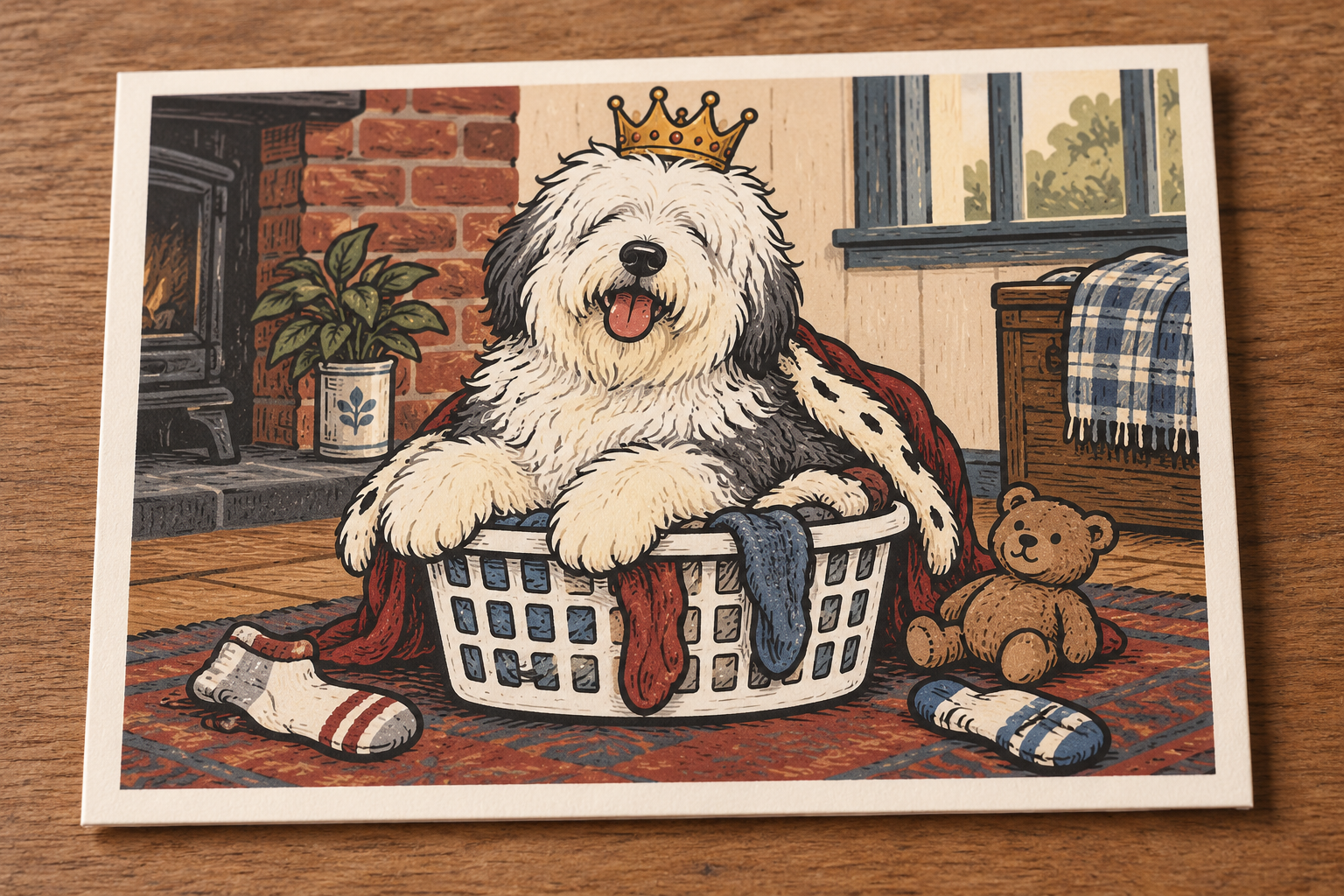
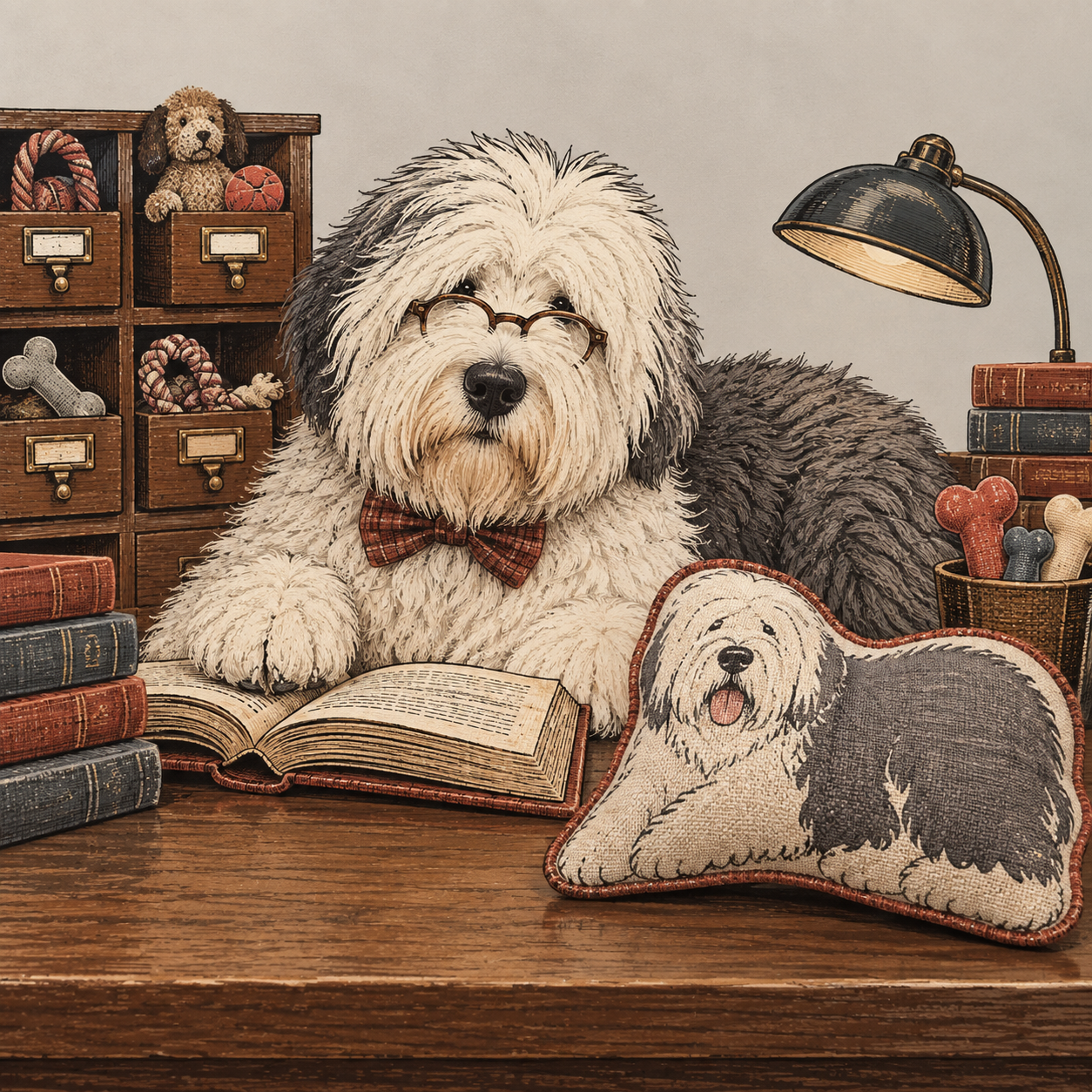
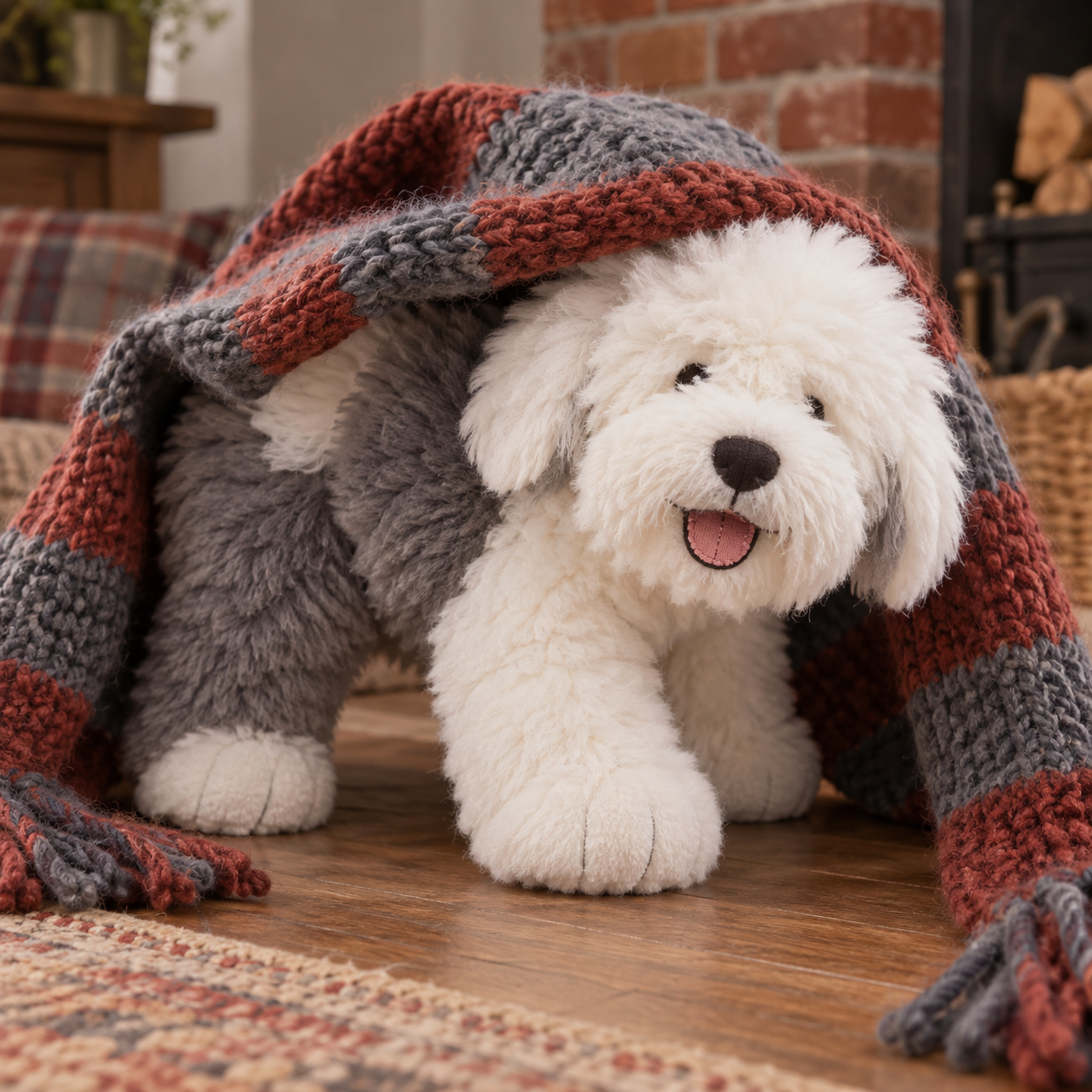
Illustrated in grey and white: solid grey body and hindquarters, white head, neck, forequarters and underbelly, dark eyes and a natural full tail. The courtyard moods belong to this fictional individual.
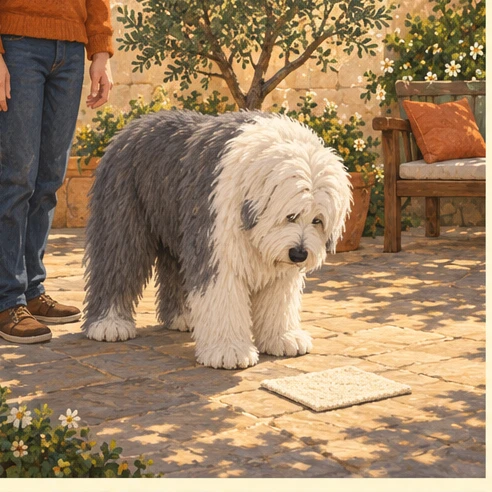
A shaded courtyard pause: the little towel is ready, but its large visitor has not worked out how to fit.
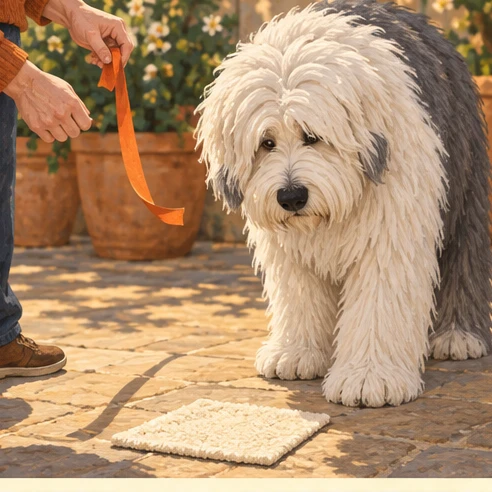
The handler keeps the ribbon clear of mouth and body. Its shadow earns a curious head tilt.
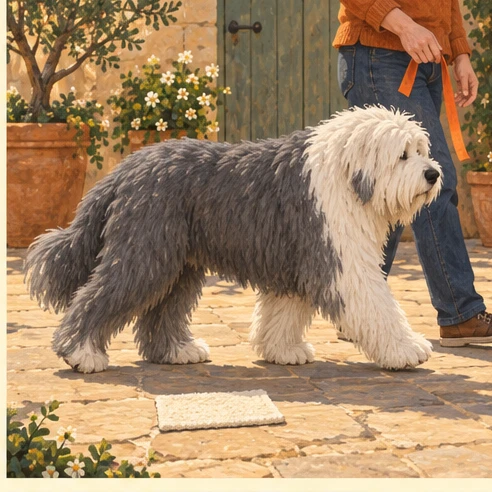
A walk around the towel shows the slightly higher loin, rolling gait and naturally carried full tail.
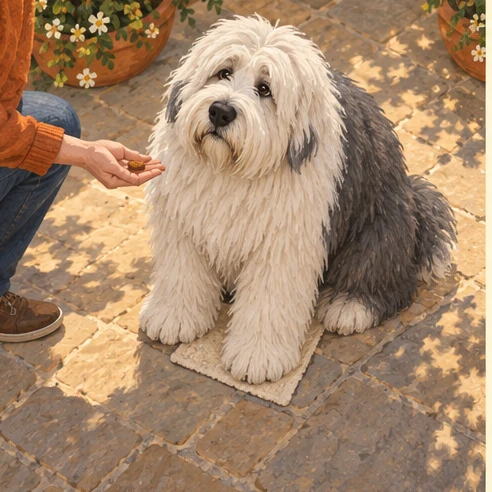
Sitting reveals the mismatch: a square-looking dog, a much smaller square towel. The handler rewards the quiet pause.
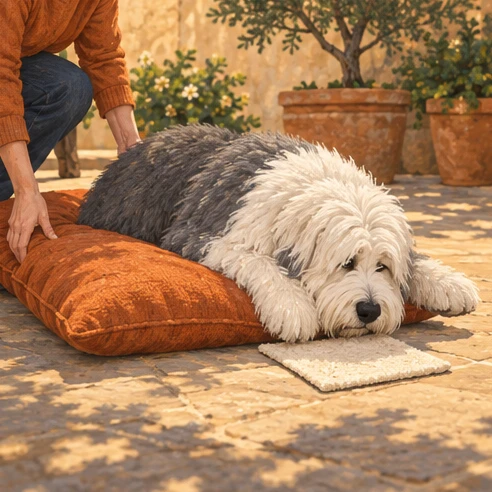
A large soft pillow solves the seating problem. The towel becomes a nose rest, with the shaggy coat left naturally outlined.
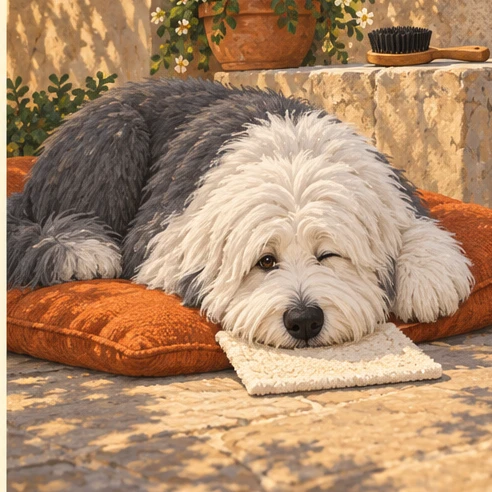
At last, a perfect fit! After the rest, brush the coat in sections down to the roots—not just across the surface.
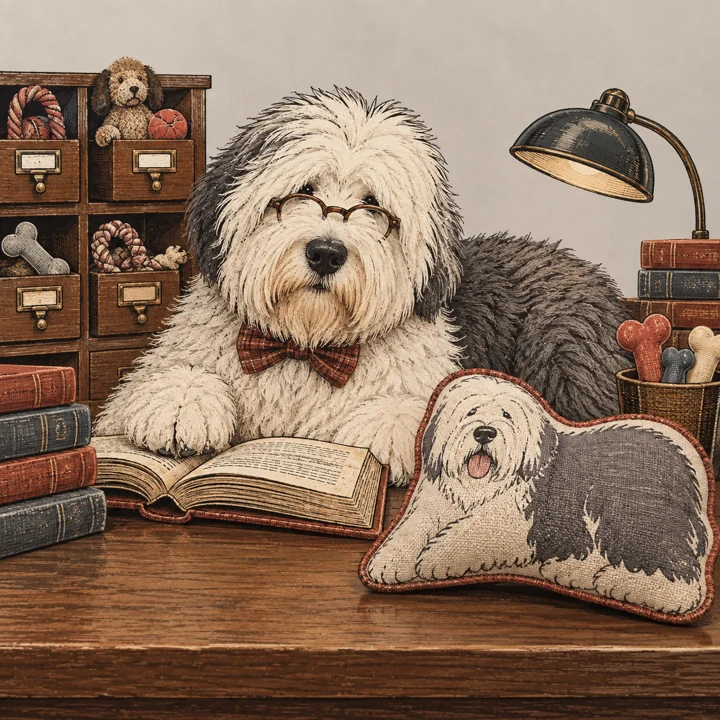
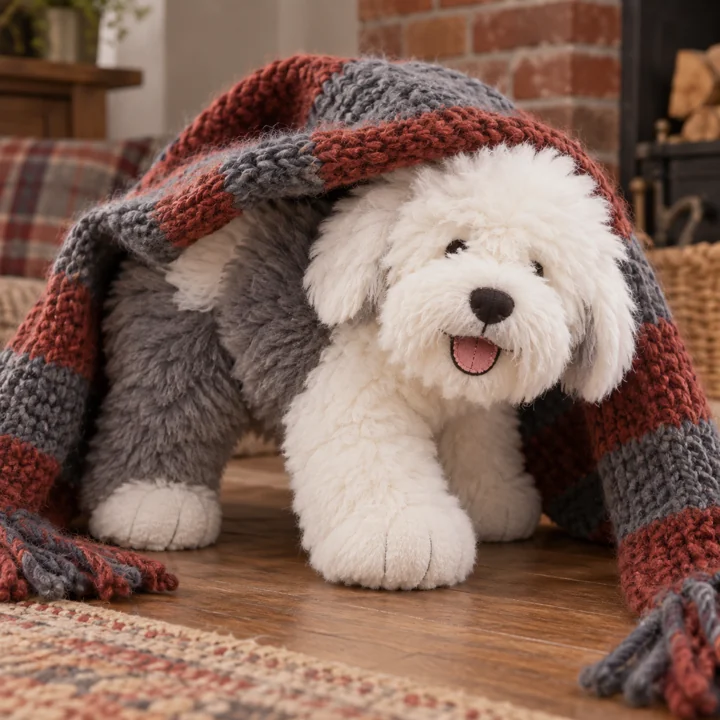
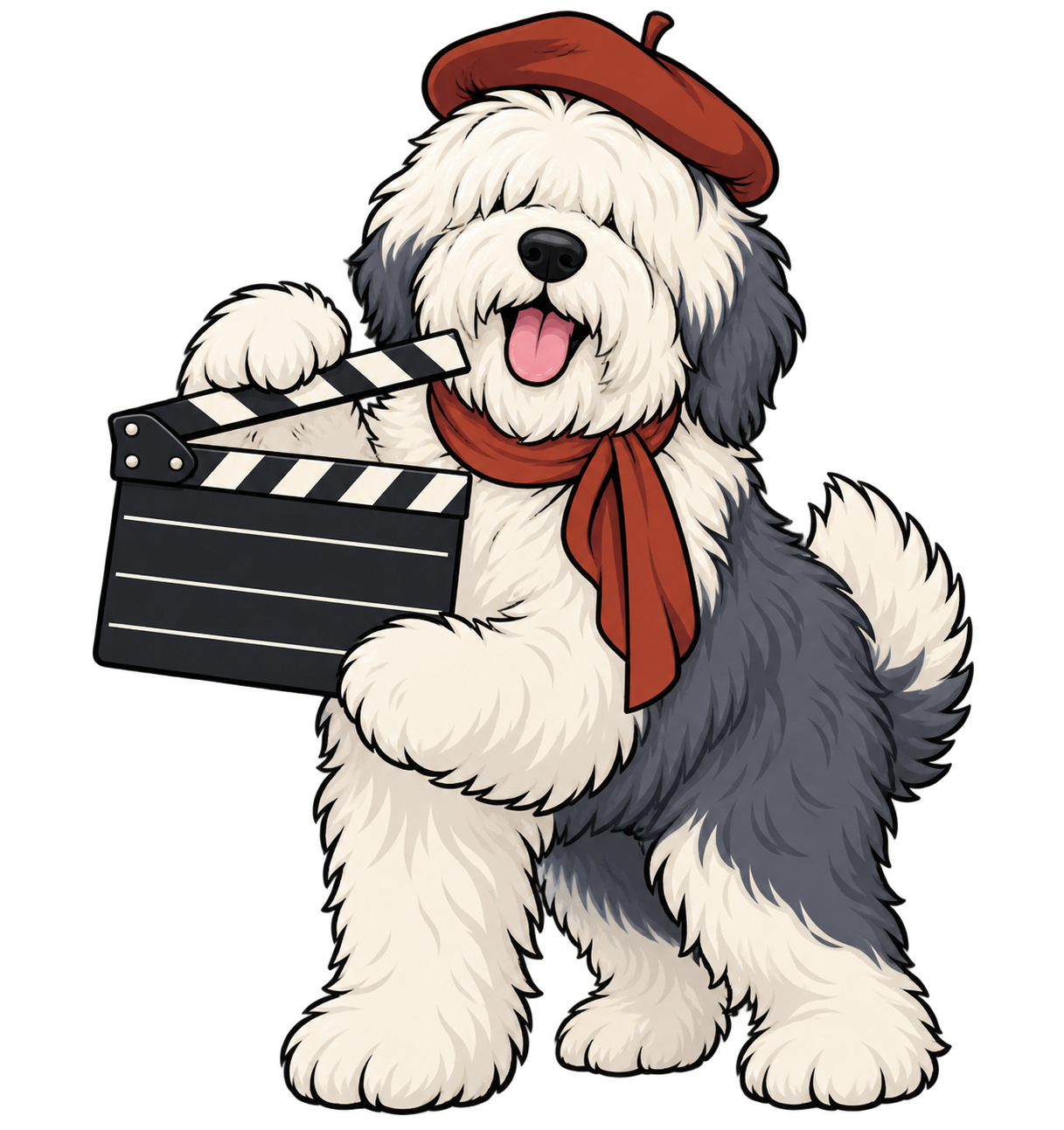
Eight transparent PNGs to save individually. Switch captions on or off for your chats.
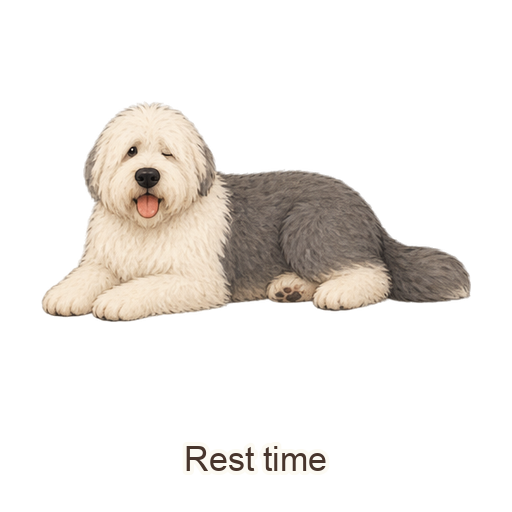 Rest time
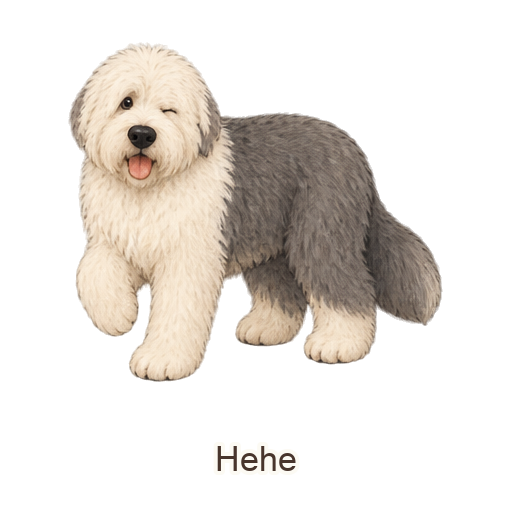 Hehe
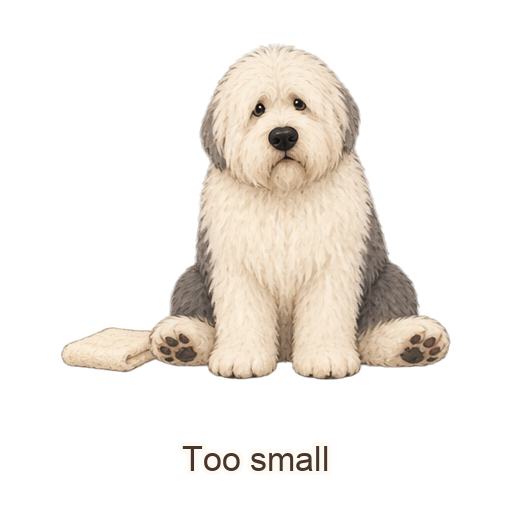 Too small
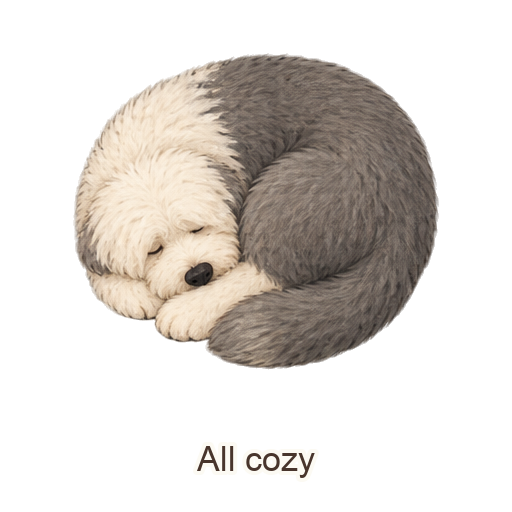 All cozy
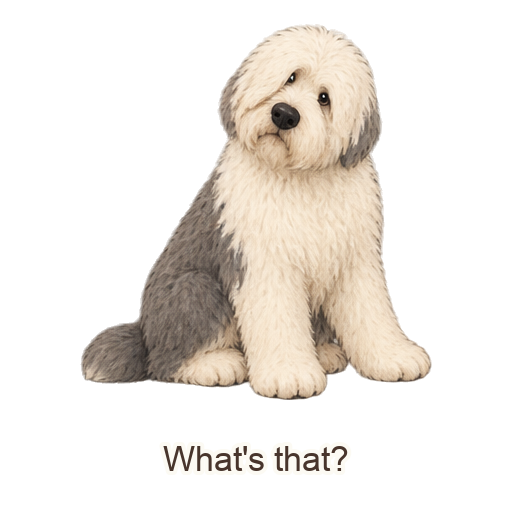 What's that?
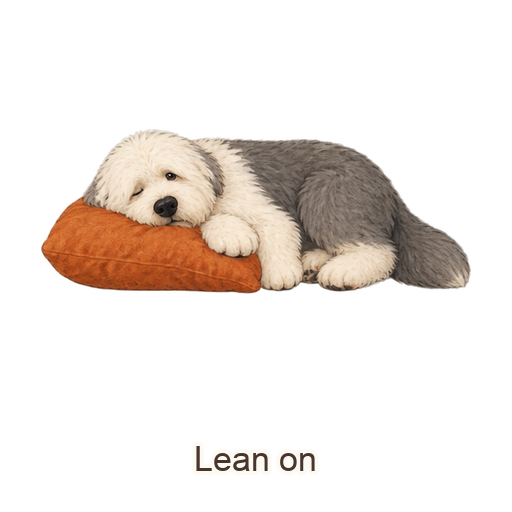 Lean on
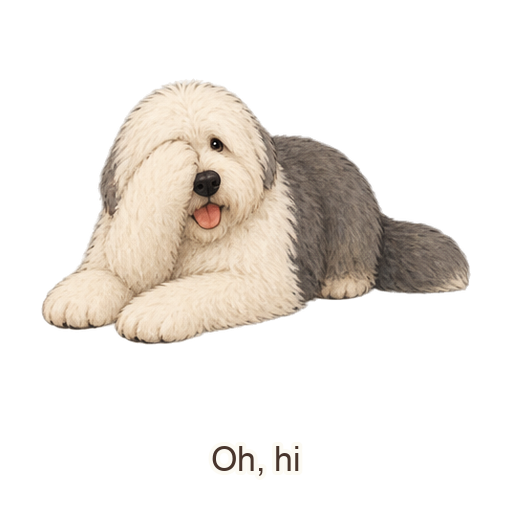 Oh, hi
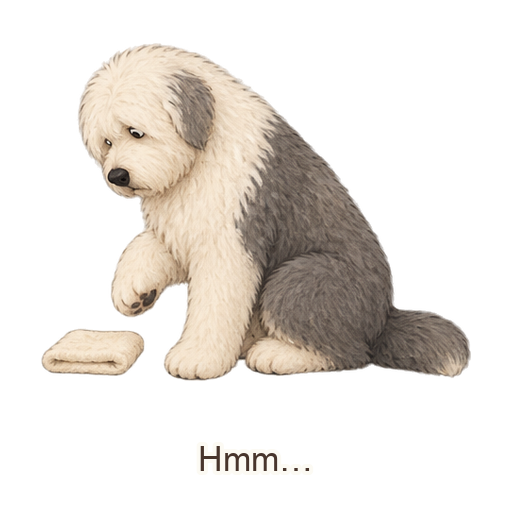 Hmm…
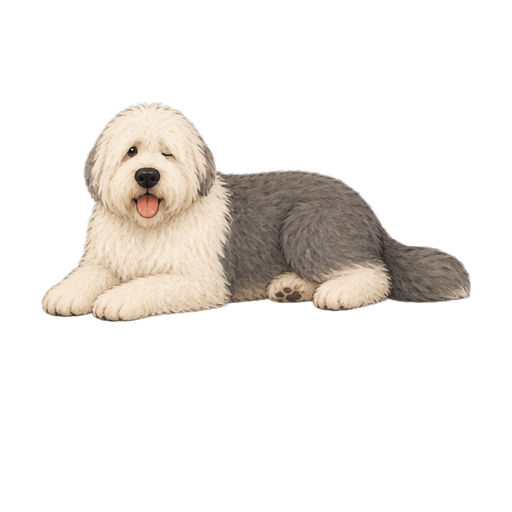 Rest time
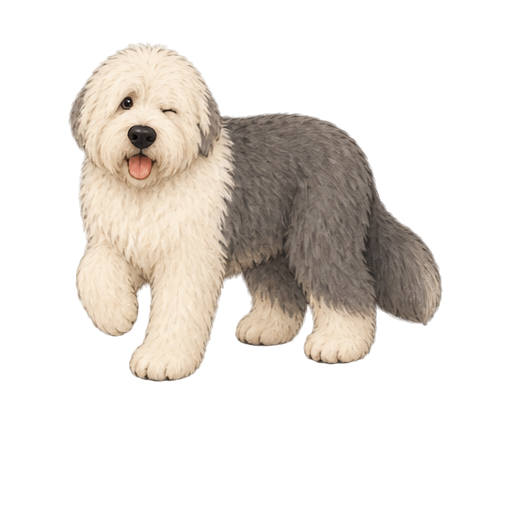 Hehe
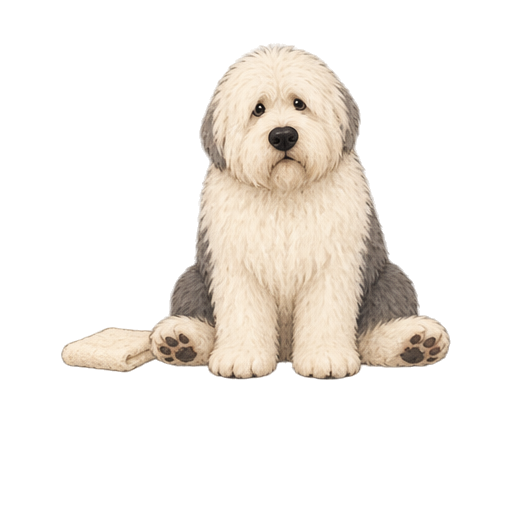 Too small
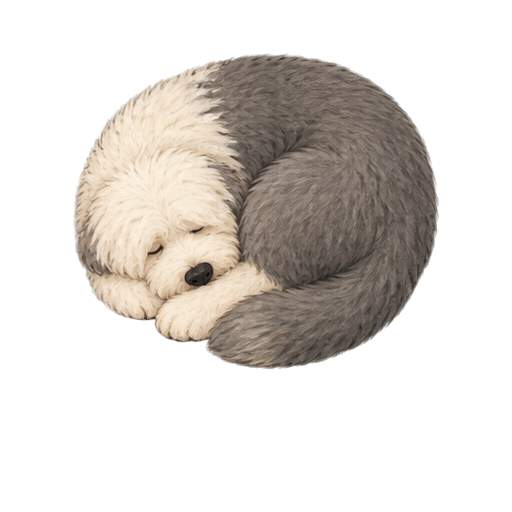 All cozy
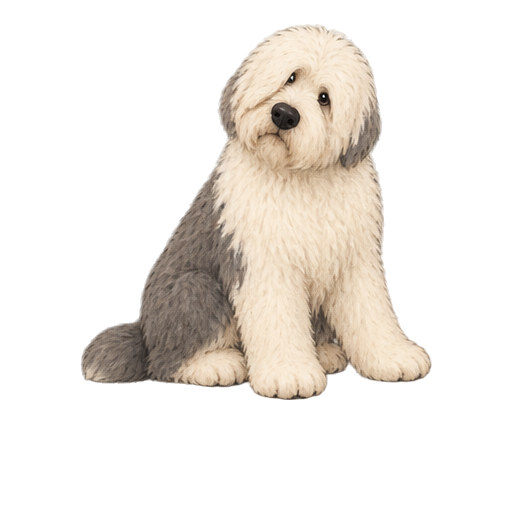 What's that?
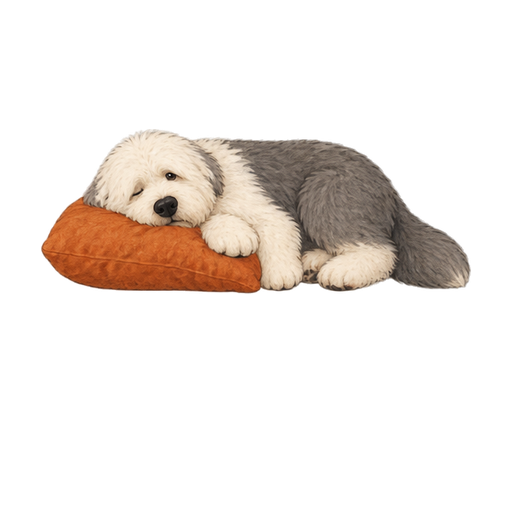 Lean on
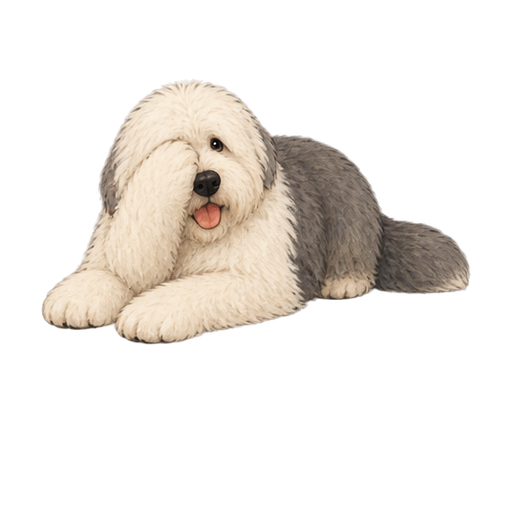 Oh, hi
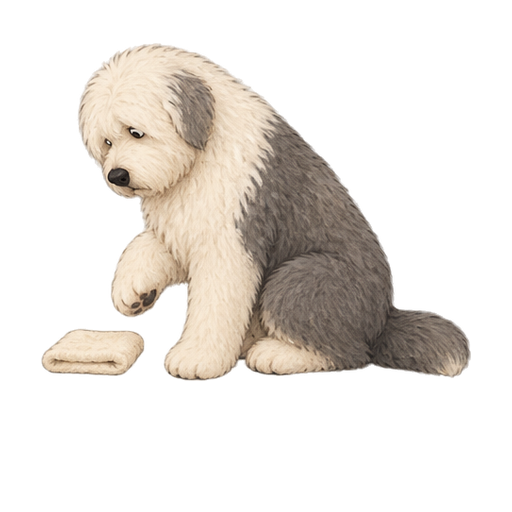 Hmm…
Original woofmap artwork, assisted by GPT Image 2. Free for personal chats and non-commercial sharing with credit to woofmap.com. Fictional moods do not predict every dog’s temperament; see this page’s factual sources.
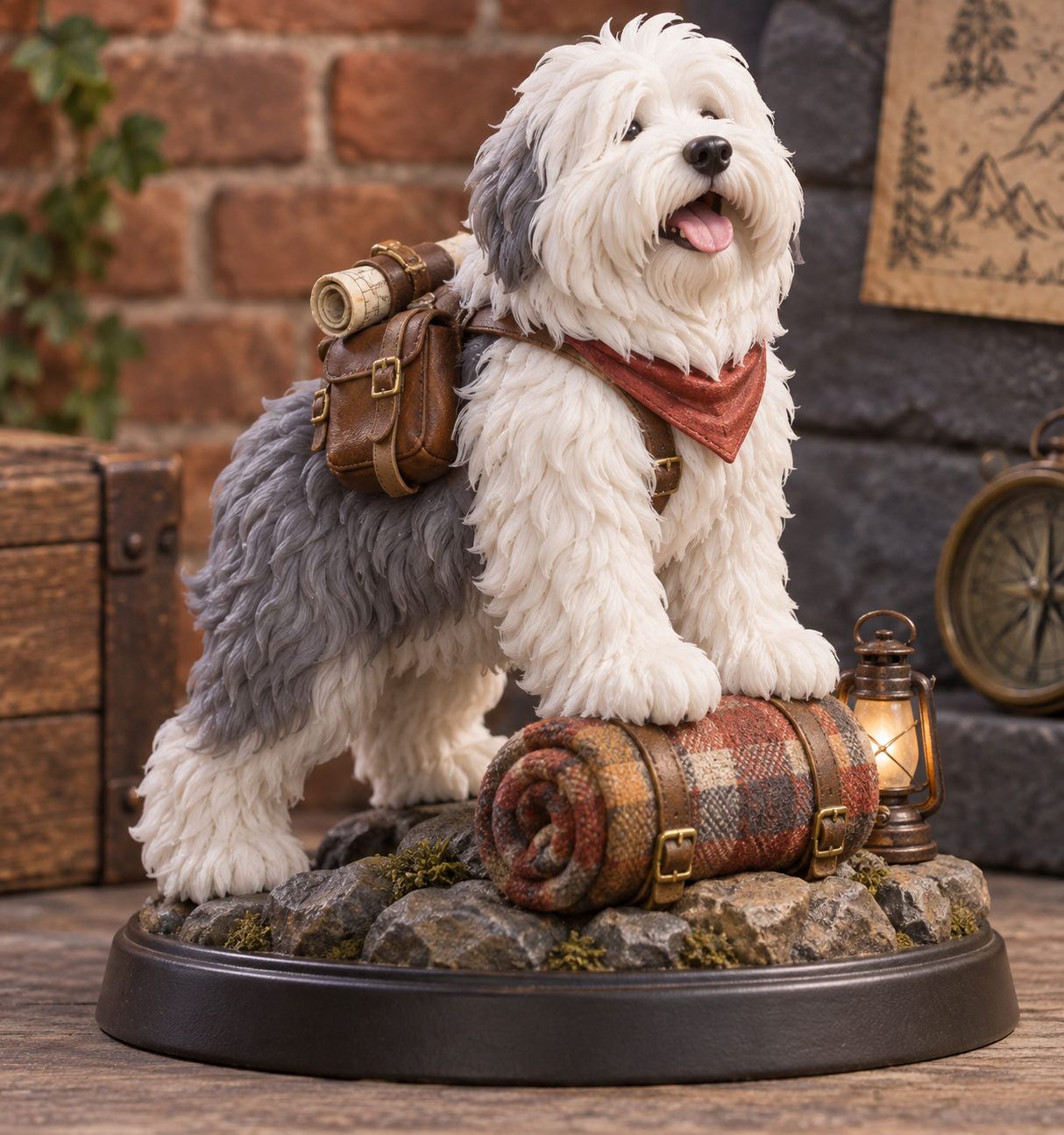
Combine the available parts, choose a name and take a little joy home.
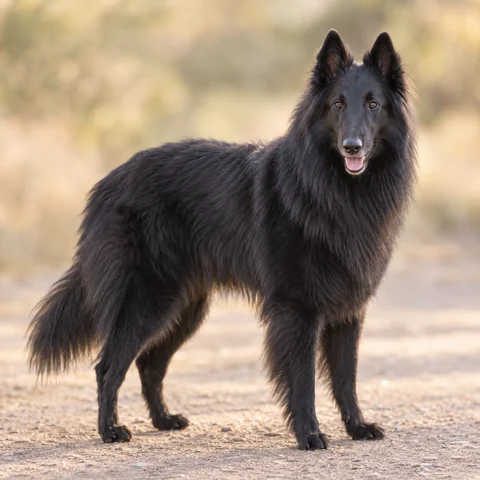 AI realistic image
Sheepdogs and cattle dogs
Belgian Shepherd Dog
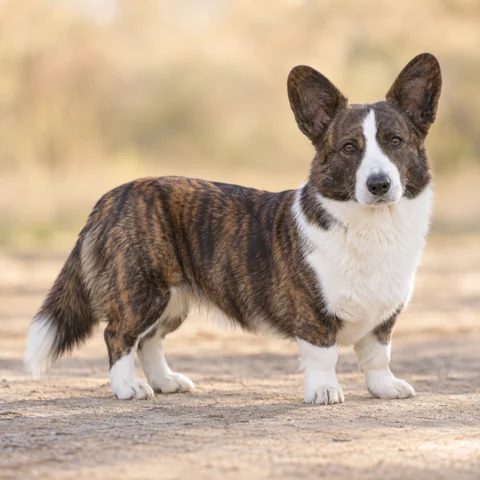 AI realistic image
Sheepdogs and cattle dogs
Welsh Corgi (Cardigan)
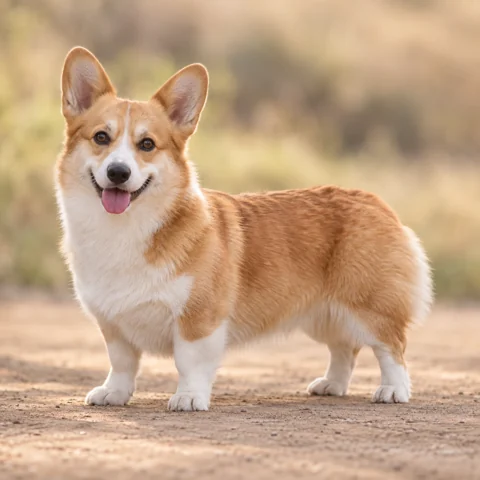 AI realistic image
Sheepdogs and cattle dogs
Welsh Corgi (Pembroke)