WOOFMAP · CANINE ARCHIVENO. 352
Companion and toy dogs
Russian Toy
Russian Toy
✳ woofmap.comRussia
WOOFMAP · CANINE ARCHIVE · NO. 352
Russian Toy
Two coats, one light-footed little companion.
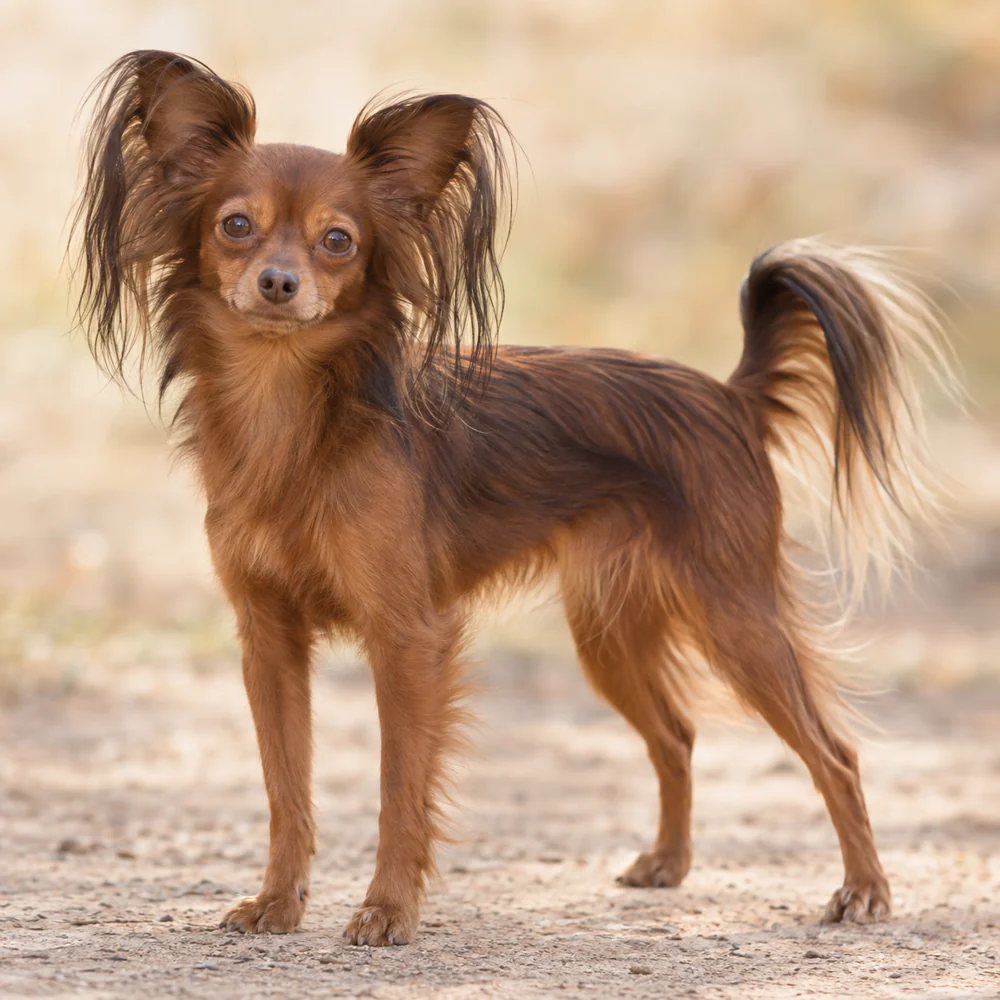
AI-generated realistic breed image, for visual reference.
This Russian Toy page is still waiting for a voice. Live with a Russian Toy? Share a natural bark, howl or whine and let others hear a little of your dog’s everyday life.
If we feature your recording, we’ll credit you or your dog using the name you choose.
A 5–15 second phone recording in a quiet setting is perfect. Capture a natural moment without startling or disturbing your dog. Audio or video with sound is welcome.
Share your dog’s voice ↗[email protected]Attach your recording, breed and preferred credit. Please confirm you recorded it and allow woofmap to feature it.
Thank you for helping us build a playful Woof Planet together. Every little woof deserves to be heard.
Companion and toy dogs
Russian Toy
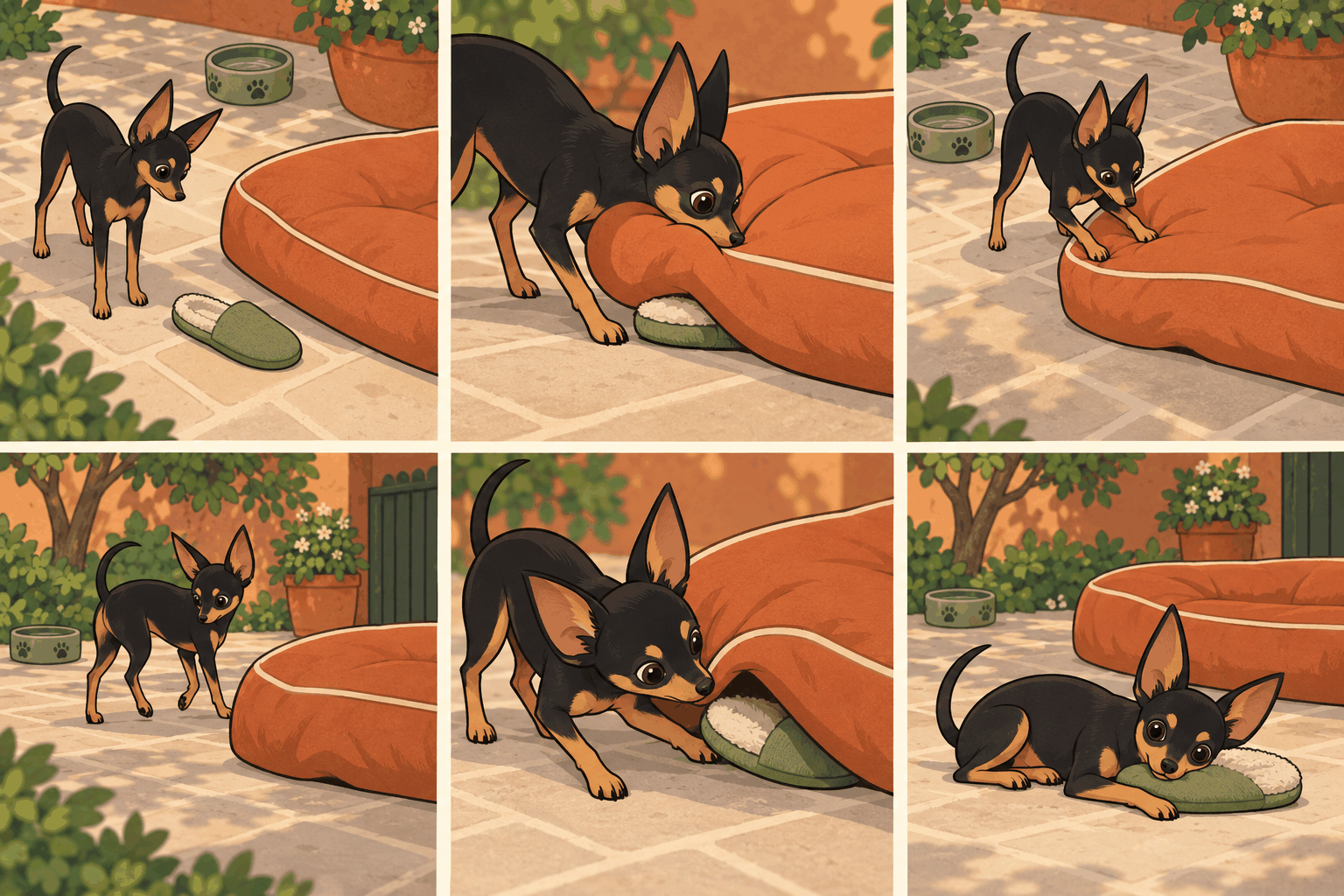
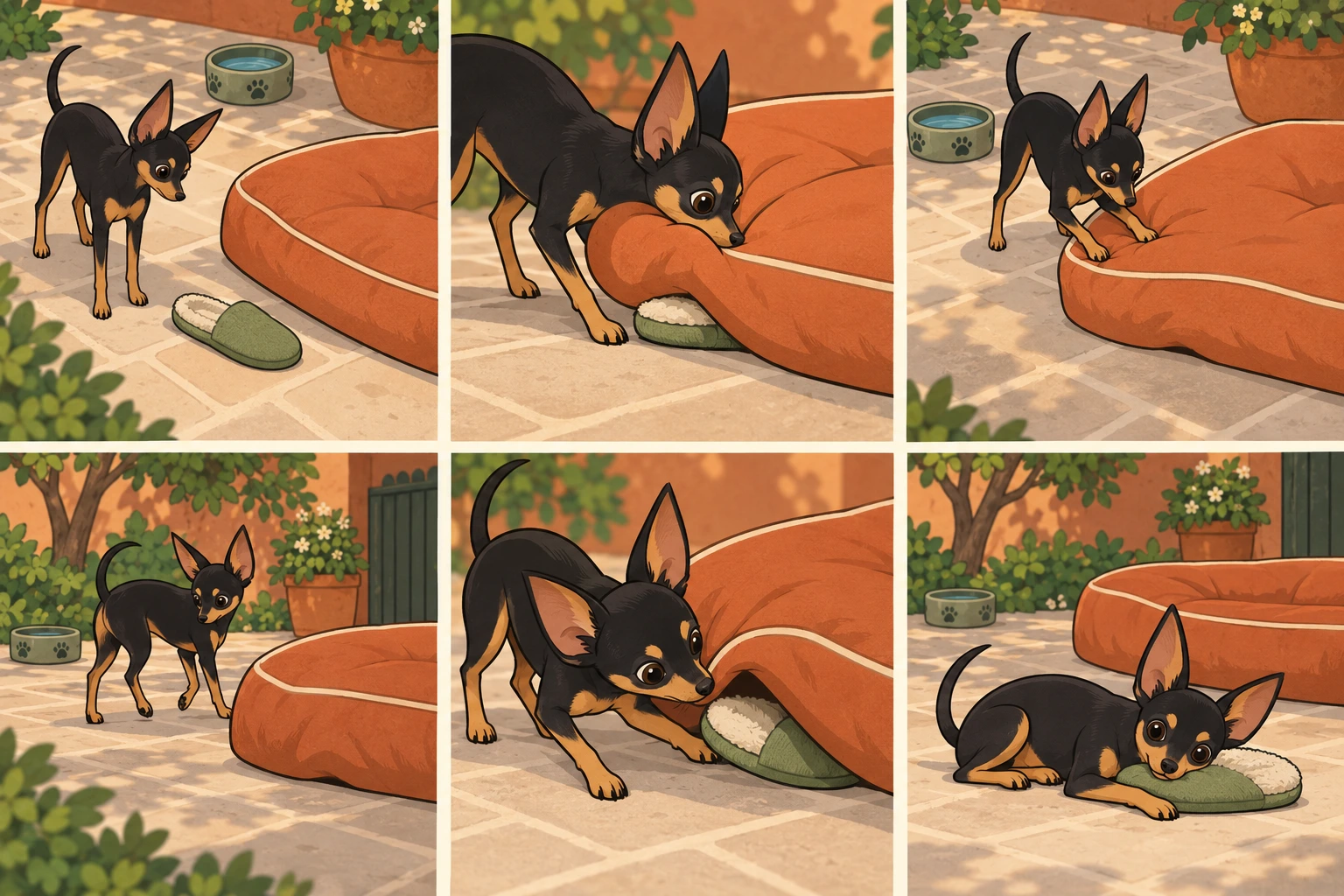
The same black-and-tan smooth-haired Russian Toy plays a little search game beside a floor-level cushion in six wordless beats.
The English Toy Terrier was popular in Russia in the early 20th century, but breeding subsequently almost ceased. Russian breeders began reviving their dogs in the mid-1950s, and the breed developed along a path distinct from the English Toy Terrier. The long-haired variety traces to a male born in 1958 with striking ear and limb fringes; it and the smooth-haired variety became the Russian Toy’s two coat types.
Fine-boned and lean, it has a nearly square outline and relatively long legs. The standard height for both sexes is 22–27 cm; its large, thin triangular ears stand erect, and its tail is sickle- or sabre-shaped.
Look for a small, nearly square body, fine long legs, a pointed muzzle shorter than the skull, and large, high-set erect ears. The smooth-haired variety has a short, close coat; the long-haired variety has dense ear fringes and feathering on the limbs and tail. These are coat varieties of one breed, not different size classes.
The standard describes an active, cheerful, curious dog strongly devoted to its owner, neither cowardly nor aggressive. Gentle, reward-based practice can build confidence and cooperation, though behaviour varies with the individual and its experiences.
Wipe or softly brush the smooth coat regularly; gently comb the long variety’s ear fringes and limb and tail feathering. Provide walks, sniffing opportunities and play for this active, curious companion. Use reward-based training for recall, settling and comfortable handling, with consistent household boundaries. Manage jumps from heights and interactions with much larger dogs thoughtfully.
Its small size makes limited floor space manageable, but it still needs activity and engagement. Offer regular outings, play and quiet rest, and teach time alone and household manners gradually.
The short, undercoat-free smooth variety needs relatively simple upkeep; check the long variety’s fringes and feathering for tangles. Groom either coat gently, and expect shedding to vary between individuals.
Yes: the standard describes an active, curious companion. Build appropriately scaled walks, exploration and brief training into daily life, using rewards rather than overlooking manners because it is tiny.
SOURCE NOTES
Breed traits follow the cited official standards; everyday care advice is our editorial interpretation of coat, build and working purpose.
Coat and size varieties can share a standard. The number is an archive reference, not a rarity score. An independent educational atlas, not a registry publication. Temperament varies; consult a veterinarian about health concerns.
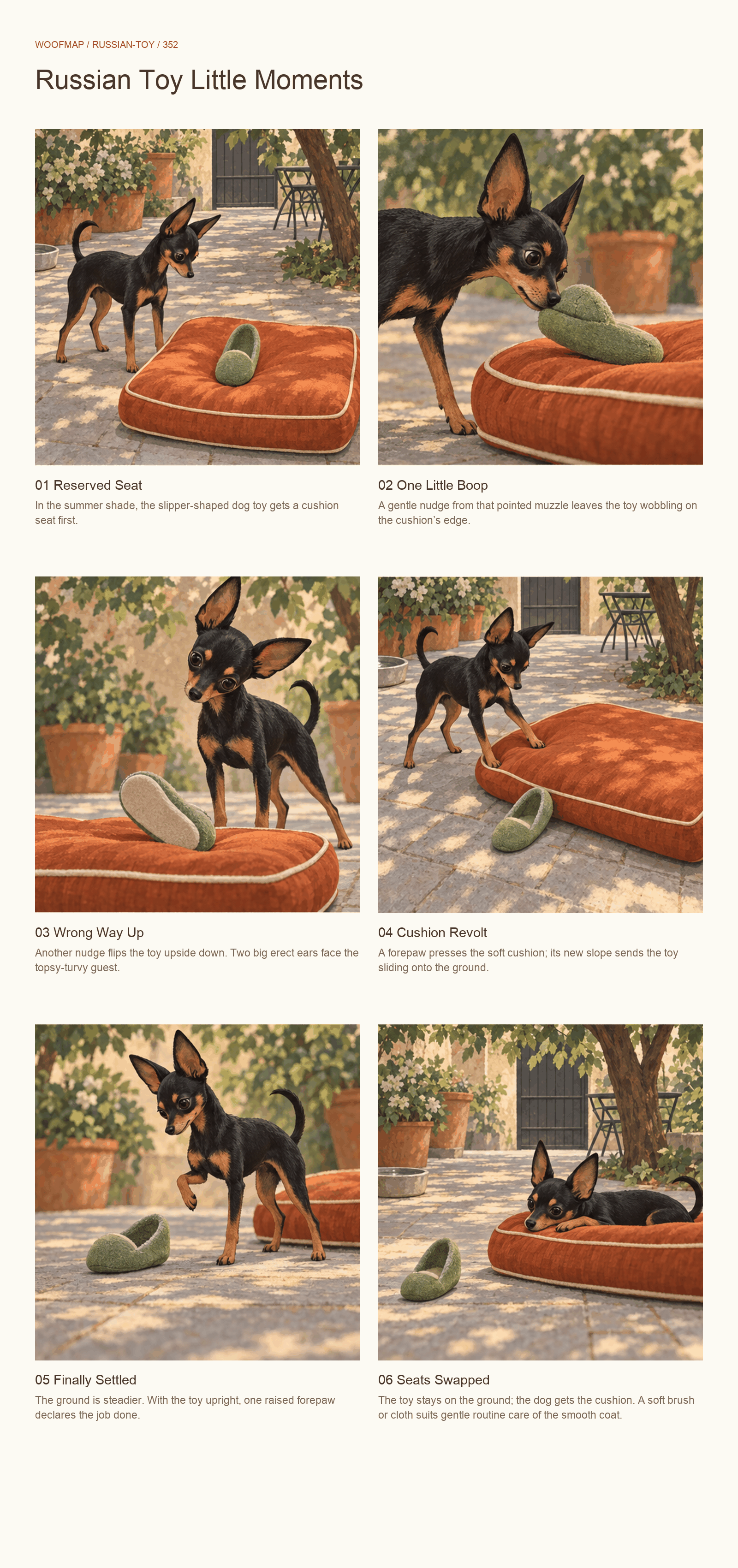
WOOFMAP / RUSSIAN-TOY / LITTLE MOMENTS
Illustrated here is the black-and-tan smooth-haired variety, with large erect ears, fine long legs, a nearly square body and a sickle-shaped tail. This shady little adventure is fiction, not a temperament claim.
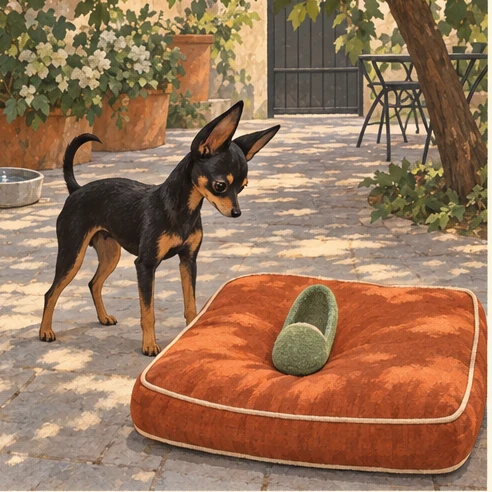
In the summer shade, the slipper-shaped dog toy gets a cushion seat first.
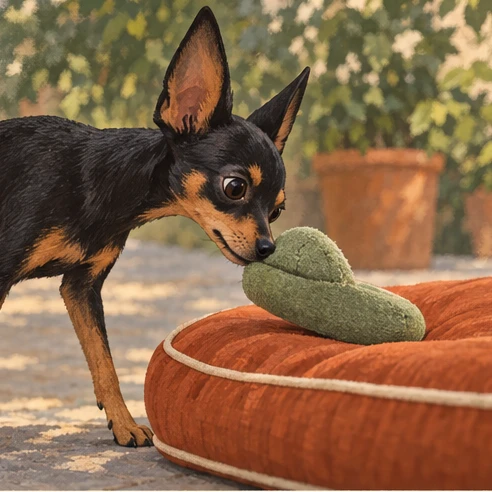
A gentle nudge from that pointed muzzle leaves the toy wobbling on the cushion’s edge.
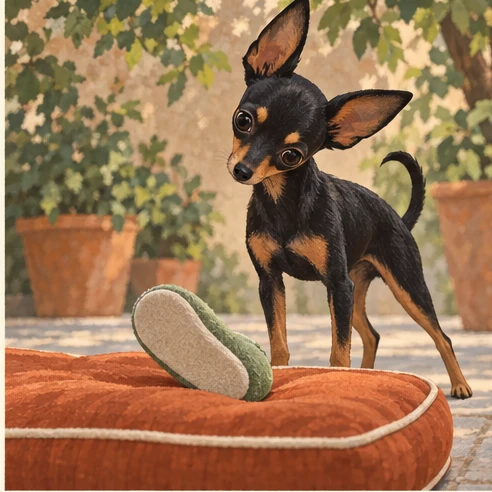
Another nudge flips the toy upside down. Two big erect ears face the topsy-turvy guest.
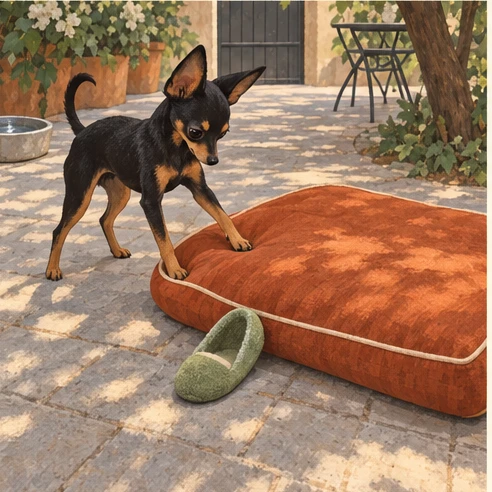
A forepaw presses the soft cushion; its new slope sends the toy sliding onto the ground.
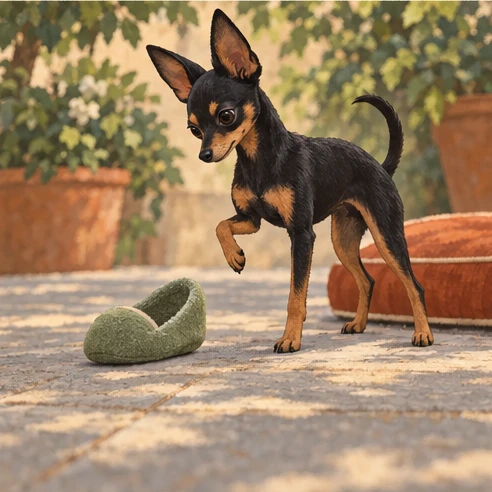
The ground is steadier. With the toy upright, one raised forepaw declares the job done.
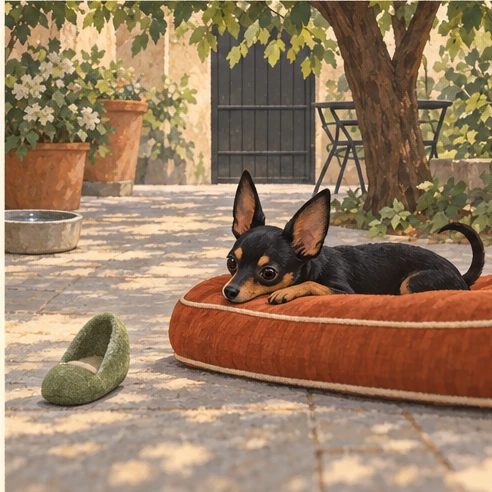
The toy stays on the ground; the dog gets the cushion. A soft brush or cloth suits gentle routine care of the smooth coat.
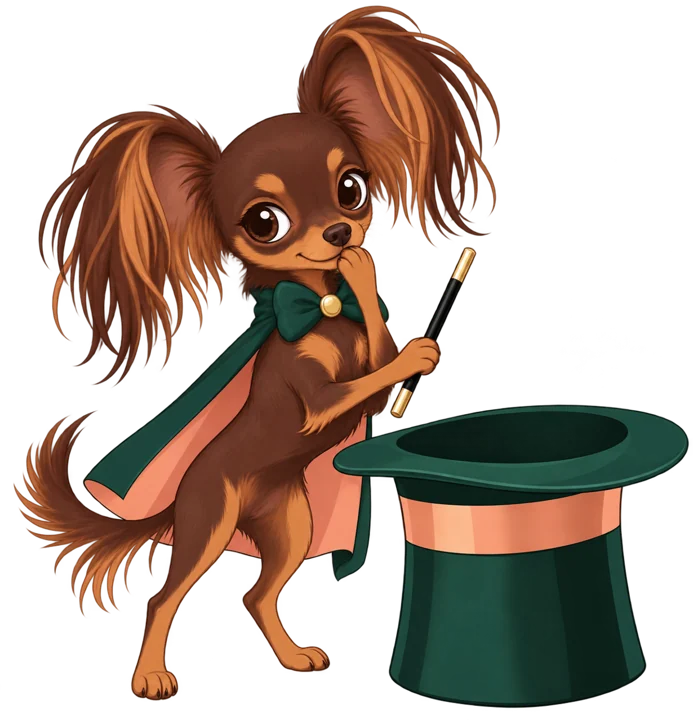
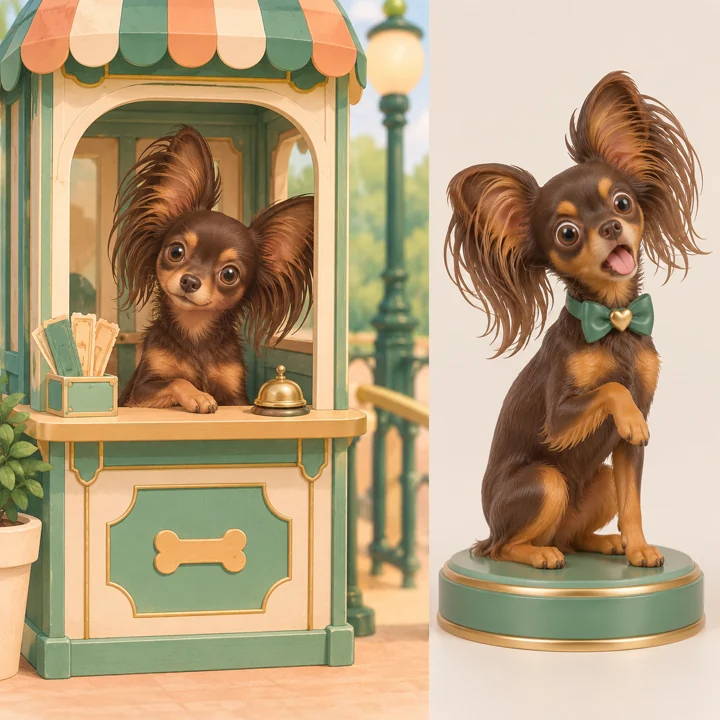

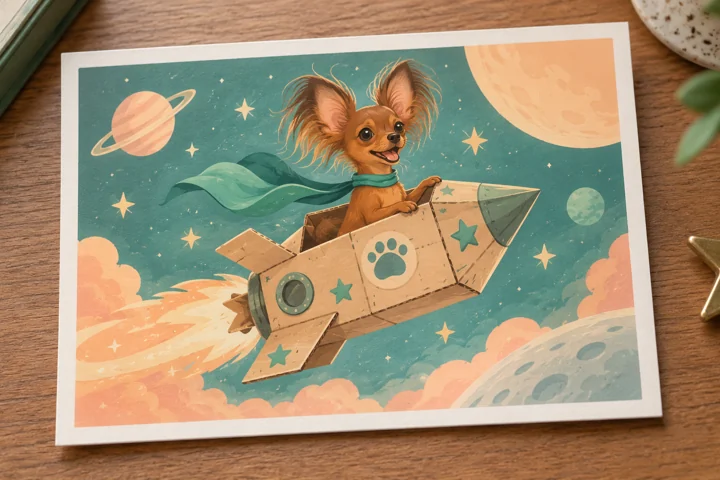
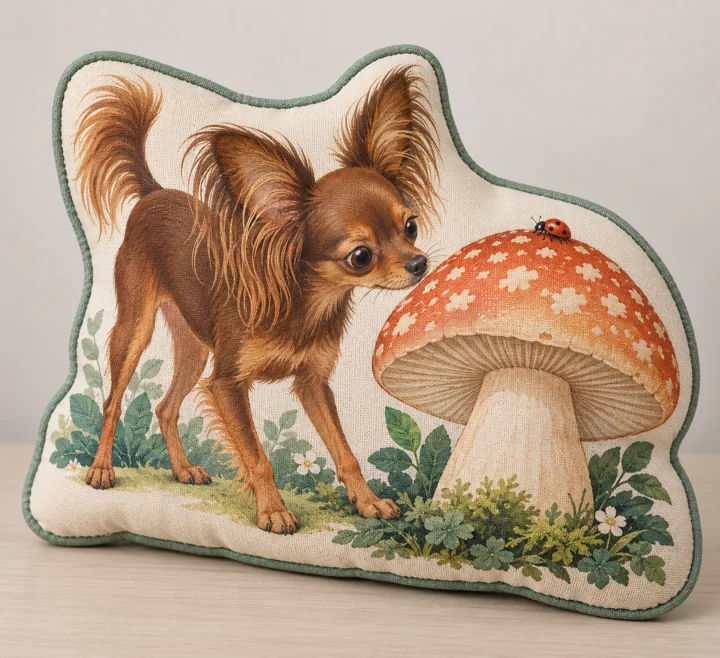
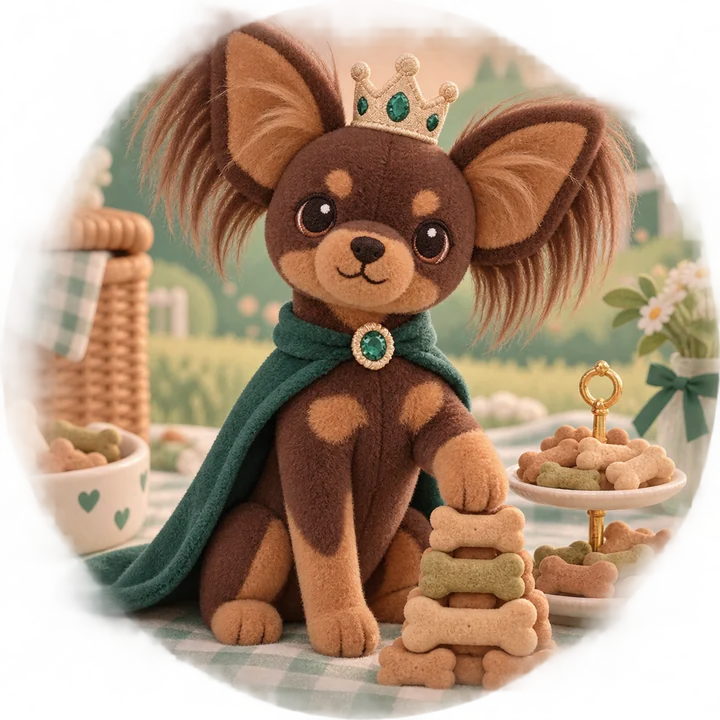
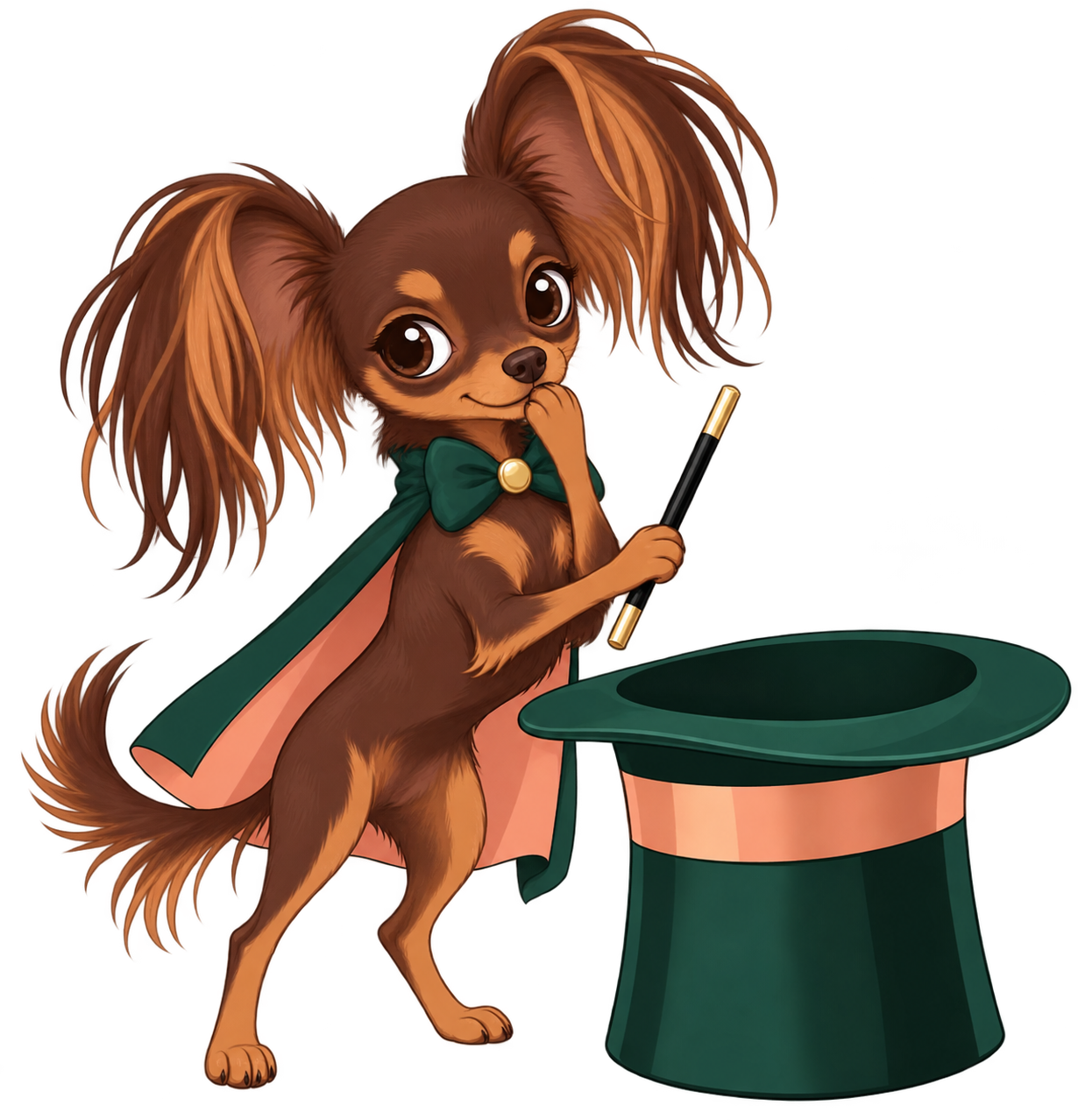
Eight transparent PNGs to save individually. Switch captions on or off for your chats.
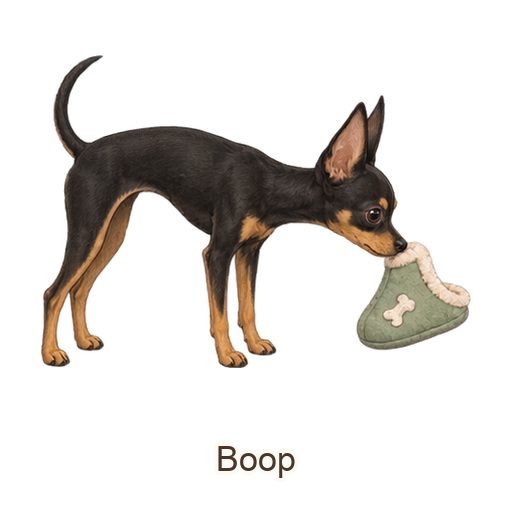 Boop
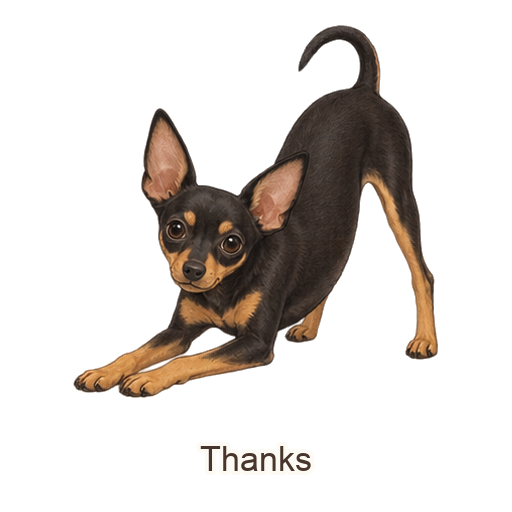 Thanks
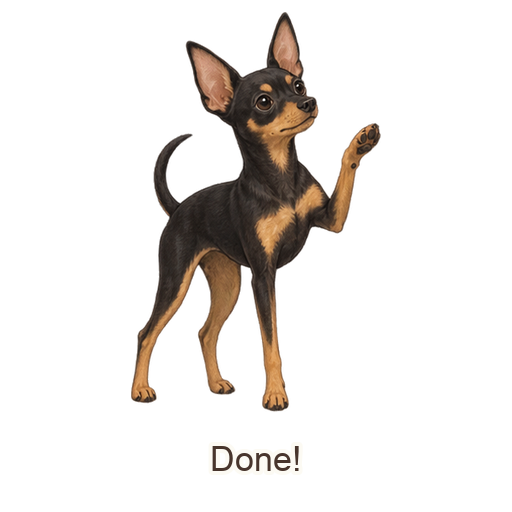 Done!
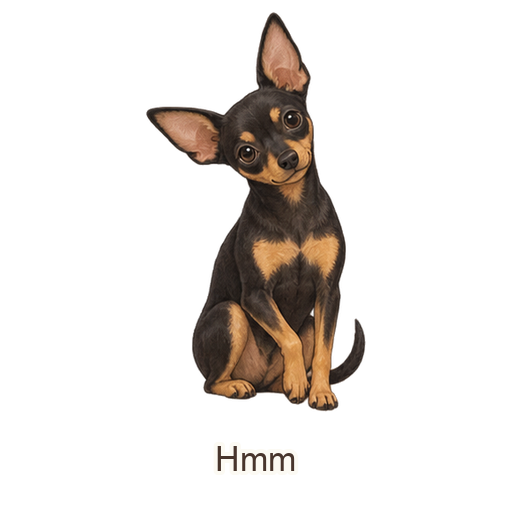 Hmm
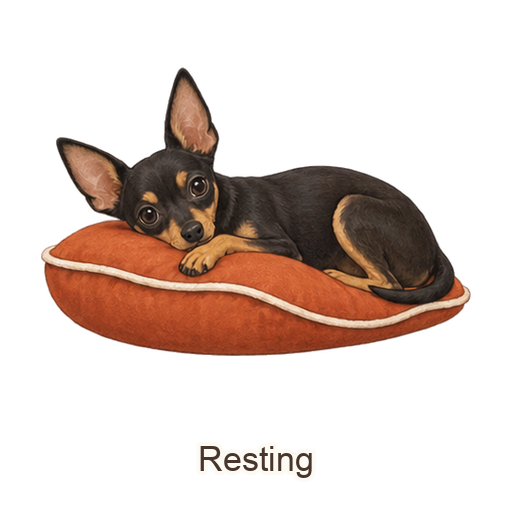 Resting
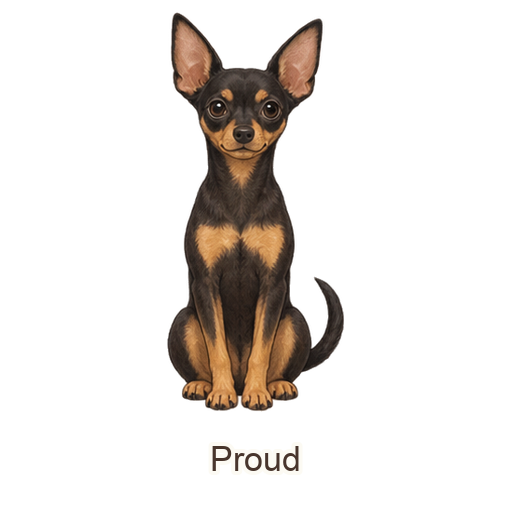 Proud
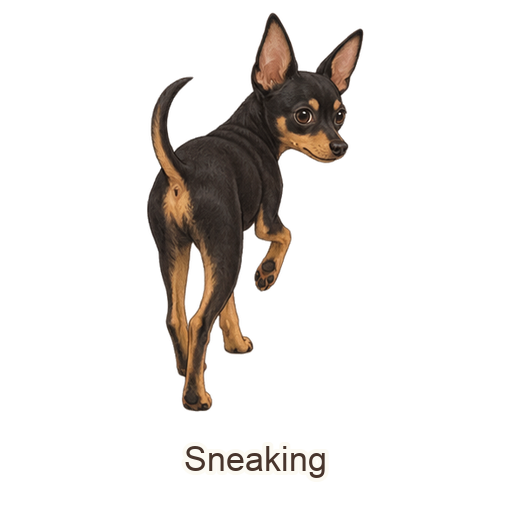 Sneaking
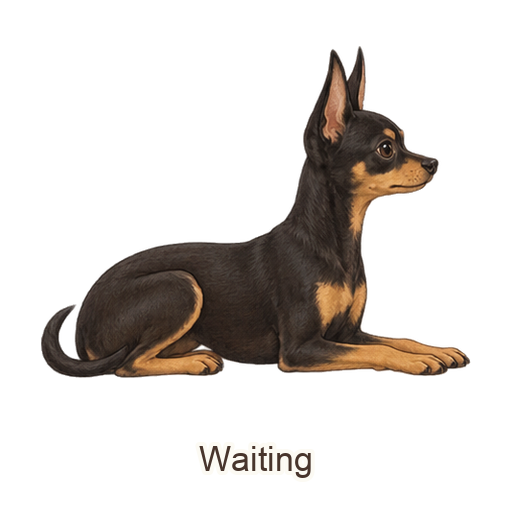 Waiting
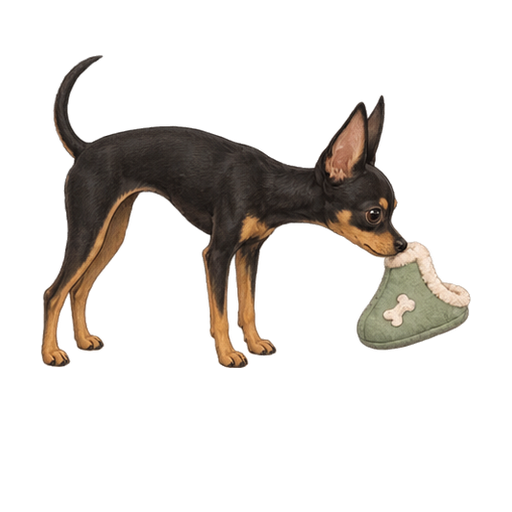 Boop
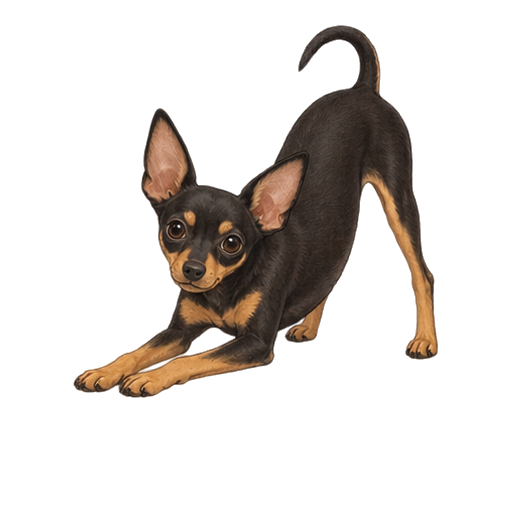 Thanks
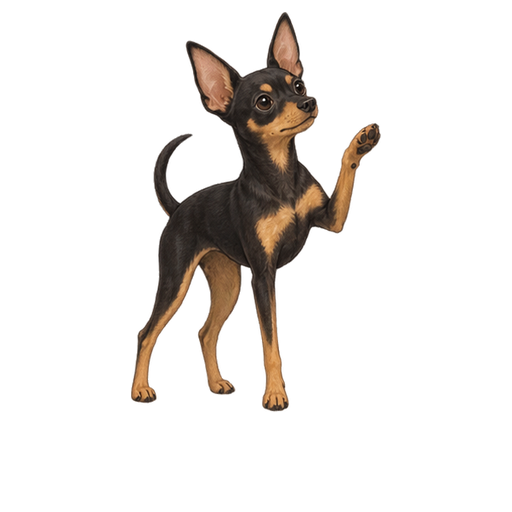 Done!
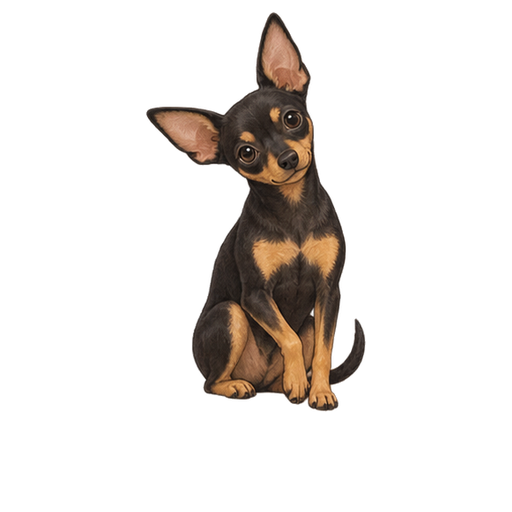 Hmm
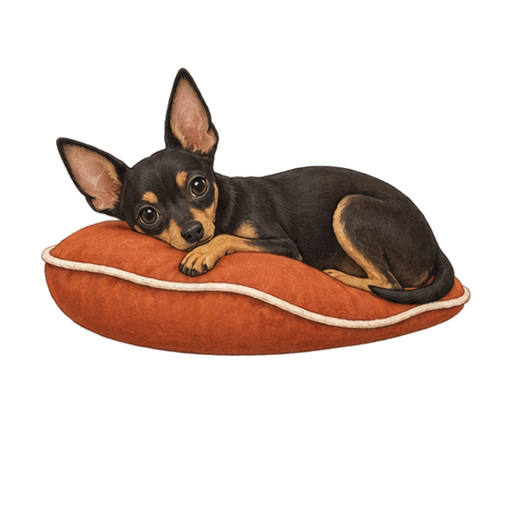 Resting
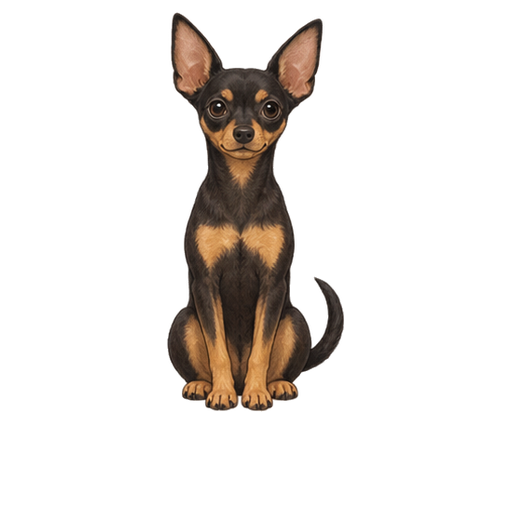 Proud
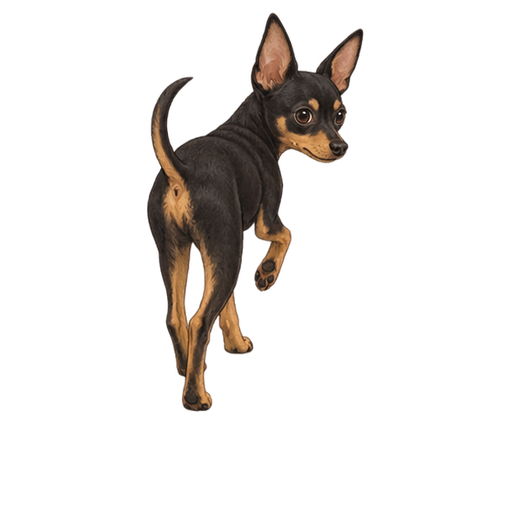 Sneaking
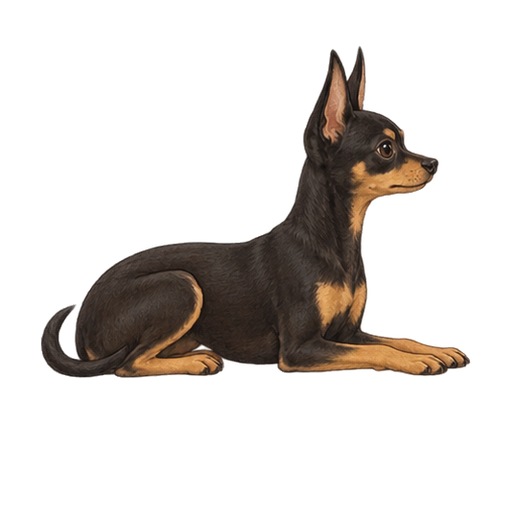 Waiting
Original woofmap artwork, assisted by GPT Image 2. Free for personal chats and non-commercial sharing with credit to woofmap.com. Fictional moods do not predict every dog’s temperament; see this page’s factual sources.
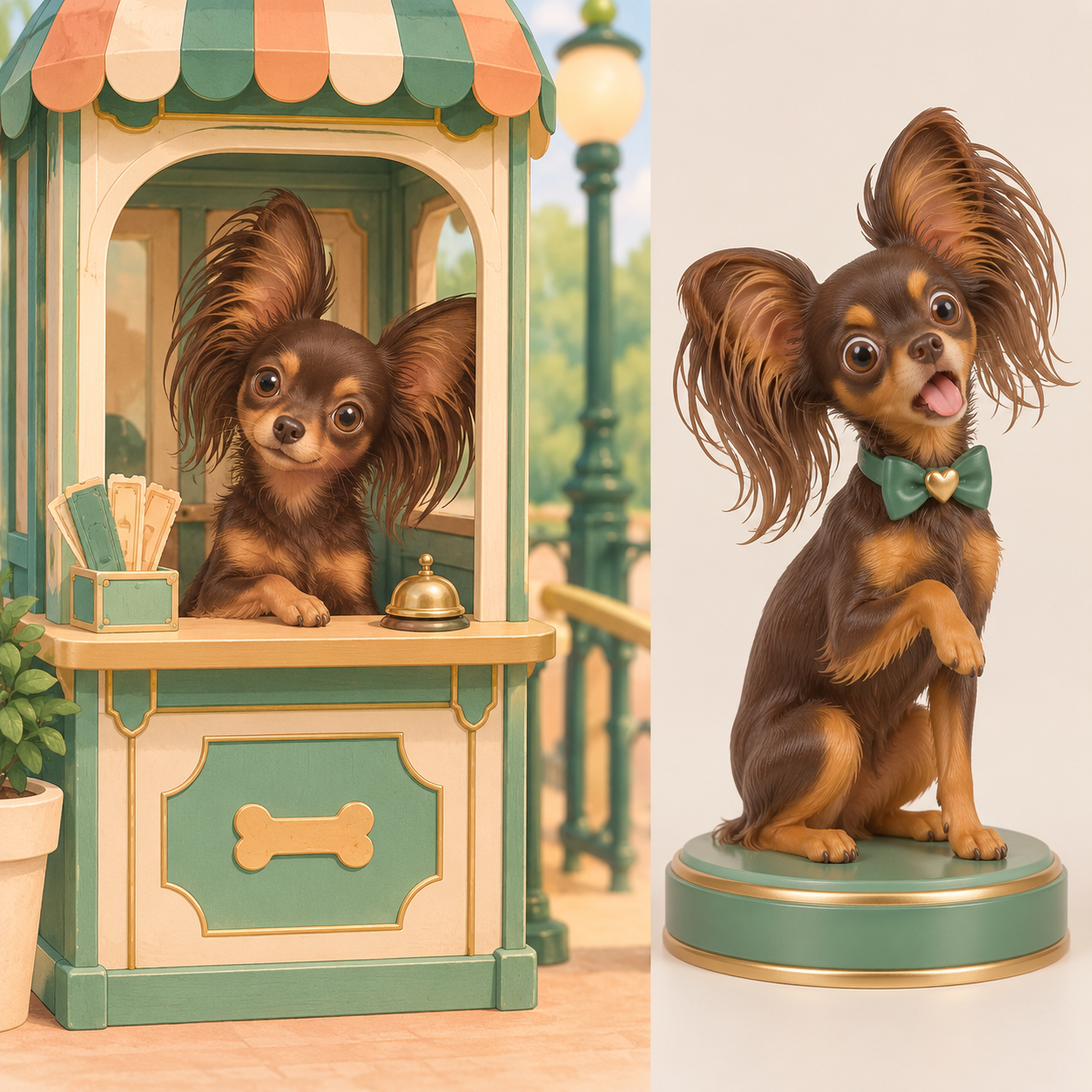
Combine the available parts, choose a name and take a little joy home.
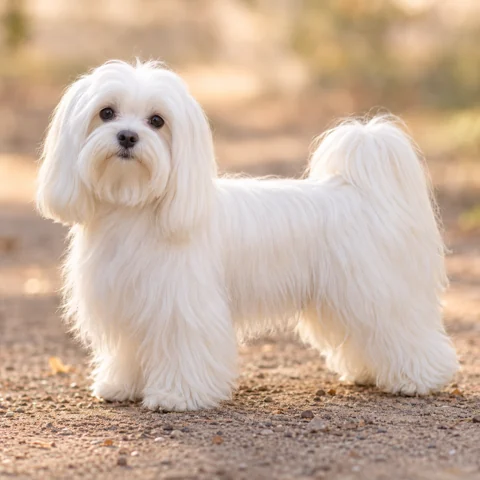 AI realistic image
Companion and toy dogs
Maltese
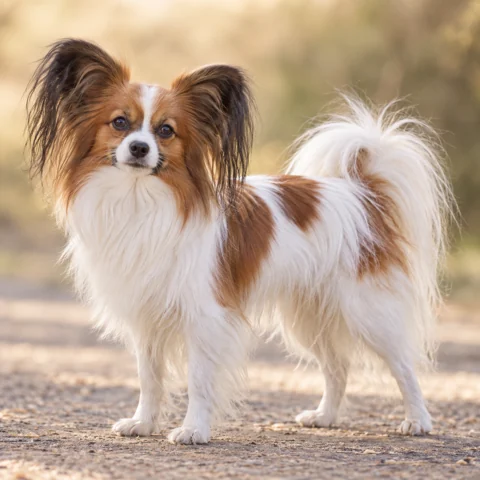 AI realistic image
Companion and toy dogs
Continental Toy Spaniel
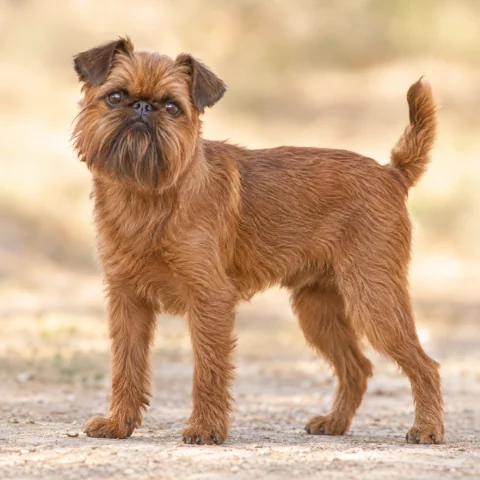 AI realistic image
Companion and toy dogs
Griffon Bruxellois