WOOFMAP · CANINE ARCHIVENO. 287
Sheepdogs and cattle dogs
Australian Cattle Dog
Australian Cattle Dog
✳ woofmap.comAustralia
WOOFMAP · CANINE ARCHIVE · NO. 287
Australian Cattle Dog
A tireless, agile worker shaped to move difficult cattle.
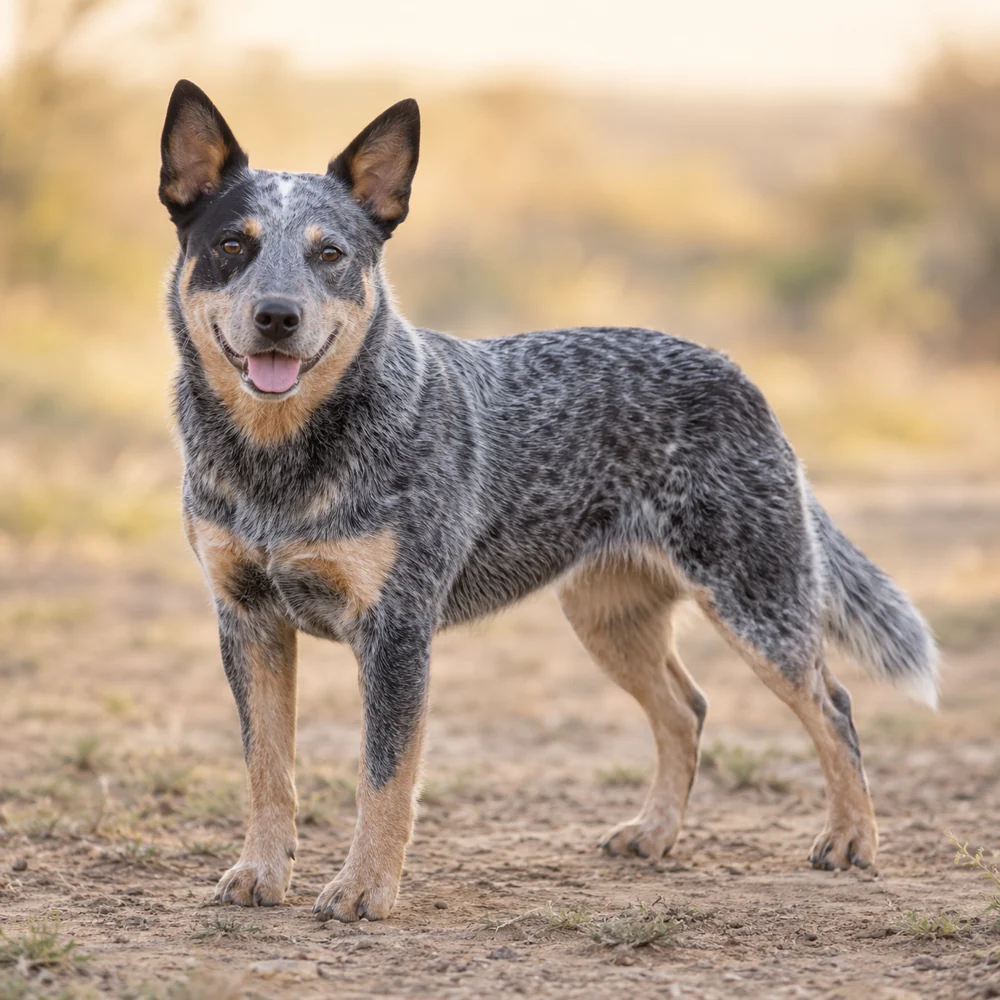
AI-generated realistic breed image, for visual reference.
This Australian Cattle Dog page is still waiting for a voice. Live with a Australian Cattle Dog? Share a natural bark, howl or whine and let others hear a little of your dog’s everyday life.
If we feature your recording, we’ll credit you or your dog using the name you choose.
A 5–15 second phone recording in a quiet setting is perfect. Capture a natural moment without startling or disturbing your dog. Audio or video with sound is welcome.
Share your dog’s voice ↗[email protected]Attach your recording, breed and preferred credit. Please confirm you recorded it and allow woofmap to feature it.
Thank you for helping us build a playful Woof Planet together. Every little woof deserves to be heard.
Sheepdogs and cattle dogs
Australian Cattle Dog
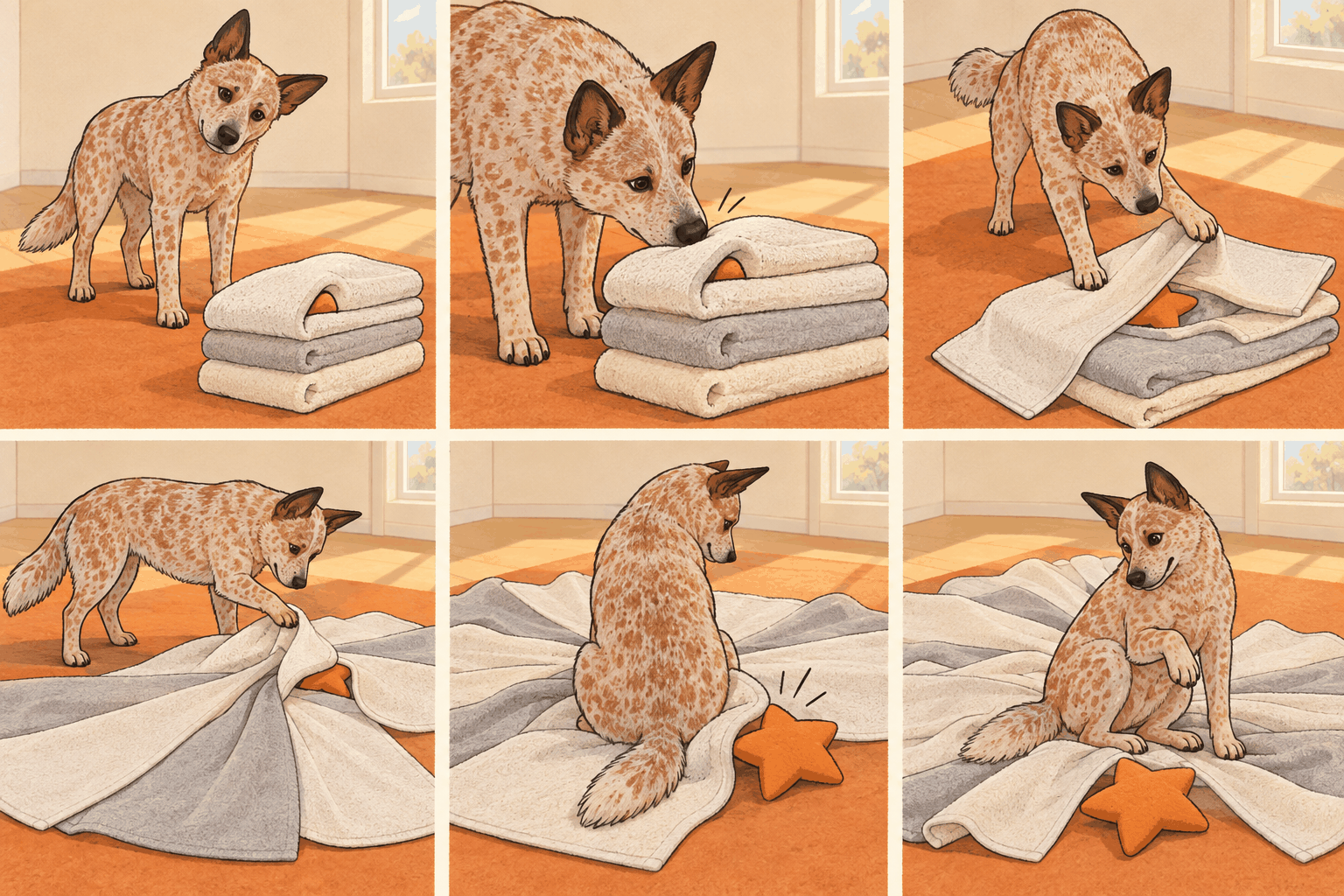
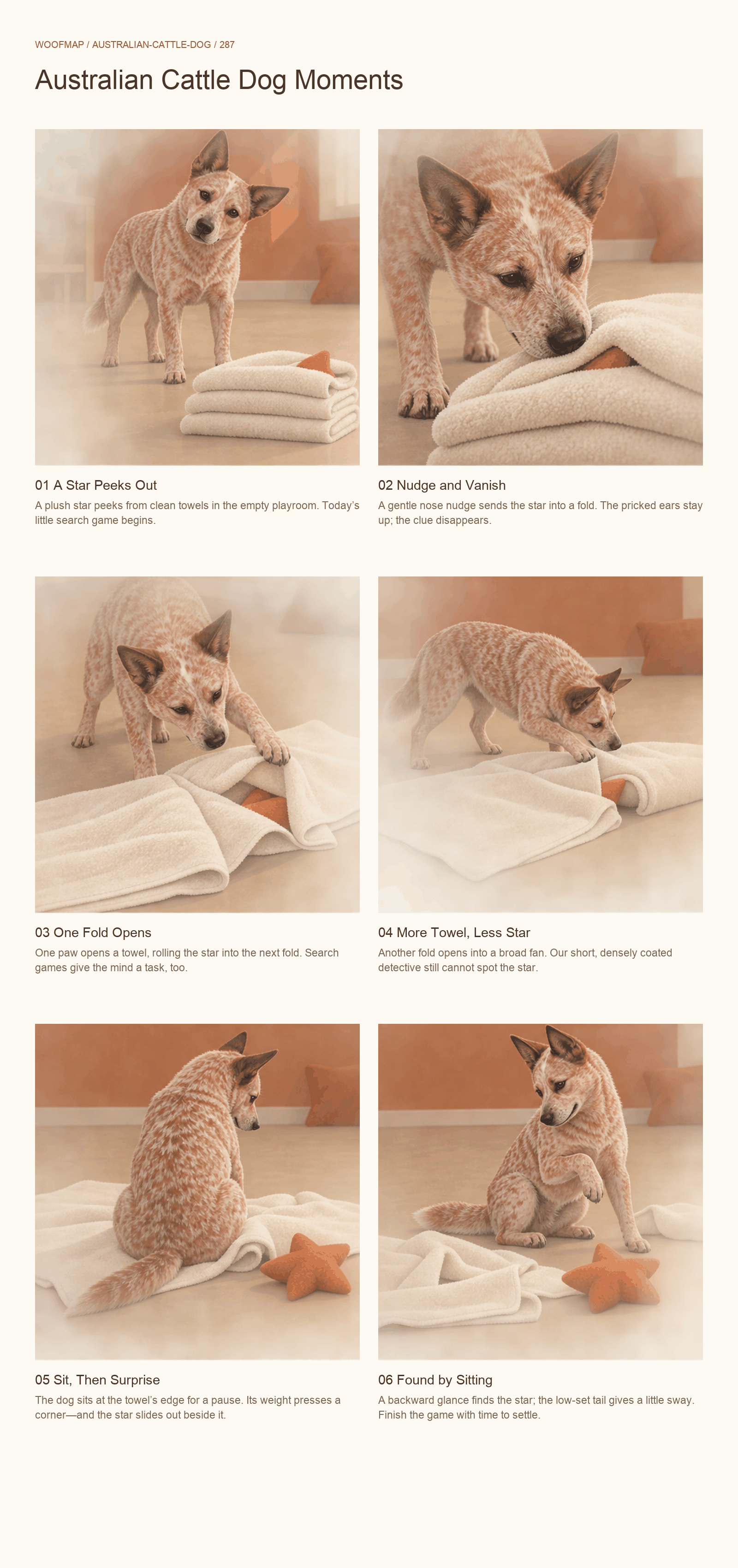
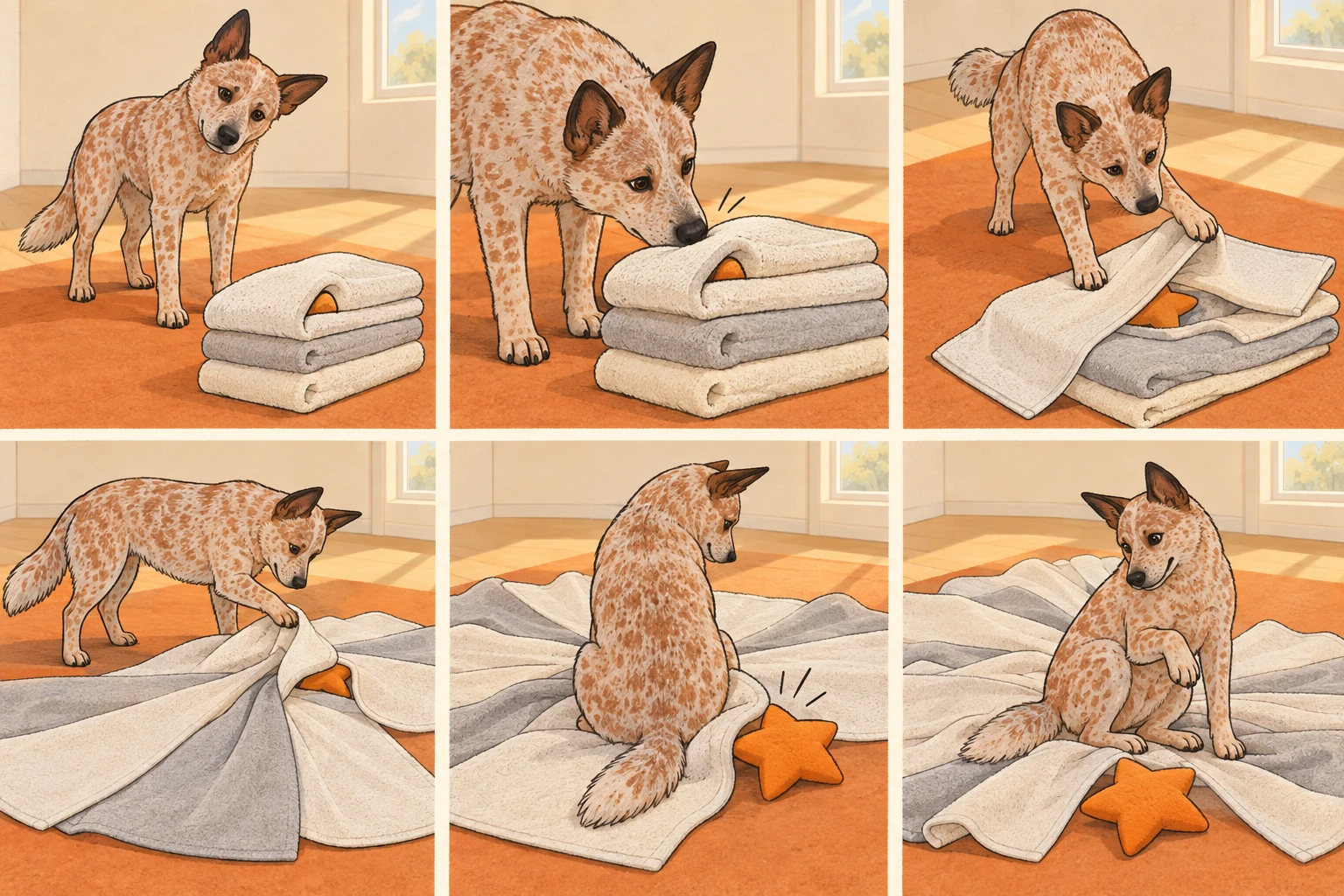
One gentle nudge hides the star in a towel fold. Each search unfolds more fabric—until the answer is right beside the dog.
The breed was developed for early Australian cattle work, when much land was unfenced and labour to manage stock was scarce. Breeders needed a strong, enduring dog able to muster and move difficult cattle, including by heeling or biting. The standard generally attributes its development to blue-merle smooth Collies crossed with Dingoes, followed by Dalmatian and black-and-tan Kelpie blood.
Strong, compact and muscular, it is slightly longer than tall; males stand 46–51 cm and females 43–48 cm at the withers. The ears are pricked, and the low-set, brushy tail reaches approximately to the hock.
Look for a compact, slightly rectangular dog with a broad head, dark-brown eyes, widely set pricked ears and a low-set brushy tail. The standard’s blue colours include blue, blue mottled and blue speckled; its red colour calls for even red speckling, including the undercoat. These are colour forms of one breed, not separate size varieties.
The standard describes an alert, highly intelligent, courageous worker loyal to its stockman and inclined to guard; it may be naturally suspicious of strangers. Clear boundaries and reward-based training can channel that attentiveness, while gradual practice helps with handling and introductions. Individuals vary, and watchfulness should not be mistaken for a licence to show hostility.
Brush the double coat regularly, more often during shedding, and check paws and coat after outdoor activity. Give this working dog purposeful outlets such as reward-based training, search games or suitable herding activities. Practise recall, settling and calm introductions to unfamiliar people from an early age. Manage any urge to chase or nip moving people or animals, and supervise interactions with children.
Yes, if the household can provide regular, structured work and enrichment rather than relying on yard access alone. Owners should be prepared to teach manners around moving people and animals and to handle unfamiliar visitors thoughtfully.
No: both colour forms have the same short, dense double-coat structure. Brush out loose hair routinely and step up grooming when shedding increases.
Combine physical outings with scent searches, retrieving tasks or short training sessions that give the dog decisions to make. Teach a reliable recall and a way to settle, and prevent uncontrolled chasing around livestock or other moving targets.
SOURCE NOTES
Breed traits follow the cited official standards; everyday care advice is our editorial interpretation of coat, build and working purpose.
Coat and size varieties can share a standard. The number is an archive reference, not a rarity score. An independent educational atlas, not a registry publication. Temperament varies; consult a veterinarian about health concerns.
WOOFMAP / AUSTRALIAN-CATTLE-DOG / LITTLE MOMENTS
Illustrated in the evenly red-speckled variant, with a short, dense double coat, broad head, outward-tilting pricked ears and low-set brushy tail. This towel-and-star adventure is fictional; moods vary by individual.
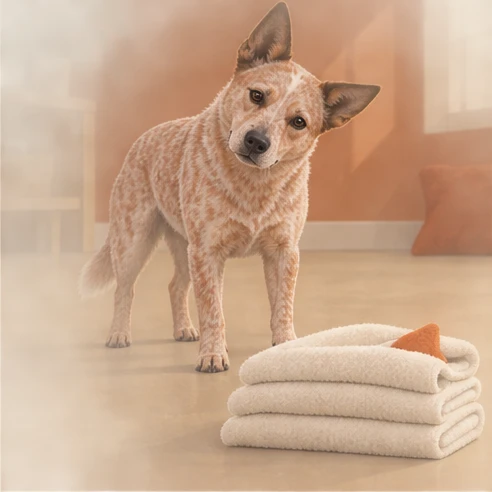
A plush star peeks from clean towels in the empty playroom. Today’s little search game begins.
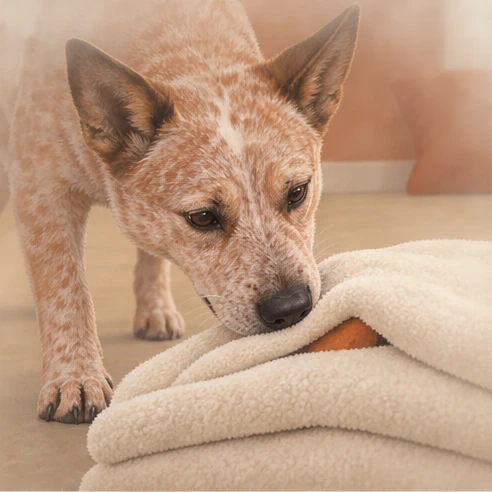
A gentle nose nudge sends the star into a fold. The pricked ears stay up; the clue disappears.
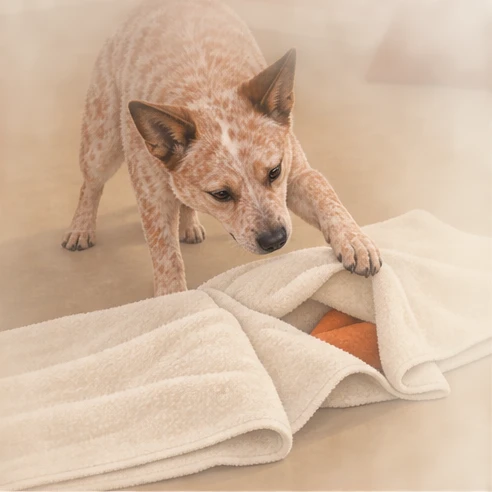
One paw opens a towel, rolling the star into the next fold. Search games give the mind a task, too.
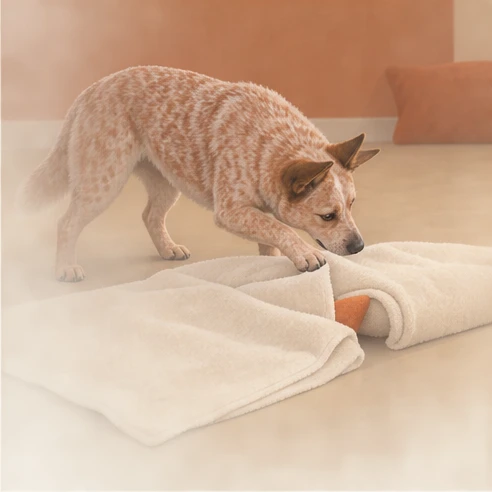
Another fold opens into a broad fan. Our short, densely coated detective still cannot spot the star.
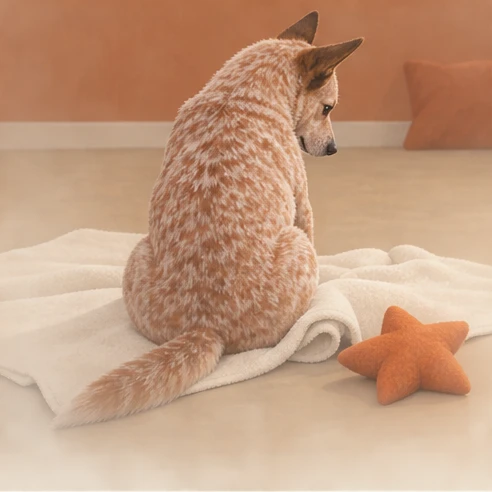
The dog sits at the towel’s edge for a pause. Its weight presses a corner—and the star slides out beside it.
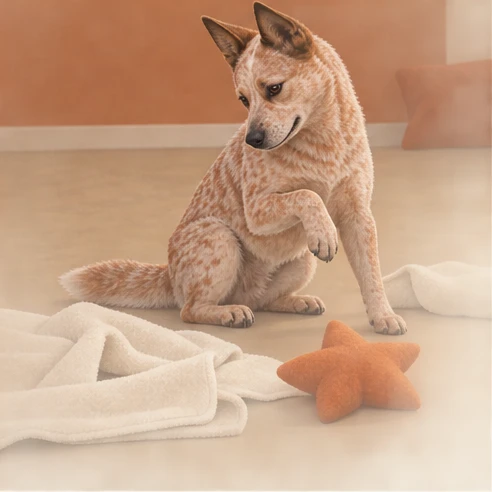
A backward glance finds the star; the low-set tail gives a little sway. Finish the game with time to settle.
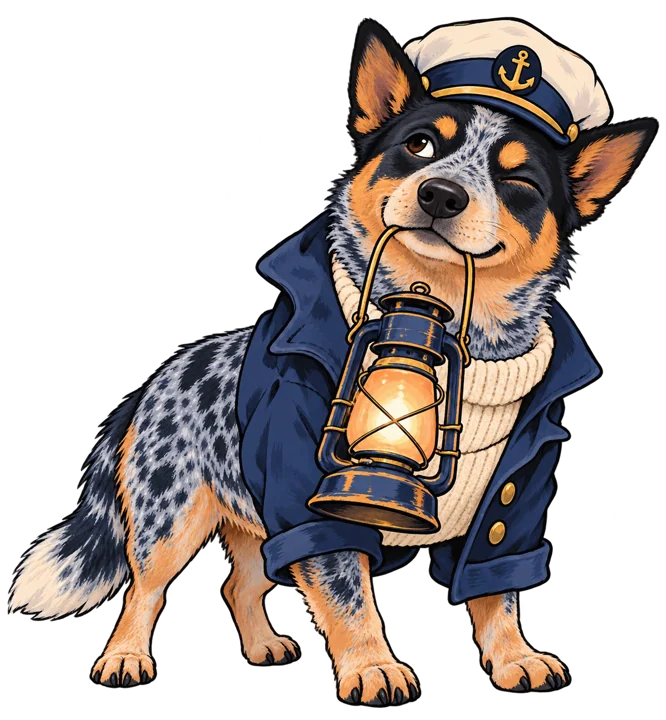
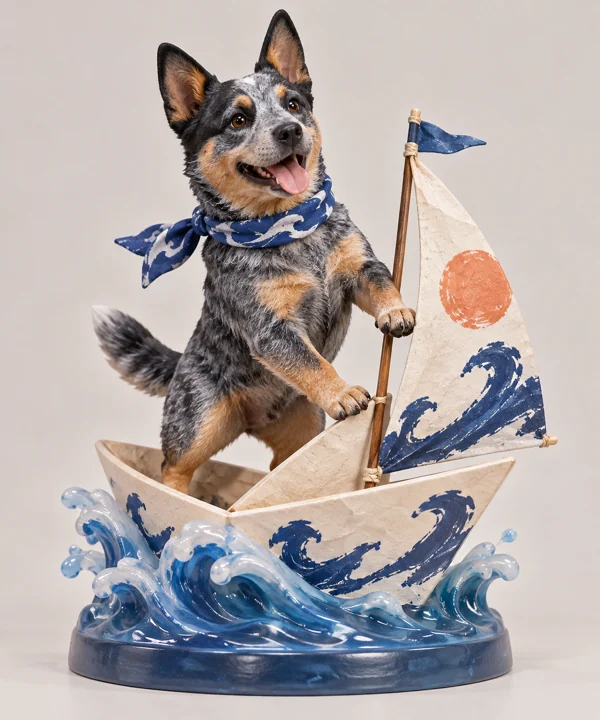
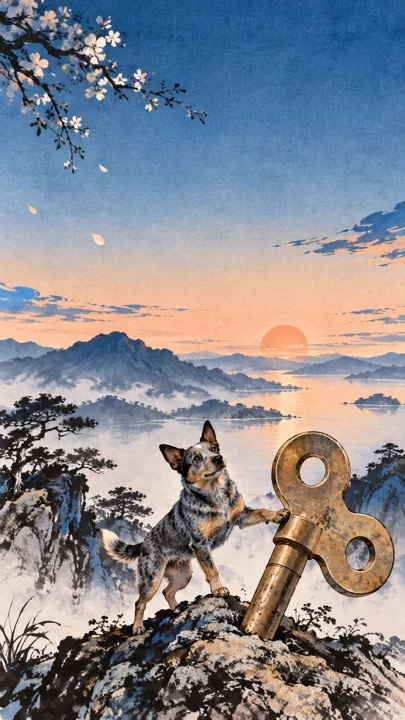
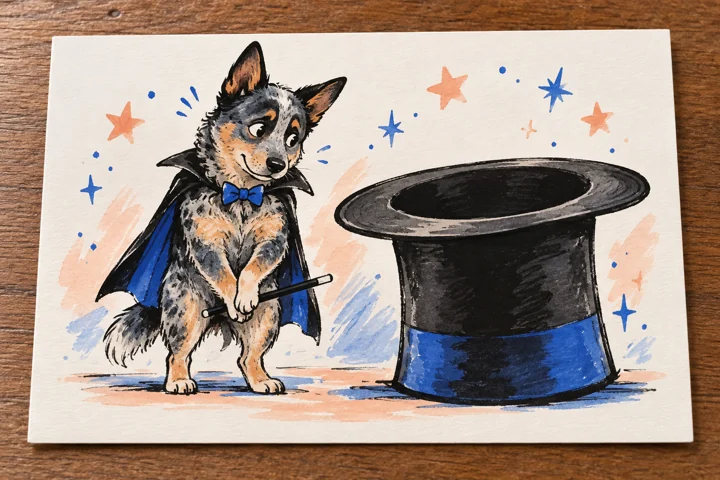
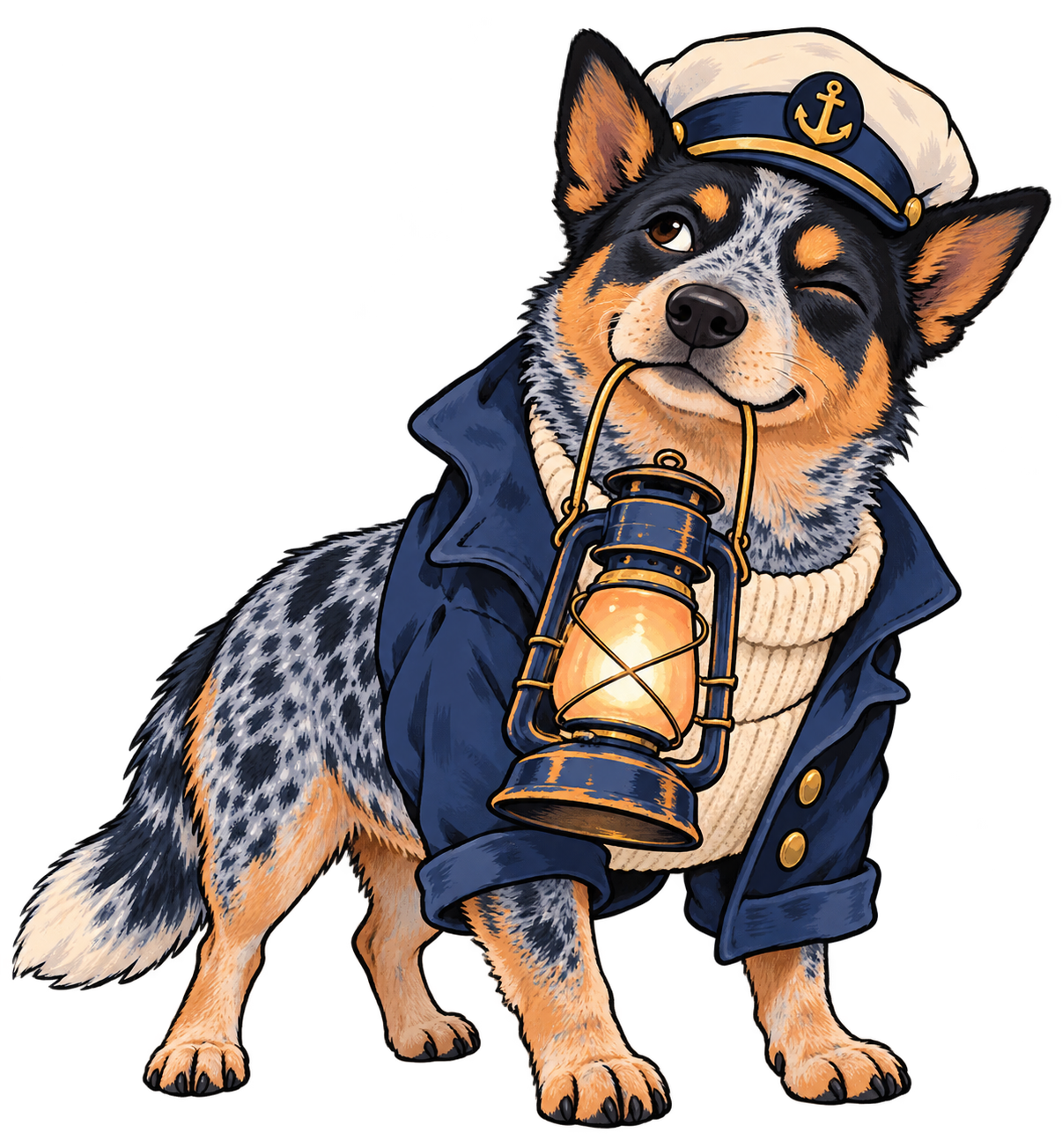
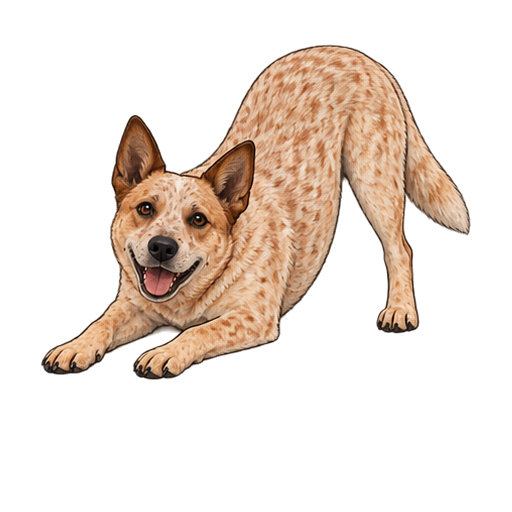
Eight transparent PNGs to save individually. Switch captions on or off for your chats.
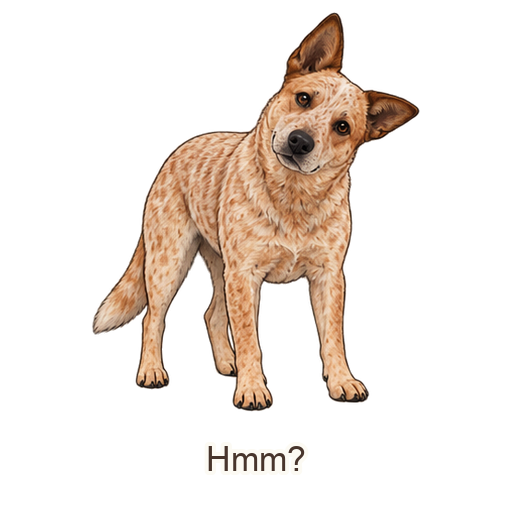 Hmm?
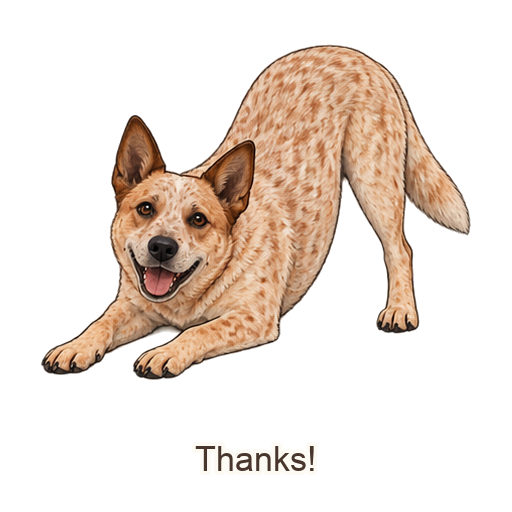 Thanks!
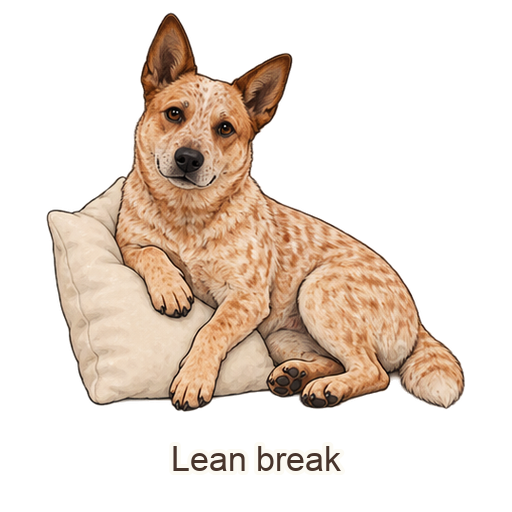 Lean break
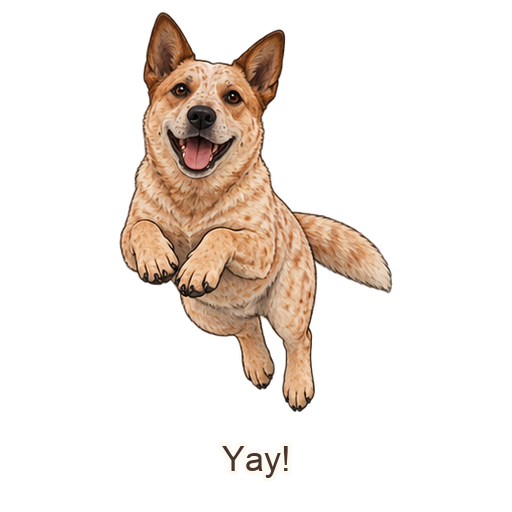 Yay!
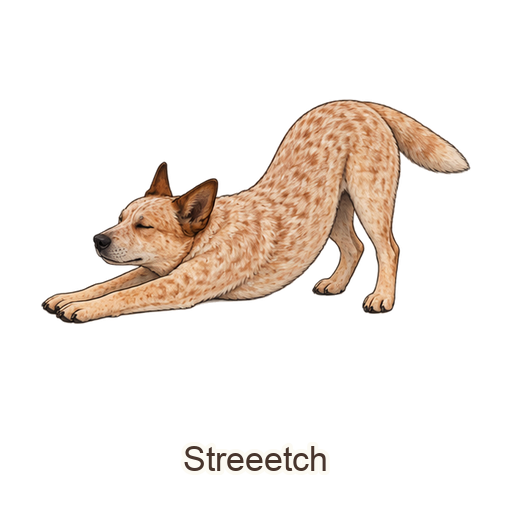 Streeetch
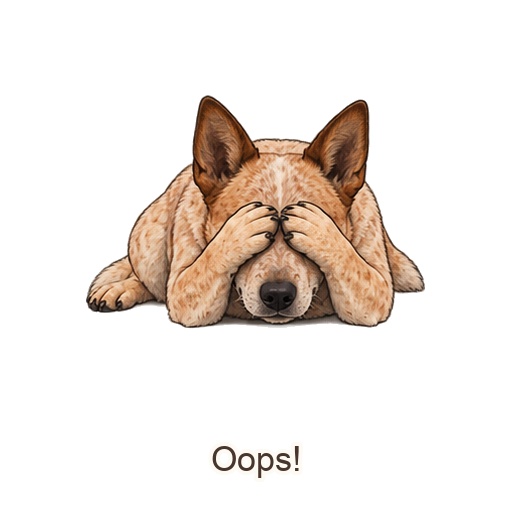 Oops!
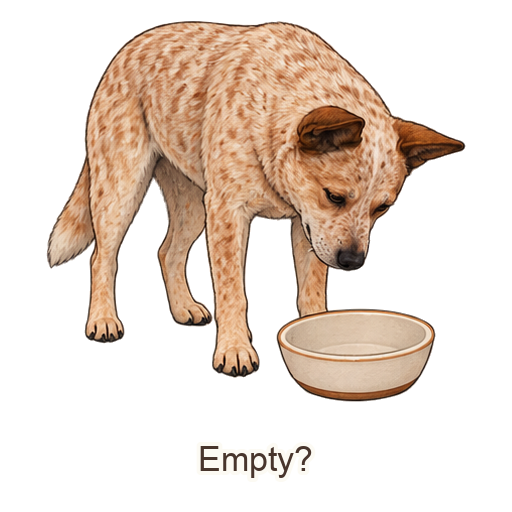 Empty?
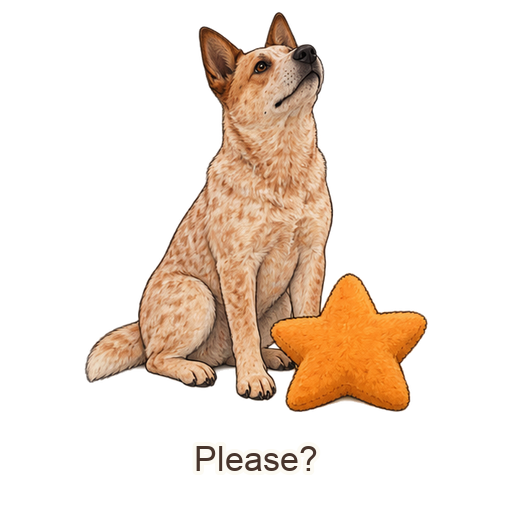 Please?
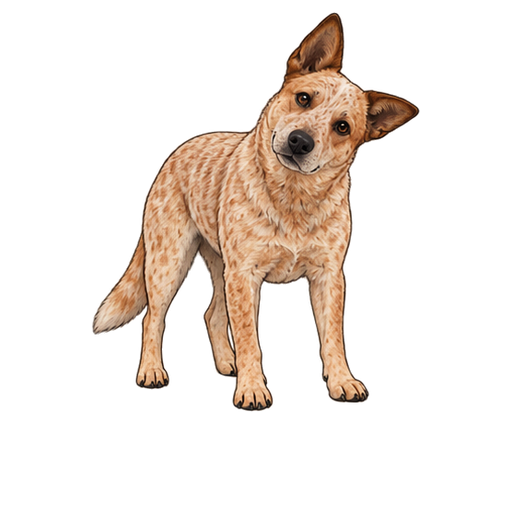 Hmm?
 Thanks!
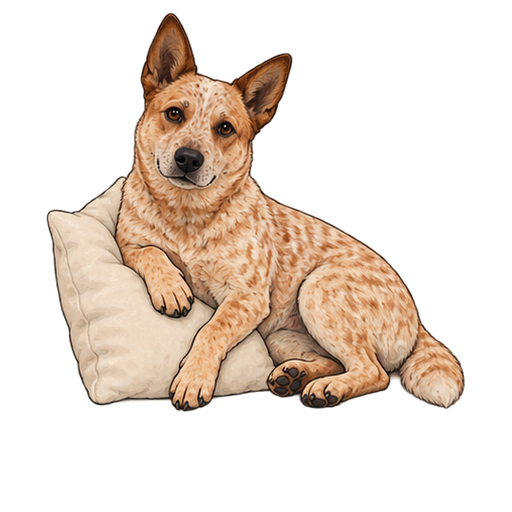 Lean break
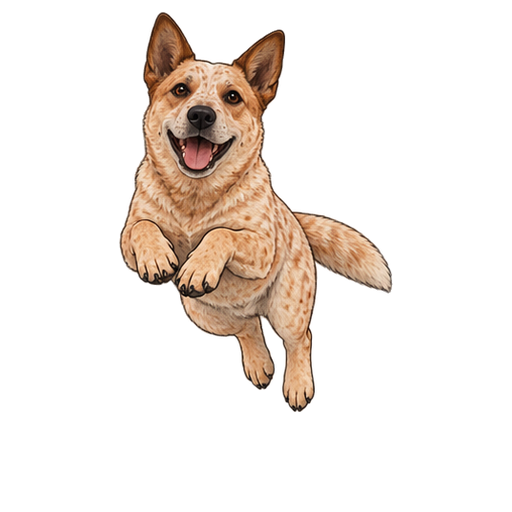 Yay!
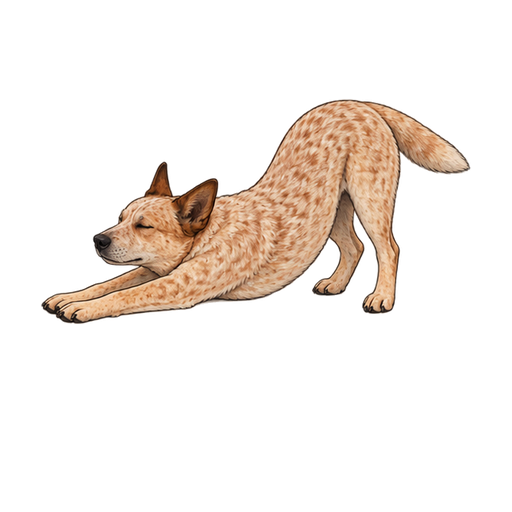 Streeetch
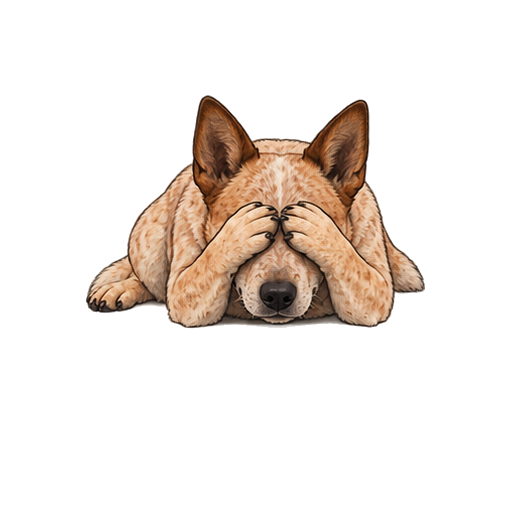 Oops!
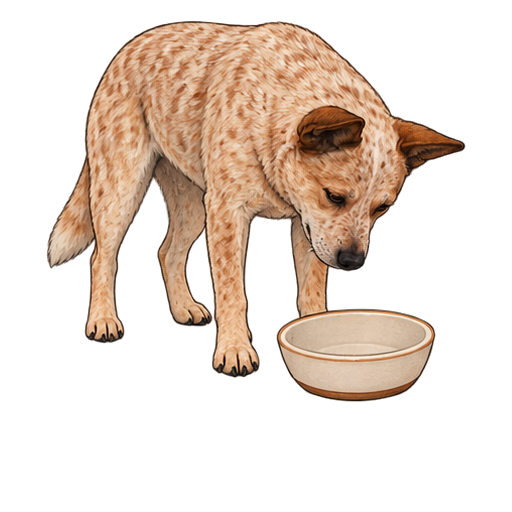 Empty?
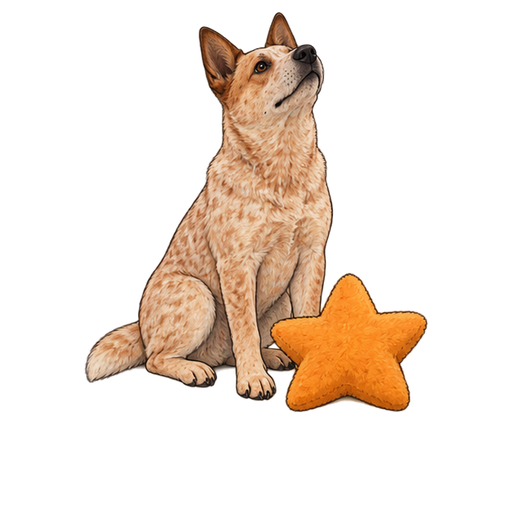 Please?
Original woofmap artwork, assisted by GPT Image 2. Free for personal chats and non-commercial sharing with credit to woofmap.com. Fictional moods do not predict every dog’s temperament; see this page’s factual sources.
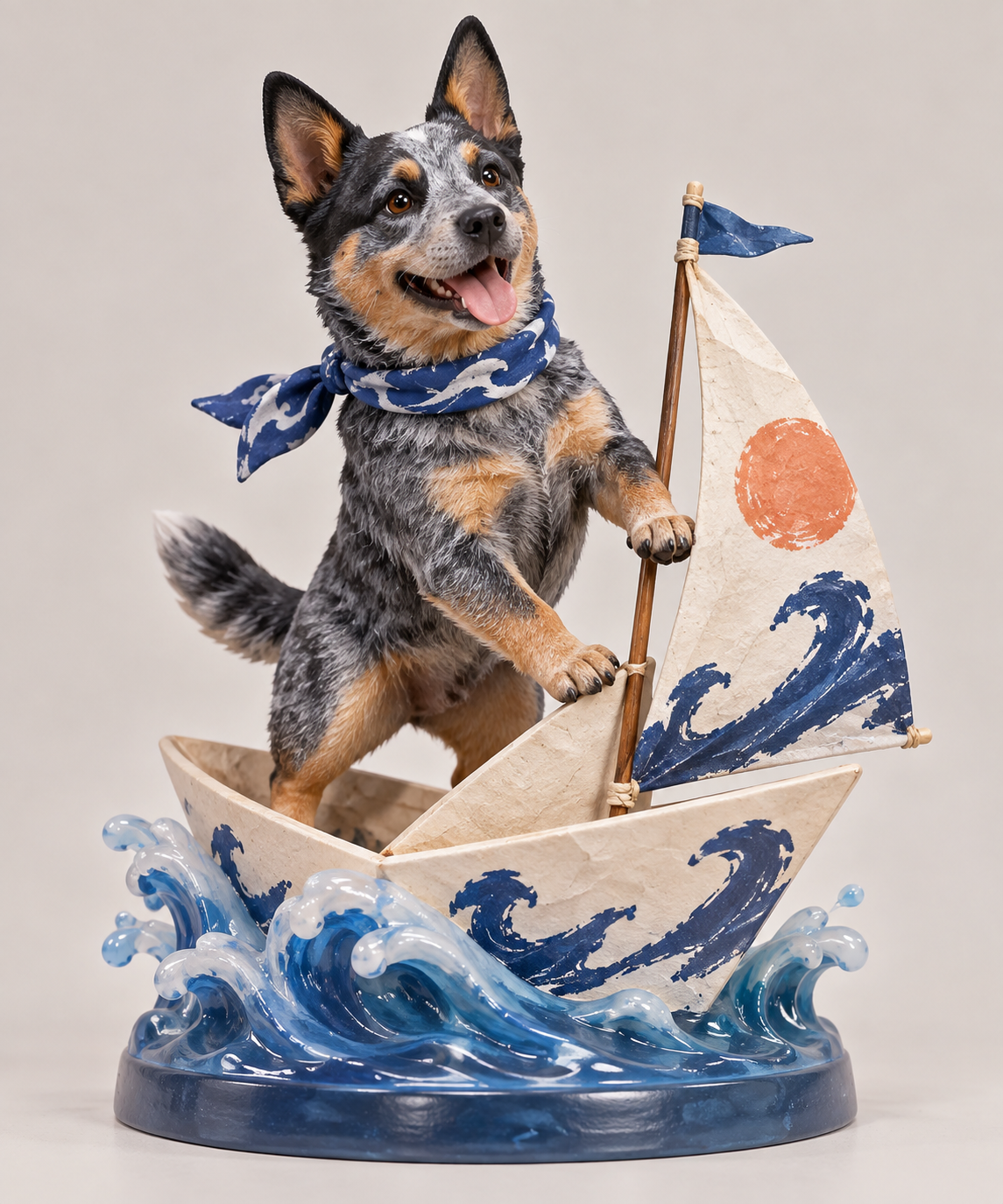
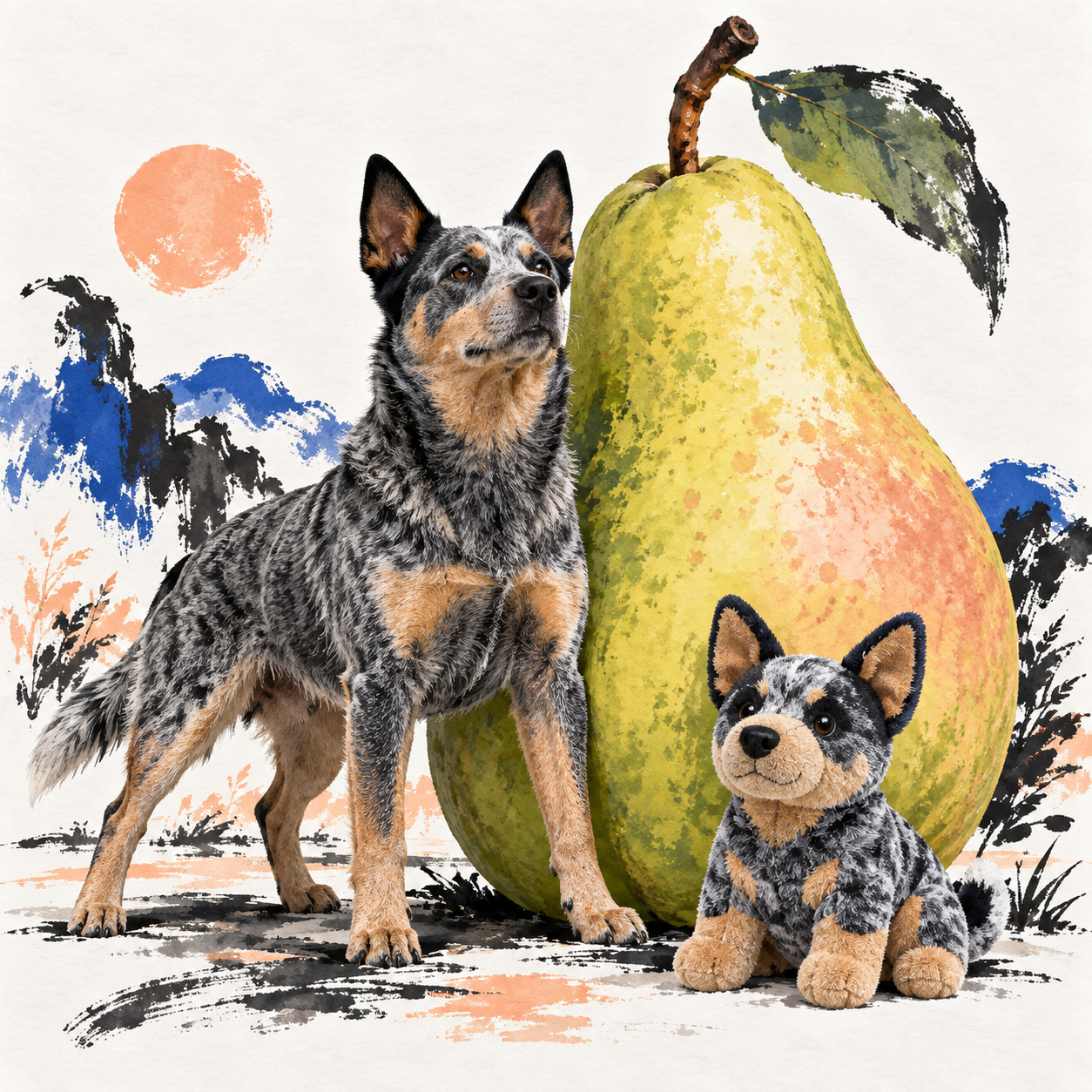
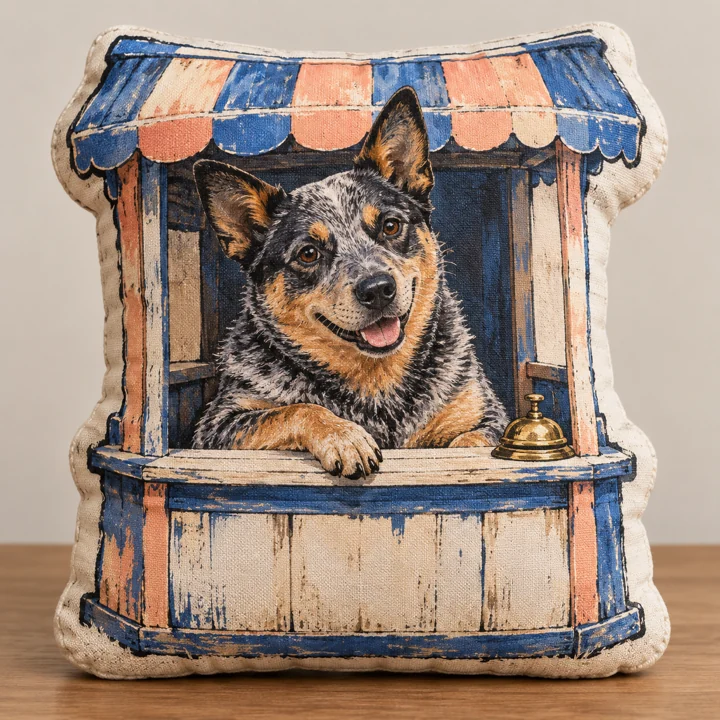
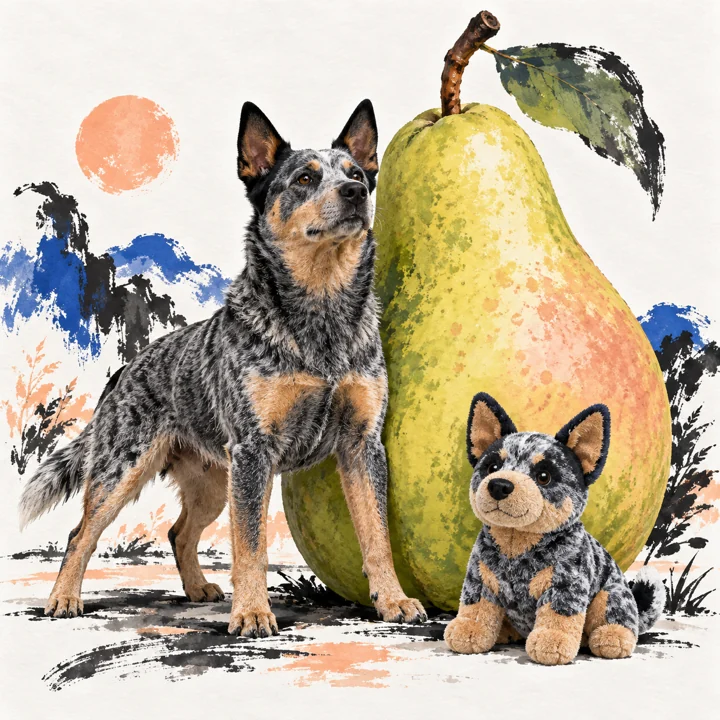
Combine the available parts, choose a name and take a little joy home.
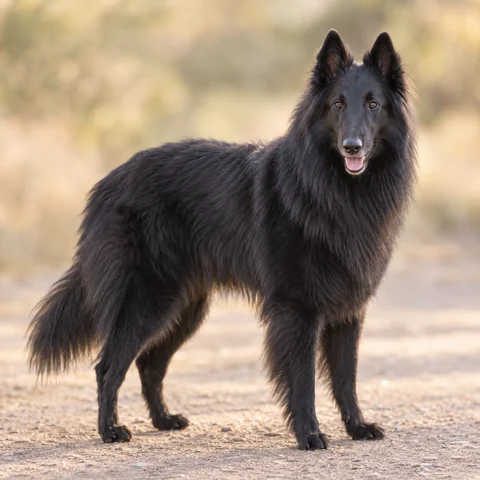 AI realistic image
Sheepdogs and cattle dogs
Belgian Shepherd Dog
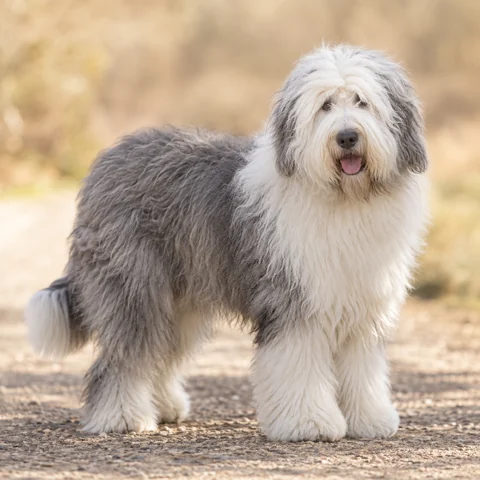 AI realistic image
Sheepdogs and cattle dogs
Old English Sheepdog
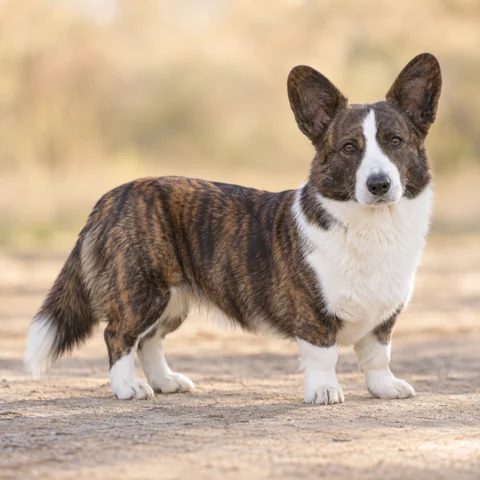 AI realistic image
Sheepdogs and cattle dogs
Welsh Corgi (Cardigan)