WOOFMAP · CANINE ARCHIVENO. 335
Pinschers, Schnauzers, Molossians and Swiss mountain dogs
Central Asia Shepherd Dog
Central Asia Shepherd Dog
✳ woofmap.comCentral Asia (patronage: Russia)
WOOFMAP · CANINE ARCHIVE · NO. 335
Central Asia Shepherd Dog
A powerful Central Asian guardian in two coat lengths.
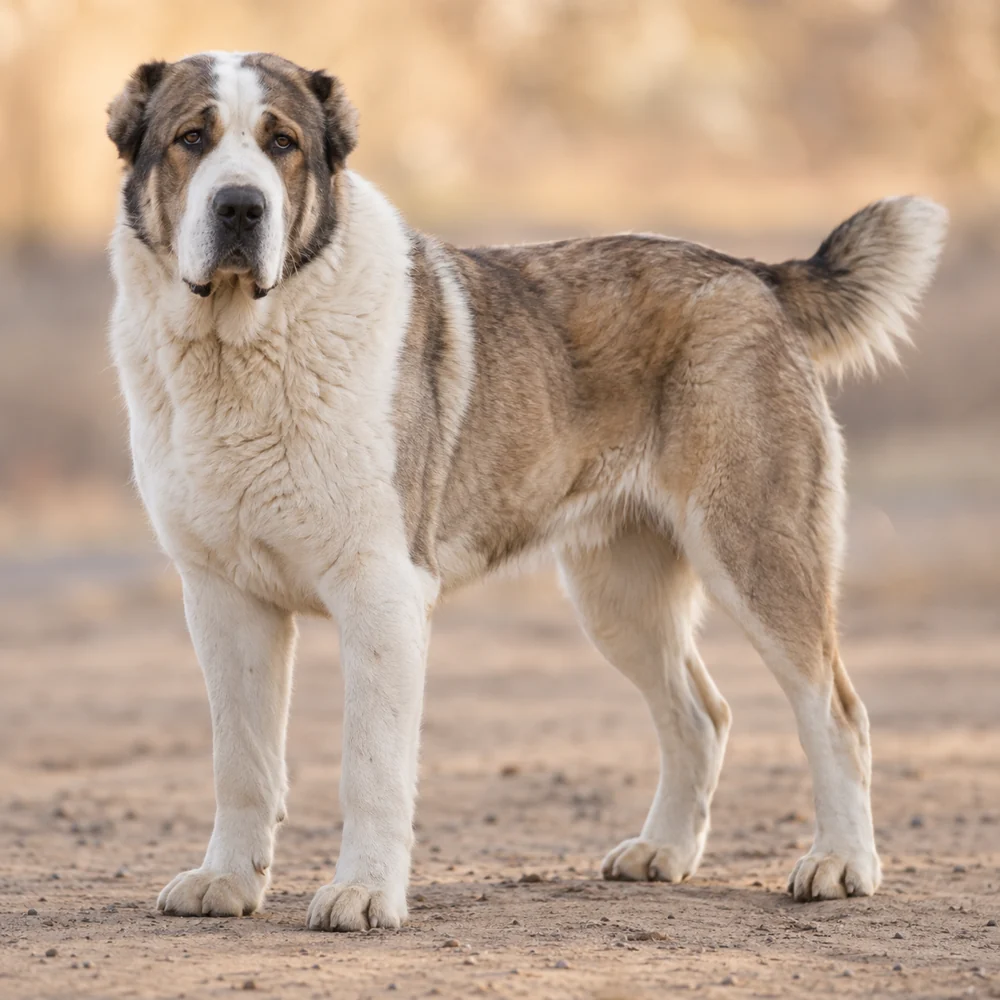
AI-generated realistic breed image, for visual reference.
This Central Asia Shepherd Dog page is still waiting for a voice. Live with a Central Asia Shepherd Dog? Share a natural bark, howl or whine and let others hear a little of your dog’s everyday life.
If we feature your recording, we’ll credit you or your dog using the name you choose.
A 5–15 second phone recording in a quiet setting is perfect. Capture a natural moment without startling or disturbing your dog. Audio or video with sound is welcome.
Share your dog’s voice ↗[email protected]Attach your recording, breed and preferred credit. Please confirm you recorded it and allow woofmap to feature it.
Thank you for helping us build a playful Woof Planet together. Every little woof deserves to be heard.
Pinschers, Schnauzers, Molossians and Swiss mountain dogs
Central Asia Shepherd Dog
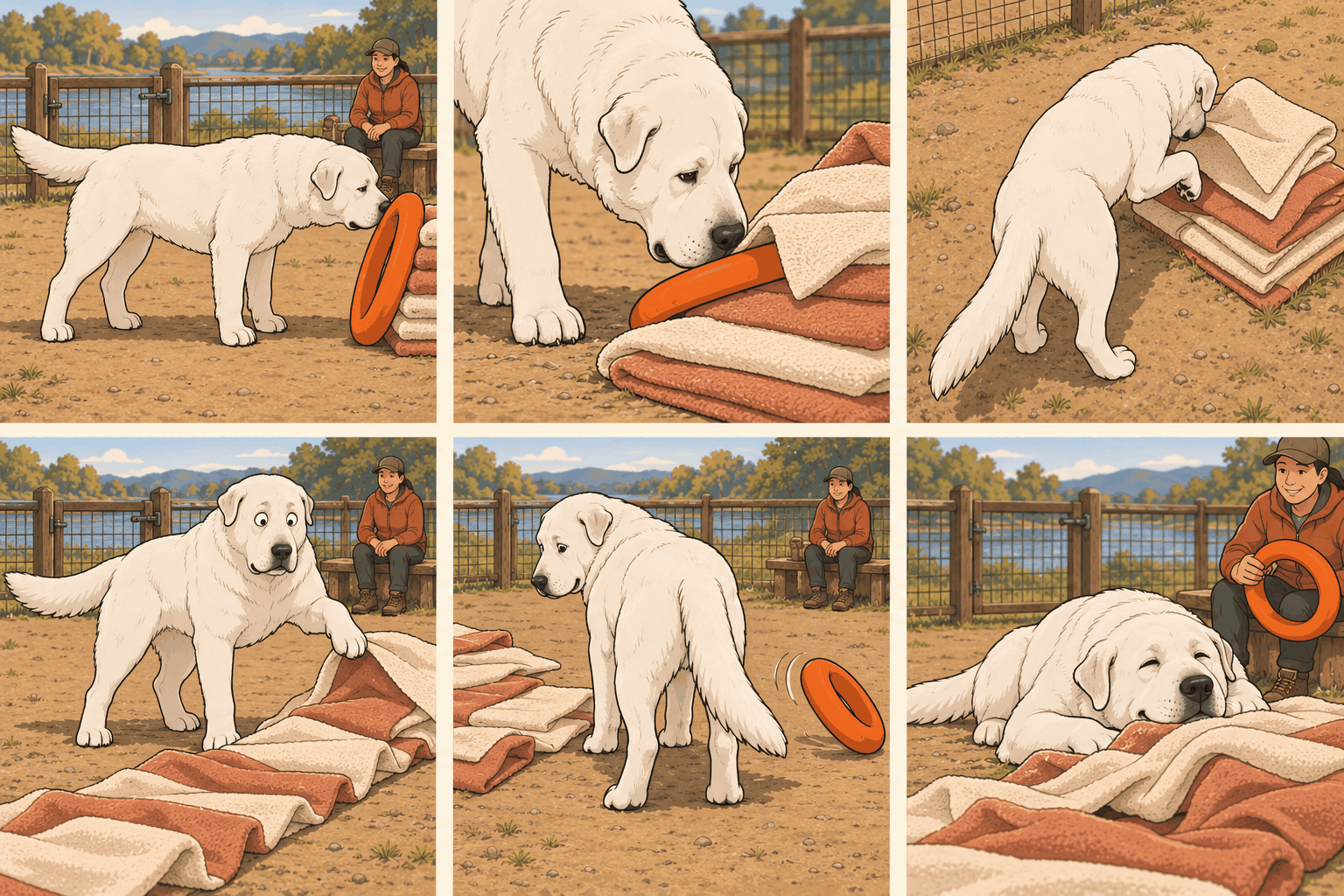
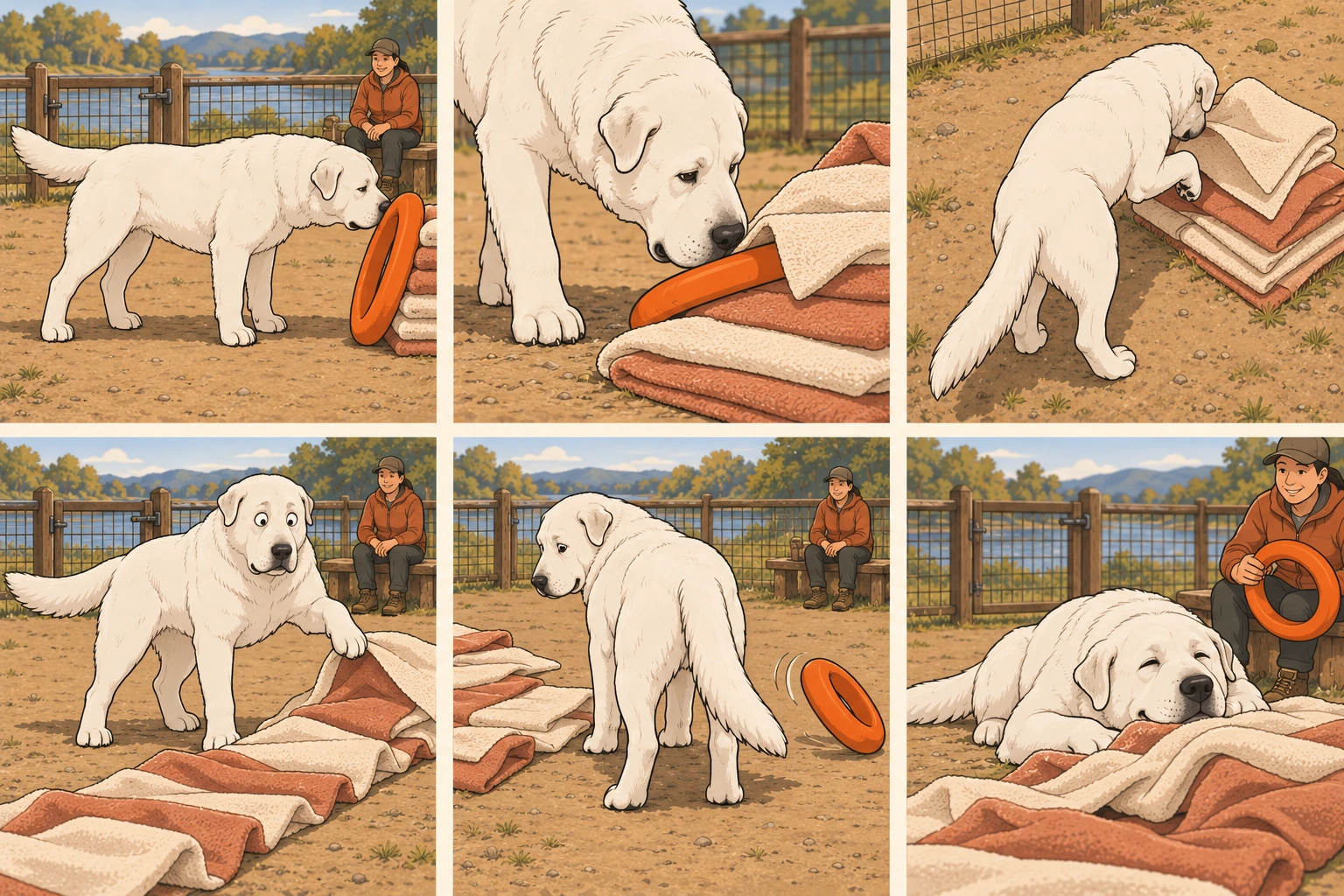
One nudge hides the ring in the towels. The search grows messier until the accidental heap becomes a chin rest—all inside a secure rest area well back from the water.
The standard describes a breed shaped by natural selection across a vast area from the Caspian Sea to China and from the southern Urals to Afghanistan. These dogs guarded livestock, caravans and dwellings, including herds threatened by predators. Organised work with the breed began in the USSR in the 1930s.
Large and robust, with a body slightly longer than tall; males stand at least 70 cm and weigh at least 50 kg, females at least 65 cm and 40 kg. Natural ears hang low, while the thick-based natural tail curves like a sickle or loose ring; the standard also recognises traditional cropping and docking where lawful.
Look for great size without exaggerated proportions, strong bone, a nearly rectangular head and a characteristic neck dewlap. Natural ears are triangular and hanging, and the natural tail is sickle-shaped or loosely curled; cropped ears or a docked tail do not define the breed. Both coat lengths belong to the same standard.
The standard describes a self-assured, quiet, independent dog with courage, endurance and a natural territorial instinct. Clear, consistent reward-based training suits those working traits, but universal sociability should not be assumed. Individuals differ with experience, socialisation and setting.
Brush the dense coat regularly and more often during shedding; check the longer-coated form for tangles in its mane, feathering and tail. Provide secure boundaries, walks and opportunities to explore scents. Practise recall, leash skills and calm visitor routines with rewards from an early age. Manage encounters with unfamiliar people or animals rather than leaving this large guardian to make those decisions alone.
Its size, independence and territorial instinct call for secure boundaries and steady everyday handling. A household new to guardian breeds should assess its setup and seek experienced, reward-based guidance.
Yes; both have a developed undercoat and can shed noticeably. The longer coat also needs attention where the mane and feathering may tangle.
Use controlled walks, scent exploration and brief cooperative training rather than relying only on strenuous running. Keep outdoor activity securely enclosed or on lead, especially around unfamiliar people and animals.
SOURCE NOTES
Breed traits follow the cited official standards; everyday care advice is our editorial interpretation of coat, build and working purpose.
Coat and size varieties can share a standard. The number is an archive reference, not a rarity score. An independent educational atlas, not a registry publication. Temperament varies; consult a veterinarian about health concerns.
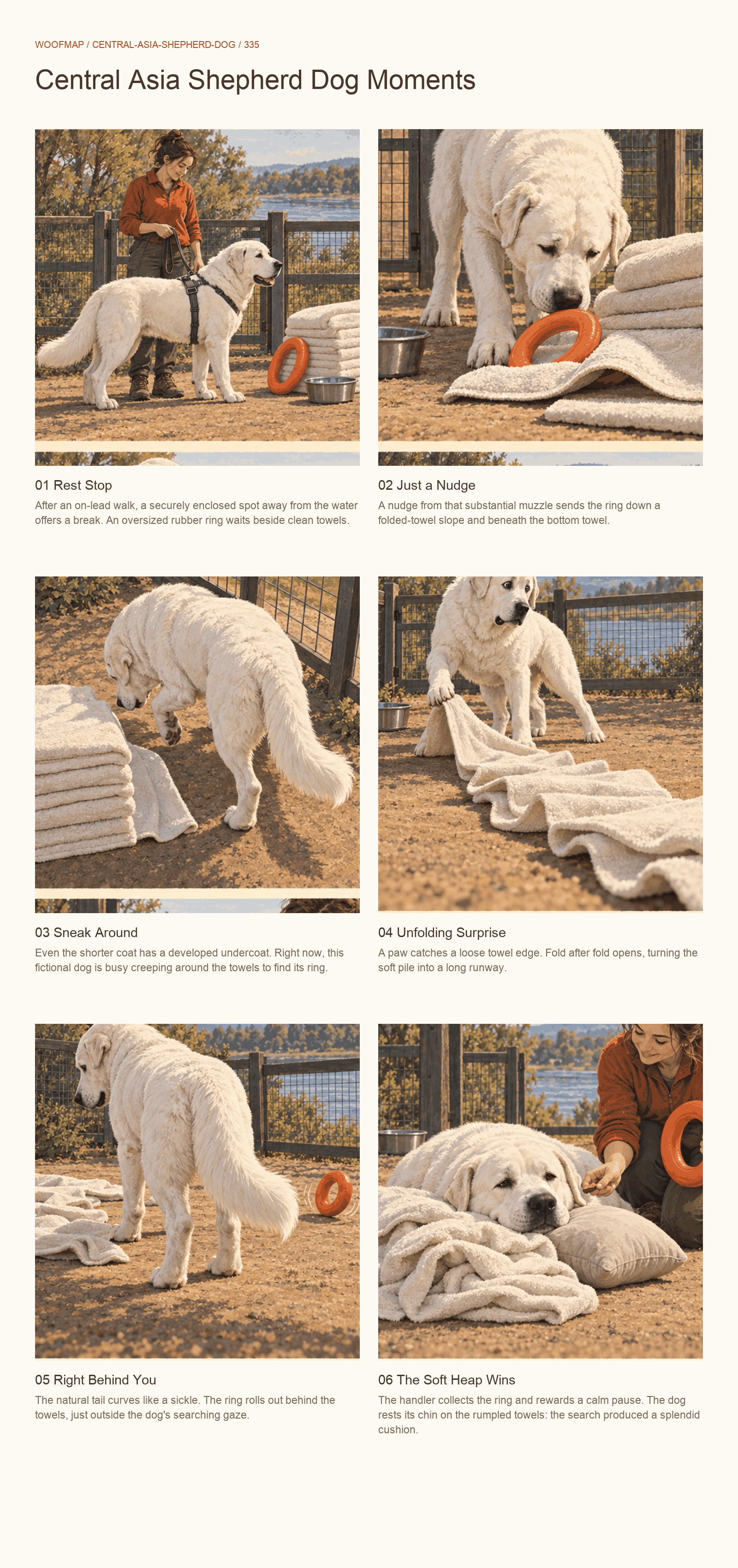
WOOFMAP / CENTRAL-ASIA-SHEPHERD-DOG / LITTLE MOMENTS
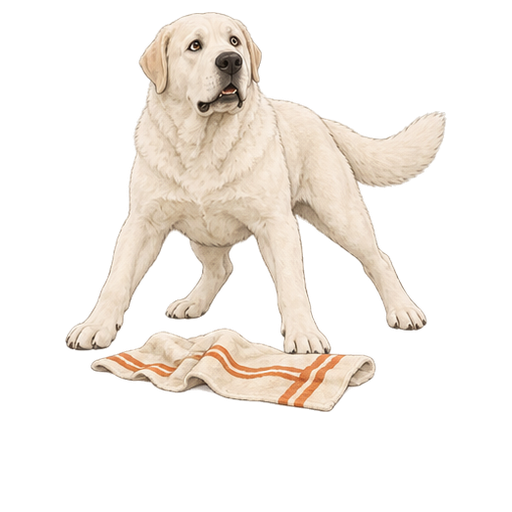
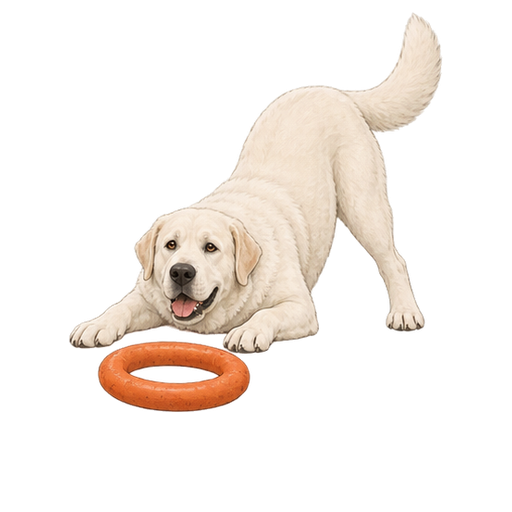
Illustrated here: the solid-white, shorter-coated variant, with natural triangular drop ears and a full sickle-shaped tail. This fictional dog's towel comedy is not a breed-wide trait.
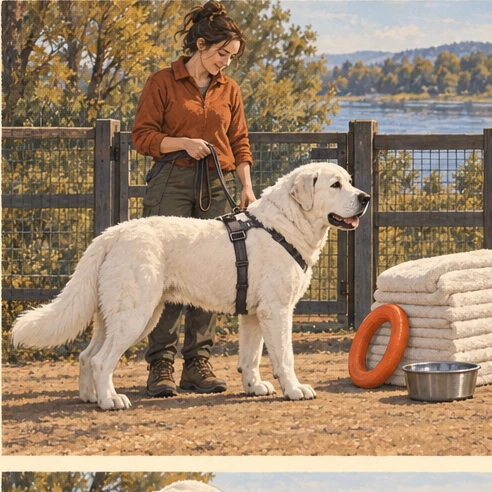
After an on-lead walk, a securely enclosed spot away from the water offers a break. An oversized rubber ring waits beside clean towels.
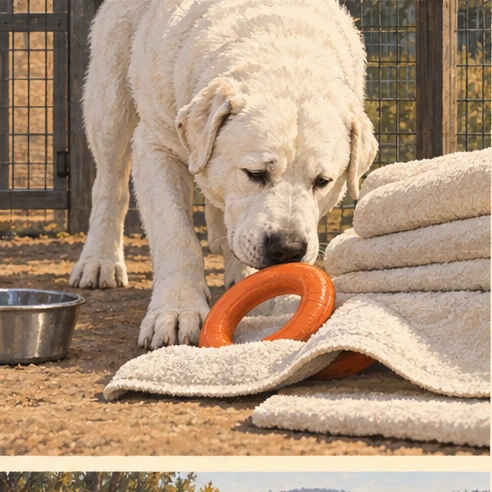
A nudge from that substantial muzzle sends the ring down a folded-towel slope and beneath the bottom towel.
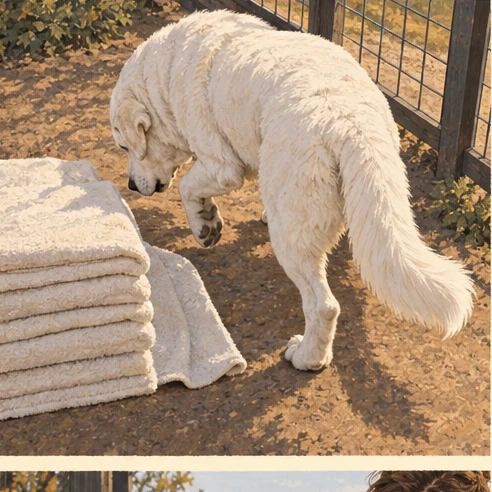
Even the shorter coat has a developed undercoat. Right now, this fictional dog is busy creeping around the towels to find its ring.
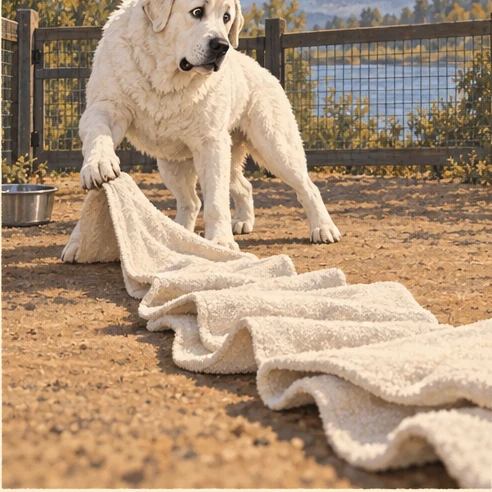
A paw catches a loose towel edge. Fold after fold opens, turning the soft pile into a long runway.
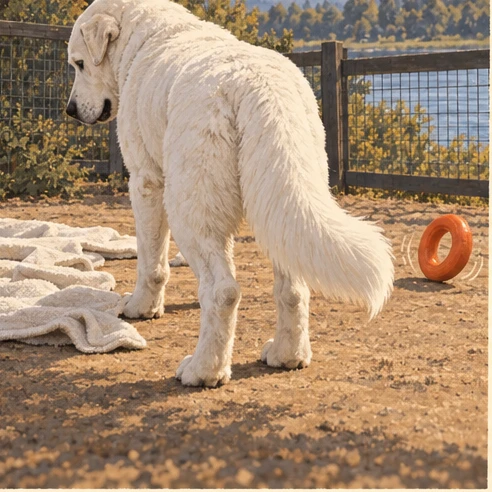
The natural tail curves like a sickle. The ring rolls out behind the towels, just outside the dog's searching gaze.
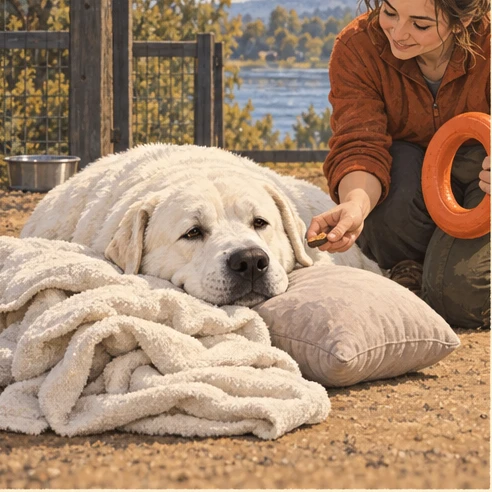
The handler collects the ring and rewards a calm pause. The dog rests its chin on the rumpled towels: the search produced a splendid cushion.
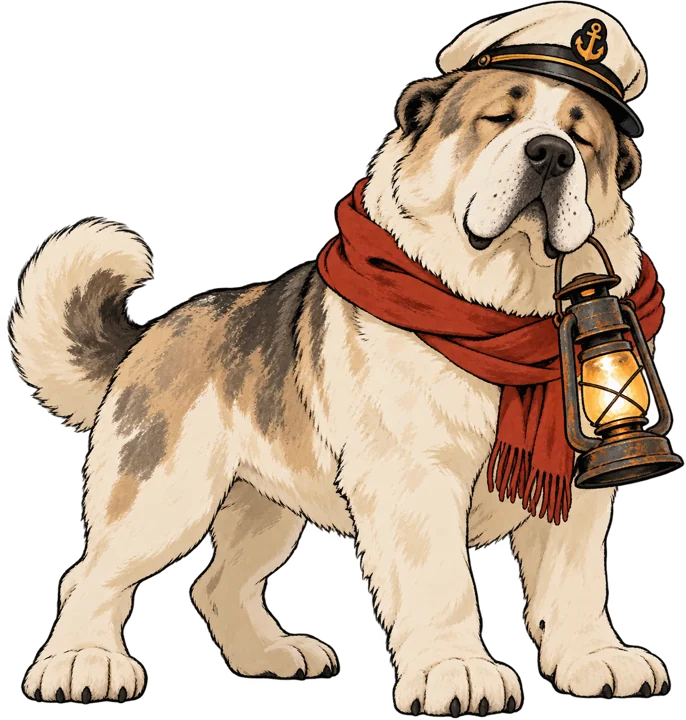
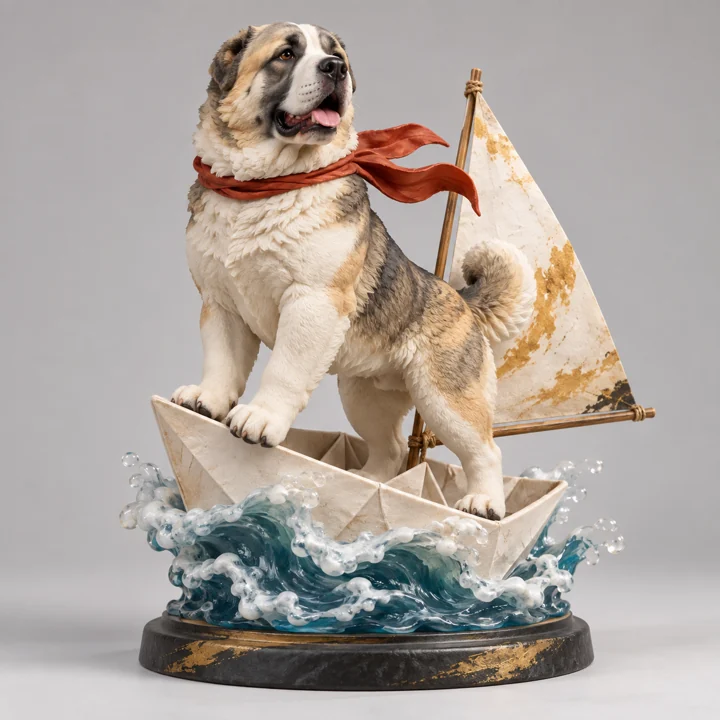
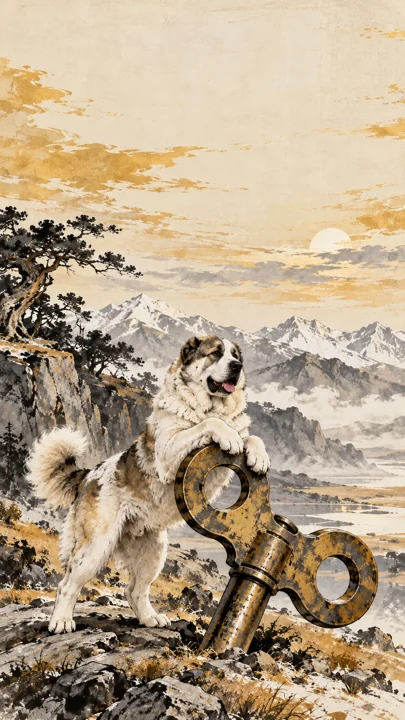
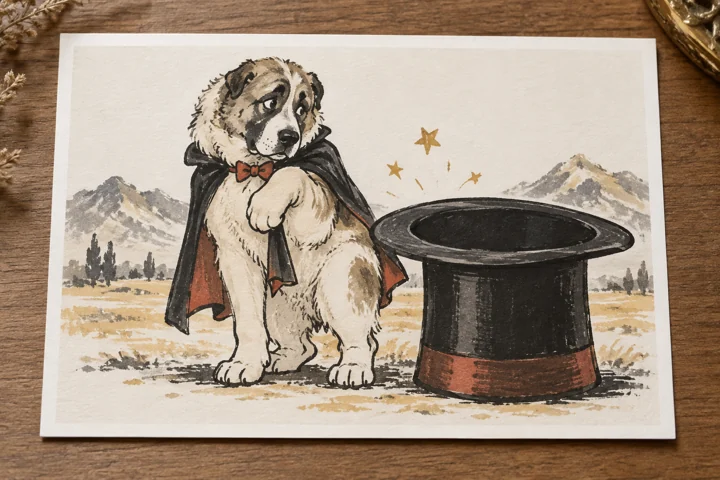
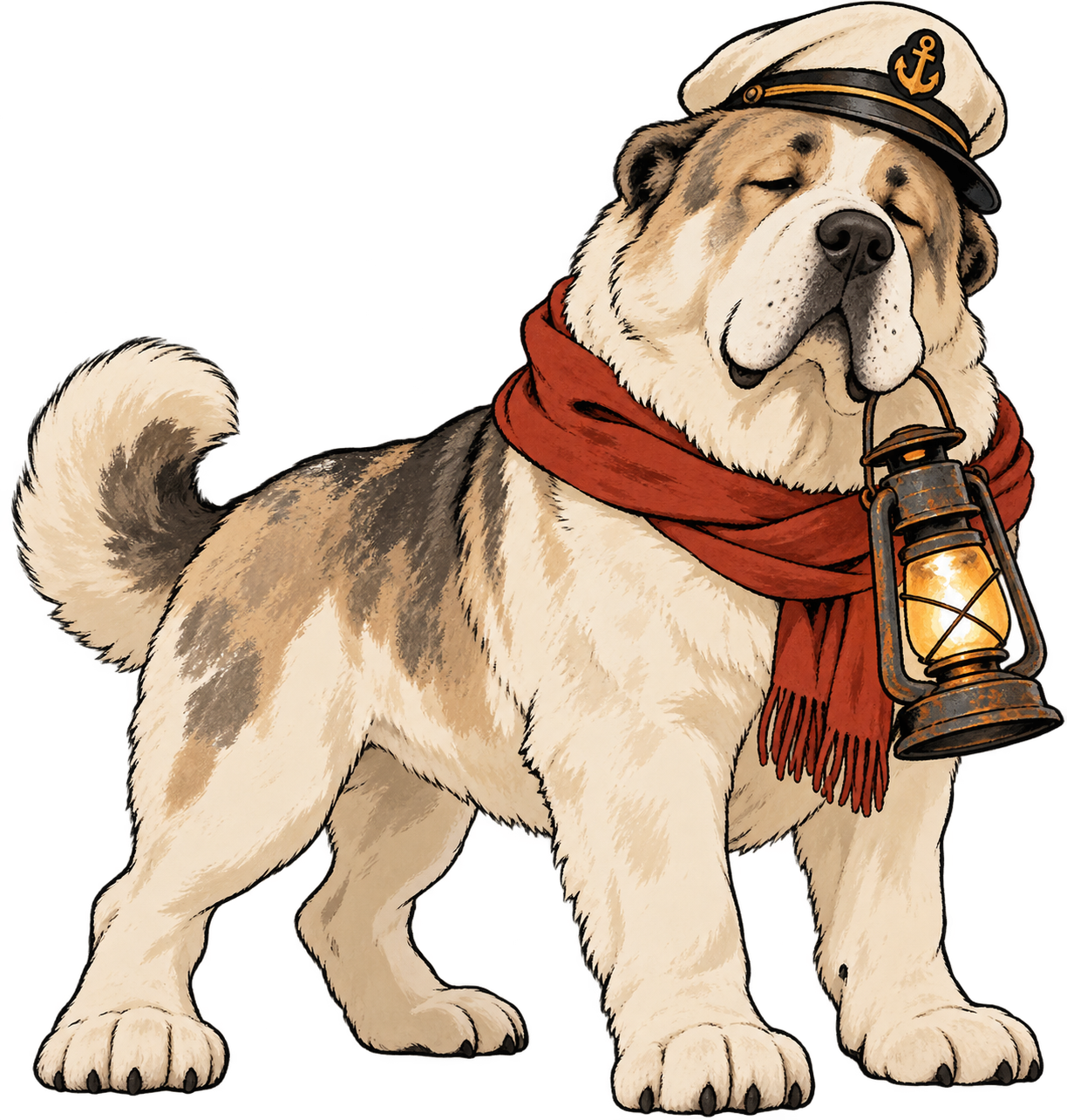
Eight transparent PNGs to save individually. Switch captions on or off for your chats.
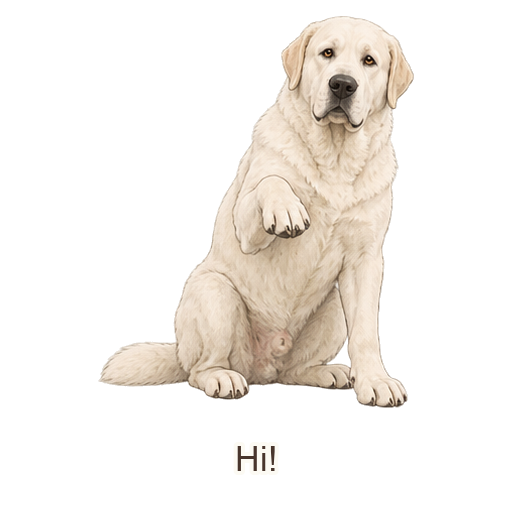 Hi!
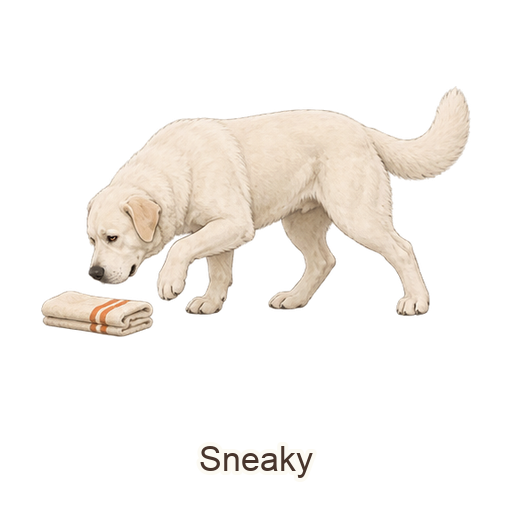 Sneaky
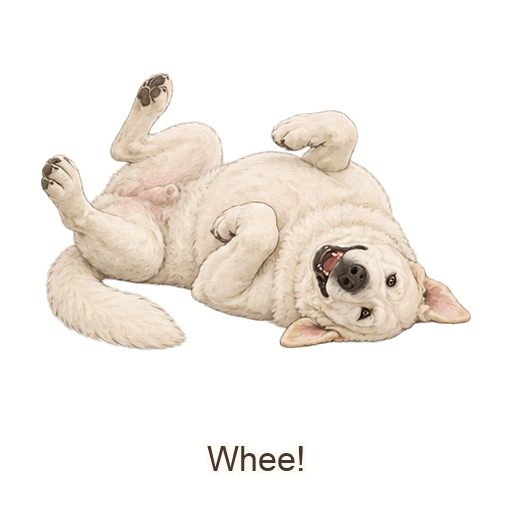 Whee!
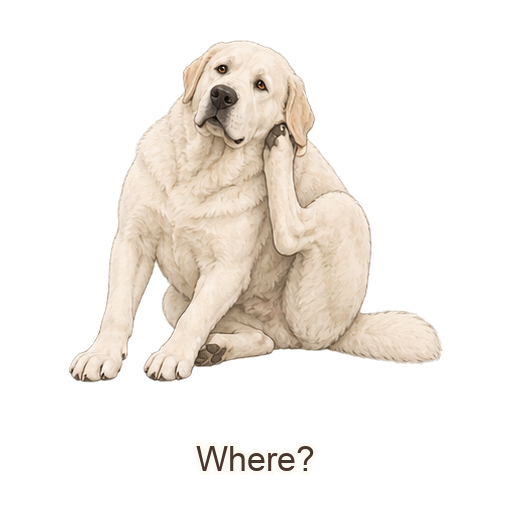 Where?
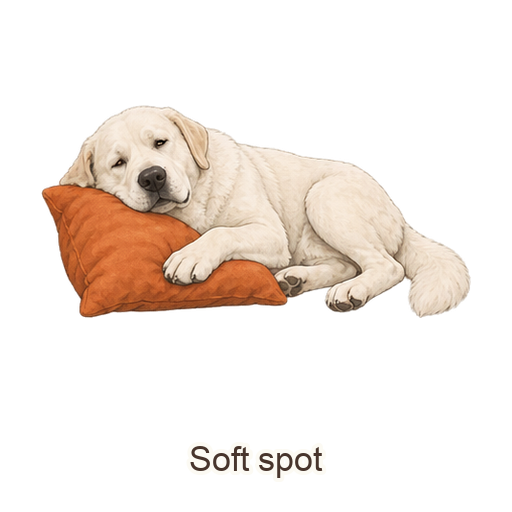 Soft spot
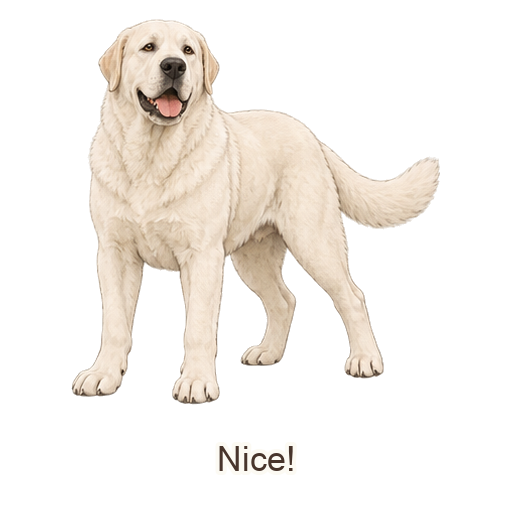 Nice!
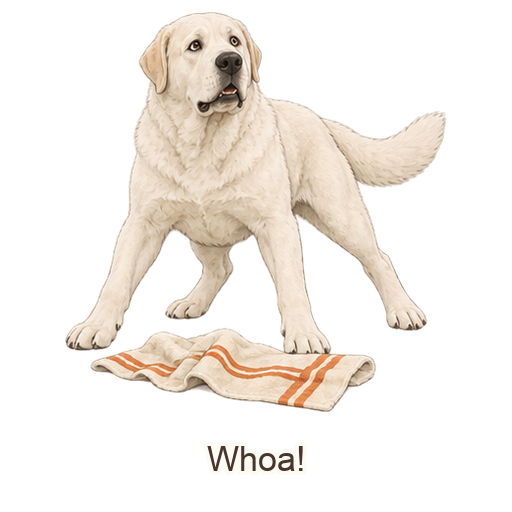 Whoa!
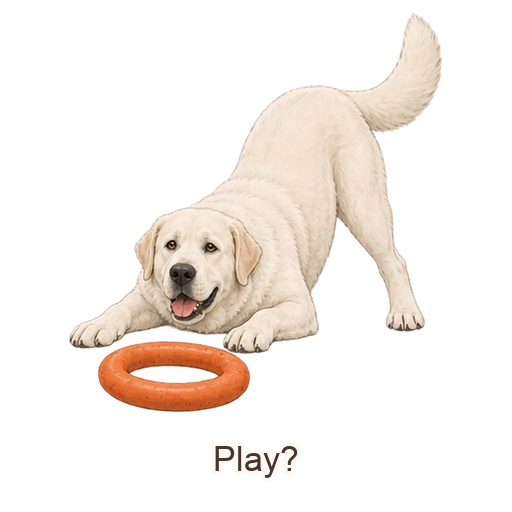 Play?
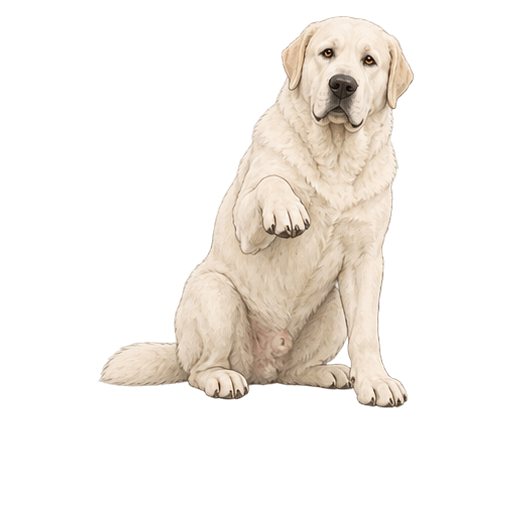 Hi!
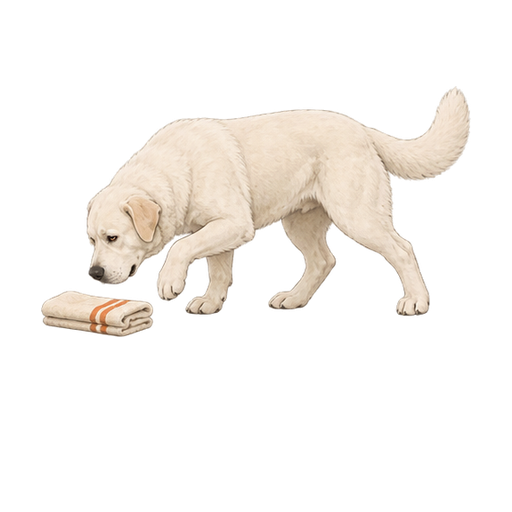 Sneaky
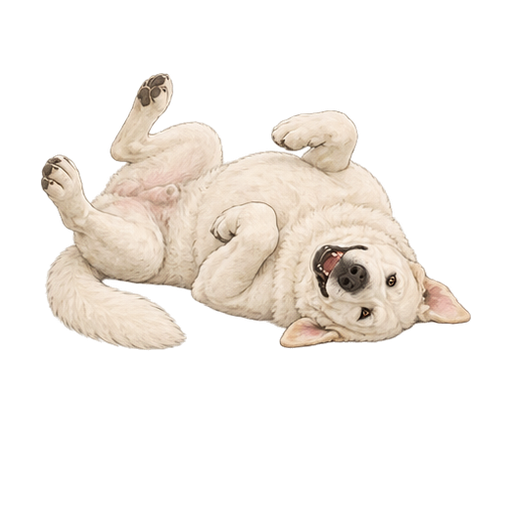 Whee!
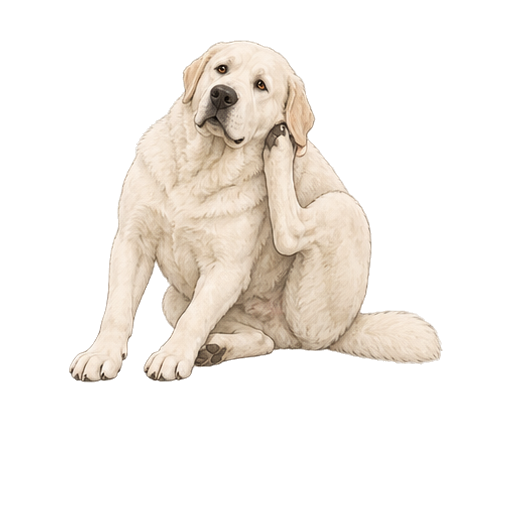 Where?
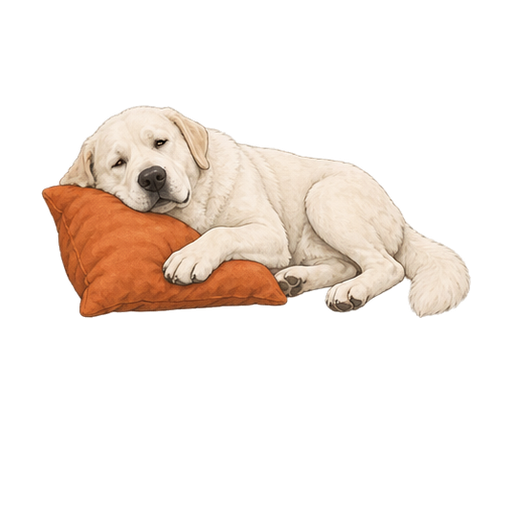 Soft spot
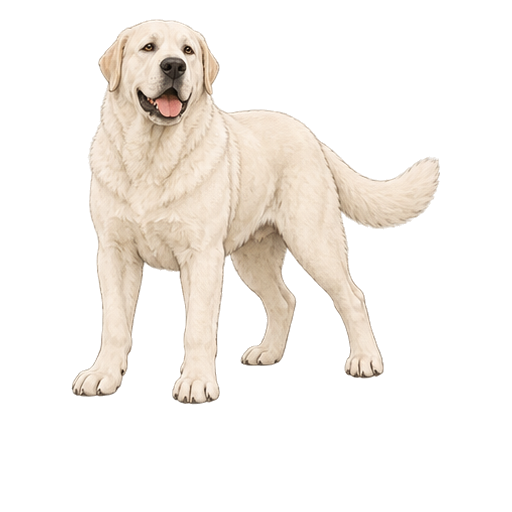 Nice!
 Whoa!
 Play?
Original woofmap artwork, assisted by GPT Image 2. Free for personal chats and non-commercial sharing with credit to woofmap.com. Fictional moods do not predict every dog’s temperament; see this page’s factual sources.
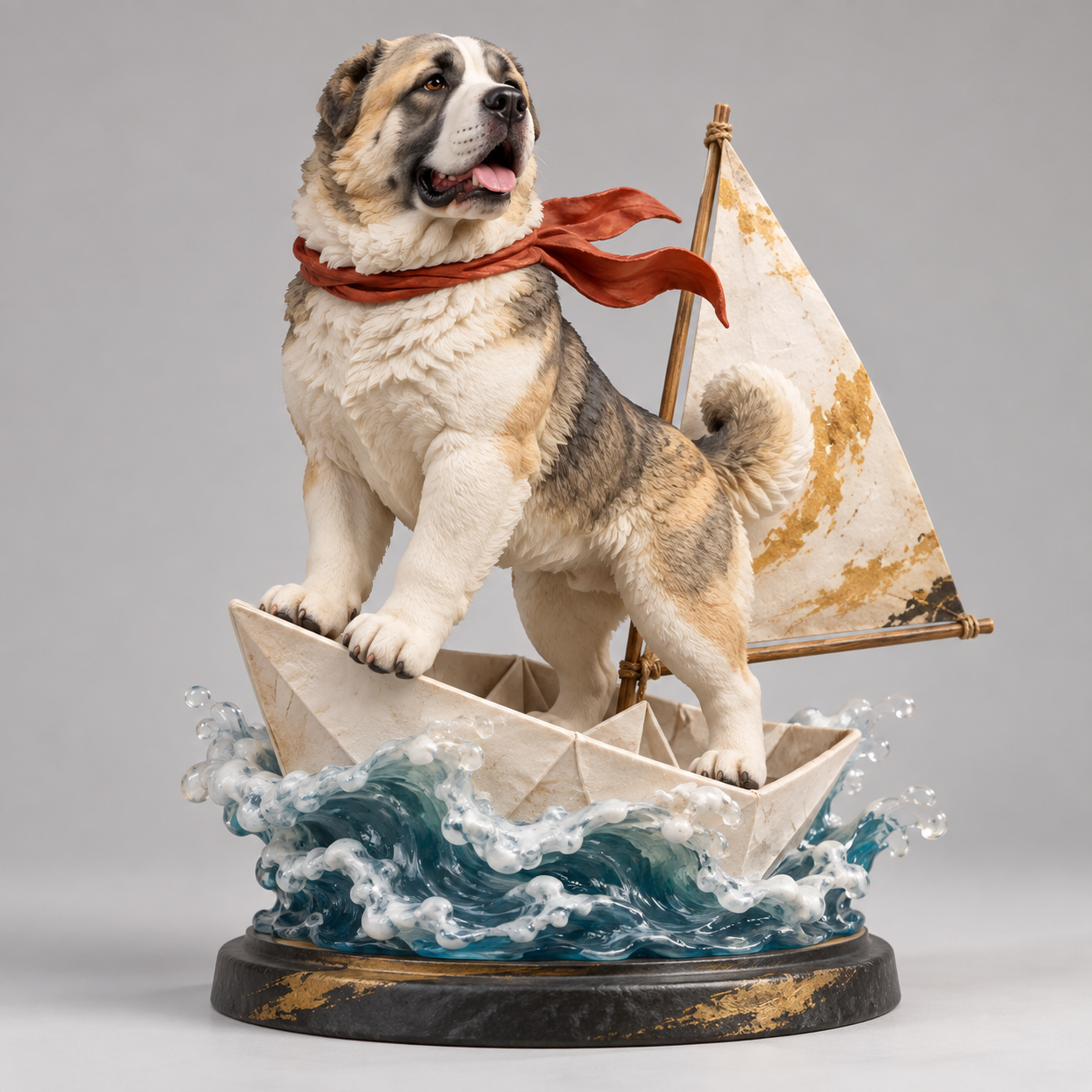
Combine the available parts, choose a name and take a little joy home.
 AI realistic image
Pinschers, Schnauzers, Molossians and Swiss mountain dogs
Yugoslavian Shepherd Dog - Sharplanina
 AI realistic image
Pinschers, Schnauzers, Molossians and Swiss mountain dogs
Bernese Mountain Dog
 AI realistic image
Pinschers, Schnauzers, Molossians and Swiss mountain dogs
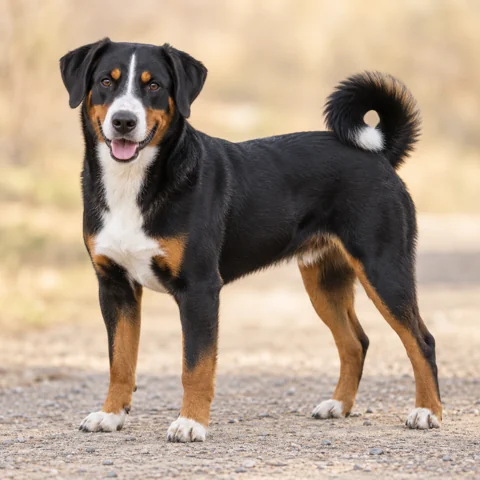
Appenzell Cattle Dog