WOOFMAP · CANINE ARCHIVENO. 353
Pinschers, Schnauzers, Molossians and Swiss mountain dogs
Cimarrón Uruguayo
Cimarrón Uruguayo
✳ woofmap.comUruguay
WOOFMAP · CANINE ARCHIVE · NO. 353
Cimarrón Uruguayo
An agile, powerful dog shaped by Uruguay’s cattle work and guarding.
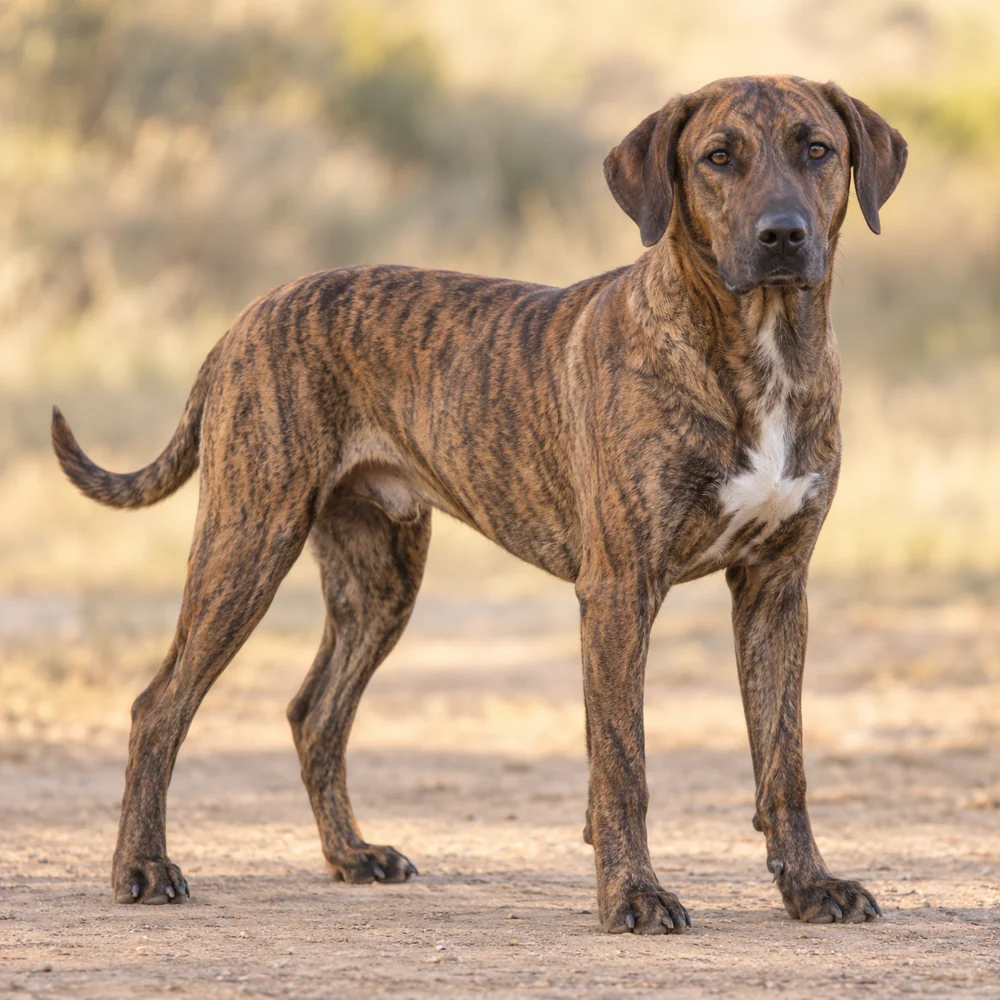
AI-generated realistic breed image, for visual reference.
This Cimarrón Uruguayo page is still waiting for a voice. Live with a Cimarrón Uruguayo? Share a natural bark, howl or whine and let others hear a little of your dog’s everyday life.
If we feature your recording, we’ll credit you or your dog using the name you choose.
A 5–15 second phone recording in a quiet setting is perfect. Capture a natural moment without startling or disturbing your dog. Audio or video with sound is welcome.
Share your dog’s voice ↗[email protected]Attach your recording, breed and preferred credit. Please confirm you recorded it and allow woofmap to feature it.
Thank you for helping us build a playful Woof Planet together. Every little woof deserves to be heard.
Pinschers, Schnauzers, Molossians and Swiss mountain dogs
Cimarrón Uruguayo
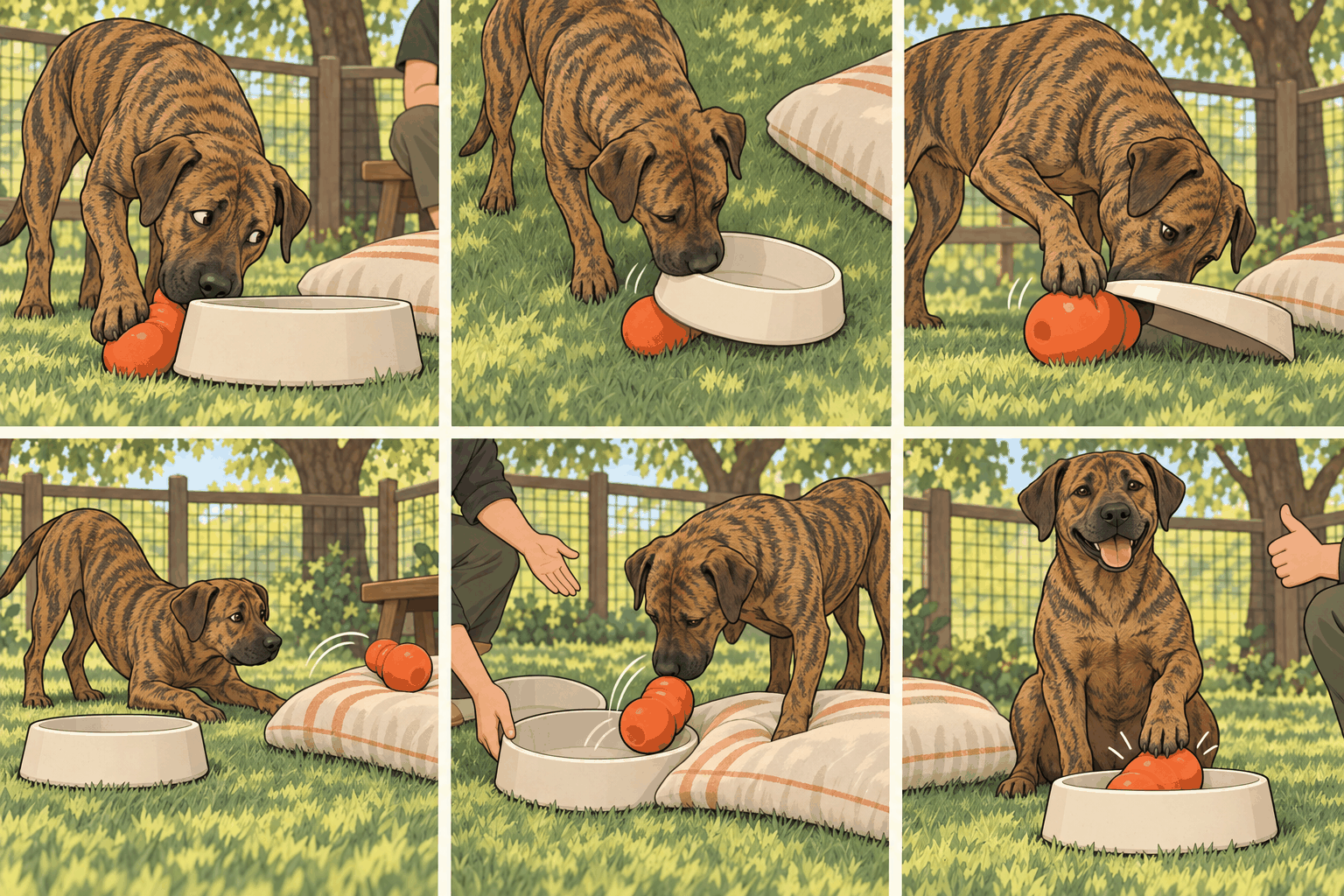
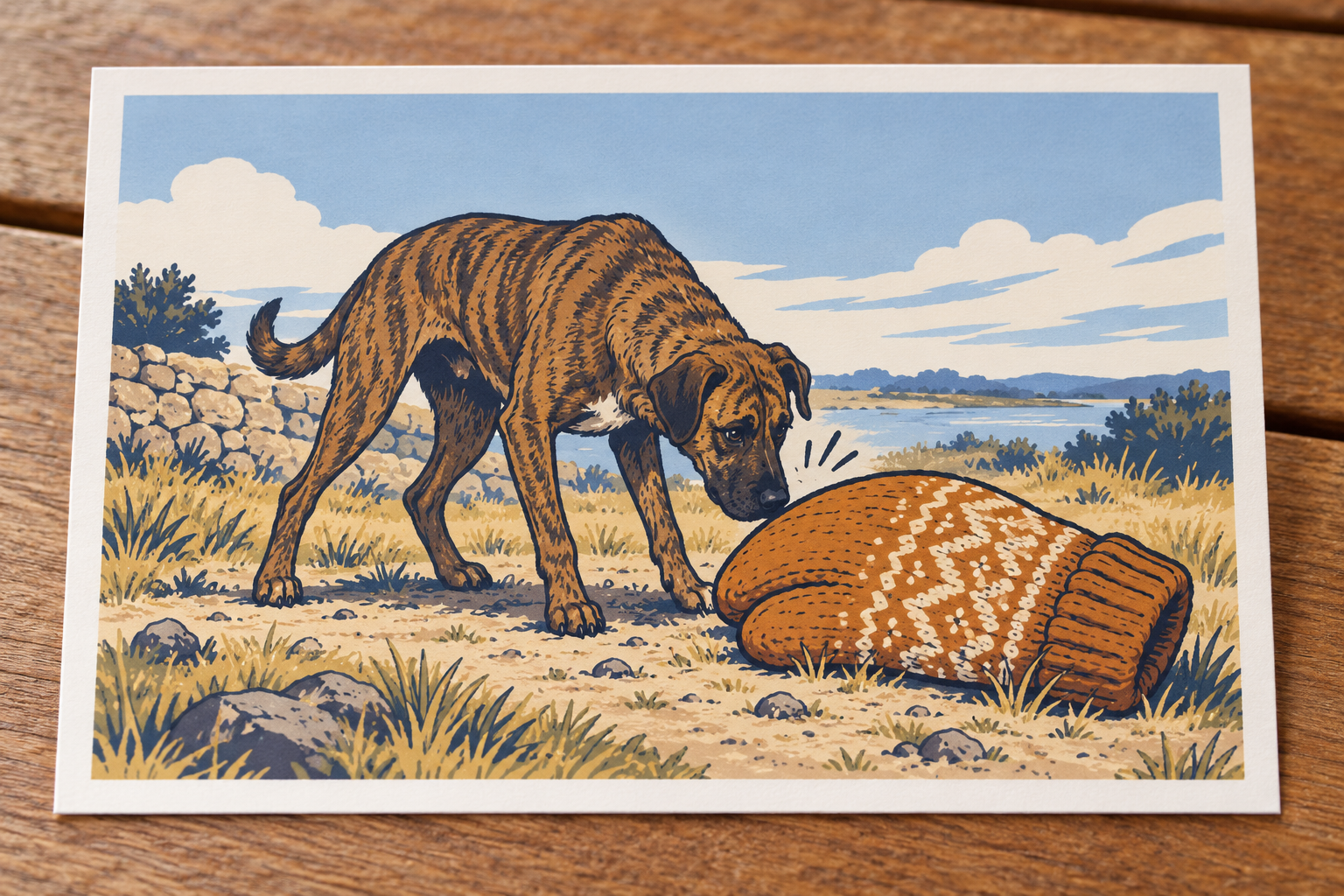
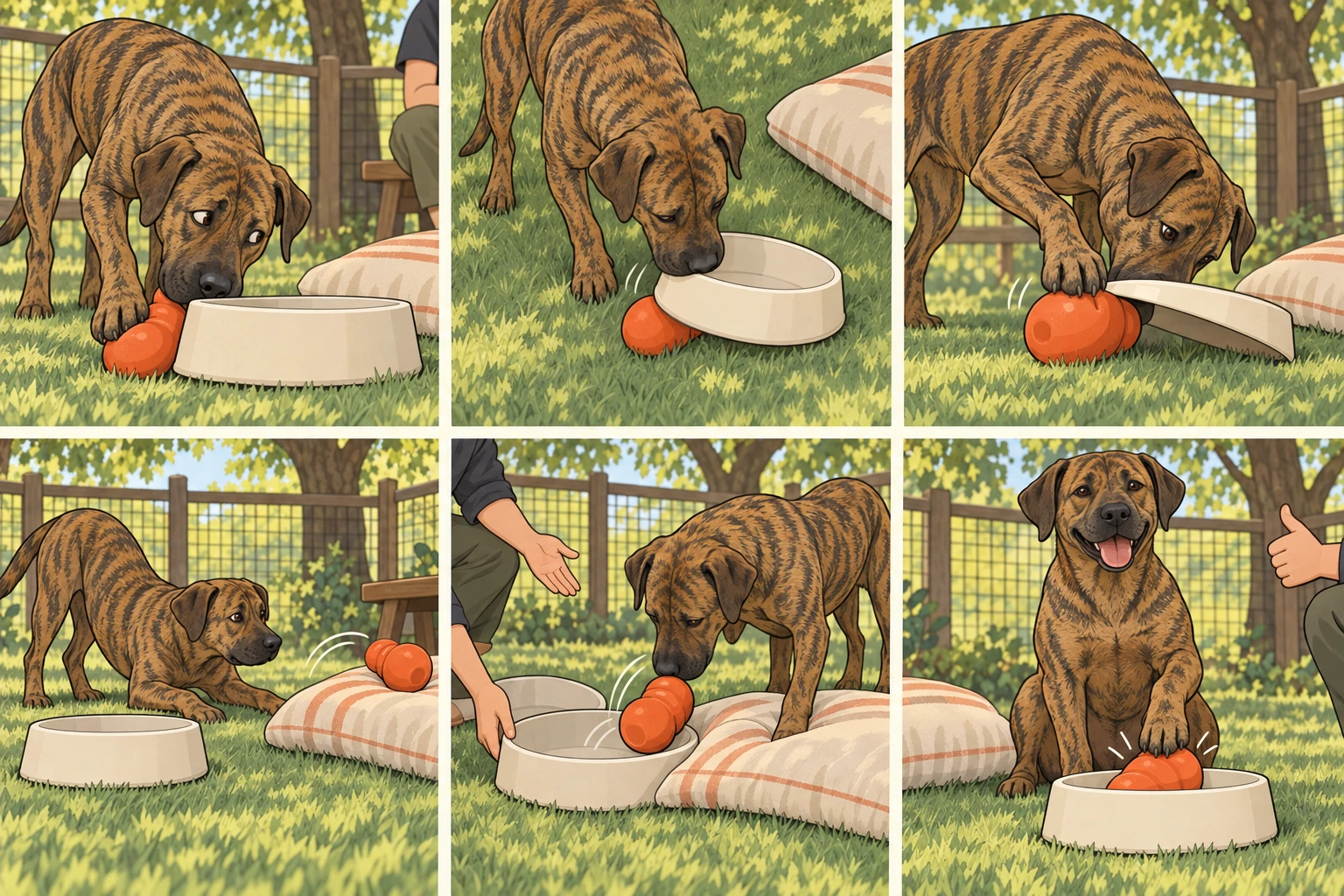
A squeak beside an empty bowl starts a little investigation. The toy rolls onto a pillow, then becomes the bowl’s unexpected guest.
Its exact origin is uncertain, but the standard traces it to dogs brought by Spanish and Portuguese conquerors. Dogs left in Uruguay bred among themselves and underwent natural selection; local people later domesticated them for guarding estates and working cattle. Big-game hunting is also listed among the breed’s uses.
A medium-sized dogue-type dog, it is strong, compact, well muscled and agile. Males stand 58–61 cm and females 55–58 cm at the withers, with a 2 cm tolerance for each; the triangular ears droop or form a rose shape, and the thick tail reaches the hock.
Look for compact, medium-sized dogue proportions, a broad head, strong muzzle and deep chest rather than relying on brindle colour alone. Fawn and bluish forms are also accepted, a mask is optional, and natural ears may droop or form a rose shape. The standard does not define separate size varieties.
The standard describes a balanced, intelligent dog of great courage. Its guarding, herding and hunting uses make self-control and a reliable response to cues important; build these through rewards and gradual exposure, while allowing for individual differences rather than assuming sociability with strangers.
Brush the close coat regularly and account for undercoat shedding; clean it as needed. Provide walks, scent exploration and structured training, with controlled searching or carrying games for enrichment. Given its guarding and cattle-working background, practise recall, leash manners and calm introductions early, and manage visitors and boundaries. Reward-based training and consistent rules help channel its strength and alertness.
The key is whether the household can consistently train and manage a strong dog with a guarding background. A family prepared for reward-based training, early socialisation and visitor management is better placed to meet its needs.
Regular brushing removes loose hair and gives you a chance to check the skin and coat. It has an undercoat, so short hair does not mean no shedding.
Scent games, object searches and brief obedience practice provide mental work and reinforce responsiveness. Use secure boundaries or a leash outdoors, especially around unfamiliar people, livestock or wildlife.
SOURCE NOTES
Breed traits follow the cited official standards; everyday care advice is our editorial interpretation of coat, build and working purpose.
Coat and size varieties can share a standard. The number is an archive reference, not a rarity score. An independent educational atlas, not a registry publication. Temperament varies; consult a veterinarian about health concerns.
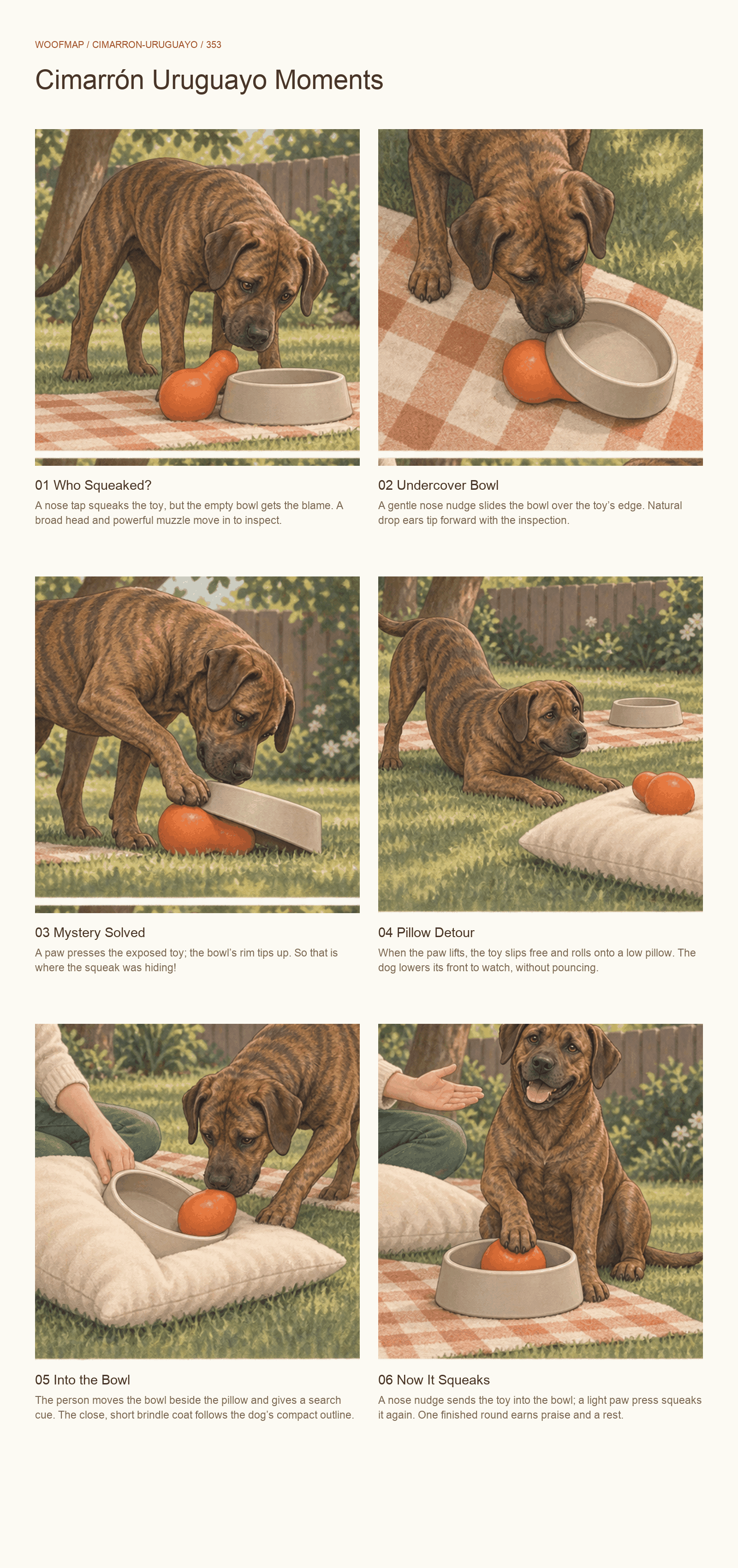
WOOFMAP / CIMARRON-URUGUAYO / LITTLE MOMENTS
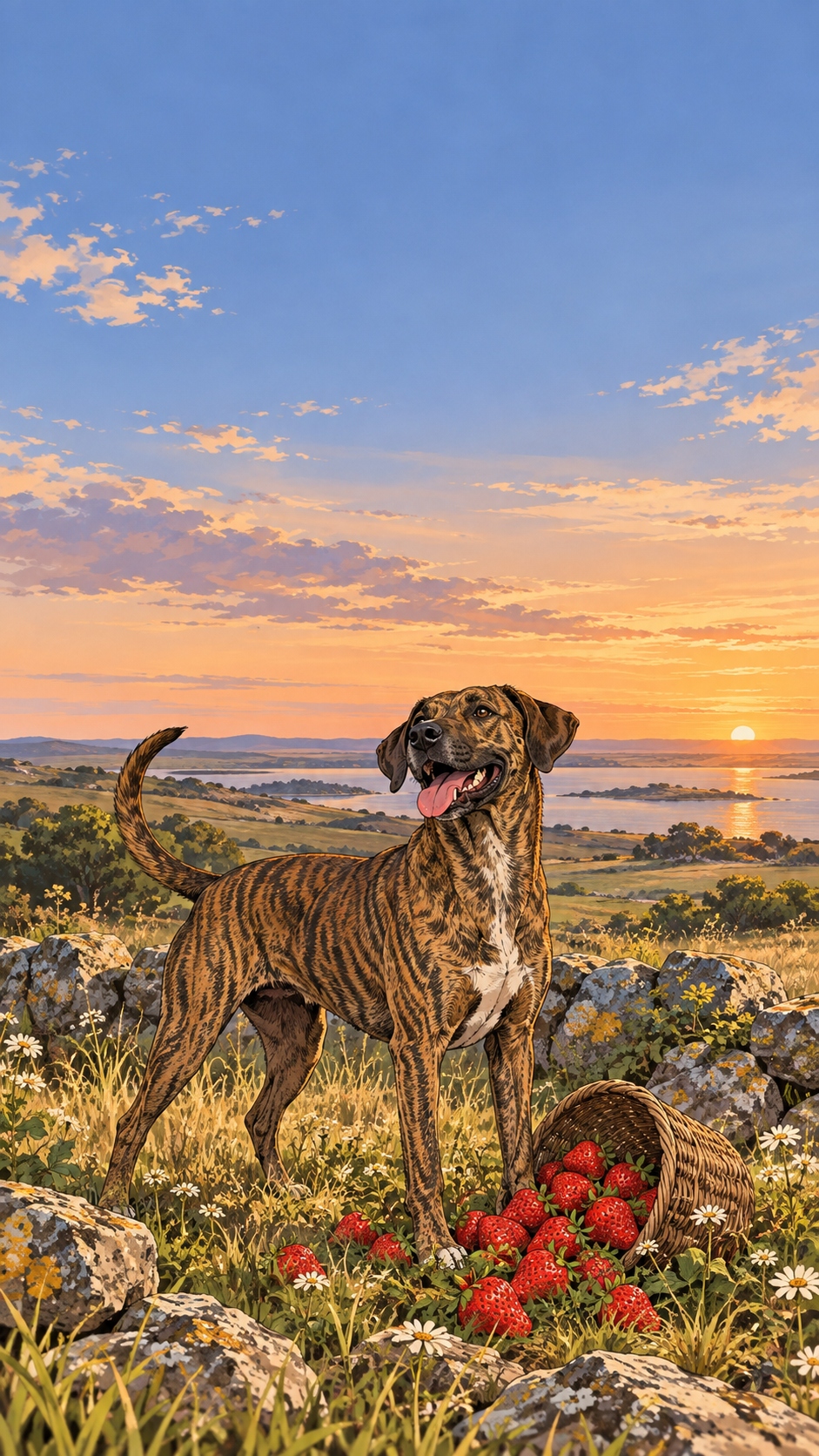
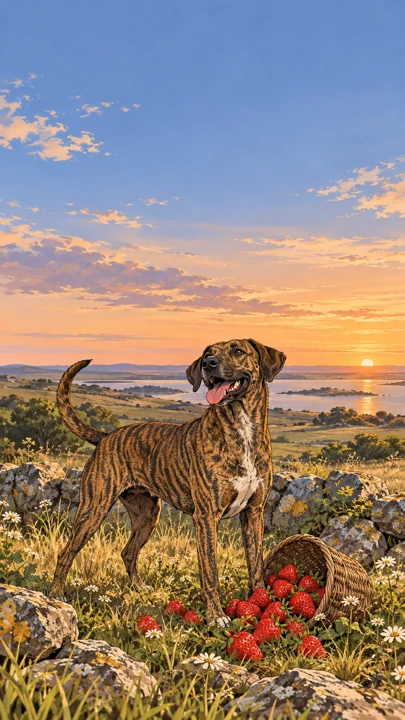
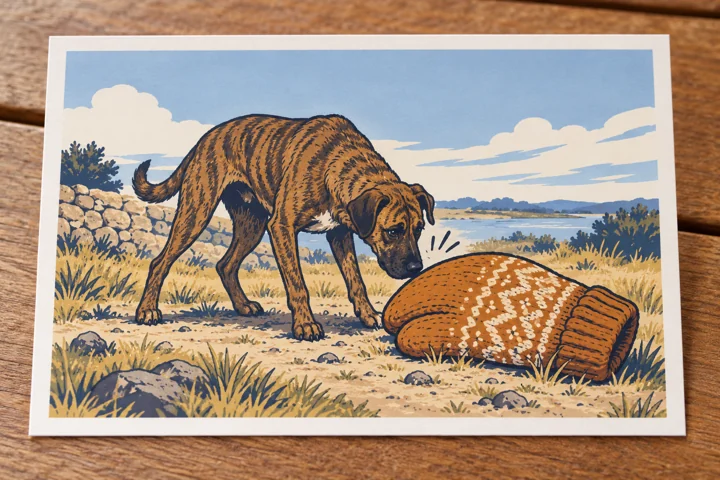
Illustrated here: fawn-based brindle, without a mask or white markings, and natural triangular drop ears. These picnic moods belong to one fictional dog, not every member of the breed.
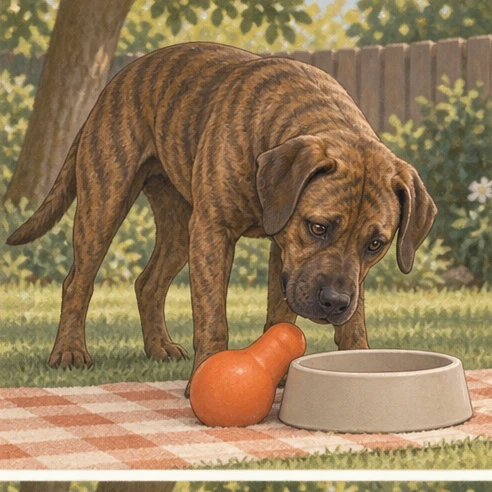
A nose tap squeaks the toy, but the empty bowl gets the blame. A broad head and powerful muzzle move in to inspect.
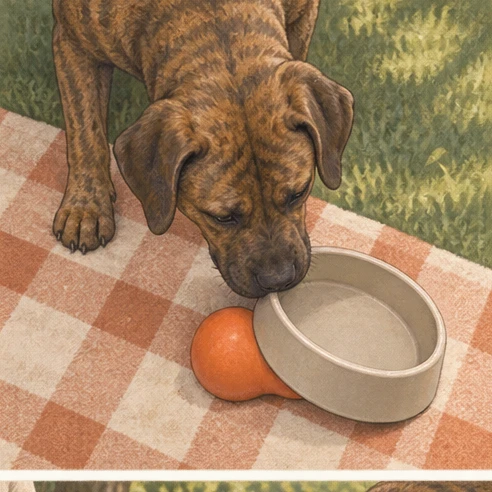
A gentle nose nudge slides the bowl over the toy’s edge. Natural drop ears tip forward with the inspection.
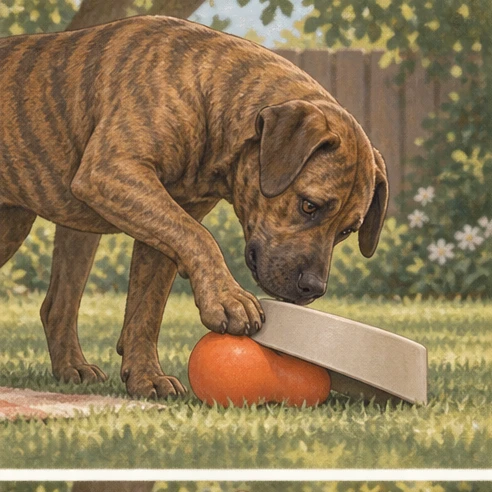
A paw presses the exposed toy; the bowl’s rim tips up. So that is where the squeak was hiding!
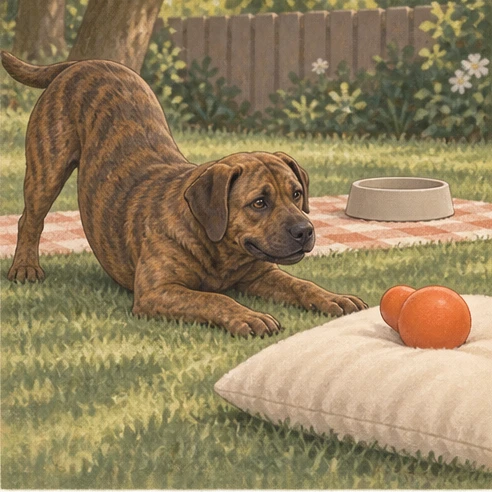
When the paw lifts, the toy slips free and rolls onto a low pillow. The dog lowers its front to watch, without pouncing.
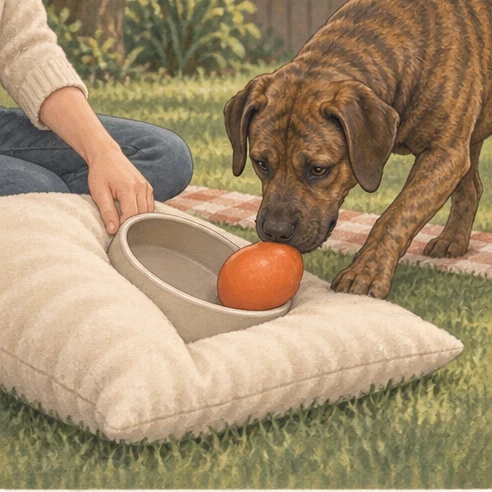
The person moves the bowl beside the pillow and gives a search cue. The close, short brindle coat follows the dog’s compact outline.
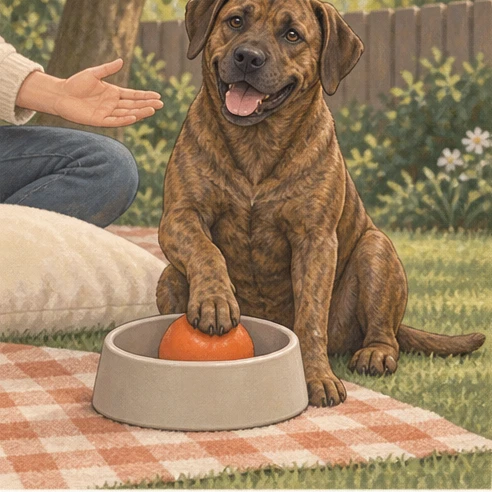
A nose nudge sends the toy into the bowl; a light paw press squeaks it again. One finished round earns praise and a rest.
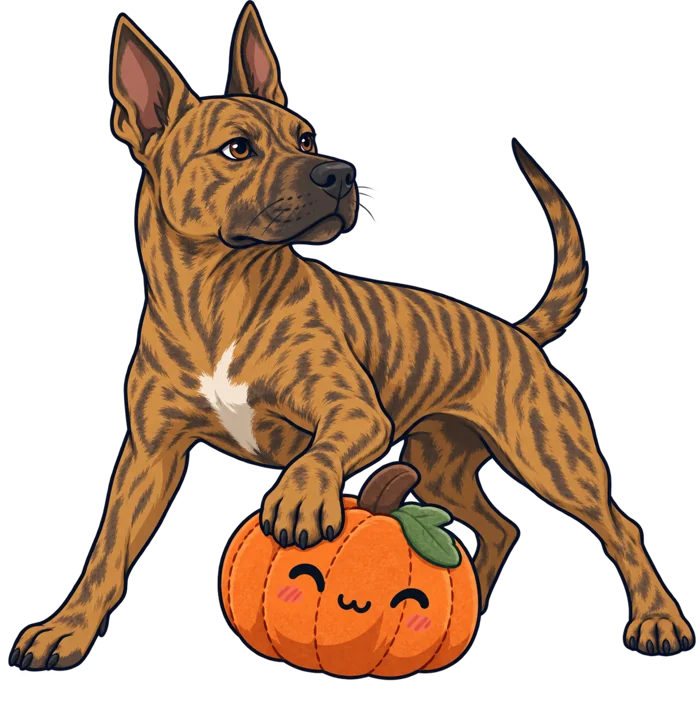
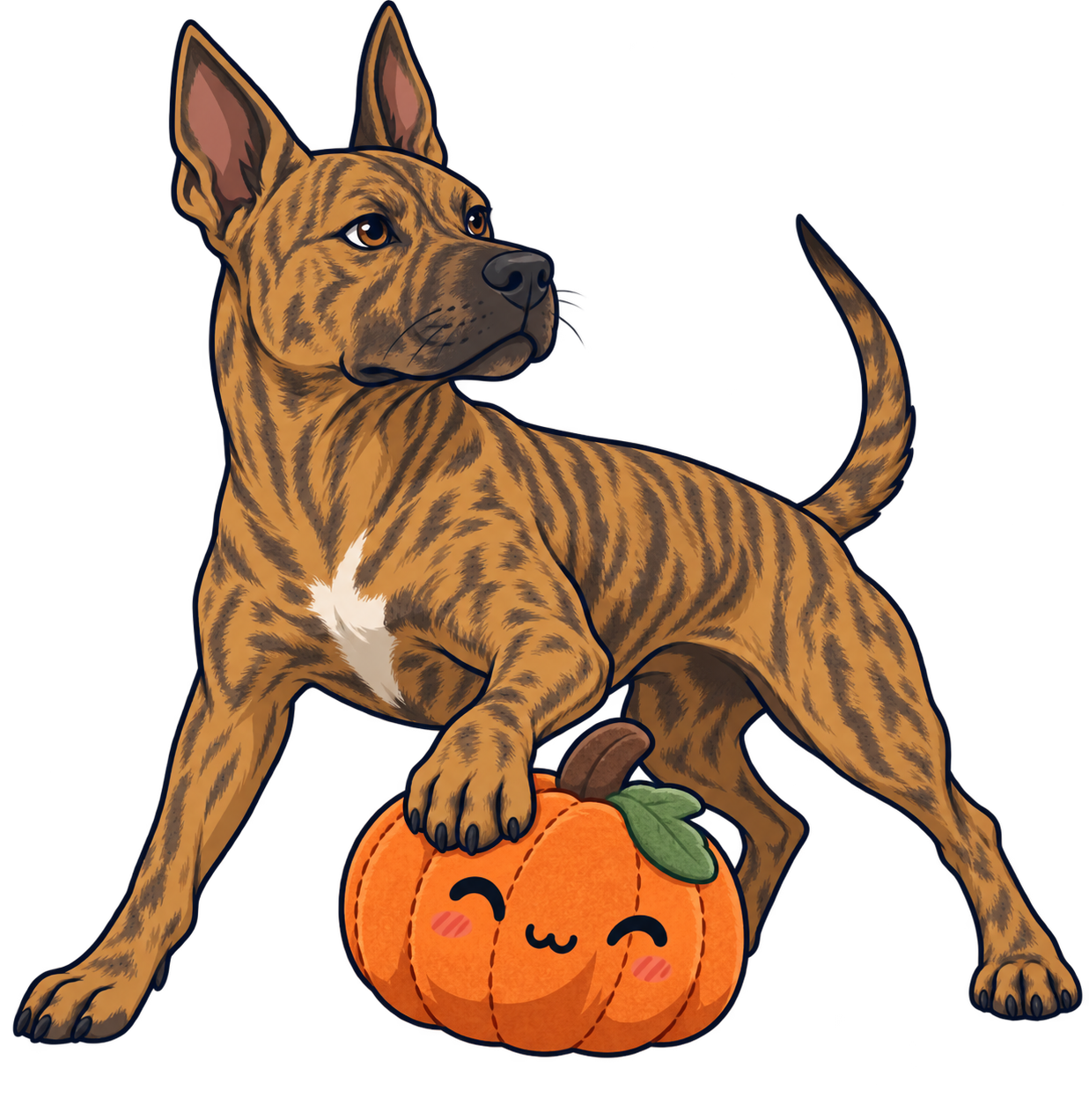
Eight transparent PNGs to save individually. Switch captions on or off for your chats.
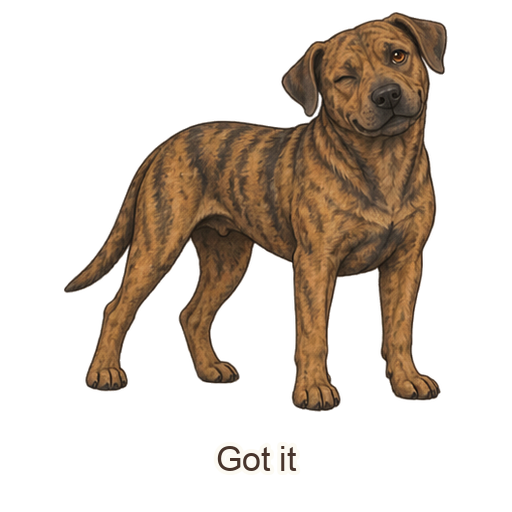 Got it
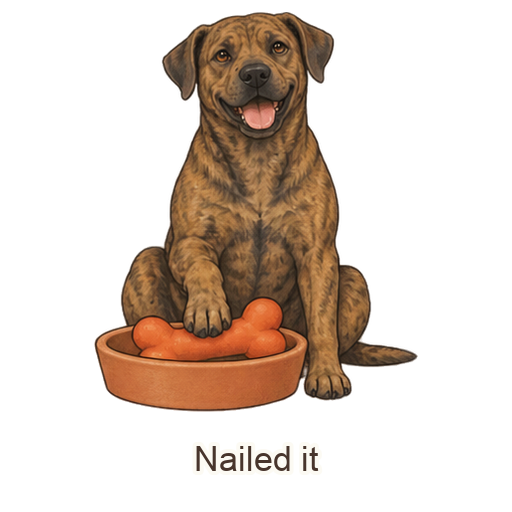 Nailed it
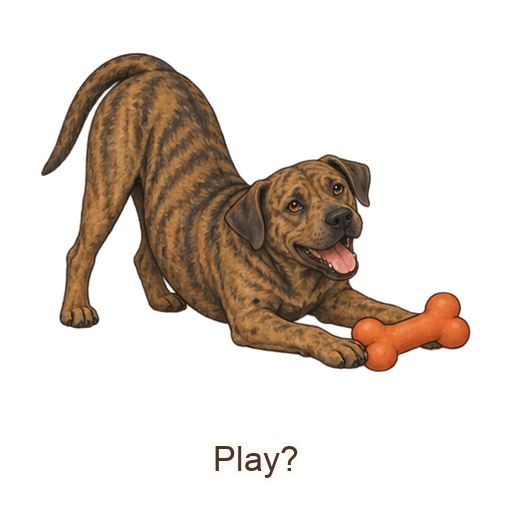 Play?
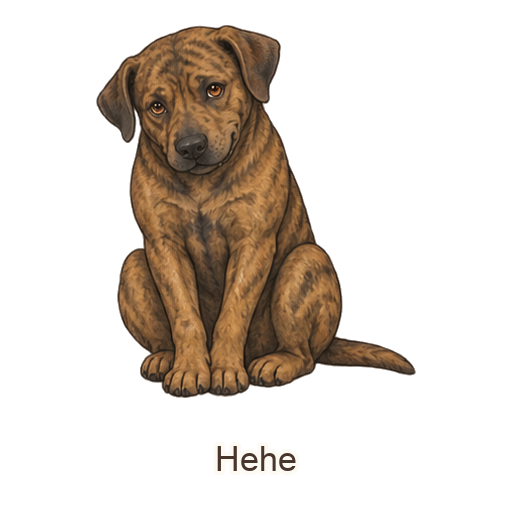 Hehe
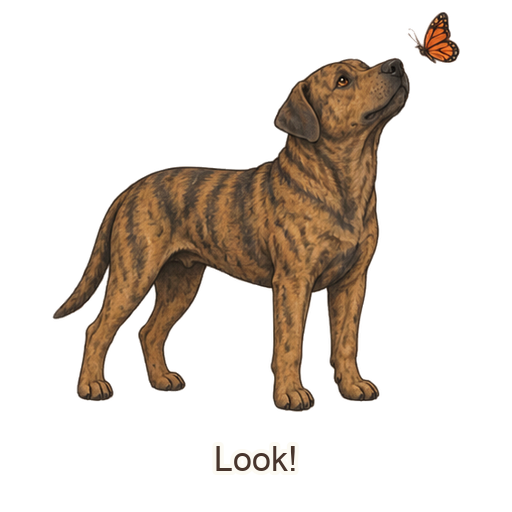 Look!
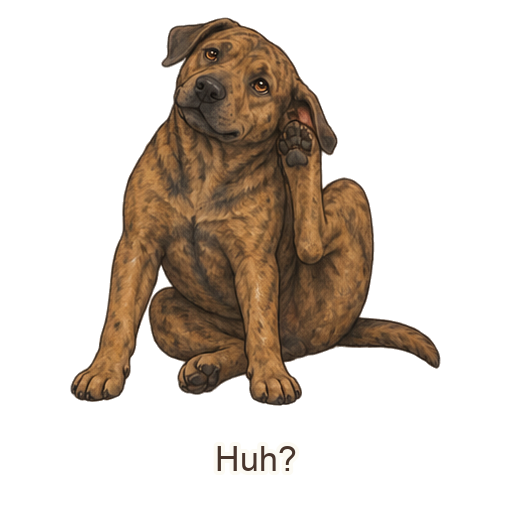 Huh?
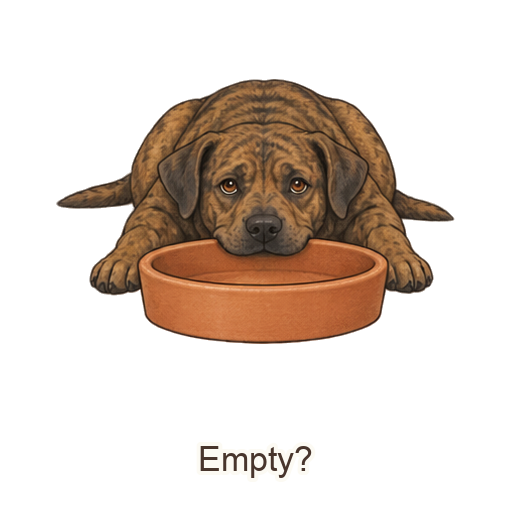 Empty?
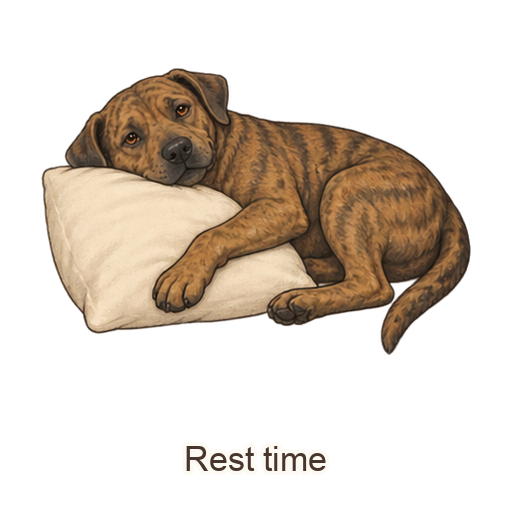 Rest time
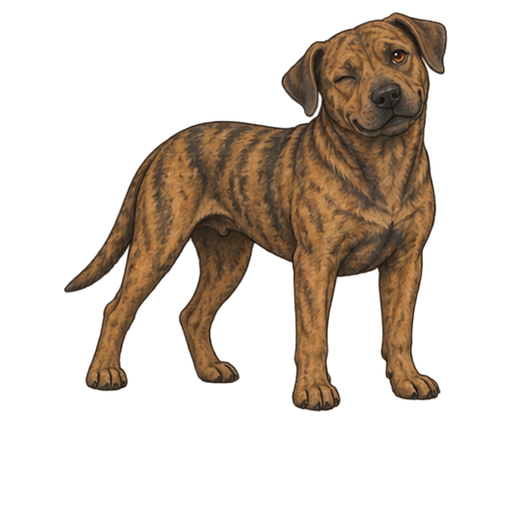 Got it
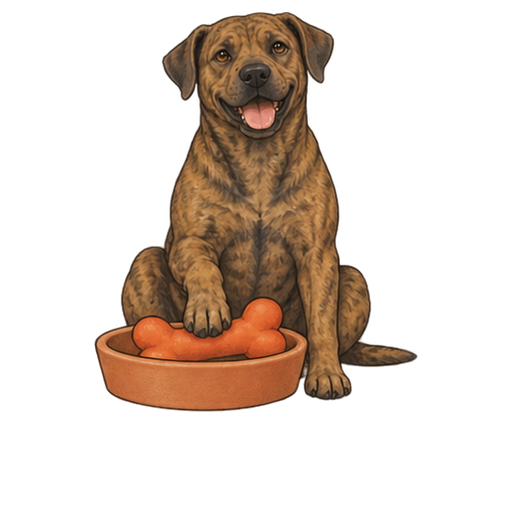 Nailed it
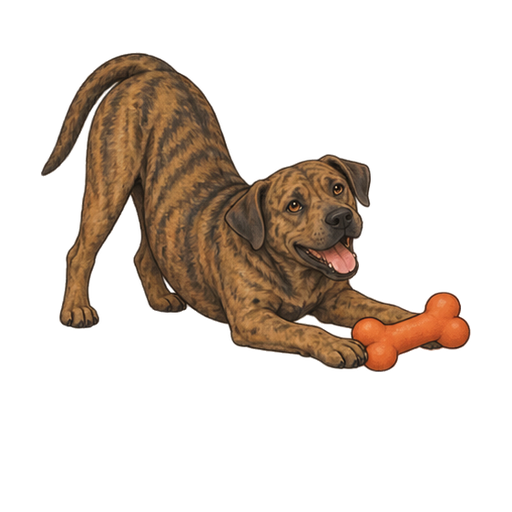 Play?
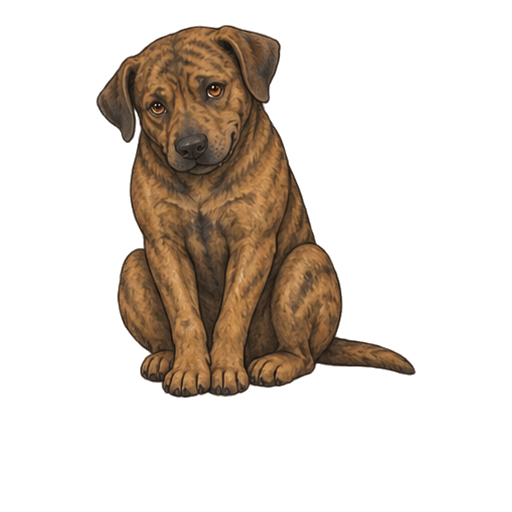 Hehe
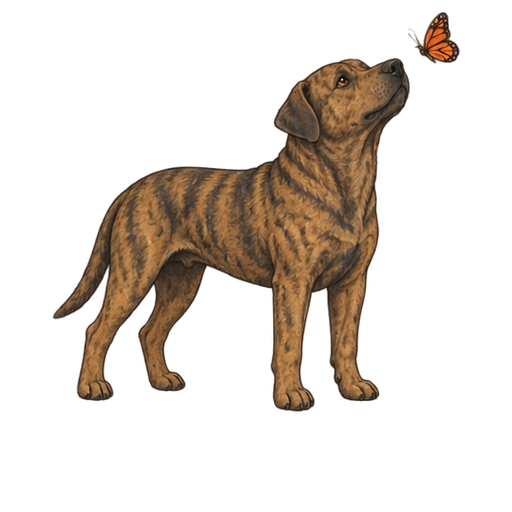 Look!
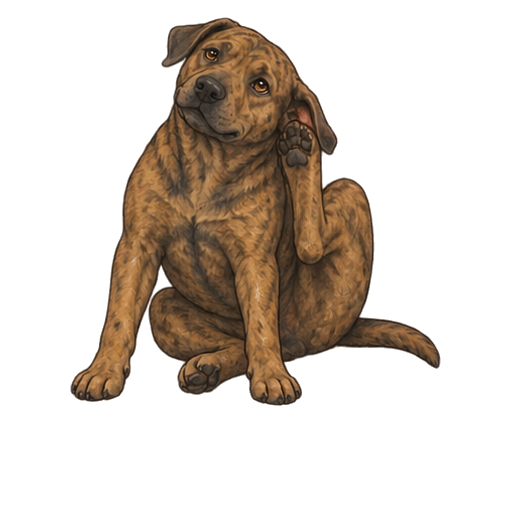 Huh?
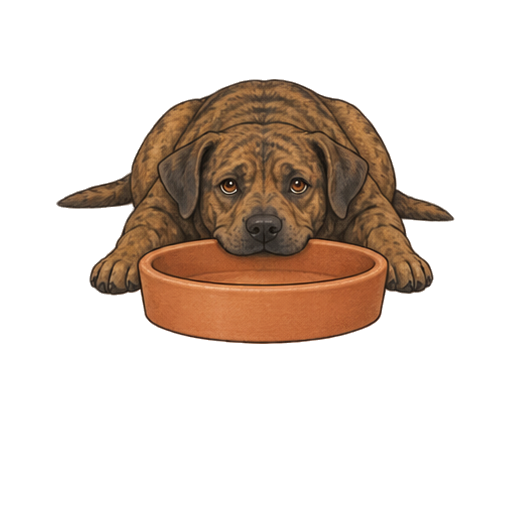 Empty?
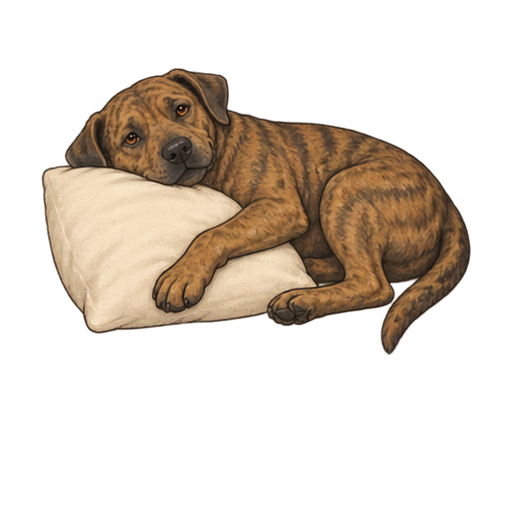 Rest time
Original woofmap artwork, assisted by GPT Image 2. Free for personal chats and non-commercial sharing with credit to woofmap.com. Fictional moods do not predict every dog’s temperament; see this page’s factual sources.
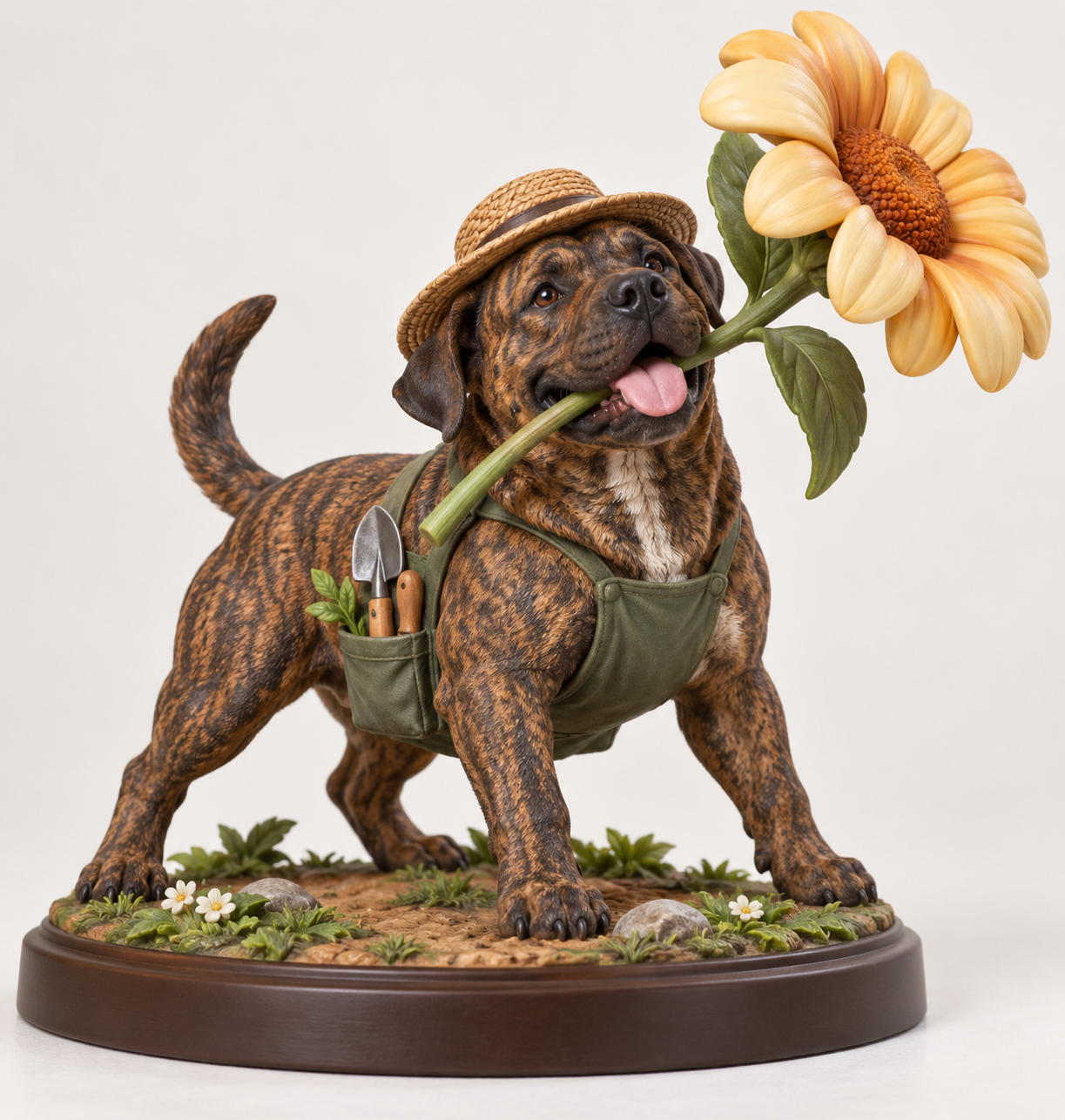
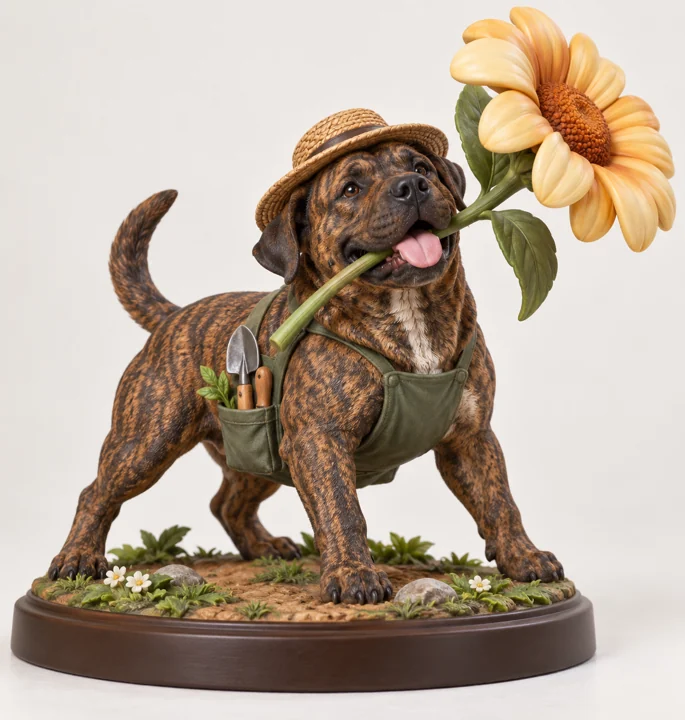
Combine the available parts, choose a name and take a little joy home.
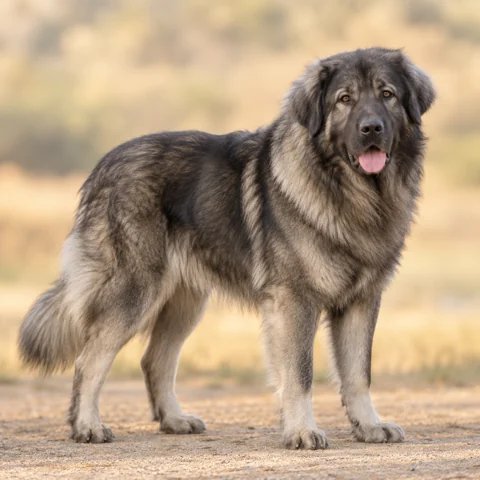 AI realistic image
Pinschers, Schnauzers, Molossians and Swiss mountain dogs
Yugoslavian Shepherd Dog - Sharplanina
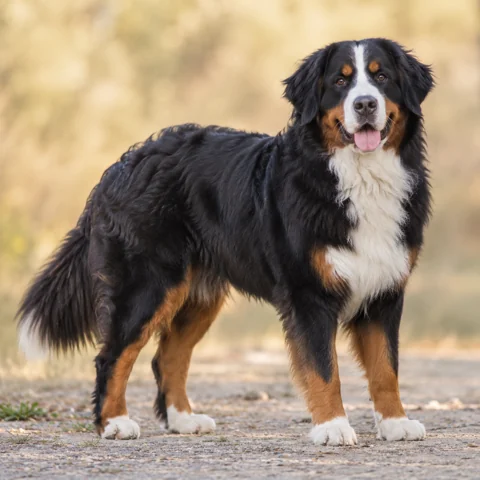 AI realistic image
Pinschers, Schnauzers, Molossians and Swiss mountain dogs
Bernese Mountain Dog
 AI realistic image
Pinschers, Schnauzers, Molossians and Swiss mountain dogs
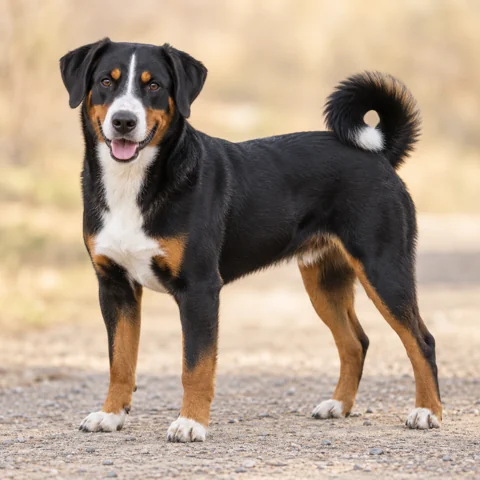
Appenzell Cattle Dog