WOOFMAP · CANINE ARCHIVENO. 224
Pointing dogs
Drentsche Partridge Dog
Drentsche Partridge Dog
✳ woofmap.comThe Netherlands
WOOFMAP · CANINE ARCHIVE · NO. 224
Drentsche Partridge Dog
A Drenthe pointing dog that keeps in touch with its hunter.
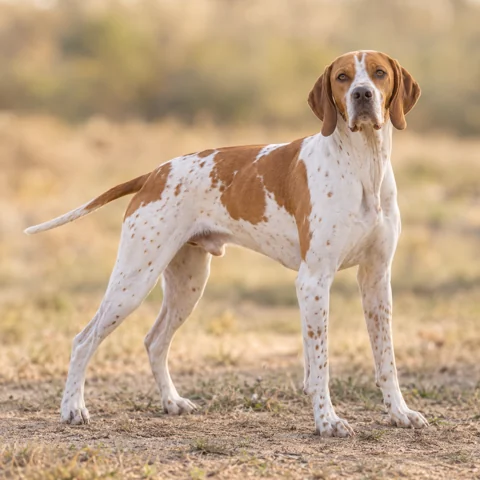
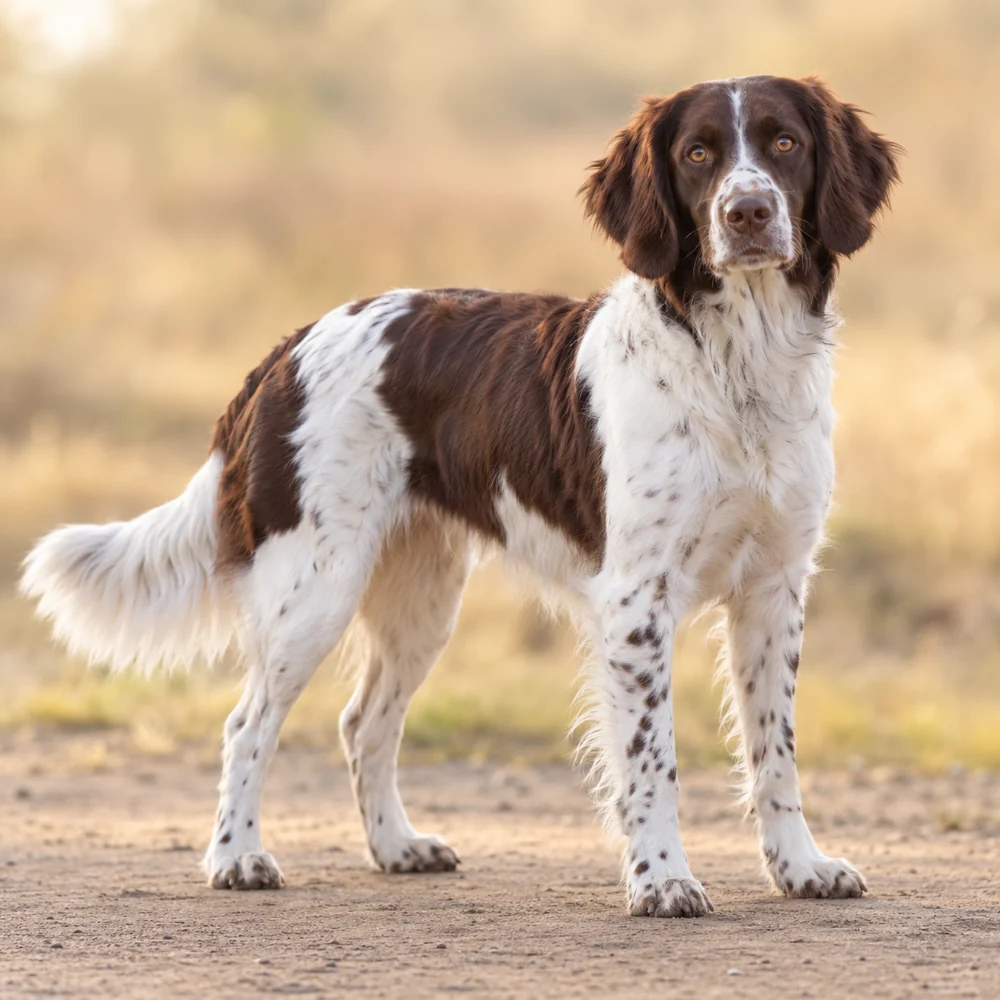
AI-generated realistic breed image, for visual reference.
This Drentsche Partridge Dog page is still waiting for a voice. Live with a Drentsche Partridge Dog? Share a natural bark, howl or whine and let others hear a little of your dog’s everyday life.
If we feature your recording, we’ll credit you or your dog using the name you choose.
A 5–15 second phone recording in a quiet setting is perfect. Capture a natural moment without startling or disturbing your dog. Audio or video with sound is welcome.
Share your dog’s voice ↗[email protected]Attach your recording, breed and preferred credit. Please confirm you recorded it and allow woofmap to feature it.
Thank you for helping us build a playful Woof Planet together. Every little woof deserves to be heard.
Pointing dogs
Drentsche Partridge Dog
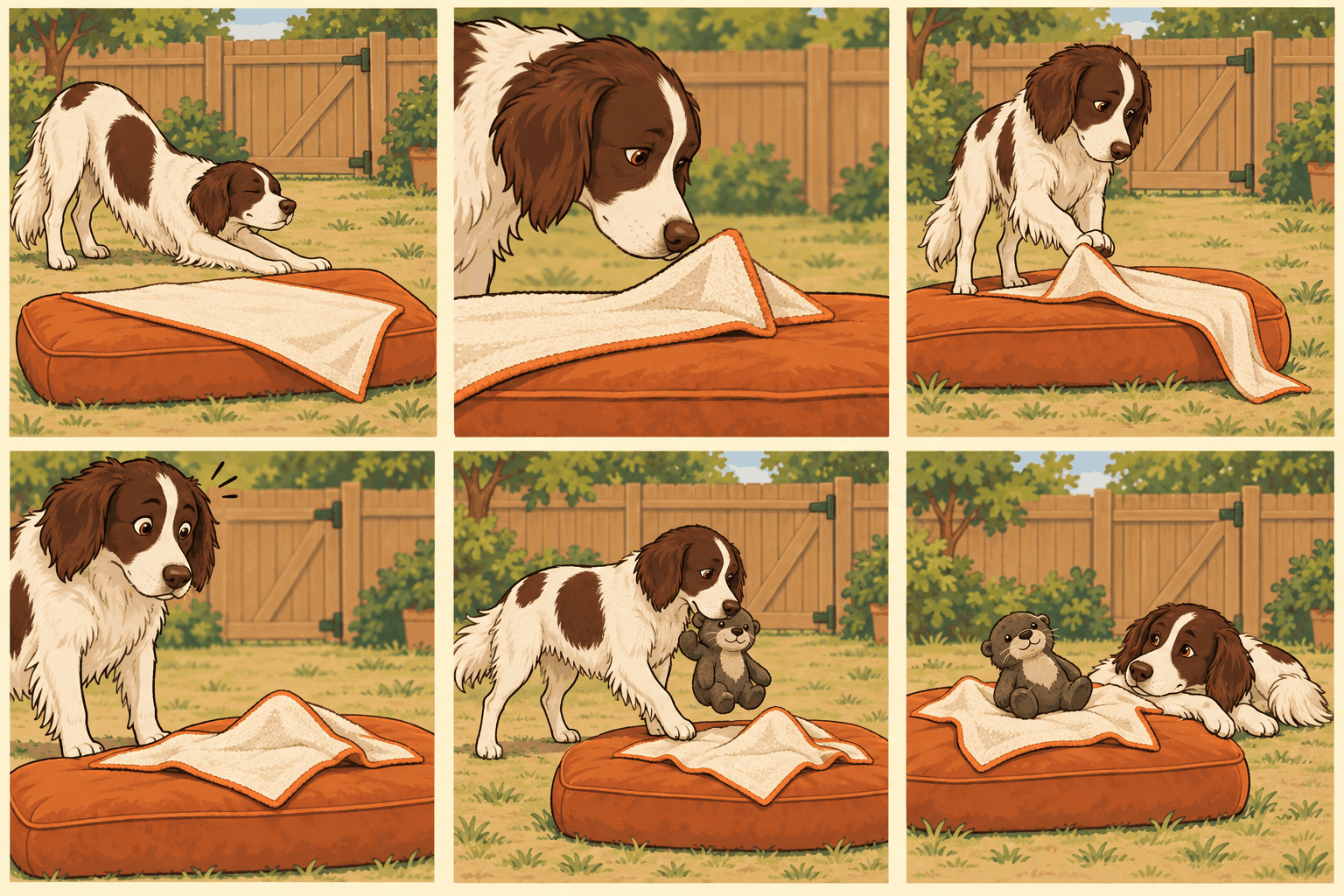
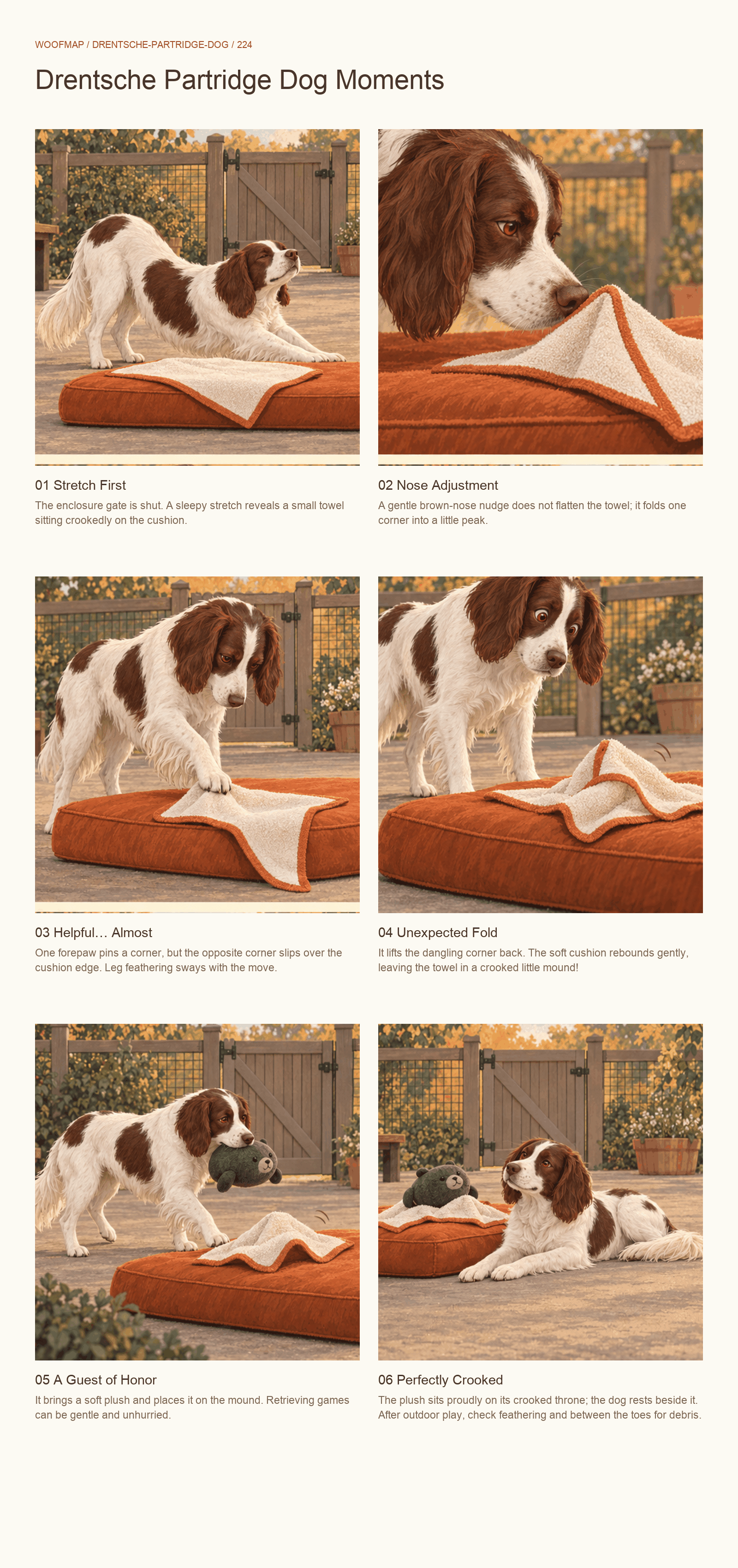
One small towel gets wonkier with every adjustment—until a plush guest claims the crooked throne.
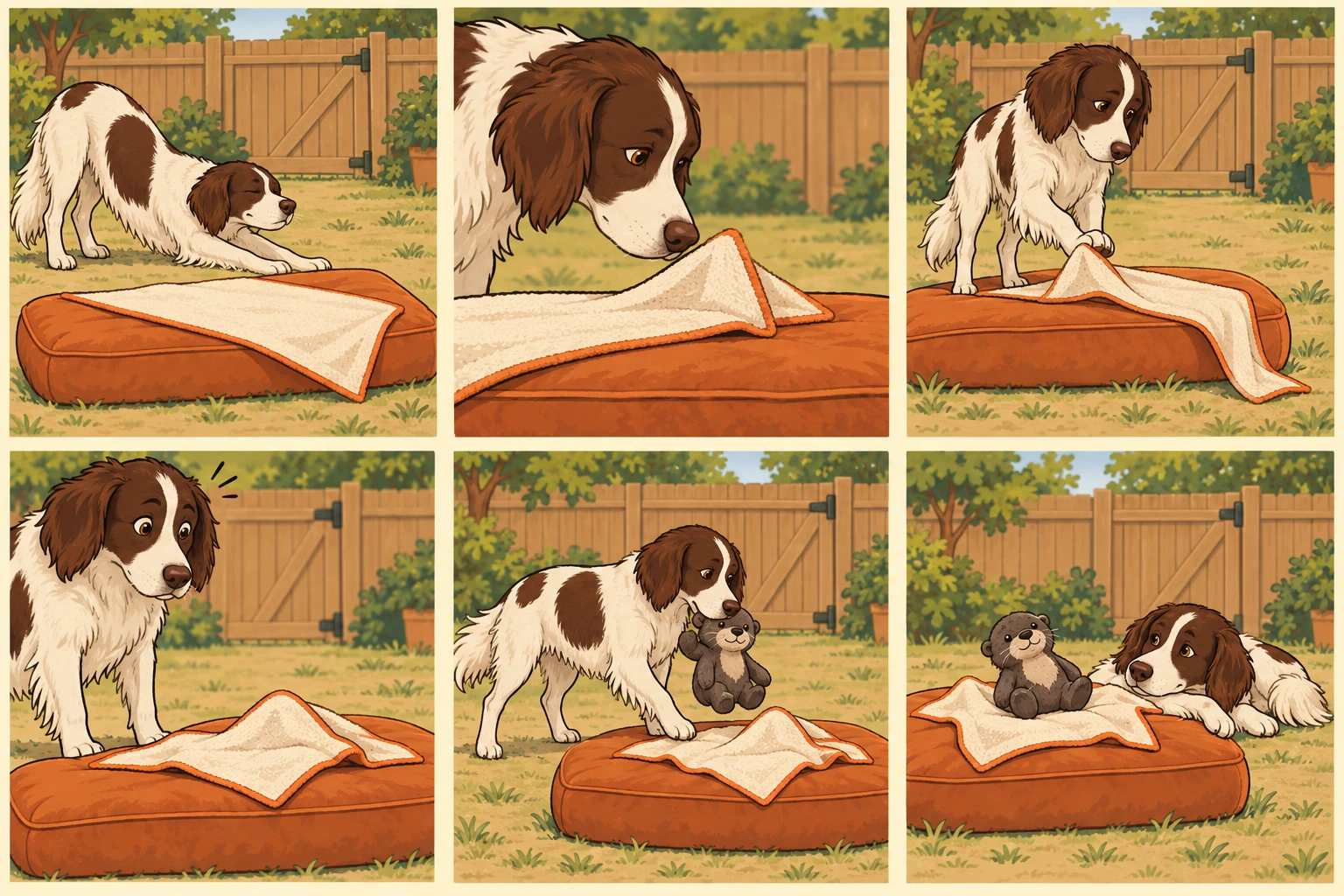
The standard traces the breed to dogs that came from Spain via France in the 16th century and were called Partridge dogs in the Netherlands. In the eastern province of Drenthe, they were kept without the crosses with foreign breeds made elsewhere. Developed as pointing dogs able to work in fields and water, they were officially recognized in the Netherlands in 1943.
Well proportioned and firmly muscled, it is slightly longer than tall; males stand 58–63 cm and females 55–60 cm at the withers. Its high-set ears hang close to the head, and its feathered tail reaches approximately to the hock without curling over the back.
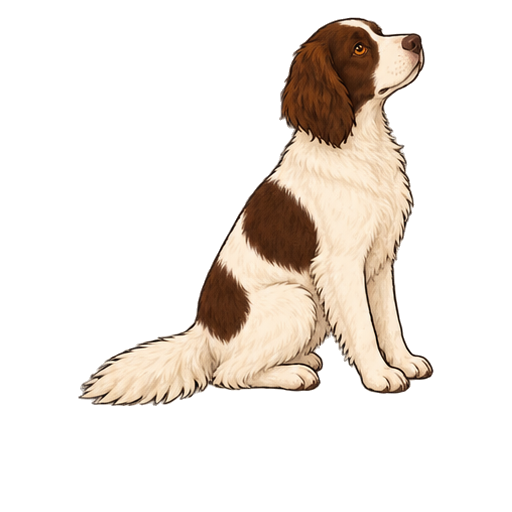
Look for white with brown markings, brown ears and hair around the eyes, close-hanging ears and a richly feathered tail. When searching for game, the tail characteristically moves in a circle, especially on picking up scent. The standard describes one breed, without separate size or coat varieties.
The standard describes a gentle, loyal and intelligent hunting dog that works within gun range and keeps contact with its hunter. It may be reserved at first but should not be fearful; individuals still differ in unfamiliar situations. Patient socialization and reward-based teaching suit it better than pressure.
Brush the feathering on the ears, legs and tail regularly, and check it for seeds and debris after outings. Provide walks, scent games and retrieving activities that use its working abilities. Build recall and cooperation with reward-based training; the standard specifically warns against forceful methods. Use a lead or secure enclosure around wildlife rather than assuming its tendency to keep contact makes off-lead access safe.
The standard says good upbringing and training can make it a valued family companion. A household must still provide meaningful activity and allow for a dog that may initially be reserved.
Pay particular attention to feathering on the ears, legs and tail, and inspect the hair between the toes after outdoor activity. Its dense coat and undercoat should not be treated as a low-maintenance short coat.
Scent searches, retrieving games and structured outdoor time reflect its original work. Establish recall, and use a lead where game or wildlife could draw it away.
SOURCE NOTES
Breed traits follow the cited official standards; everyday care advice is our editorial interpretation of coat, build and working purpose.
Coat and size varieties can share a standard. The number is an archive reference, not a rarity score. An independent educational atlas, not a registry publication. Temperament varies; consult a veterinarian about health concerns.
WOOFMAP / DRENTSCHE-PARTRIDGE-DOG / LITTLE MOMENTS
Illustrated in an accepted white-with-brown-patches coat without ticking, with brown hanging ears and eye markings, a brown nose and amber eyes. This enclosed-yard towel comedy is fictional, not a breed-wide temperament claim.
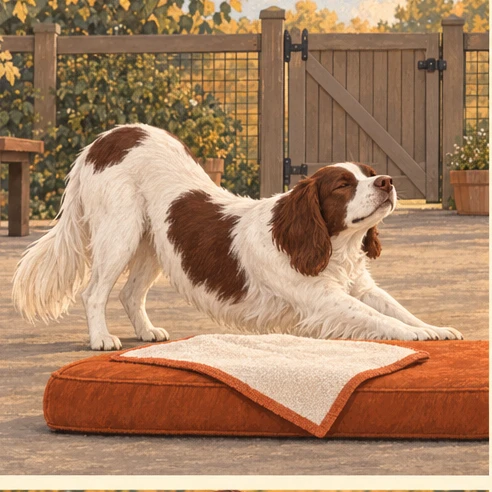
The enclosure gate is shut. A sleepy stretch reveals a small towel sitting crookedly on the cushion.
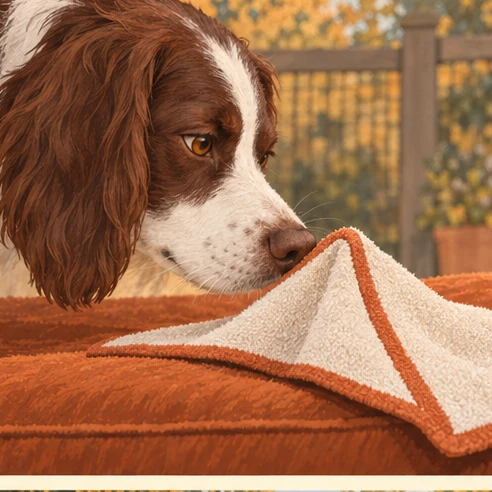
A gentle brown-nose nudge does not flatten the towel; it folds one corner into a little peak.
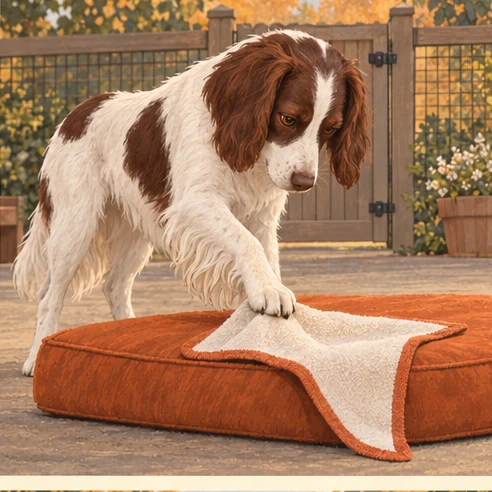
One forepaw pins a corner, but the opposite corner slips over the cushion edge. Leg feathering sways with the move.
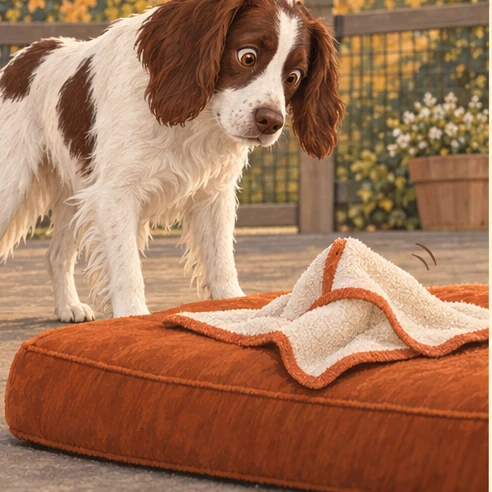
It lifts the dangling corner back. The soft cushion rebounds gently, leaving the towel in a crooked little mound!
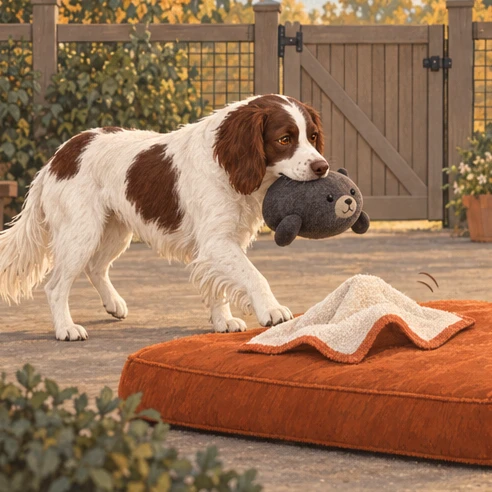
It brings a soft plush and places it on the mound. Retrieving games can be gentle and unhurried.
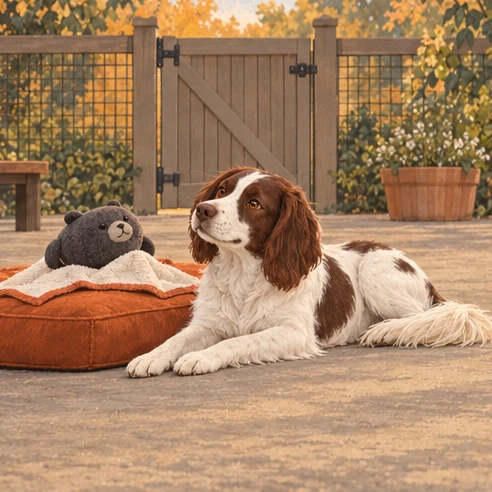
The plush sits proudly on its crooked throne; the dog rests beside it. After outdoor play, check feathering and between the toes for debris.
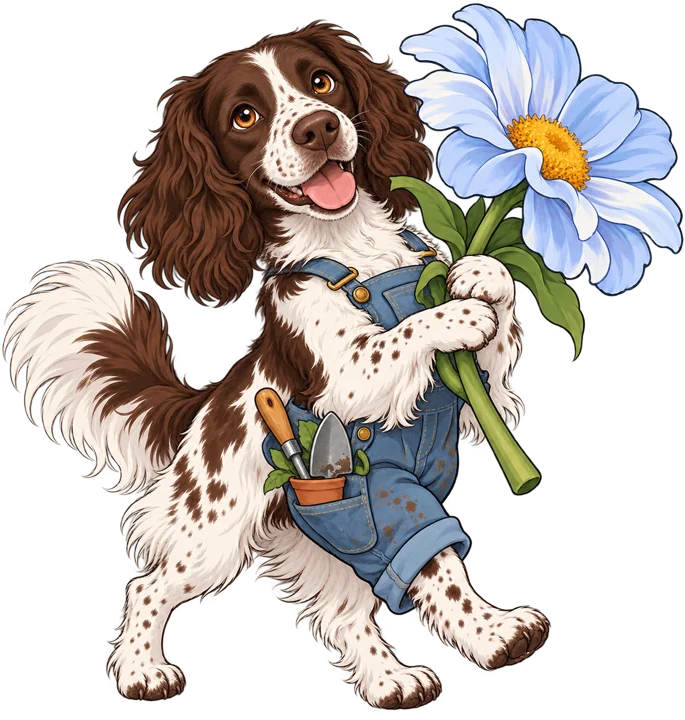
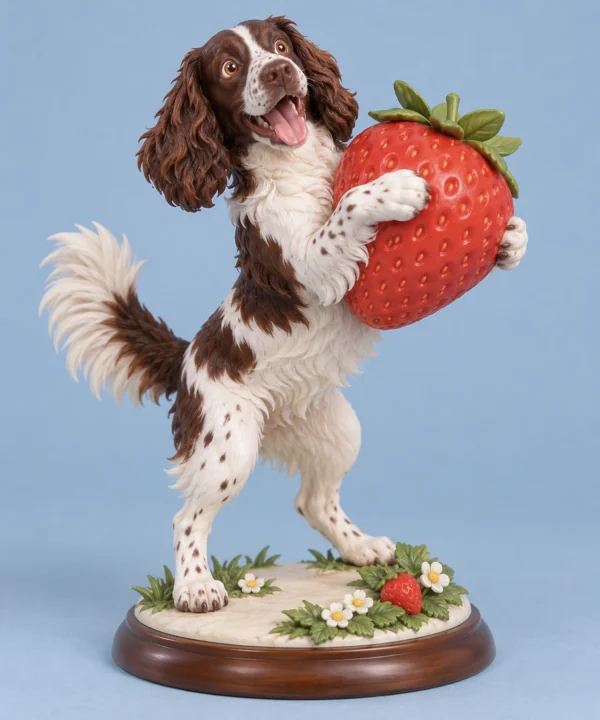
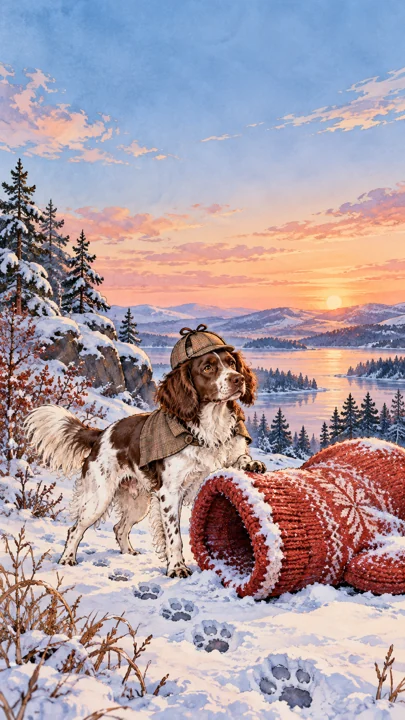
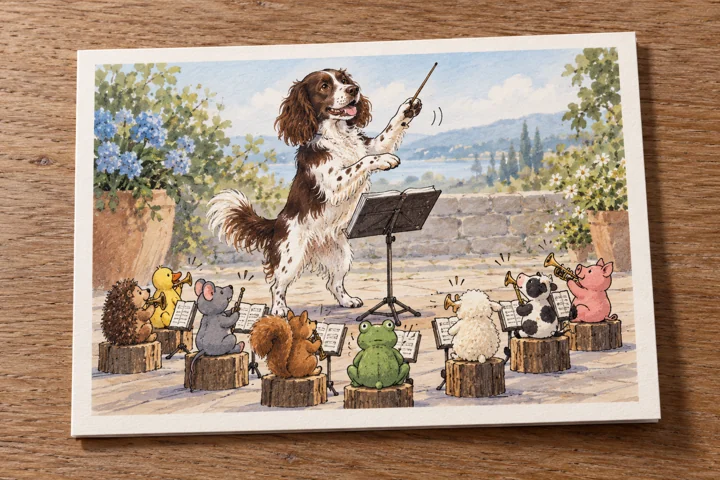
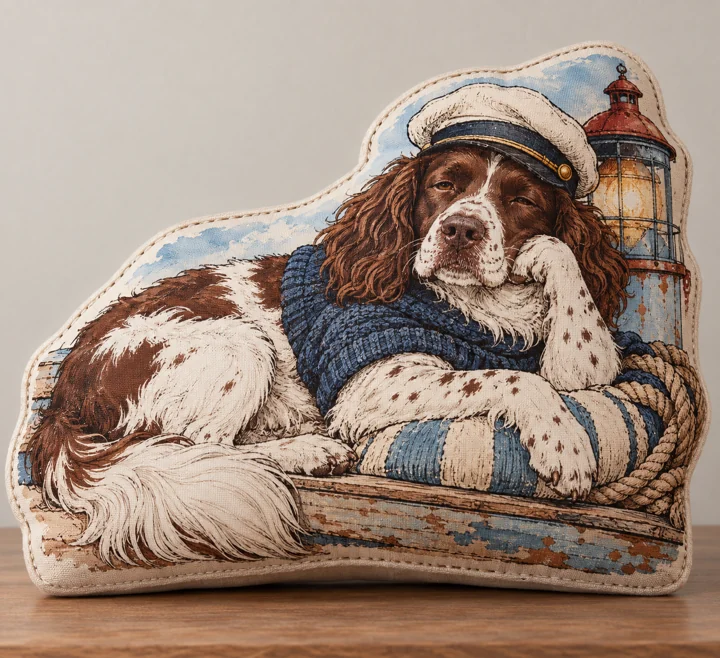
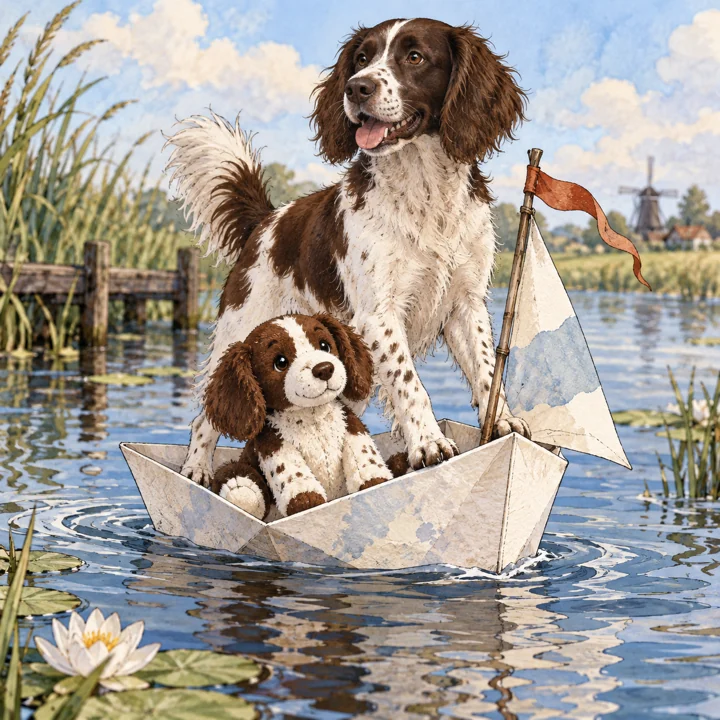
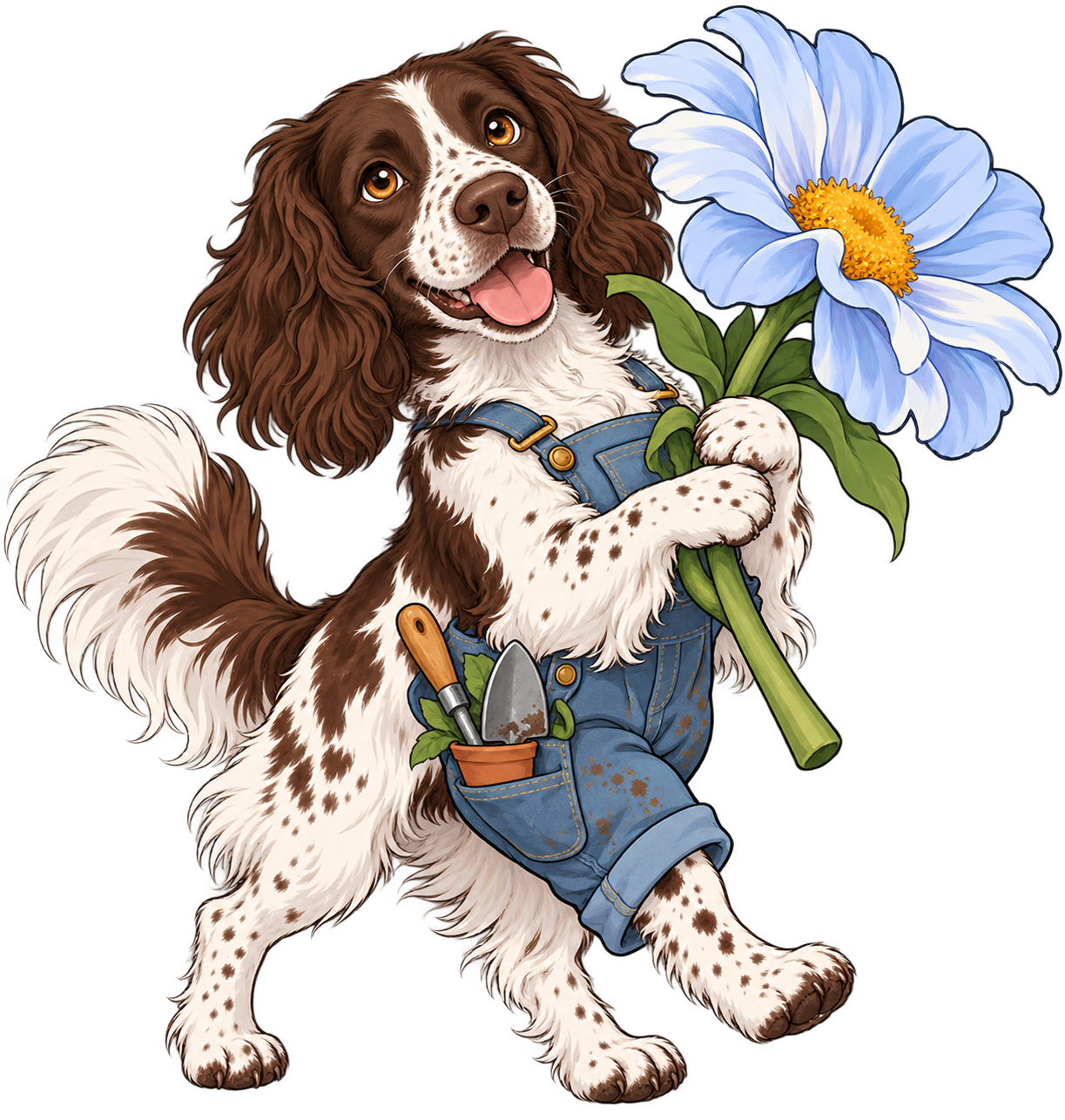
Eight transparent PNGs to save individually. Switch captions on or off for your chats.
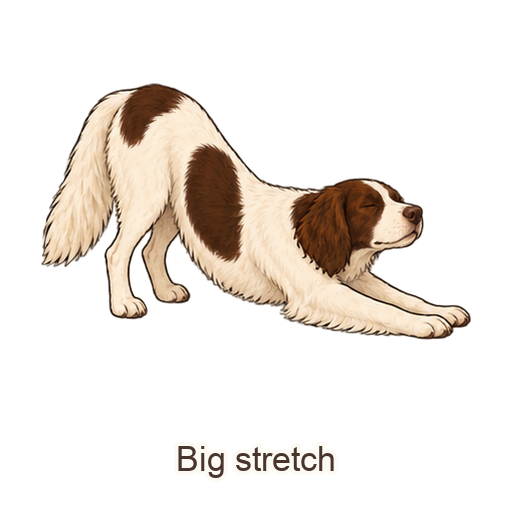 Big stretch
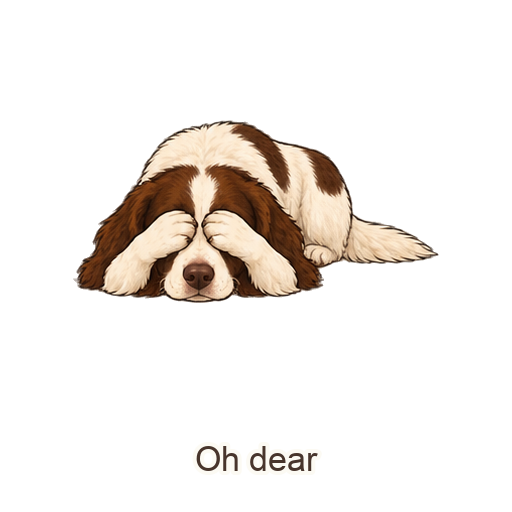 Oh dear
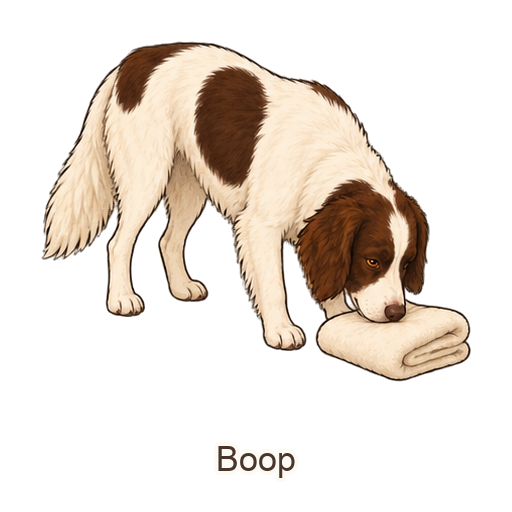 Boop
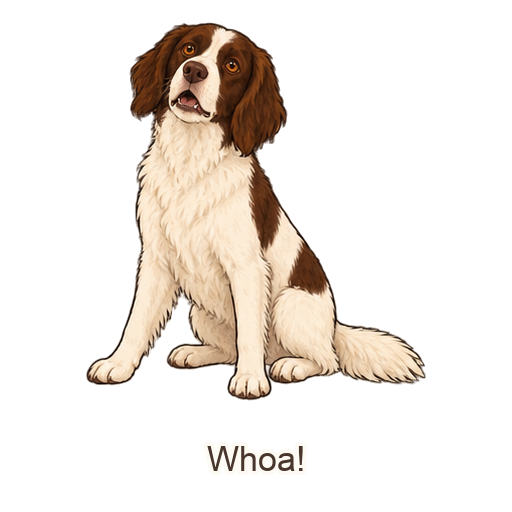 Whoa!
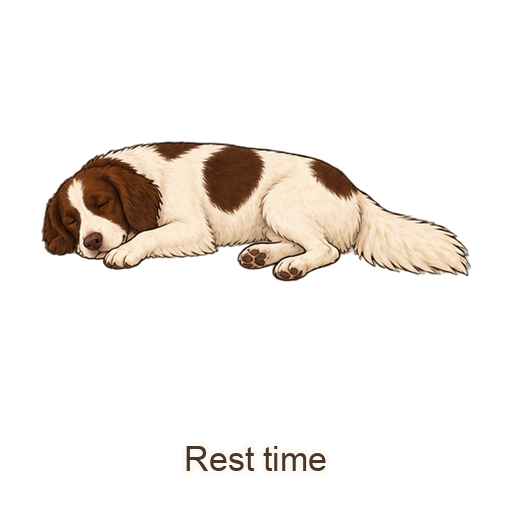 Rest time
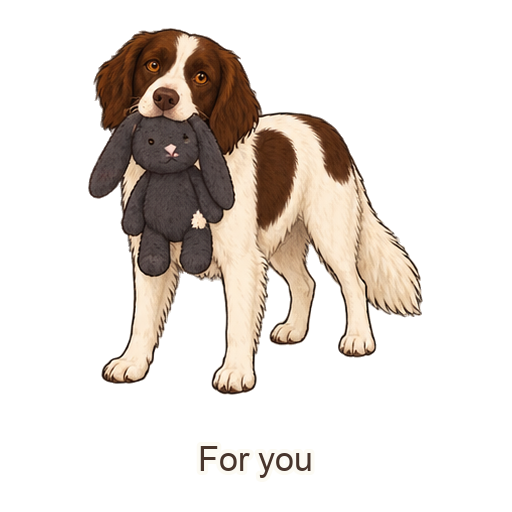 For you
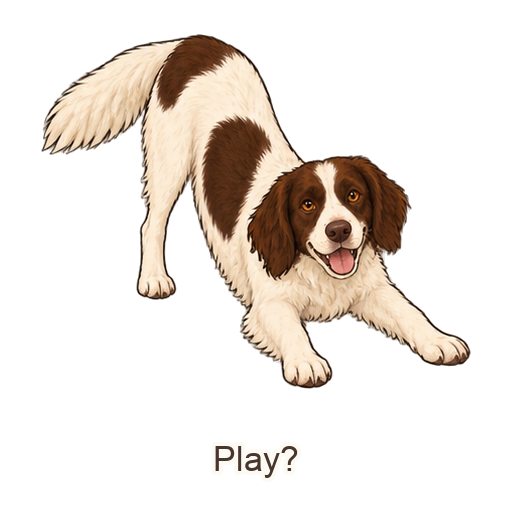 Play?
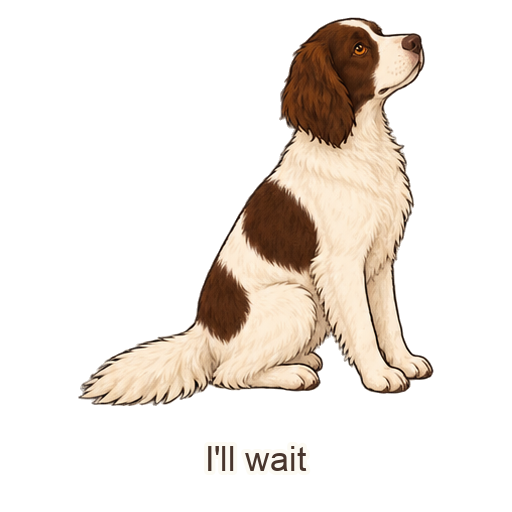 I'll wait
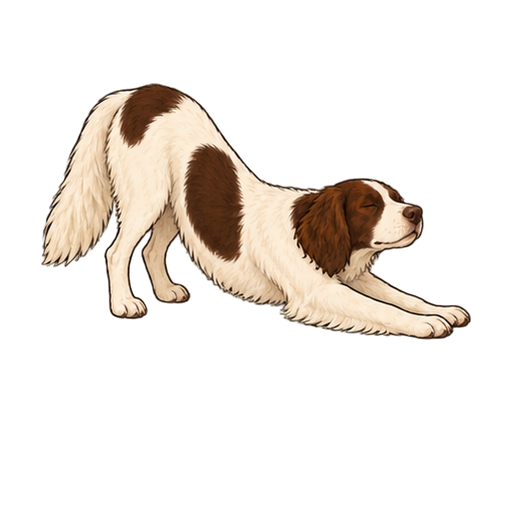 Big stretch
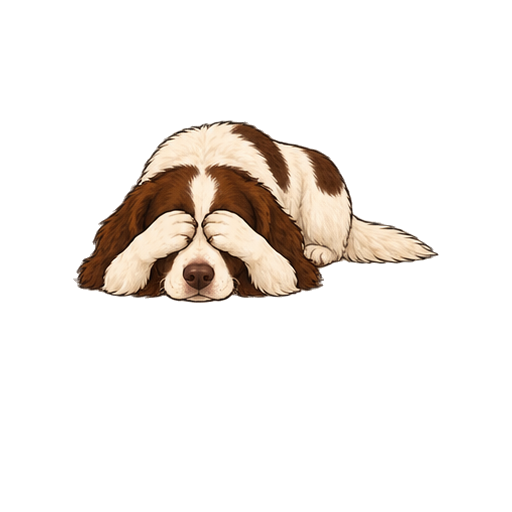 Oh dear
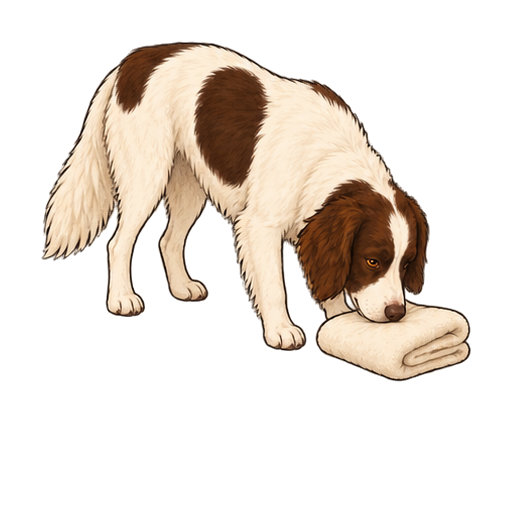 Boop
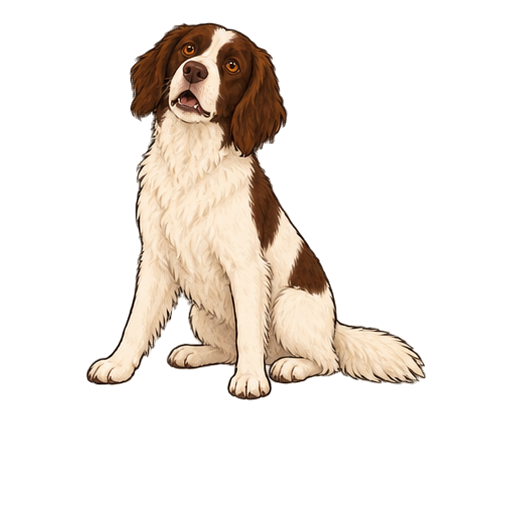 Whoa!
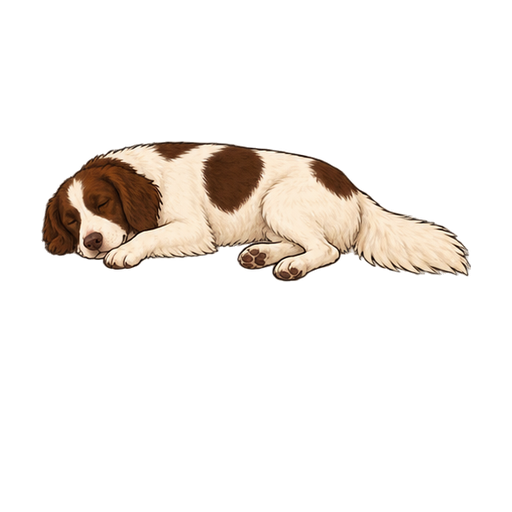 Rest time
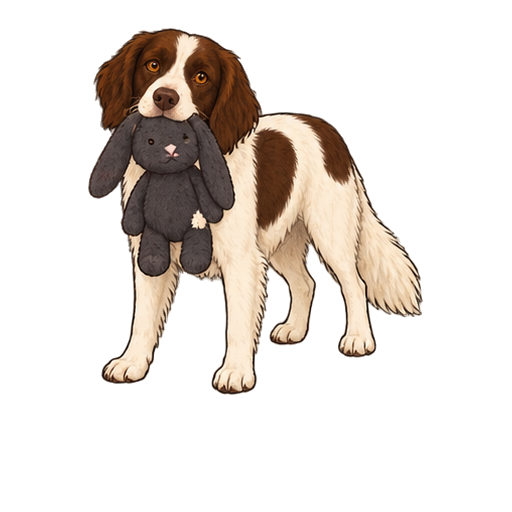 For you
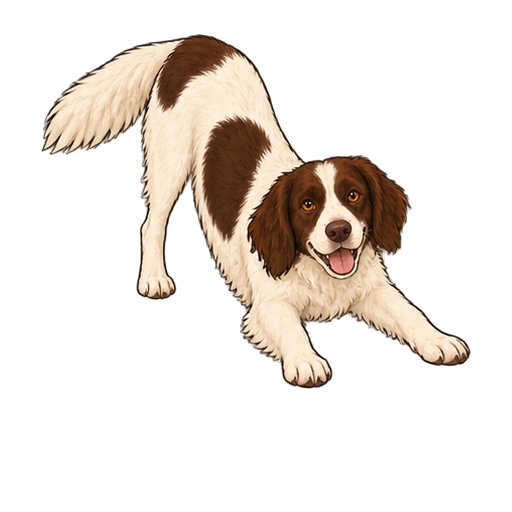 Play?
 I'll wait
Original woofmap artwork, assisted by GPT Image 2. Free for personal chats and non-commercial sharing with credit to woofmap.com. Fictional moods do not predict every dog’s temperament; see this page’s factual sources.
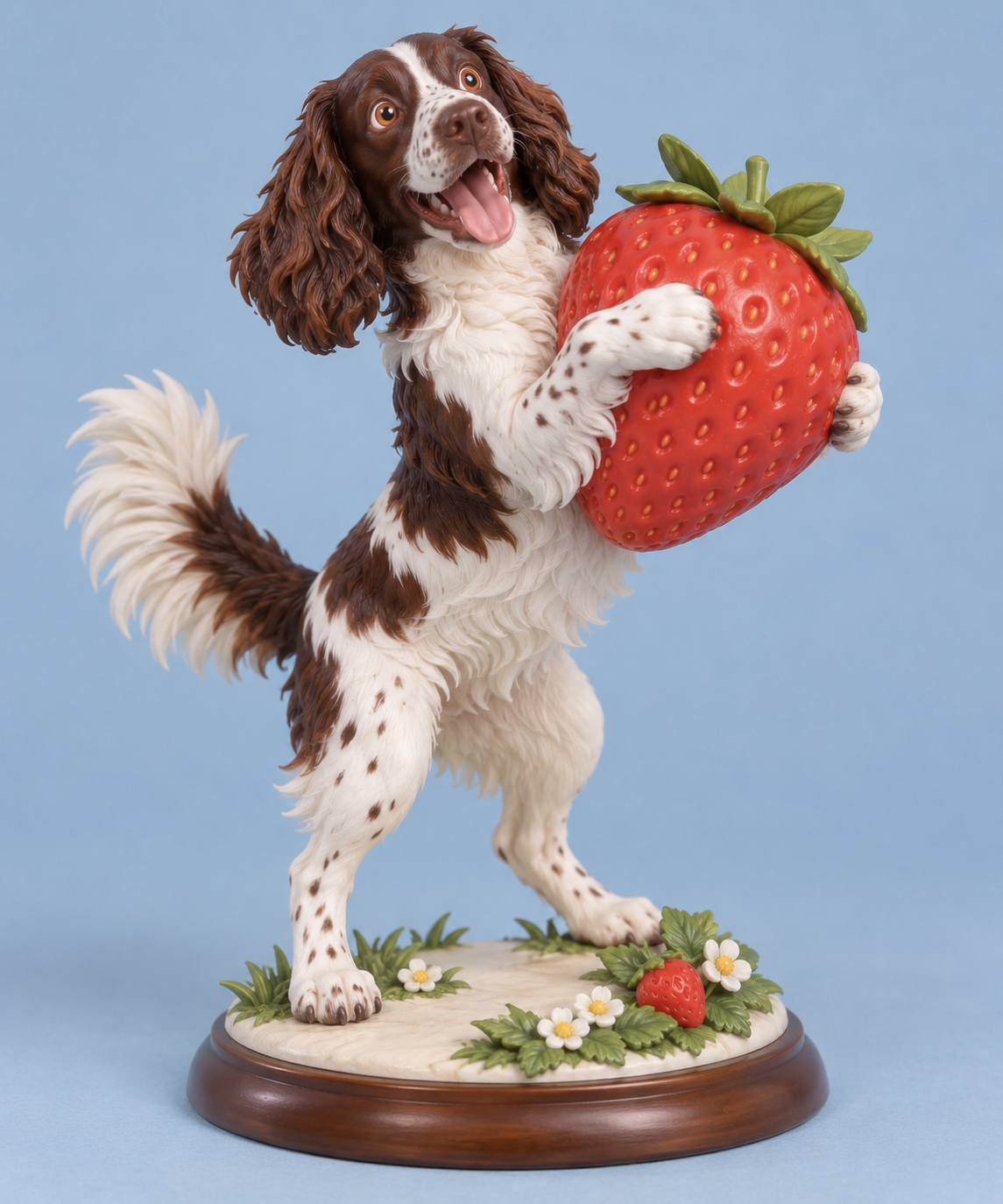
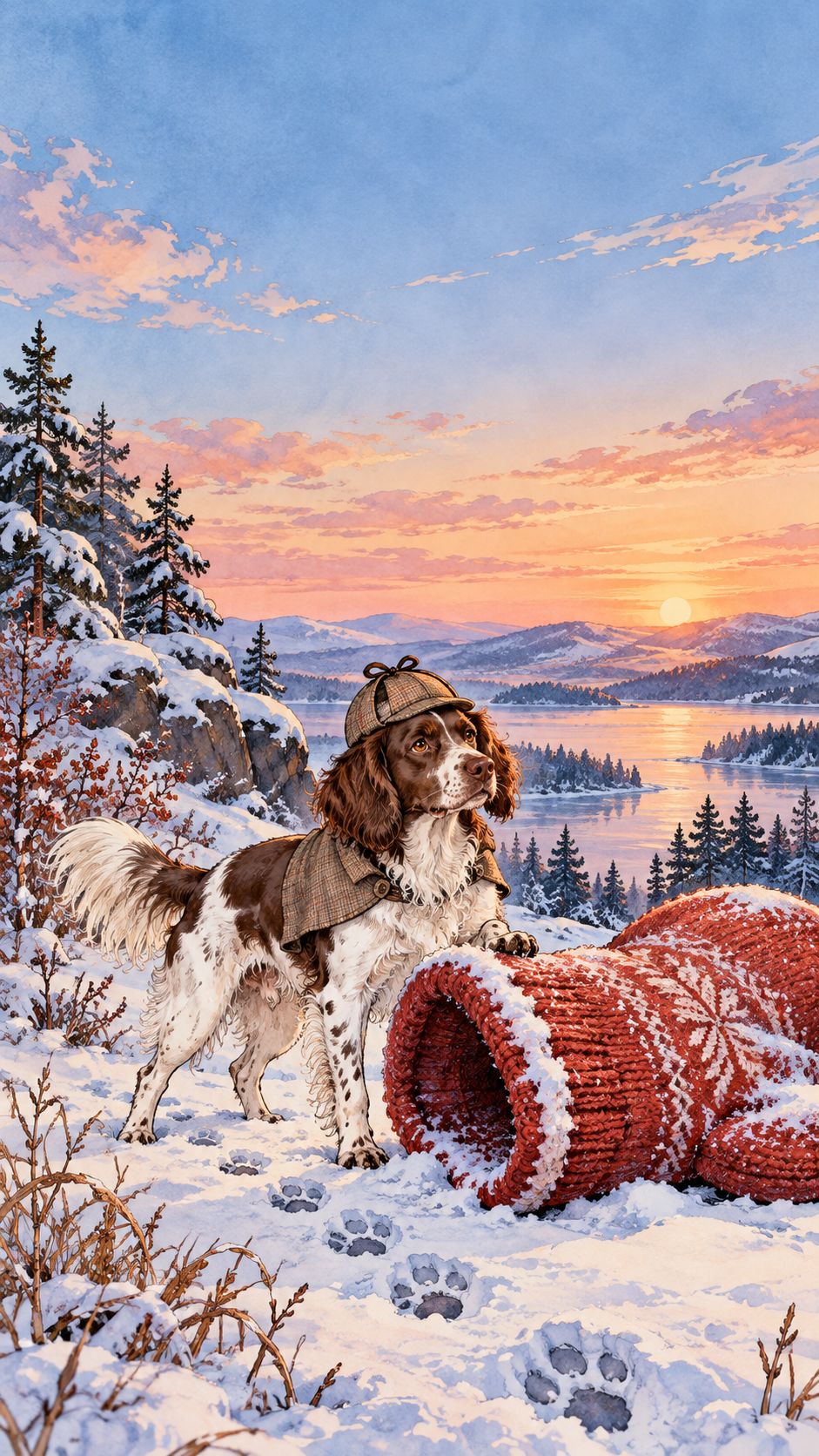
Combine the available parts, choose a name and take a little joy home.