WOOFMAP · CANINE ARCHIVENO. 002
Pointing dogs
English Setter
English Setter
✳ woofmap.comGreat Britain
WOOFMAP · CANINE ARCHIVE · NO. 002
English Setter
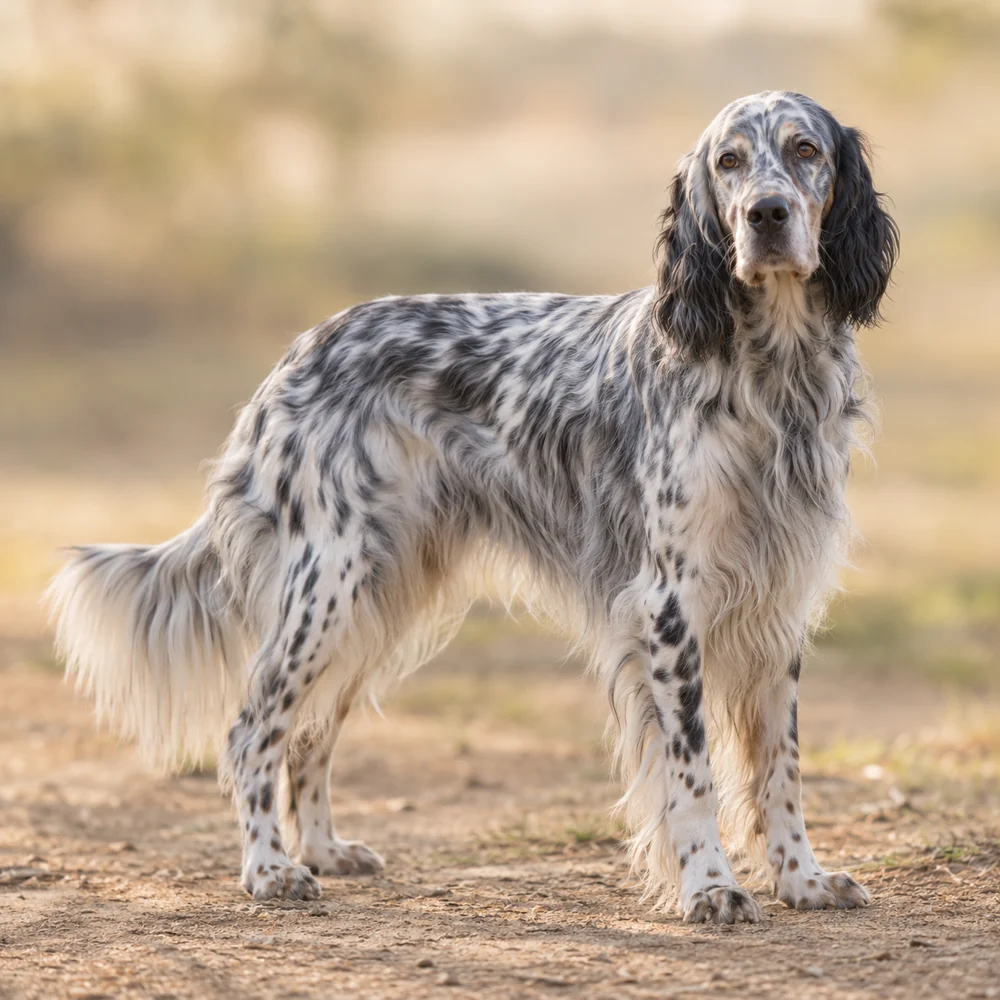
An elegant pointing dog with silky ticking and a keen sense for game.
AI-generated realistic breed image, for visual reference.
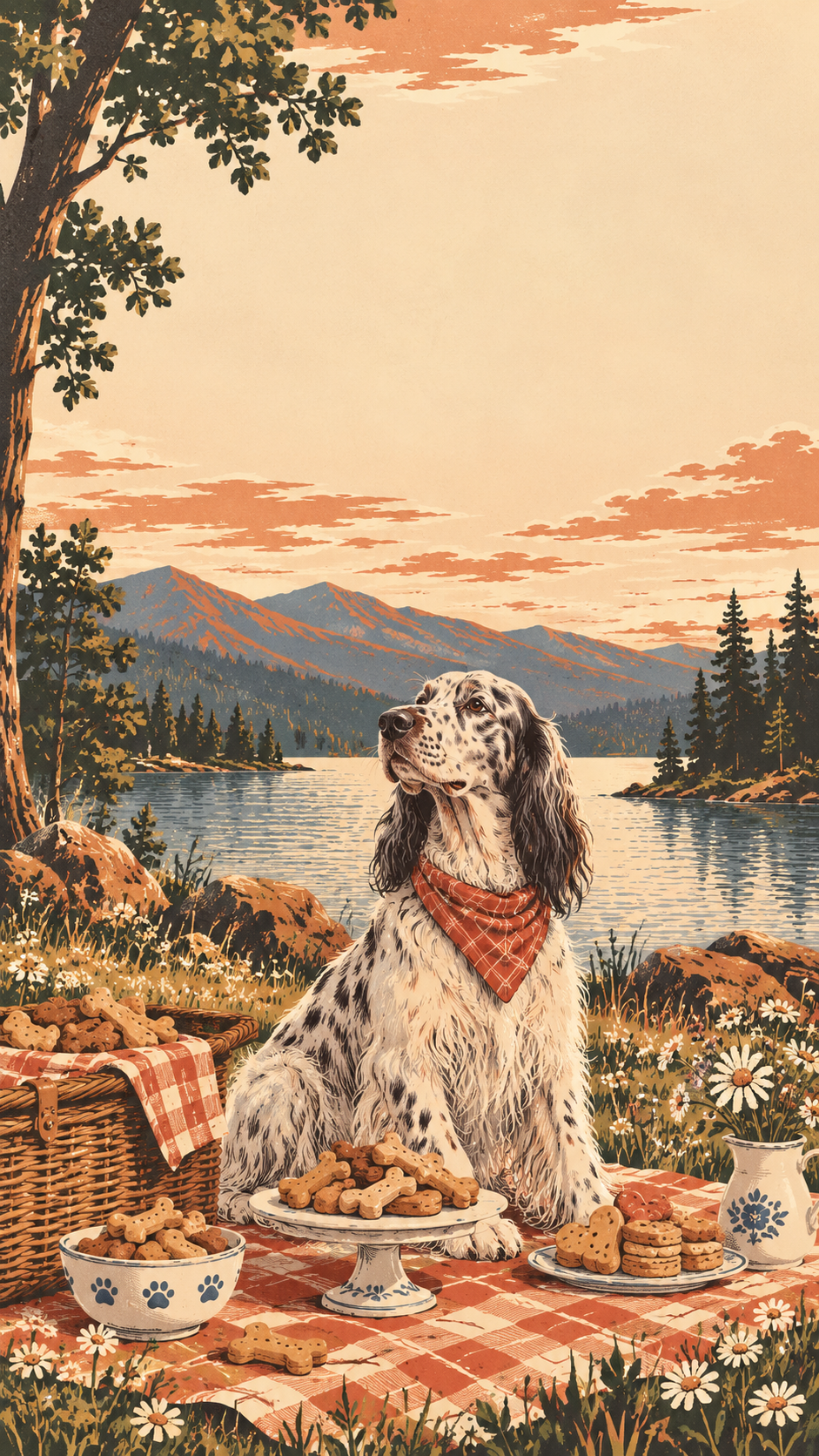
This English Setter page is still waiting for a voice. Live with a English Setter? Share a natural bark, howl or whine and let others hear a little of your dog’s everyday life.
If we feature your recording, we’ll credit you or your dog using the name you choose.
A 5–15 second phone recording in a quiet setting is perfect. Capture a natural moment without startling or disturbing your dog. Audio or video with sound is welcome.
Share your dog’s voice ↗[email protected]Attach your recording, breed and preferred credit. Please confirm you recorded it and allow woofmap to feature it.
Thank you for helping us build a playful Woof Planet together. Every little woof deserves to be heard.
Pointing dogs
English Setter
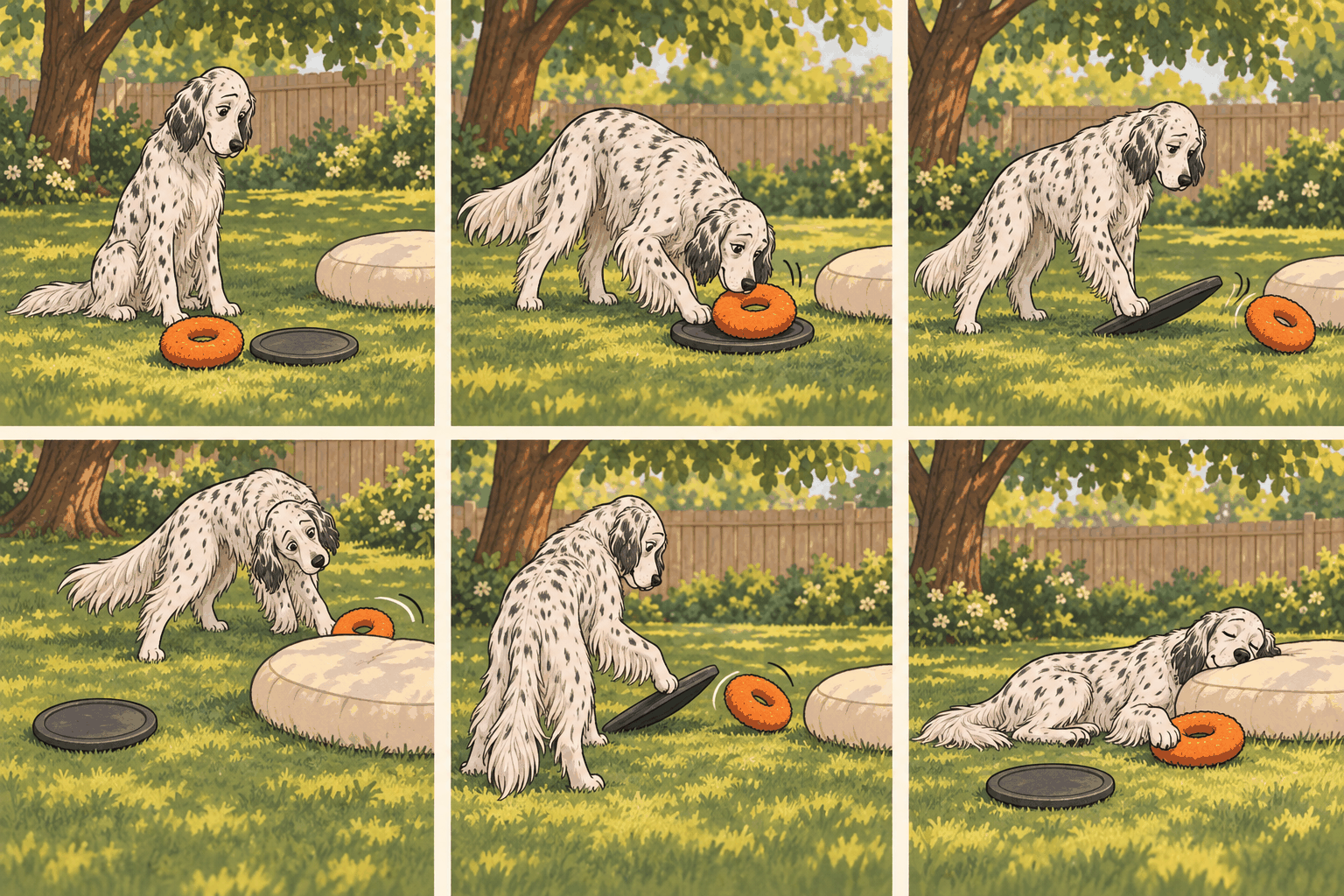
A soft frisbee tips, and a soft donut toy rolls away. Six wordless beats unfold on level, shaded grass inside a secure enclosure.
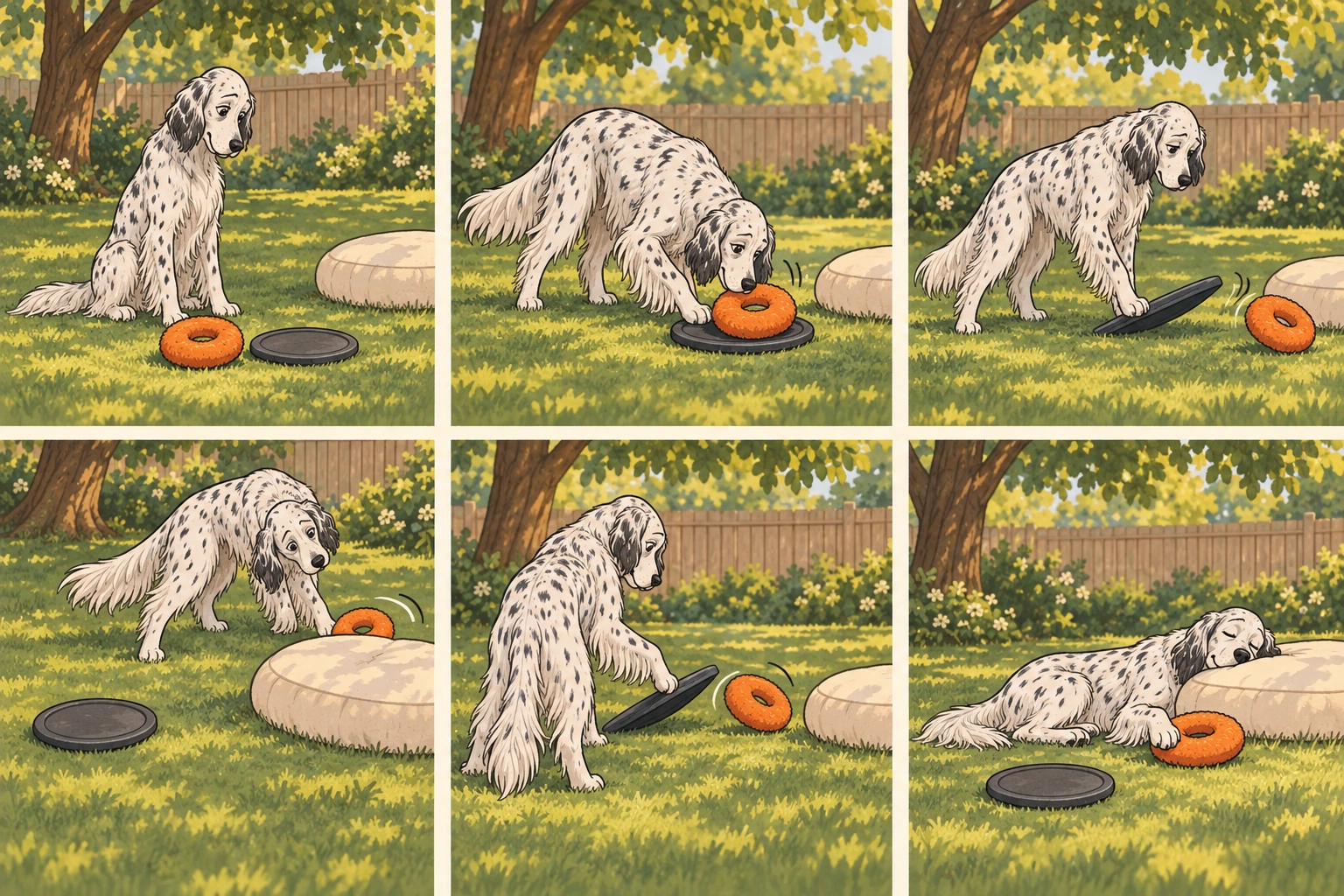
Originating in Great Britain, this is a pointing dog whose FCI classification includes a working trial. “Belton” takes its name from a Northumberland village and was popularized through Edward Lavarack’s book on the English Setter; this breeder strongly influenced the breed’s present appearance.
Clean in outline, the body is moderately long with a short, level back and deep chest; males stand 65–68 cm and females 61–65 cm. The ears hang low against the cheeks, and the tail does not extend below the hock or rise above the back in movement.
Look for the long head, defined stop, low hanging ears and all-over belton ticking rather than large patches. The standard covers all listed colours without separate size or coat varieties; blue belton means black-and-white ticking.
The standard describes a very active dog with keen game sense, intensely friendly and good natured. Reward-based training can channel attention and cooperation, while individual temperament and socialization affect how these traits appear.
Comb regularly, concentrating on tangles behind the ears and in leg and tail feathering. After outdoor outings, remove seeds and debris and inspect ears and spaces between the toes. Provide scent exploration, searching games and exercise in secure areas. Reward recall and settling, and use a lead around wildlife.
A household able to meet its activity, companionship and grooming needs can consider it. Assess the individual rather than relying on the friendly breed description, and teach calm interactions.
Expect shedding, and the silky feathering can form tangles. Working carefully through to the roots and removing trapped debris is more useful than brushing only the surface.
Repetitive walks may not fully engage an active pointing dog, so add sniffing and search tasks. Until recall is dependable, use a long line or an enclosed area.
FCI published a revised English standard on 6 October 2026; the PDF gives 8 September 2026 as the date of the official valid standard. Use the official standard linked on this page for the full provisions. The revision explicitly excludes unlisted colours or combinations. This is a breed-standard rule, not a judgement of an individual dog’s health or value.
SOURCE NOTES
Breed traits follow the cited official standards; everyday care advice is our editorial interpretation of coat, build and working purpose.
Coat and size varieties can share a standard. The number is an archive reference, not a rarity score. An independent educational atlas, not a registry publication. Temperament varies; consult a veterinarian about health concerns.
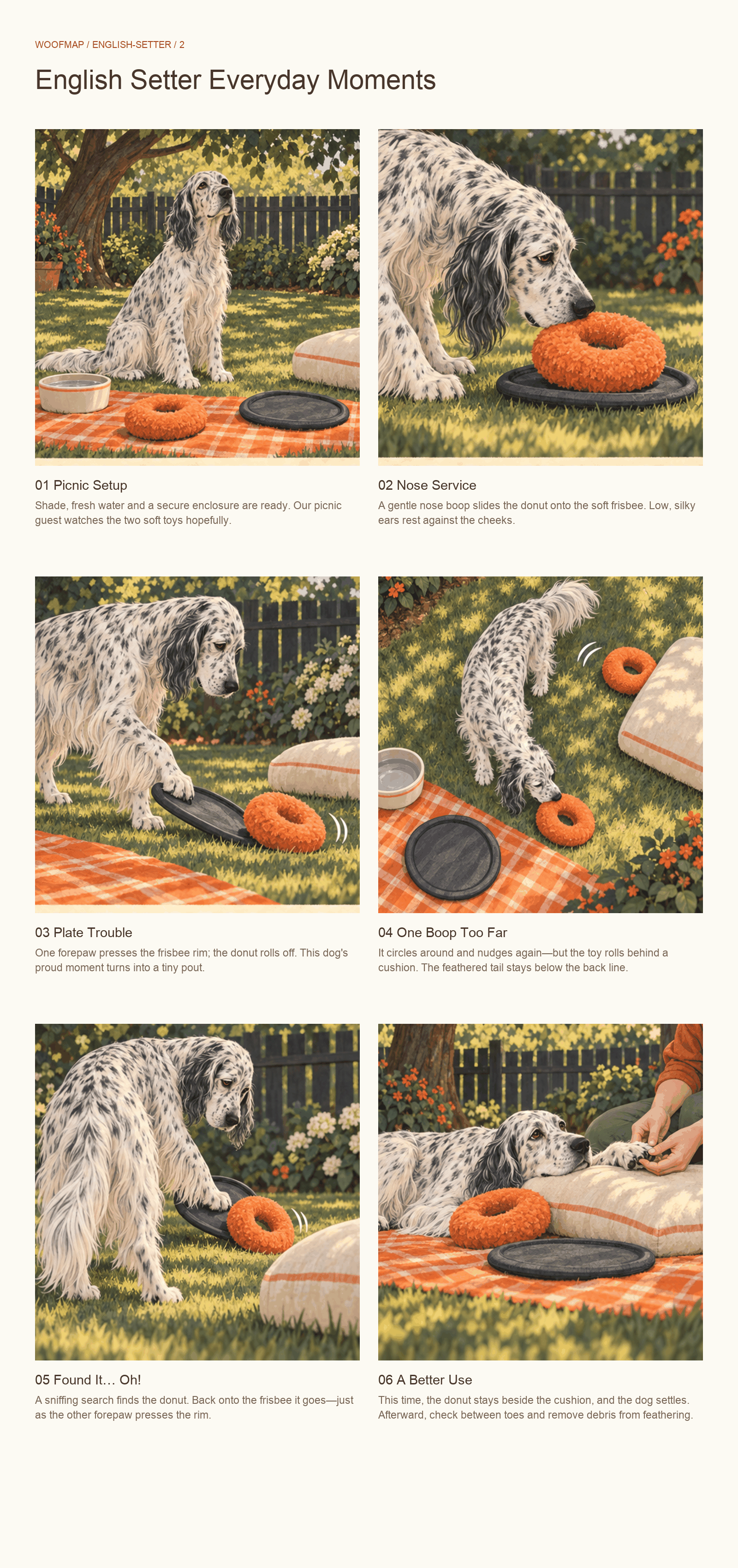
WOOFMAP / ENGLISH-SETTER / LITTLE MOMENTS
A shady toy picnic stars an English Setter in blue belton: fine black-and-white ticking, a long, slightly wavy—not curly—coat, and low ears against the cheeks. These little moods belong to this fictional dog.
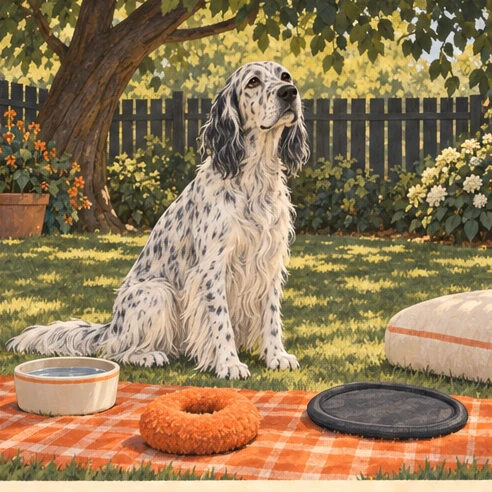
Shade, fresh water and a secure enclosure are ready. Our picnic guest watches the two soft toys hopefully.
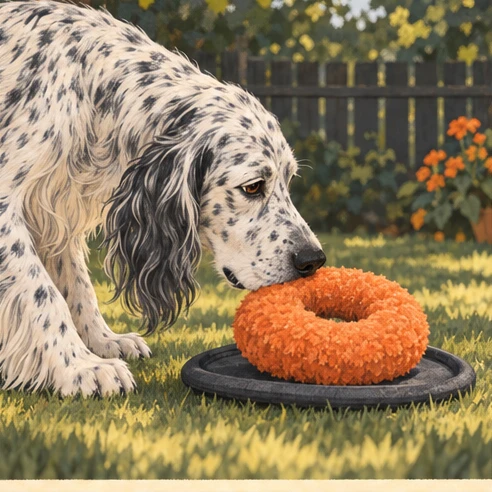
A gentle nose boop slides the donut onto the soft frisbee. Low, silky ears rest against the cheeks.
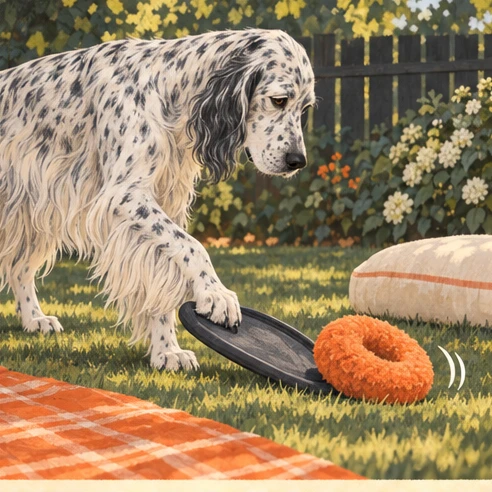
One forepaw presses the frisbee rim; the donut rolls off. This dog's proud moment turns into a tiny pout.
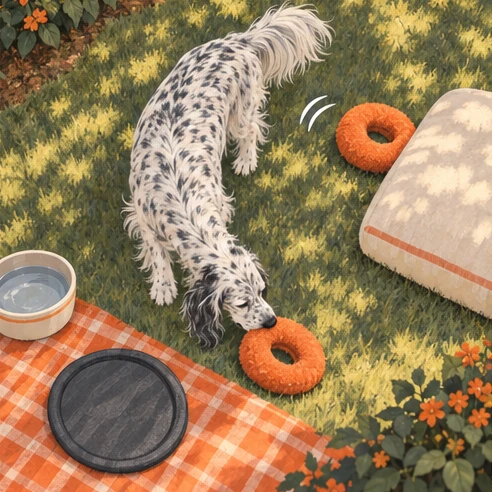
It circles around and nudges again—but the toy rolls behind a cushion. The feathered tail stays below the back line.
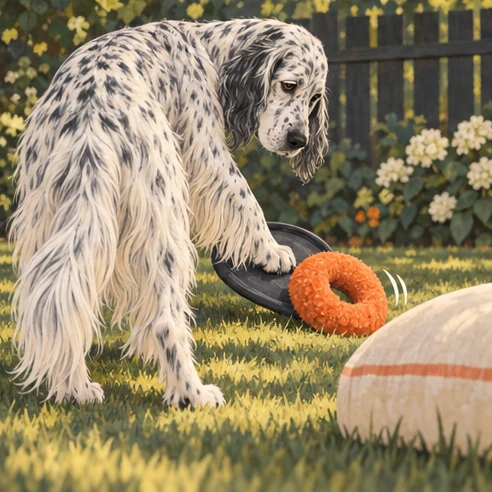
A sniffing search finds the donut. Back onto the frisbee it goes—just as the other forepaw presses the rim.
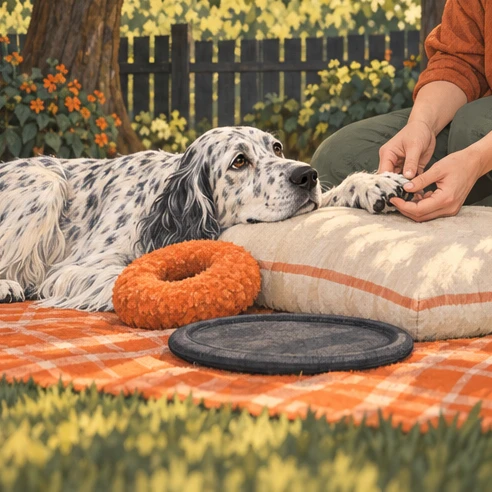
This time, the donut stays beside the cushion, and the dog settles. Afterward, check between toes and remove debris from feathering.





Eight transparent PNGs to save individually. Switch captions on or off for your chats.
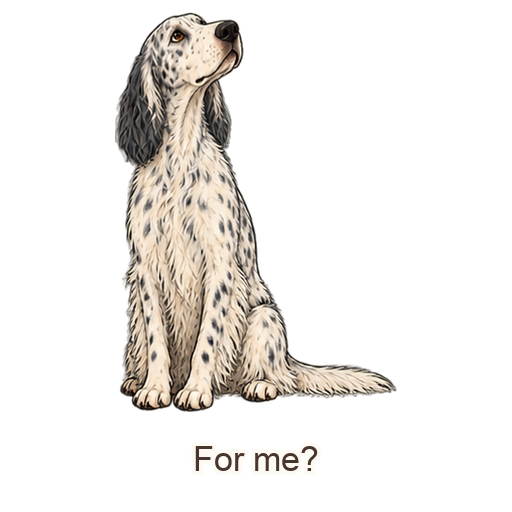 For me?
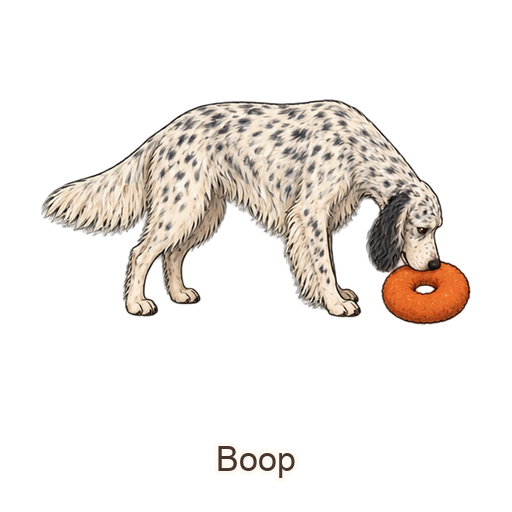 Boop
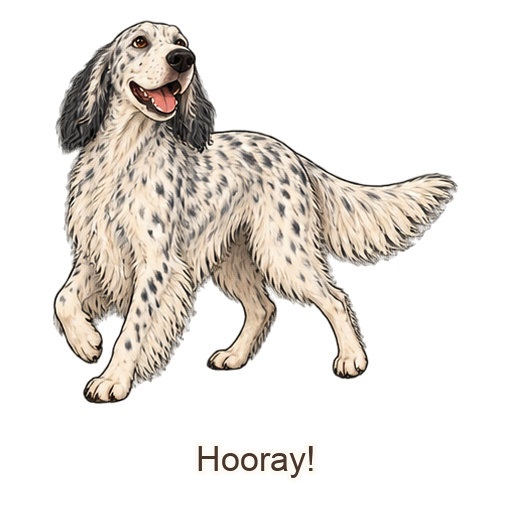 Hooray!
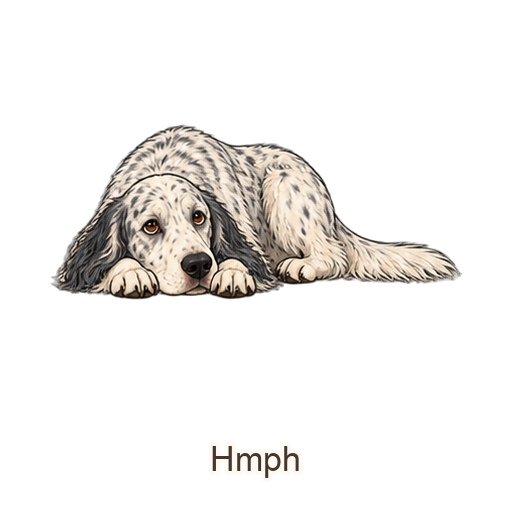 Hmph
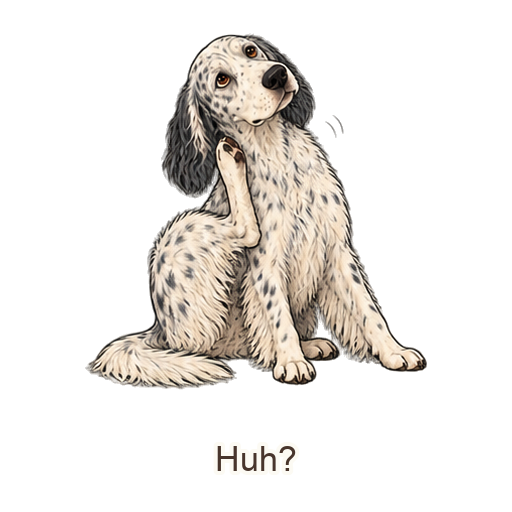 Huh?
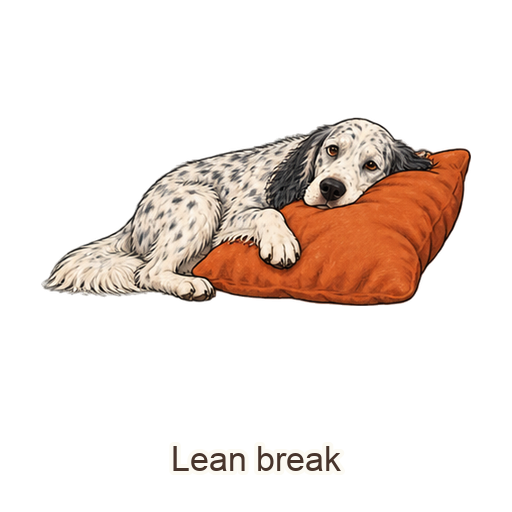 Lean break
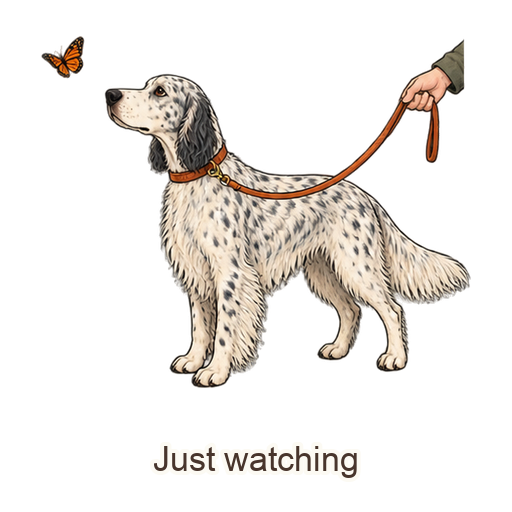 Just watching
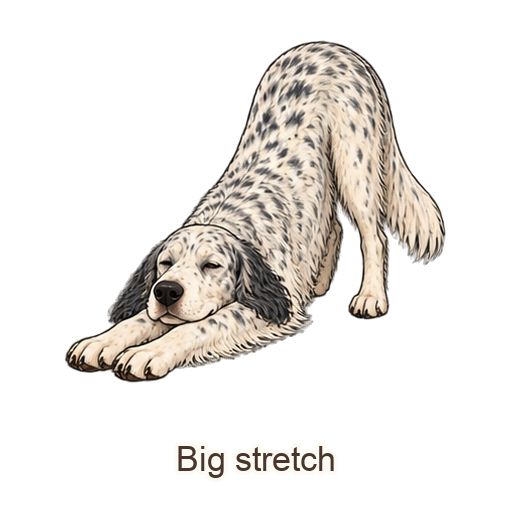 Big stretch
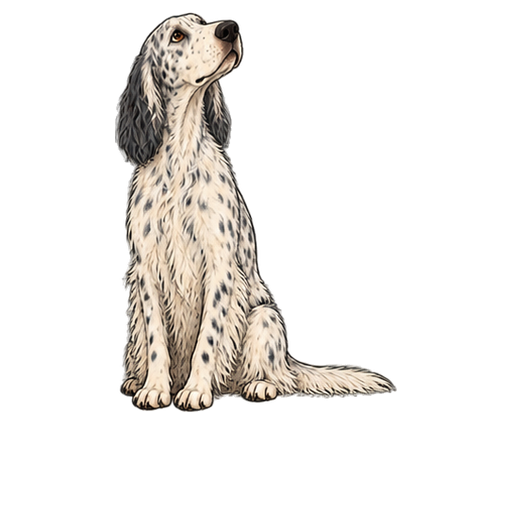 For me?
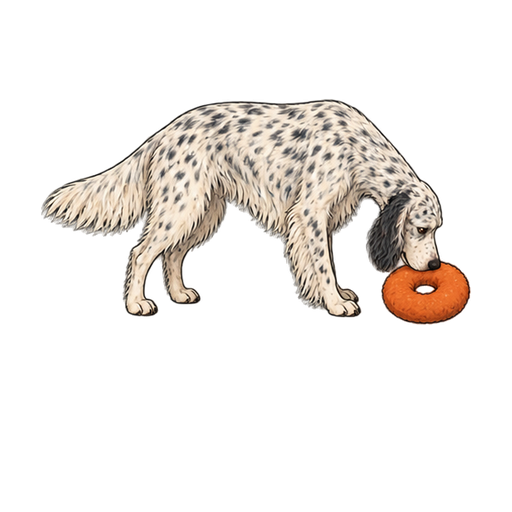 Boop
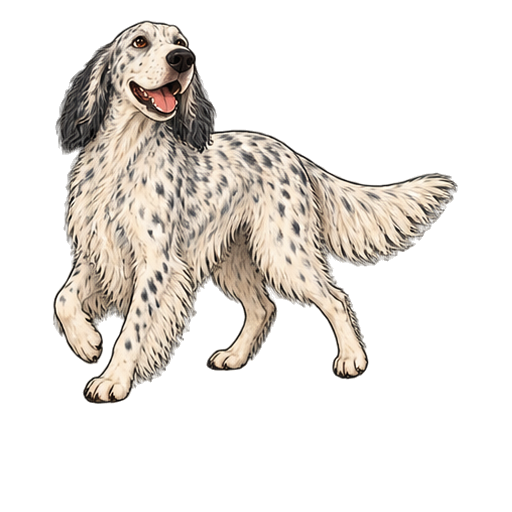 Hooray!
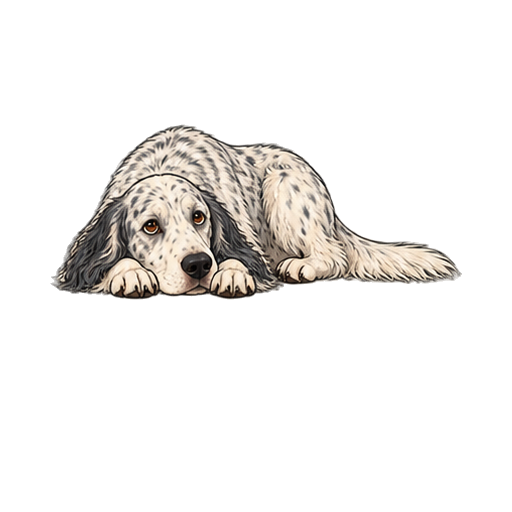 Hmph
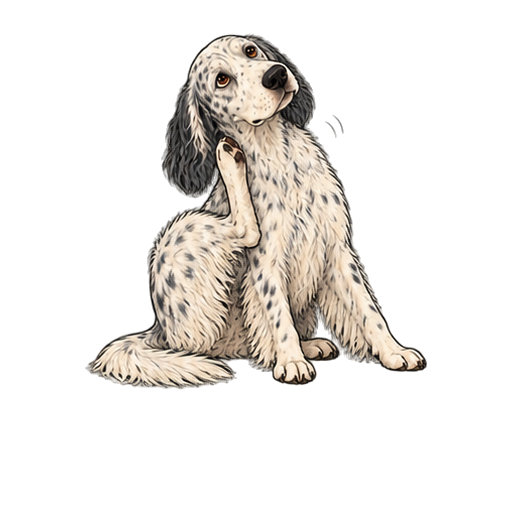 Huh?
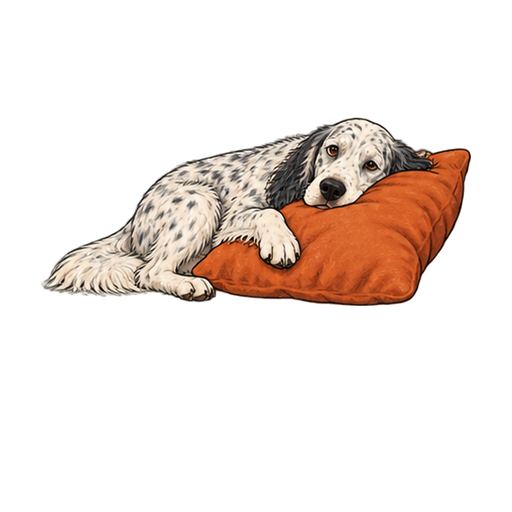 Lean break
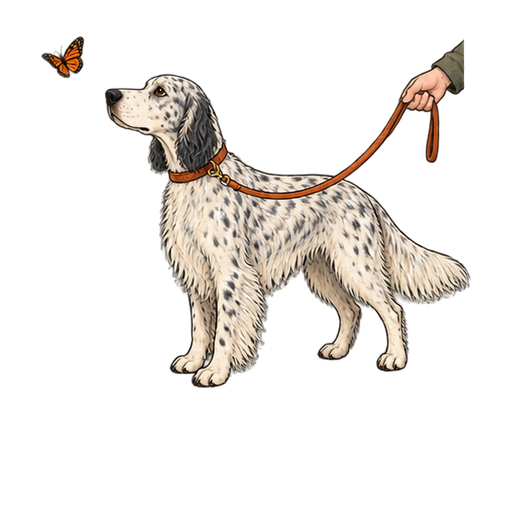 Just watching
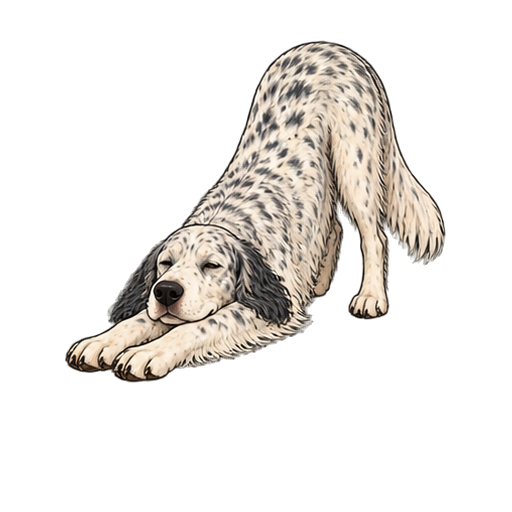 Big stretch
Original woofmap artwork, assisted by GPT Image 2. Free for personal chats and non-commercial sharing with credit to woofmap.com. Fictional moods do not predict every dog’s temperament; see this page’s factual sources.
Combine the available parts, choose a name and take a little joy home.
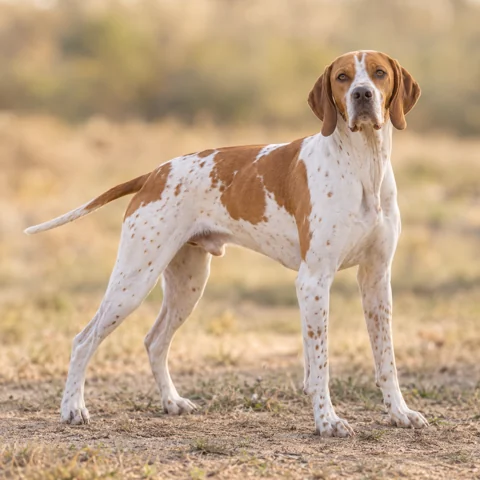 AI realistic image
Pointing dogs
English Pointer
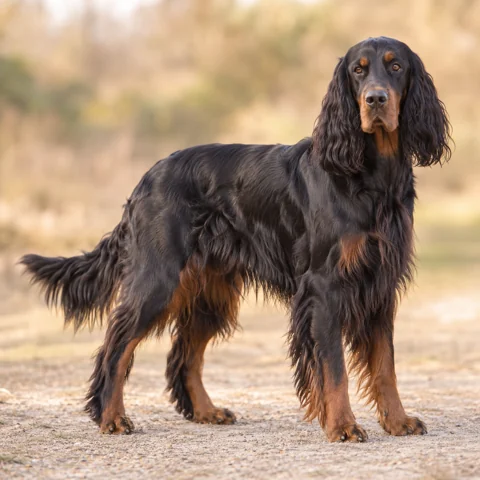 AI realistic image
Pointing dogs
Gordon Setter
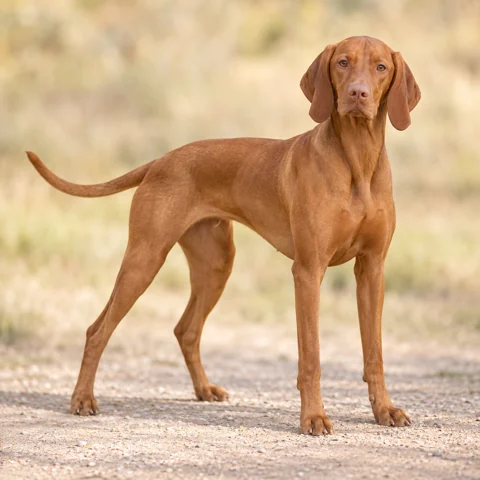 AI realistic image
Pointing dogs
Hungarian Short-Haired Pointer (Vizsla)