WOOFMAP · CANINE ARCHIVENO. 235
Pinschers, Schnauzers, Molossians and Swiss mountain dogs
Great Dane
Great Dane
✳ woofmap.comGermany
WOOFMAP · CANINE ARCHIVE · NO. 235
Great Dane
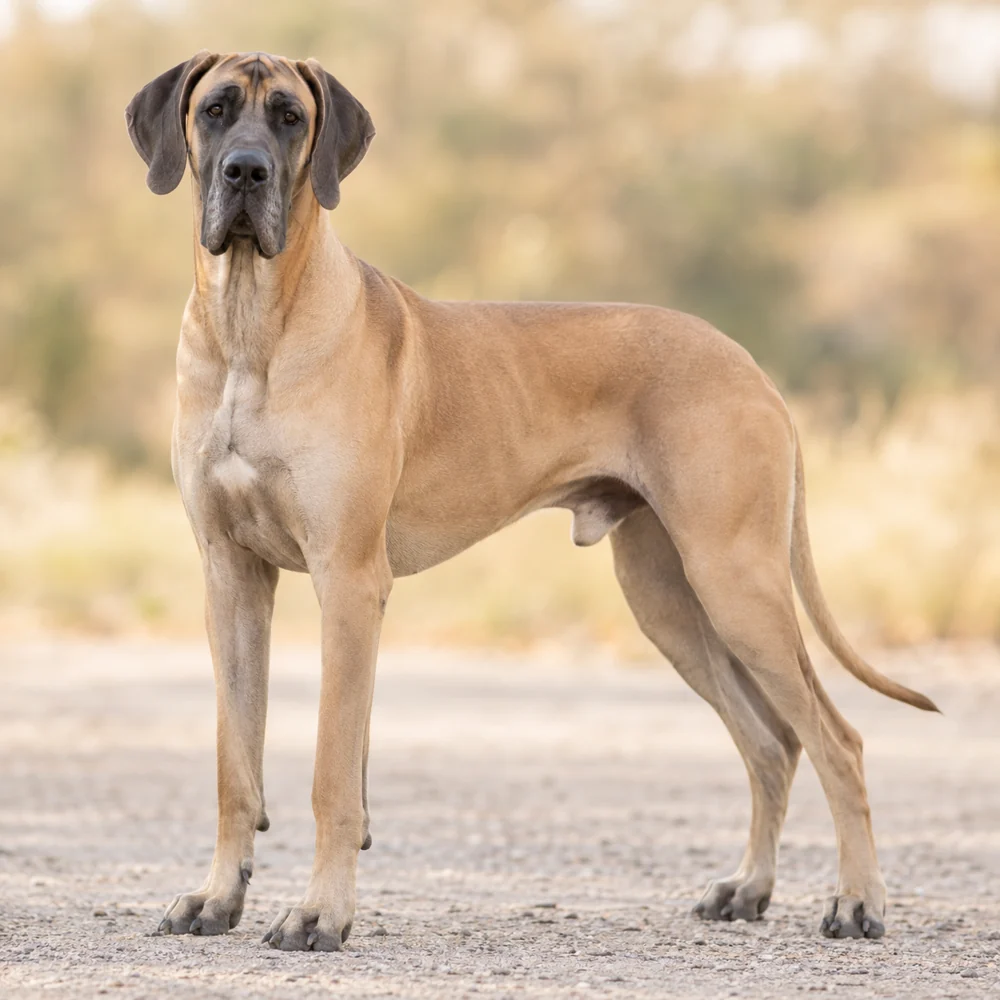
Hunting-hound roots, a statuesque presence.
AI-generated realistic breed image, for visual reference.
Real recording · Individual vocal example · Short sample Excerpt trimmed, volume normalized and converted to MP3; pitch and speed unchanged.
Recording source: minniemighty · Freesound · Great Dane on duty, growl and bark at close range ↗ · CC0 · Open the recording
Pinschers, Schnauzers, Molossians and Swiss mountain dogs
Great Dane
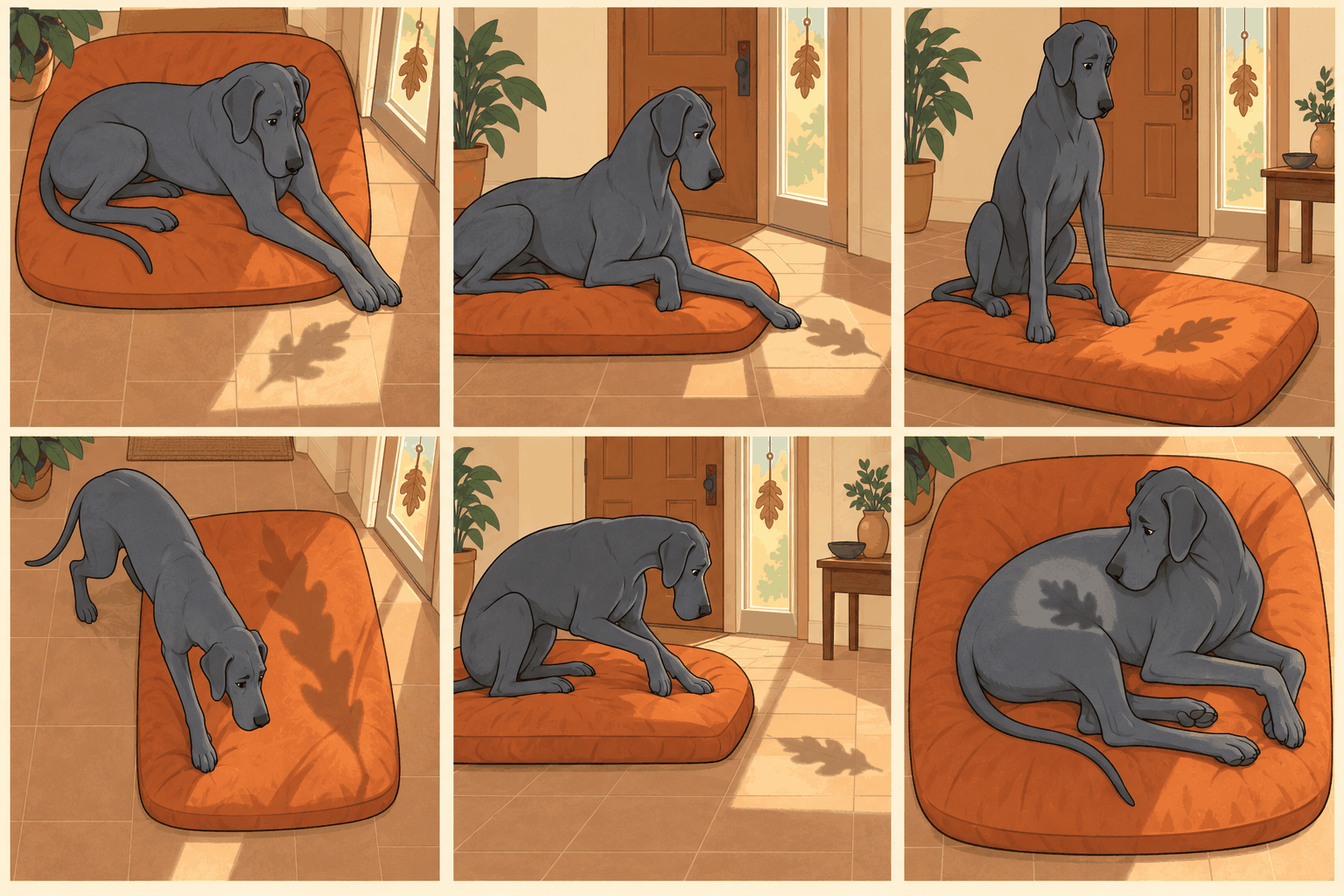
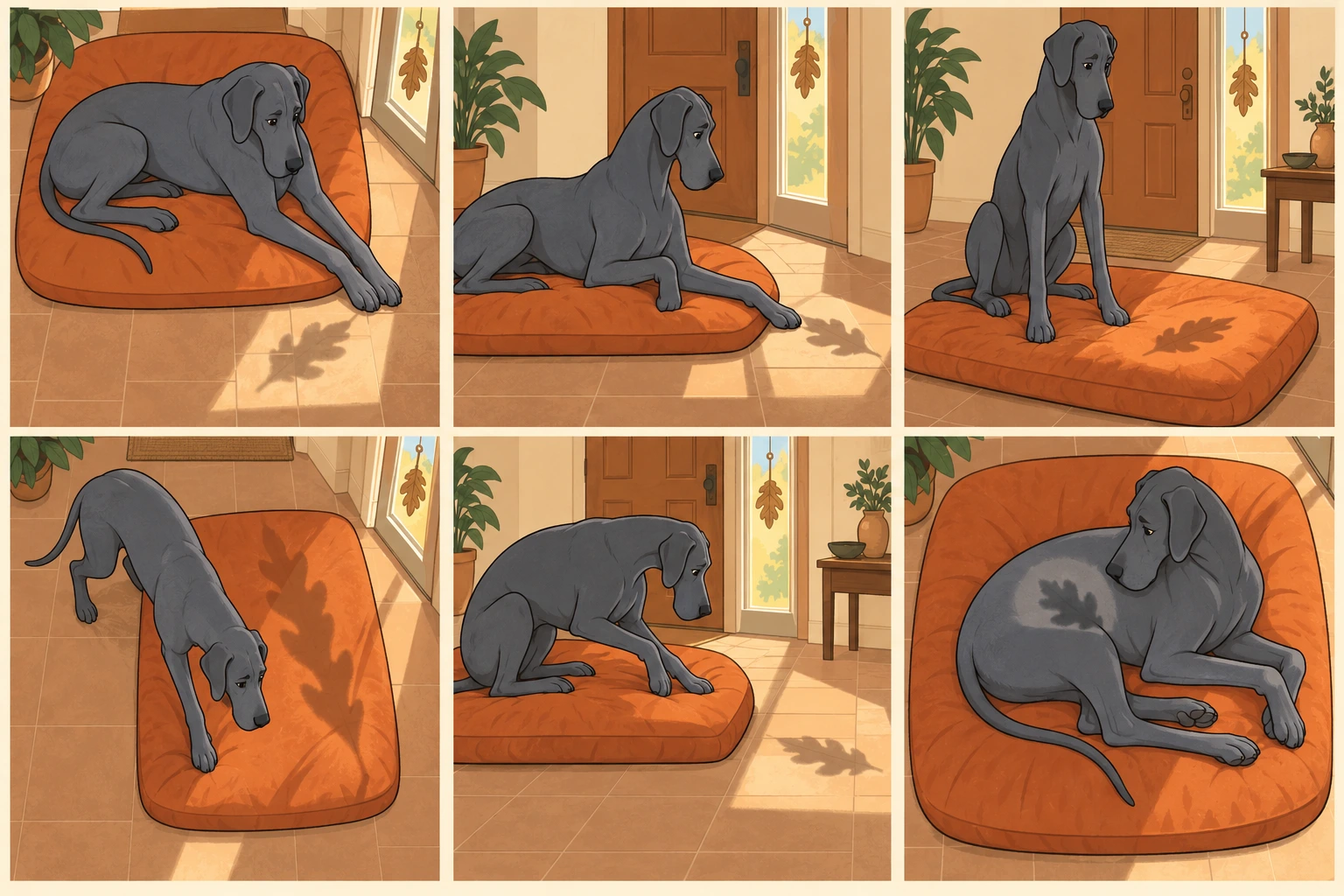
A hanging ornament’s shadow drifts toward the cushion. This Dane keeps making room—until the shadow finds a seat on the dog.
Its forerunners included the old Bullenbeisser and hunting and wild-boar hounds, described as intermediate between a strong mastiff and a swift greyhound. Once a general term for a large, powerful dog, “Dogge” became part of the unified name Deutsche Dogge when a Berlin committee grouped the named types in 1878; the first standard followed in Berlin in 1880. The current standard lists companion, watch and guard work as its uses.
Large, powerful and balanced, the body is nearly square, particularly in males; females may be slightly longer. Males stand at least 80 cm at the withers and should not exceed 90 cm; females stand at least 72 cm and should not exceed 84 cm. The ears hang naturally, and the tail reaches the hocks.
Look for great height, a nearly square outline, a long angular head, a deep rectangular muzzle and naturally pendant ears lying near the cheeks—not just a black-and-white pattern. The standard covers three breeding colour varieties: fawn/brindle; harlequin/merle/black; and blue. Mantle-patterned dogs are included within the specified merle and black descriptions.
The standard calls for affection and devotion toward owners, confidence, tractability and a non-aggressive family companion; it allows reserve with strangers. Reward-based training and clear, consistent boundaries help a dog of this size practise calm encounters. Temperament and sociability still vary between individuals.
Brush the short coat regularly and check skin, ears and nails; short hair does not mean no shedding. Walks, scent exploration and suitable play can be paired with reward-based practice in settling, recall and loose-leash walking. Allow ample room to turn and rest, and teach polite greetings and leash manners before its strength becomes difficult to manage. Introduce visitors thoughtfully, since watchfulness and reactions to strangers vary by individual.
The standard describes a companion and family dog with a steady, tractable temperament, not a dog guaranteed to welcome everyone. A household needs space for its size and a consistent plan for greetings, leash manners and boundaries.
Regular brushing removes loose hair and offers a chance to check the skin and ears. Fawn, patterned, black and blue dogs share the same short coat type, which can still shed.
Provide regular outings, opportunities to sniff and play suited to the individual dog. Practise recall, settling and walking on a loose leash with rewards, and manage introductions to visitors rather than relying on size or guarding instinct.
SOURCE NOTES
Breed traits follow the cited official standards; everyday care advice is our editorial interpretation of coat, build and working purpose.
Coat and size varieties can share a standard. The number is an archive reference, not a rarity score. An independent educational atlas, not a registry publication. Temperament varies; consult a veterinarian about health concerns.
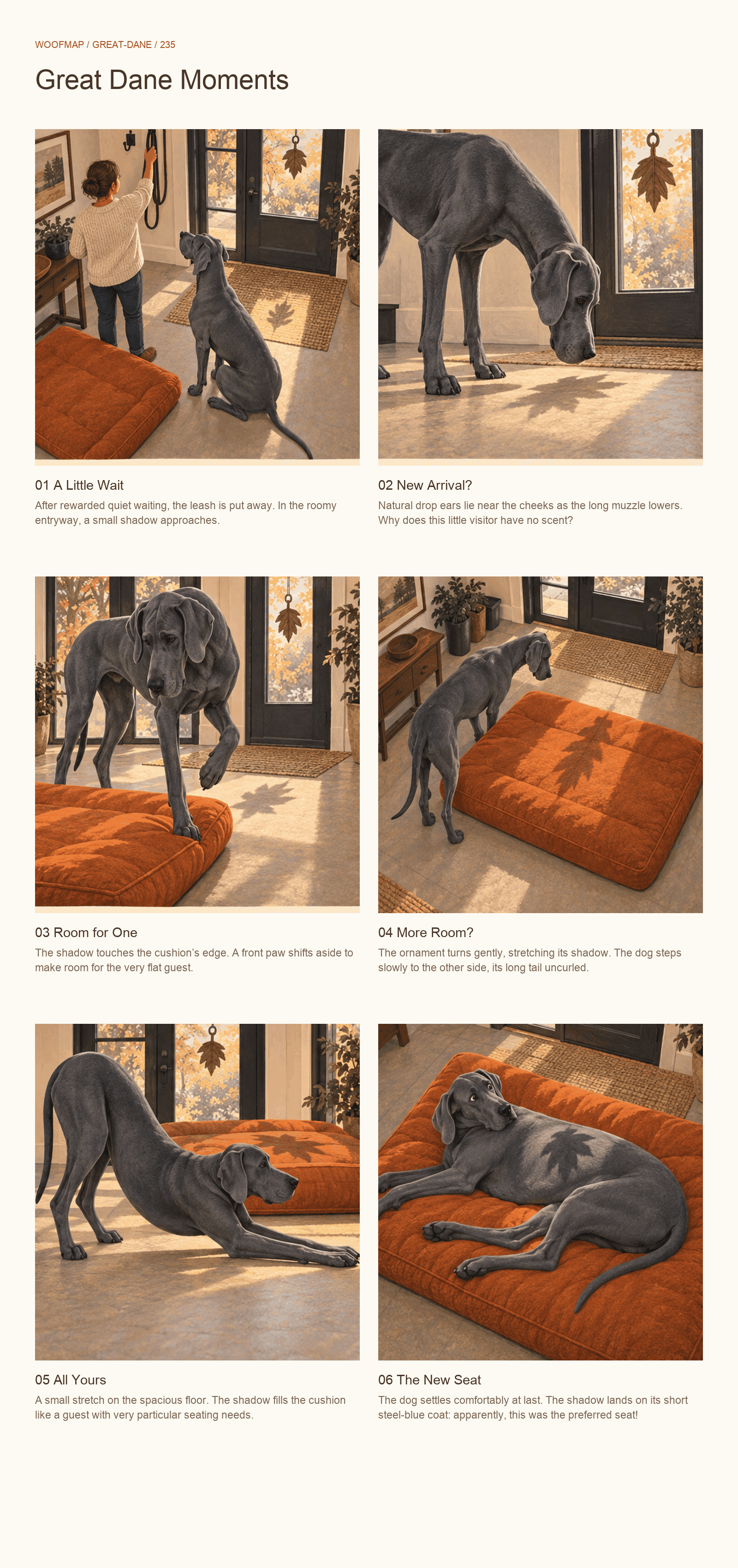
WOOFMAP / GREAT-DANE / LITTLE MOMENTS
This pack depicts a solid steel-blue Great Dane with a very short coat, natural drop ears, a deep rectangular muzzle and long legs. Its entryway antics belong to one fictional dog, not every Dane.
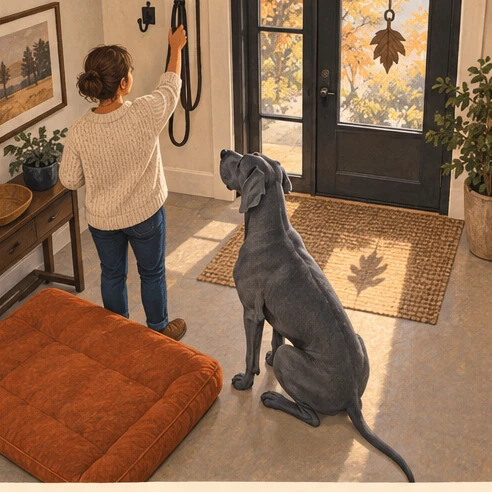
After rewarded quiet waiting, the leash is put away. In the roomy entryway, a small shadow approaches.
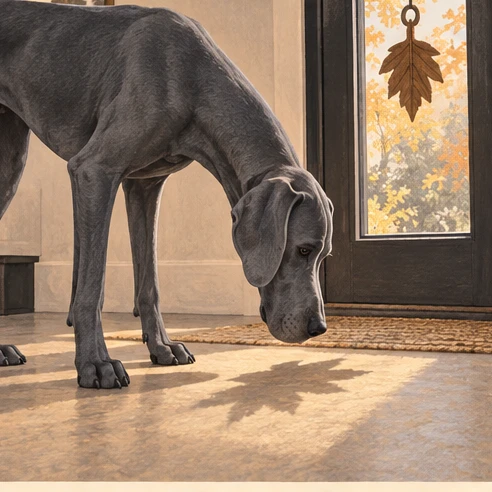
Natural drop ears lie near the cheeks as the long muzzle lowers. Why does this little visitor have no scent?
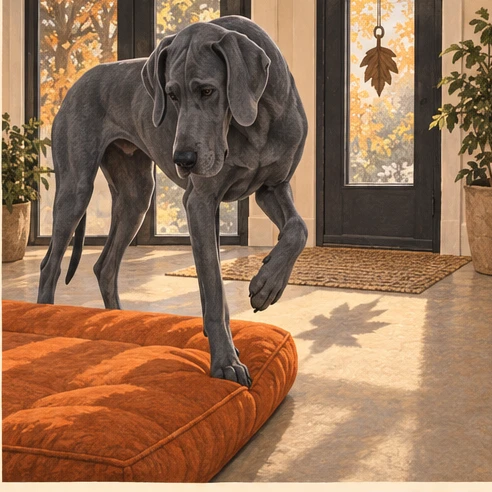
The shadow touches the cushion’s edge. A front paw shifts aside to make room for the very flat guest.
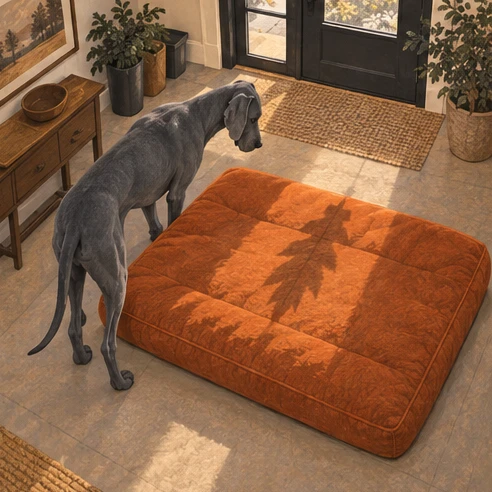
The ornament turns gently, stretching its shadow. The dog steps slowly to the other side, its long tail uncurled.
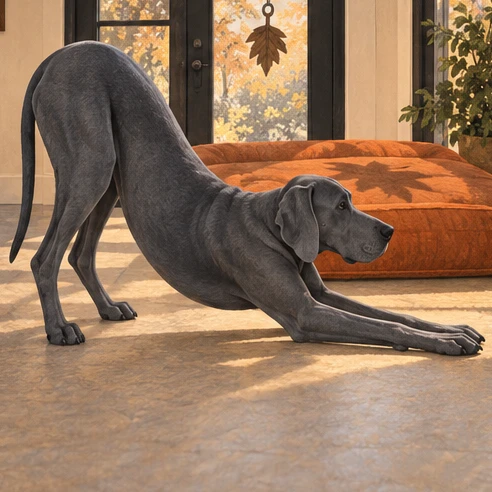
A small stretch on the spacious floor. The shadow fills the cushion like a guest with very particular seating needs.
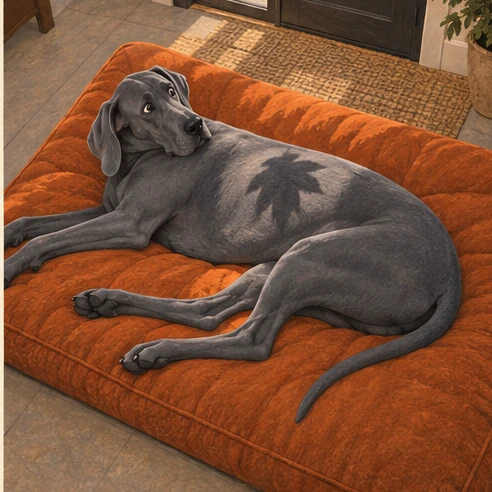
The dog settles comfortably at last. The shadow lands on its short steel-blue coat: apparently, this was the preferred seat!
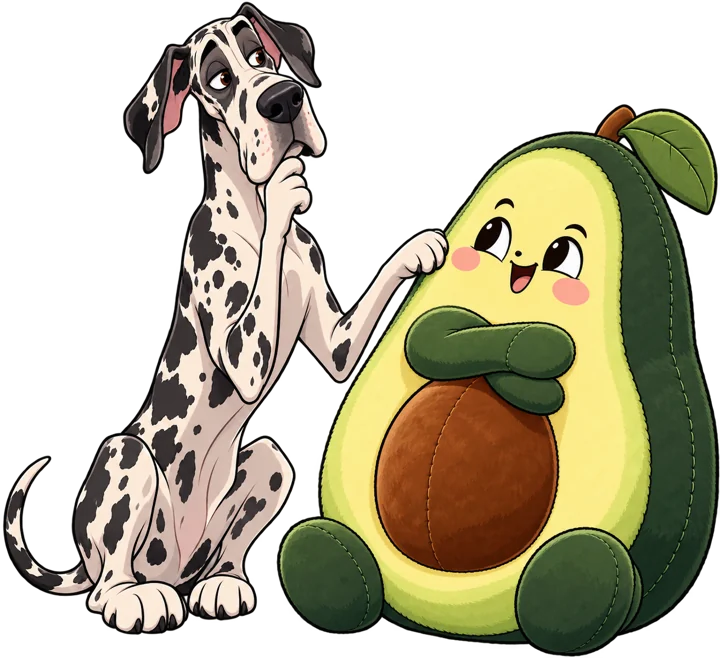
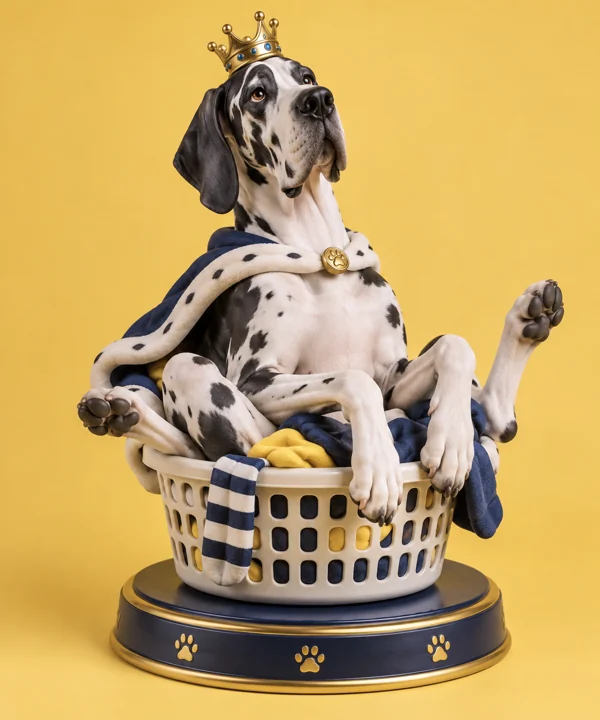
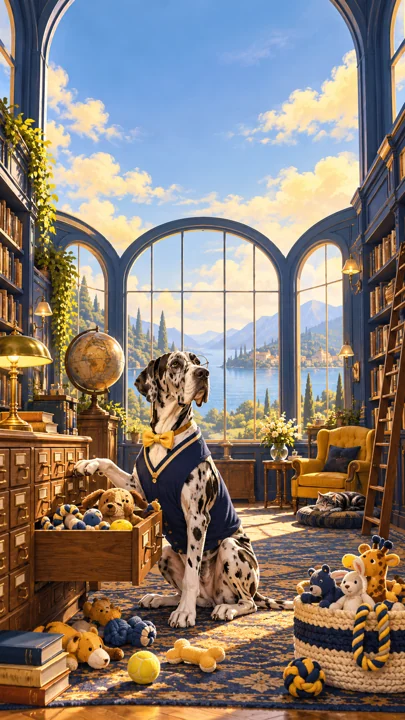
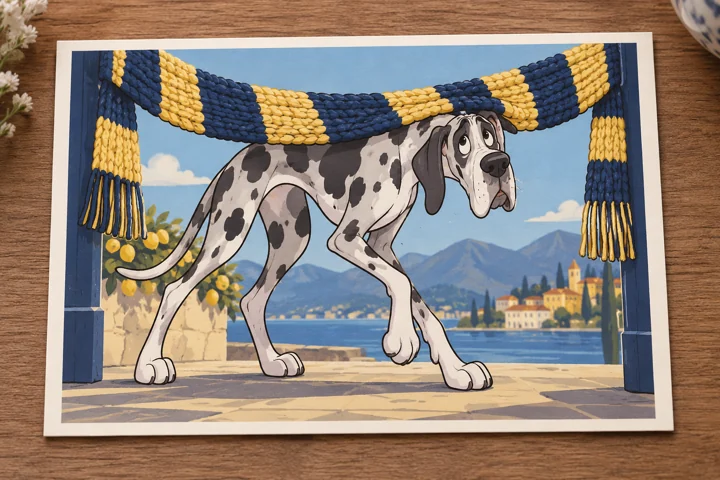
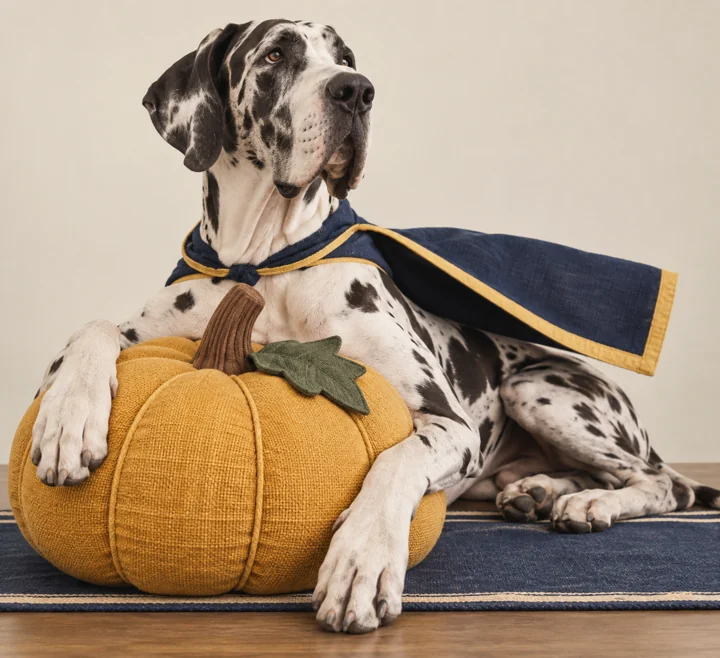
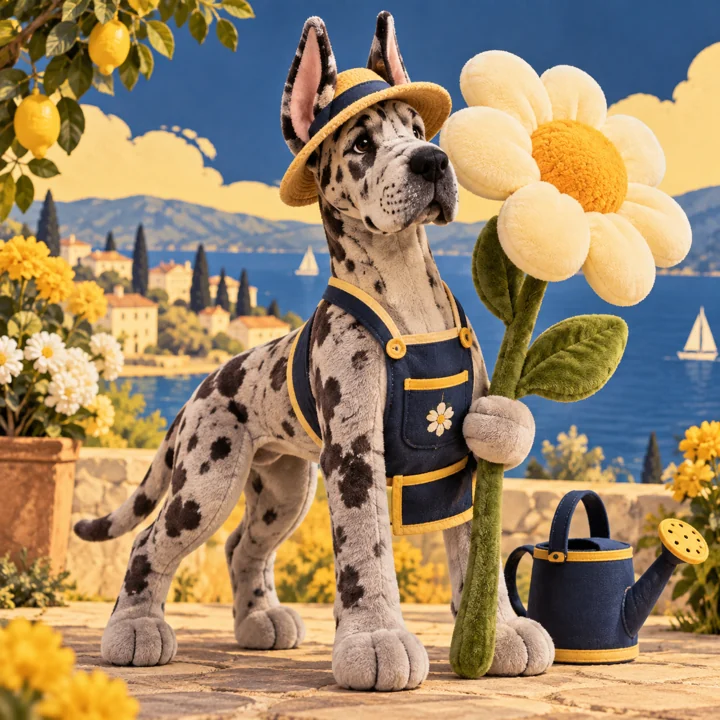
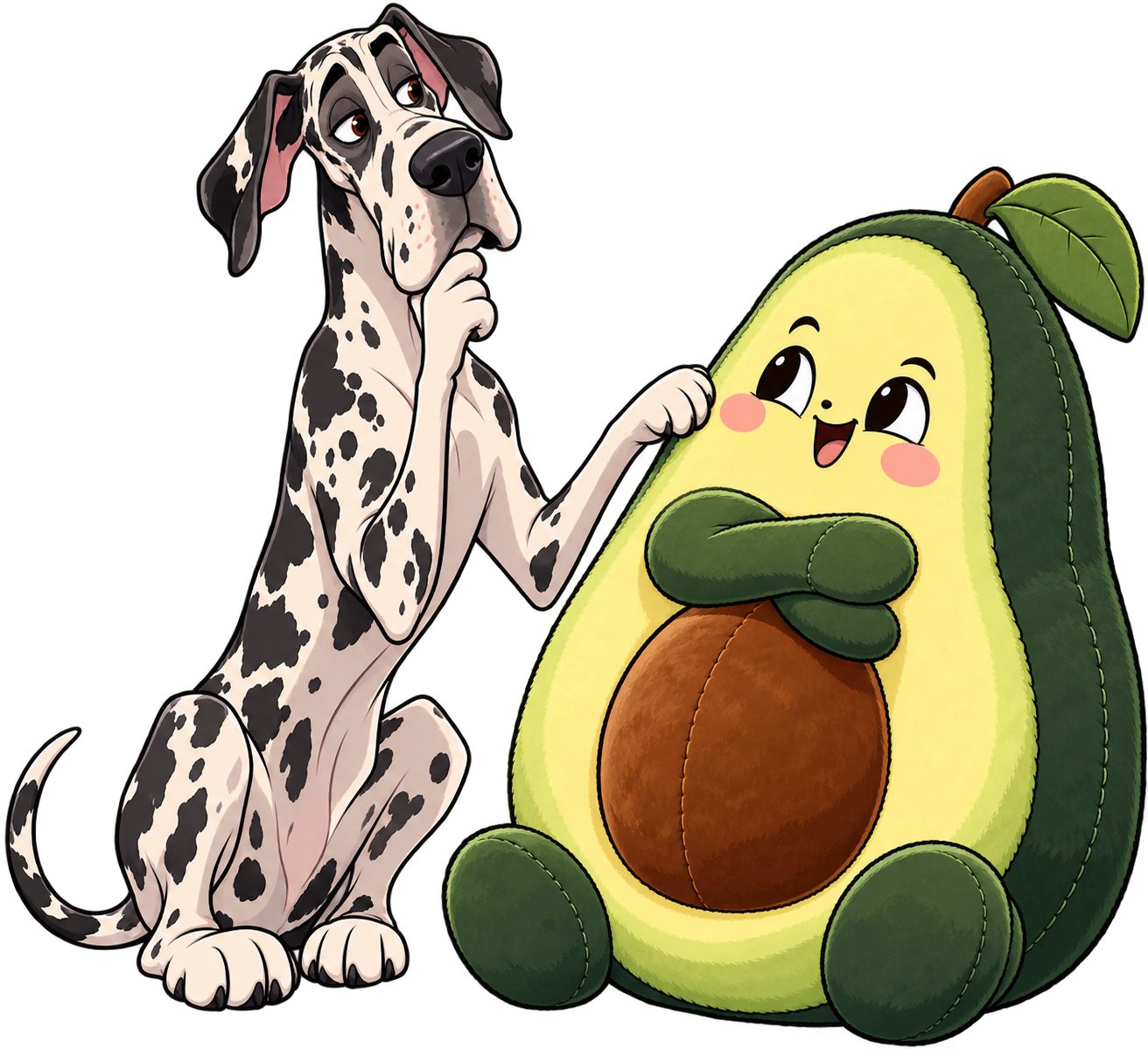
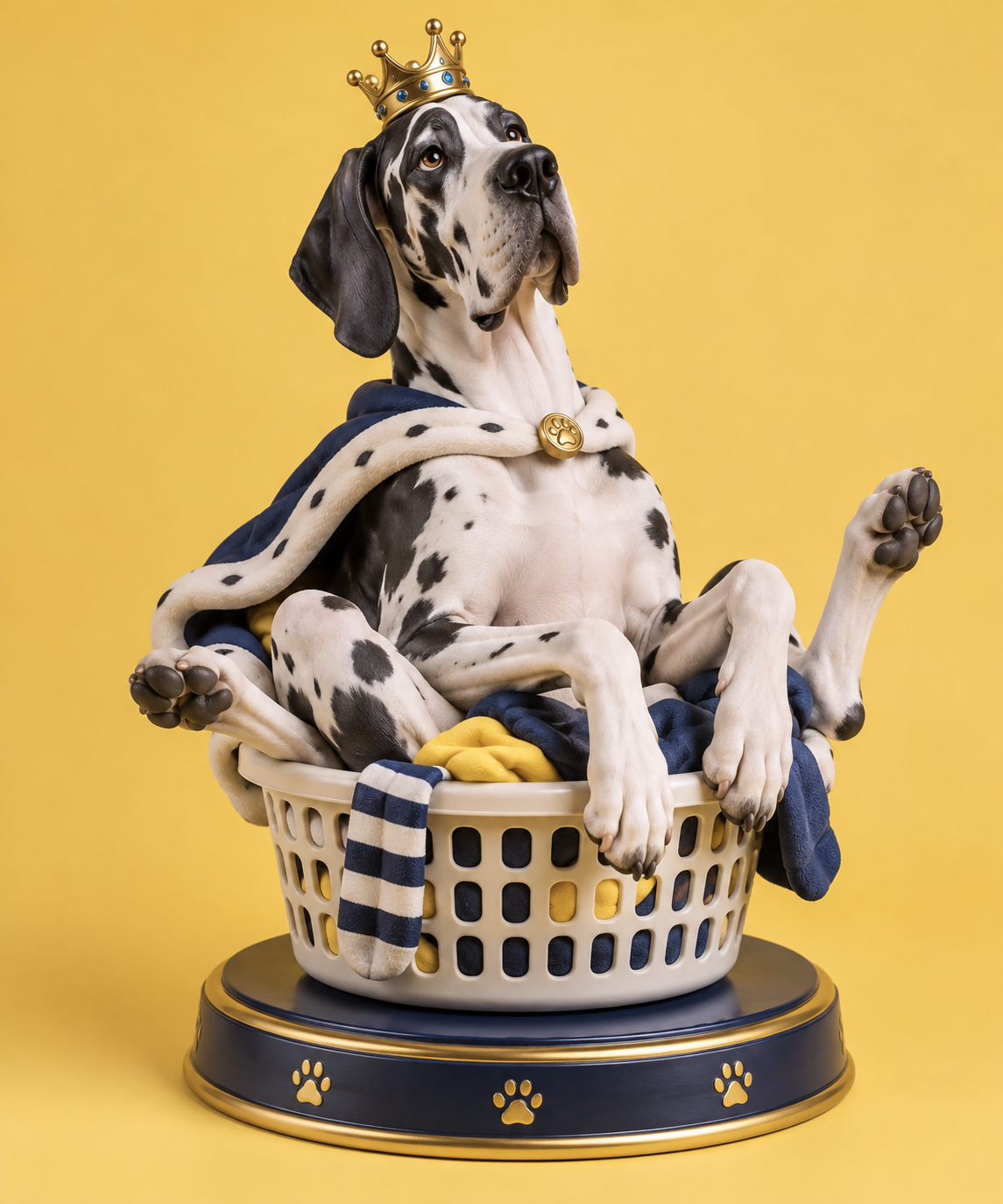
Eight transparent PNGs to save individually. Switch captions on or off for your chats.
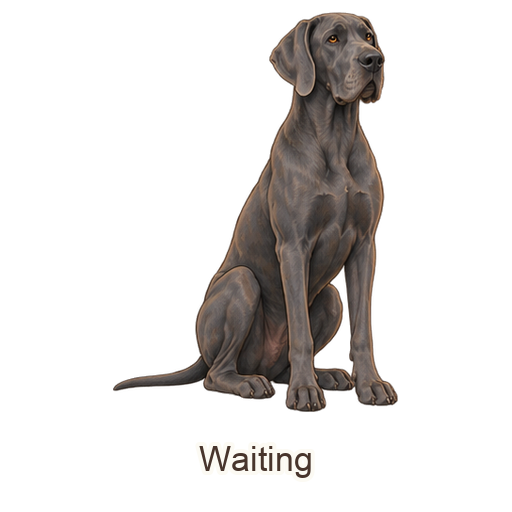 Waiting
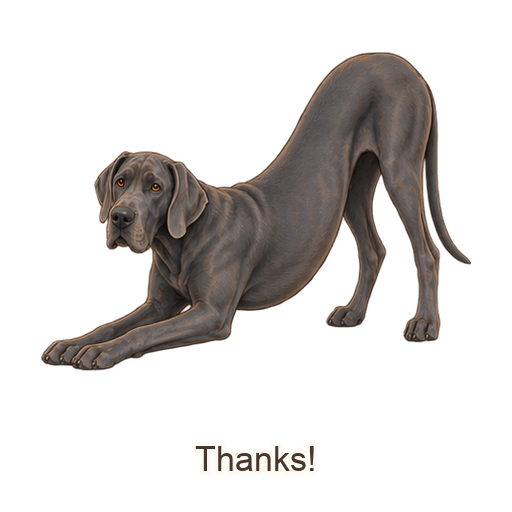 Thanks!
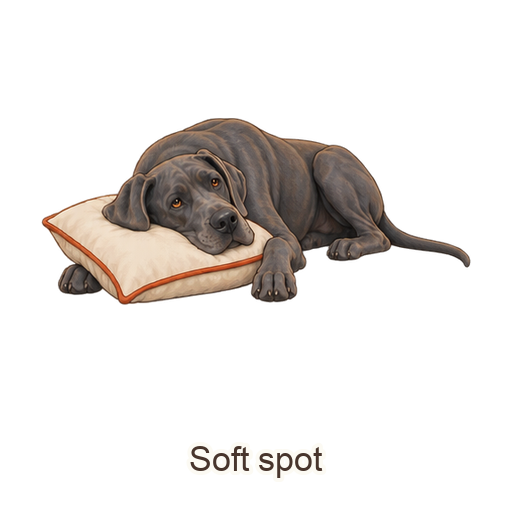 Soft spot
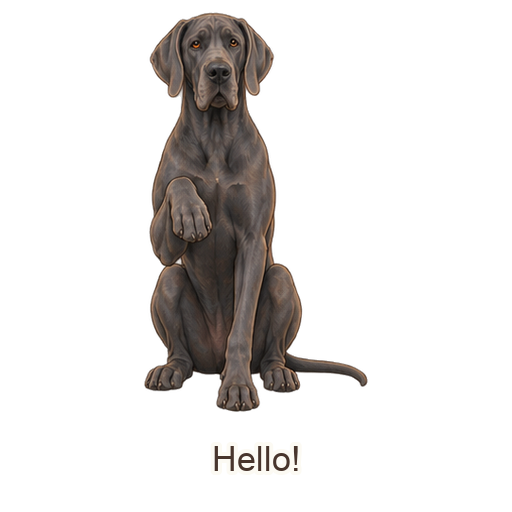 Hello!
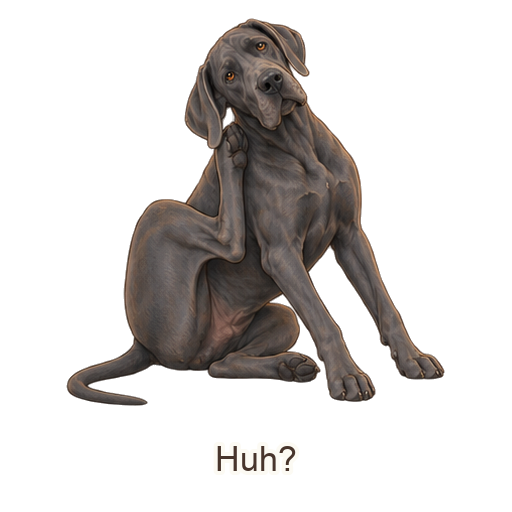 Huh?
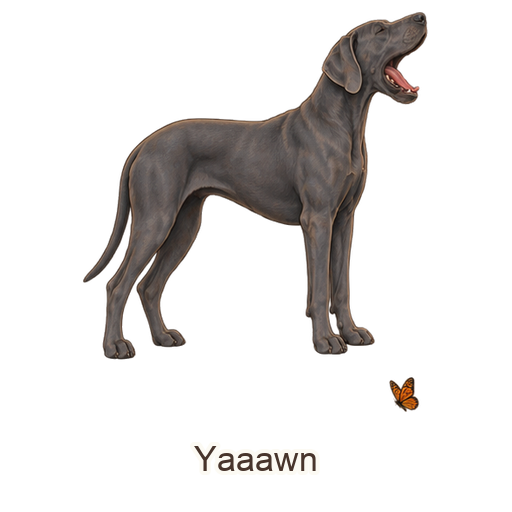 Yaaawn
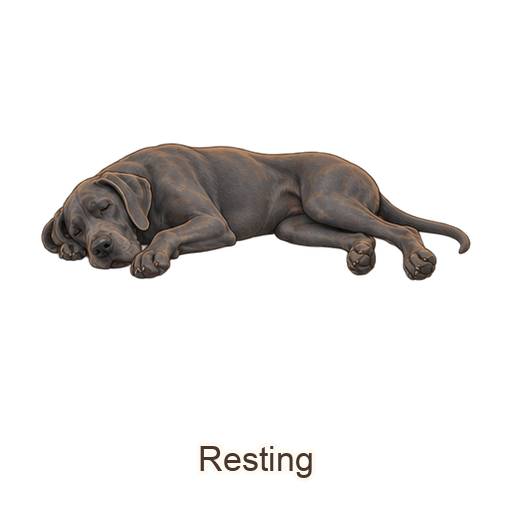 Resting
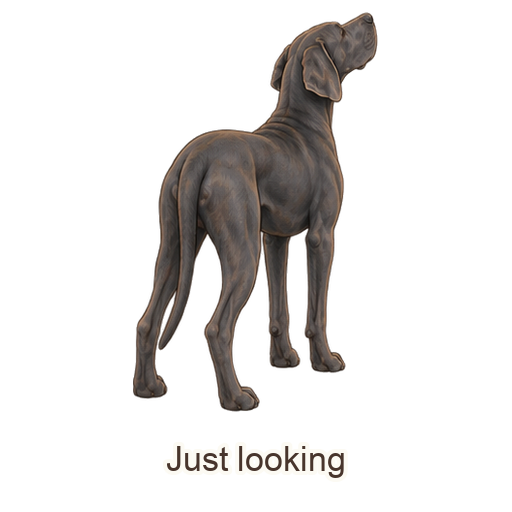 Just looking
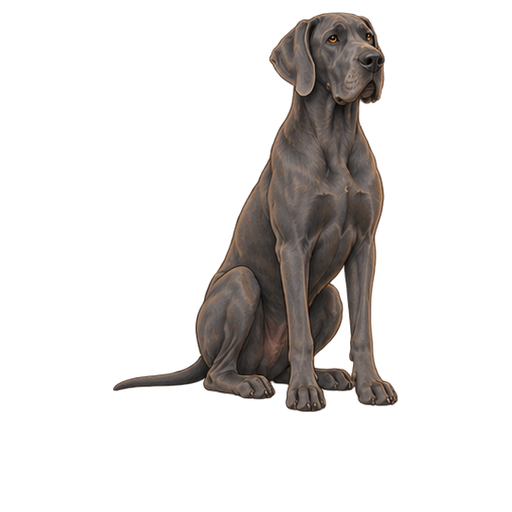 Waiting
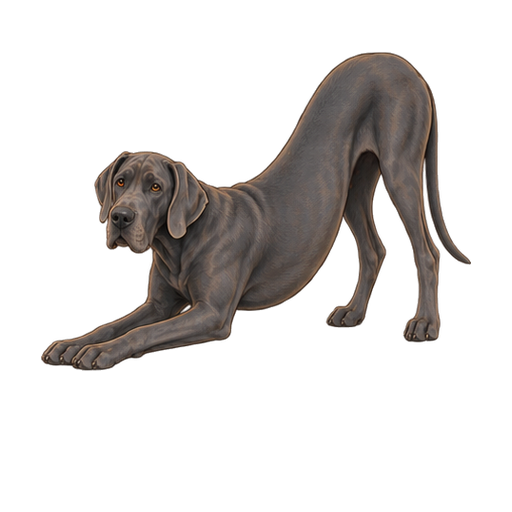 Thanks!
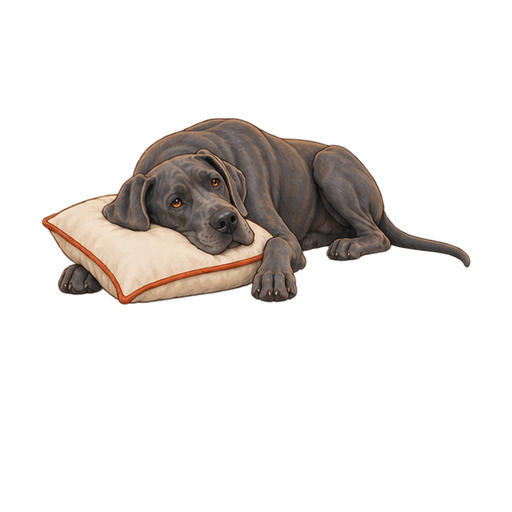 Soft spot
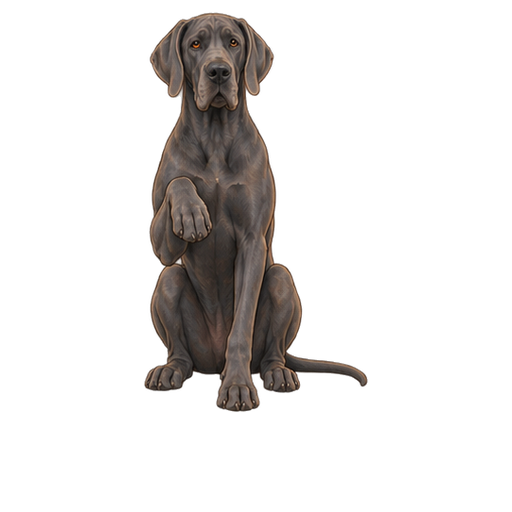 Hello!
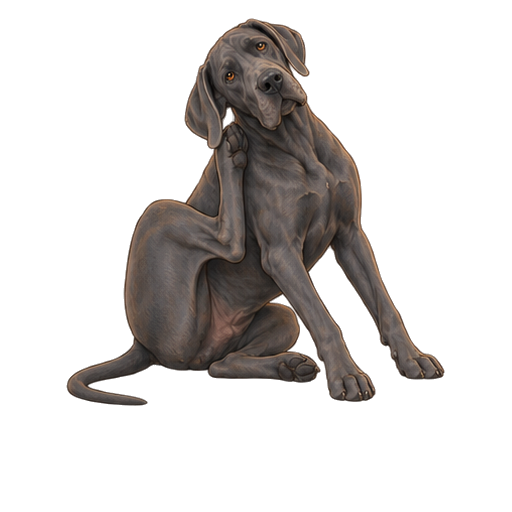 Huh?
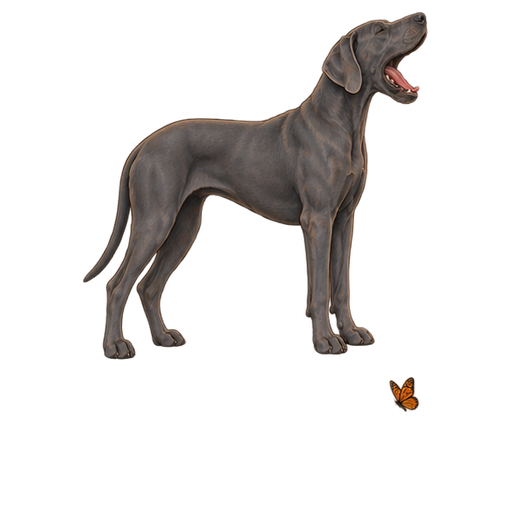 Yaaawn
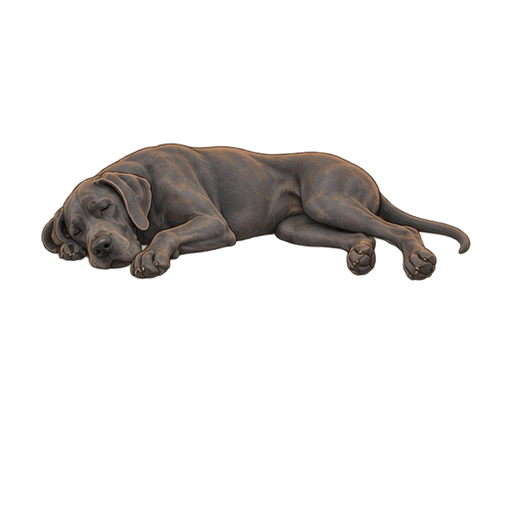 Resting
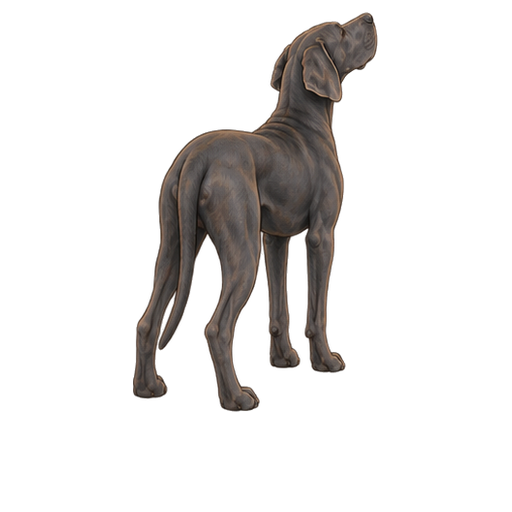 Just looking
Original woofmap artwork, assisted by GPT Image 2. Free for personal chats and non-commercial sharing with credit to woofmap.com. Fictional moods do not predict every dog’s temperament; see this page’s factual sources.
Combine the available parts, choose a name and take a little joy home.
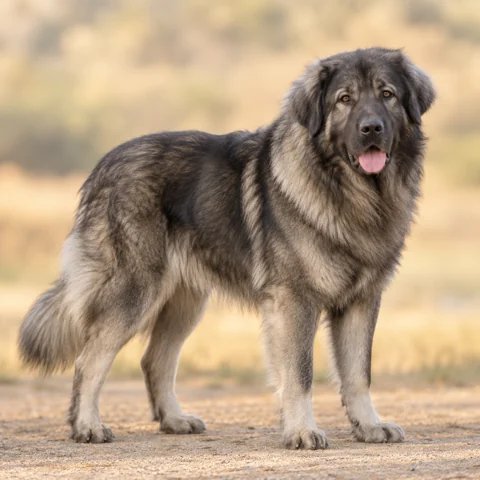 AI realistic image
Pinschers, Schnauzers, Molossians and Swiss mountain dogs
Yugoslavian Shepherd Dog - Sharplanina
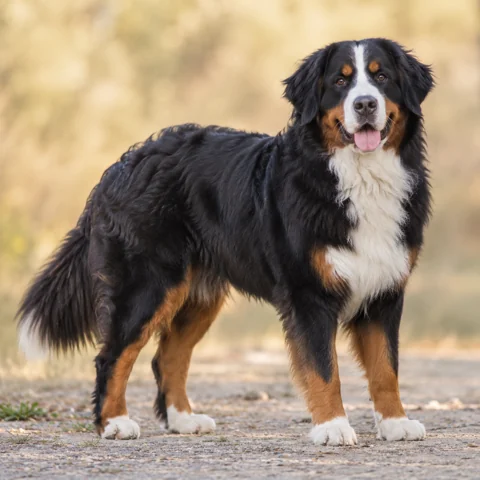 AI realistic image
Pinschers, Schnauzers, Molossians and Swiss mountain dogs
Bernese Mountain Dog
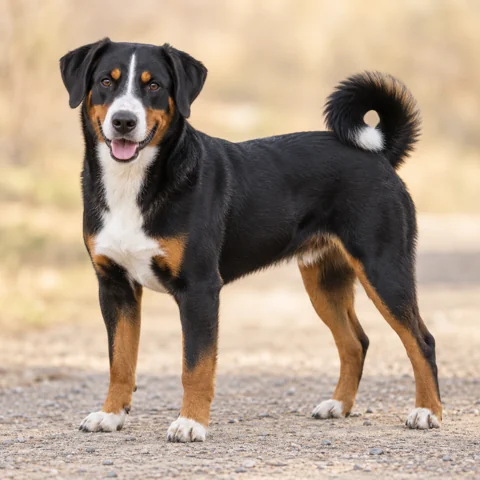 AI realistic image
Pinschers, Schnauzers, Molossians and Swiss mountain dogs
Appenzell Cattle Dog