WOOFMAP · CANINE ARCHIVENO. 360
Sheepdogs and cattle dogs
Lancashire Heeler
Lancashire Heeler
✳ woofmap.comEngland; under FCI patronage.
WOOFMAP · CANINE ARCHIVE · NO. 360
Lancashire Heeler
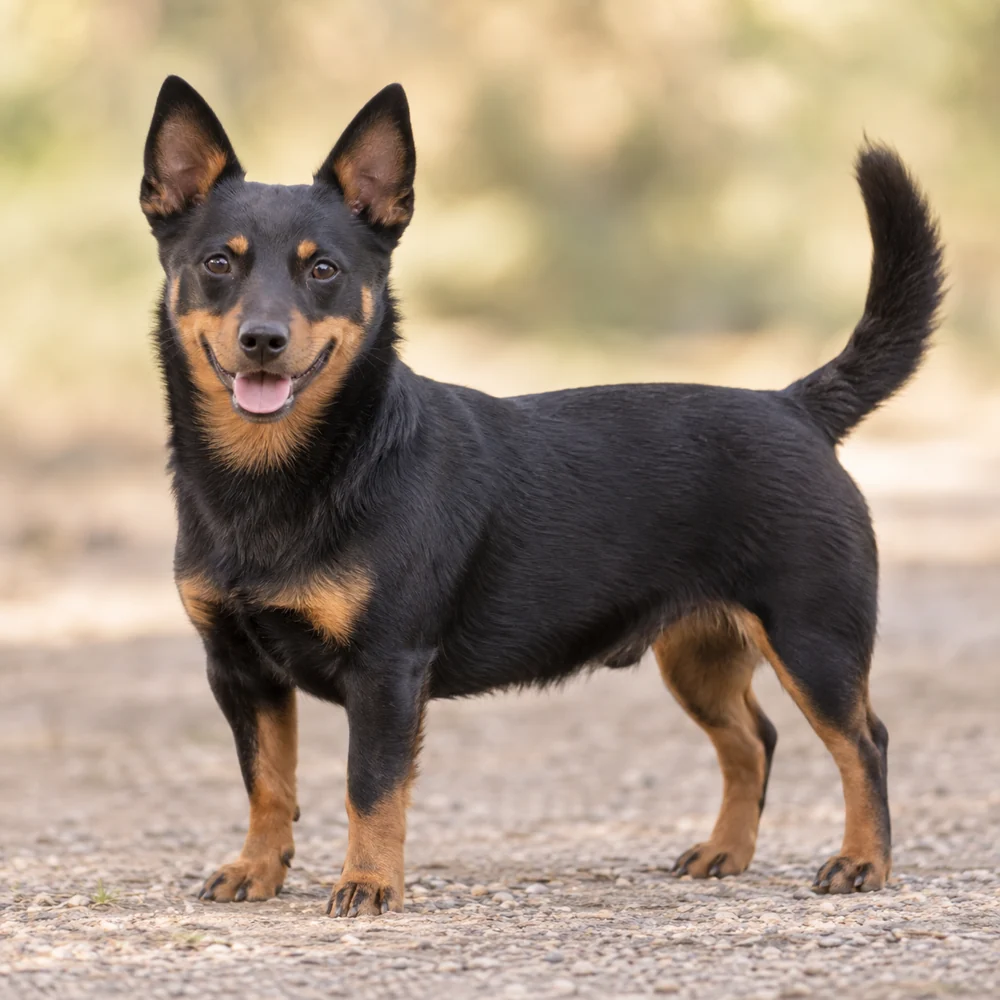
A small, sturdy cattle worker with terrier instincts.
AI-generated realistic breed image, for visual reference.
This Lancashire Heeler page is still waiting for a voice. Live with a Lancashire Heeler? Share a natural bark, howl or whine and let others hear a little of your dog’s everyday life.
If we feature your recording, we’ll credit you or your dog using the name you choose.
A 5–15 second phone recording in a quiet setting is perfect. Capture a natural moment without startling or disturbing your dog. Audio or video with sound is welcome.
Share your dog’s voice ↗[email protected]Attach your recording, breed and preferred credit. Please confirm you recorded it and allow woofmap to feature it.
Thank you for helping us build a playful Woof Planet together. Every little woof deserves to be heard.
Sheepdogs and cattle dogs
Lancashire Heeler
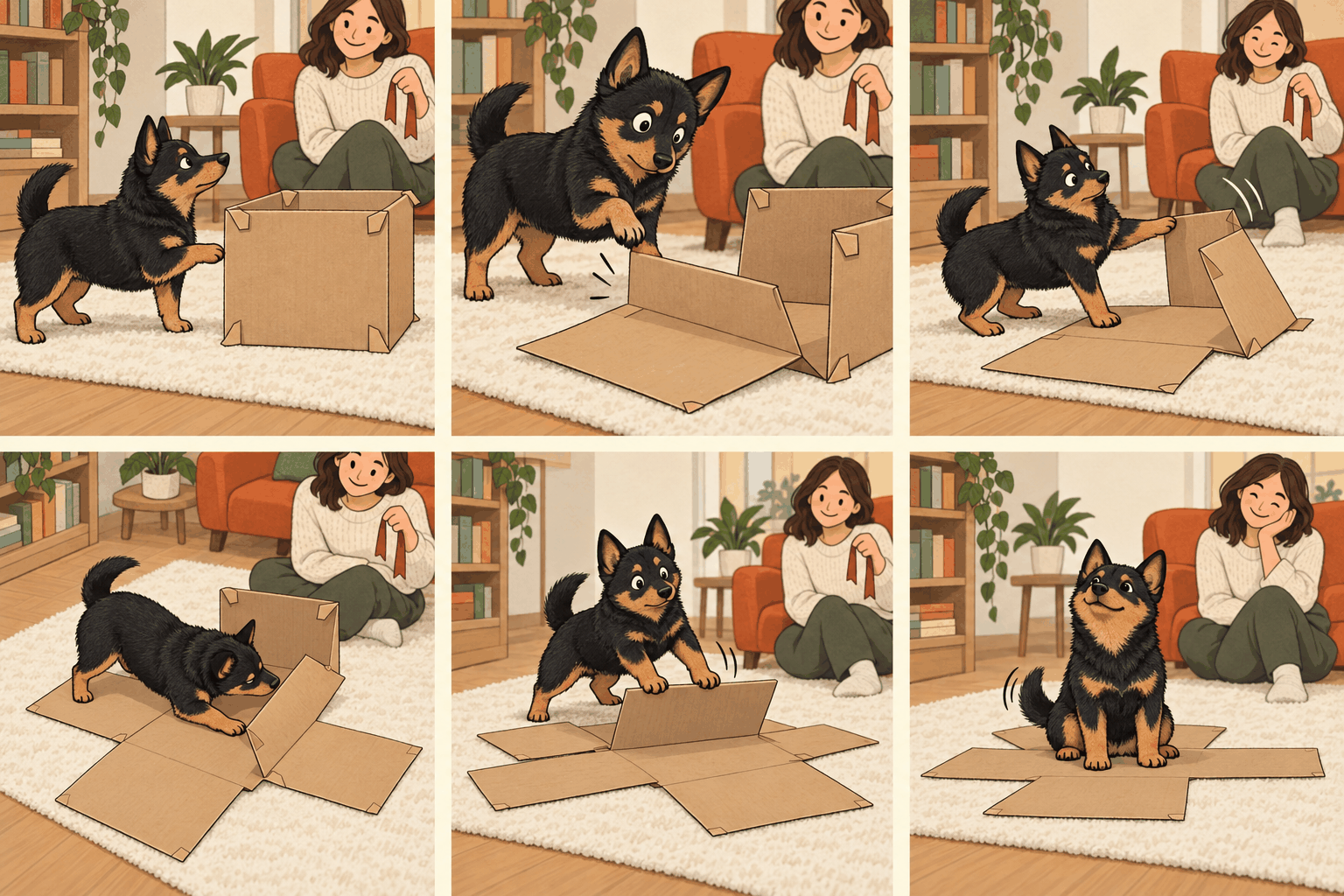
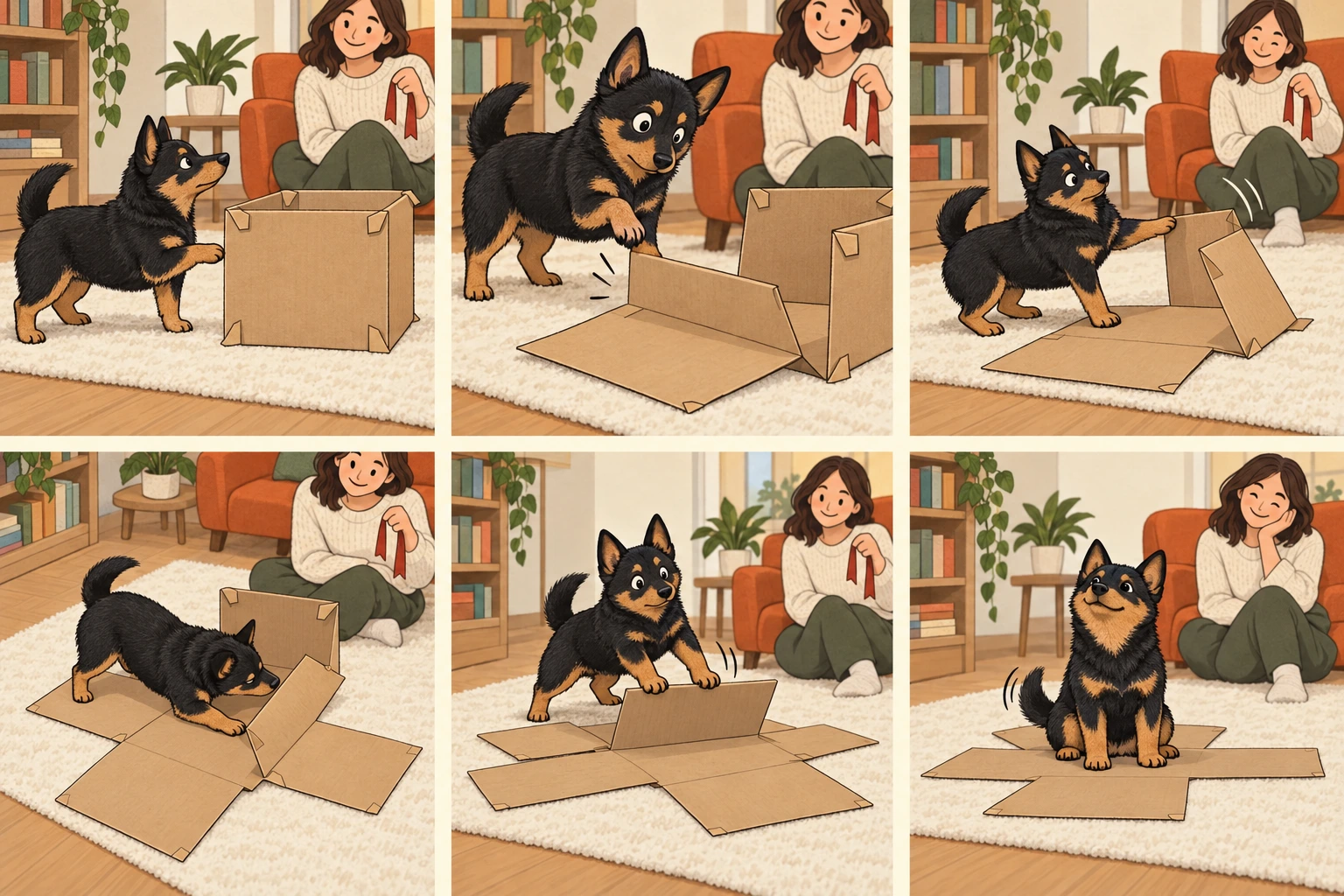
An empty box unfolds one flap at a time. The dog keeps shuffling after it, then proudly sits on its accidental cardboard stage. A handler keeps the ribbon away from mouth and paws.
Its precise origins are unclear: the standard mentions, without confirming, a proposed meeting of Welsh cattle heelers and Manchester Terriers near Ormskirk. The breed has been bred in that area for many generations; it works cattle, has also been used for rabbiting and ratting, and serves as a companion.
Small and sturdy, the body is slightly longer than tall; ideal height is 30 cm for males and 25 cm for females. The ears lift or stand erect, and the natural tail may curve slightly over the back when alert without forming a ring.
Look for the combination of a sturdy, slightly long body, alert lifted ears and a natural tail that does not curl into a complete ring. Both accepted colour forms—black and tan and liver brown and tan—have rich tan markings; a matching dark ‘thumb mark’ just above each front foot is desirable.
The standard describes a courageous, happy dog affectionate to its owner, as well as intelligent and eager to please; individuals still vary. Its cattle-working ability and terrier instincts call for clear, kindly guidance and reward-based training, not an assumption that a small dog needs little to do.
Brush the short, dense double coat regularly, paying extra attention to loose hair during shedding, and check ears and nails. Pair walks with scent games, searching and short training sessions to engage this energetic former cattle worker. Teach recall and settling with kind, consistent boundaries; manage encounters with small animals in light of its ratting instincts. Small size does not remove its need for activity beyond the home.
Potentially, but its size is a poor guide to its energy. A household must make room for outings, mental engagement and practice settling, whatever its floor space.
Yes: the dense undercoat and thick outer coat benefit from regular brushing to remove loose hair. Shedding varies by dog and season, and the coat should be dried thoroughly after washing.
Keep guidance clear, consistent and kind while providing suitable outlets for activity. Practise recall, leash walking and self-control around small animals to help manage its working and hunting-related behaviours.
FCI published a revised English standard on 6 October 2026; the PDF gives 8 September 2026 as the date of the official valid standard. Use the official standard linked on this page for the full provisions. The revision explicitly excludes unlisted colours or combinations. This is a breed-standard rule, not a judgement of an individual dog’s health or value.
SOURCE NOTES
Breed traits follow the cited official standards; everyday care advice is our editorial interpretation of coat, build and working purpose.
Coat and size varieties can share a standard. The number is an archive reference, not a rarity score. An independent educational atlas, not a registry publication. Temperament varies; consult a veterinarian about health concerns.
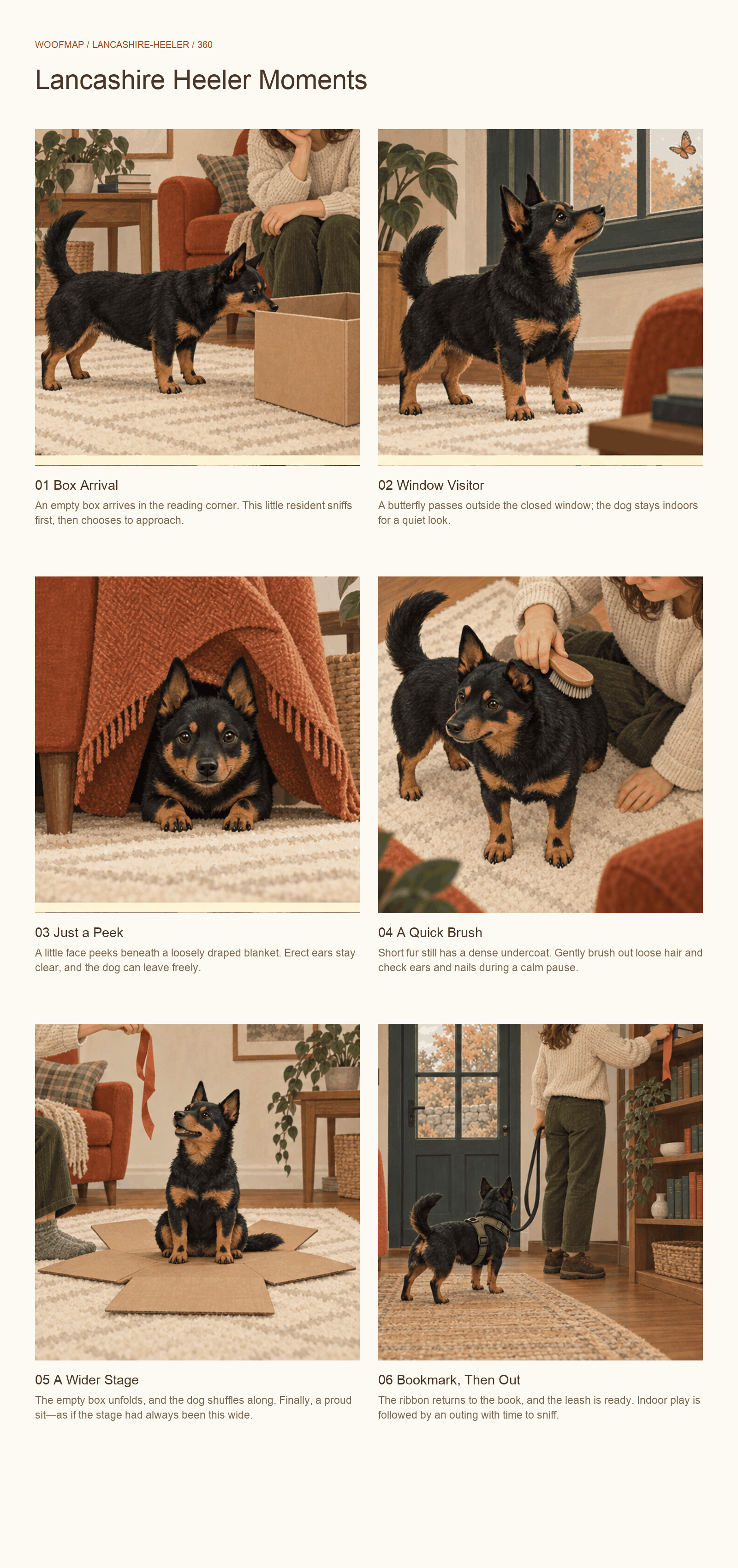
WOOFMAP / LANCASHIRE-HEELER / LITTLE MOMENTS
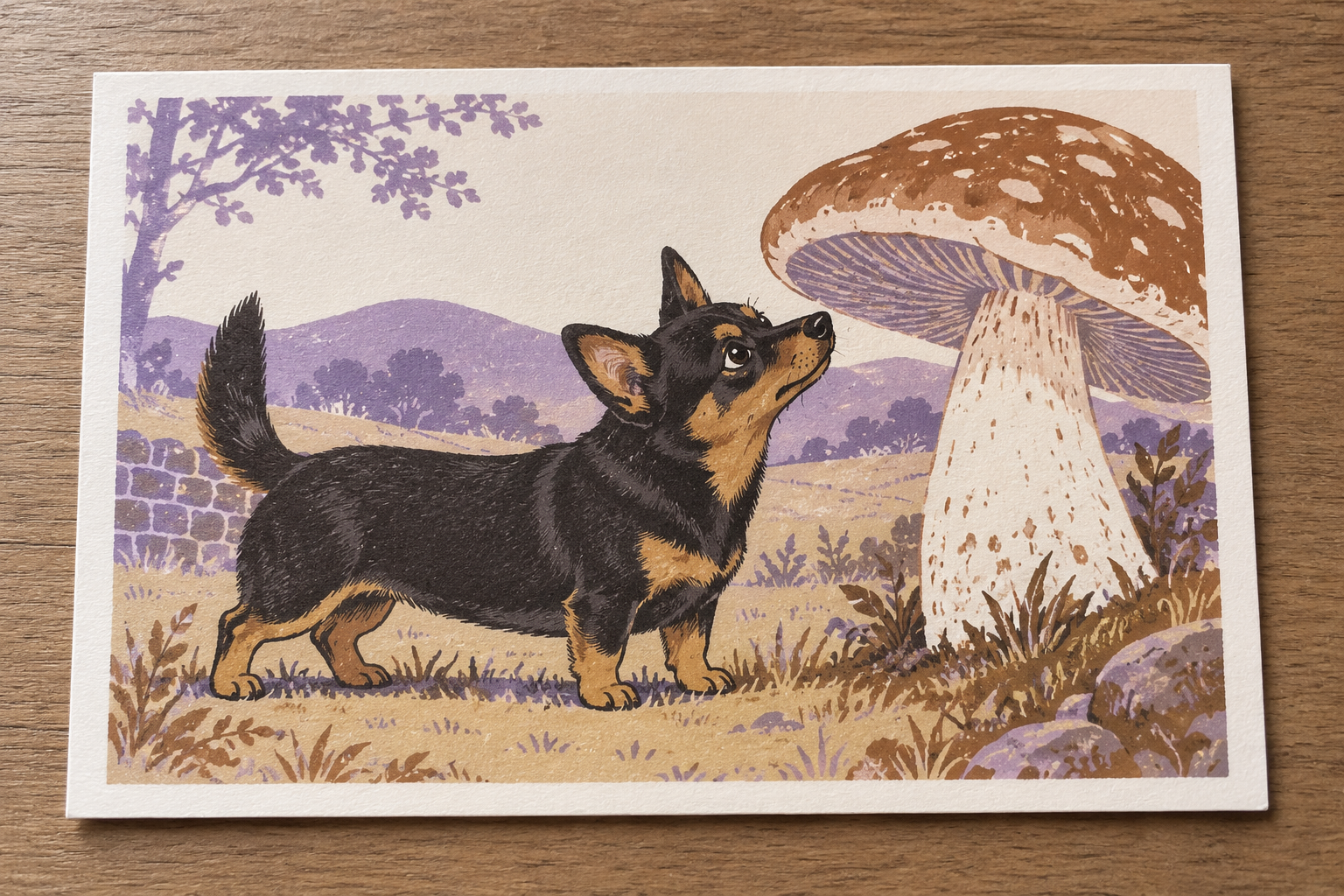
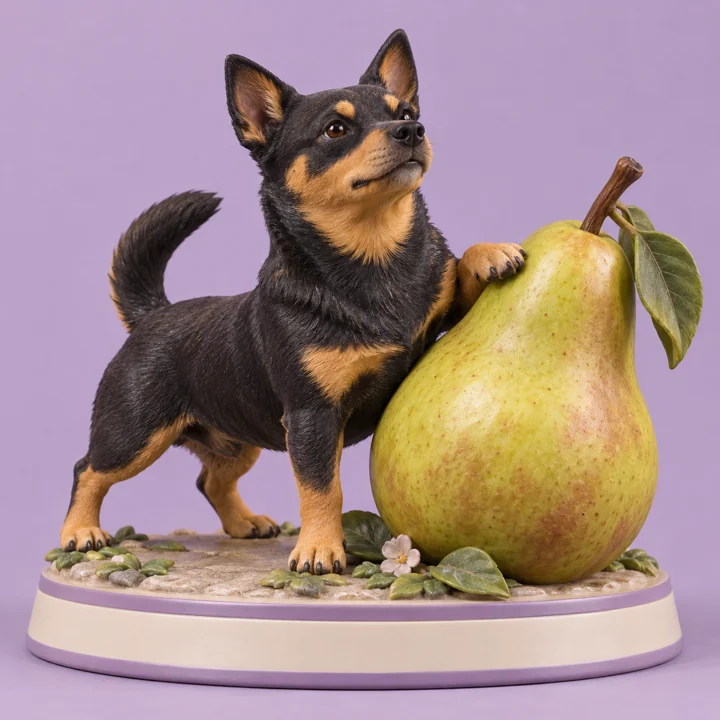
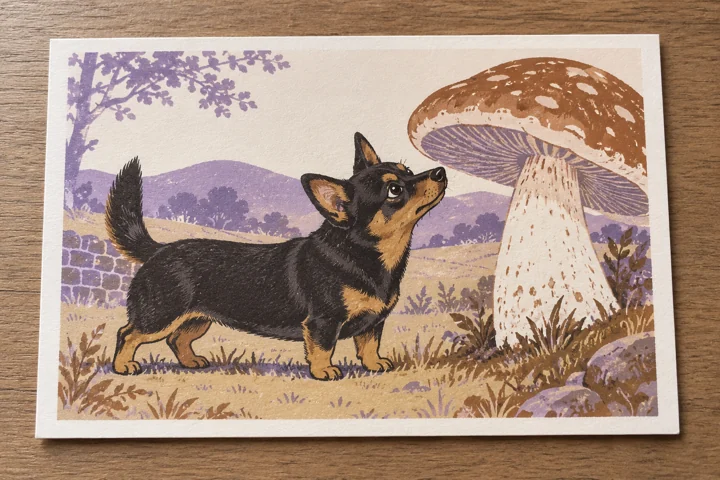
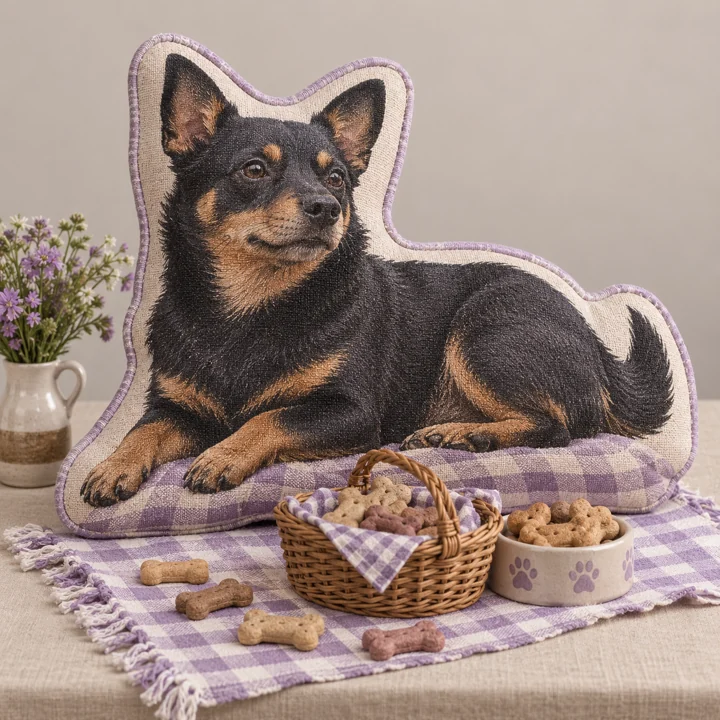
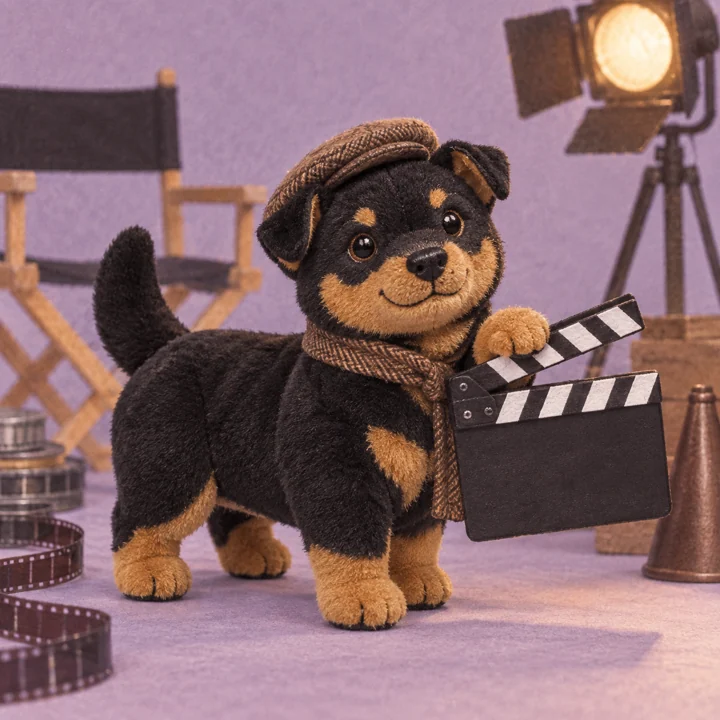
Illustrated in black and tan, with a short, dense, flat double coat, a sturdy slightly long body, erect ears and a natural non-ring tail. These reading-corner moods belong to one fictional dog.
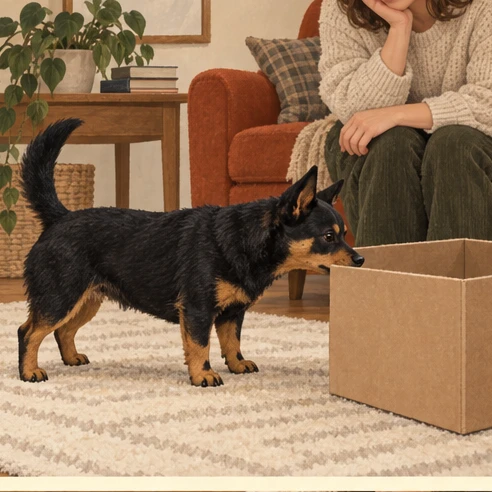
An empty box arrives in the reading corner. This little resident sniffs first, then chooses to approach.
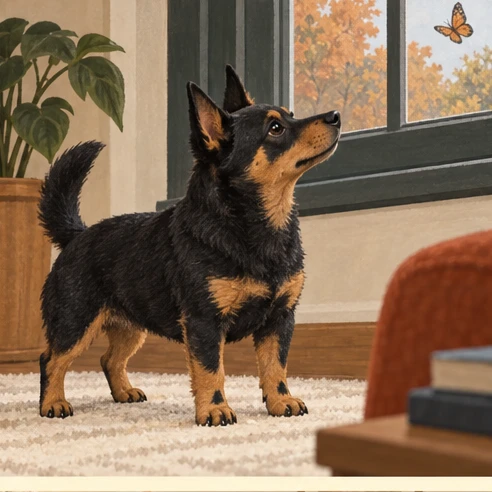
A butterfly passes outside the closed window; the dog stays indoors for a quiet look.
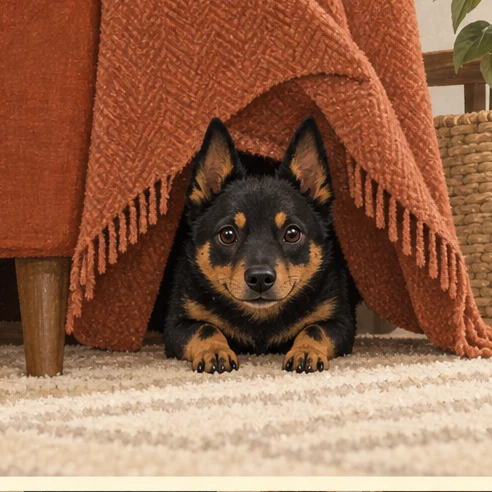
A little face peeks beneath a loosely draped blanket. Erect ears stay clear, and the dog can leave freely.
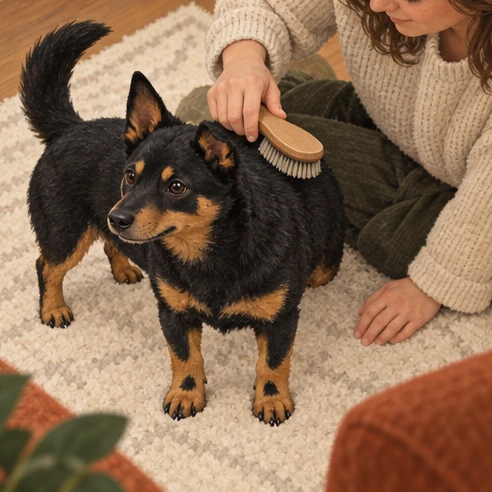
Short fur still has a dense undercoat. Gently brush out loose hair and check ears and nails during a calm pause.
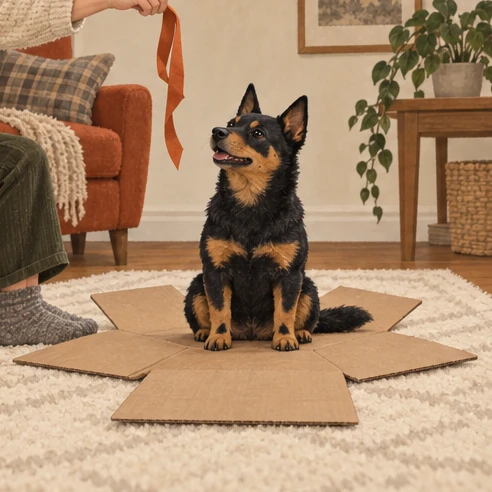
The empty box unfolds, and the dog shuffles along. Finally, a proud sit—as if the stage had always been this wide.
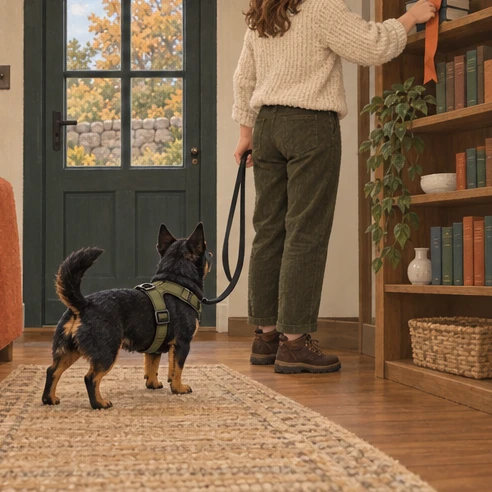
The ribbon returns to the book, and the leash is ready. Indoor play is followed by an outing with time to sniff.
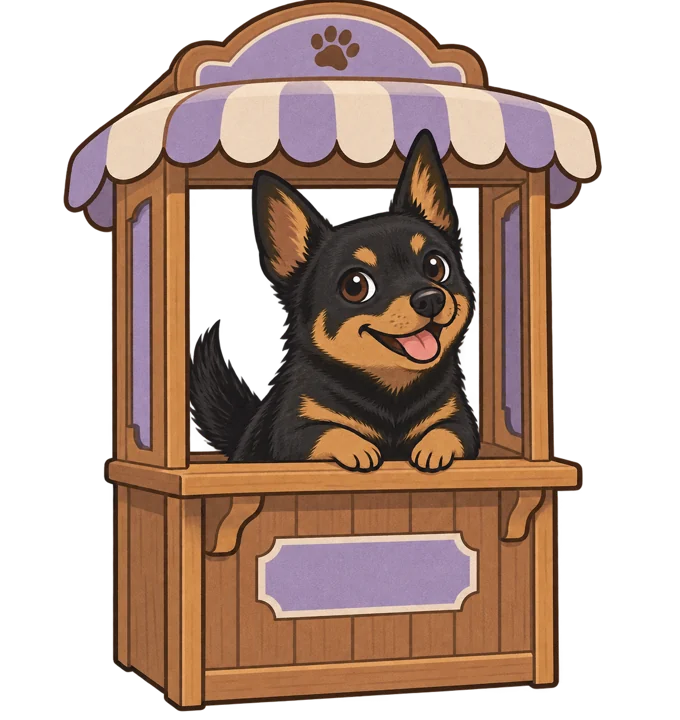

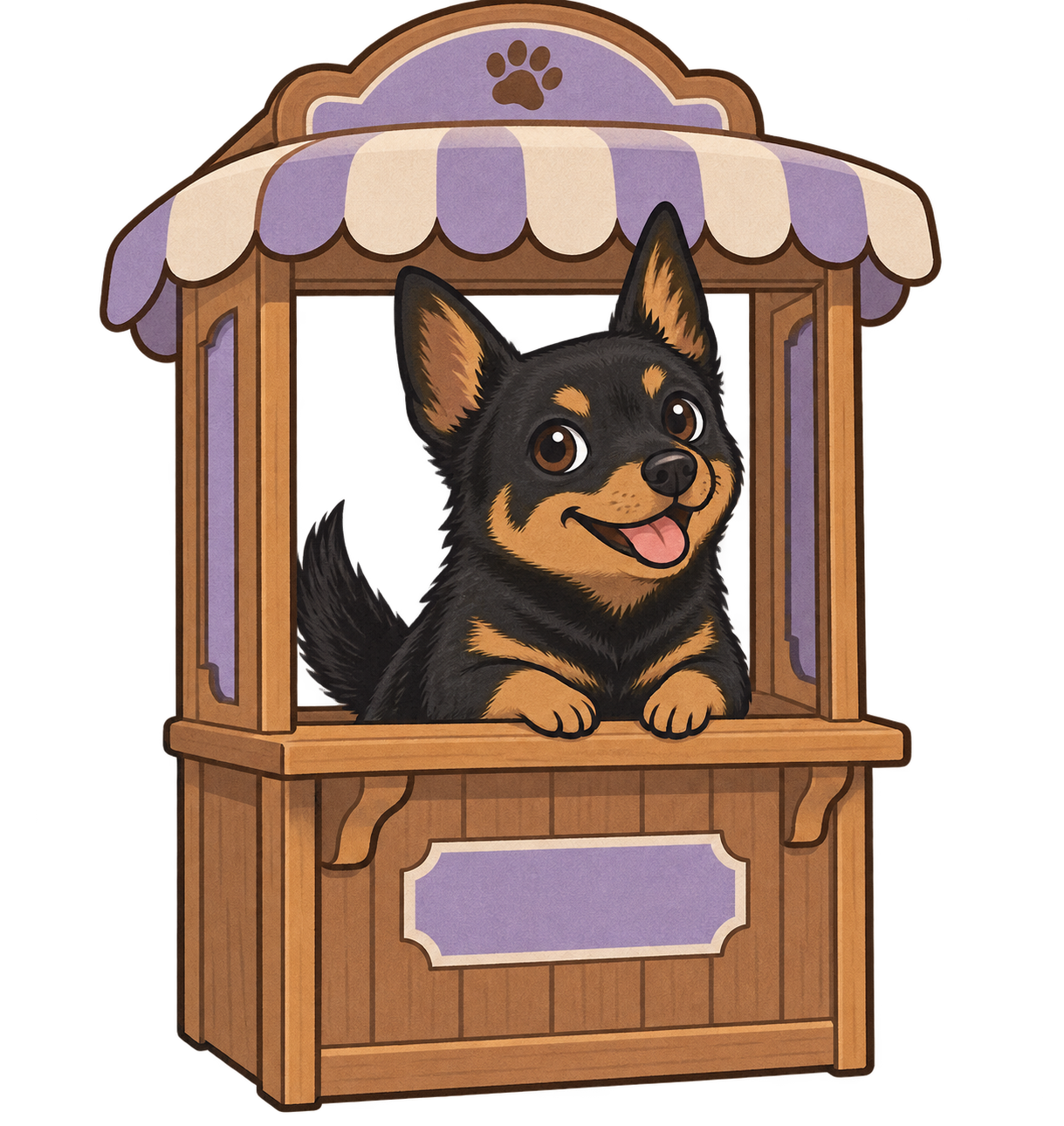
Eight transparent PNGs to save individually. Switch captions on or off for your chats.
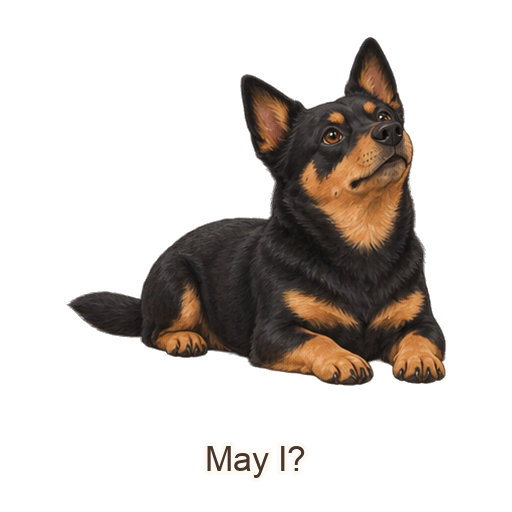 May I?
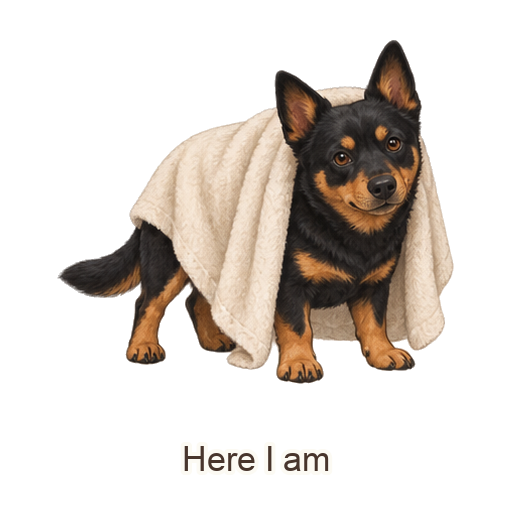 Here I am
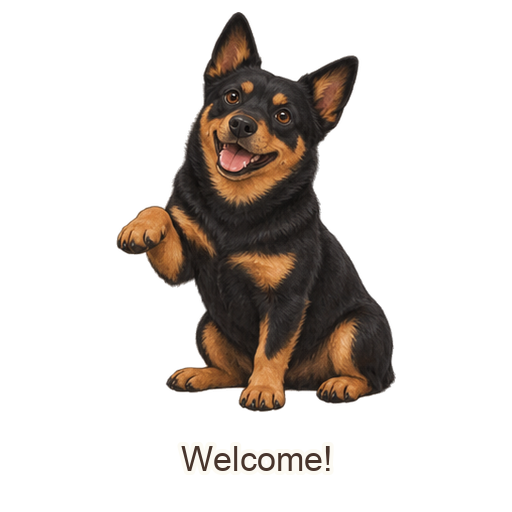 Welcome!
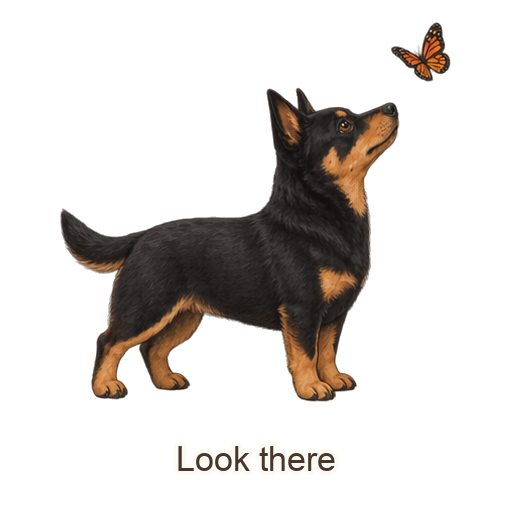 Look there
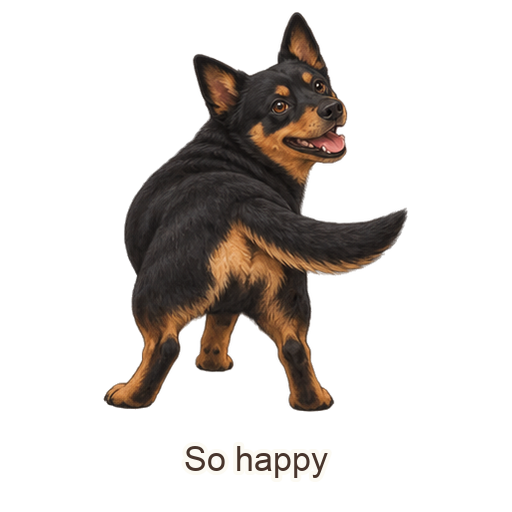 So happy
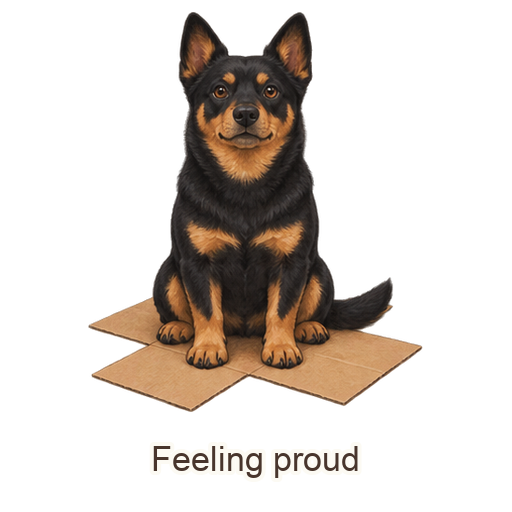 Feeling proud
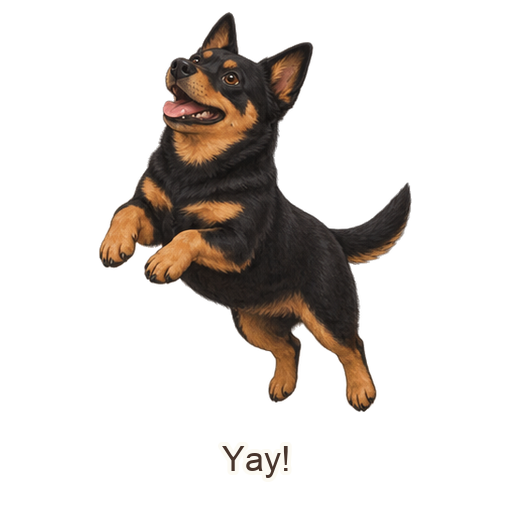 Yay!
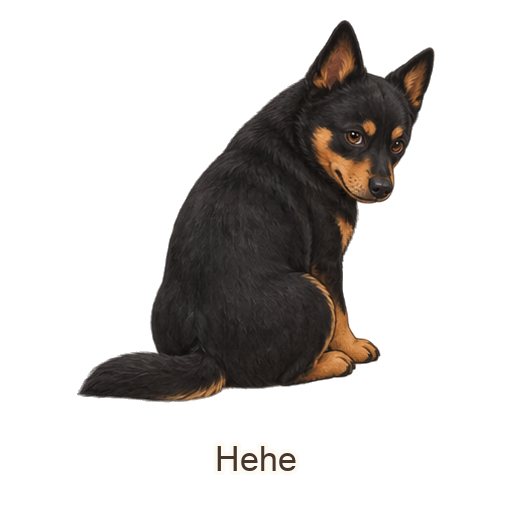 Hehe
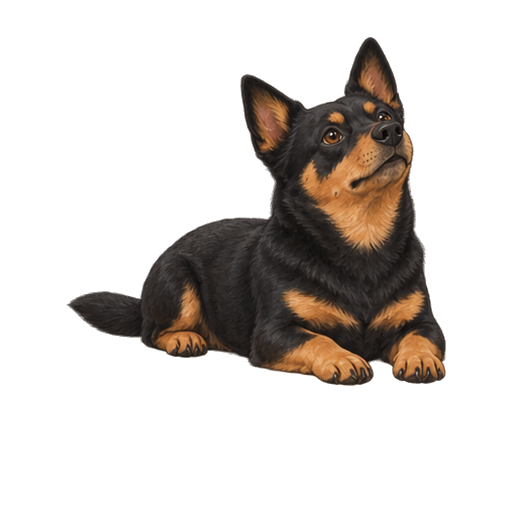 May I?
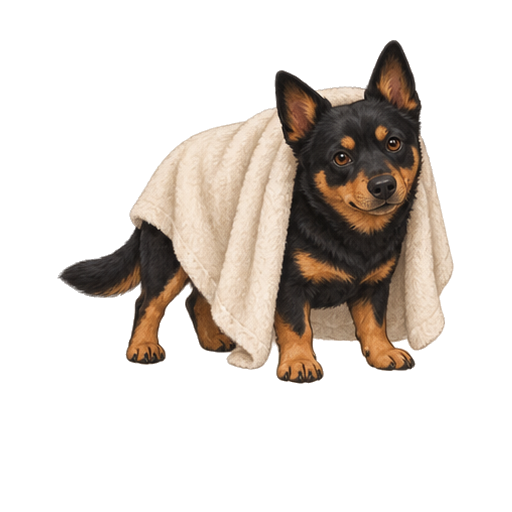 Here I am
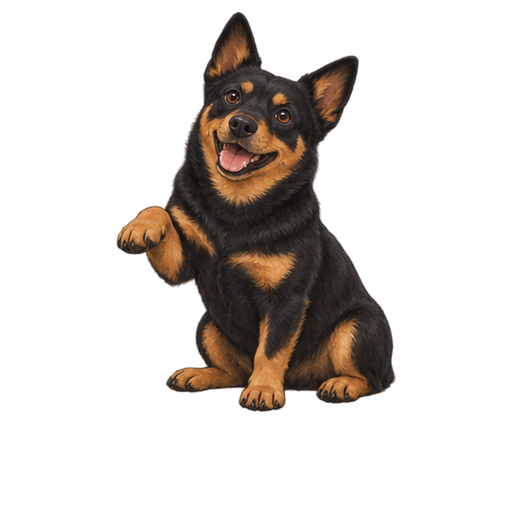 Welcome!
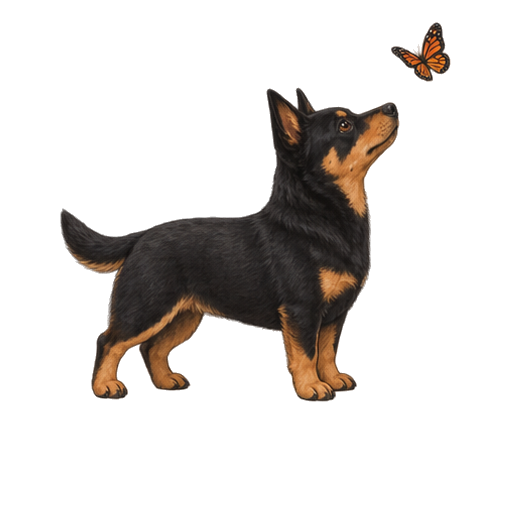 Look there
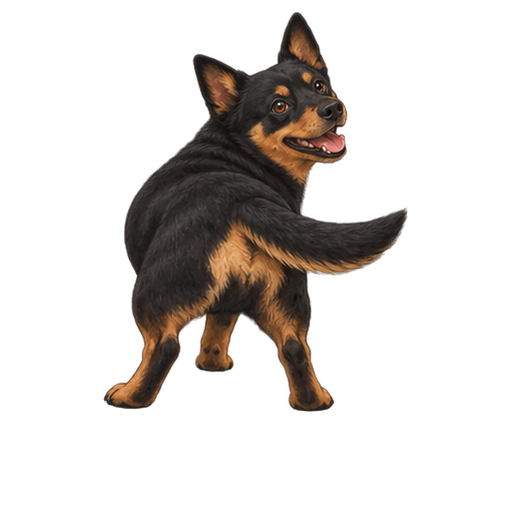 So happy
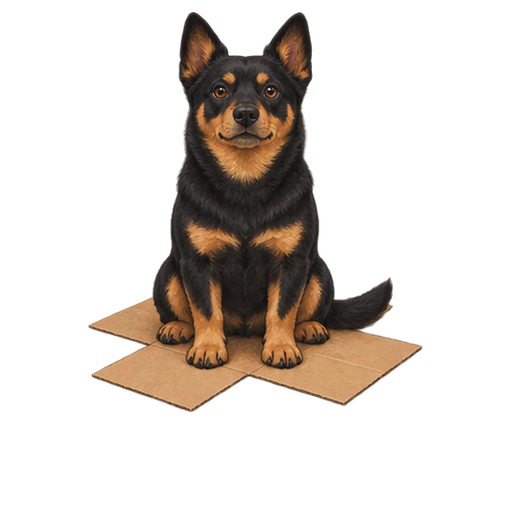 Feeling proud
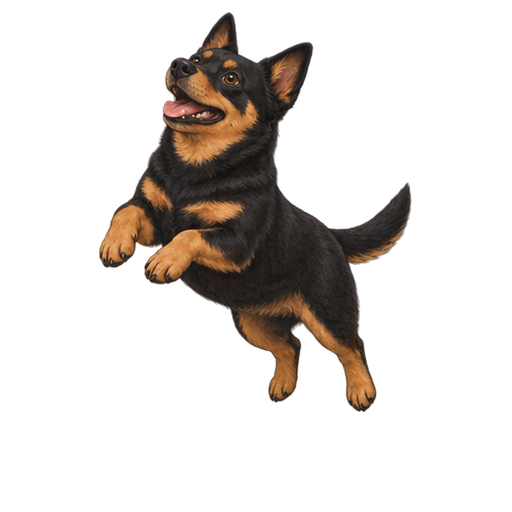 Yay!
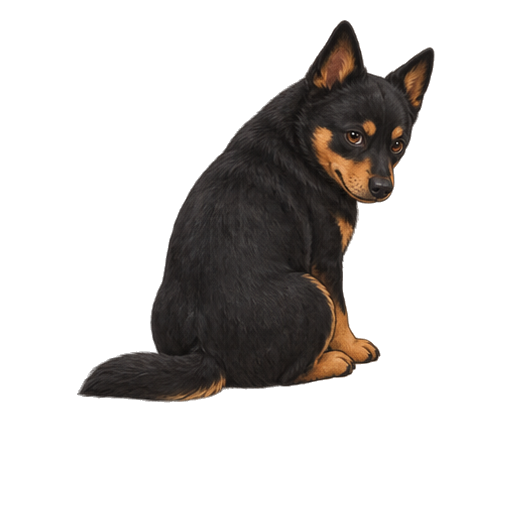 Hehe
Original woofmap artwork, assisted by GPT Image 2. Free for personal chats and non-commercial sharing with credit to woofmap.com. Fictional moods do not predict every dog’s temperament; see this page’s factual sources.
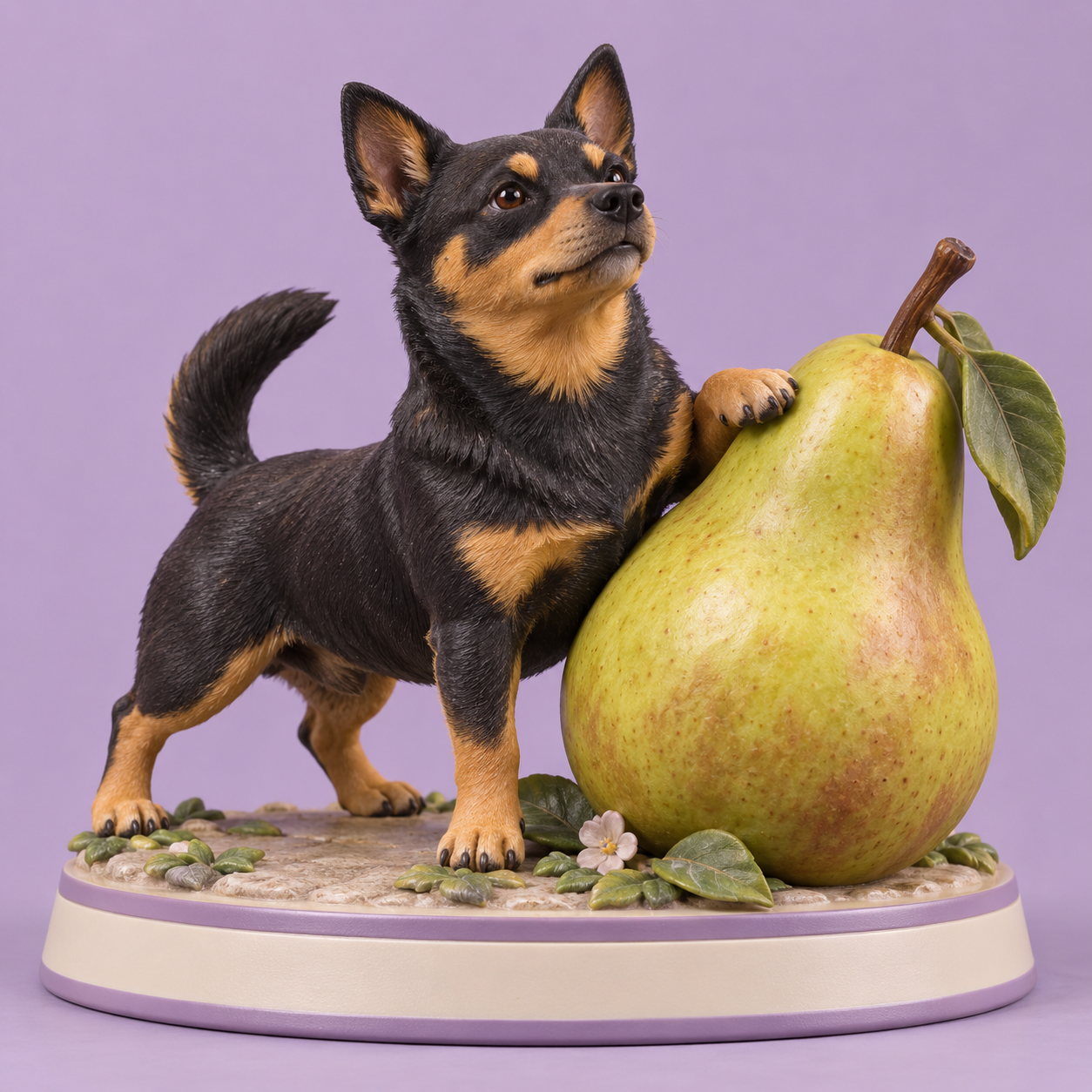
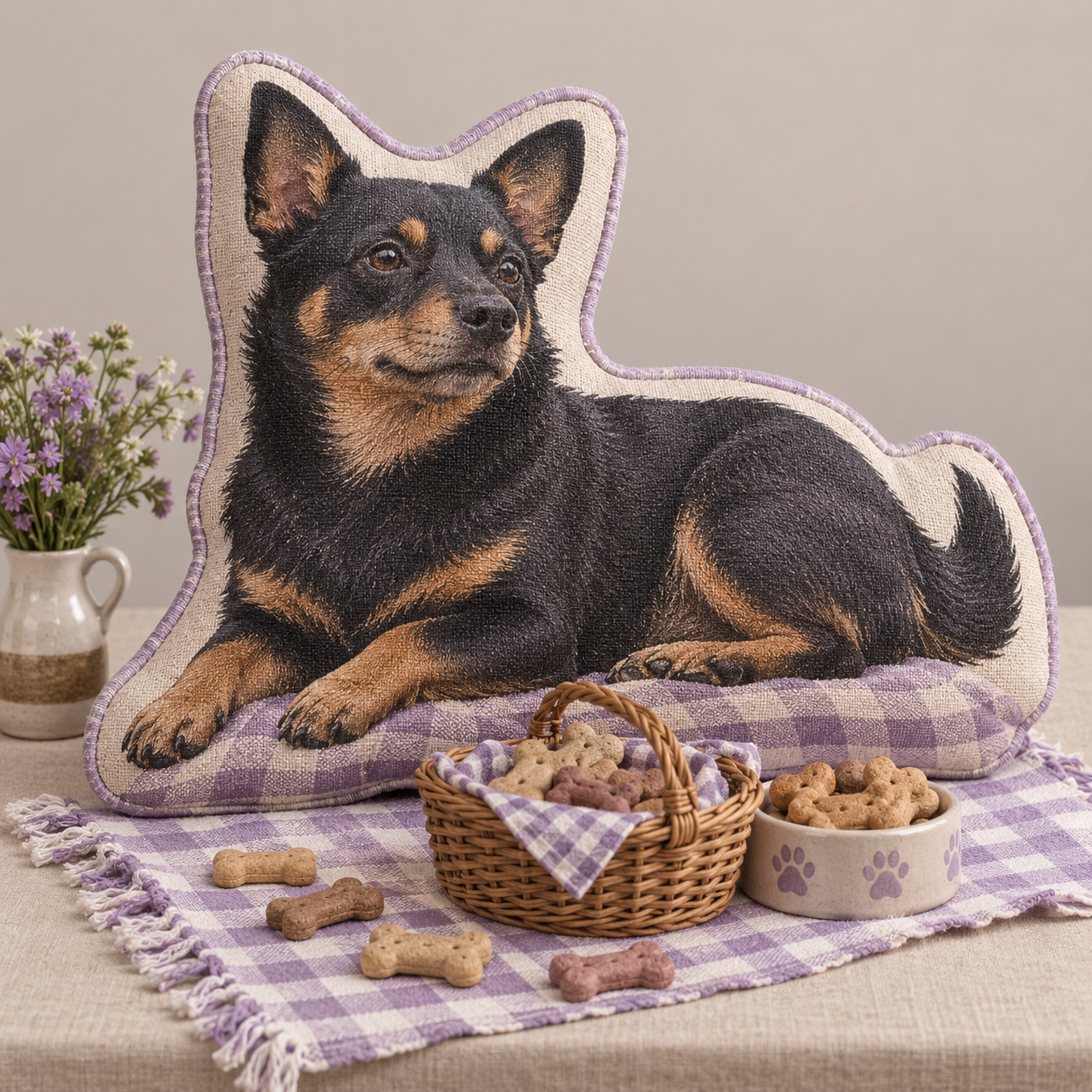
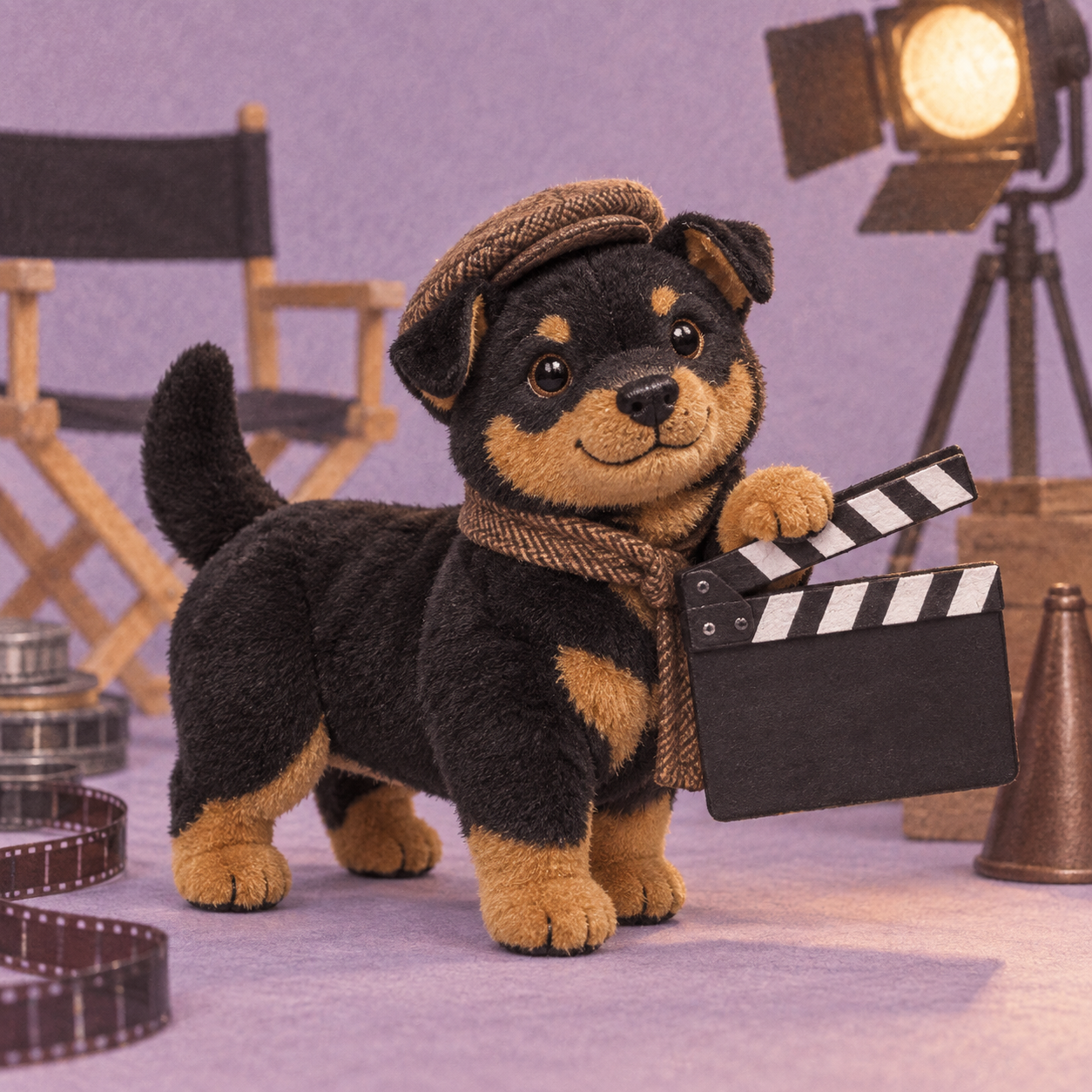
Combine the available parts, choose a name and take a little joy home.
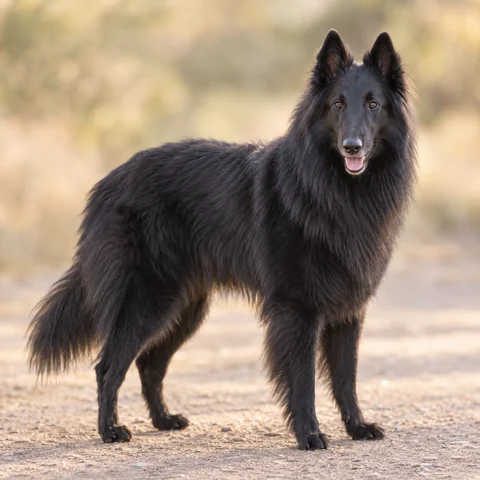 AI realistic image
Sheepdogs and cattle dogs
Belgian Shepherd Dog
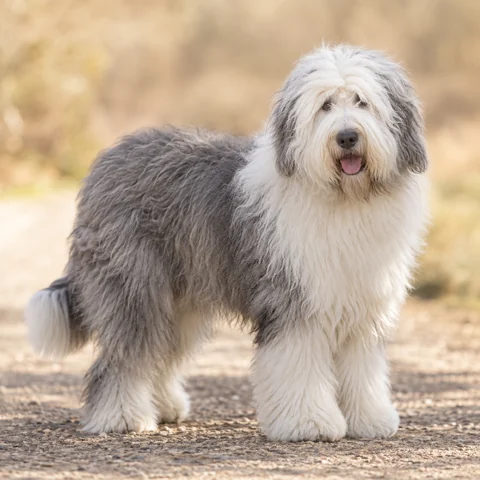 AI realistic image
Sheepdogs and cattle dogs
Old English Sheepdog
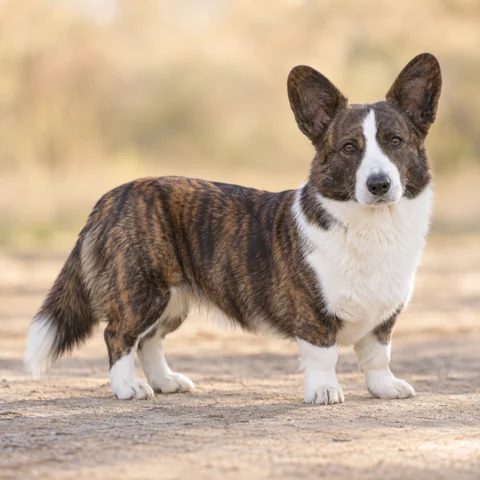 AI realistic image
Sheepdogs and cattle dogs
Welsh Corgi (Cardigan)