WOOFMAP · CANINE ARCHIVENO. 226
Pinschers, Schnauzers, Molossians and Swiss mountain dogs
Landseer (European Continental Type)
Landseer (European Continental Type)
✳ woofmap.comGermany and Switzerland
WOOFMAP · CANINE ARCHIVE · NO. 226
Landseer (European Continental Type)
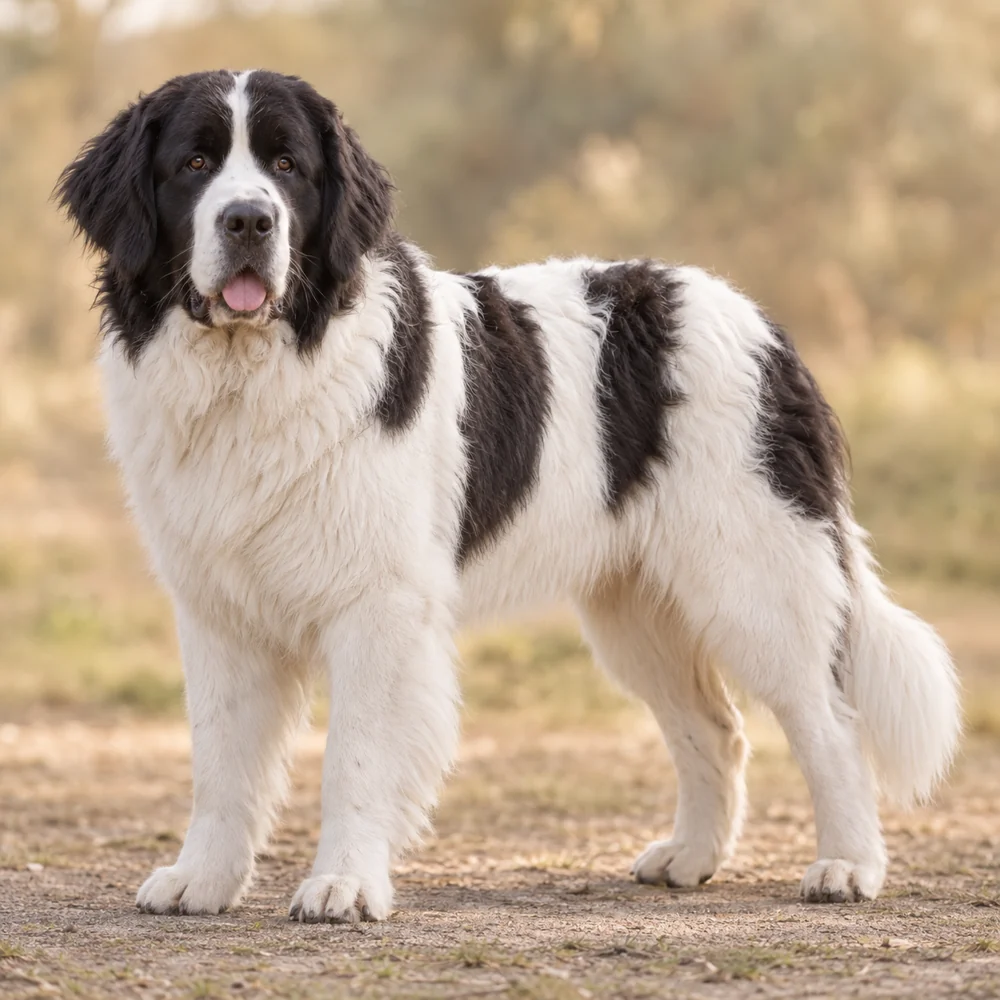
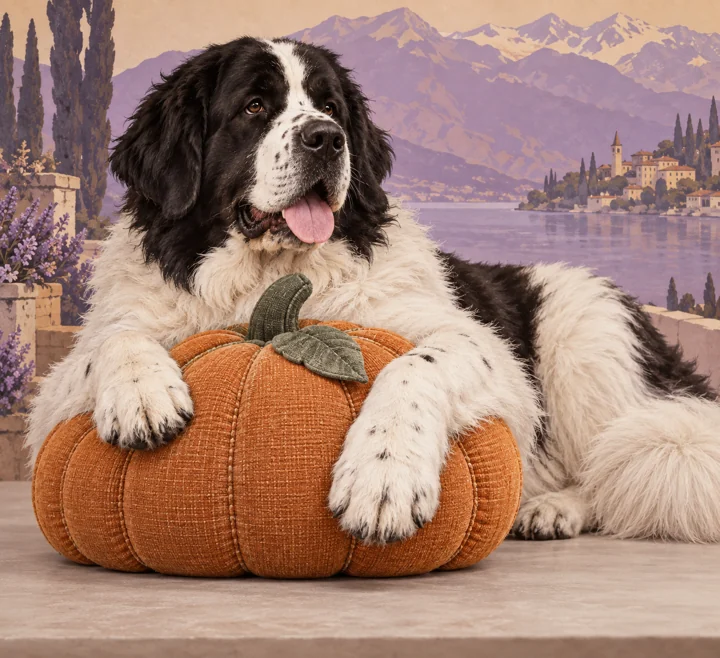
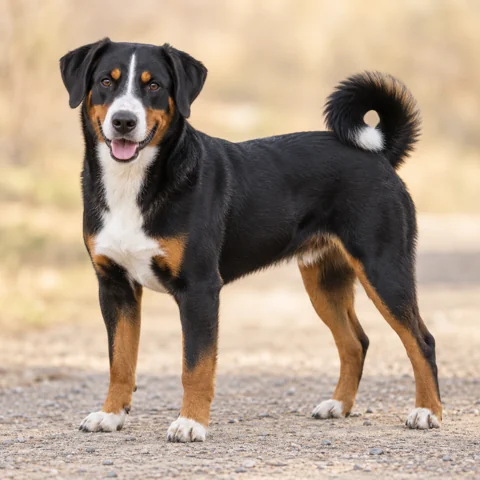
A long-legged continental giant in crisp black and white.
AI-generated realistic breed image, for visual reference.
This Landseer (European Continental Type) page is still waiting for a voice. Live with a Landseer (European Continental Type)? Share a natural bark, howl or whine and let others hear a little of your dog’s everyday life.
If we feature your recording, we’ll credit you or your dog using the name you choose.
A 5–15 second phone recording in a quiet setting is perfect. Capture a natural moment without startling or disturbing your dog. Audio or video with sound is welcome.
Share your dog’s voice ↗[email protected]Attach your recording, breed and preferred credit. Please confirm you recorded it and allow woofmap to feature it.
Thank you for helping us build a playful Woof Planet together. Every little woof deserves to be heard.
Pinschers, Schnauzers, Molossians and Swiss mountain dogs
Landseer (European Continental Type)
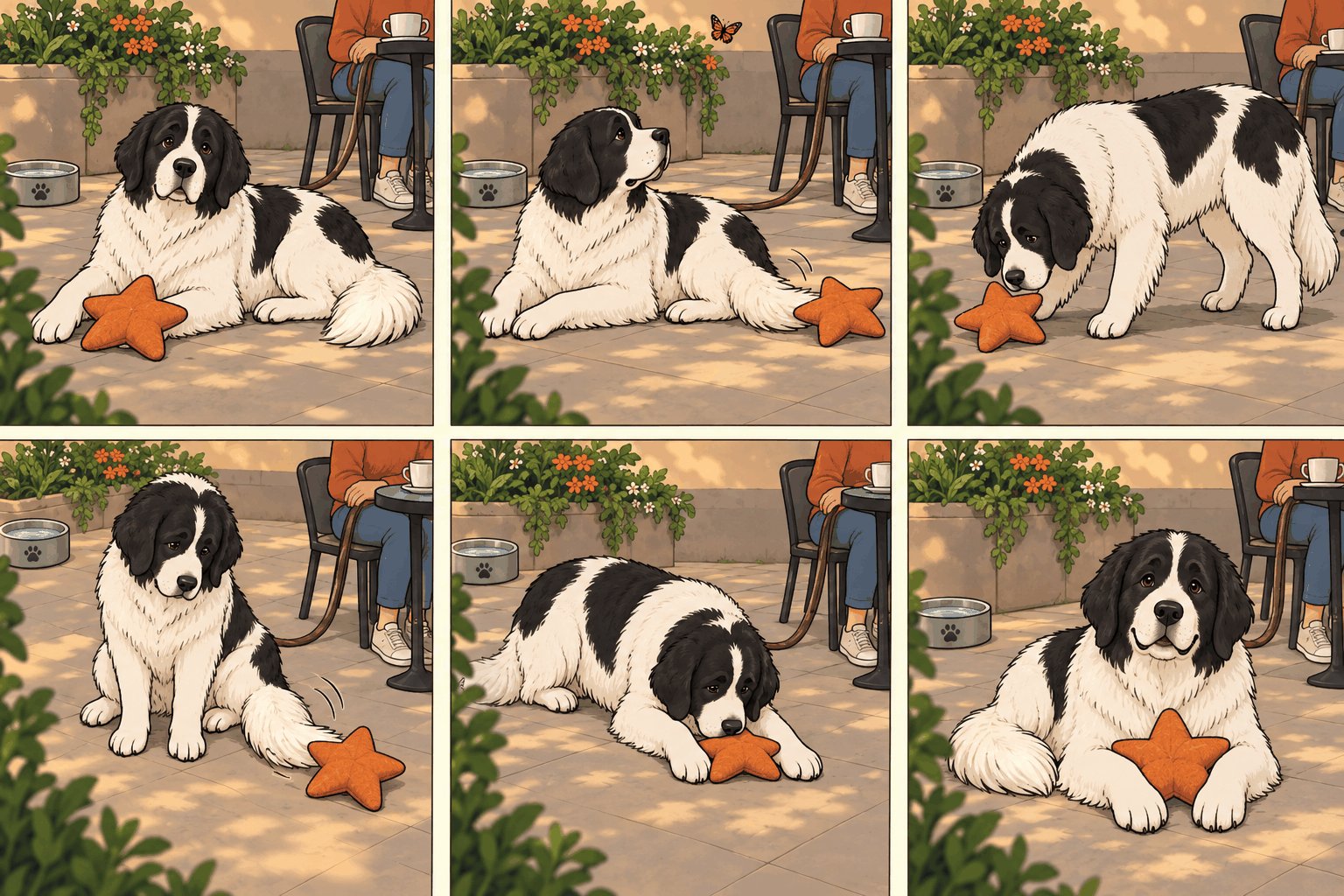
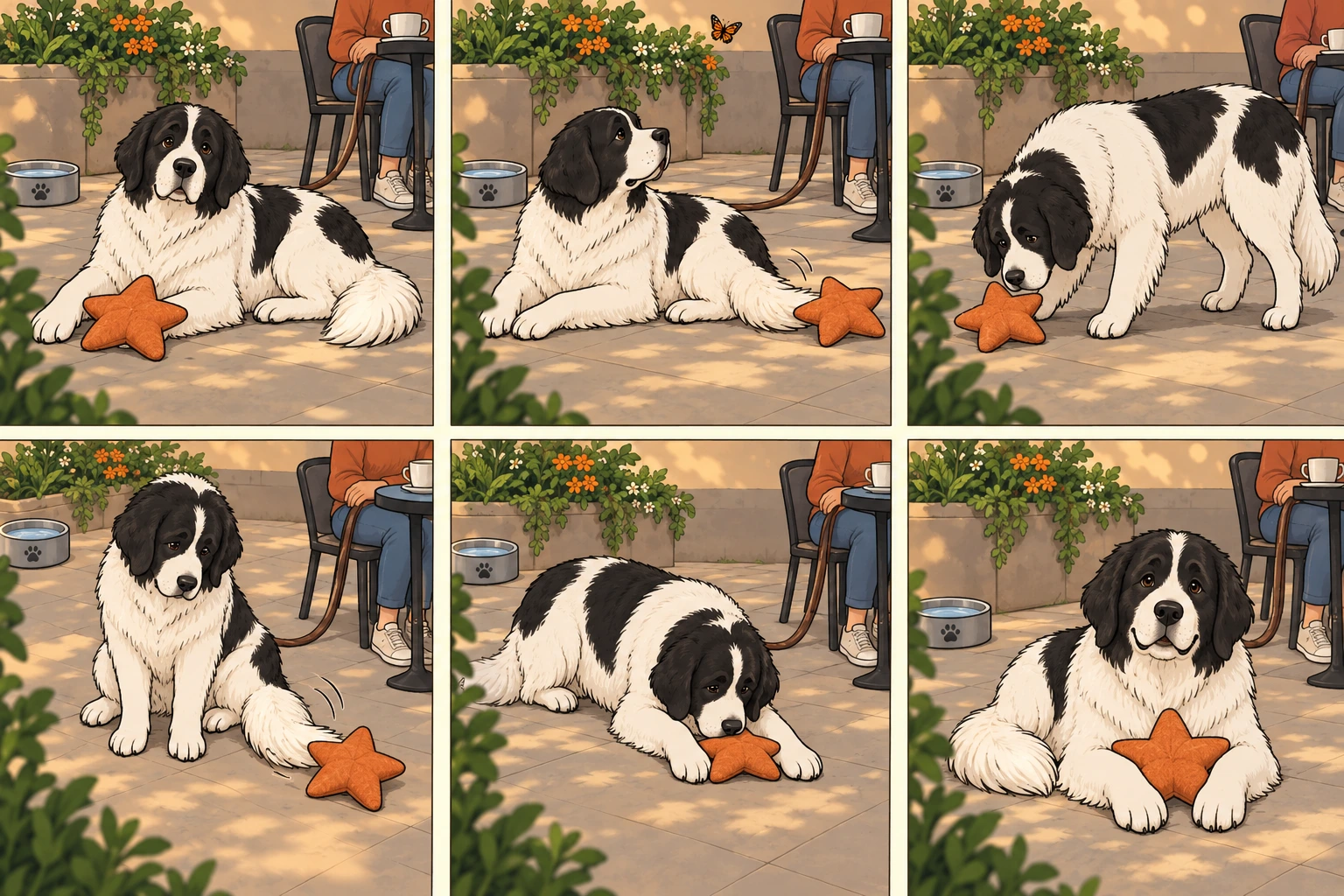
A plush star keeps getting nudged away by the dog's own tail. Six wordless beats lead to a snug solution.
The FCI standard lists Germany and Switzerland as its origin and guard dog and companion as its uses. It distinguishes this breed from the black Newfoundland by its comparatively longer legs and less dense undercoat.
Tall, powerful and balanced, males stand 72–80 cm and females 67–72 cm at the shoulder; the legs are comparatively long. Triangular ears lie close to the head, and the bushy tail reaches at most slightly below the hocks.
Look for balanced height and relatively long legs alongside distinct black patches on a white body. The head is black with a white muzzle and symmetrical blaze; the collar, forechest, belly, legs and tail are white. This standard specifies no separate size or coat varieties.
The standard describes a friendly expression and lists both guarding and companionship as uses; individual responses to people and situations will vary. Gradual socialization and reward-based training can develop reliable manners without encouraging intimidation.
Brush the long coat and undercoat regularly, paying attention behind the ears, on the legs and around the tail; check for debris after outings. Provide walks and opportunities to explore, with scent games and basic training for enrichment. Teach leash manners, calm greetings and time alone through rewards, and allow ample room for a large dog to rest and move.
Floor area is not the only consideration: the dog needs room to move and rest, plus regular outings and interaction. Because it is powerful, everyone at home should follow consistent leash and greeting rules.
Brush through to the undercoat and check the areas behind the ears and the feathering for tangles. The white areas need attention too: the coat is long and has an undercoat.
No; everyday priorities are manageable leash walking, recall and calm responses around people. Use exploration and training for engagement, adjusting the difficulty to the individual dog.
SOURCE NOTES
Breed traits follow the cited official standards; everyday care advice is our editorial interpretation of coat, build and working purpose.
Coat and size varieties can share a standard. The number is an archive reference, not a rarity score. An independent educational atlas, not a registry publication. Temperament varies; consult a veterinarian about health concerns.
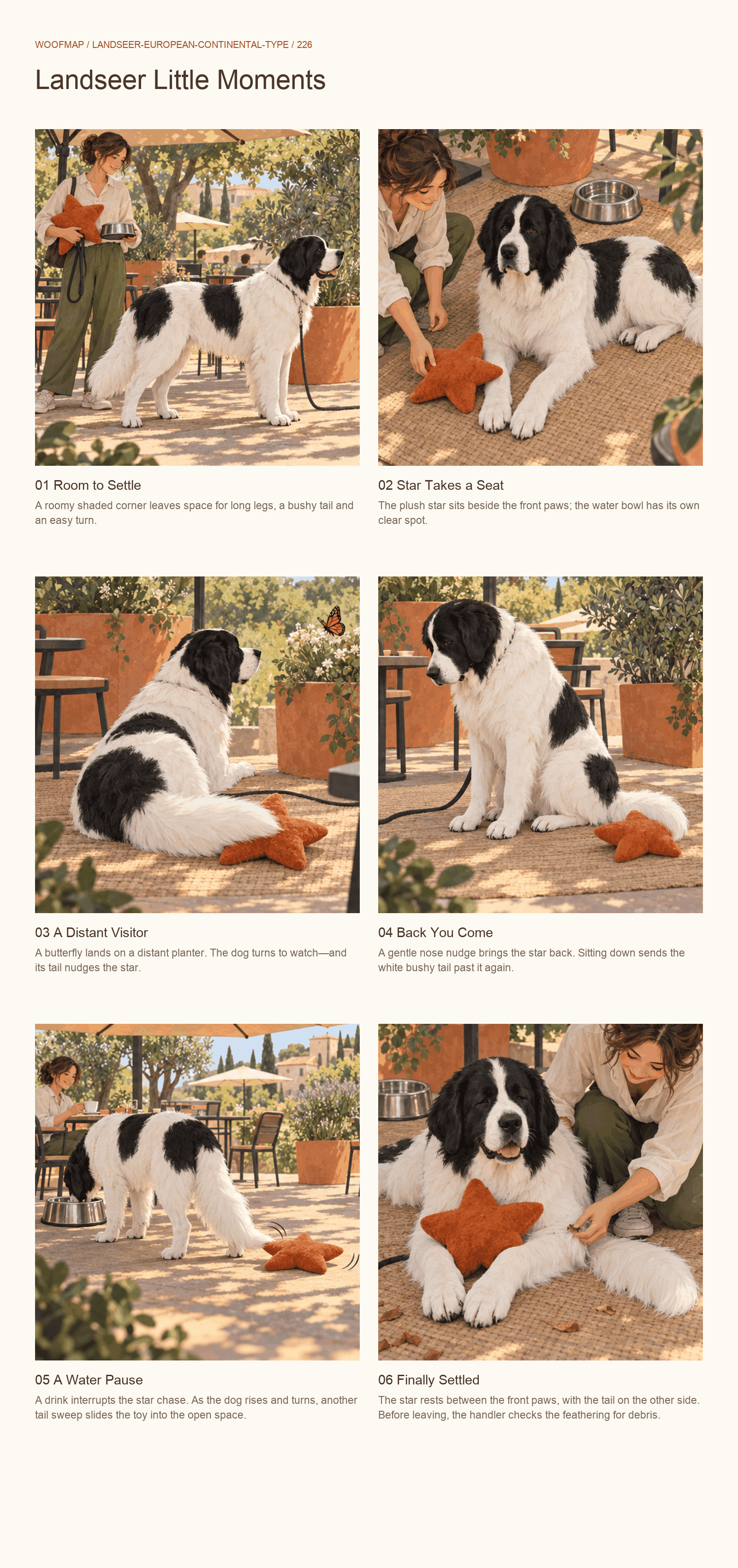
WOOFMAP / LANDSEER-EUROPEAN-CONTINENTAL-TYPE / LITTLE MOMENTS
Illustrated in the standard black-and-white appearance: black head, white muzzle and symmetrical blaze, long white coat with distinct black patches, close-hanging ears and relatively long legs. These café moods belong to one fictional dog.
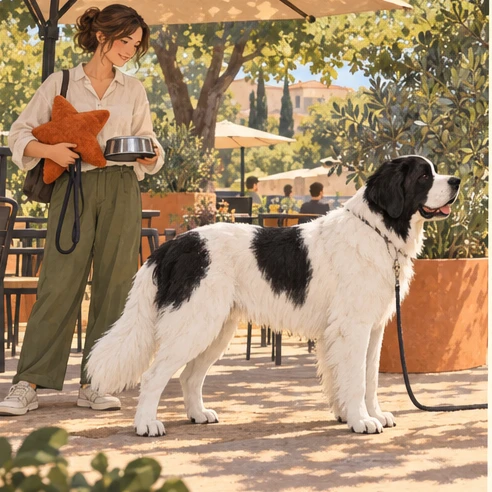
A roomy shaded corner leaves space for long legs, a bushy tail and an easy turn.
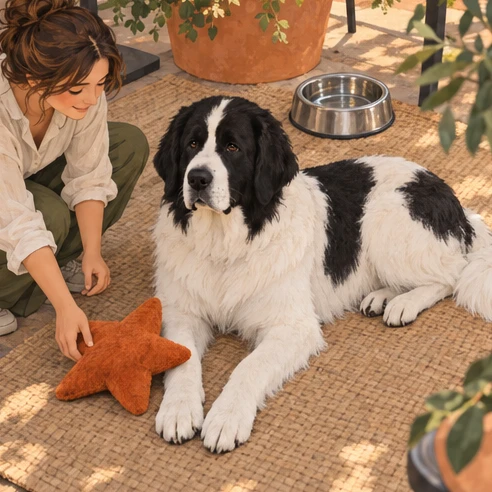
The plush star sits beside the front paws; the water bowl has its own clear spot.
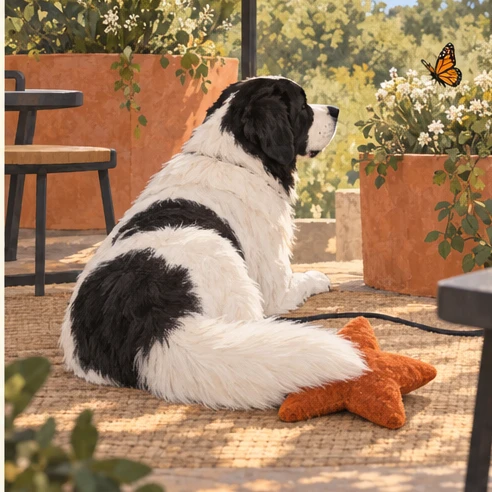
A butterfly lands on a distant planter. The dog turns to watch—and its tail nudges the star.
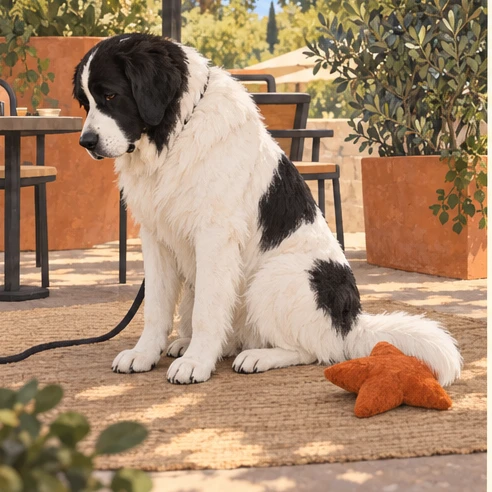
A gentle nose nudge brings the star back. Sitting down sends the white bushy tail past it again.
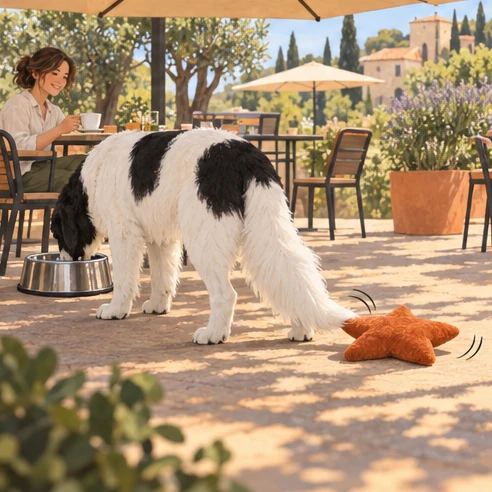
A drink interrupts the star chase. As the dog rises and turns, another tail sweep slides the toy into the open space.
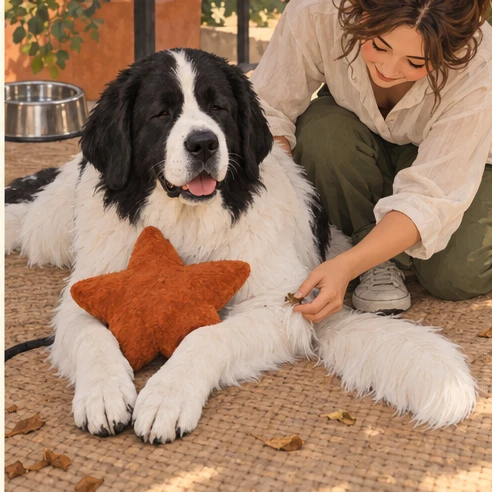
The star rests between the front paws, with the tail on the other side. Before leaving, the handler checks the feathering for debris.
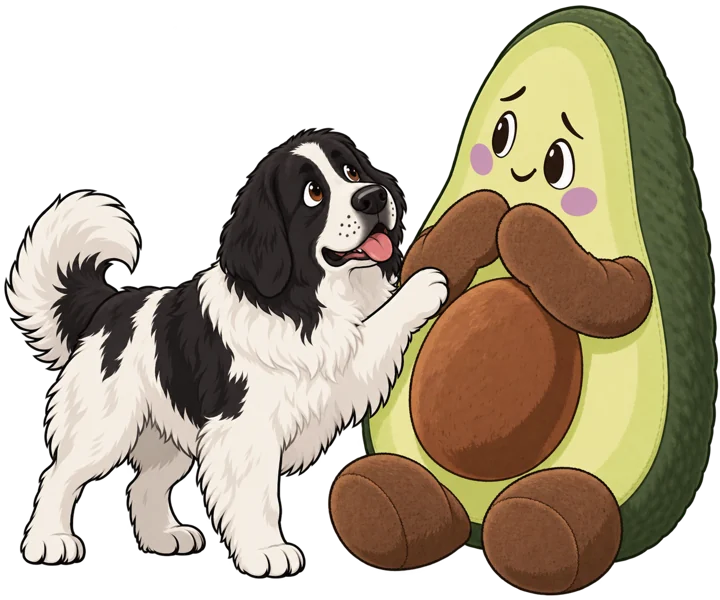
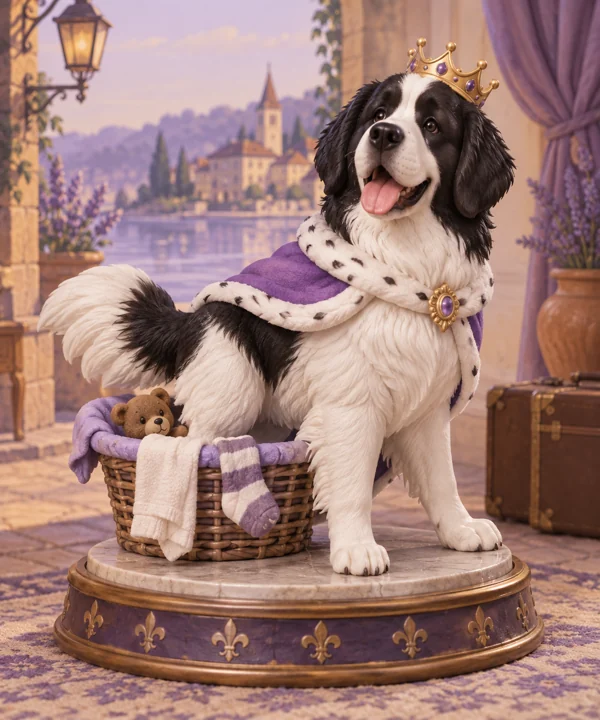
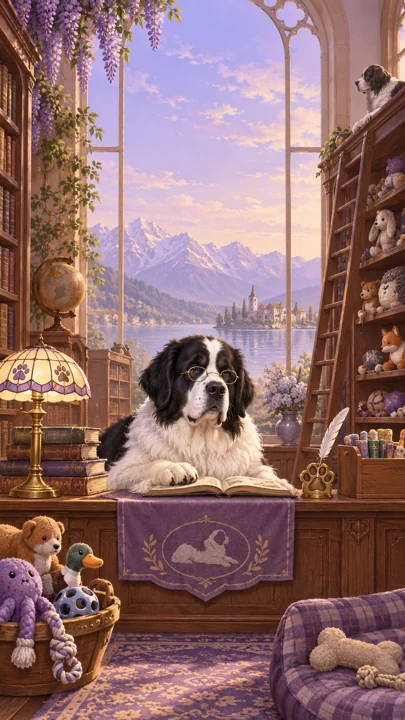
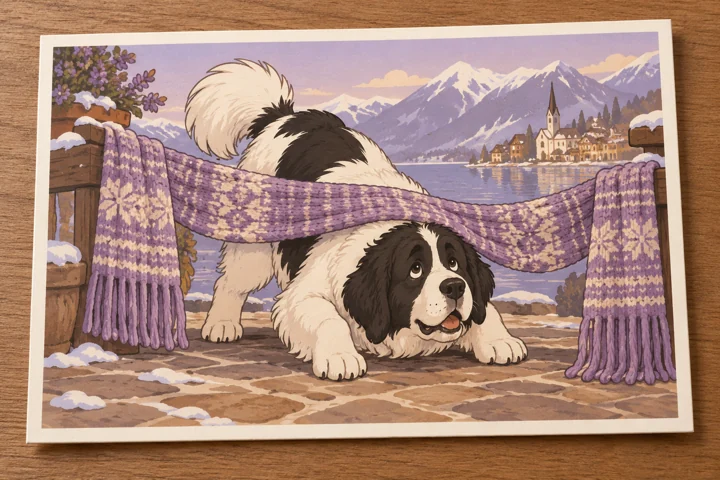
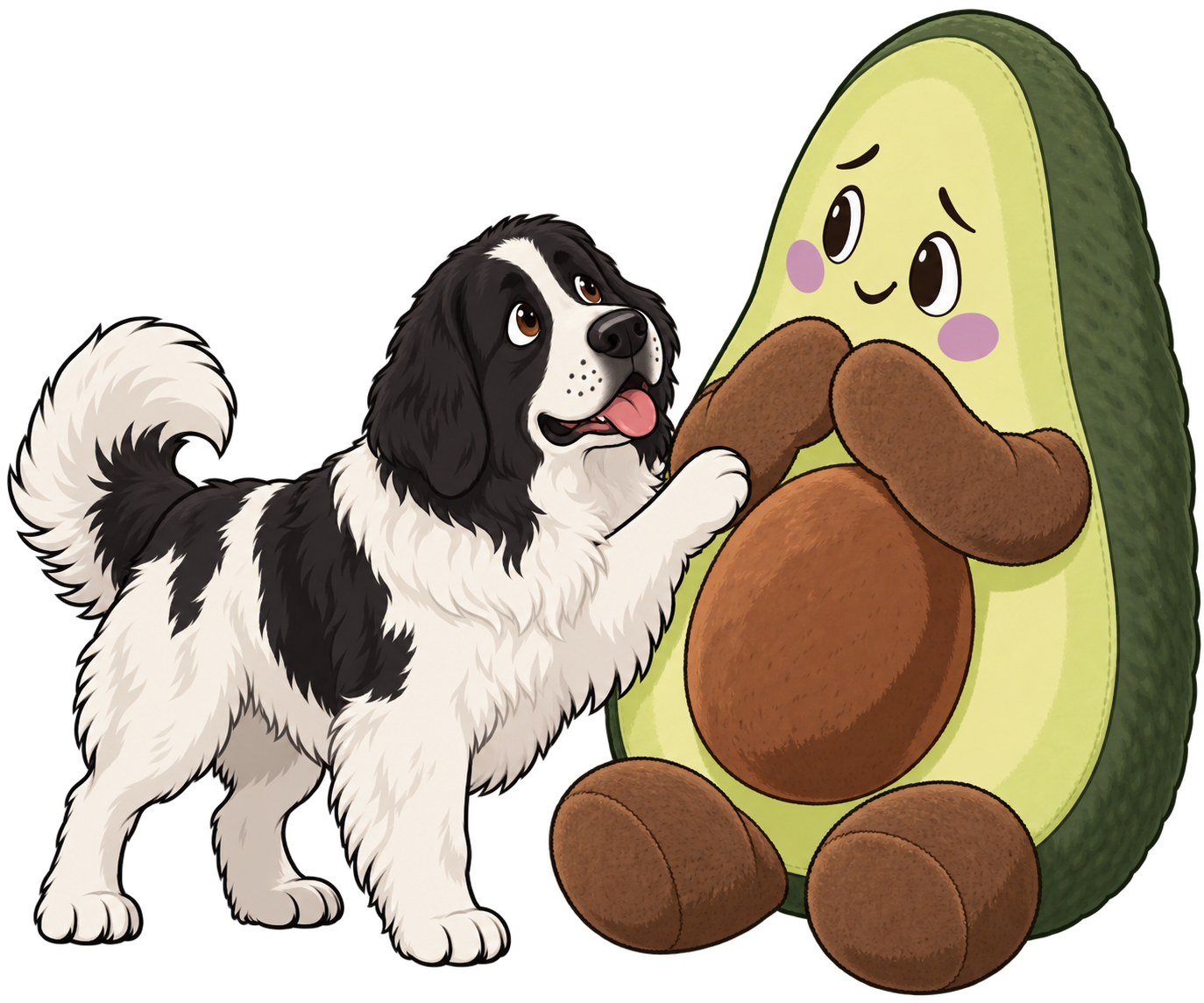
Eight transparent PNGs to save individually. Switch captions on or off for your chats.
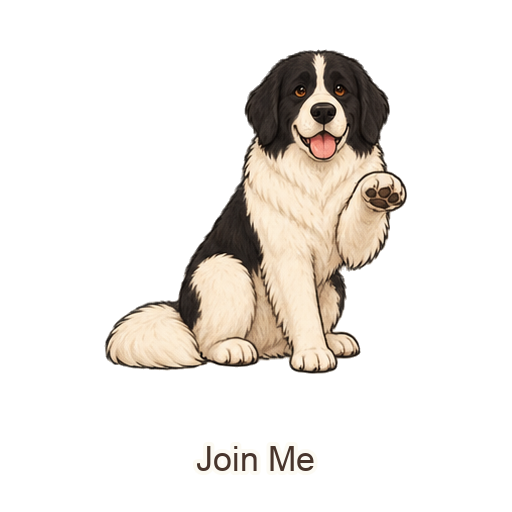 Join Me
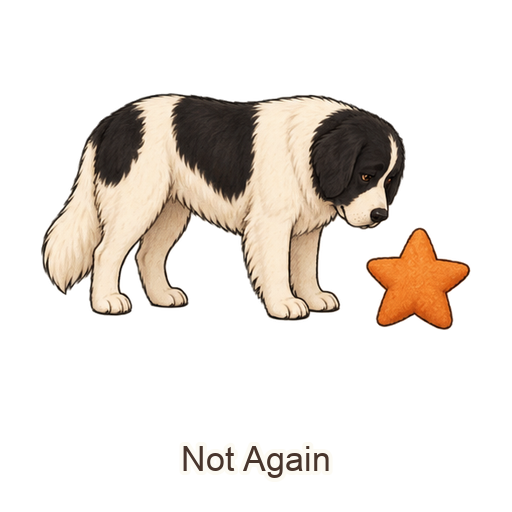 Not Again
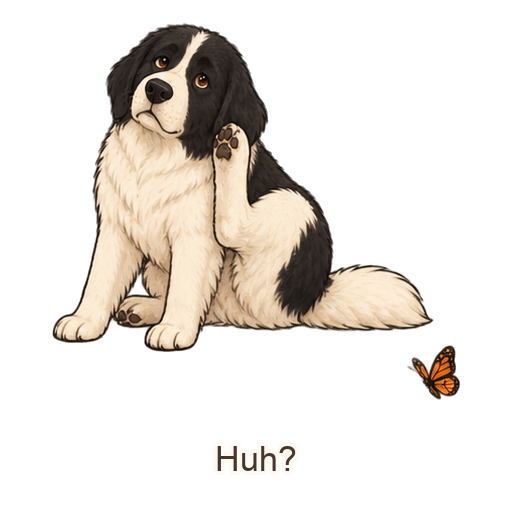 Huh?
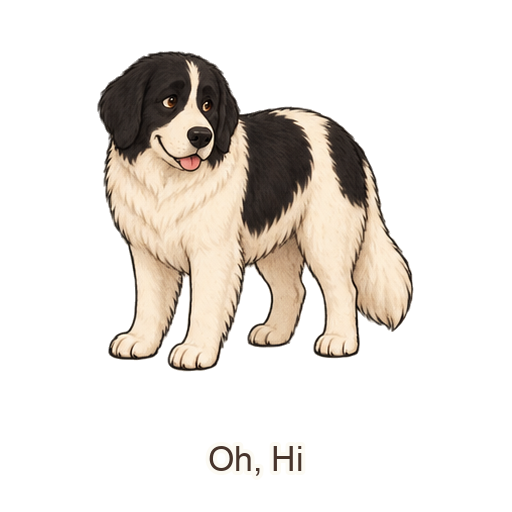 Oh, Hi
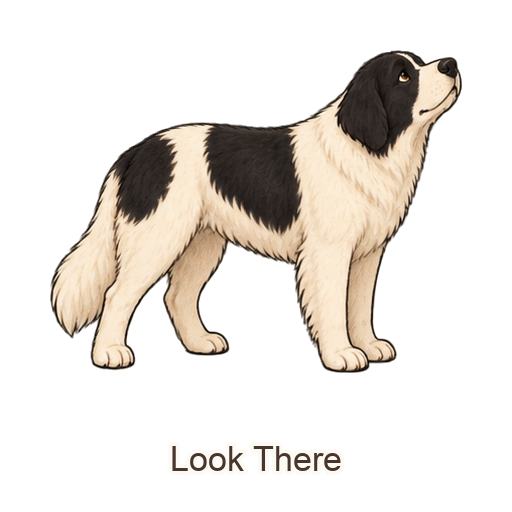 Look There
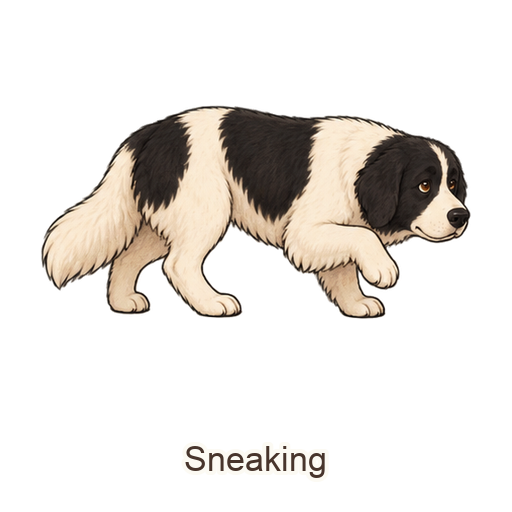 Sneaking
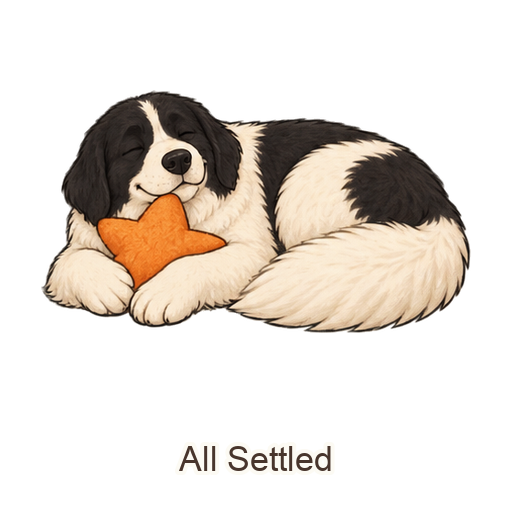 All Settled
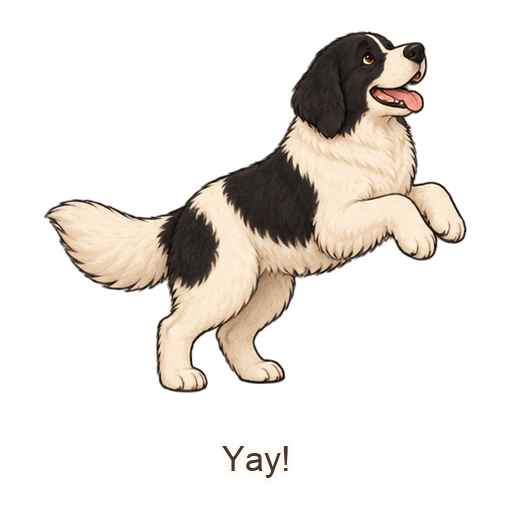 Yay!
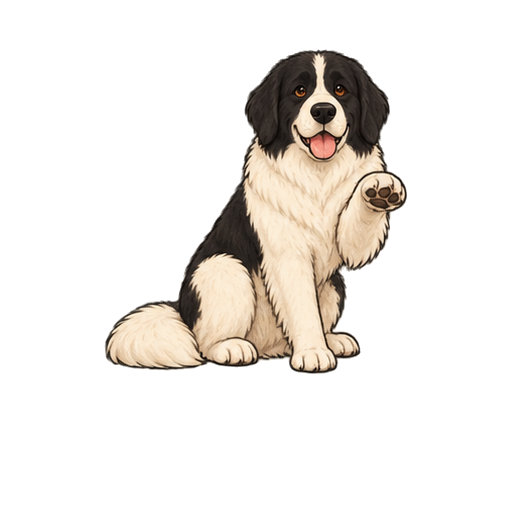 Join Me
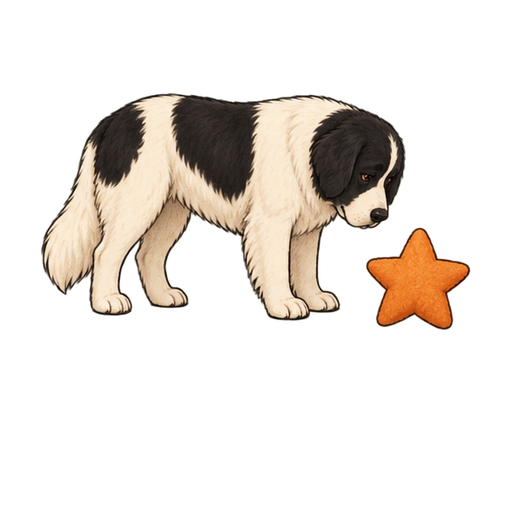 Not Again
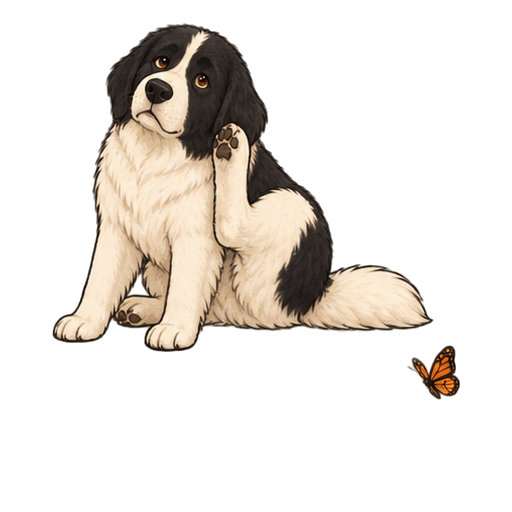 Huh?
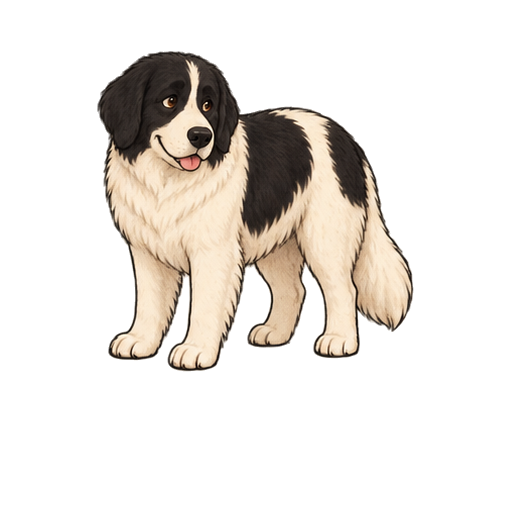 Oh, Hi
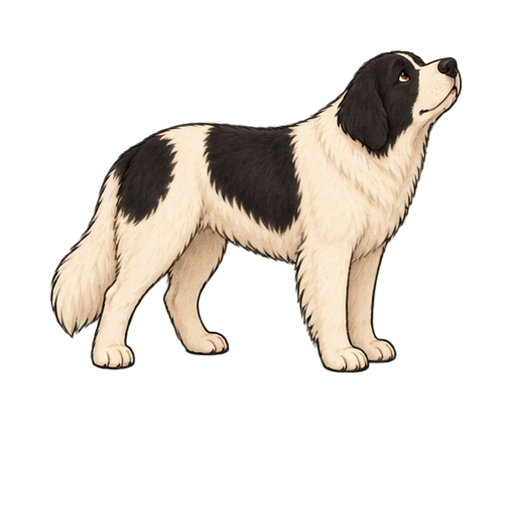 Look There
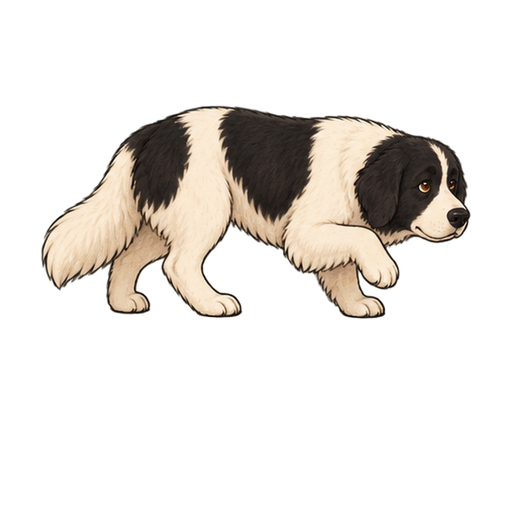 Sneaking
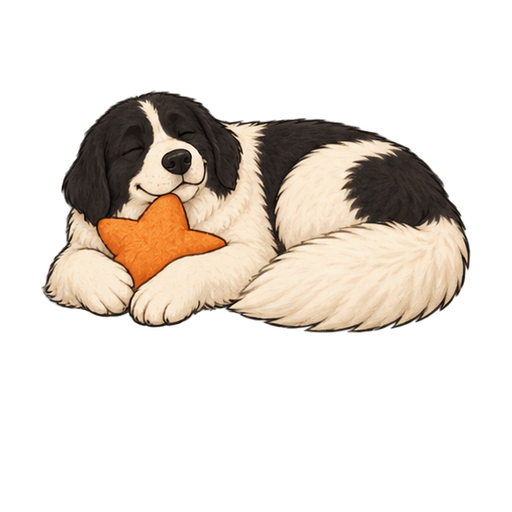 All Settled
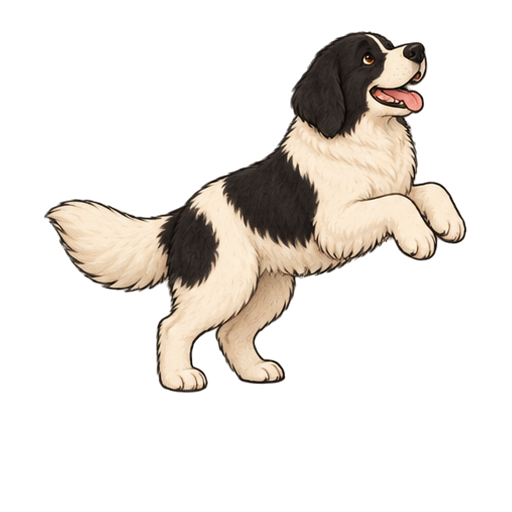 Yay!
Original woofmap artwork, assisted by GPT Image 2. Free for personal chats and non-commercial sharing with credit to woofmap.com. Fictional moods do not predict every dog’s temperament; see this page’s factual sources.
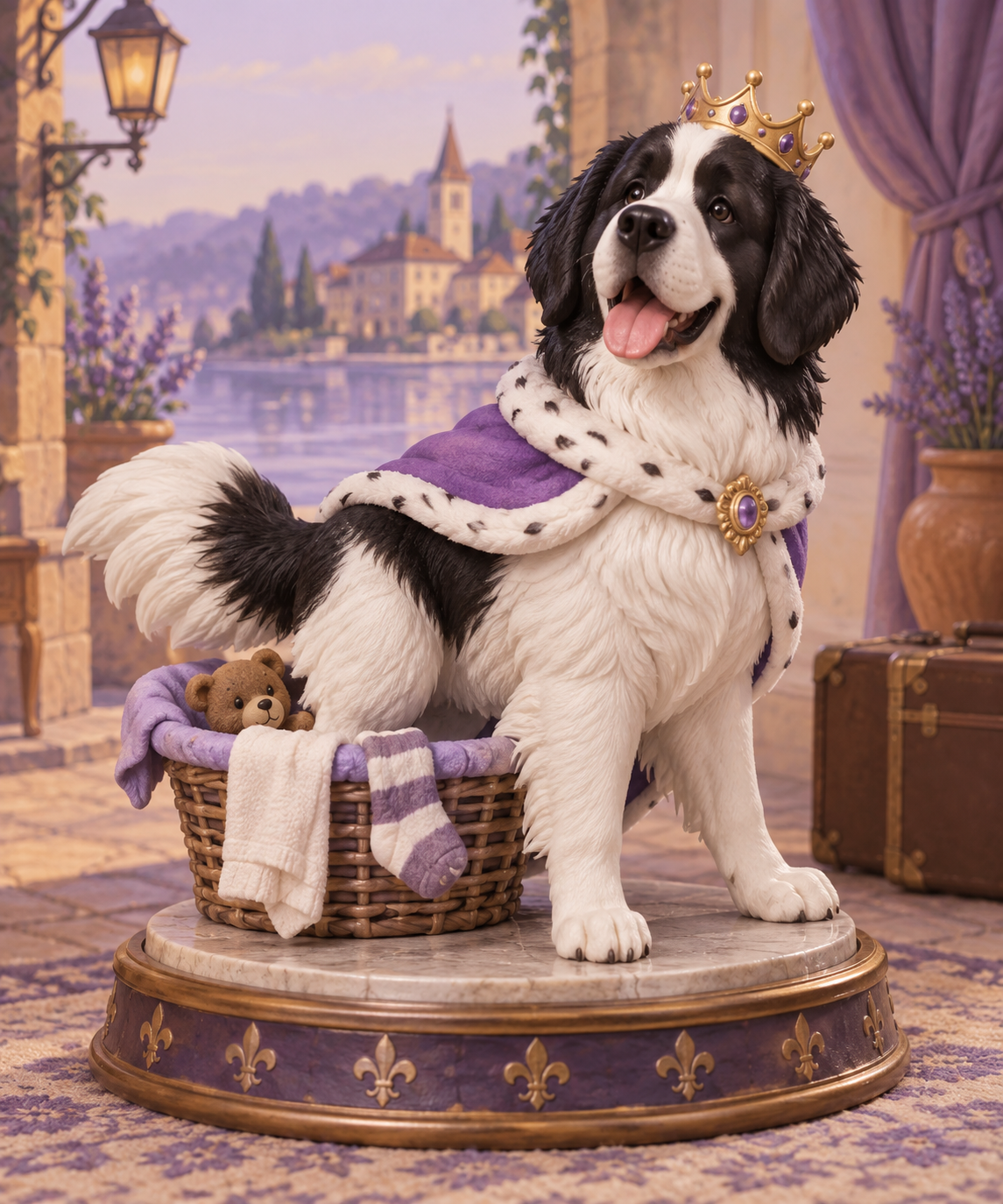
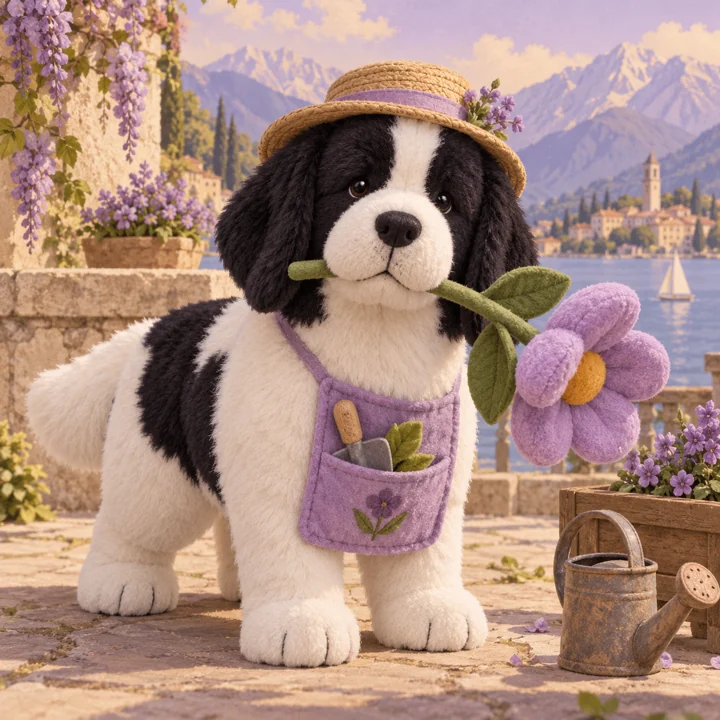
Combine the available parts, choose a name and take a little joy home.
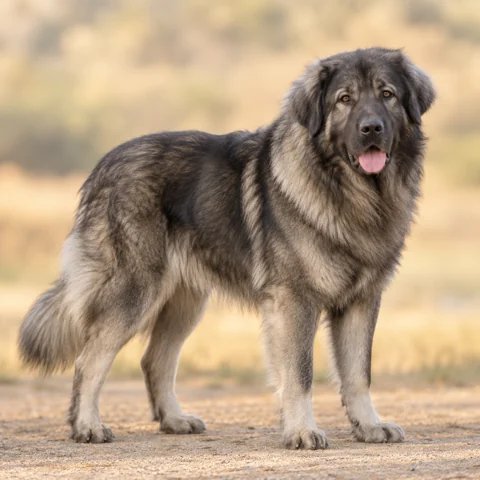 AI realistic image
Pinschers, Schnauzers, Molossians and Swiss mountain dogs
Yugoslavian Shepherd Dog - Sharplanina
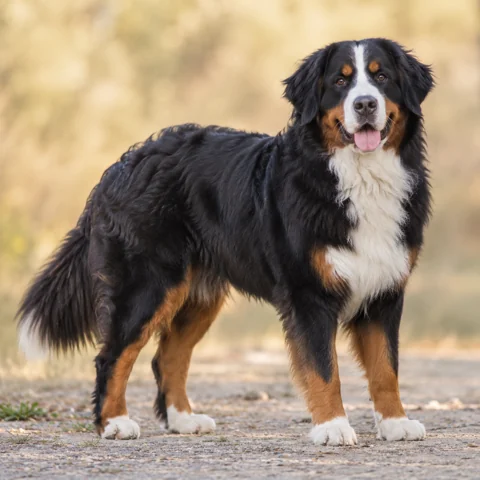 AI realistic image
Pinschers, Schnauzers, Molossians and Swiss mountain dogs
Bernese Mountain Dog
 AI realistic image
Pinschers, Schnauzers, Molossians and Swiss mountain dogs
Appenzell Cattle Dog