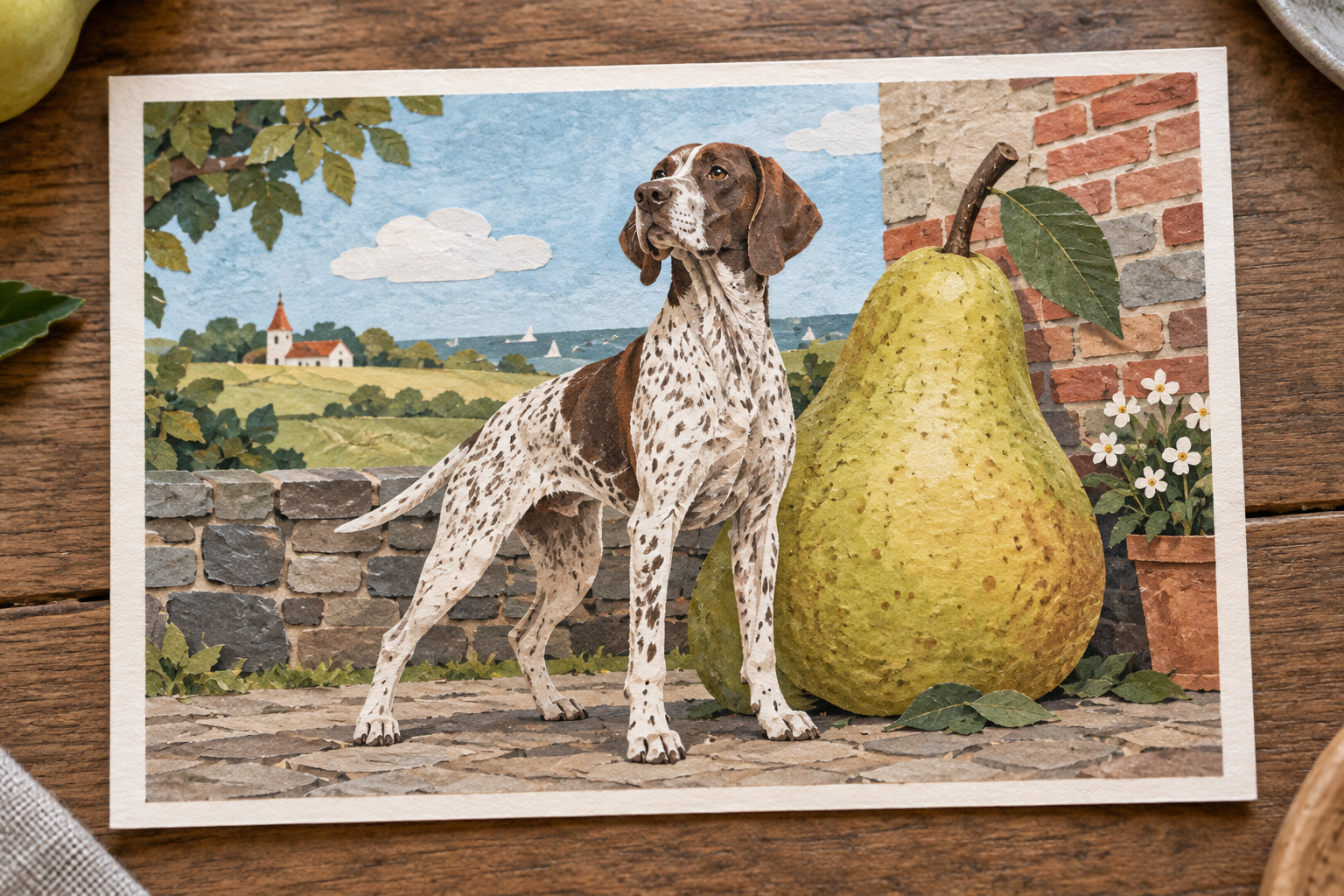
WOOFMAP · CANINE ARCHIVENO. 281
Pointing dogs
Old Danish Pointing Dog
Old Danish Pointing Dog
✳ woofmap.comDenmark
WOOFMAP · CANINE ARCHIVE · NO. 281
Old Danish Pointing Dog
A steady Danish bird dog that works in touch with its hunter.
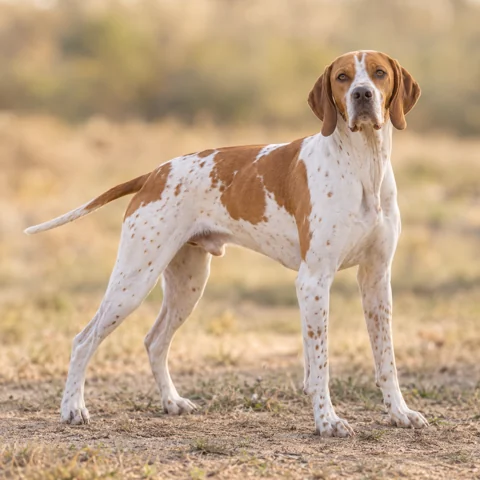
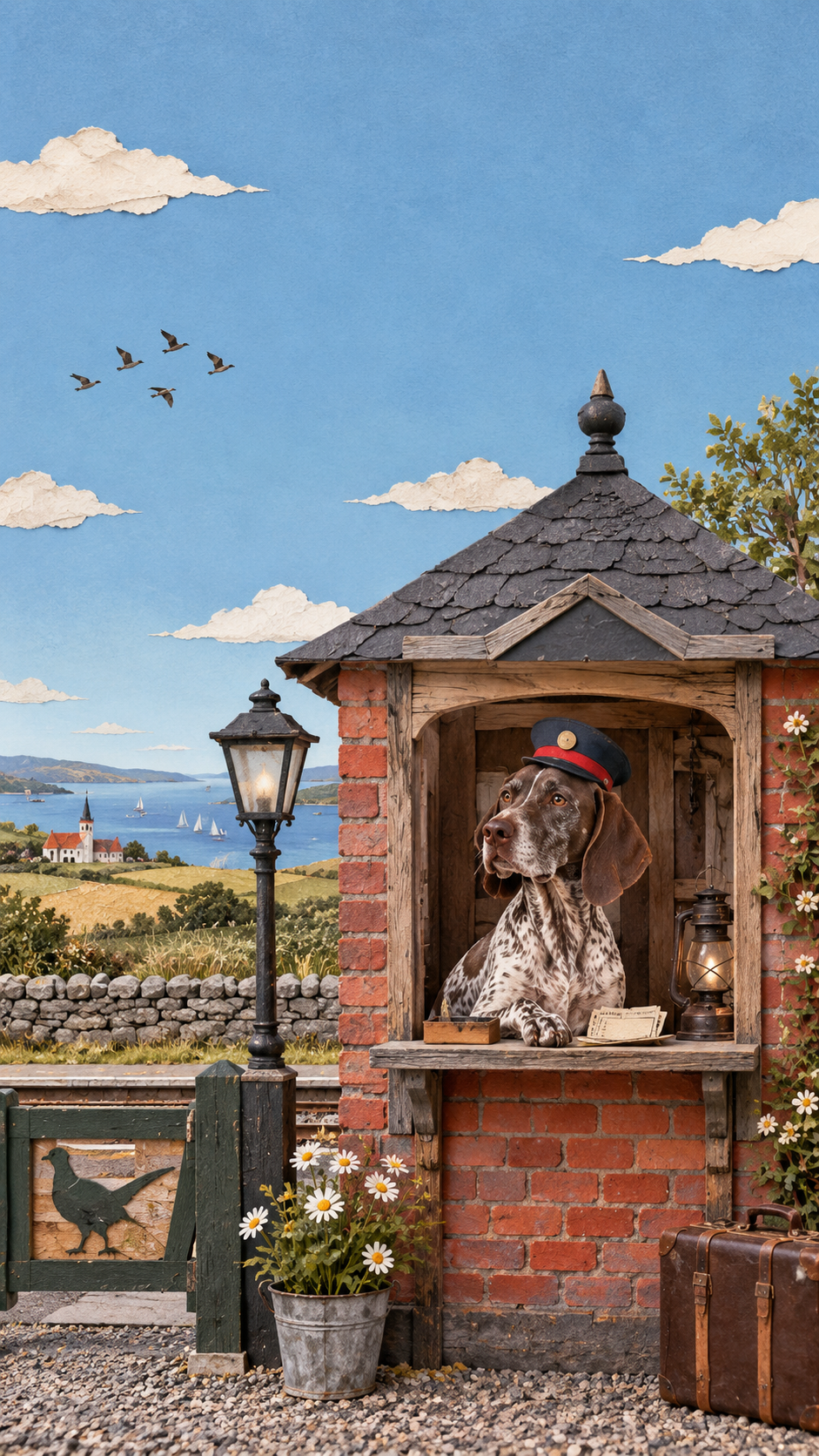
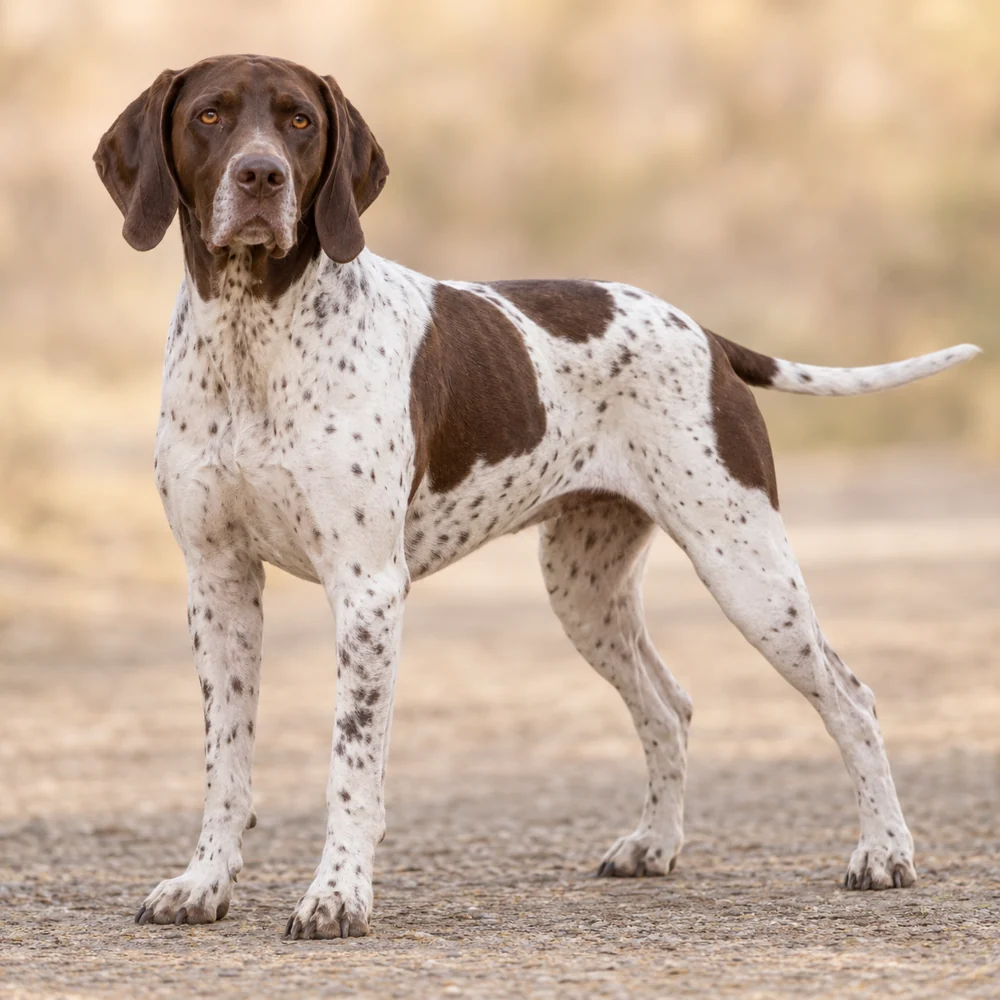
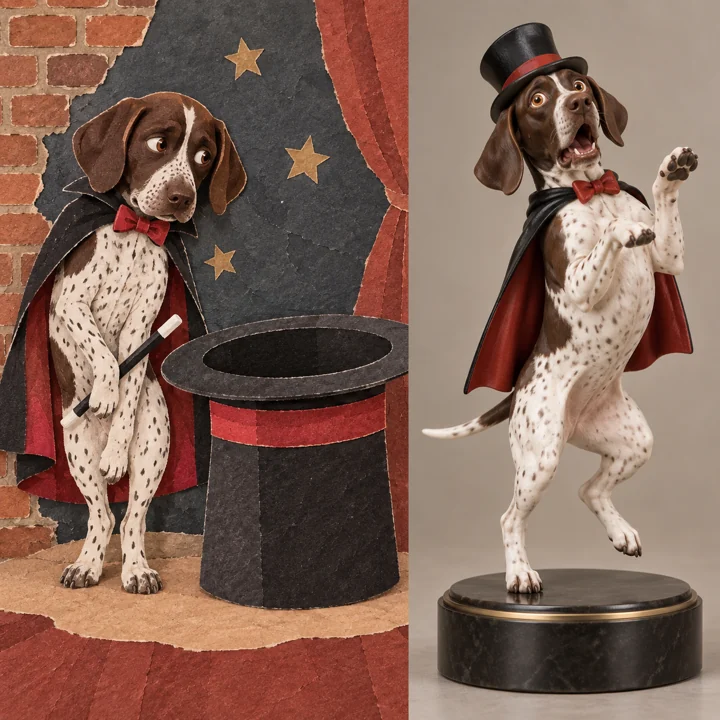
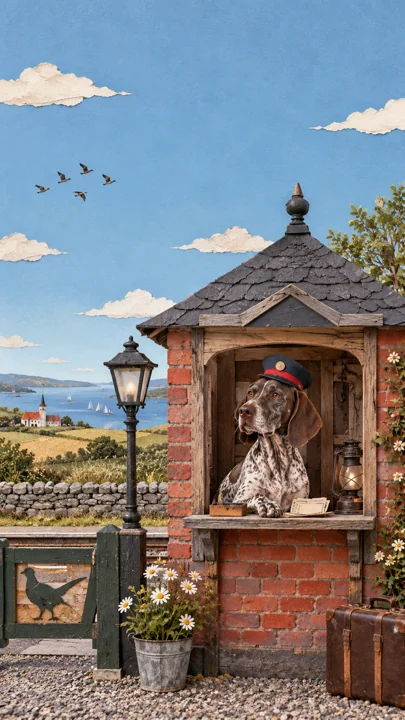
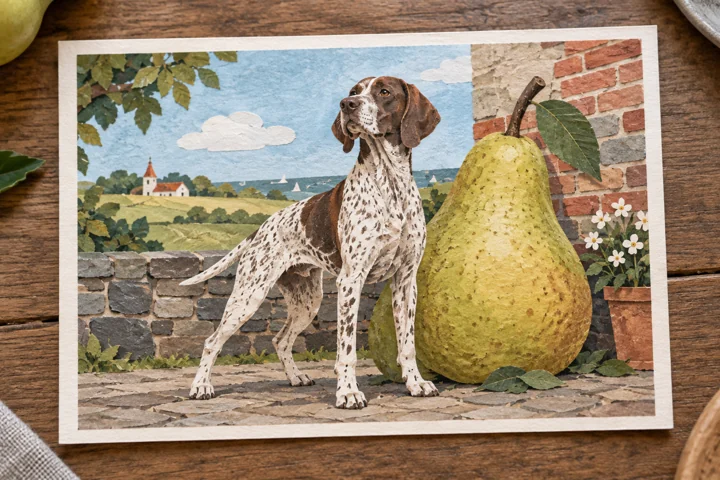
AI-generated realistic breed image, for visual reference.
This Old Danish Pointing Dog page is still waiting for a voice. Live with a Old Danish Pointing Dog? Share a natural bark, howl or whine and let others hear a little of your dog’s everyday life.
If we feature your recording, we’ll credit you or your dog using the name you choose.
A 5–15 second phone recording in a quiet setting is perfect. Capture a natural moment without startling or disturbing your dog. Audio or video with sound is welcome.
Share your dog’s voice ↗[email protected]Attach your recording, breed and preferred credit. Please confirm you recorded it and allow woofmap to feature it.
Thank you for helping us build a playful Woof Planet together. Every little woof deserves to be heard.
Pointing dogs
Old Danish Pointing Dog
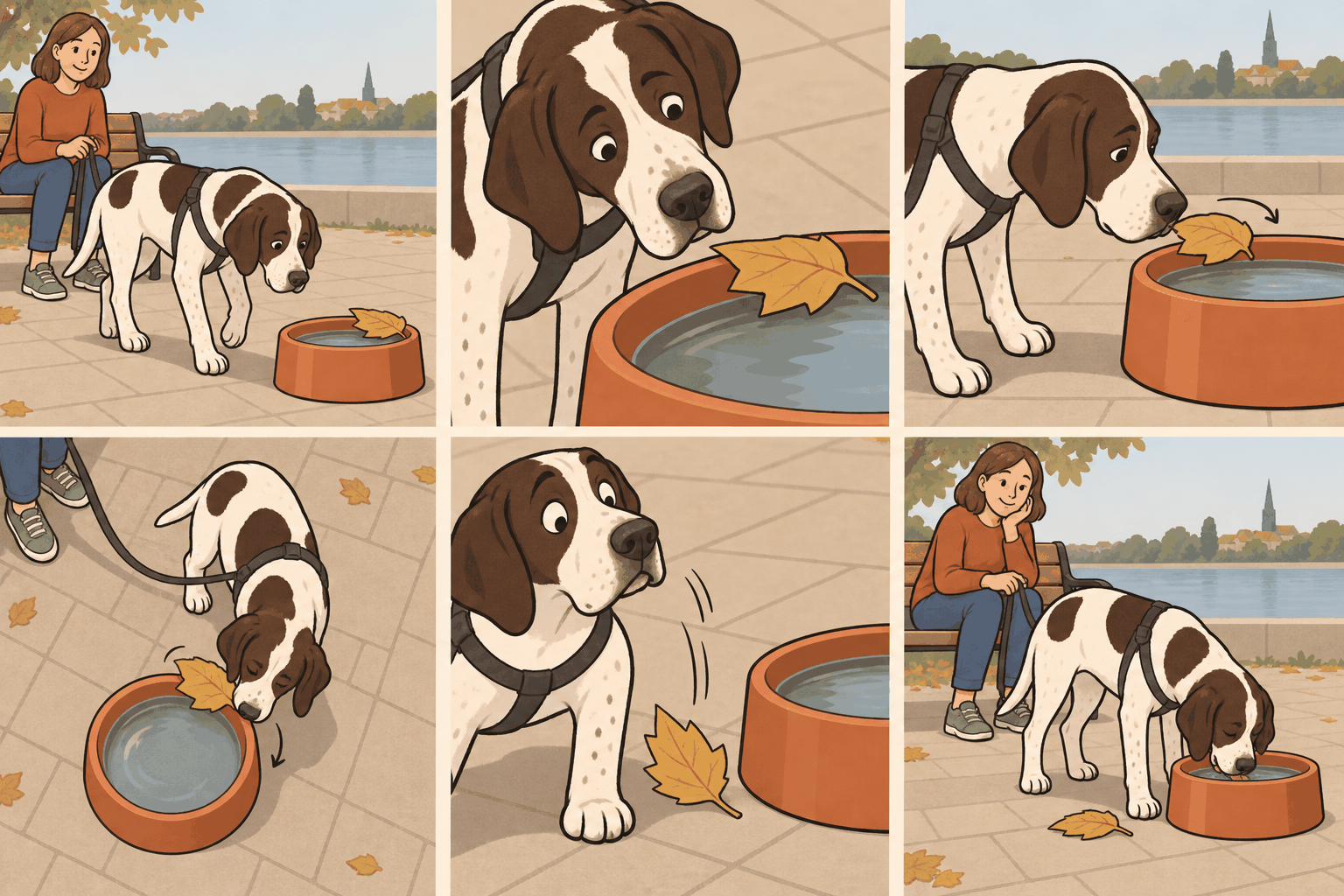
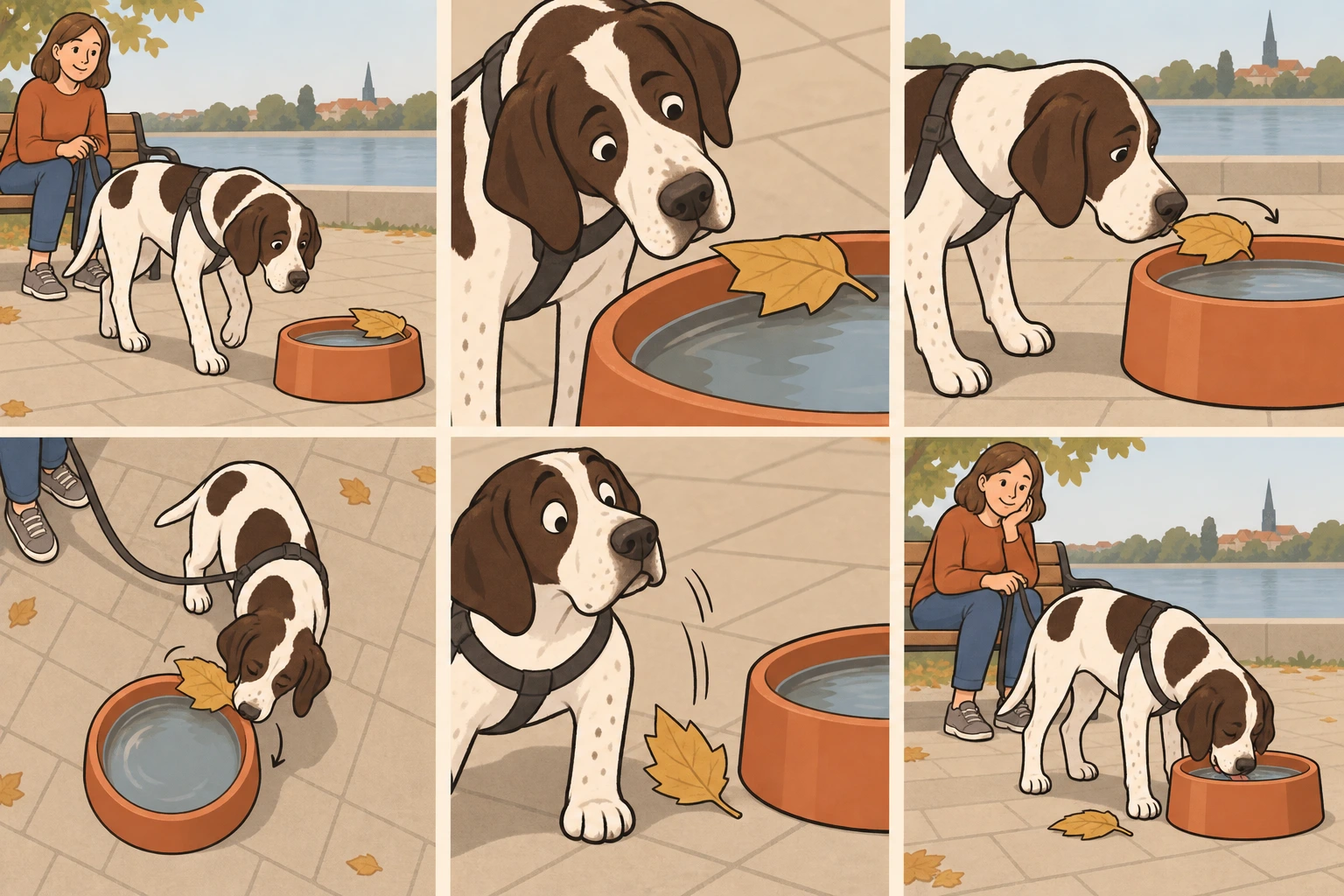
A leaf claims the water-bowl rim, and this dog begins a silent negotiation with its nose. The short coat and hanging ears and tail stay consistent; the bowl sits on level ground well away from the riverbank.
The standard traces the breed to about 1710, when Morten Bak of Glenstrup crossed dogs brought by itinerant people with local farm dogs over eight generations. The resulting white-and-brown dogs were called Bakhounds and developed as versatile bird-hunting pointing dogs. The standard presents proposed Bloodhound and Spanish pointing-dog ancestry as probable, not certain.
Medium-sized, sturdy and slightly longer than tall, males are generally more substantial and females lighter. Males stand 54–60 cm and females 50–56 cm at the withers; the low-set ears hang by the cheeks, and the tail hangs naturally.
Look for a short, dense white-and-brown coat on a sturdy, slightly rectangular body, then check the broad short head and deep lips. Low-hanging ears, modest loose skin at the throat and a naturally drooping tail add useful clues. The standard lists no separate coat or size varieties, though it emphasizes the difference between the sexes.
The standard describes a quiet, stable dog with determination and courage. In the field it works at a relatively slow pace, keeping contact with its hunter. Reward-based practice can build on that cooperation, while responsiveness and self-control still vary by individual.
Brush the short coat regularly and check ears, feet and coat after outings. Offer outdoor opportunities to scent, search and work with a person. Teach recall and settling through clear cues and rewards. Provide a consistent routine, and manage the dog on a lead around wildlife rather than assuming its calm manner rules out pursuit.
Its standard describes a steady manner, but it remains a working bird dog. A suitable home will make room for outdoor exploration, interactive training and clear boundaries.
Regular brushing removes loose hair and debris; a short coat is not maintenance-free. Check the ears, feet and skin after time in the field.
Scent games, searching for objects and progressive cue practice give it tasks related to its original work. Around birds or other wildlife, practise recall and use reliable lead management.
SOURCE NOTES
Breed traits follow the cited official standards; everyday care advice is our editorial interpretation of coat, build and working purpose.
Coat and size varieties can share a standard. The number is an archive reference, not a rarity score. An independent educational atlas, not a registry publication. Temperament varies; consult a veterinarian about health concerns.
WOOFMAP / OLD-DANISH-POINTING-DOG / LITTLE MOMENTS
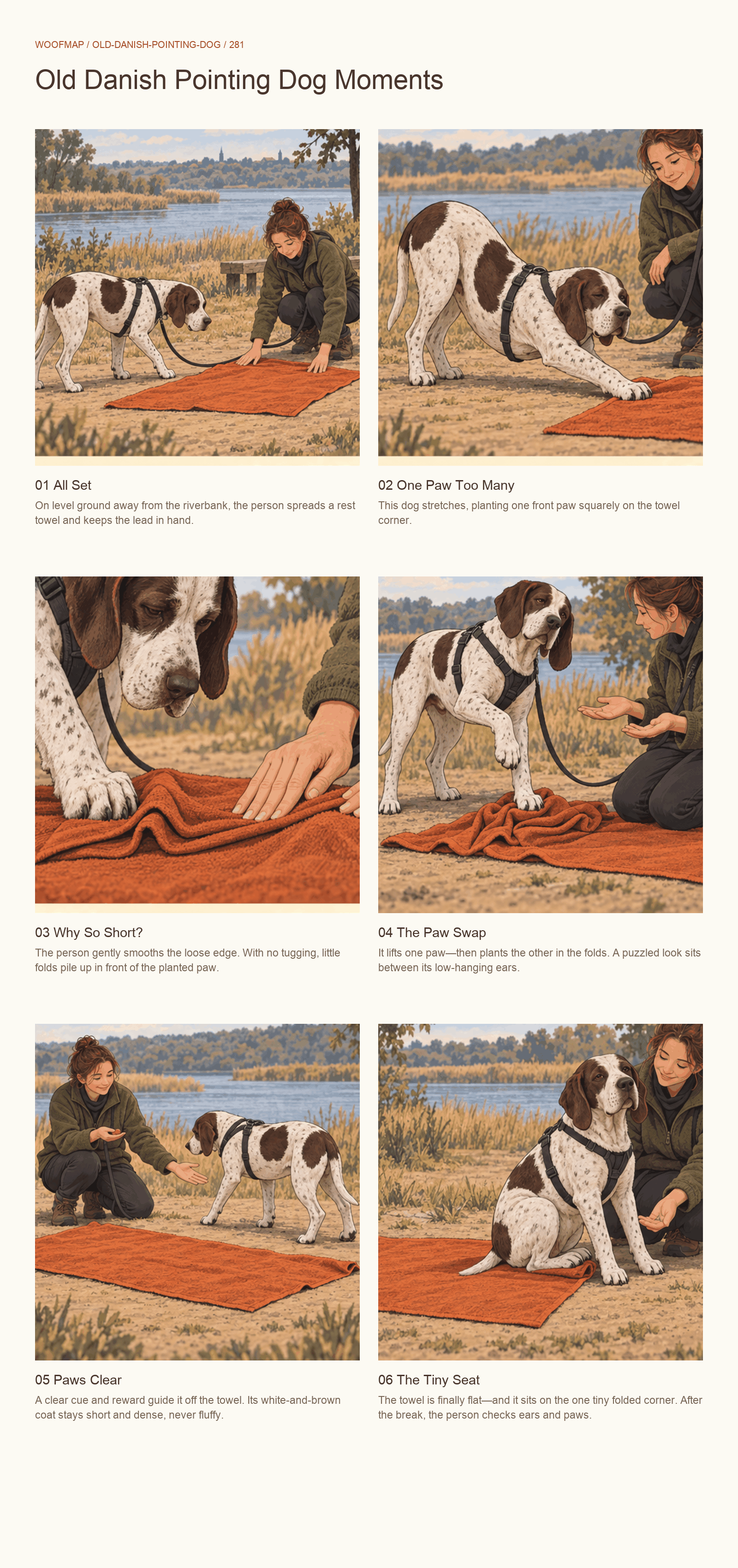
Illustrated with a short, dense white coat, dark-brown patches and light brown speckling, low-set hanging ears and a naturally drooping tail. These riverside antics belong to one fictional dog, not every dog of the breed.
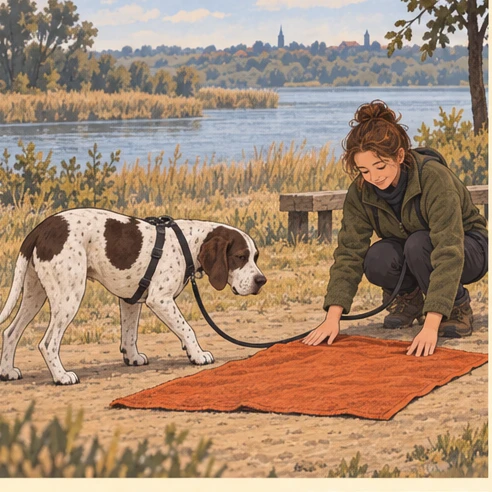
On level ground away from the riverbank, the person spreads a rest towel and keeps the lead in hand.
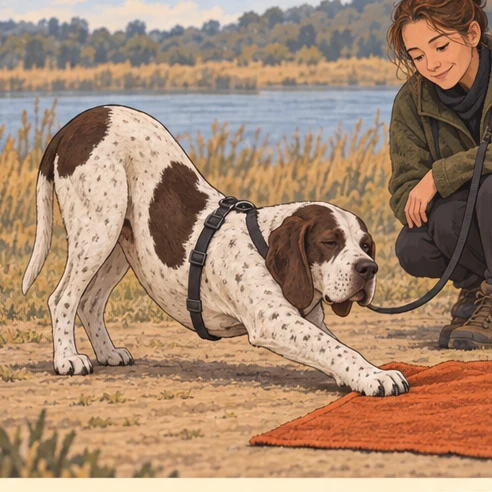
This dog stretches, planting one front paw squarely on the towel corner.
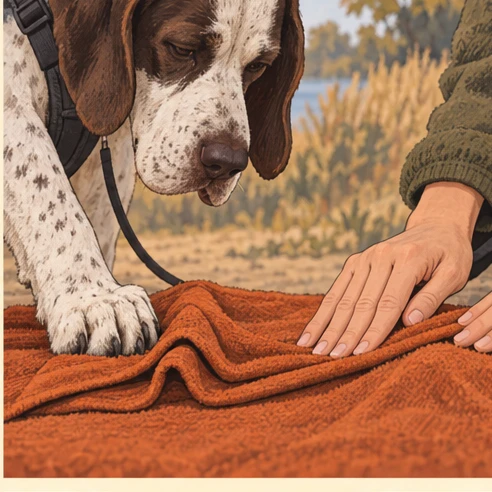
The person gently smooths the loose edge. With no tugging, little folds pile up in front of the planted paw.
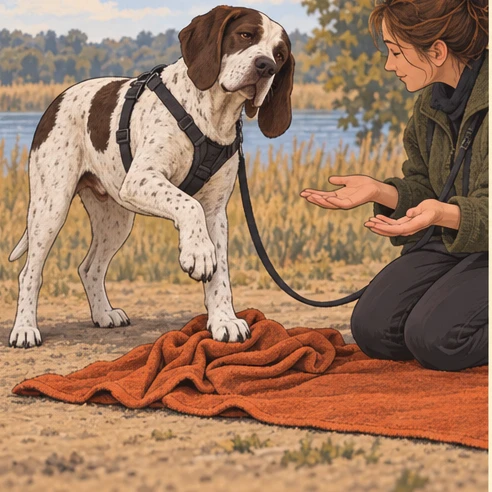
It lifts one paw—then plants the other in the folds. A puzzled look sits between its low-hanging ears.
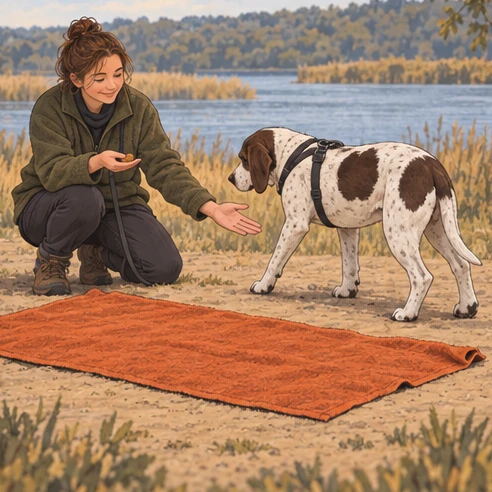
A clear cue and reward guide it off the towel. Its white-and-brown coat stays short and dense, never fluffy.
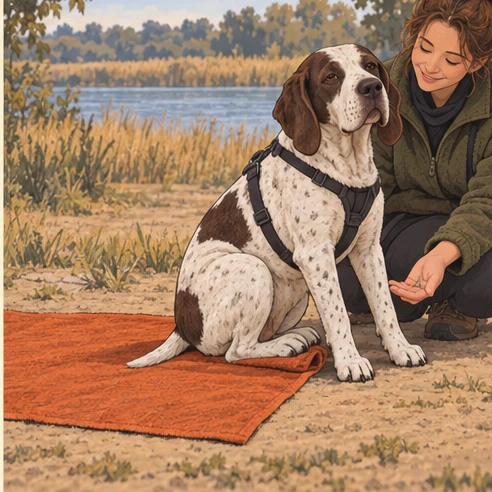
The towel is finally flat—and it sits on the one tiny folded corner. After the break, the person checks ears and paws.
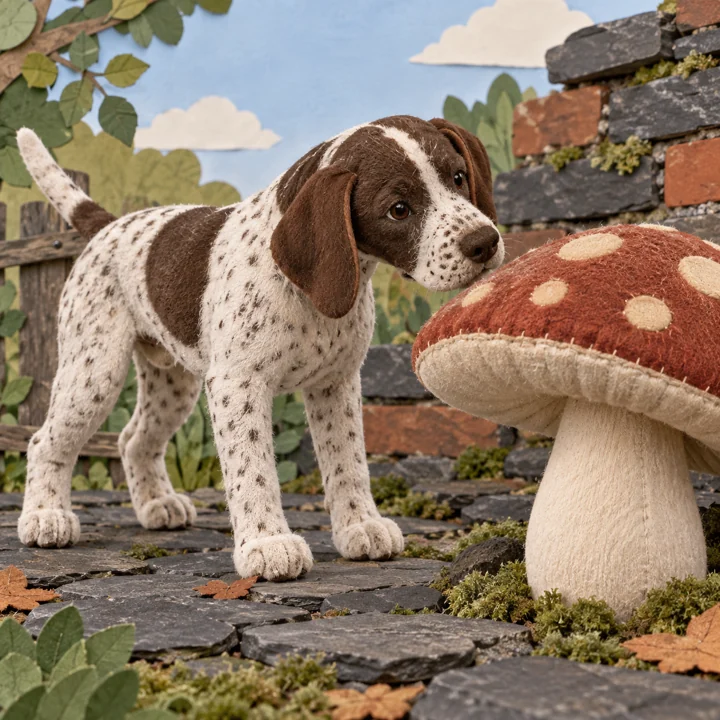
Eight transparent PNGs to save individually. Switch captions on or off for your chats.
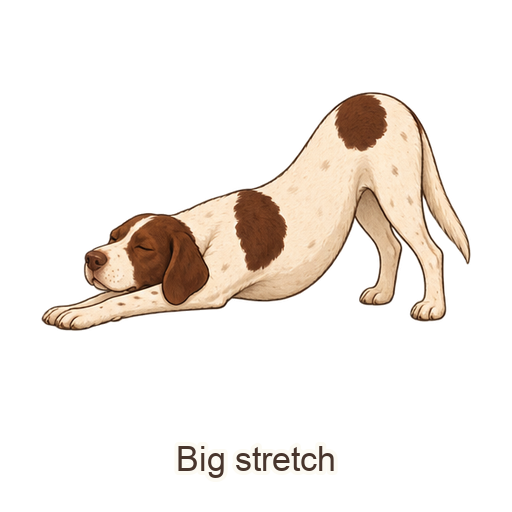 Big stretch
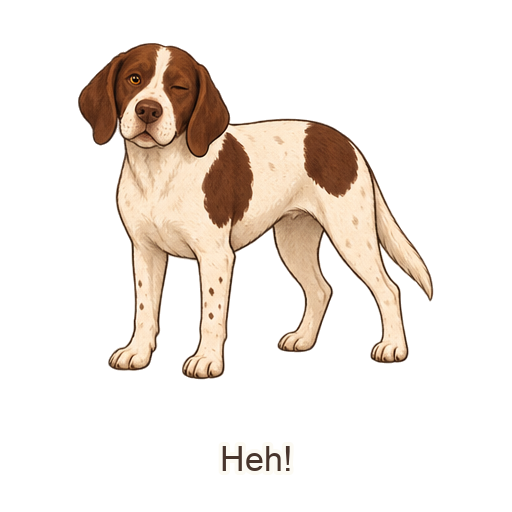 Heh!
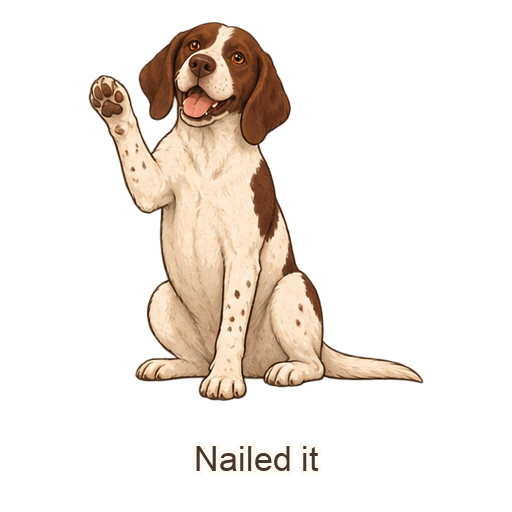 Nailed it
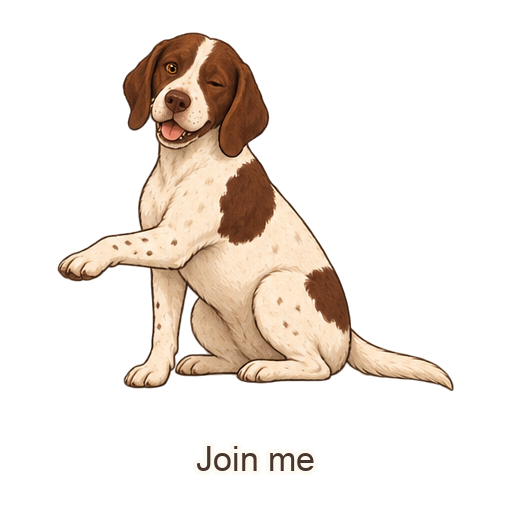 Join me
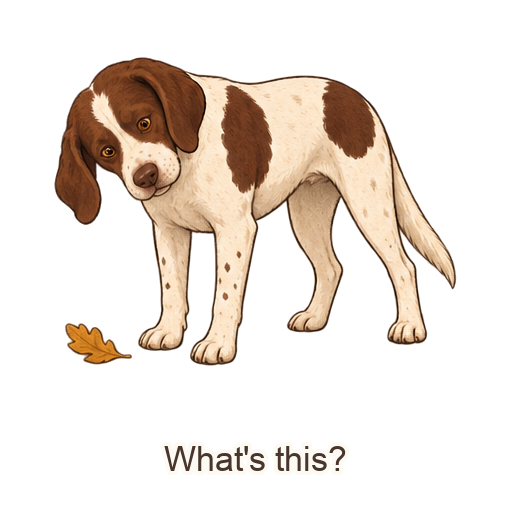 What's this?
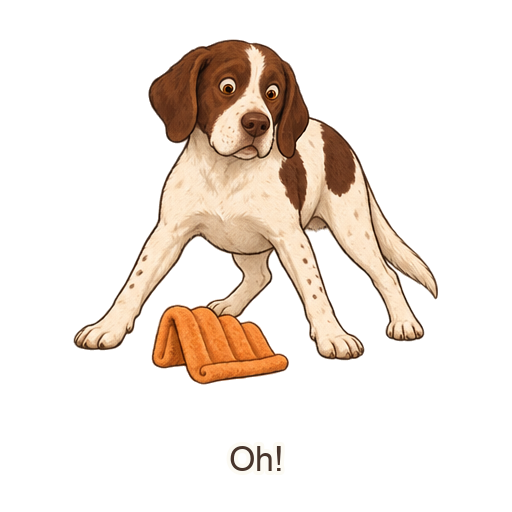 Oh!
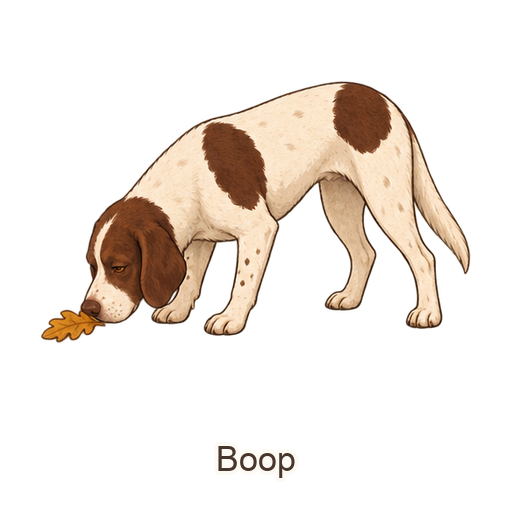 Boop
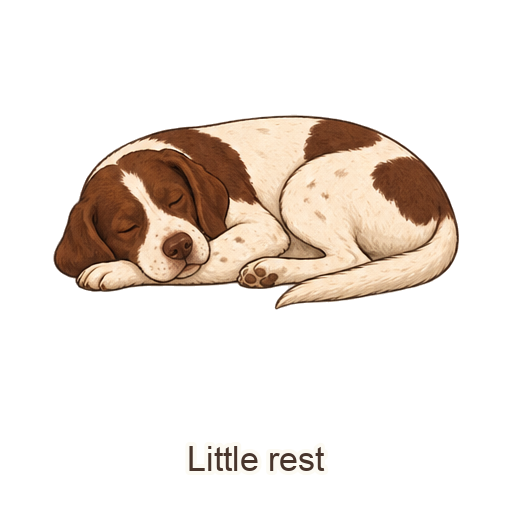 Little rest
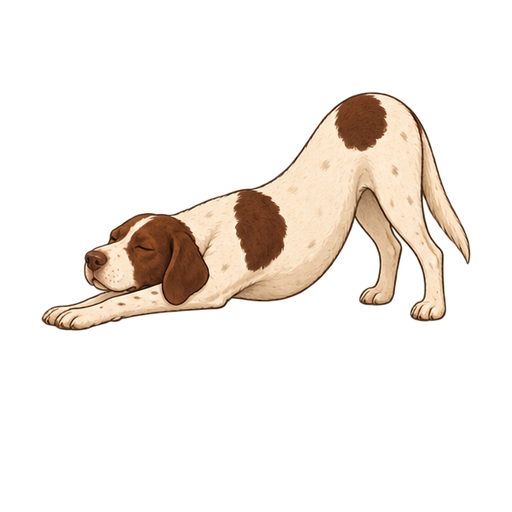 Big stretch
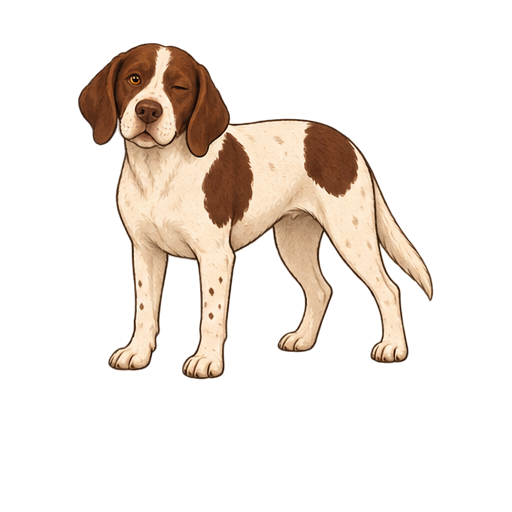 Heh!
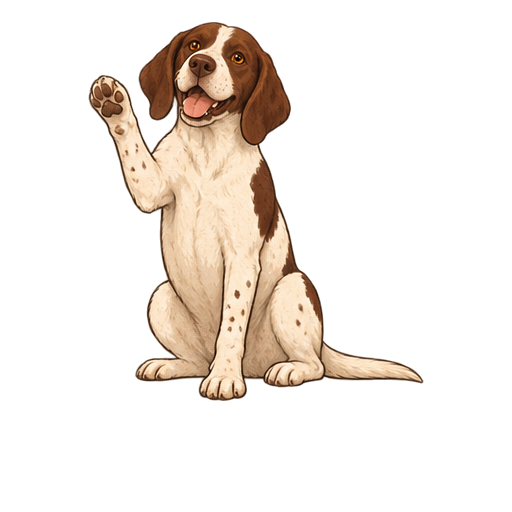 Nailed it
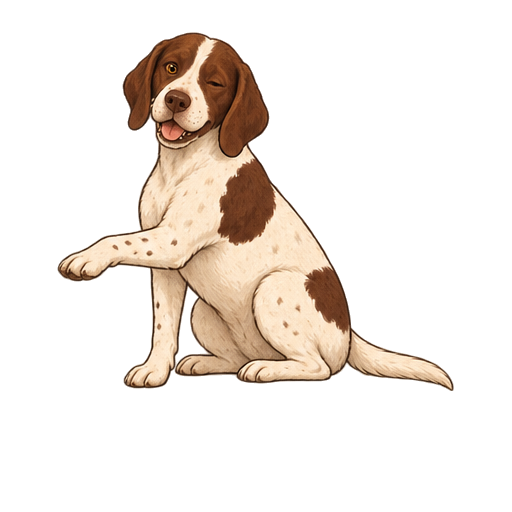 Join me
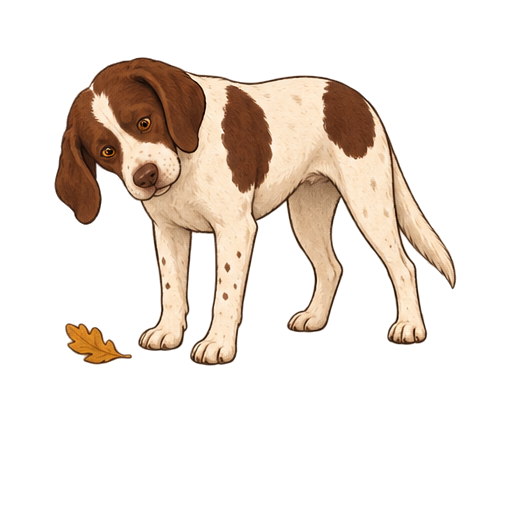 What's this?
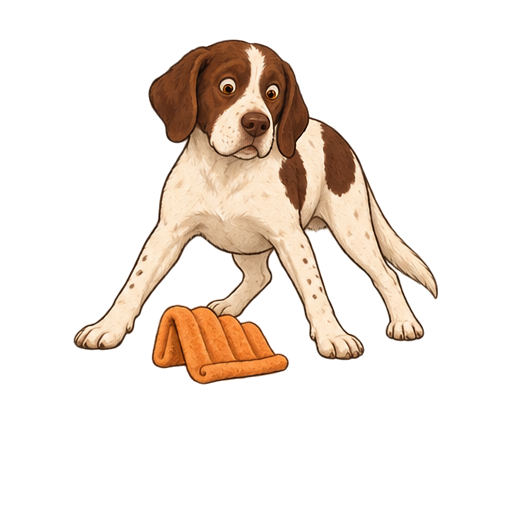 Oh!
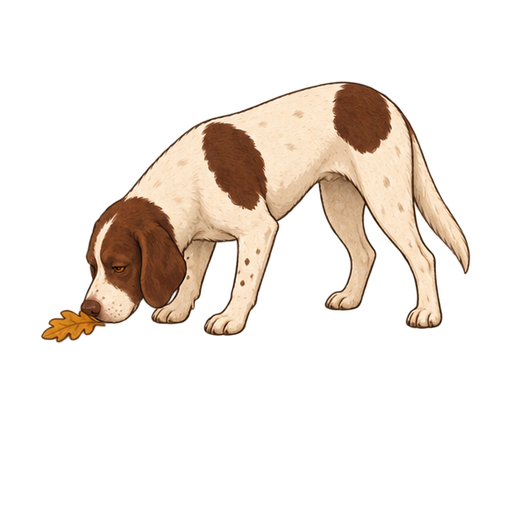 Boop
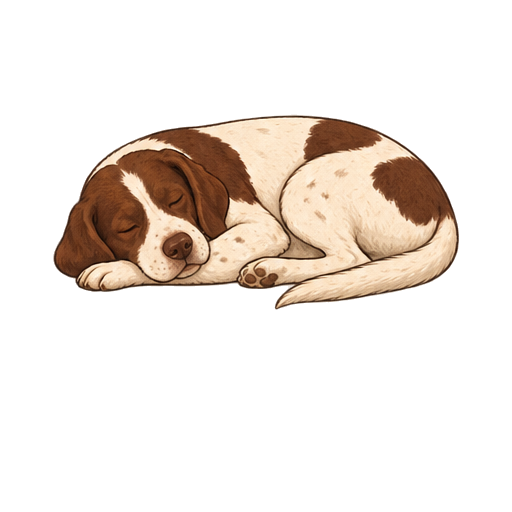 Little rest
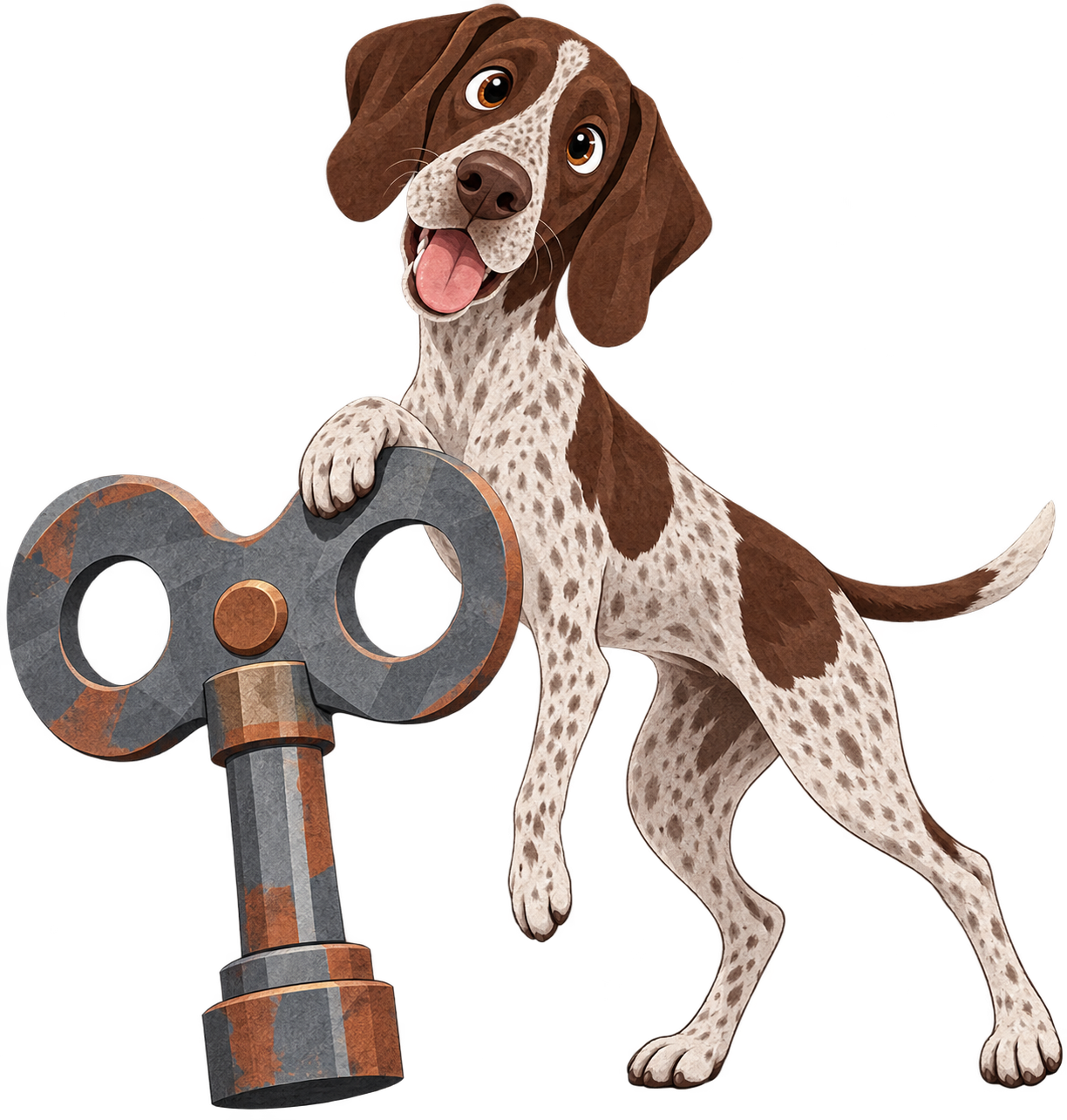
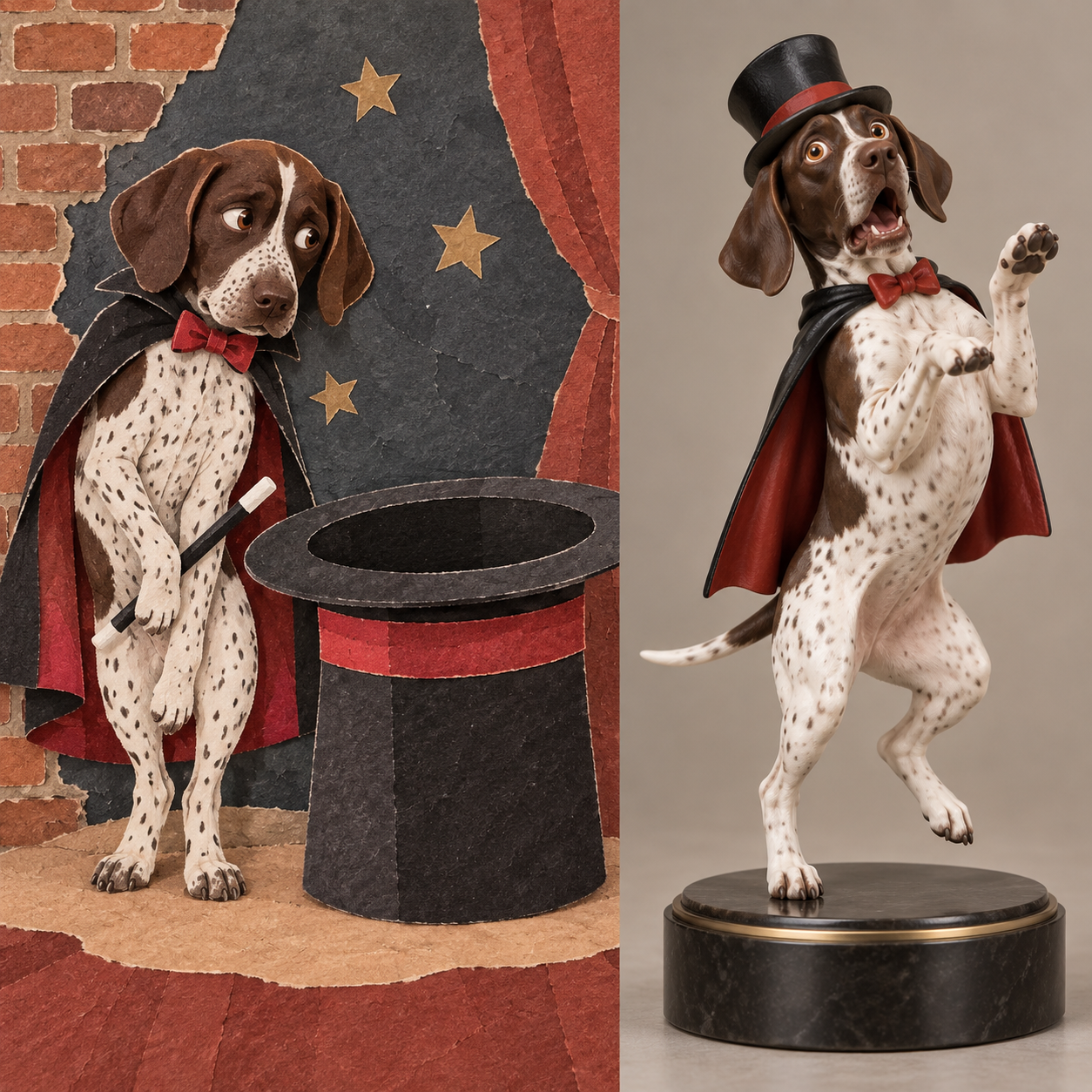
Original woofmap artwork, assisted by GPT Image 2. Free for personal chats and non-commercial sharing with credit to woofmap.com. Fictional moods do not predict every dog’s temperament; see this page’s factual sources.
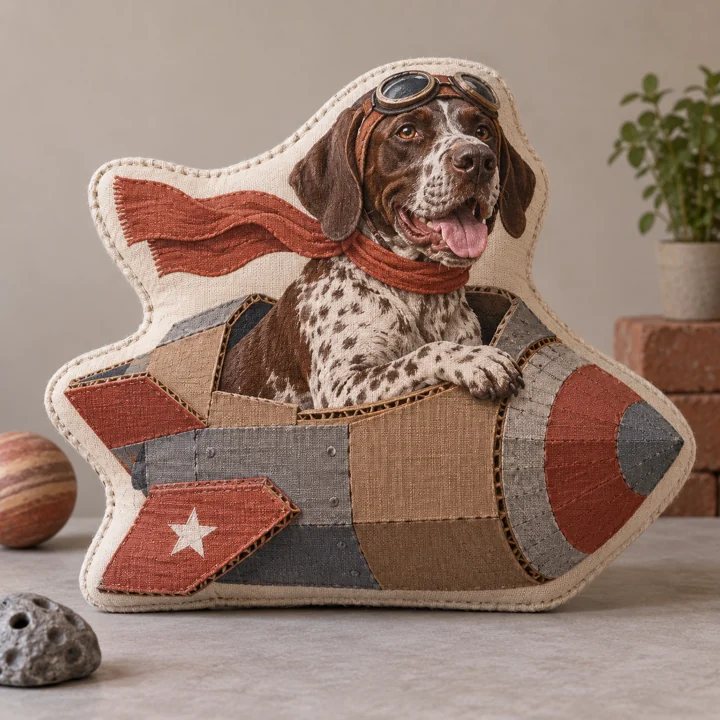
Combine the available parts, choose a name and take a little joy home.