WOOFMAP · CANINE ARCHIVENO. 187
Pointing dogs
Portuguese Pointing Dog
Portuguese Pointing Dog
✳ woofmap.comPortugal
WOOFMAP · CANINE ARCHIVE · NO. 187
Portuguese Pointing Dog
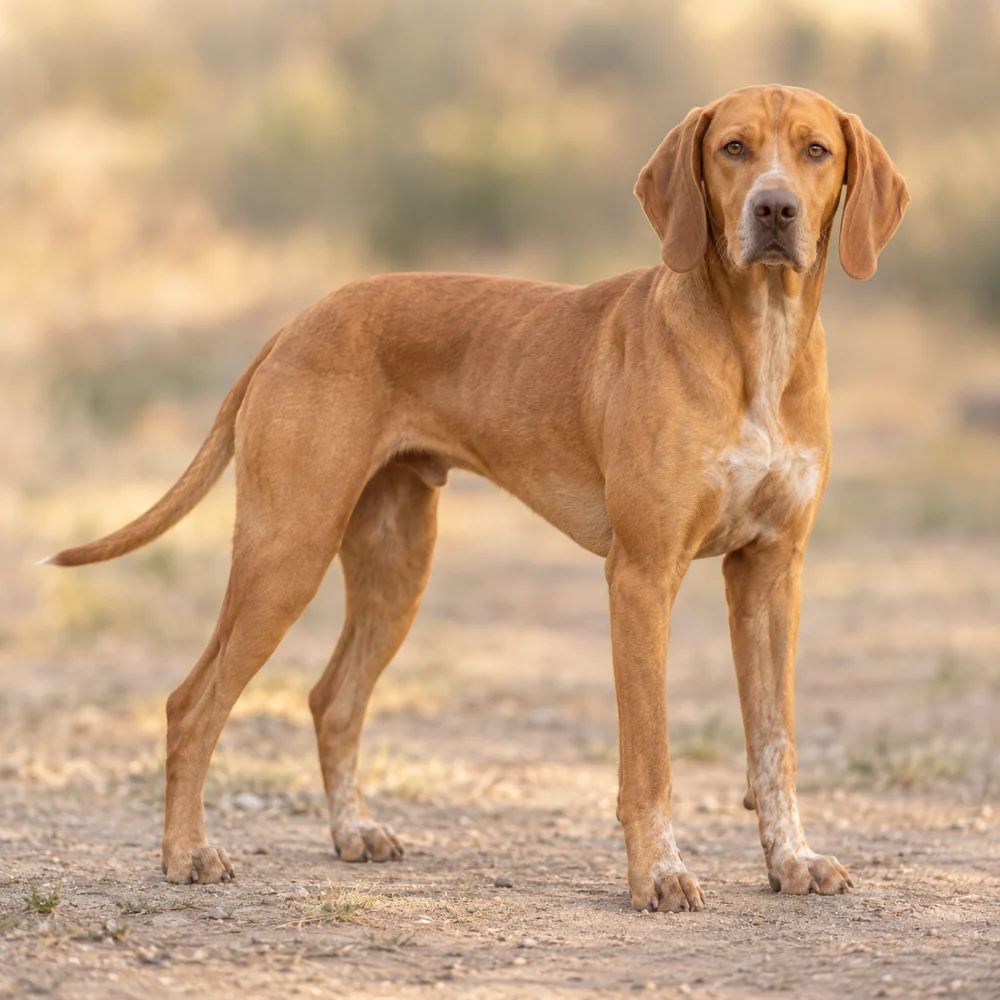
A yellow-coated pointer that keeps close to its hunter.
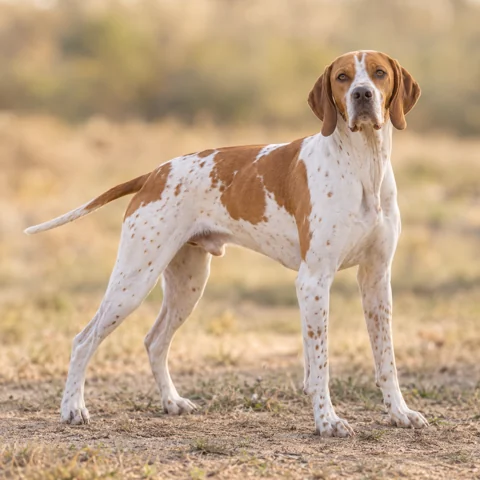
AI-generated realistic breed image, for visual reference.
This Portuguese Pointing Dog page is still waiting for a voice. Live with a Portuguese Pointing Dog? Share a natural bark, howl or whine and let others hear a little of your dog’s everyday life.
If we feature your recording, we’ll credit you or your dog using the name you choose.
A 5–15 second phone recording in a quiet setting is perfect. Capture a natural moment without startling or disturbing your dog. Audio or video with sound is welcome.
Share your dog’s voice ↗[email protected]Attach your recording, breed and preferred credit. Please confirm you recorded it and allow woofmap to feature it.
Thank you for helping us build a playful Woof Planet together. Every little woof deserves to be heard.
Pointing dogs
Portuguese Pointing Dog
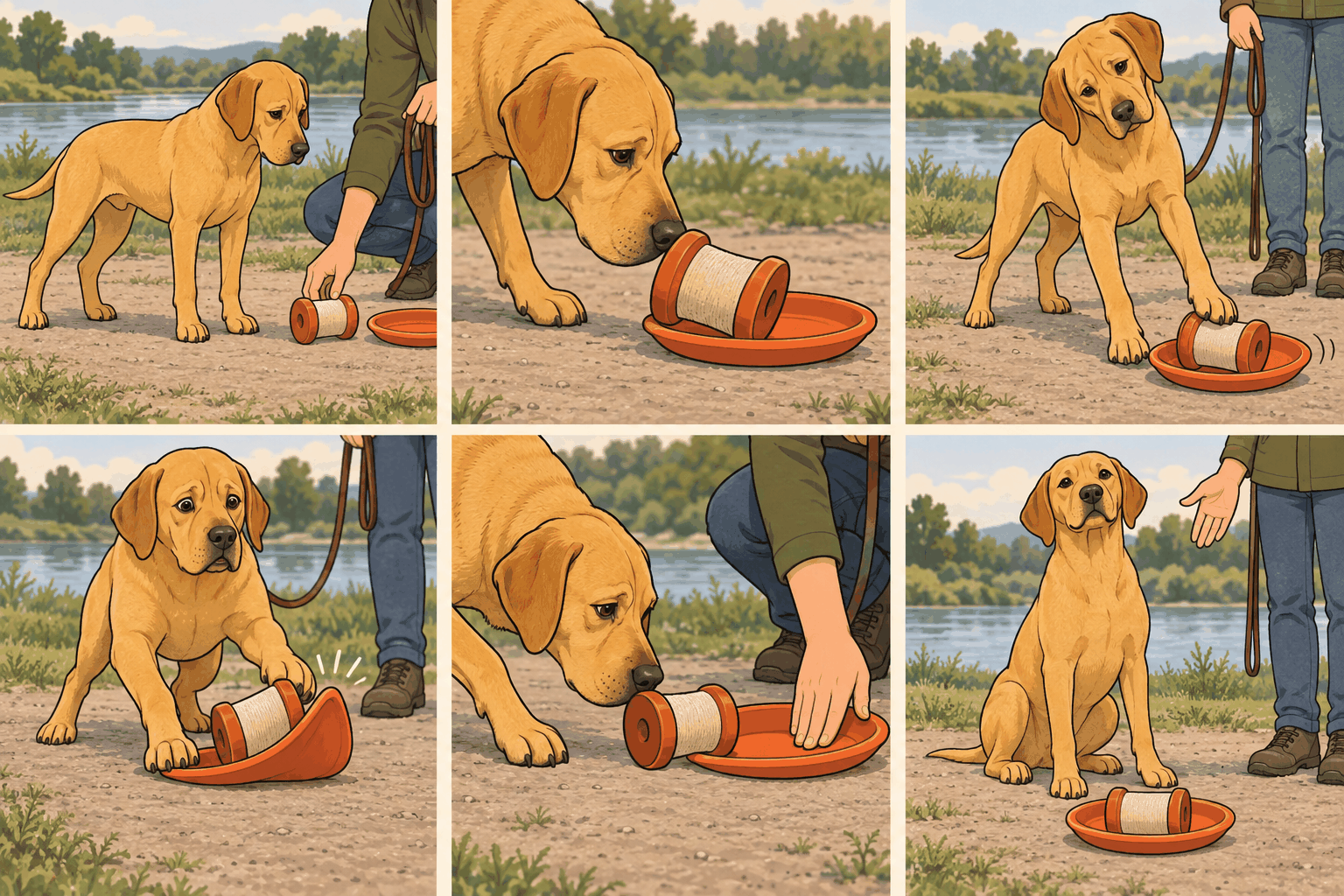
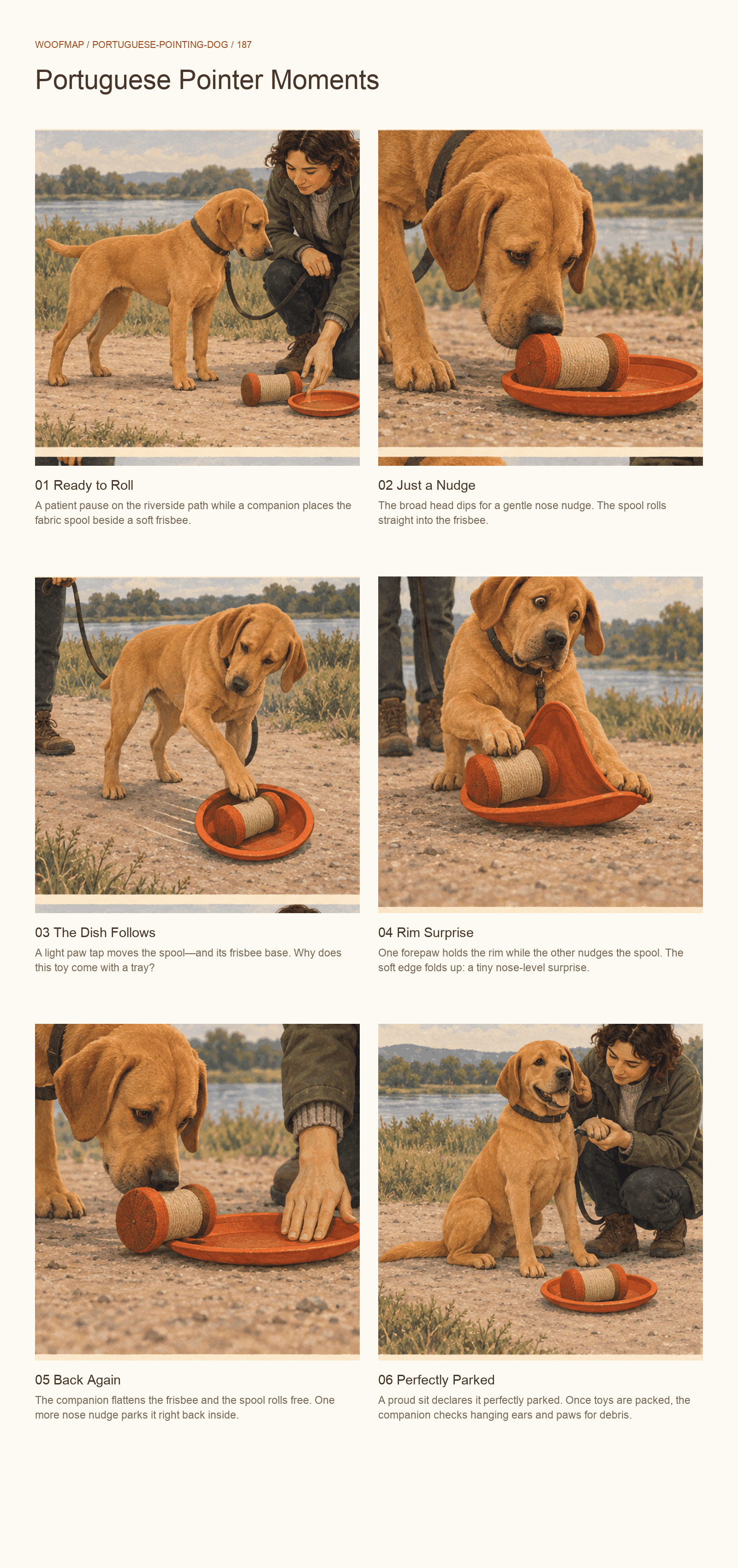
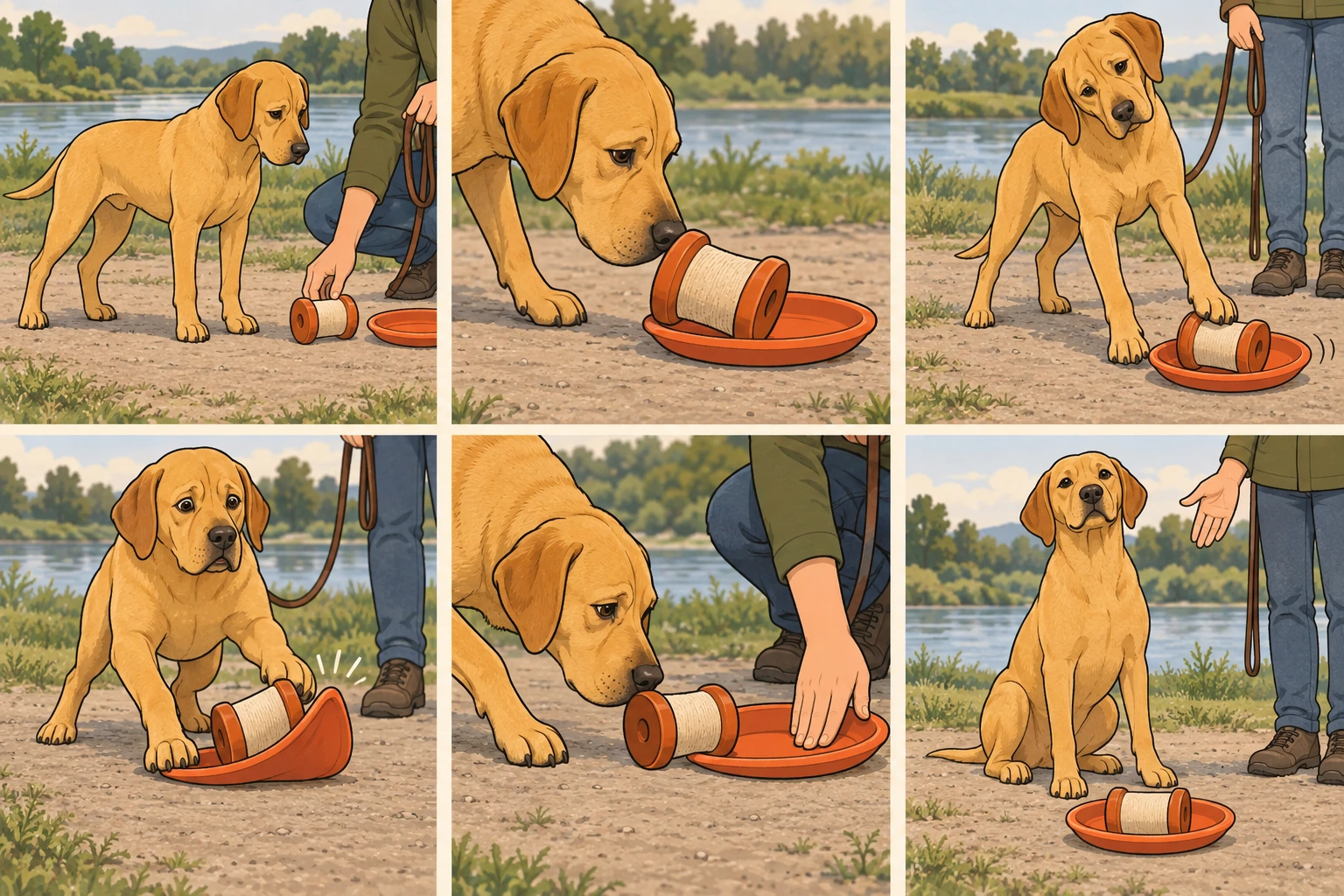
One gentle nudge rolls the fabric spool into a soft frisbee. Getting it out becomes a very small parking problem.
The breed descends from an old pointing dog of the Iberian Peninsula and was shaped by selection for local climate, terrain and game. The standard traces it in Portugal to at least the 12th century; by the 14th, its pointing ability was known, and dogs bred in royal and noble kennels were used in falconry. Commoners used it by the 16th century, while definition of its present traits began in the first quarter of the 20th century.
Strong yet harmonious and supple, this dog has a square or nearly square body. Males stand 52–60 cm and females 48–56 cm at the withers; the ears hang, and the standard describes both a medium-length natural tail and a docked tail.
Look for the nearly square, sturdy outline and close yellow coat together with a broad head, defined stop and drooping upper lips. White markings, when present, are restricted to specified places such as the head, neck, chest, lower limbs and tip of an undocked tail. In the field, it points game while keeping close contact with the hunter.
The standard describes an affectionate, calm and sociable dog that works with curiosity, persistence and energy, staying close to its hunter. It may be somewhat haughty toward other dogs, so introductions should respect each individual's response rather than force contact. Clear, consistent reward-based training can channel its working focus into cooperation.
Brush regularly to remove loose hair, and check the hanging ears, paws and coat for debris after outings. Provide outdoor activity, scent games and retrieving tasks that engage its persistent hunting instincts. Use reward-based training for recall, lead walking and settling; manage access to wildlife with a lead or secure enclosure. Yard time alone is no substitute for shared activity and training with this people-oriented worker.
Its close working relationship with people can suit a home that enjoys doing things together. It still needs consistent training and sensible management around potential game.
Regular brushing and wiping help maintain the short, close coat; having no undercoat does not mean it will not shed. After field outings, check the ears, feet and coat for grass seeds and other debris.
Combine walks with scent searches, finding objects and structured retrieving so it can think and work with you. Until recall is reliable, use a lead or secure enclosure where wildlife may appear.
SOURCE NOTES
Breed traits follow the cited official standards; everyday care advice is our editorial interpretation of coat, build and working purpose.
Coat and size varieties can share a standard. The number is an archive reference, not a rarity score. An independent educational atlas, not a registry publication. Temperament varies; consult a veterinarian about health concerns.
WOOFMAP / PORTUGUESE-POINTING-DOG / LITTLE MOMENTS
Illustrated: a Portuguese Pointing Dog with a solid yellow short coat and medium-length natural tail. This fictional riverside toy mishap does not define the breed’s temperament.
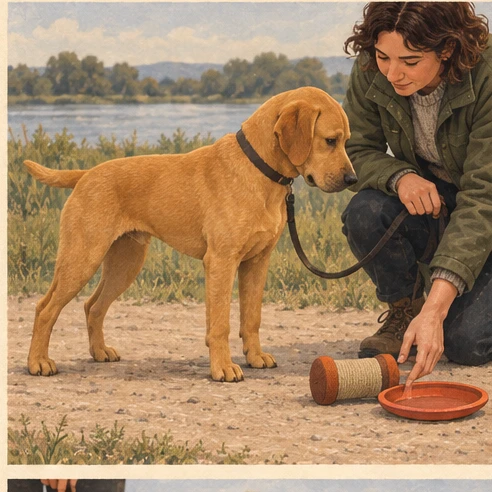
A patient pause on the riverside path while a companion places the fabric spool beside a soft frisbee.
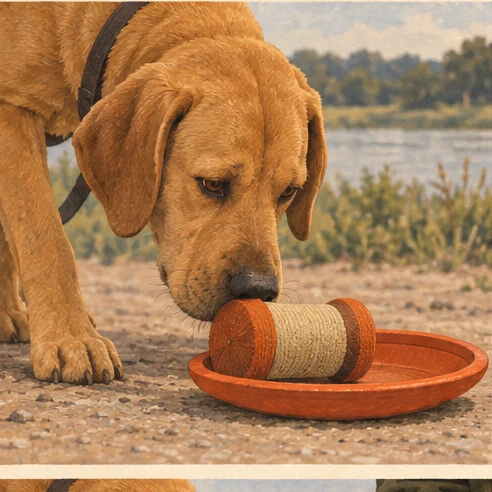
The broad head dips for a gentle nose nudge. The spool rolls straight into the frisbee.
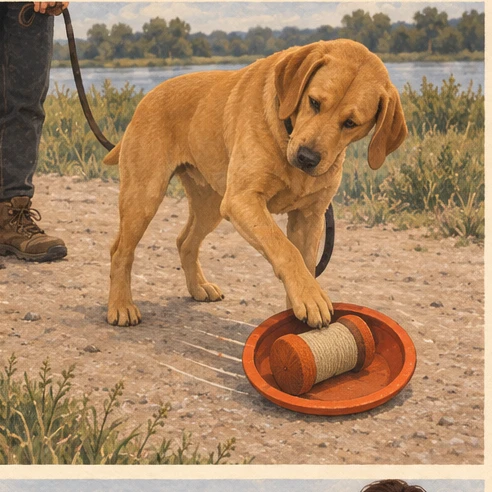
A light paw tap moves the spool—and its frisbee base. Why does this toy come with a tray?
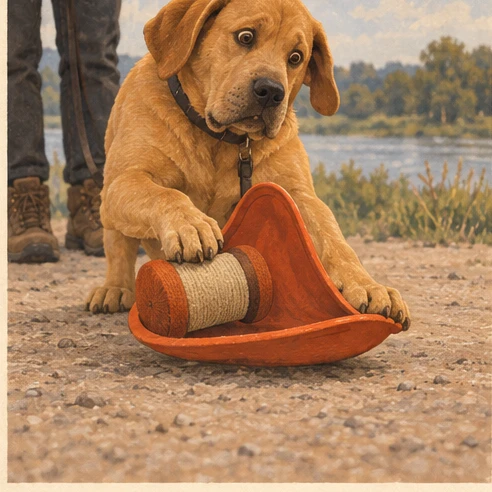
One forepaw holds the rim while the other nudges the spool. The soft edge folds up: a tiny nose-level surprise.
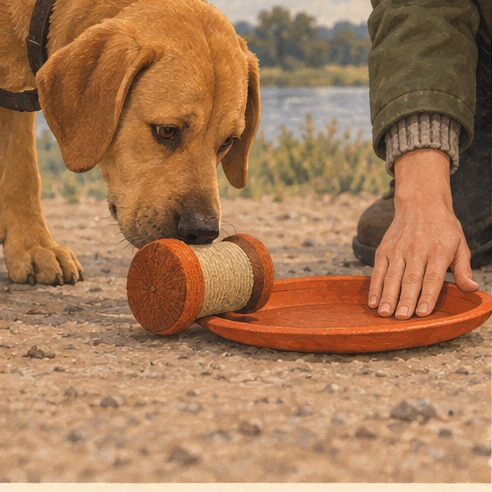
The companion flattens the frisbee and the spool rolls free. One more nose nudge parks it right back inside.
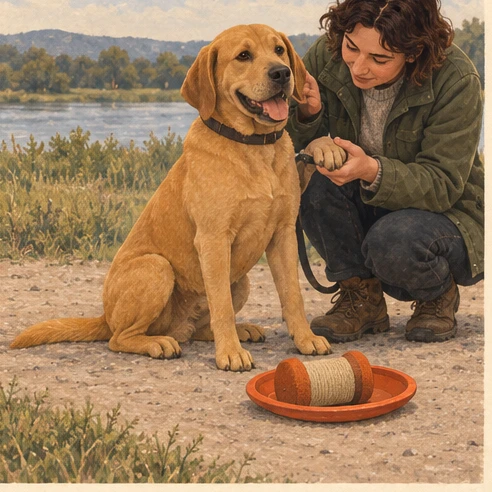
A proud sit declares it perfectly parked. Once toys are packed, the companion checks hanging ears and paws for debris.
Eight transparent PNGs to save individually. Switch captions on or off for your chats.
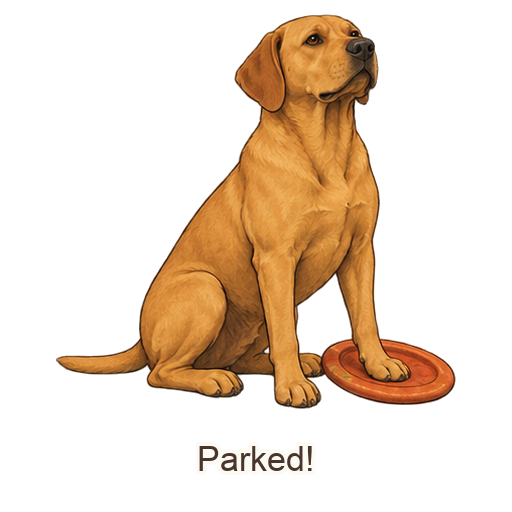 Parked!
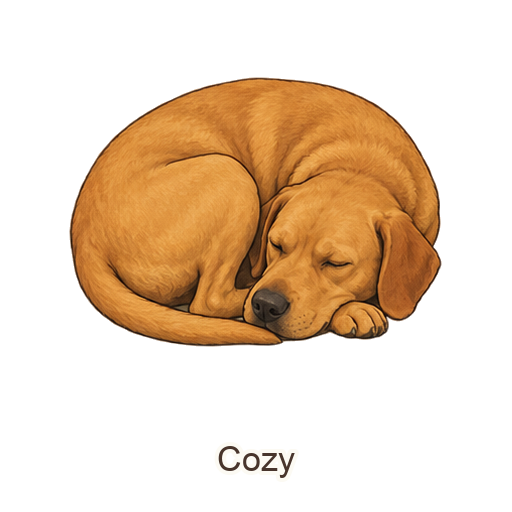 Cozy
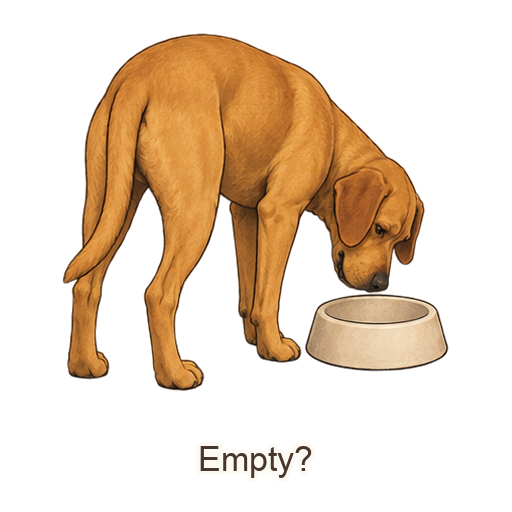 Empty?
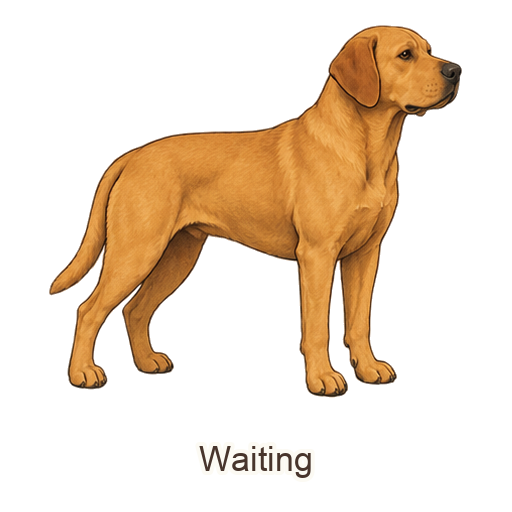 Waiting
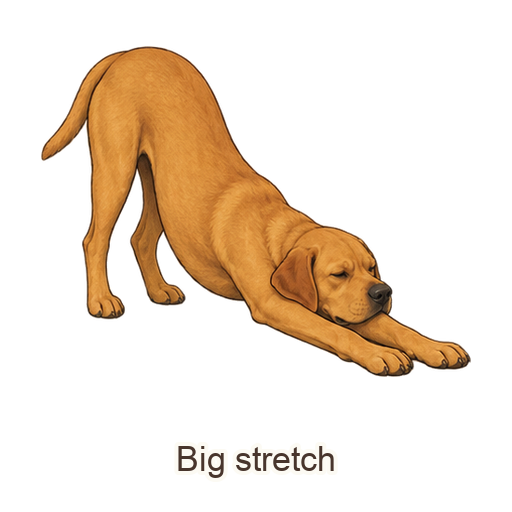 Big stretch
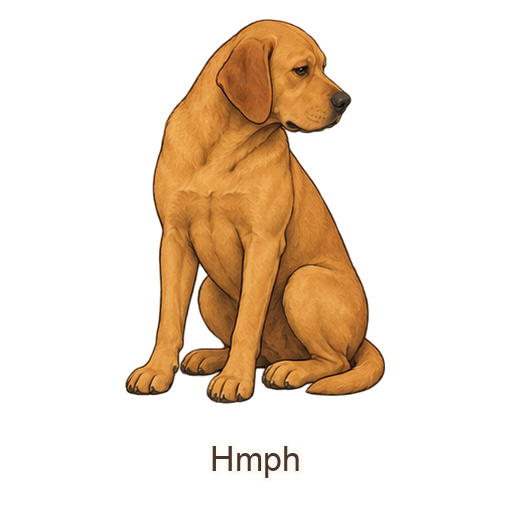 Hmph
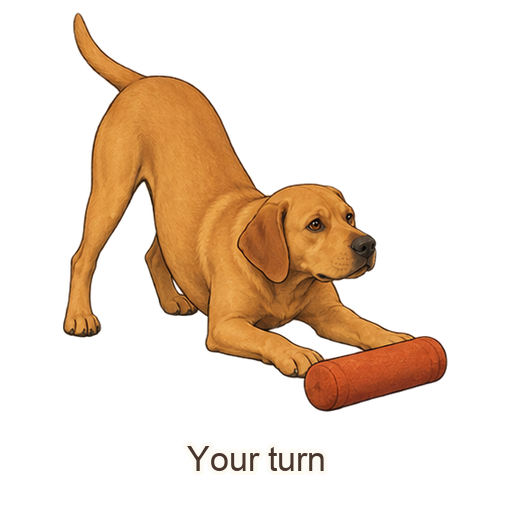 Your turn
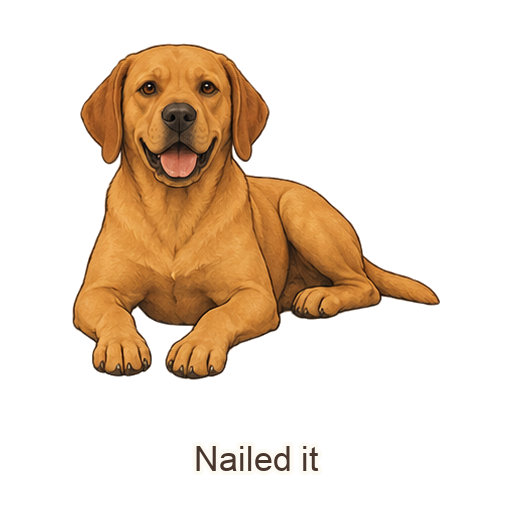 Nailed it
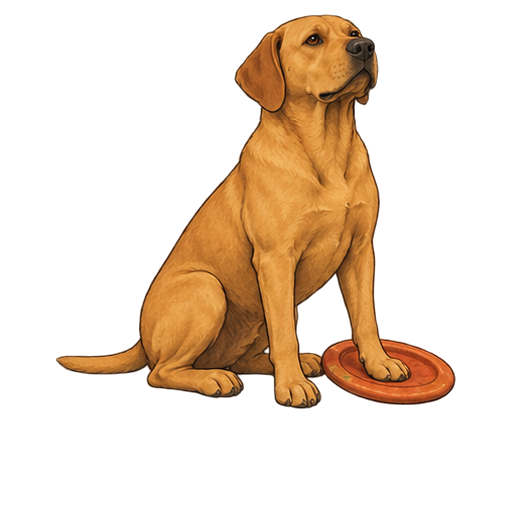 Parked!
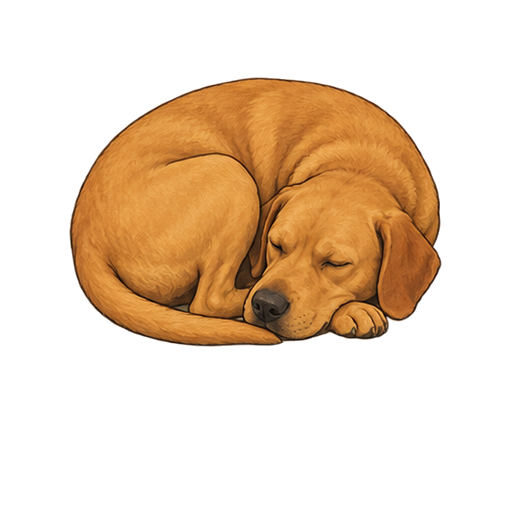 Cozy
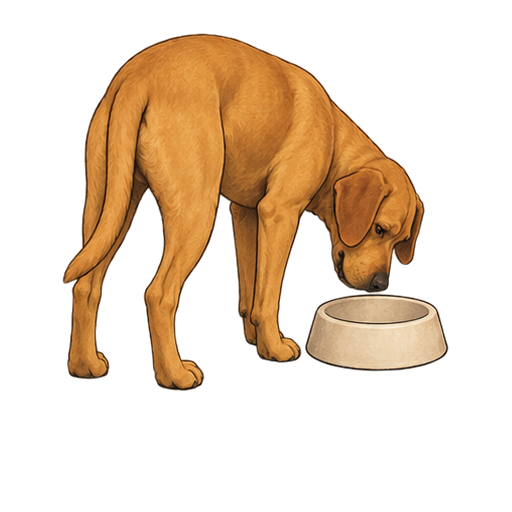 Empty?
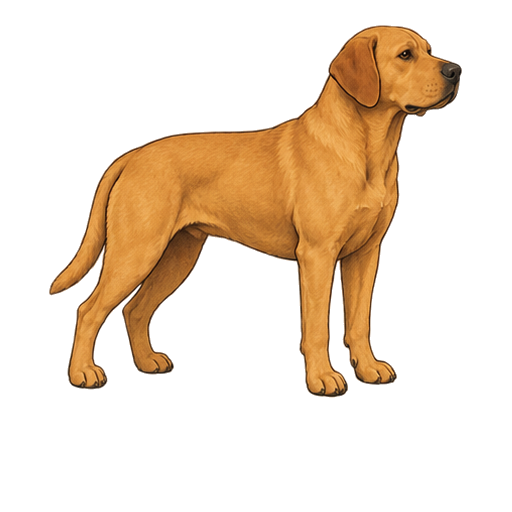 Waiting
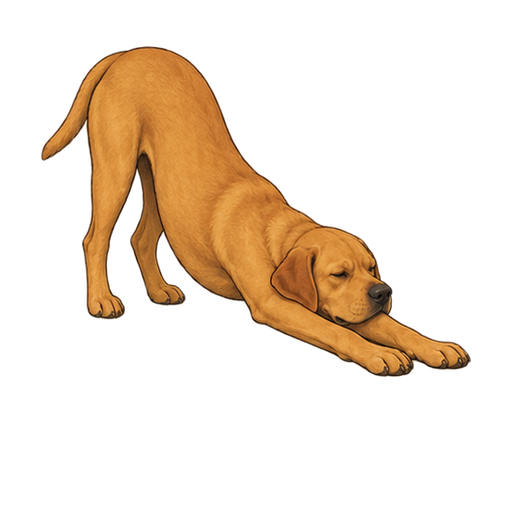 Big stretch
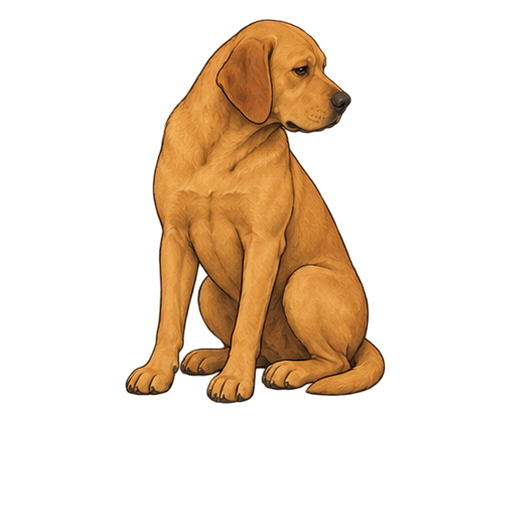 Hmph
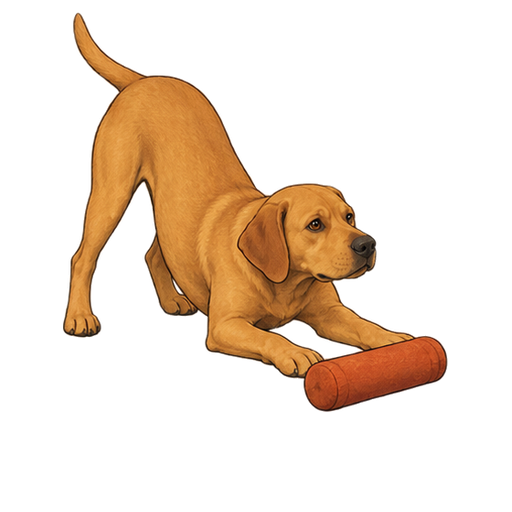 Your turn
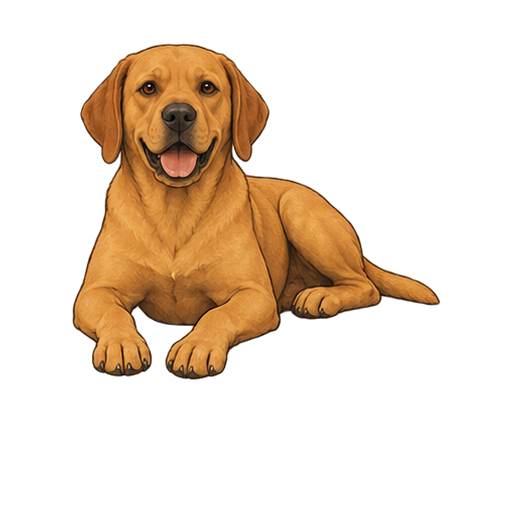 Nailed it
Original woofmap artwork, assisted by GPT Image 2. Free for personal chats and non-commercial sharing with credit to woofmap.com. Fictional moods do not predict every dog’s temperament; see this page’s factual sources.
Combine the available parts, choose a name and take a little joy home.