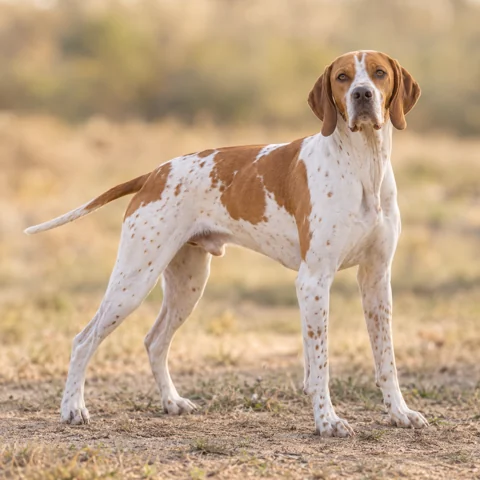
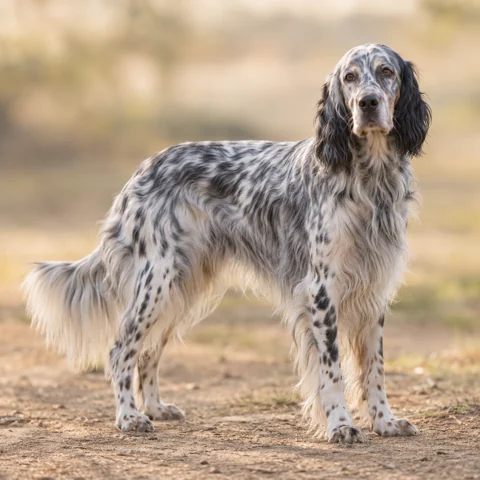
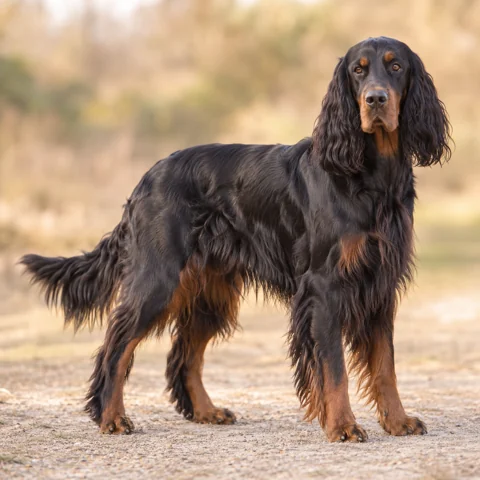
WOOFMAP · CANINE ARCHIVENO. 216
Pointing dogs
Pudelpointer
Pudelpointer
✳ woofmap.comGermany
WOOFMAP · CANINE ARCHIVE · NO. 216
Pudelpointer
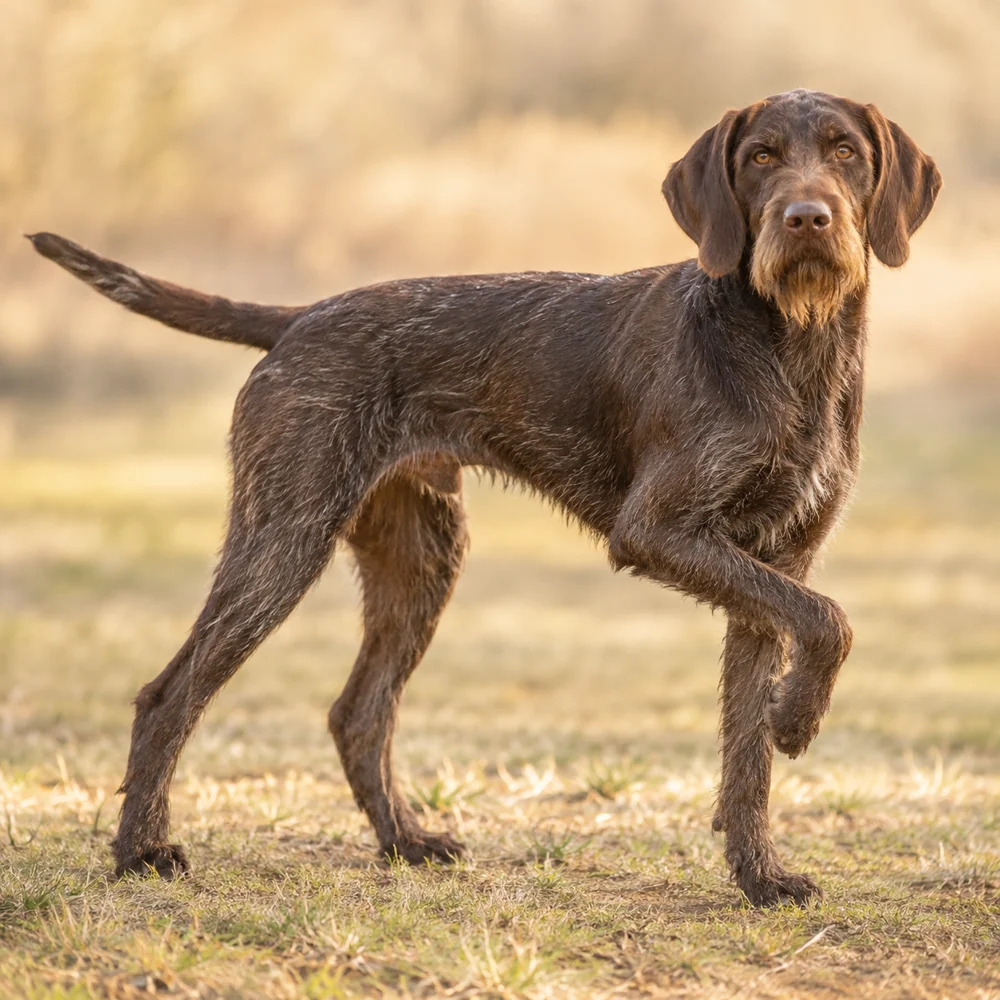
A rough-coated pointing dog built for field, forest and water.
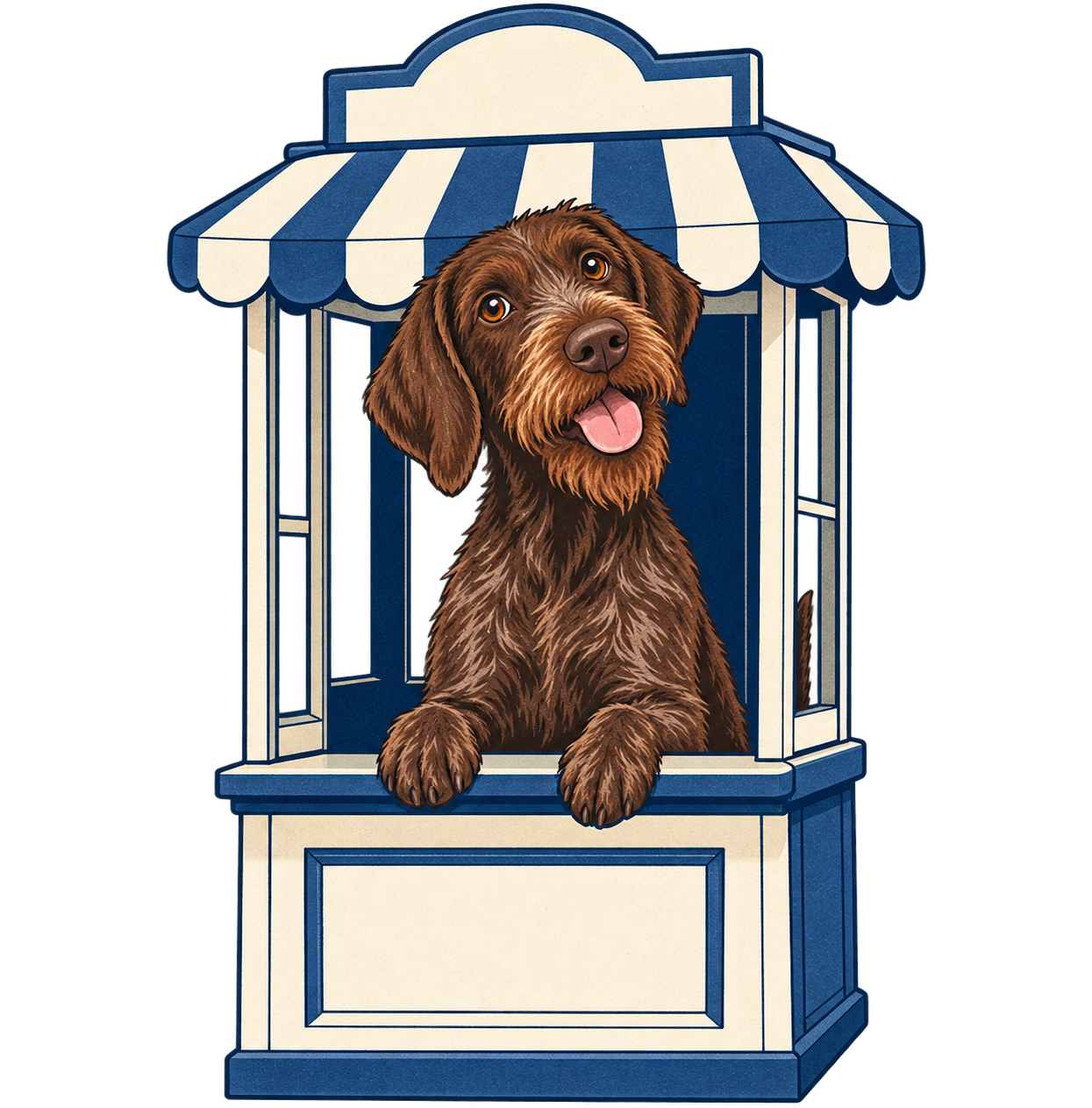
AI-generated realistic breed image, for visual reference.
This Pudelpointer page is still waiting for a voice. Live with a Pudelpointer? Share a natural bark, howl or whine and let others hear a little of your dog’s everyday life.
If we feature your recording, we’ll credit you or your dog using the name you choose.
A 5–15 second phone recording in a quiet setting is perfect. Capture a natural moment without startling or disturbing your dog. Audio or video with sound is welcome.
Share your dog’s voice ↗[email protected]Attach your recording, breed and preferred credit. Please confirm you recorded it and allow woofmap to feature it.
Thank you for helping us build a playful Woof Planet together. Every little woof deserves to be heard.
Pointing dogs
Pudelpointer
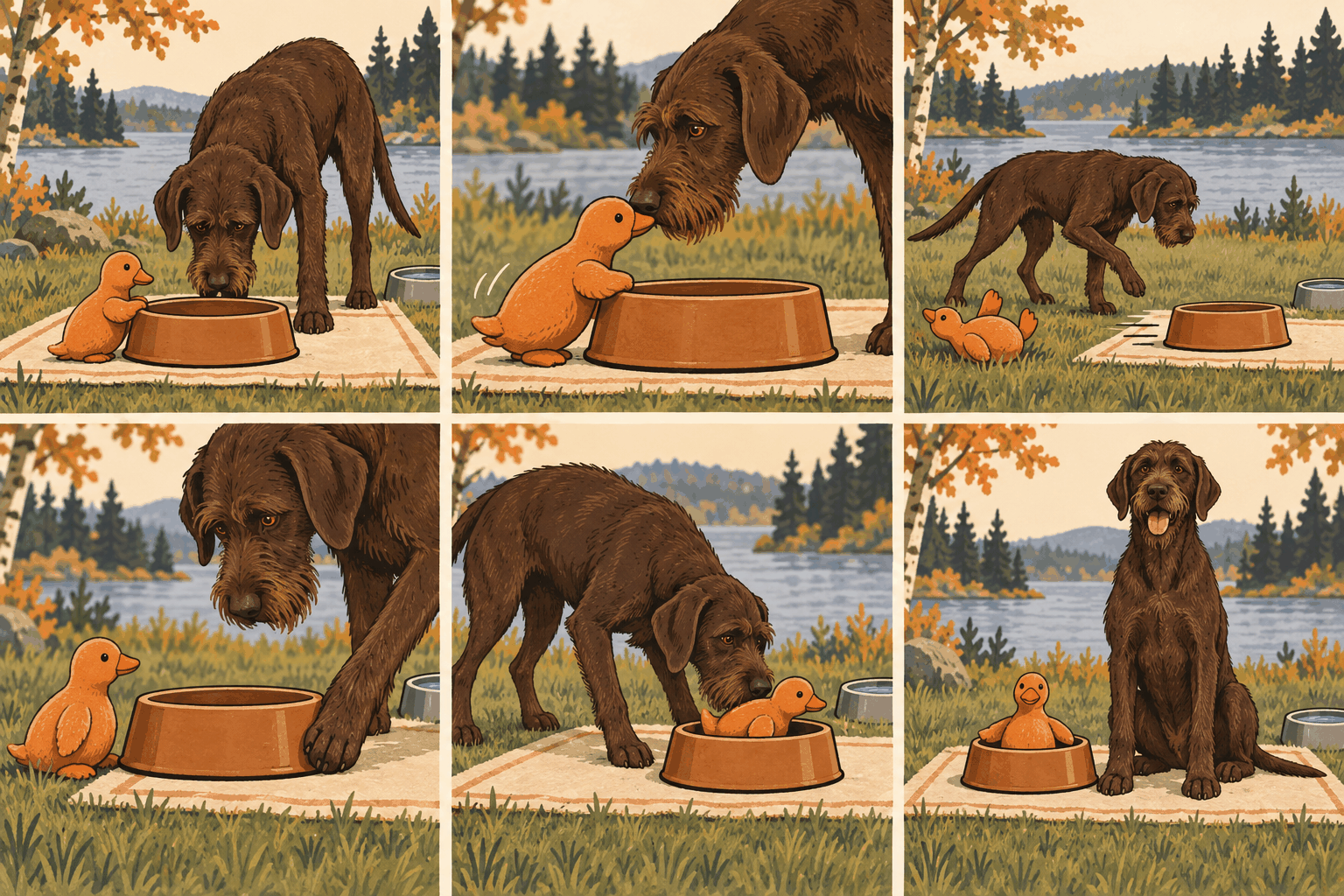
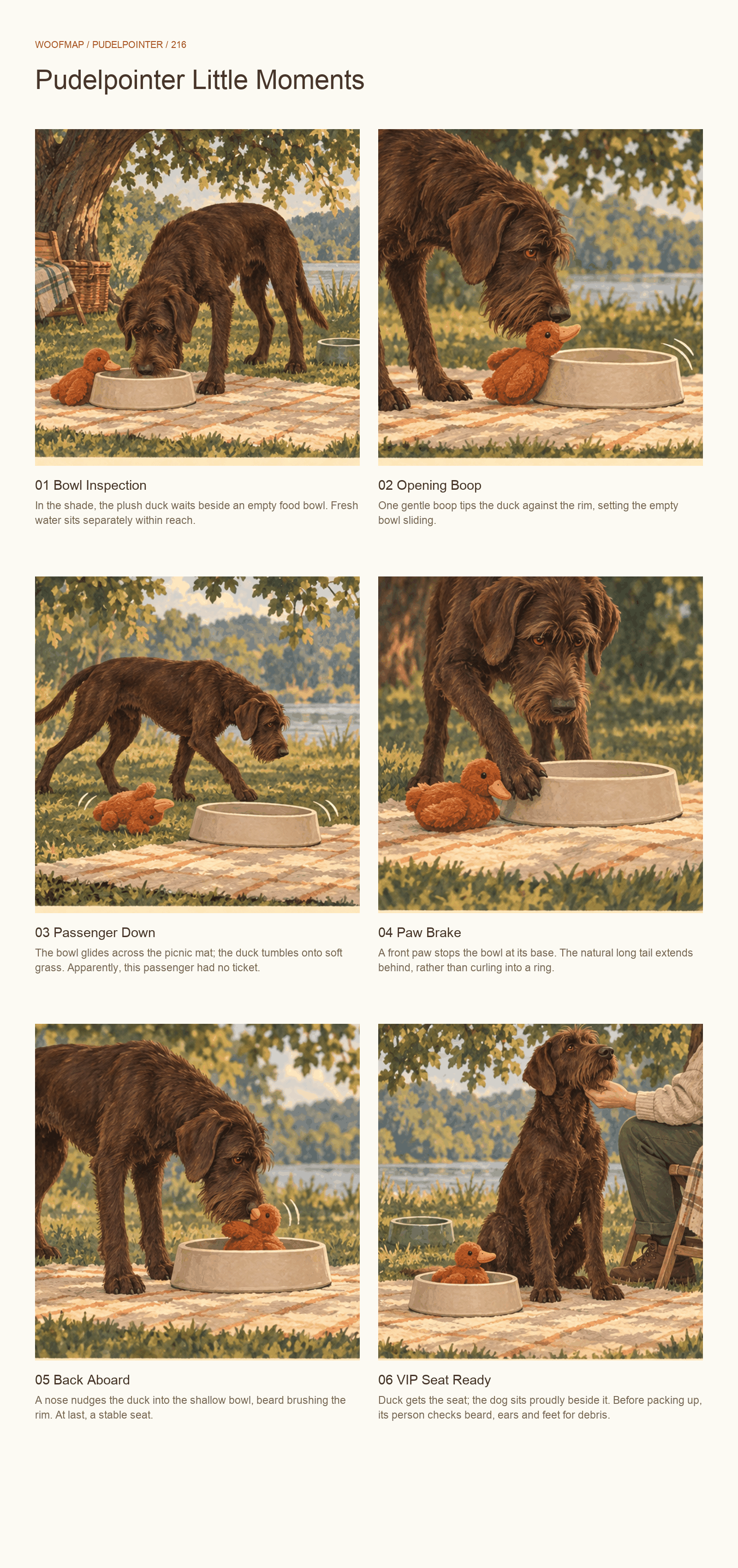
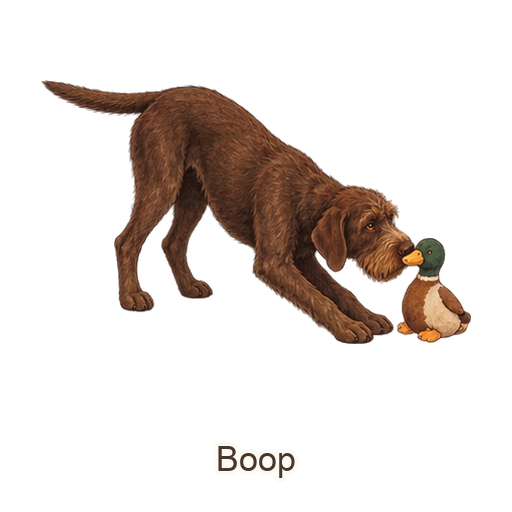
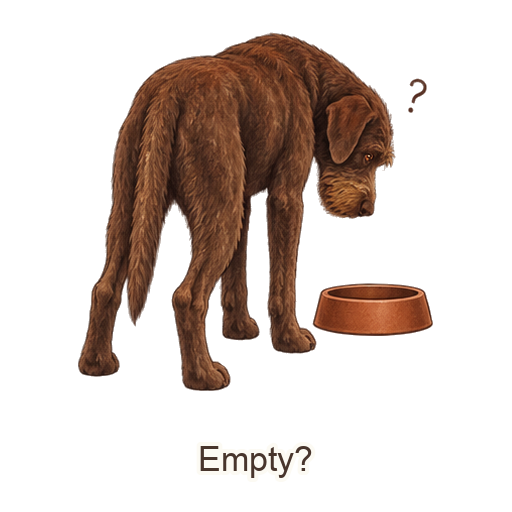
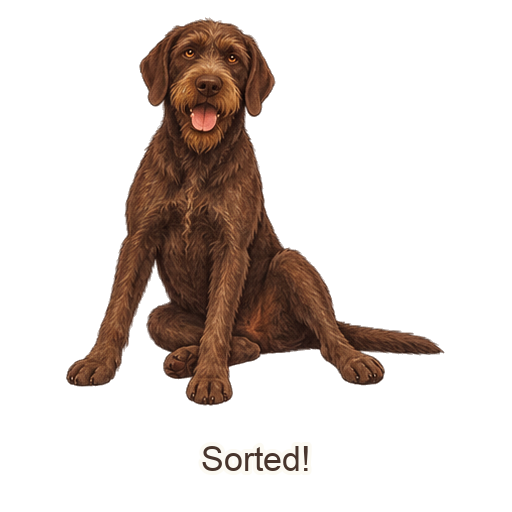
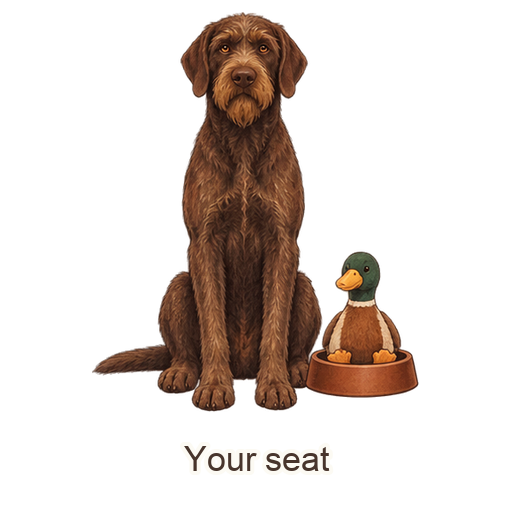
A nose boop sends an empty bowl sliding and a plush duck tumbling. Six wordless beats turn a harmless mishap into a very fancy seat.
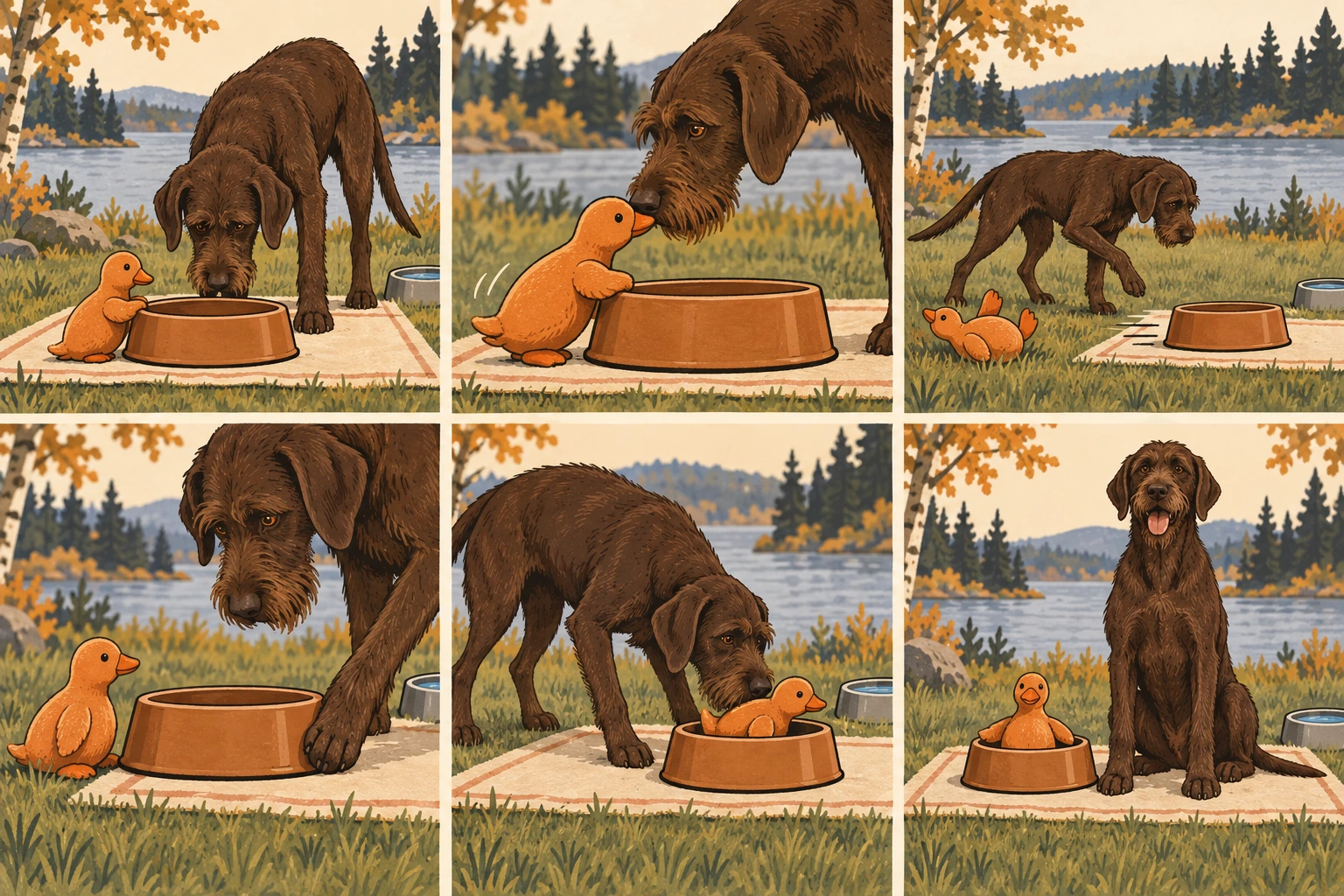
Developed in Germany from Poodle and Pointer ancestry, the breed was established apart from other pointing breeds. The standard says Poodles formed the foundation stock, while Pointer scenting, wide-ranging search and firm pointing helped shape it. The aim was a versatile gundog for field, woodland and water work.
Sturdy and muscular, it is slightly longer than tall; males stand 60–68 cm and females 55–63 cm at the withers. Its medium-sized ears are set high and lie flat; the straight tail, when left natural, reaches the hocks.
Look for a substantial Pointer-like frame, close harsh coat and dense undercoat, plus the beard and forelock. Despite its Poodle ancestry, it is not curly-coated; the three accepted colours do not represent separate size varieties.
The standard describes a calm, self-controlled, even-tempered dog that is neither shy nor aggressive and has a distinct hunting instinct. Clear cues and rewards can channel its searching and pointing into appropriate work; energy and responses still vary by individual.
Brush the harsh coat regularly, and check the beard, ears and feet for debris after outings. Offer scent searches, retrieving and progressive outdoor training, with suitable water work where safe. Use clear, consistent reward-based training, and manage leads and recall around wildlife. A home able to provide ongoing activity and interaction is a better fit than one seeking a low-engagement companion.
It can learn household routines, but its documented hunting instinct needs an outlet. A home unable to offer regular outdoor activity and training is unlikely to be its best match.
Regular brushing removes loose hair and material picked up outdoors. Check the dense undercoat, beard and toes as well, adjusting grooming to the individual coat.
Scent-finding games, retrieving and structured outdoor practice reflect its field, woodland and water-working role. Around wildlife scent, use a lead where needed while building a dependable recall.
SOURCE NOTES
Breed traits follow the cited official standards; everyday care advice is our editorial interpretation of coat, build and working purpose.
Coat and size varieties can share a standard. The number is an archive reference, not a rarity score. An independent educational atlas, not a registry publication. Temperament varies; consult a veterinarian about health concerns.
WOOFMAP / PUDELPOINTER / LITTLE MOMENTS
Illustrated in solid brown with a natural long tail, close harsh coat, beard, shaggy forelock and flat-hanging ears. This shady picnic comedy belongs to one fictional dog.
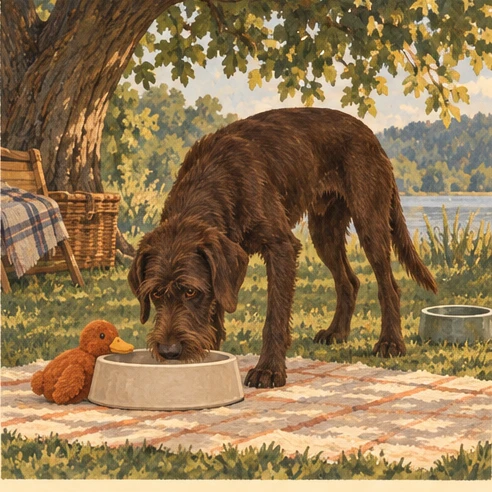
In the shade, the plush duck waits beside an empty food bowl. Fresh water sits separately within reach.
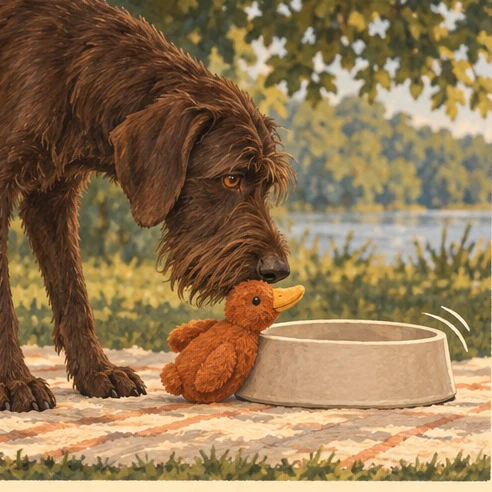
One gentle boop tips the duck against the rim, setting the empty bowl sliding.
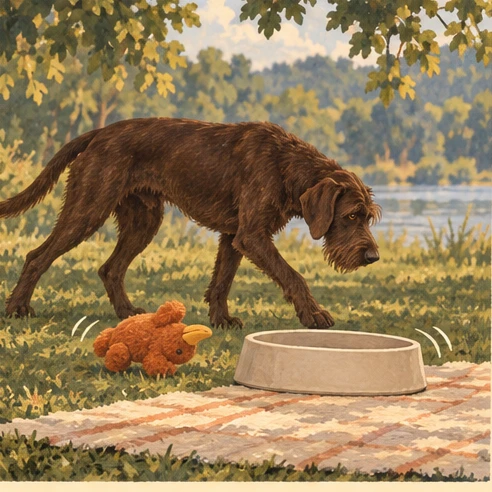
The bowl glides across the picnic mat; the duck tumbles onto soft grass. Apparently, this passenger had no ticket.
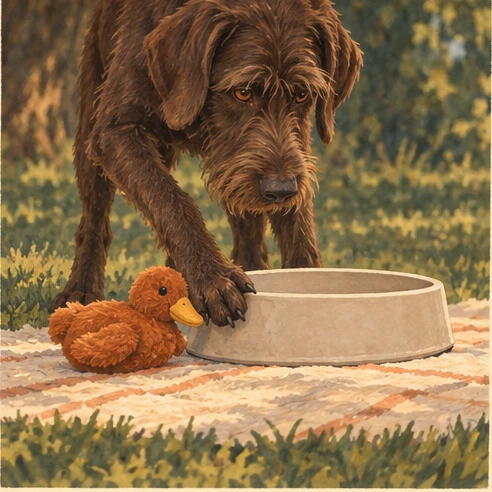
A front paw stops the bowl at its base. The natural long tail extends behind, rather than curling into a ring.
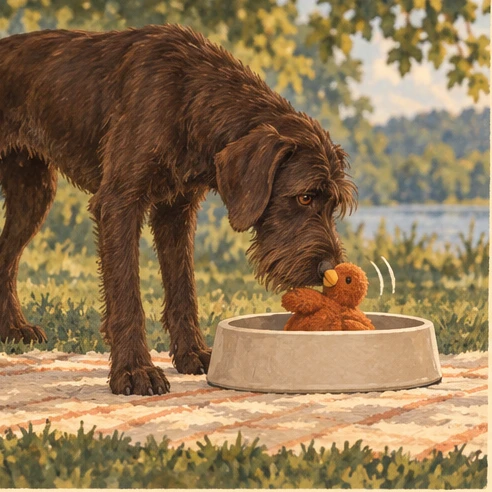
A nose nudges the duck into the shallow bowl, beard brushing the rim. At last, a stable seat.
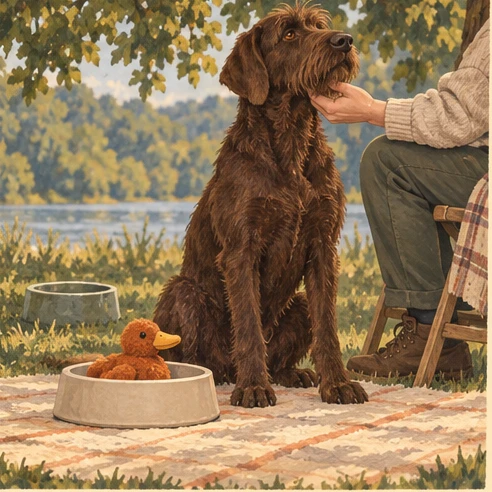
Duck gets the seat; the dog sits proudly beside it. Before packing up, its person checks beard, ears and feet for debris.
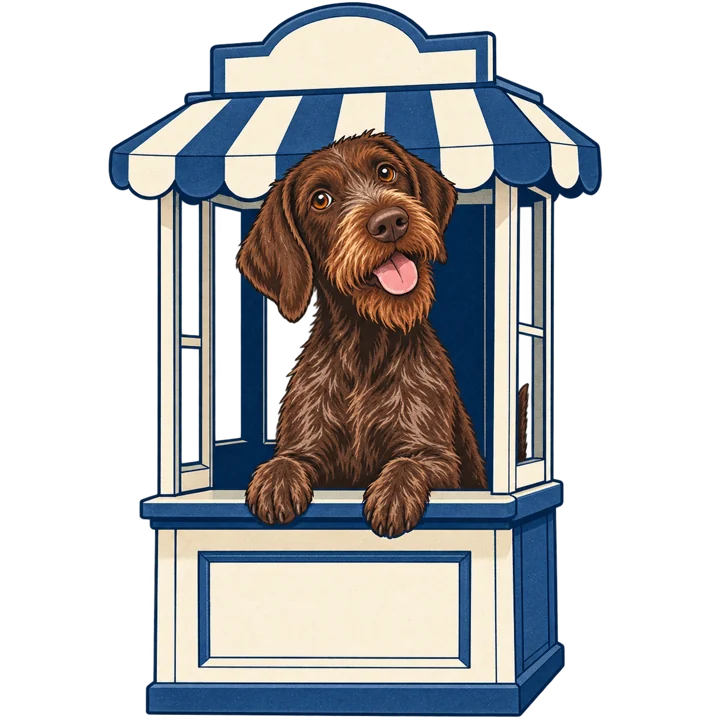
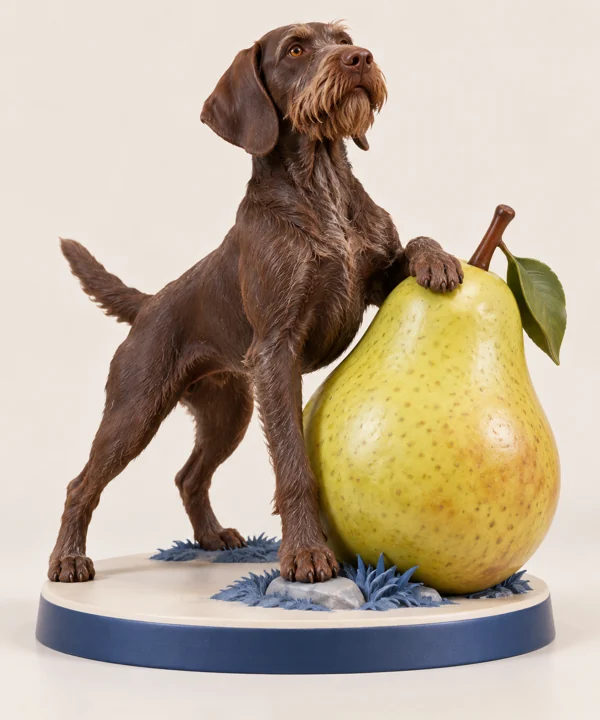
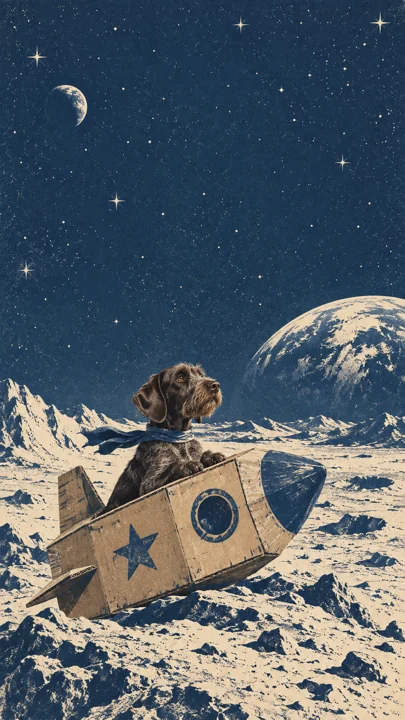
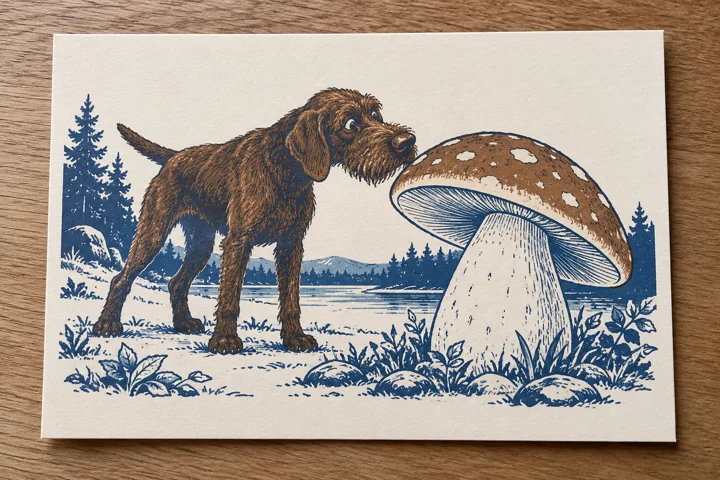
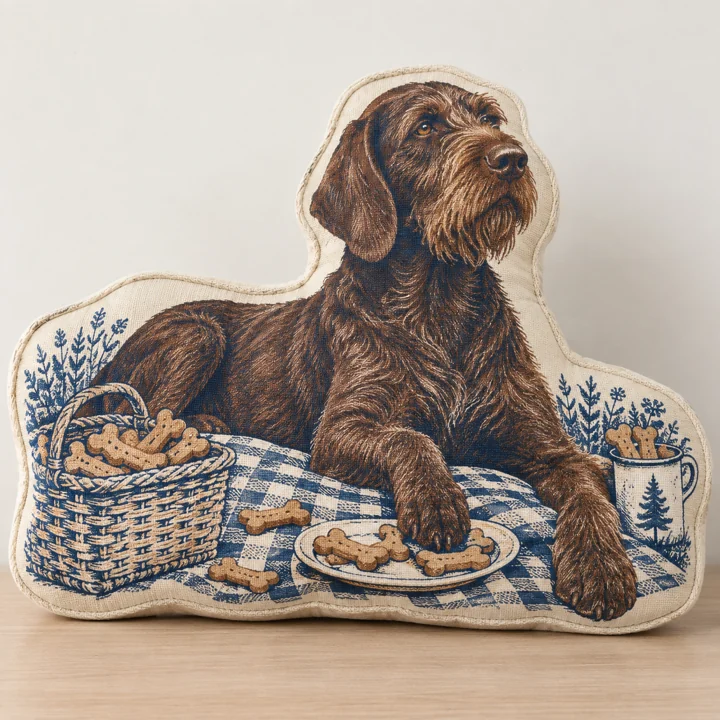
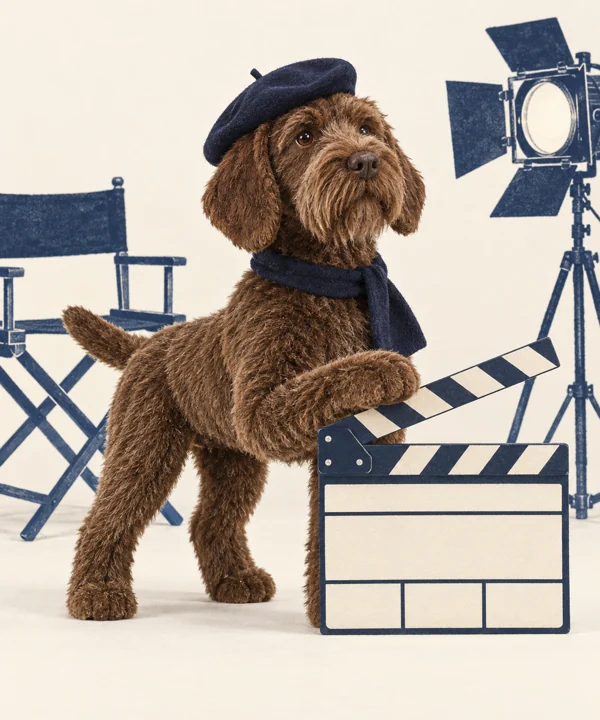
Eight transparent PNGs to save individually. Switch captions on or off for your chats.
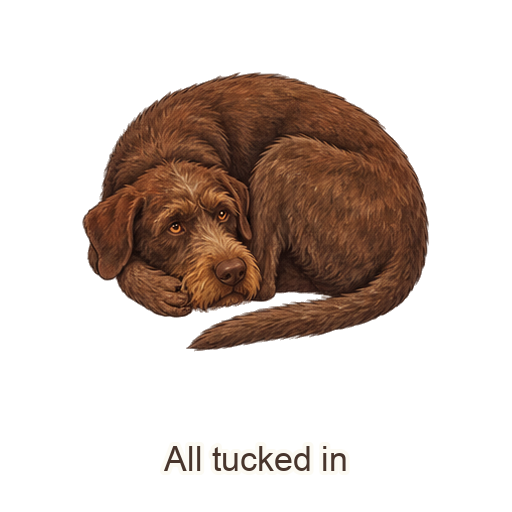 All tucked in
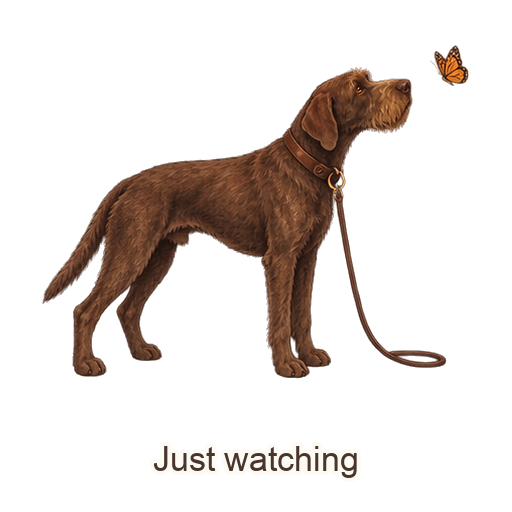 Just watching
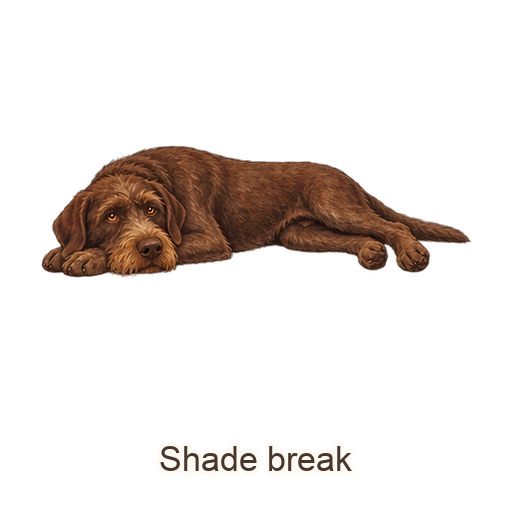 Shade break
 Boop
 Empty?
 Sorted!
 Your seat
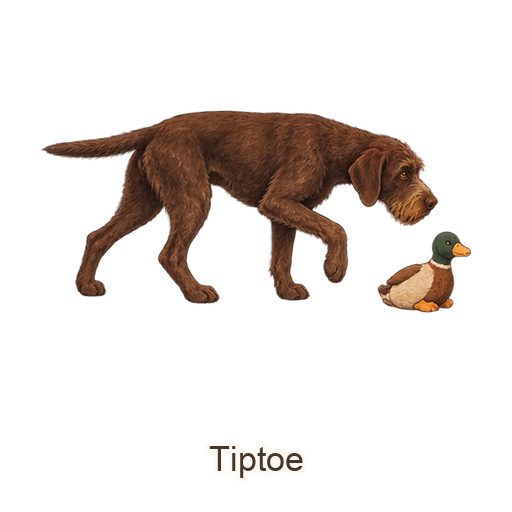 Tiptoe
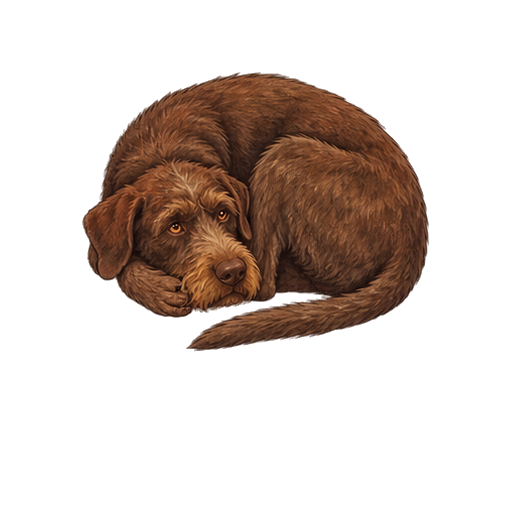 All tucked in
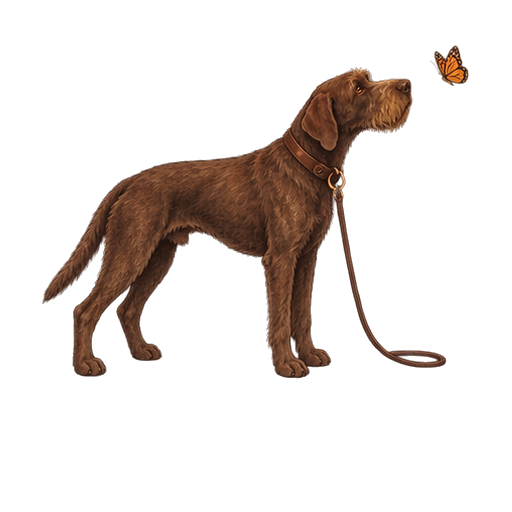 Just watching
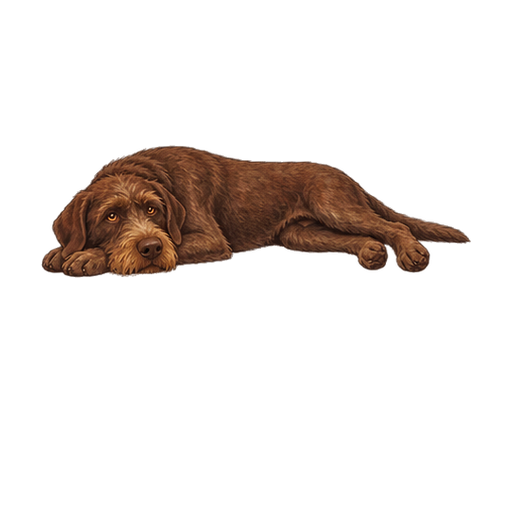 Shade break
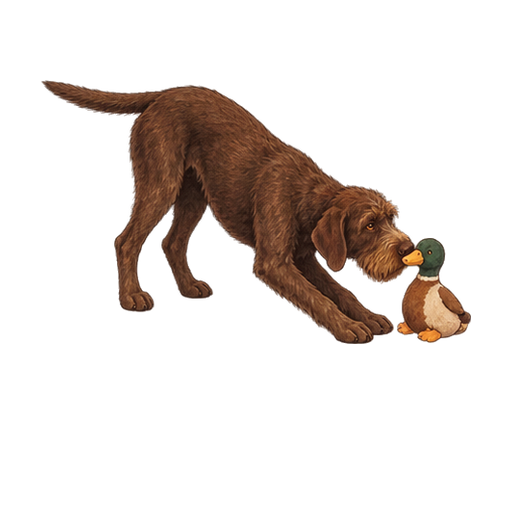 Boop
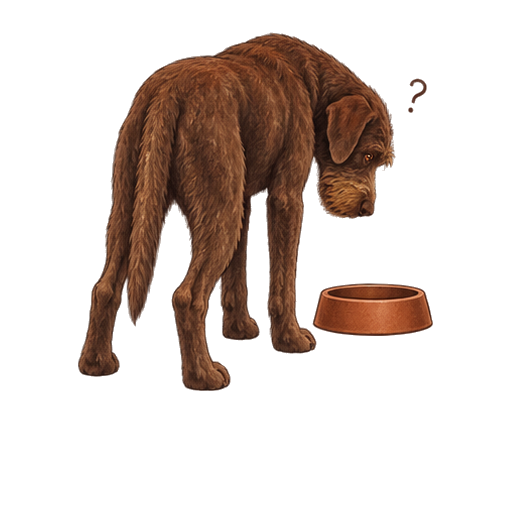 Empty?
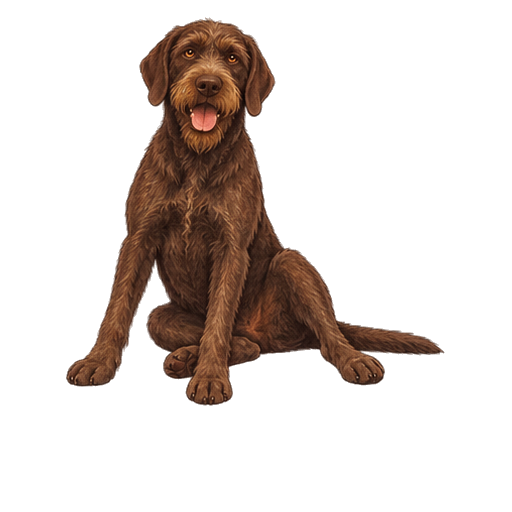 Sorted!
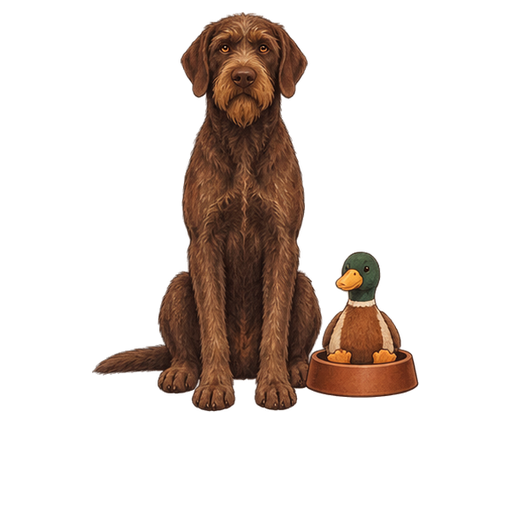 Your seat
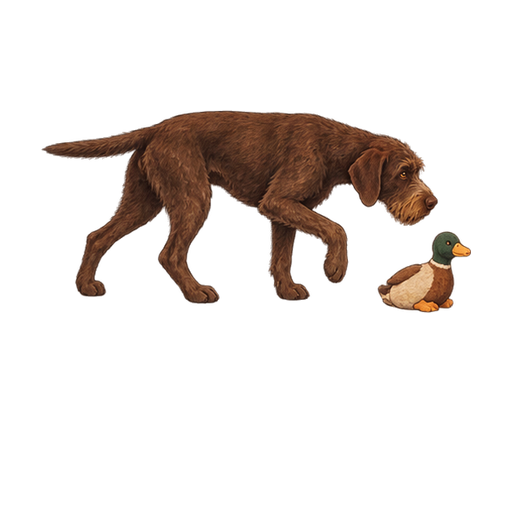 Tiptoe
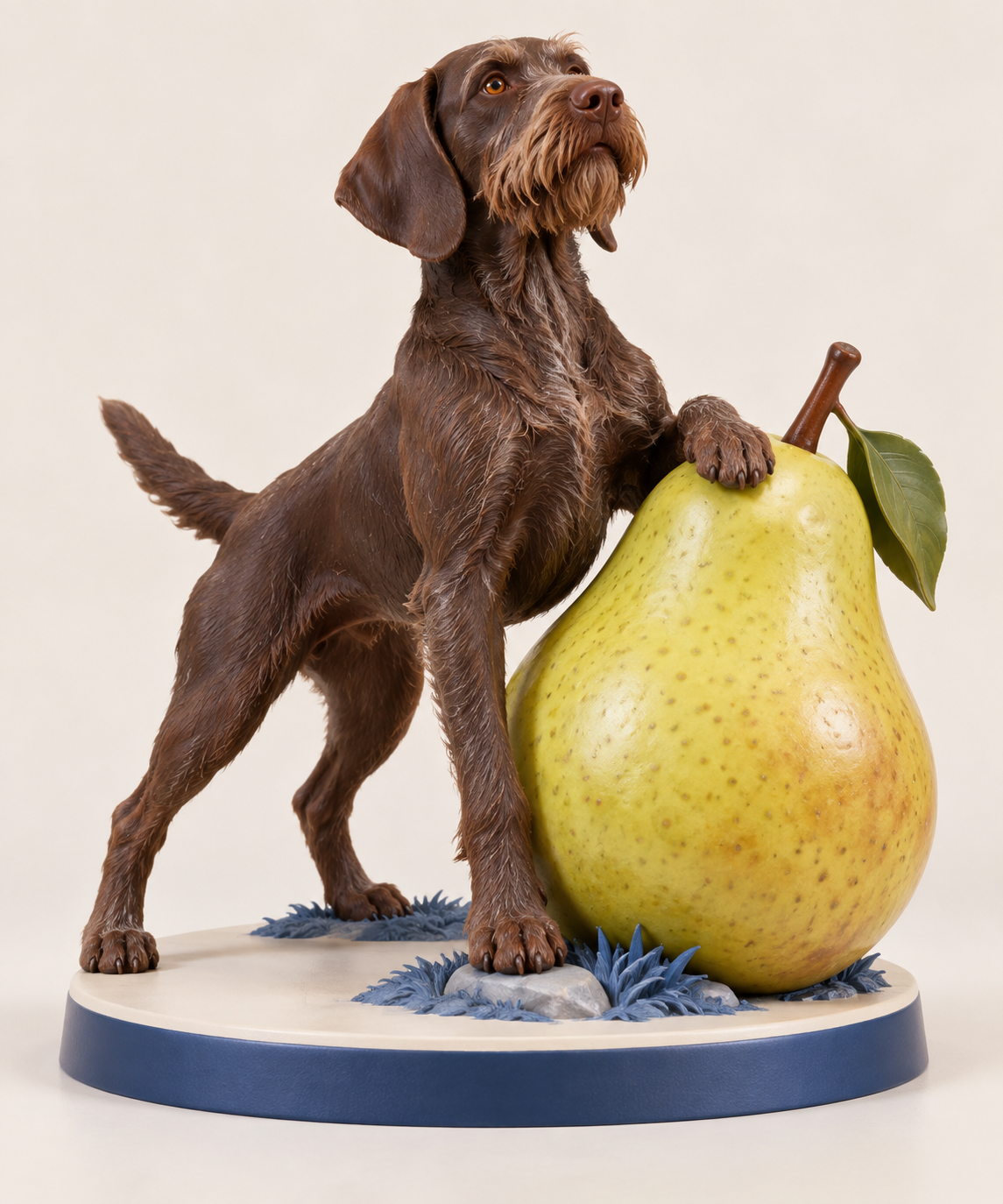
Original woofmap artwork, assisted by GPT Image 2. Free for personal chats and non-commercial sharing with credit to woofmap.com. Fictional moods do not predict every dog’s temperament; see this page’s factual sources.
Combine the available parts, choose a name and take a little joy home.