WOOFMAP · CANINE ARCHIVENO. 350
Sheepdogs and cattle dogs
Romanian Carpathian Shepherd Dog
Romanian Carpathian Shepherd Dog
✳ woofmap.comRomania
WOOFMAP · CANINE ARCHIVE · NO. 350
Romanian Carpathian Shepherd Dog
A calm, courageous flock guardian from the Carpathians.
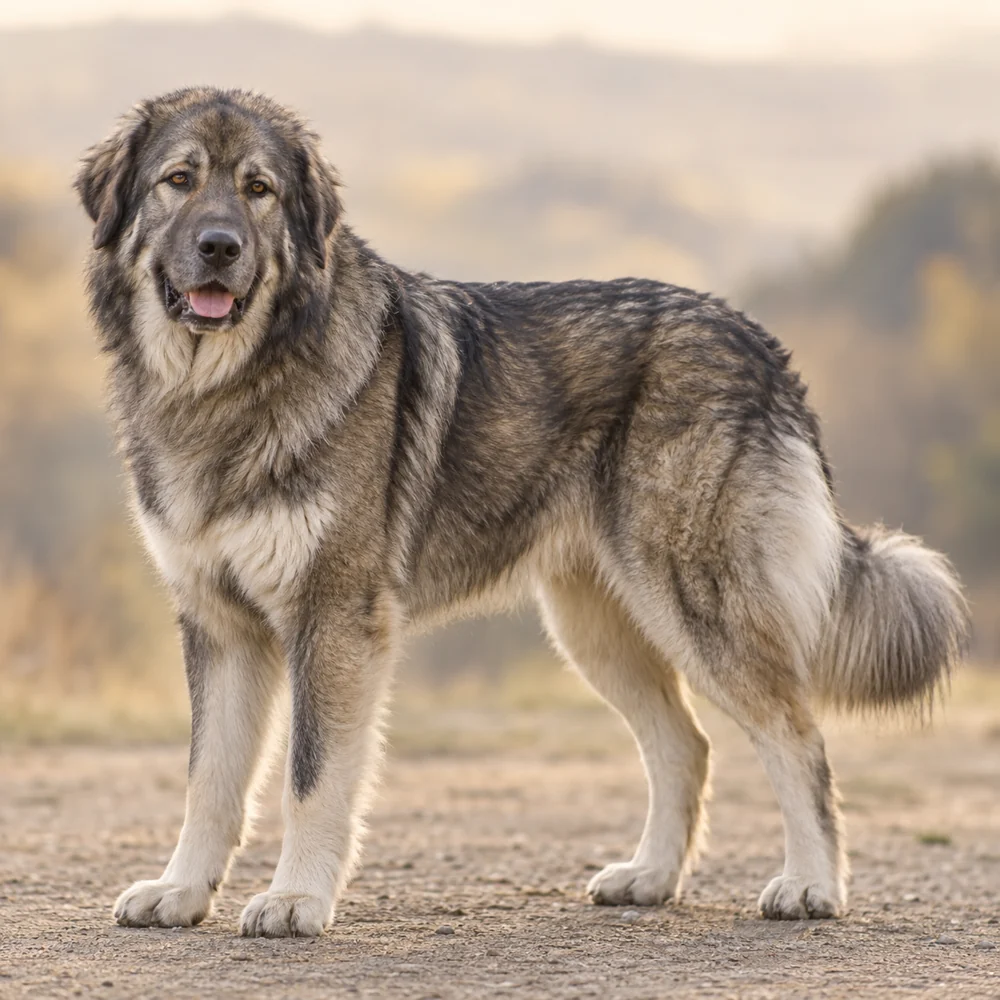
AI-generated realistic breed image, for visual reference.
This Romanian Carpathian Shepherd Dog page is still waiting for a voice. Live with a Romanian Carpathian Shepherd Dog? Share a natural bark, howl or whine and let others hear a little of your dog’s everyday life.
If we feature your recording, we’ll credit you or your dog using the name you choose.
A 5–15 second phone recording in a quiet setting is perfect. Capture a natural moment without startling or disturbing your dog. Audio or video with sound is welcome.
Share your dog’s voice ↗[email protected]Attach your recording, breed and preferred credit. Please confirm you recorded it and allow woofmap to feature it.
Thank you for helping us build a playful Woof Planet together. Every little woof deserves to be heard.
Sheepdogs and cattle dogs
Romanian Carpathian Shepherd Dog
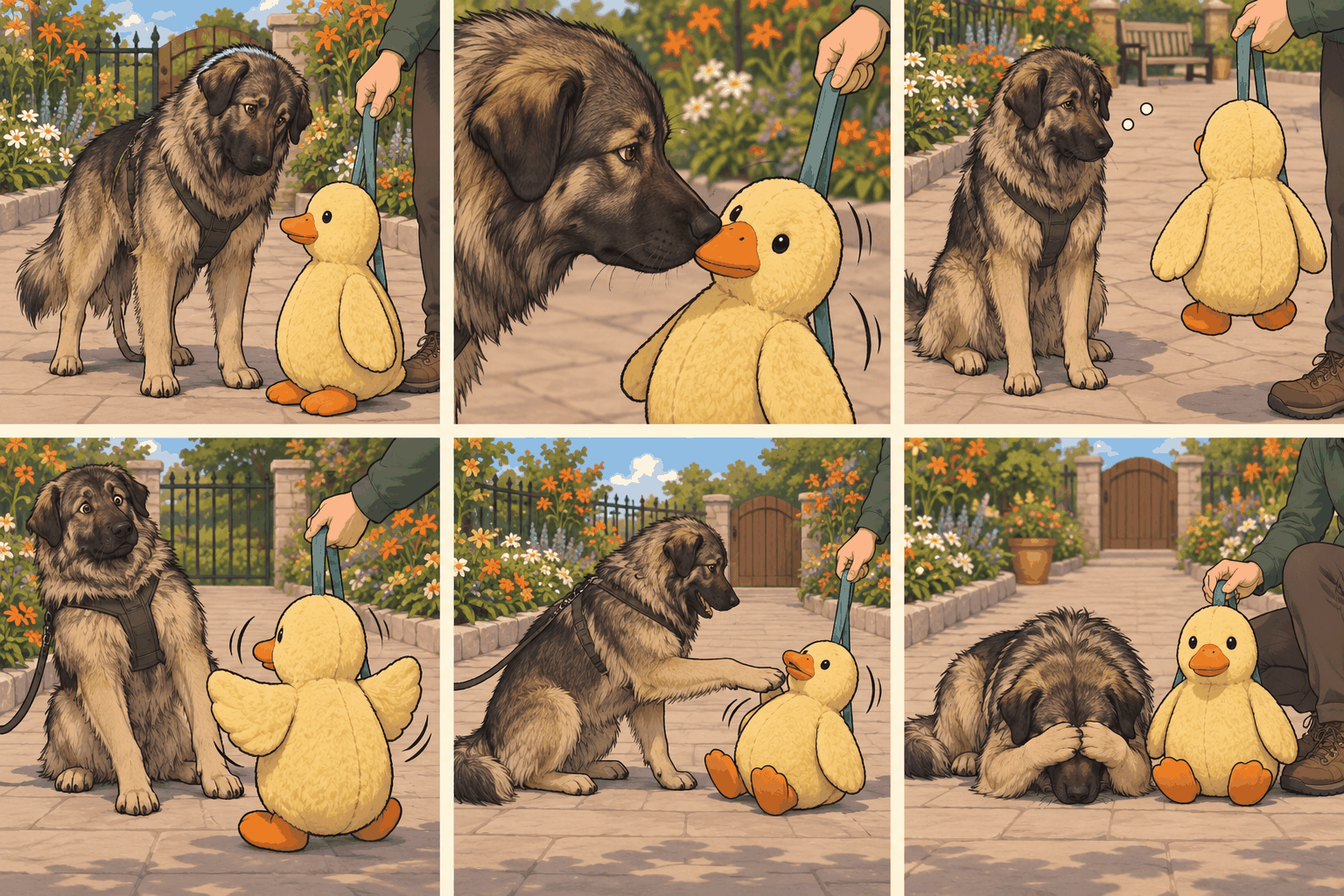
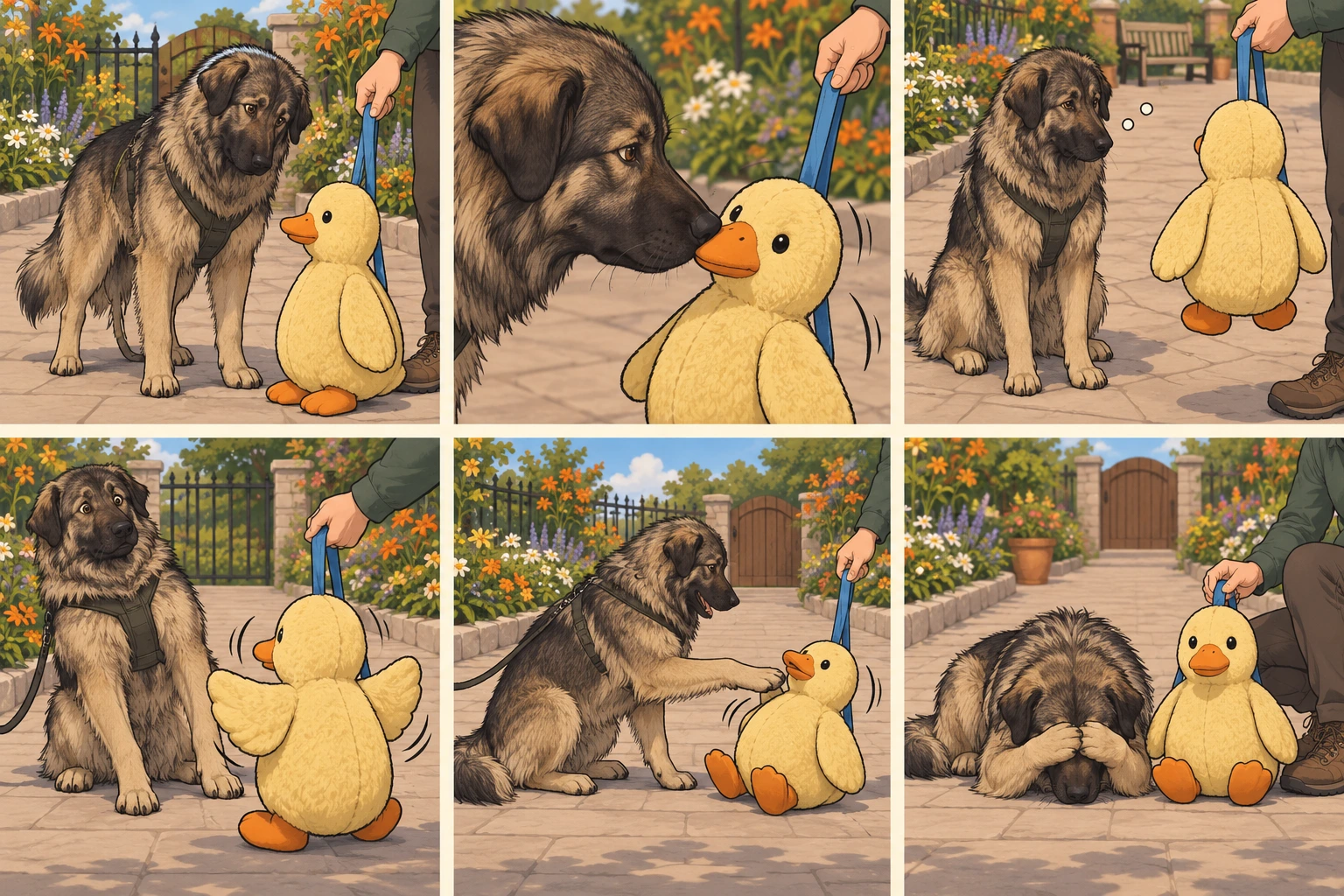
One gentle nose boop starts a chain of duck-shaped wobbles. The leash stays slack, and the handler keeps hold of the ribbon.
Romanian shepherds have used this dog for centuries to defend flocks in the Carpathian mountains and to stand guard. It was selected from dogs native to the Carpathian–Danubian area, with working use the principal selection criterion. Its first standard was written in 1934 and later revised.
Large, strong and agile rather than heavy, it has a slightly rectangular body. Ideal height is 65–73 cm for males and 59–67 cm for females, with a 2 cm tolerance either way; triangular ears lie close to the cheeks, and the bushy tail hangs low at rest.
Look for a body longer than its height, a wolf-like head, cheek-hugging triangular ears and a bushy tail that may rise when alert but does not curl over the back. The pale-fawn coat has a black overlay creating wolf-grey tones, plus a dense undercoat. This standard does not define separate size or coat varieties.
The standard describes a courageous, dignified, calm and stable dog with strong attachment to its flock and owner and a natural guarding instinct. Clear, consistent reward-based training helps channel those traits; manage encounters with strangers rather than assuming every individual will welcome them.
Brush the dense double coat regularly, paying particular attention to the neck, backs of the legs and tail; adjust the frequency to shedding. Offer walks, exploration and engaging tasks suited to a former flock guardian. Its size and guarding instinct call for secure boundaries and thoughtful visitor management. Start reward-based work on recall, leash manners and calmly observing unfamiliar people, allowing for individual differences.
This large, naturally protective dog needs a household ready to train consistently and manage space and visitors. A first-time owner should seek suitable guidance and use clear, humane boundaries.
Its harsh outer coat hides a dense undercoat, so brush through to the base to find loose hair or tangles. The fuller neck, leg furnishings and tail deserve extra attention, especially when shedding increases.
Alongside room to move, provide walks, scent-led exploration and short training tasks that give it a purpose. Use secure fencing or a leash outdoors rather than leaving guarding decisions entirely to the dog.
SOURCE NOTES
Breed traits follow the cited official standards; everyday care advice is our editorial interpretation of coat, build and working purpose.
Coat and size varieties can share a standard. The number is an archive reference, not a rarity score. An independent educational atlas, not a registry publication. Temperament varies; consult a veterinarian about health concerns.
WOOFMAP / ROMANIAN-CARPATHIAN-SHEPHERD-DOG / LITTLE MOMENTS
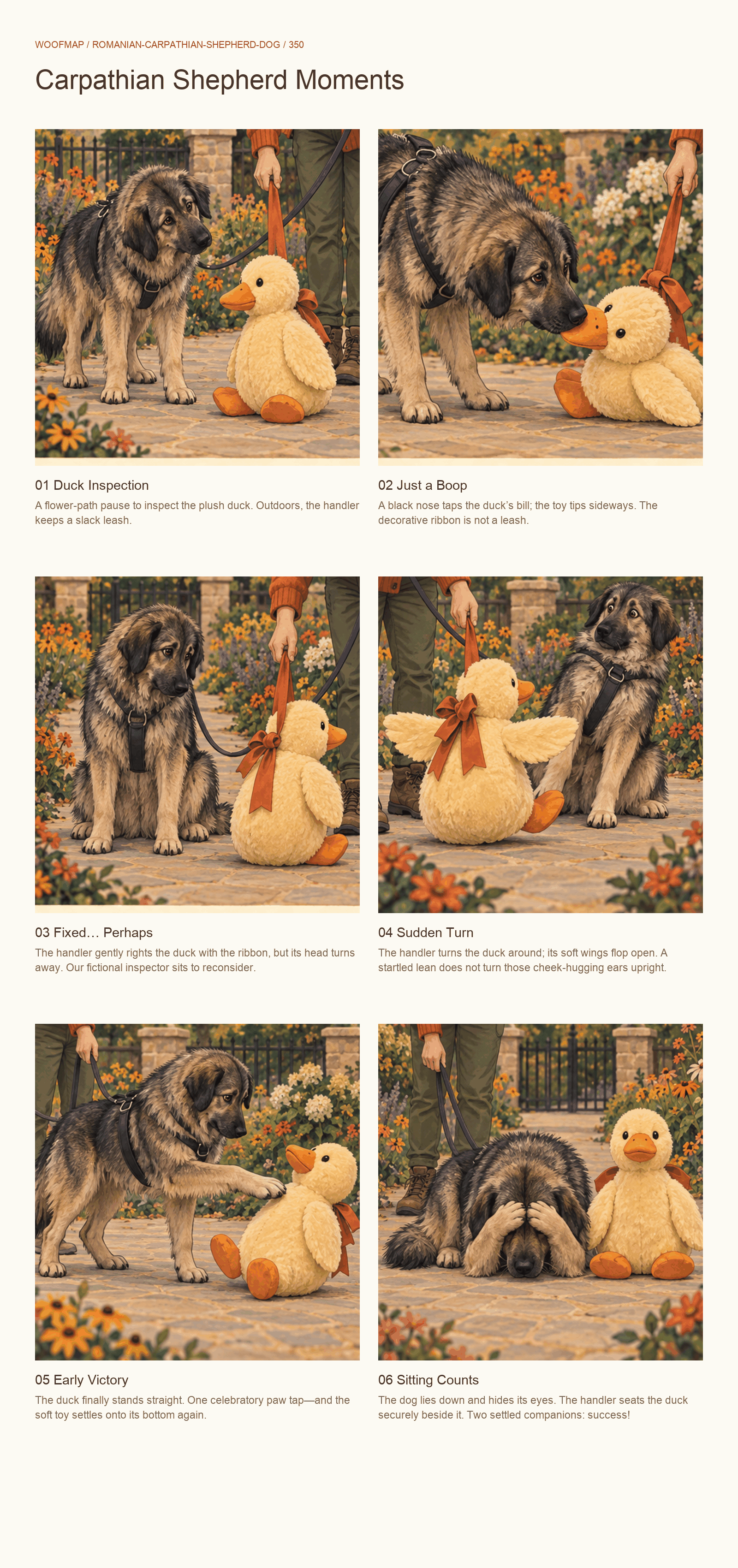
Illustrated in wolf-grey: pale fawn with a black overlay and no white markings, cheek-hugging triangular ears and a bushy, low-resting tail. This flower-path comedy is fictional, not a temperament claim.
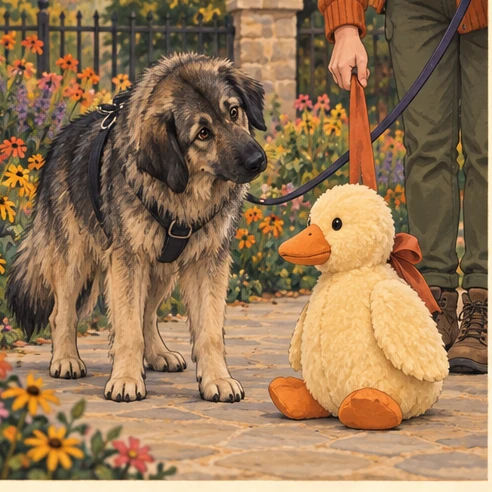
A flower-path pause to inspect the plush duck. Outdoors, the handler keeps a slack leash.
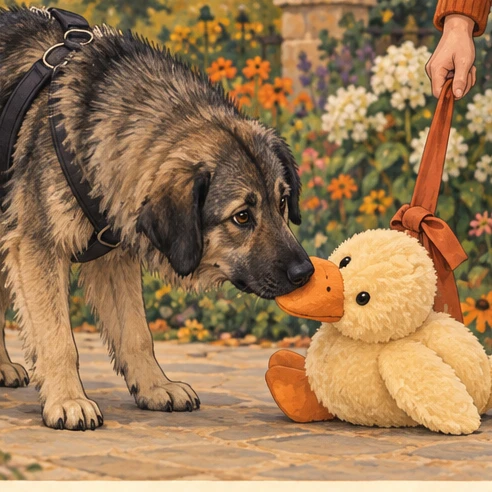
A black nose taps the duck’s bill; the toy tips sideways. The decorative ribbon is not a leash.
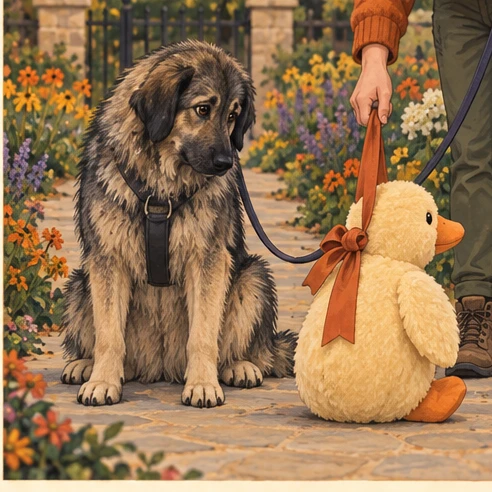
The handler gently rights the duck with the ribbon, but its head turns away. Our fictional inspector sits to reconsider.
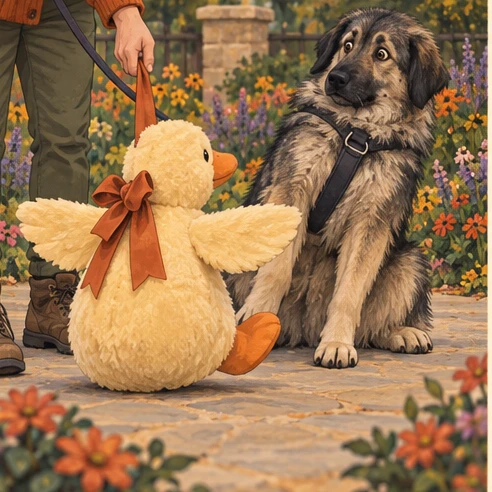
The handler turns the duck around; its soft wings flop open. A startled lean does not turn those cheek-hugging ears upright.
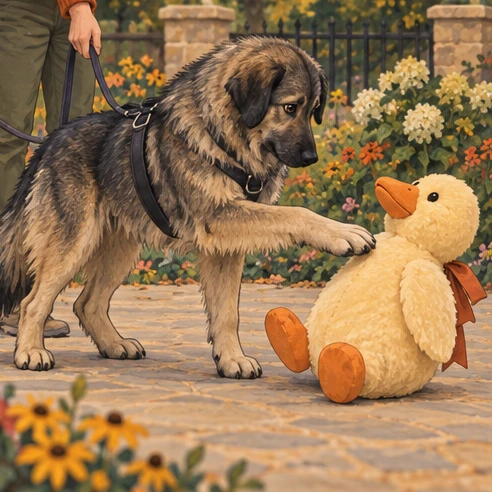
The duck finally stands straight. One celebratory paw tap—and the soft toy settles onto its bottom again.
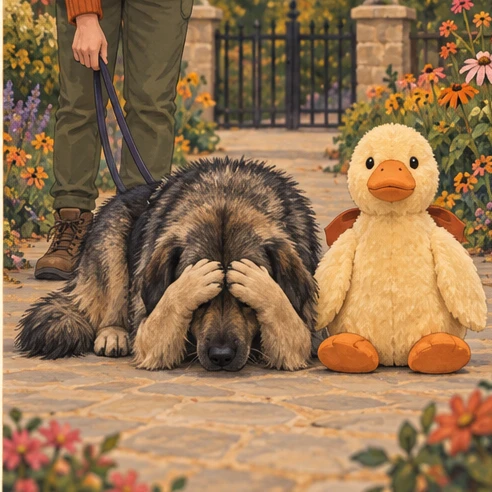
The dog lies down and hides its eyes. The handler seats the duck securely beside it. Two settled companions: success!
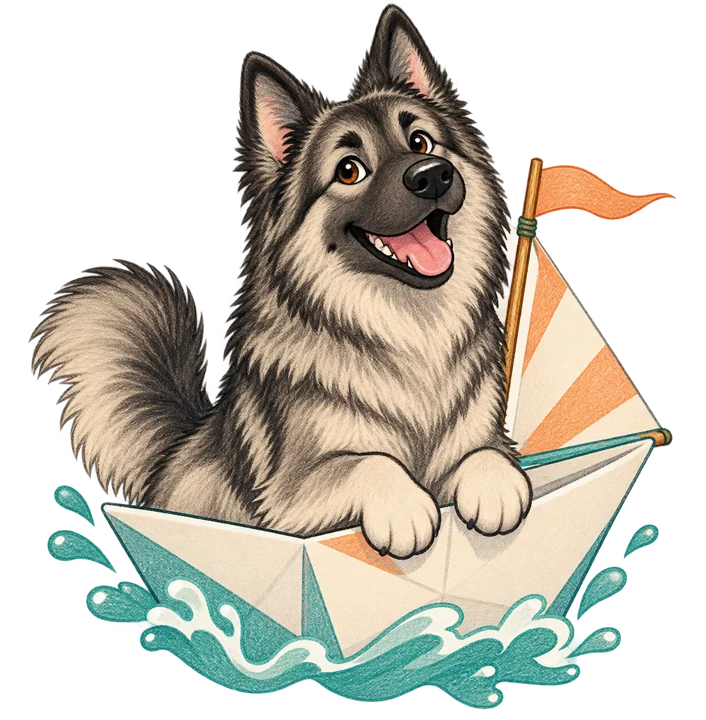
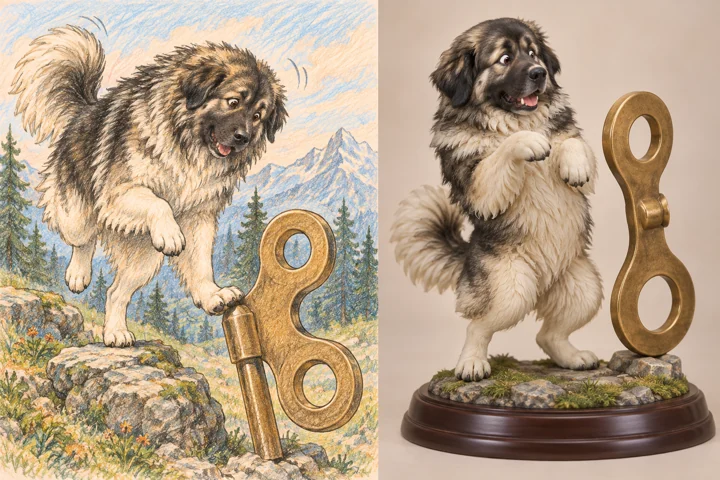
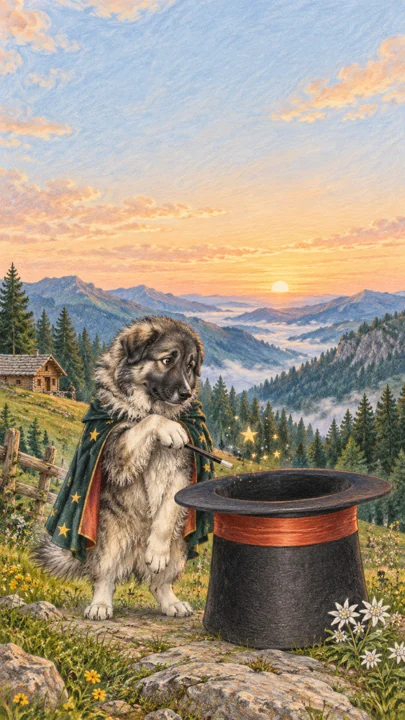
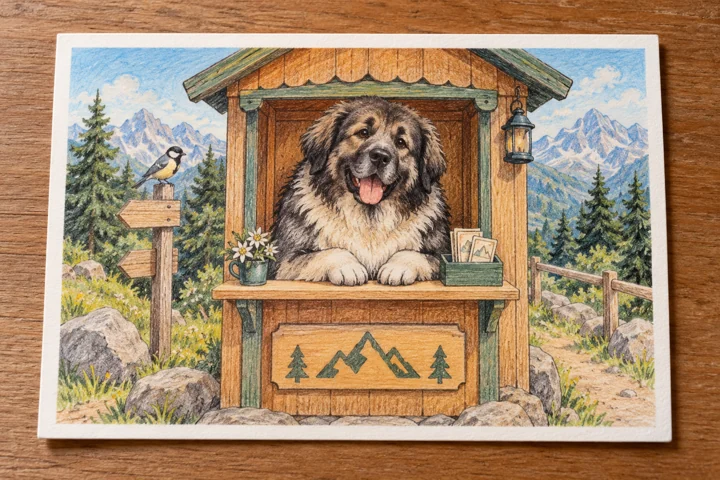
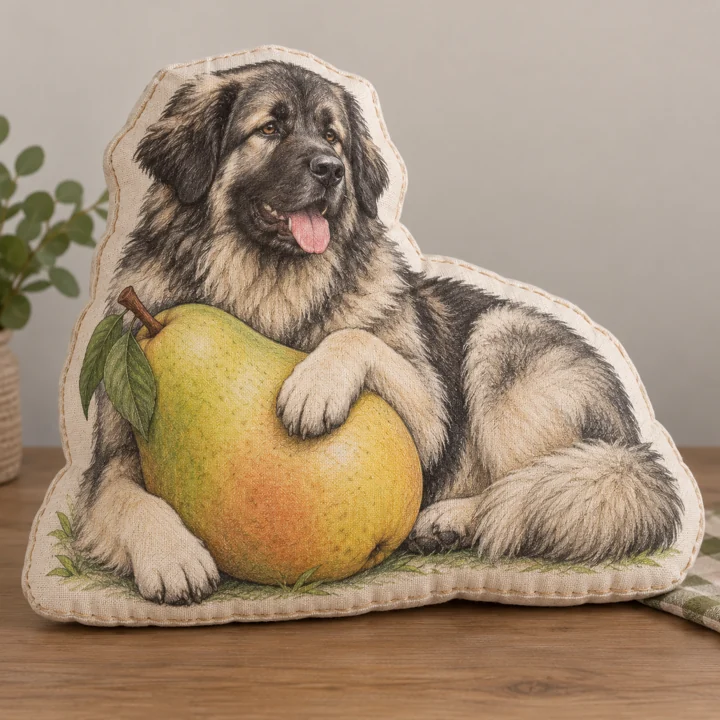
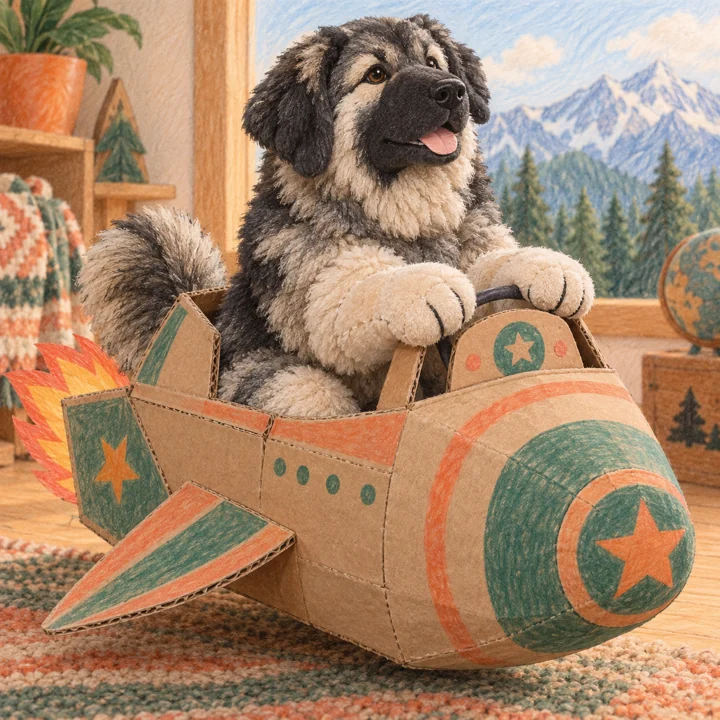
Eight transparent PNGs to save individually. Switch captions on or off for your chats.
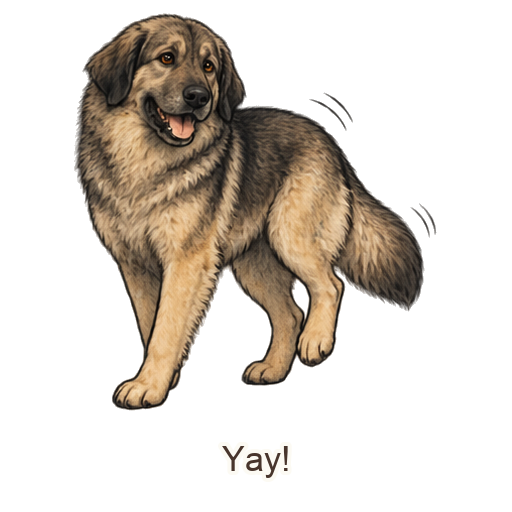 Yay!
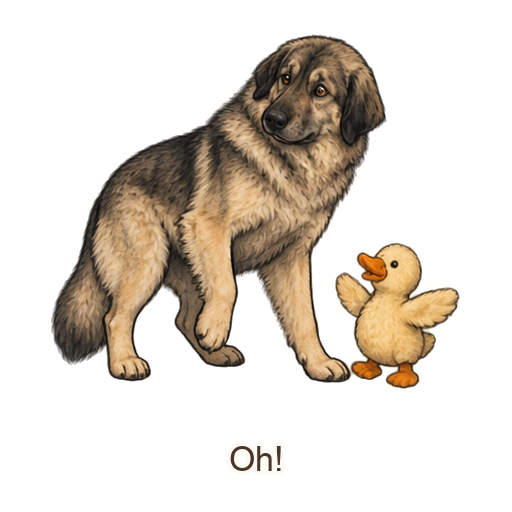 Oh!
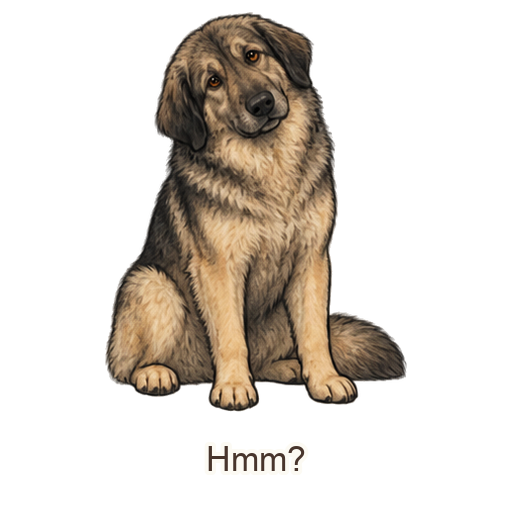 Hmm?
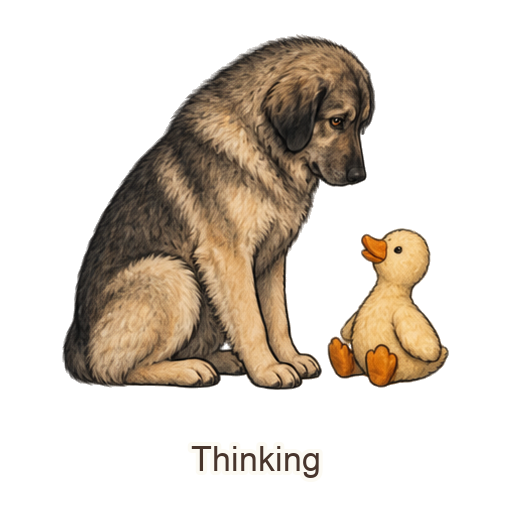 Thinking
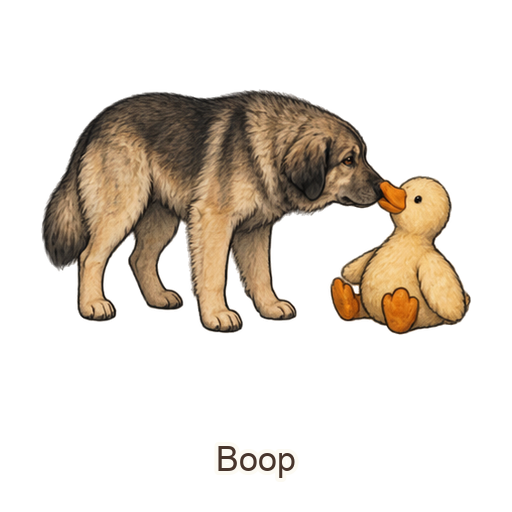 Boop
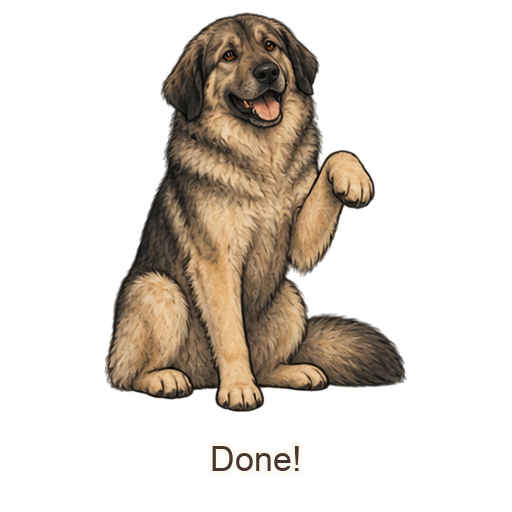 Done!
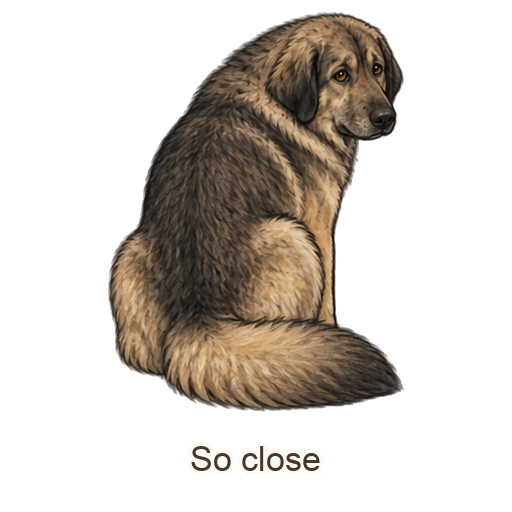 So close
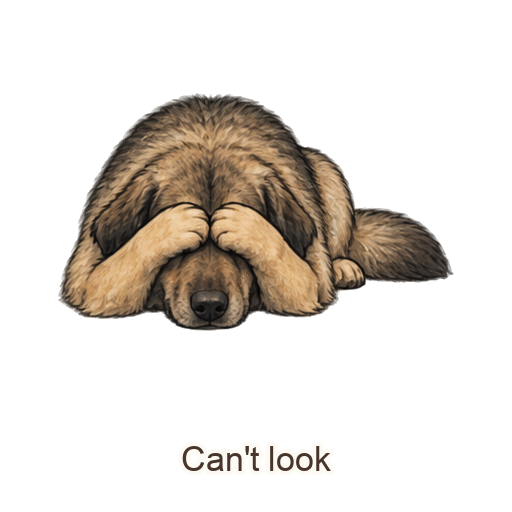 Can't look
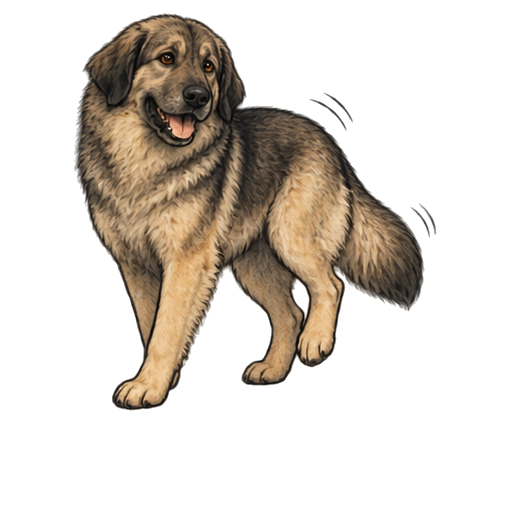 Yay!
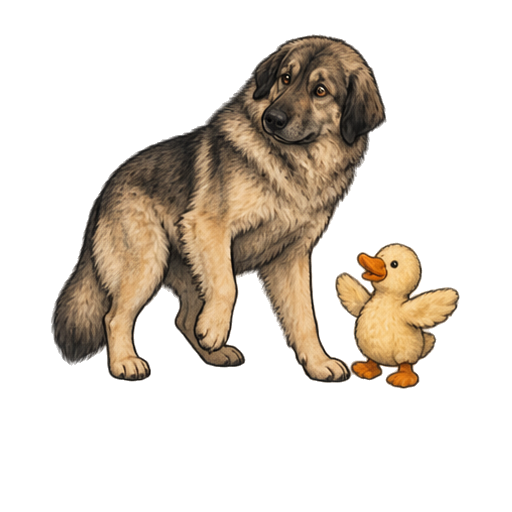 Oh!
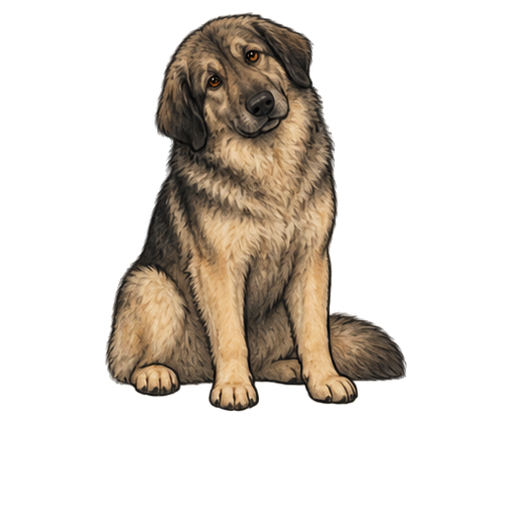 Hmm?
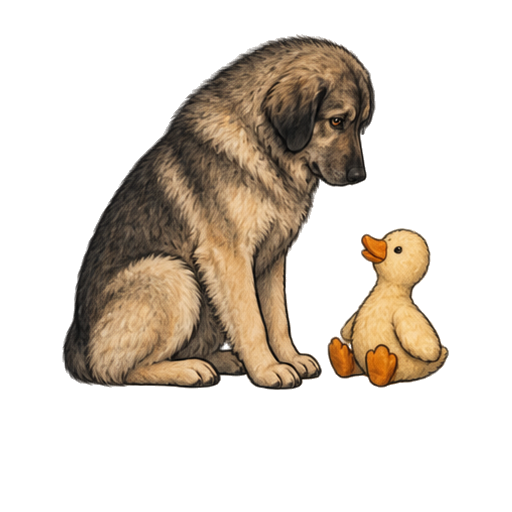 Thinking
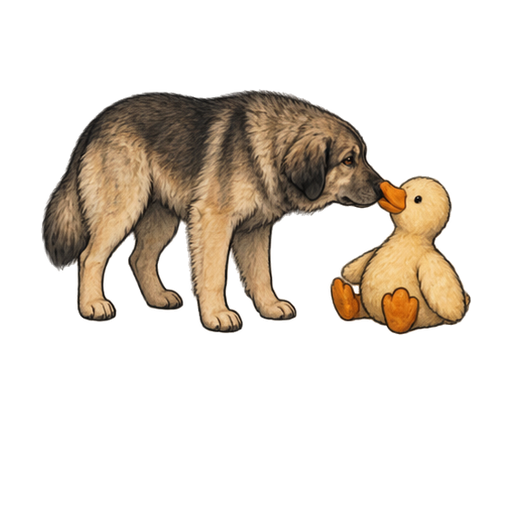 Boop
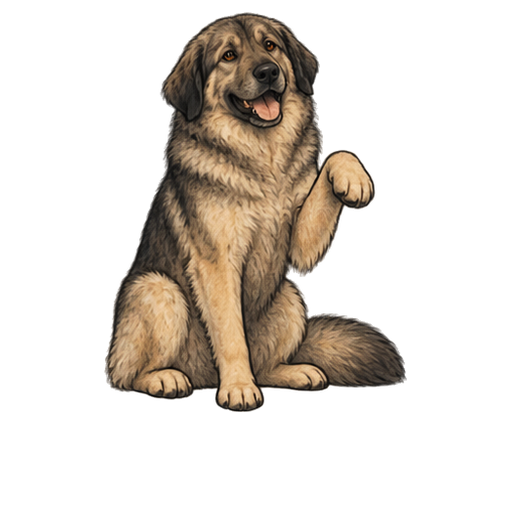 Done!
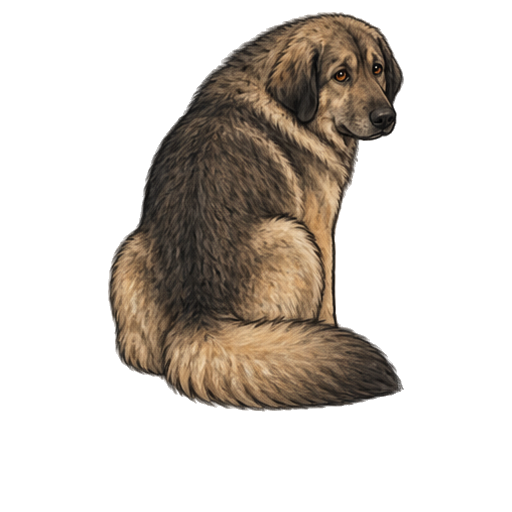 So close
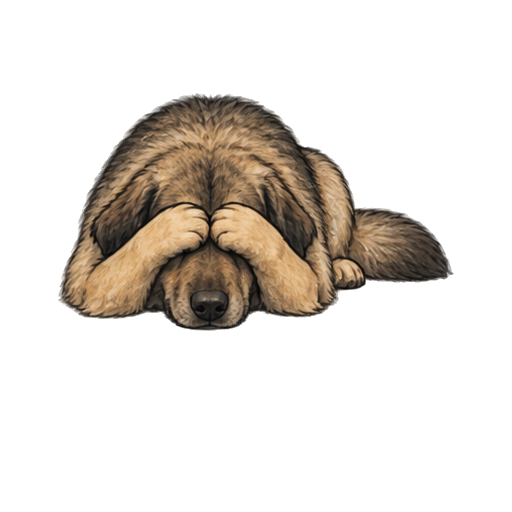 Can't look
Original woofmap artwork, assisted by GPT Image 2. Free for personal chats and non-commercial sharing with credit to woofmap.com. Fictional moods do not predict every dog’s temperament; see this page’s factual sources.
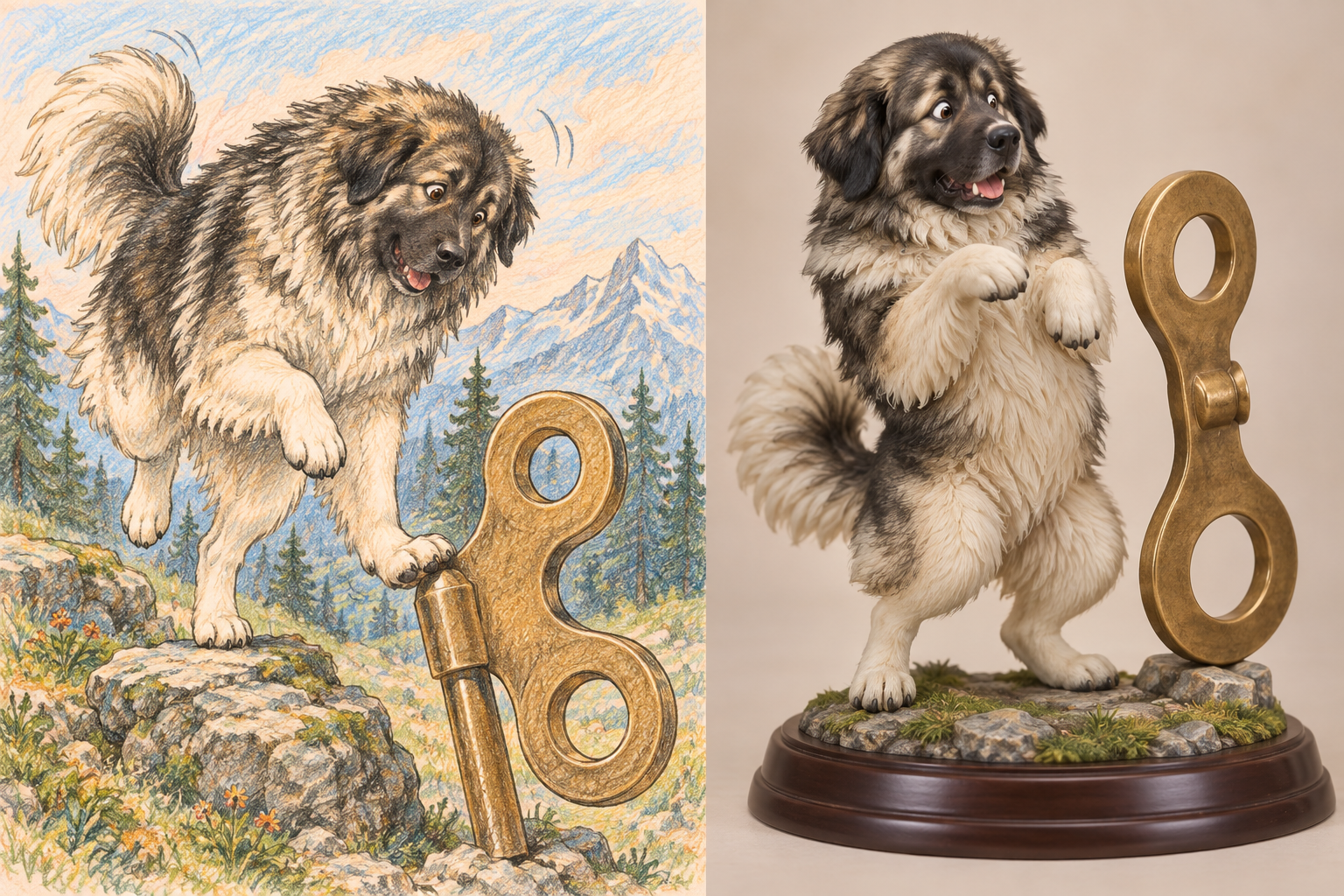
Combine the available parts, choose a name and take a little joy home.
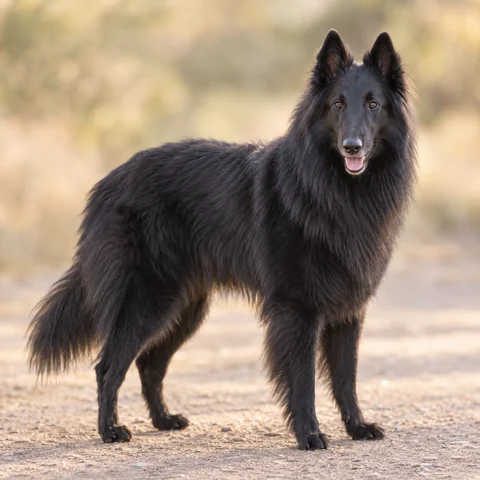 AI realistic image
Sheepdogs and cattle dogs
Belgian Shepherd Dog
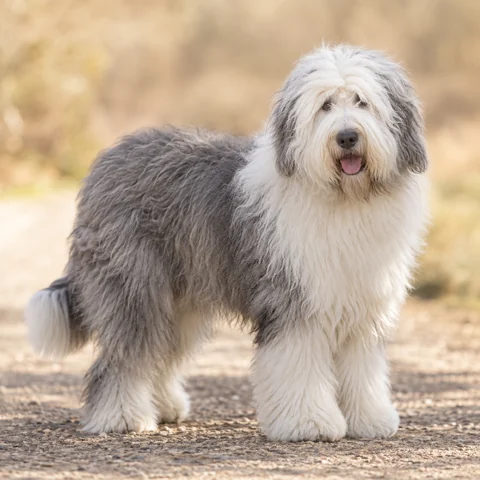 AI realistic image
Sheepdogs and cattle dogs
Old English Sheepdog
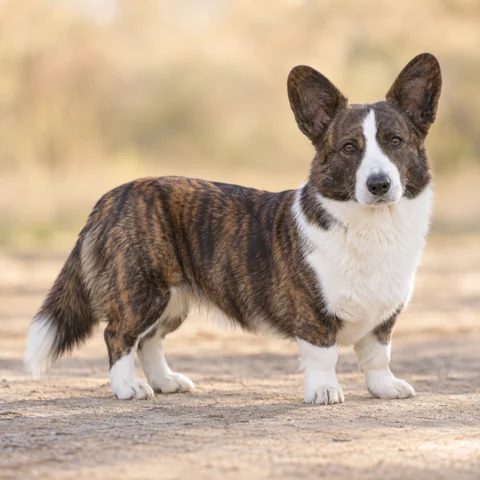 AI realistic image
Sheepdogs and cattle dogs
Welsh Corgi (Cardigan)