WOOFMAP · CANINE ARCHIVENO. 083
Sheepdogs and cattle dogs
Schipperke
Schipperke
✳ woofmap.comBelgium
WOOFMAP · CANINE ARCHIVE · NO. 083
Schipperke
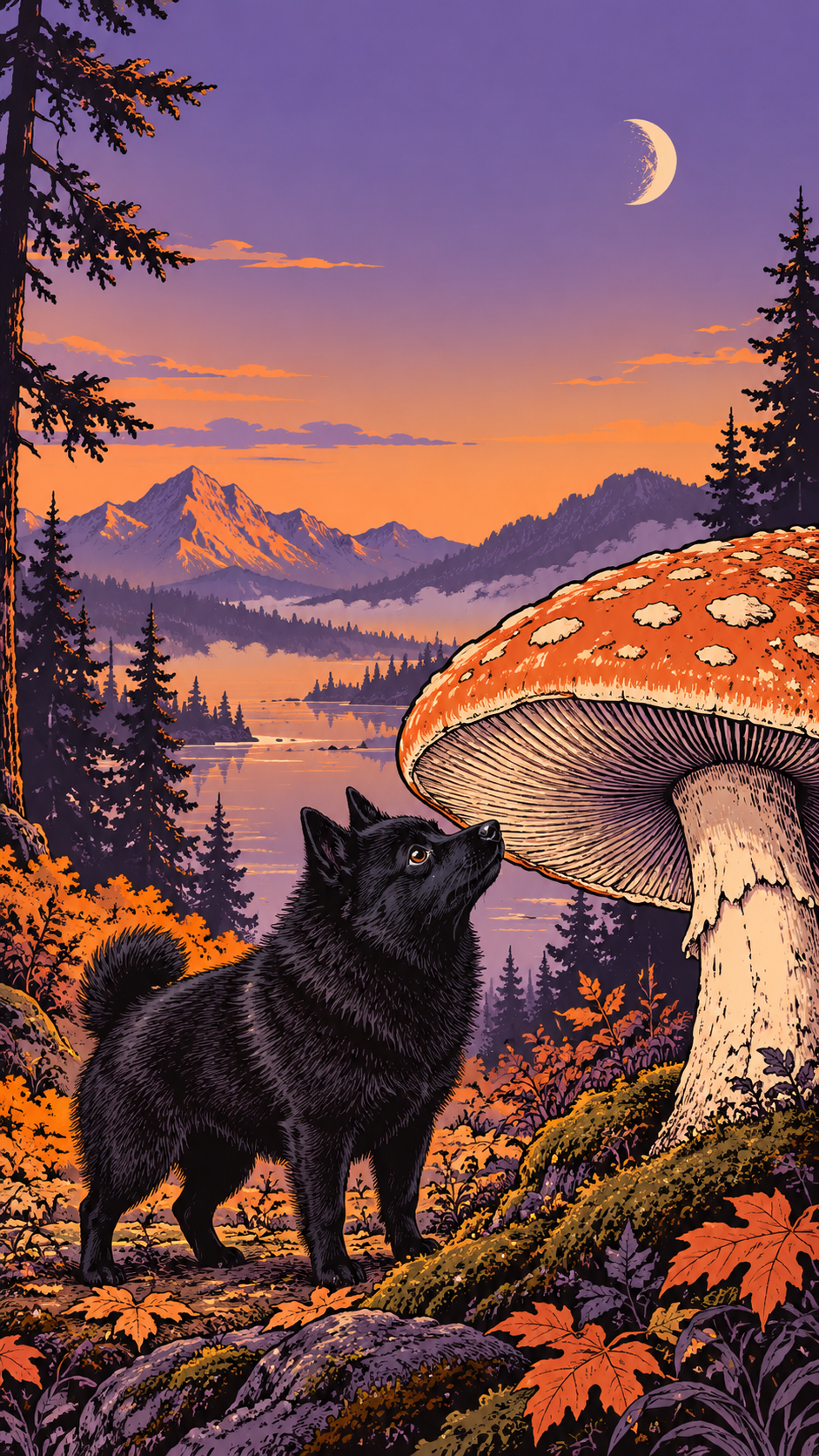
A watchful little guardian in a black mane.
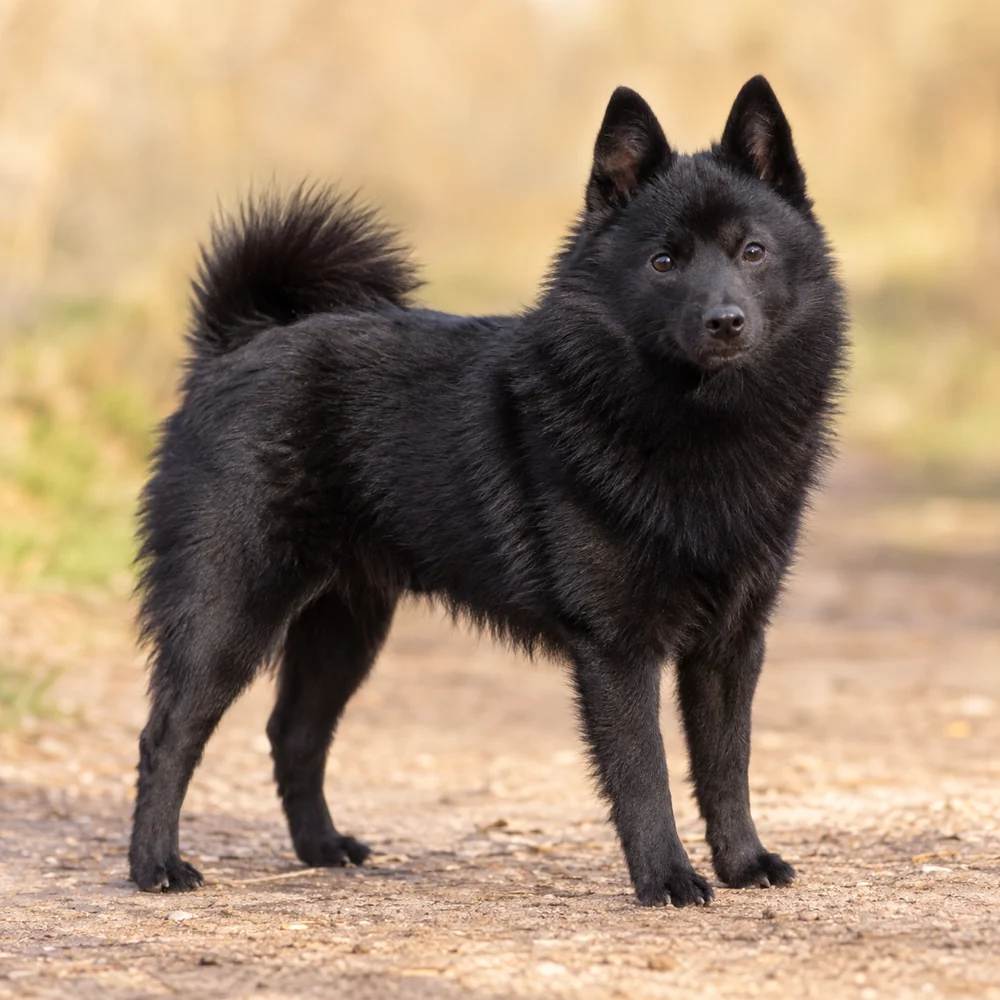
AI-generated realistic breed image, for visual reference.
This Schipperke page is still waiting for a voice. Live with a Schipperke? Share a natural bark, howl or whine and let others hear a little of your dog’s everyday life.
If we feature your recording, we’ll credit you or your dog using the name you choose.
A 5–15 second phone recording in a quiet setting is perfect. Capture a natural moment without startling or disturbing your dog. Audio or video with sound is welcome.
Share your dog’s voice ↗[email protected]Attach your recording, breed and preferred credit. Please confirm you recorded it and allow woofmap to feature it.
Thank you for helping us build a playful Woof Planet together. Every little woof deserves to be heard.
Sheepdogs and cattle dogs
Schipperke
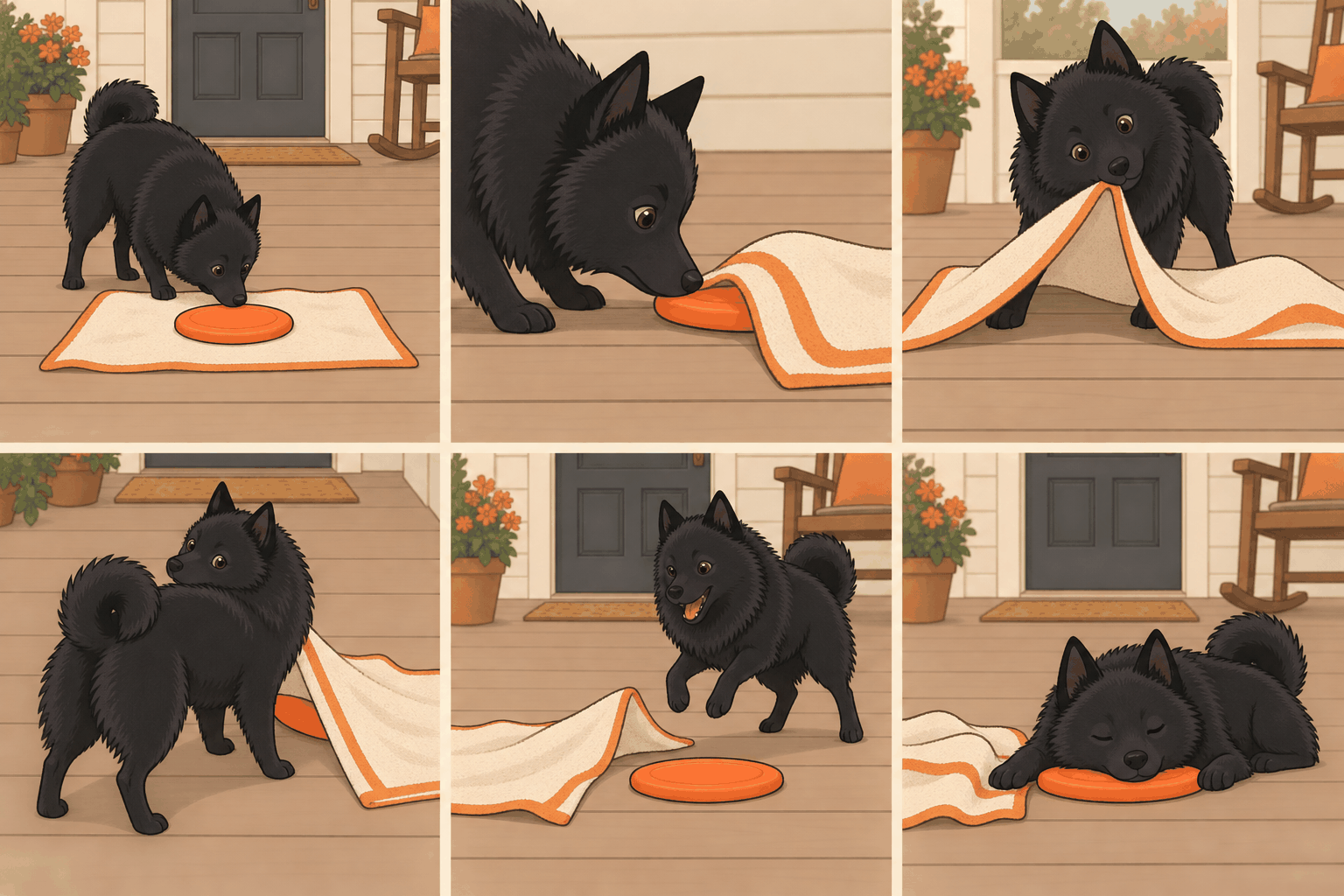
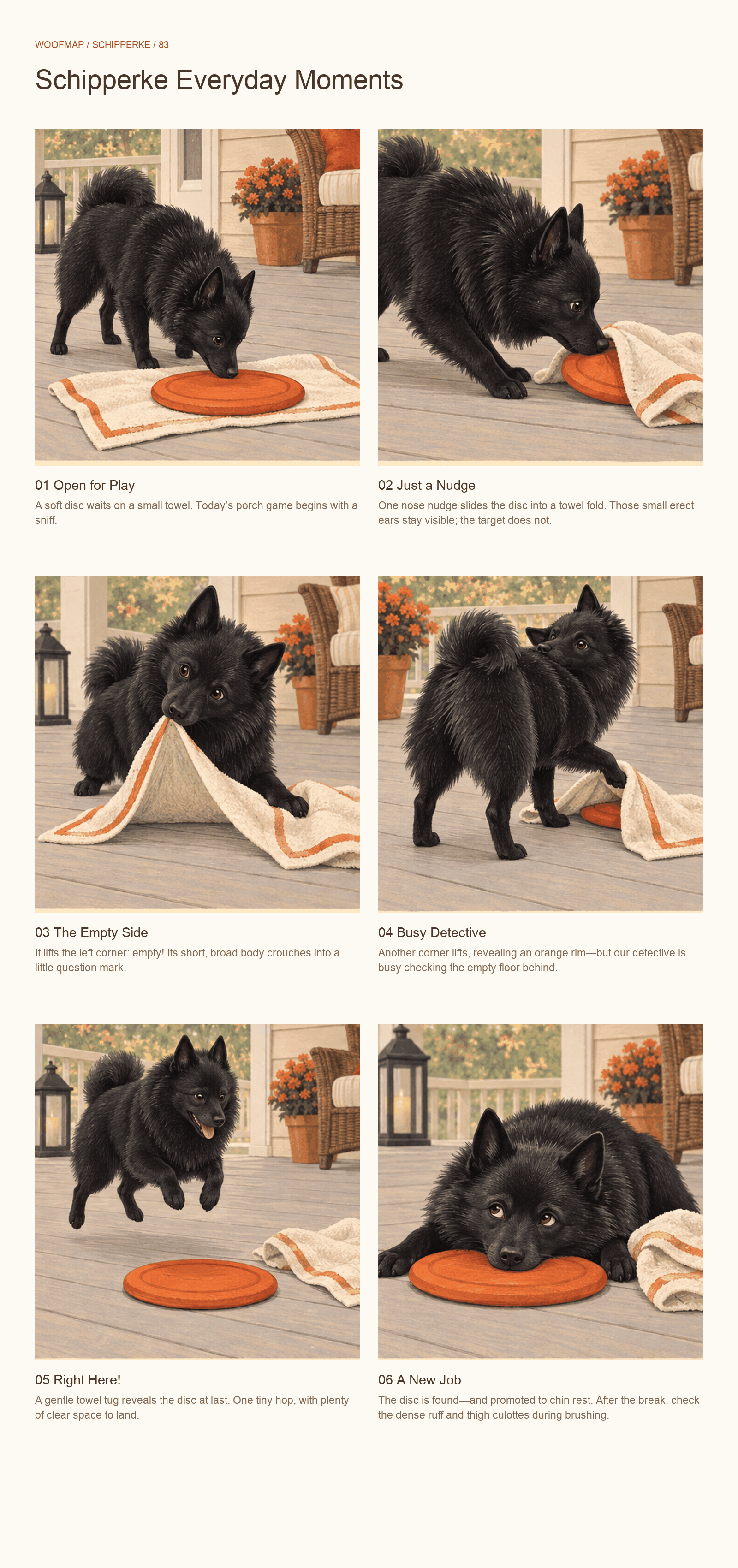
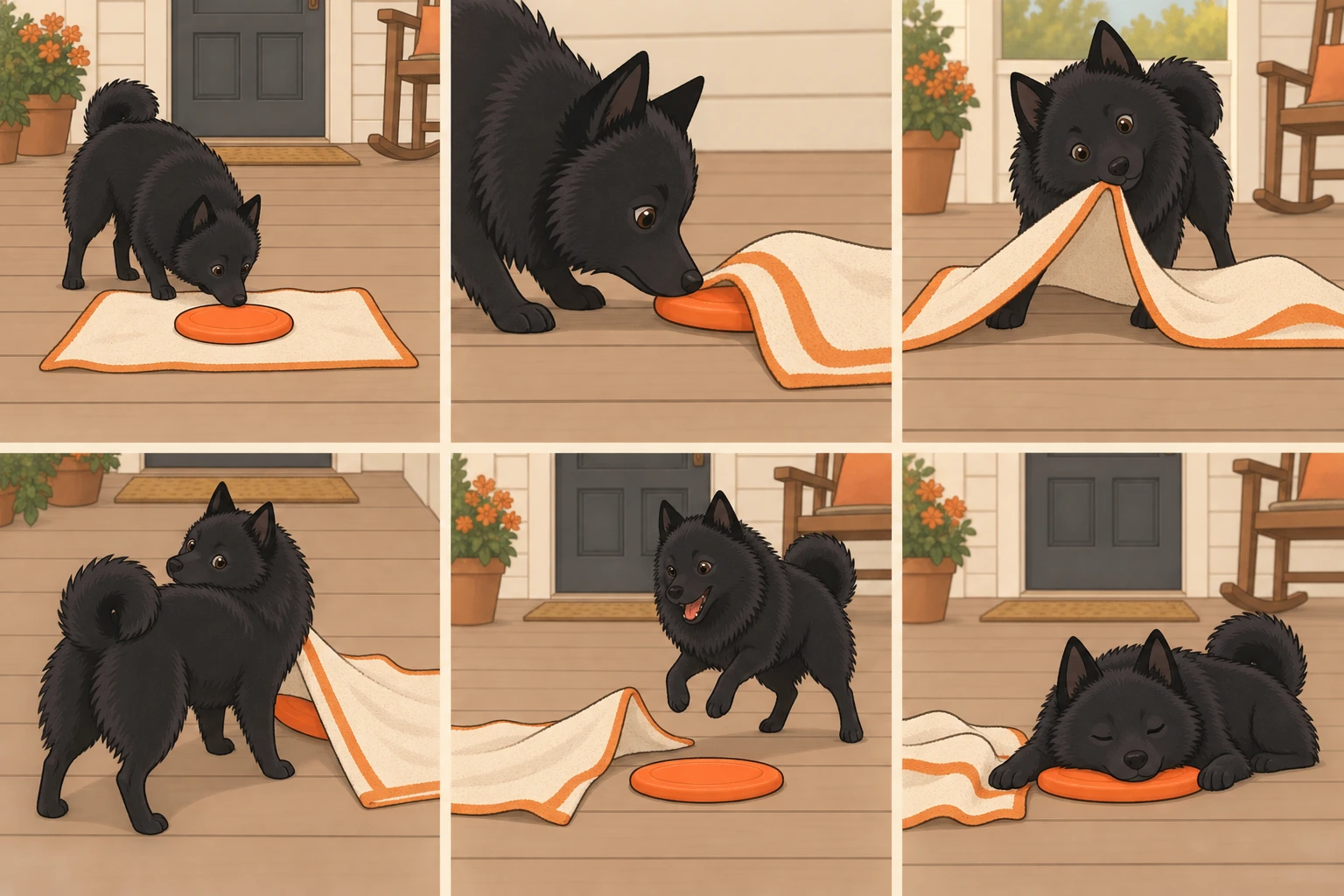
One small towel, one soft disc, and six wordless beats of looking in the wrong place—all on a level, dry, covered porch.
The Schipperke comes from Belgium; its name means “little shepherd” in a Flemish dialect, and the standard suggests a possible common ancestor with Belgian Shepherds. Around 1690 it was favoured by workers and cobblers in Brussels’s St. Gery quarter and was known for catching rodents, moles and other vermin. First shown in 1882, it gained a breed club and its first standard in 1888; efforts later unified regional types.
The standard specifies 3–9 kg, with 4–7 kg sought as an average, and defines no current size varieties. The body is short, broad and roughly square on fine-boned legs; ears are small and erect, while natural tails may be long, short or absent, with curled or over-back carriage accepted.
Look for the compact, nearly square body, wedge-shaped head, small erect ears and all-black topcoat with a prominent ruff, chest frill and thigh culottes. Tail length and carriage vary, so a missing or curled tail alone does not identify the breed. The Antwerp, Leuven and Brussels types mentioned in its history are not separate current size or colour varieties.
The standard describes a lively, agile, inquisitive little watchdog that can be aloof with strangers. It may react sharply when someone approaches objects it guards, making calm, reward-based training and unforced introductions valuable. Although described as gentle with children, behaviour still varies by dog and situation.
Brush the thick double coat regularly, paying attention to the longer neck and thigh hair; brush more often during shedding. Walks, scent games and interactive play give this active former vermin-catcher useful outlets. Its vigilance and high-pitched alarm bark call for reward-based practice in settling, recall and greeting visitors, plus sensible management around guarded objects. Supervise interactions with children and other animals, allowing for individual differences.
Small does not mean inactive or quiet: this alert dog needs a household willing to train and engage it. If visitors are frequent, teach a calm place to settle rather than expecting it to welcome everyone automatically.
Its thick undercoat needs routine brushing, with extra attention to the ruff, chest and thigh hair. Shedding can be more noticeable during coat changes, when more frequent brushing helps; its characteristic furnishings need not be shaved off.
Combine outdoor exploration with scent searches and toy-finding games rather than relying on yard time alone. Reward it for checking in and settling after noticing a disturbance, and limit repeated exposure to triggers at the door.
SOURCE NOTES
Breed traits follow the cited official standards; everyday care advice is our editorial interpretation of coat, build and working purpose.
Coat and size varieties can share a standard. The number is an archive reference, not a rarity score. An independent educational atlas, not a registry publication. Temperament varies; consult a veterinarian about health concerns.
WOOFMAP / SCHIPPERKE / LITTLE MOMENTS
Illustrated with an all-black topcoat and a natural long tail curled over the back, plus small erect ears, a neck ruff and thigh culottes. This fictional porch adventure is not a temperament promise.
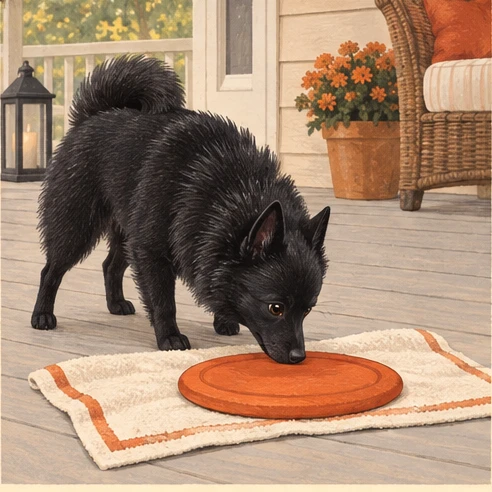
A soft disc waits on a small towel. Today’s porch game begins with a sniff.
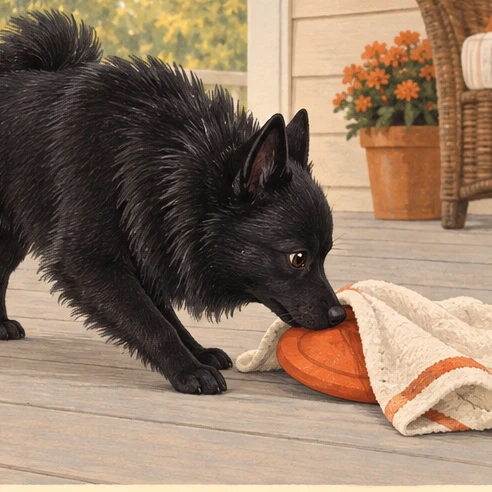
One nose nudge slides the disc into a towel fold. Those small erect ears stay visible; the target does not.
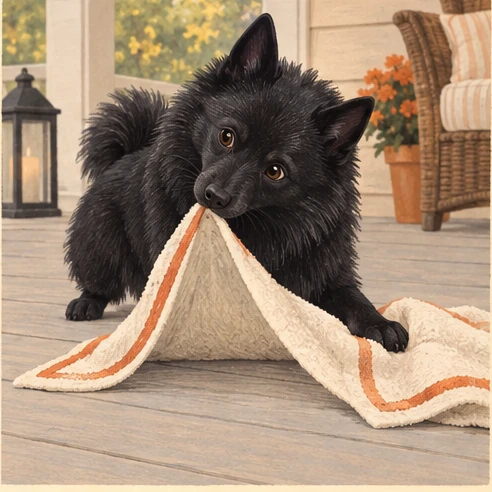
It lifts the left corner: empty! Its short, broad body crouches into a little question mark.
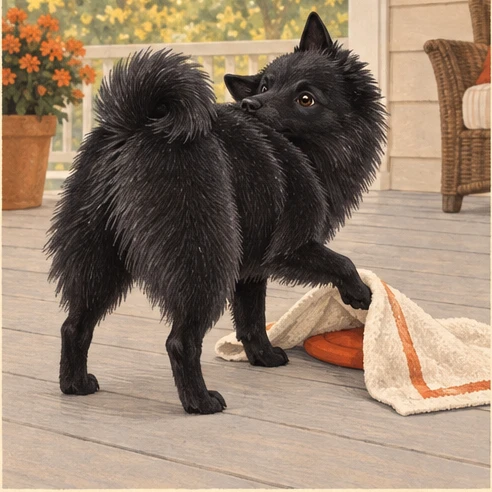
Another corner lifts, revealing an orange rim—but our detective is busy checking the empty floor behind.
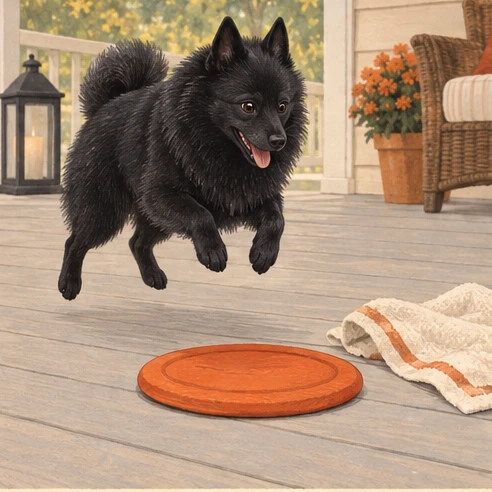
A gentle towel tug reveals the disc at last. One tiny hop, with plenty of clear space to land.
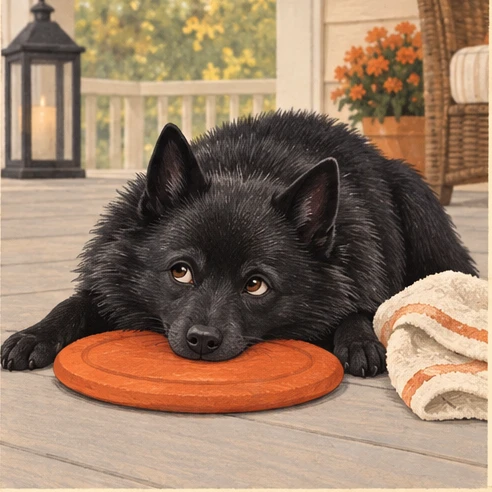
The disc is found—and promoted to chin rest. After the break, check the dense ruff and thigh culottes during brushing.
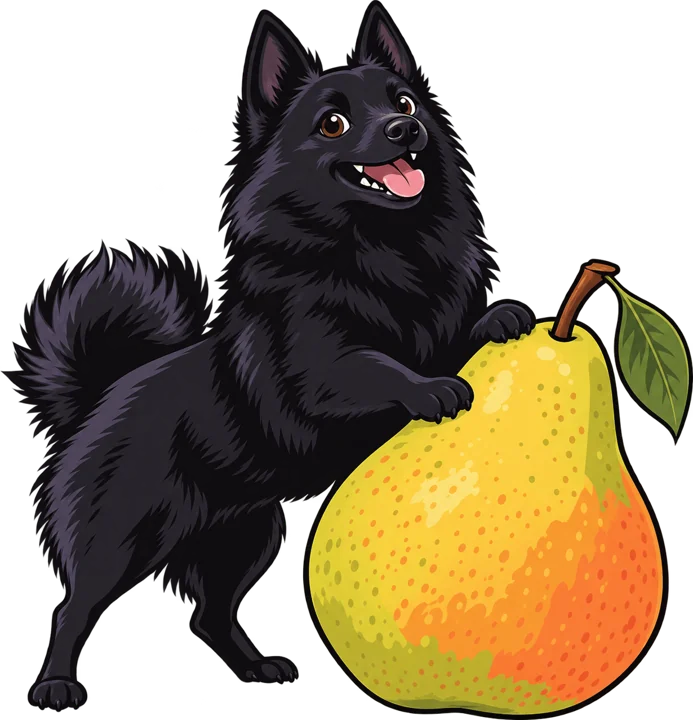

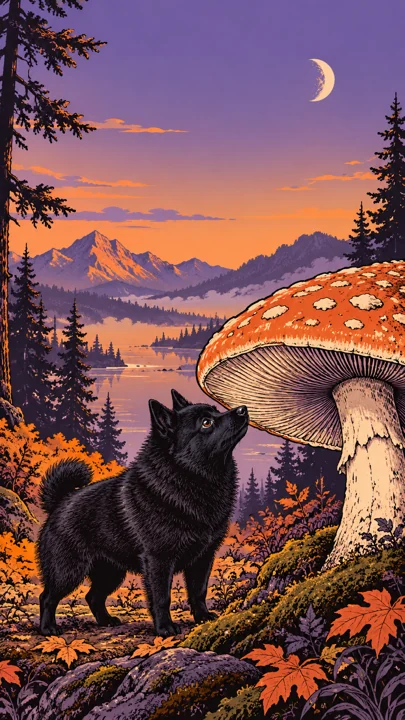
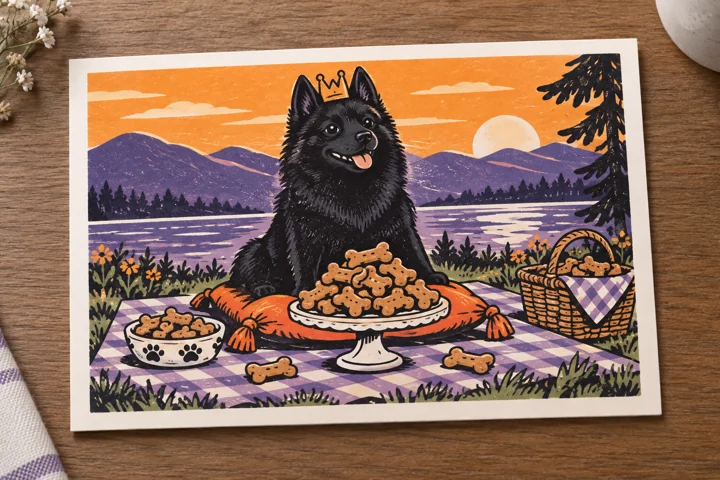
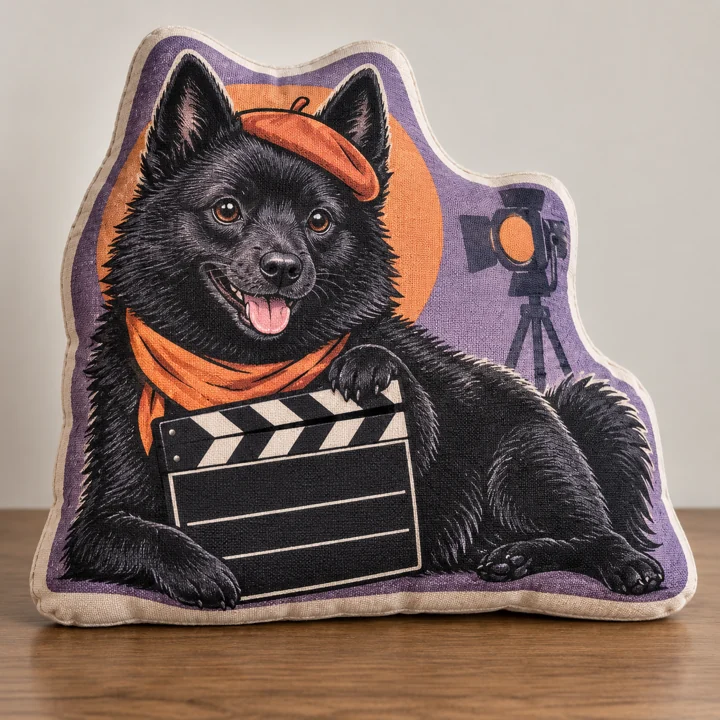

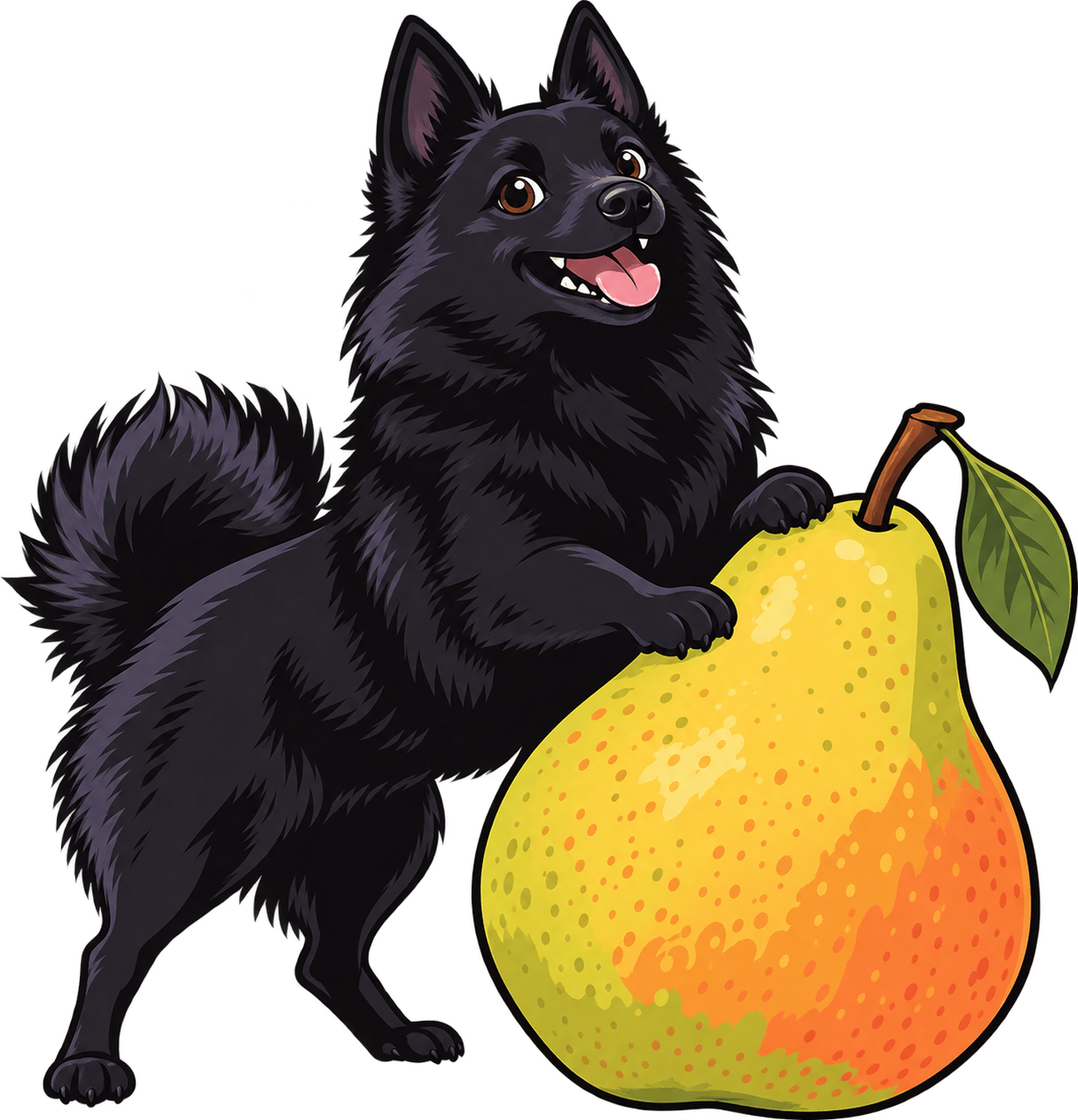
Eight transparent PNGs to save individually. Switch captions on or off for your chats.
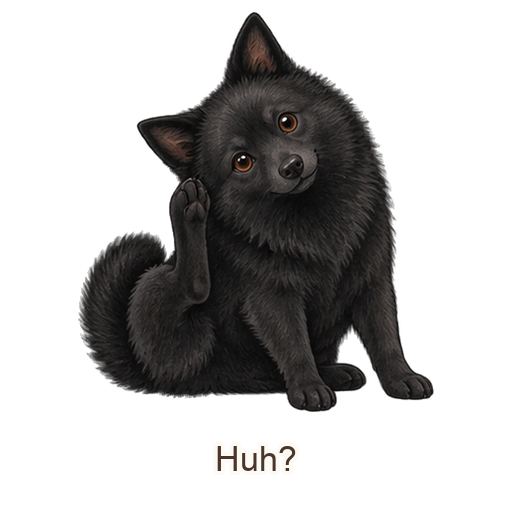 Huh?
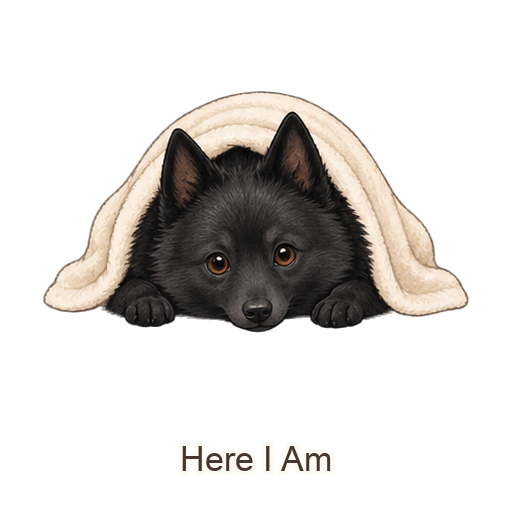 Here I Am
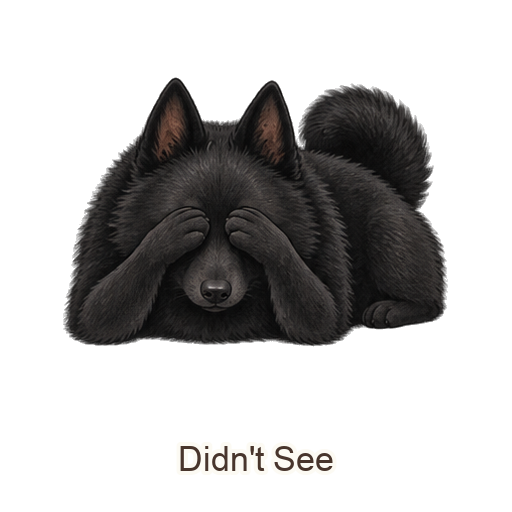 Didn't See
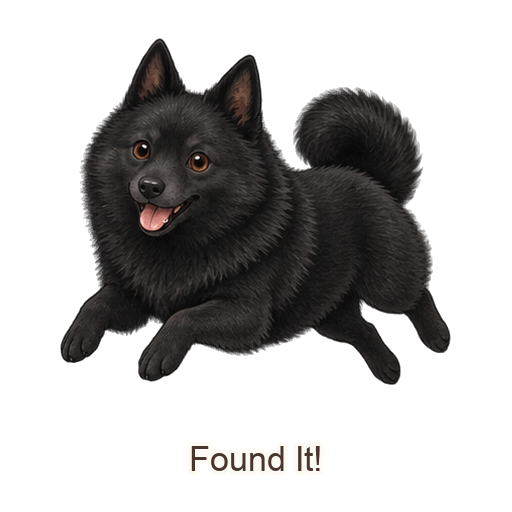 Found It!
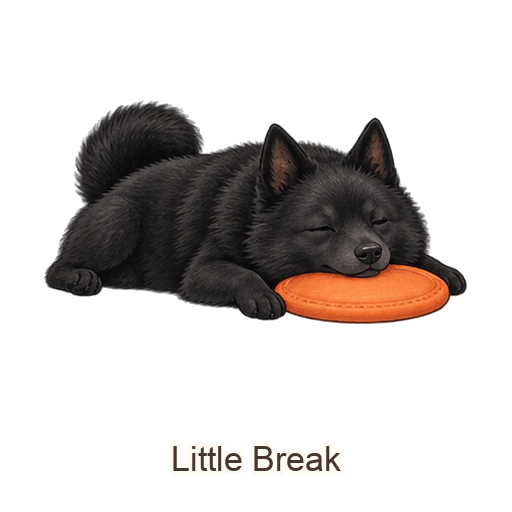 Little Break
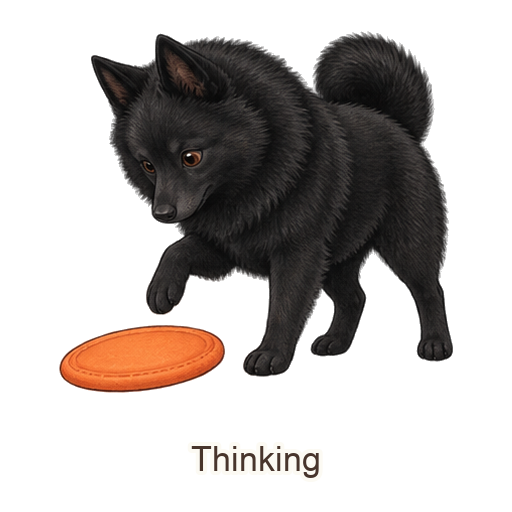 Thinking
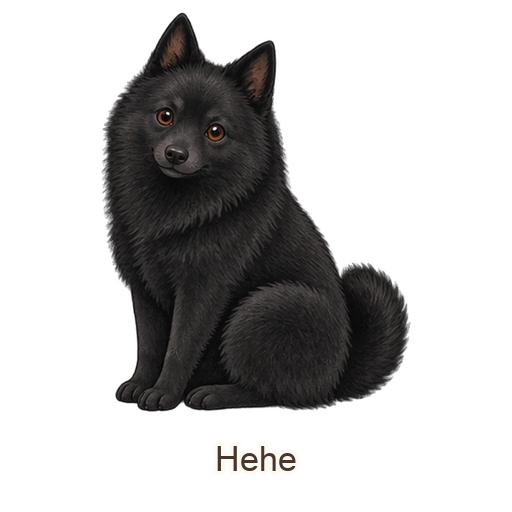 Hehe
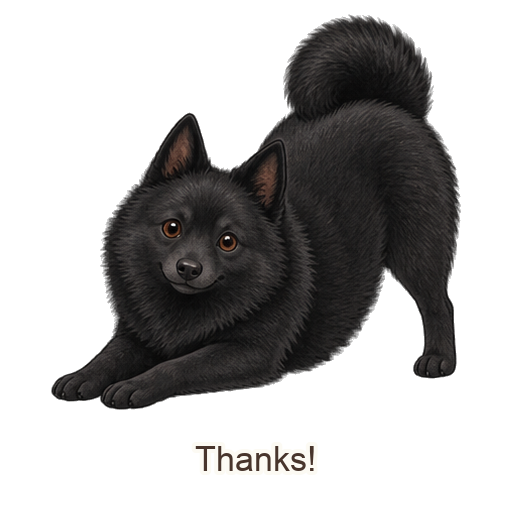 Thanks!
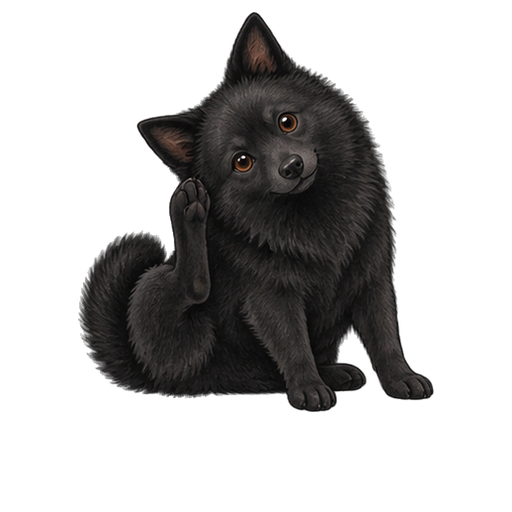 Huh?
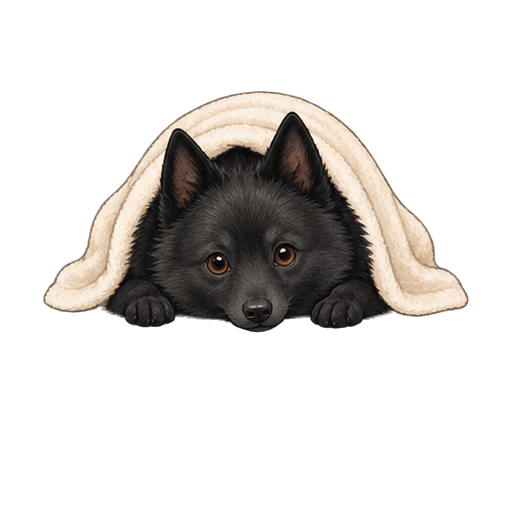 Here I Am
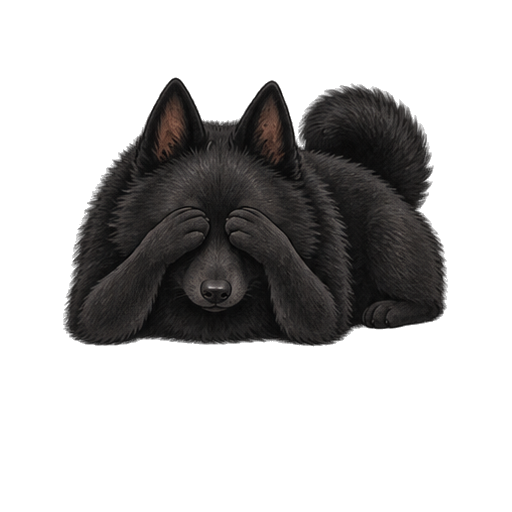 Didn't See
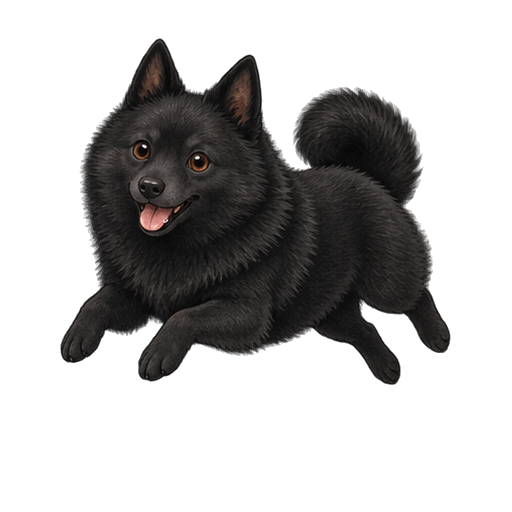 Found It!
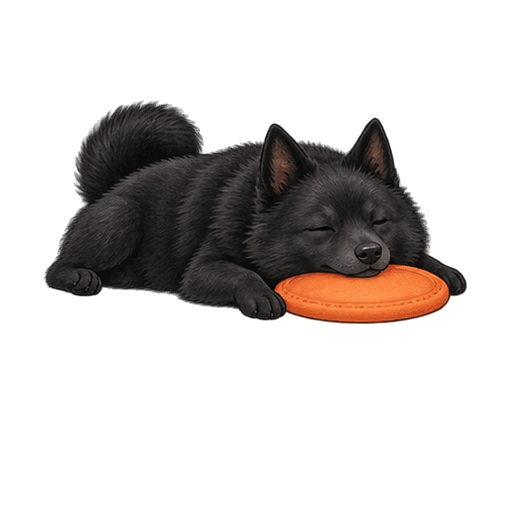 Little Break
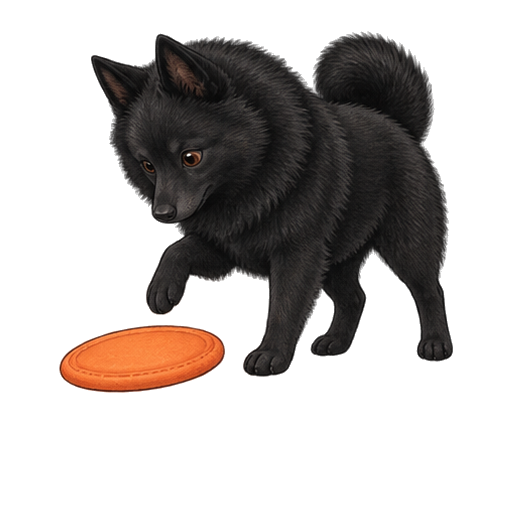 Thinking
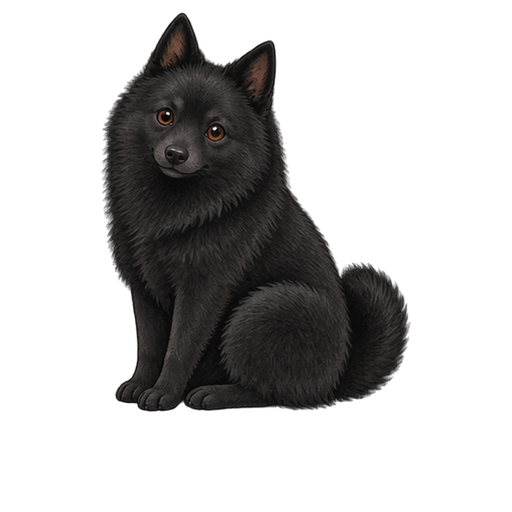 Hehe
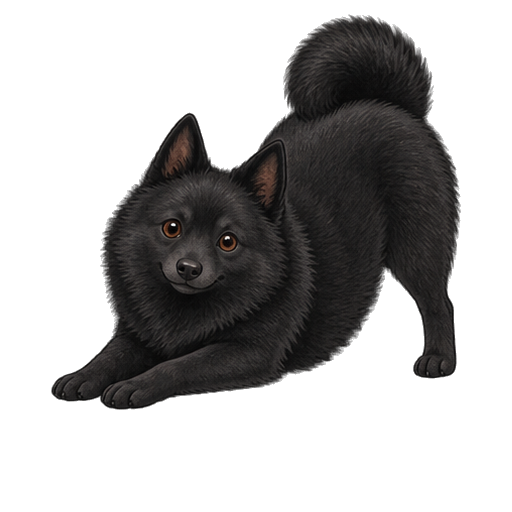 Thanks!
Original woofmap artwork, assisted by GPT Image 2. Free for personal chats and non-commercial sharing with credit to woofmap.com. Fictional moods do not predict every dog’s temperament; see this page’s factual sources.
Combine the available parts, choose a name and take a little joy home.
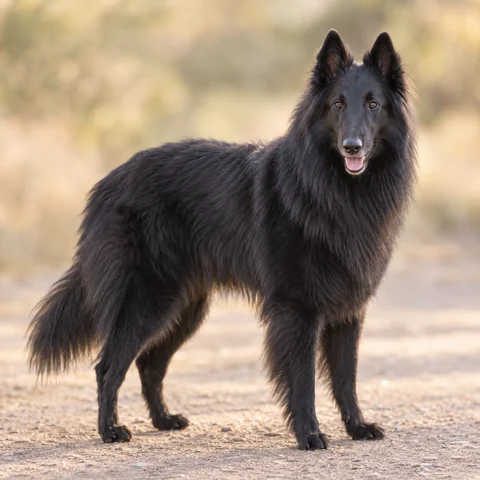 AI realistic image
Sheepdogs and cattle dogs
Belgian Shepherd Dog
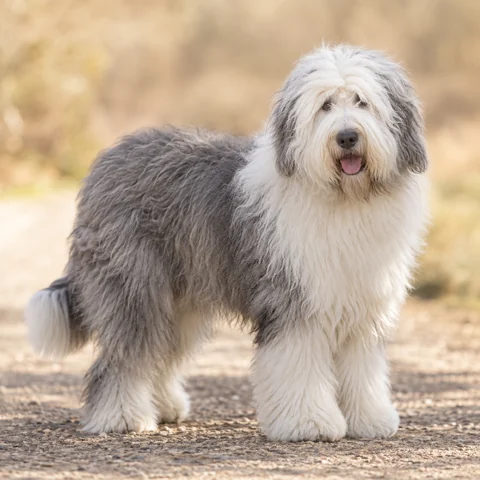 AI realistic image
Sheepdogs and cattle dogs
Old English Sheepdog
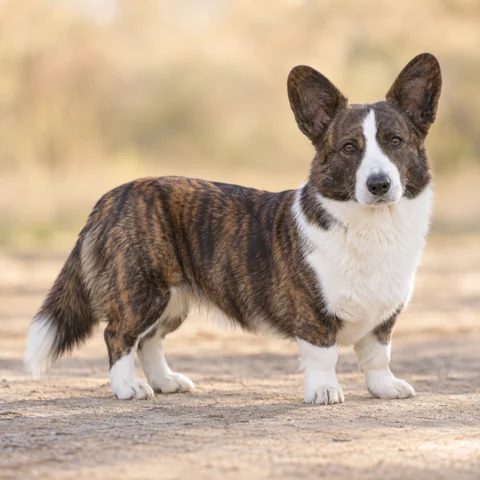 AI realistic image
Sheepdogs and cattle dogs
Welsh Corgi (Cardigan)