WOOFMAP · CANINE ARCHIVENO. 061
Pinschers, Schnauzers, Molossians and Swiss mountain dogs
St. Bernard
St. Bernard
✳ woofmap.comSwitzerland
WOOFMAP · CANINE ARCHIVE · NO. 061
St. Bernard
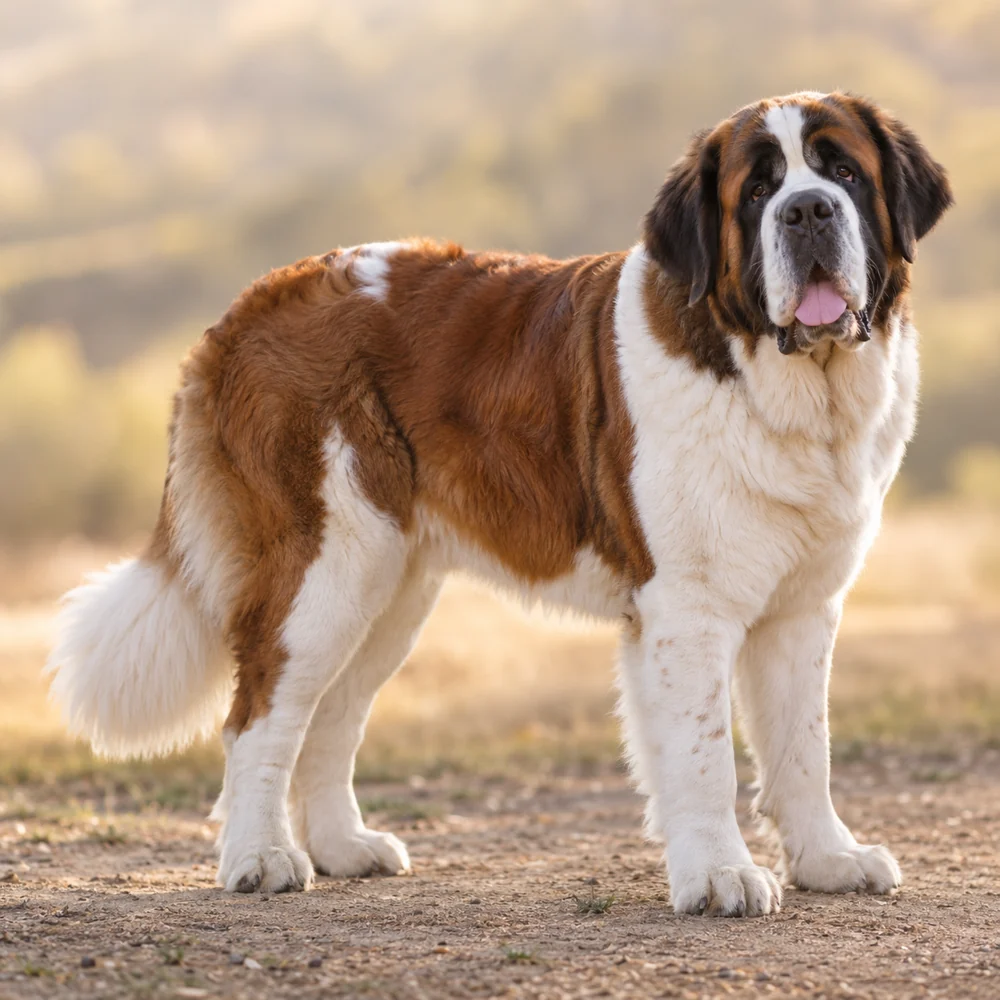
A Swiss mountain giant in two coat varieties.
AI-generated realistic breed image, for visual reference.
Real recording · Individual vocal example · Short sample Excerpt trimmed, volume normalized and converted to MP3; pitch and speed unchanged.
Recording source: Primitv094 · Freesound · San Bernard dog bark ↗ · CC0 · Open the recording
Pinschers, Schnauzers, Molossians and Swiss mountain dogs
St. Bernard
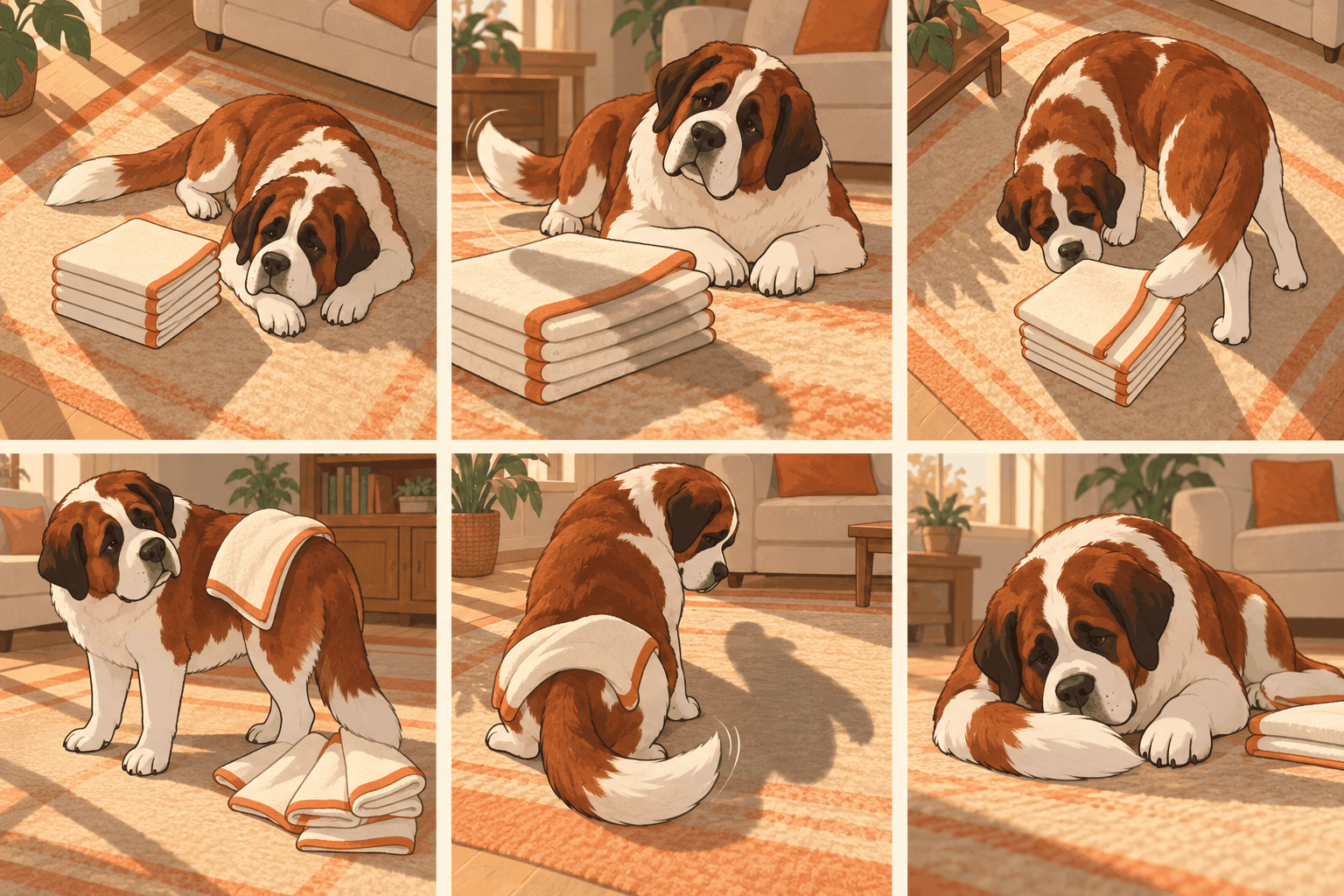
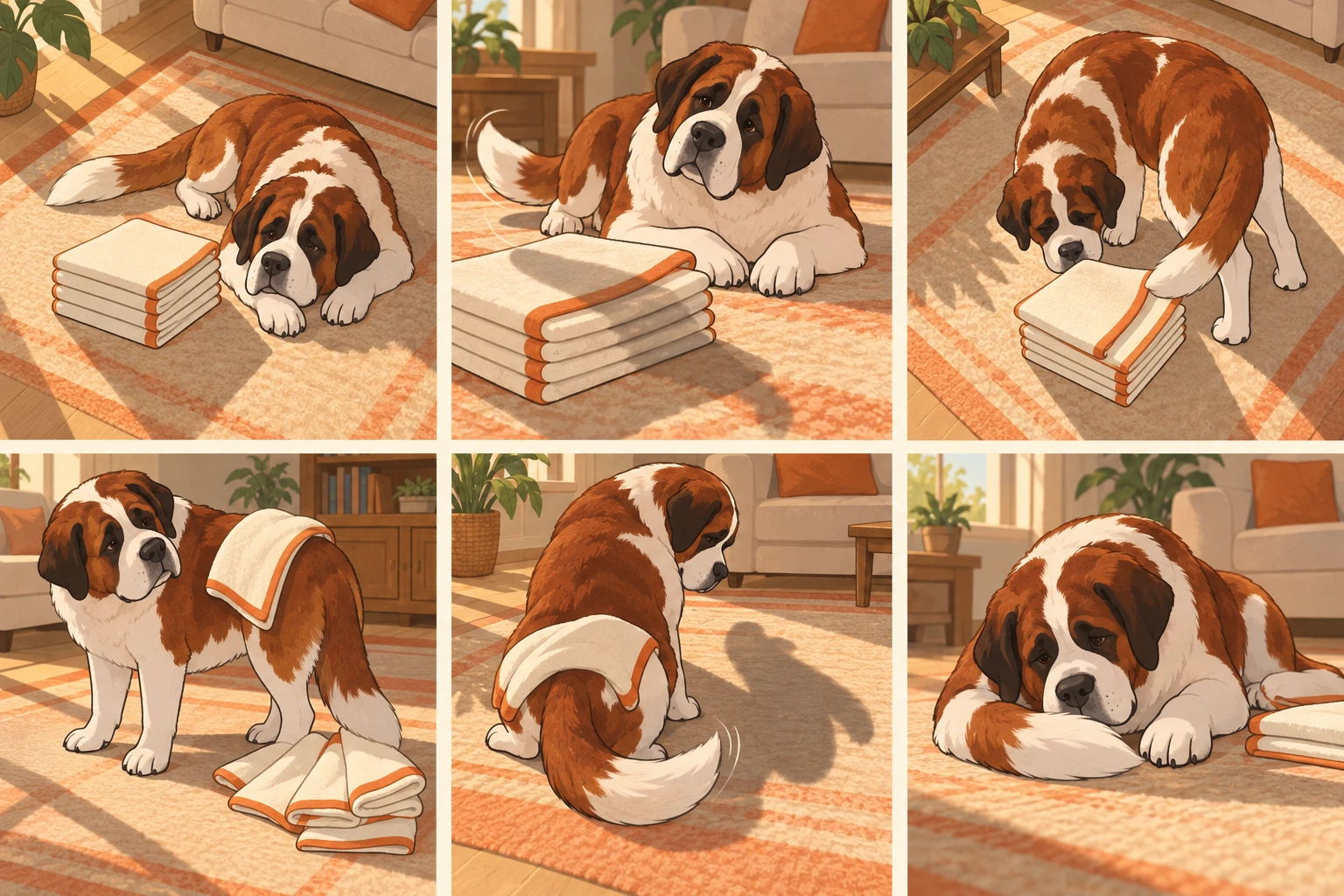
One tail, a stack of clean towels and a moving shadow: a growing mix-up ends with a small reveal.
Large mountain dogs were kept at the Great St. Bernard Pass hospice from the mid-17th century for guarding and protection. They later accompanied travellers and were especially used to rescue people lost in snow and fog; the breed's direct ancestors were local large farm dogs. Developed toward a defined type, the St. Bernard was officially recognized as a Swiss breed in 1887.
Both coat varieties are large, balanced, sturdy and muscular. Standard withers height is 70–90 cm for males and 65–80 cm for females; the ears hang down and the long, heavy tail reaches at least to the hock.
Do not identify the breed by the familiar long coat alone: the short-haired variety has a dense, close-lying outer coat, while the long-haired variety has medium-length hair, leg feathering and a bushy tail. Both share the powerful, balanced body and imposing head, with white-based red markings or a red mantle and the required white areas.
The standard describes a naturally friendly, watchful dog whose temperament ranges from calm to lively. Given its guarding, companion and rescue history, reward-based practice of calm behaviour and responsive handling is useful; individuals still differ.
Brush the abundant undercoat regularly, checking the long-haired variety's feathering and tail for tangles. Offer walks suited to the individual plus scent-search games, and teach recall and loose-leash walking with rewards. Its size calls for room to move and rest, as well as reliable handling outdoors. Introduce visitors, sounds and new places gradually.
What matters is whether this very large dog has comfortable space to move and rest, not the label of the home. Everyone handling it must also manage walks, visitors and entrances safely.
It still has plentiful undercoat and benefits from regular brushing to remove loose hair. The long-haired variety needs extra checks for tangles in its leg feathering and bushy tail.
Combine individually suitable walks with sniffing and search games, adjusting activity to the dog's response. Reward-based recall, loose-leash walking and calm greetings are especially practical skills for a dog this size.
SOURCE NOTES
Breed traits follow the cited official standards; everyday care advice is our editorial interpretation of coat, build and working purpose.
Coat and size varieties can share a standard. The number is an archive reference, not a rarity score. An independent educational atlas, not a registry publication. Temperament varies; consult a veterinarian about health concerns.
WOOFMAP / ST-BERNARD / LITTLE MOMENTS
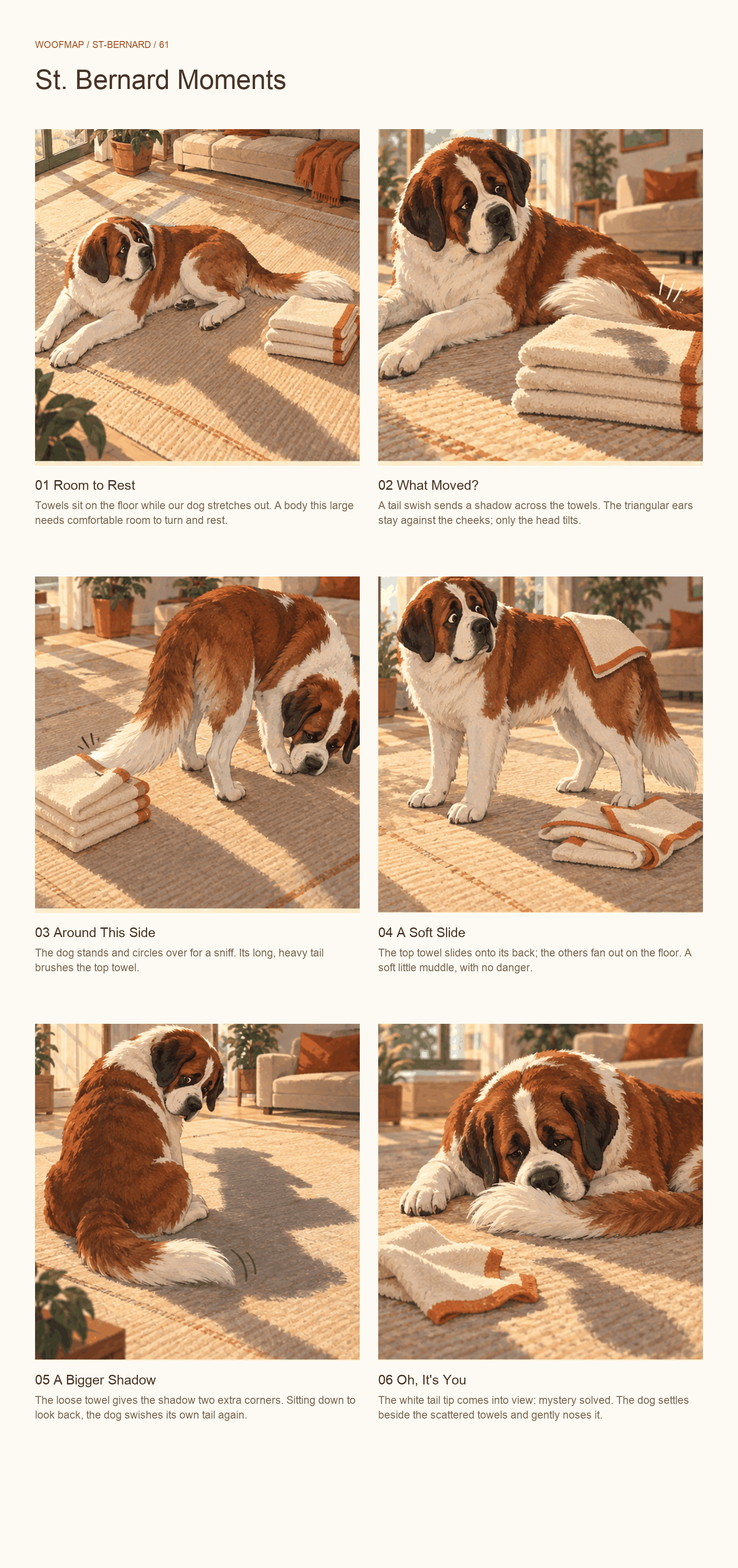
Meet a short-haired St. Bernard with a red mantle over white, the required white markings, cheek-hugging drop ears and a long, heavy tail. This sunny towel mishap belongs to one fictional dog.
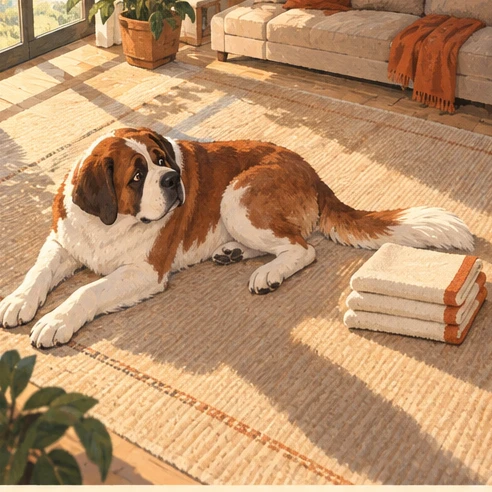
Towels sit on the floor while our dog stretches out. A body this large needs comfortable room to turn and rest.
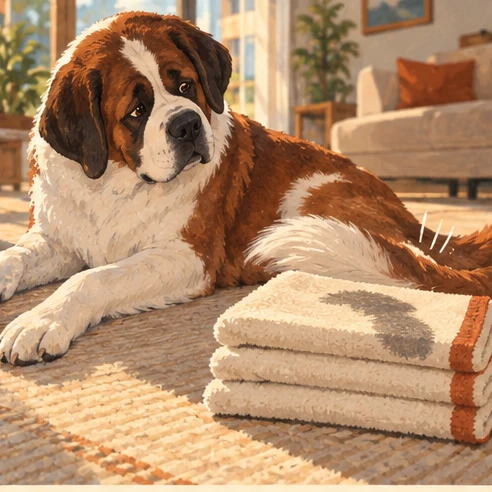
A tail swish sends a shadow across the towels. The triangular ears stay against the cheeks; only the head tilts.
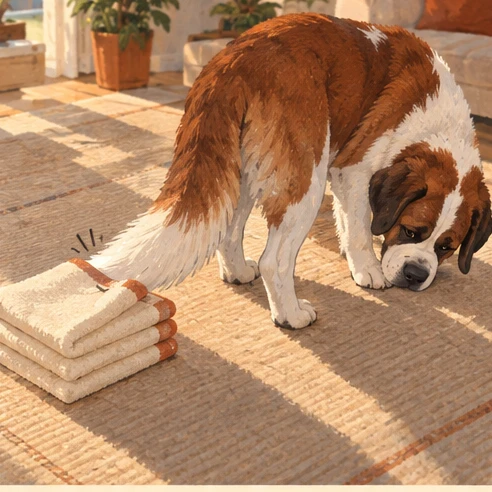
The dog stands and circles over for a sniff. Its long, heavy tail brushes the top towel.
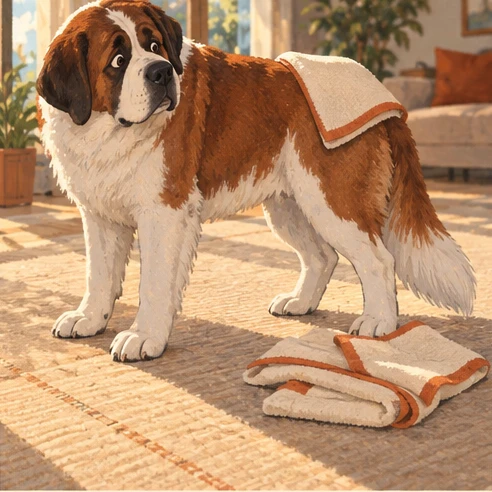
The top towel slides onto its back; the others fan out on the floor. A soft little muddle, with no danger.
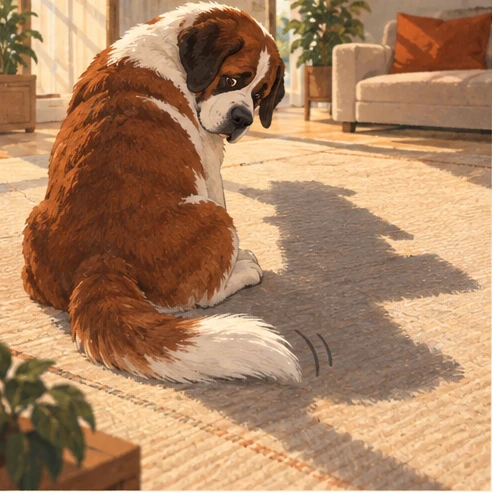
The loose towel gives the shadow two extra corners. Sitting down to look back, the dog swishes its own tail again.
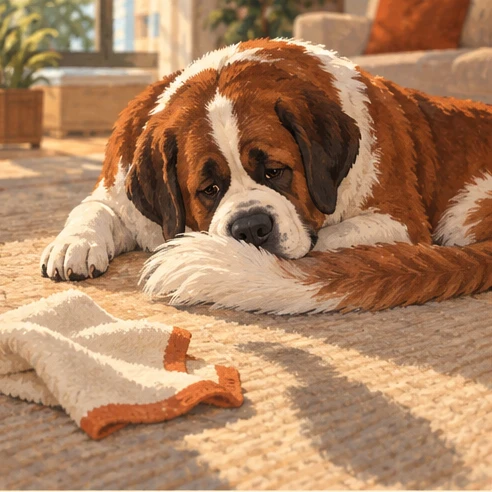
The white tail tip comes into view: mystery solved. The dog settles beside the scattered towels and gently noses it.
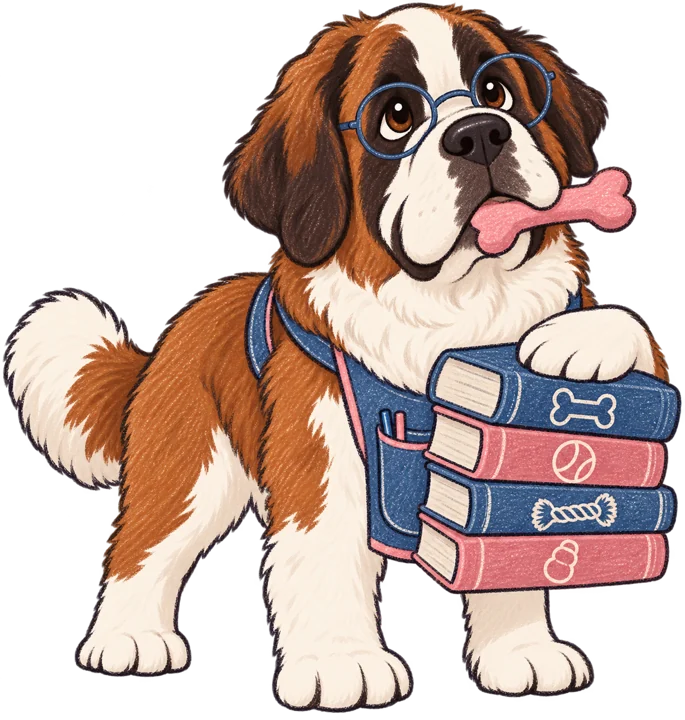
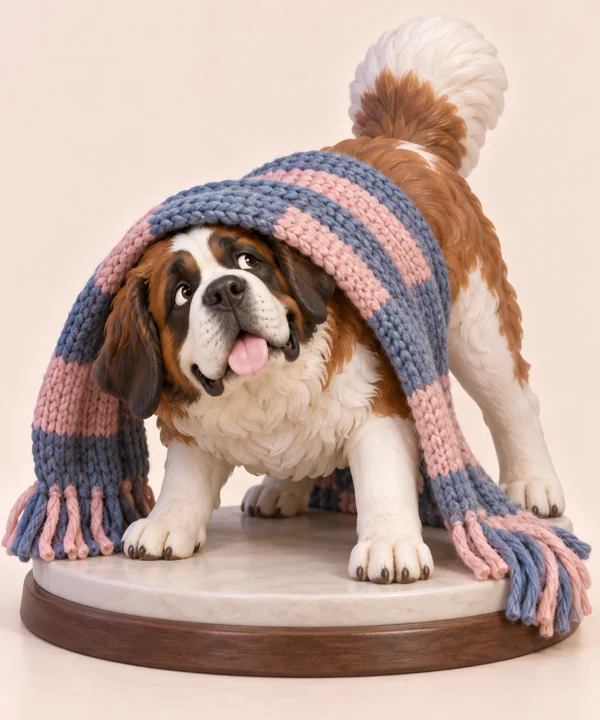
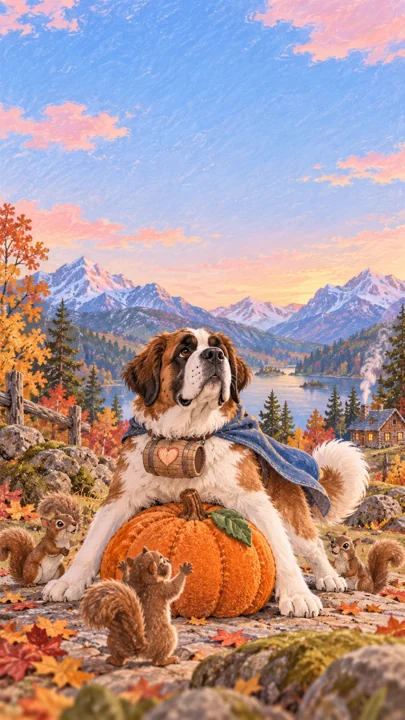
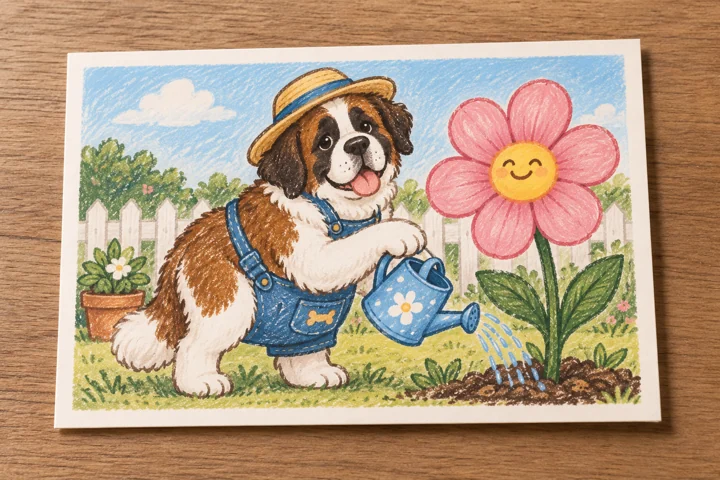
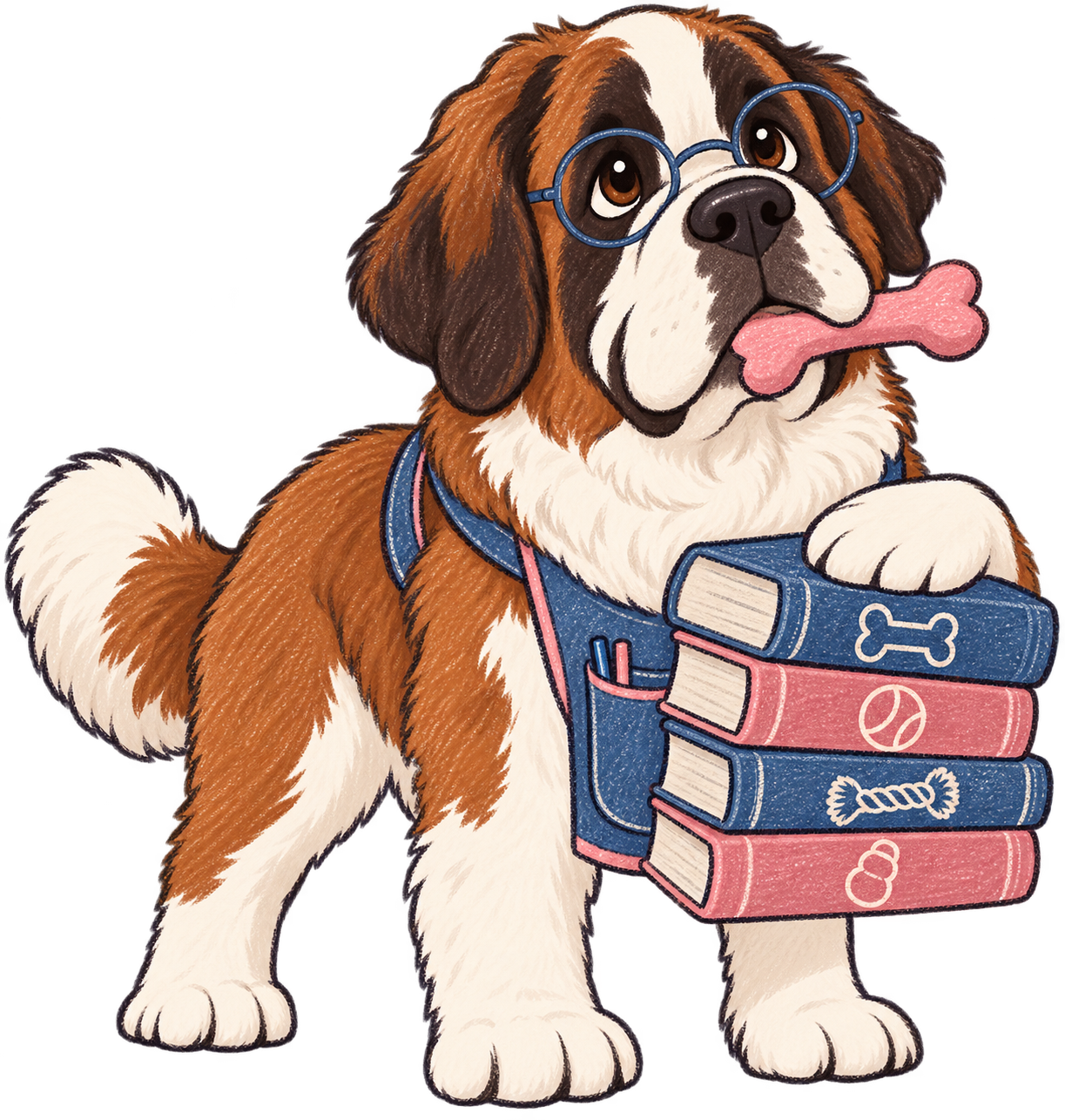
Eight transparent PNGs to save individually. Switch captions on or off for your chats.
 Rest time
 For me?
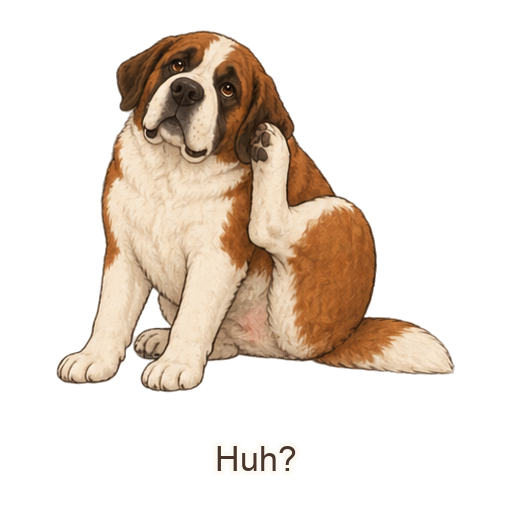 Huh?
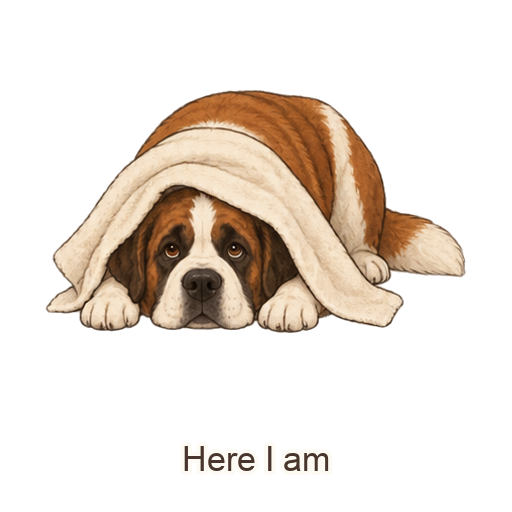 Here I am
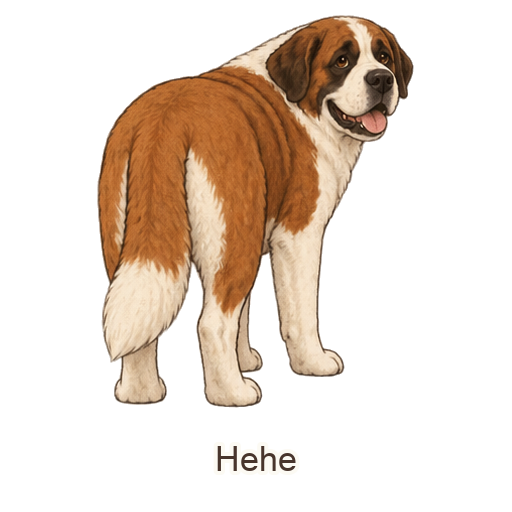 Hehe
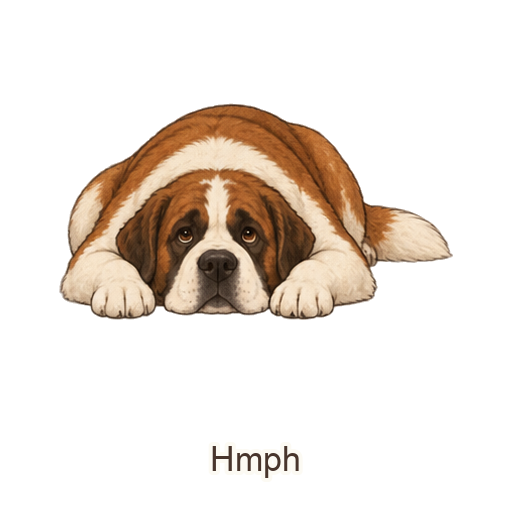 Hmph
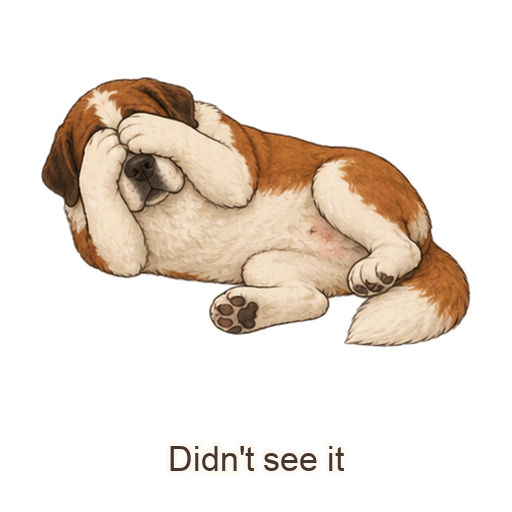 Didn't see it
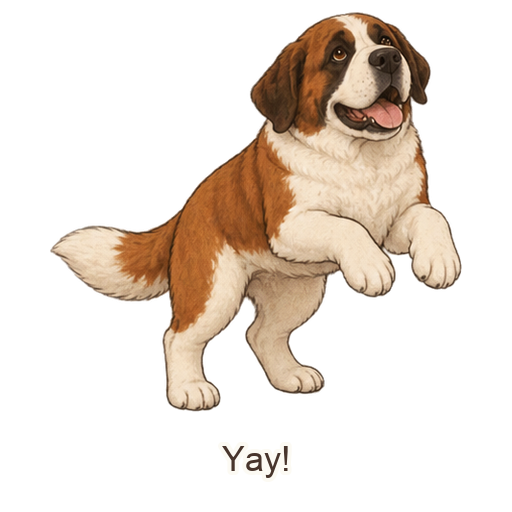 Yay!
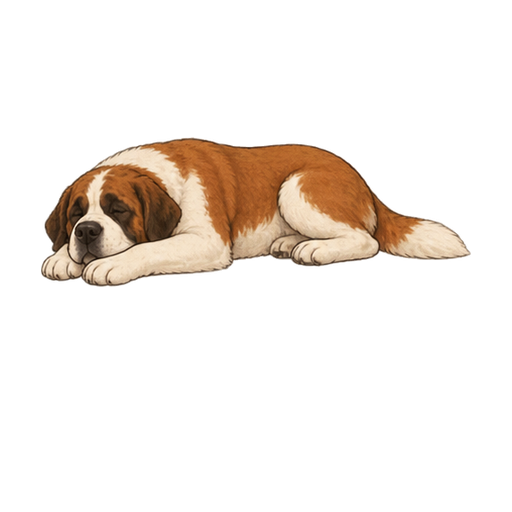 Rest time
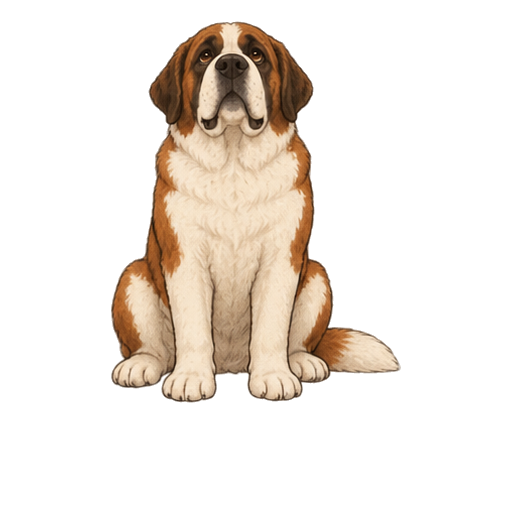 For me?
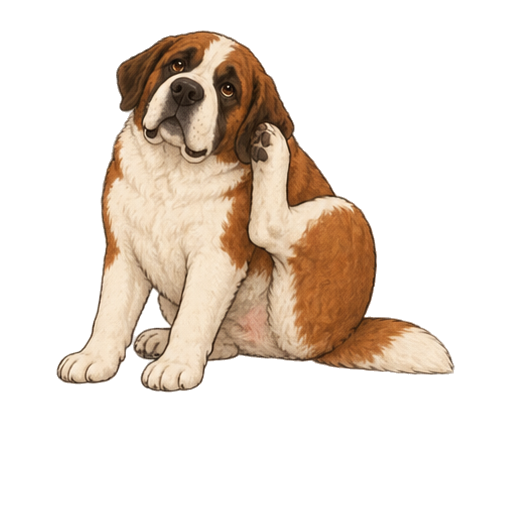 Huh?
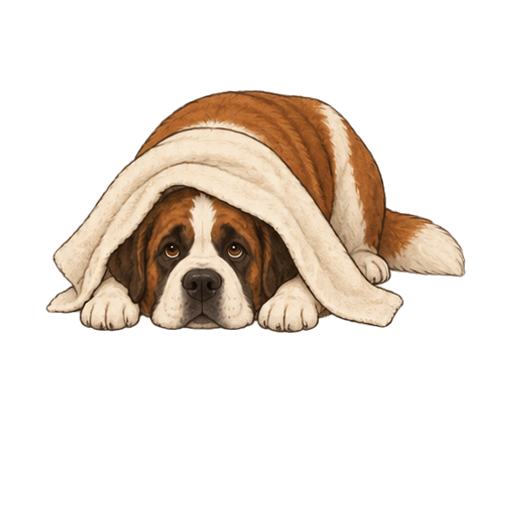 Here I am
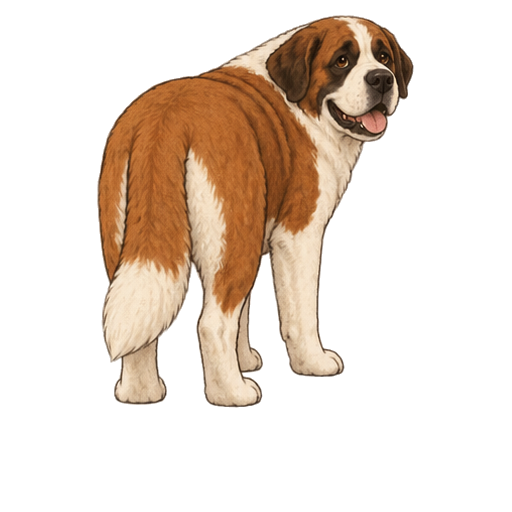 Hehe
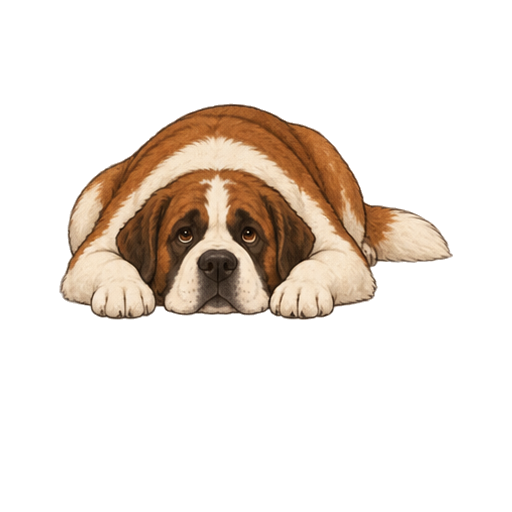 Hmph
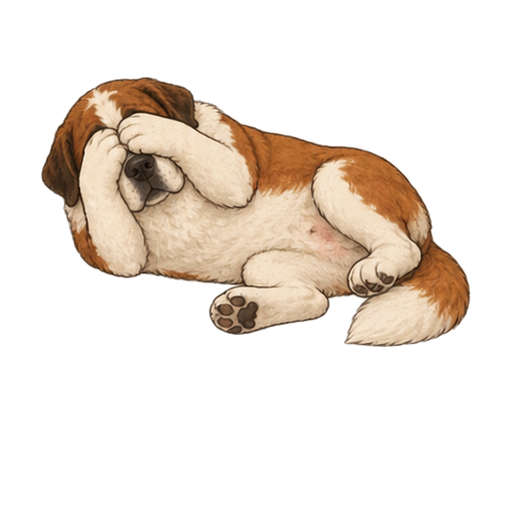 Didn't see it
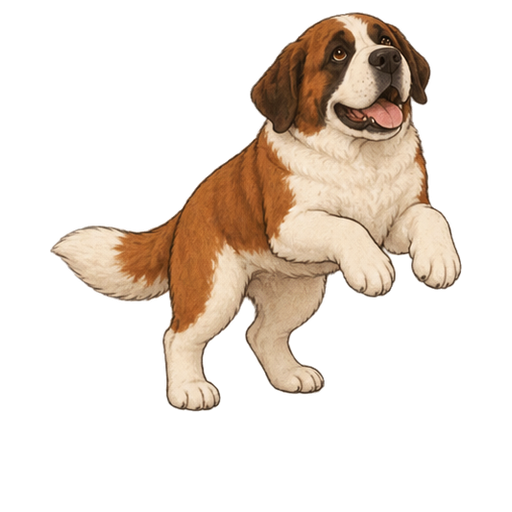 Yay!
Original woofmap artwork, assisted by GPT Image 2. Free for personal chats and non-commercial sharing with credit to woofmap.com. Fictional moods do not predict every dog’s temperament; see this page’s factual sources.
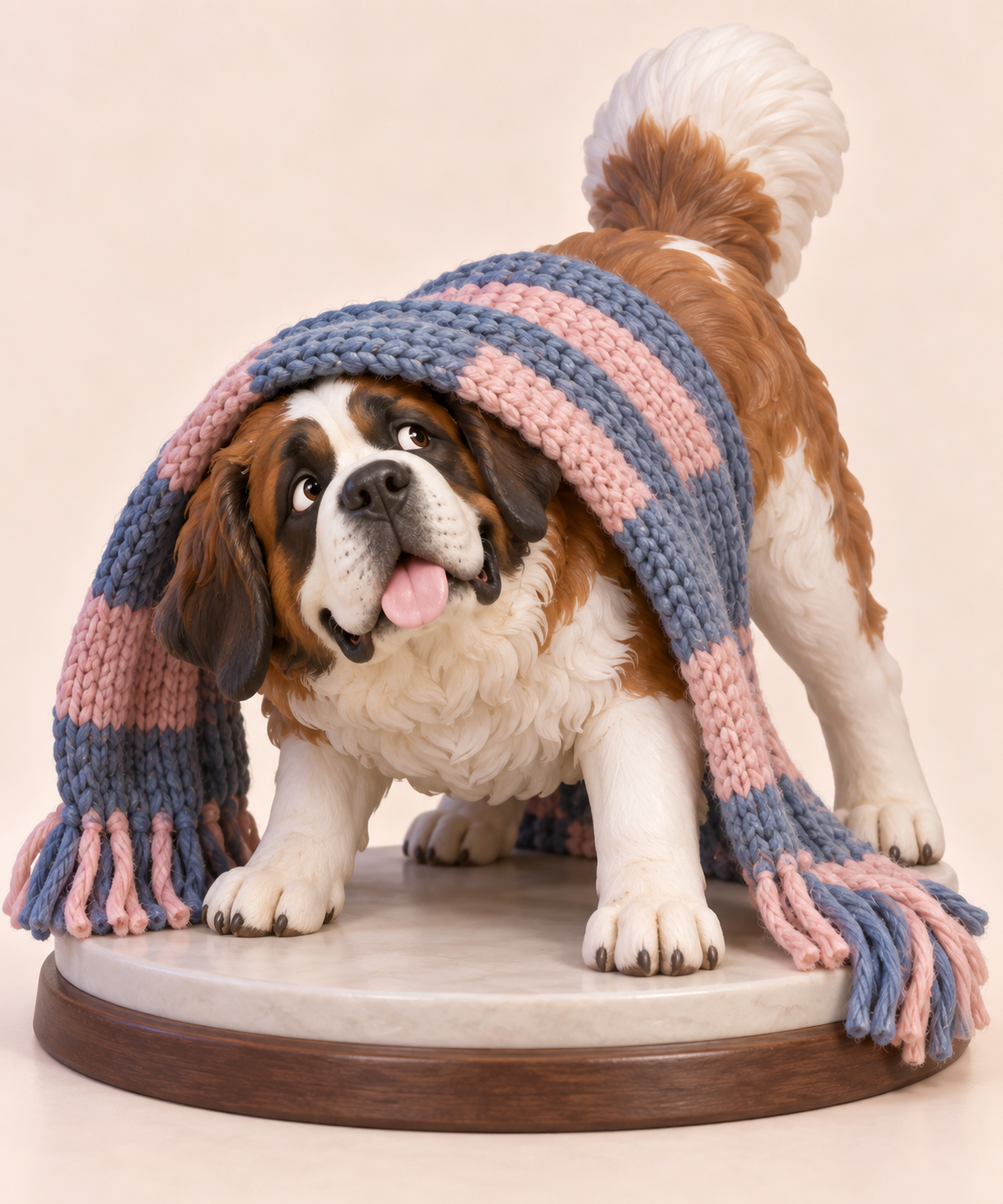
Combine the available parts, choose a name and take a little joy home.
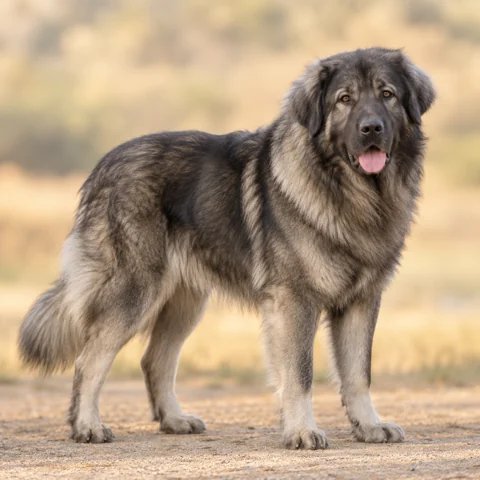 AI realistic image
Pinschers, Schnauzers, Molossians and Swiss mountain dogs
Yugoslavian Shepherd Dog - Sharplanina
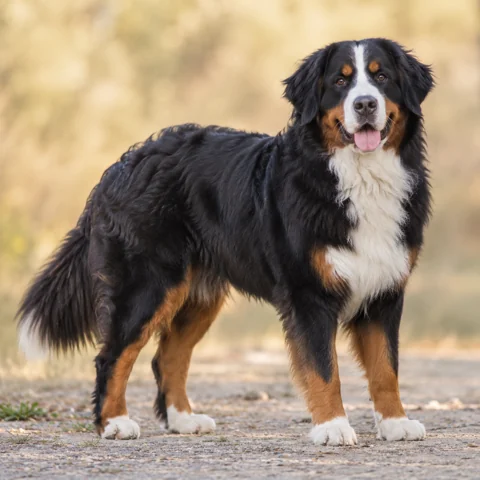 AI realistic image
Pinschers, Schnauzers, Molossians and Swiss mountain dogs
Bernese Mountain Dog
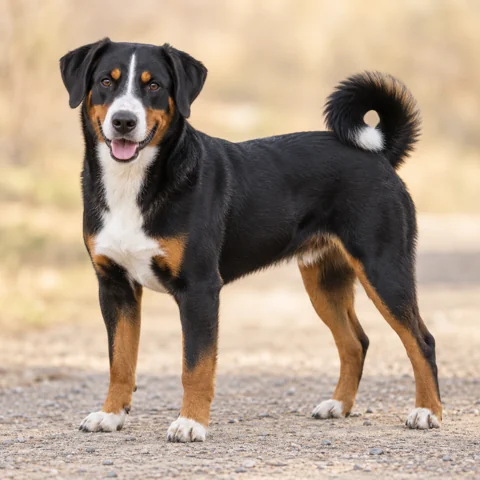 AI realistic image
Pinschers, Schnauzers, Molossians and Swiss mountain dogs
Appenzell Cattle Dog