WOOFMAP · CANINE ARCHIVENO. 222
Pointing dogs
Stabijhoun
Stabijhoun
✳ woofmap.comThe Netherlands
WOOFMAP · CANINE ARCHIVE · NO. 222
Stabijhoun
A pointing dog with a farmyard mole-catching past.
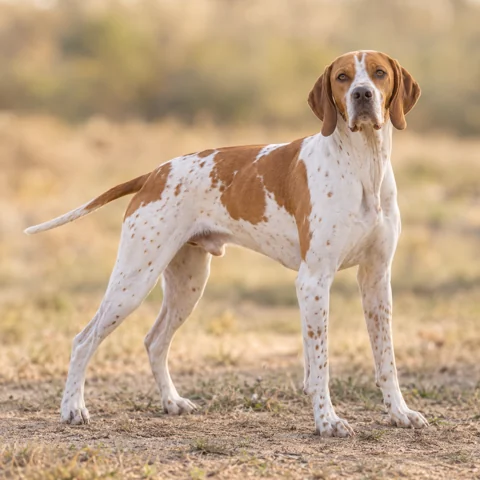
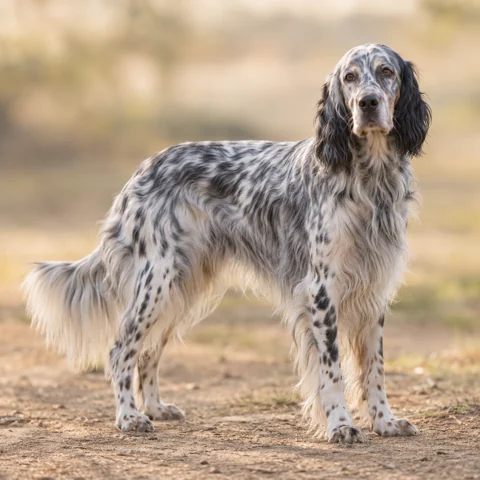
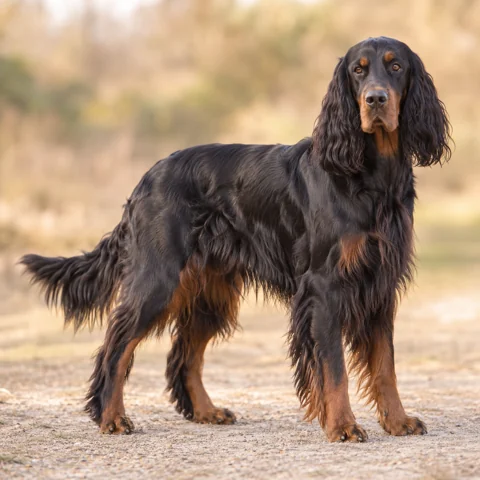
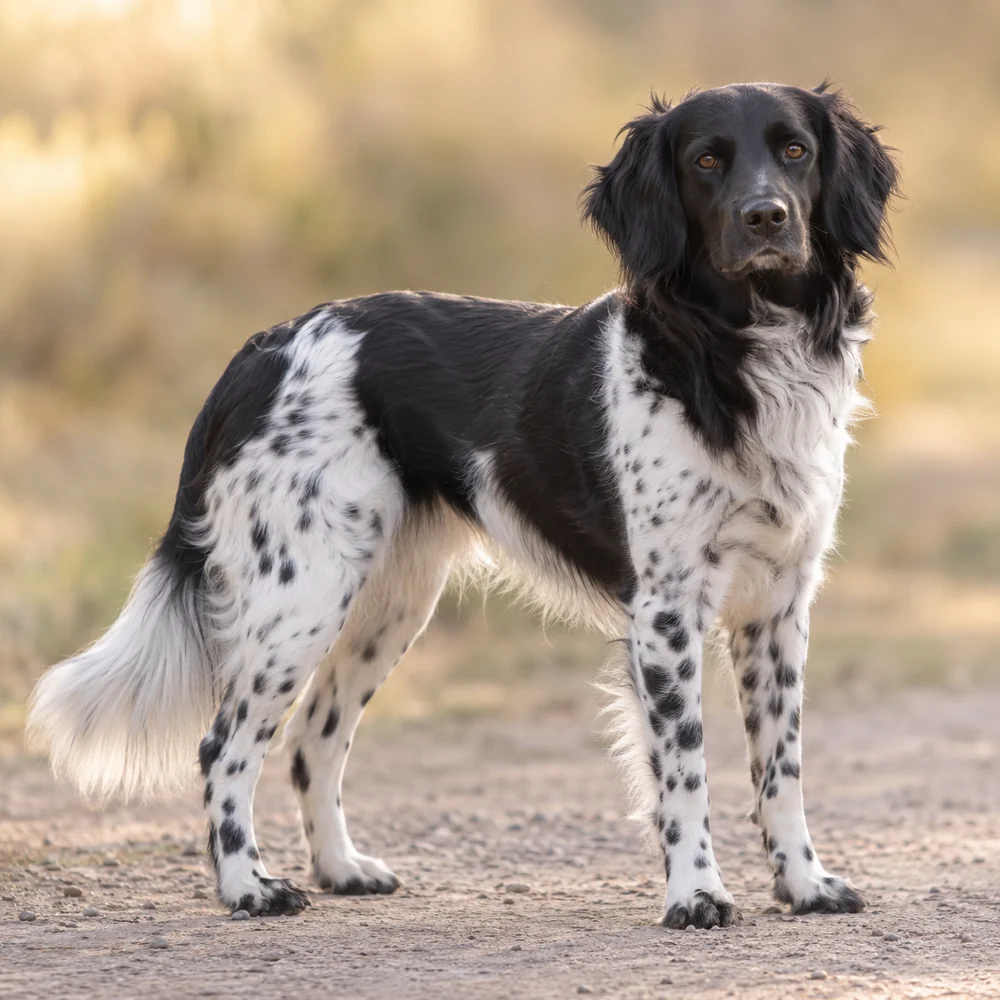
AI-generated realistic breed image, for visual reference.
This Stabijhoun page is still waiting for a voice. Live with a Stabijhoun? Share a natural bark, howl or whine and let others hear a little of your dog’s everyday life.
If we feature your recording, we’ll credit you or your dog using the name you choose.
A 5–15 second phone recording in a quiet setting is perfect. Capture a natural moment without startling or disturbing your dog. Audio or video with sound is welcome.
Share your dog’s voice ↗[email protected]Attach your recording, breed and preferred credit. Please confirm you recorded it and allow woofmap to feature it.
Thank you for helping us build a playful Woof Planet together. Every little woof deserves to be heard.
Pointing dogs
Stabijhoun
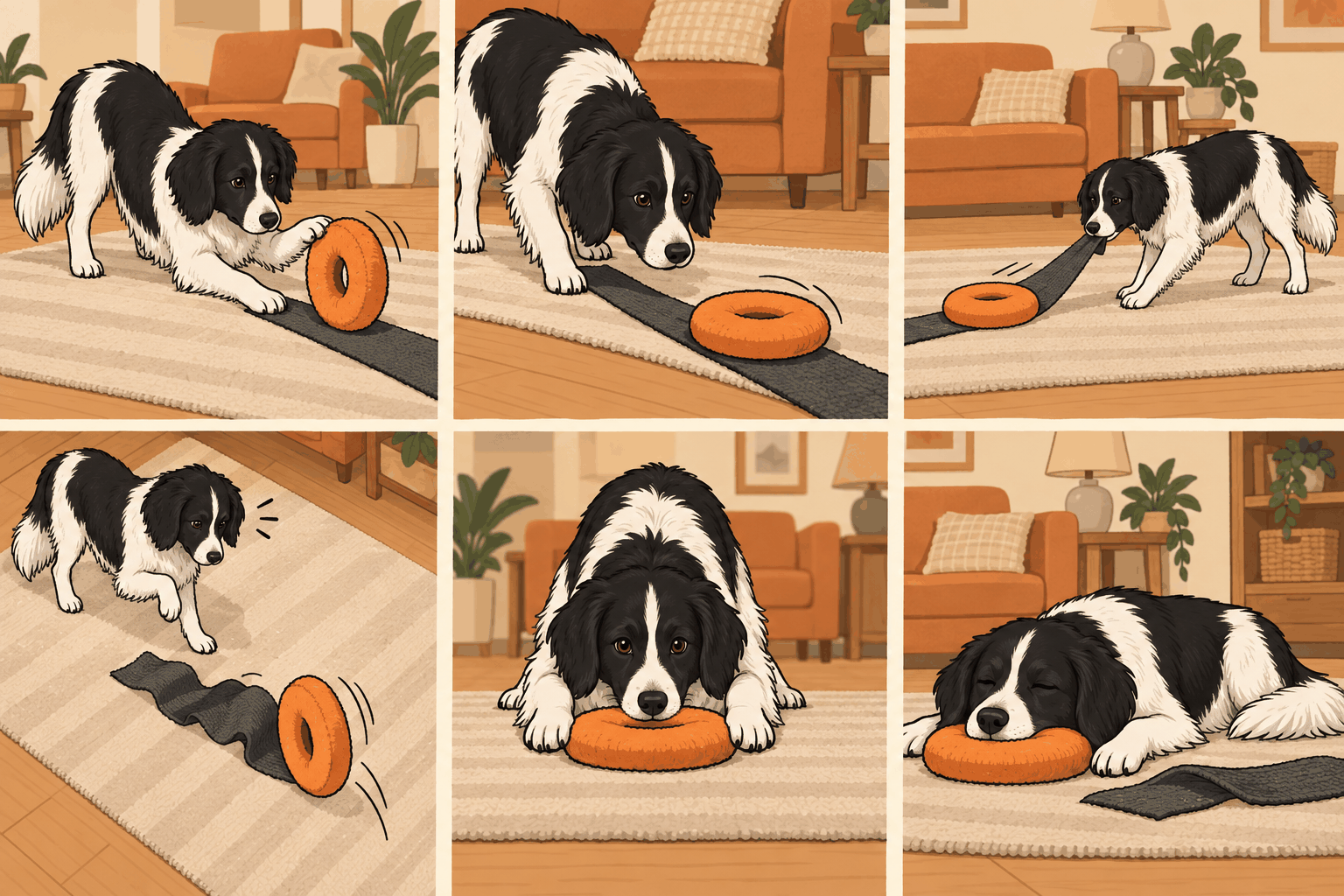
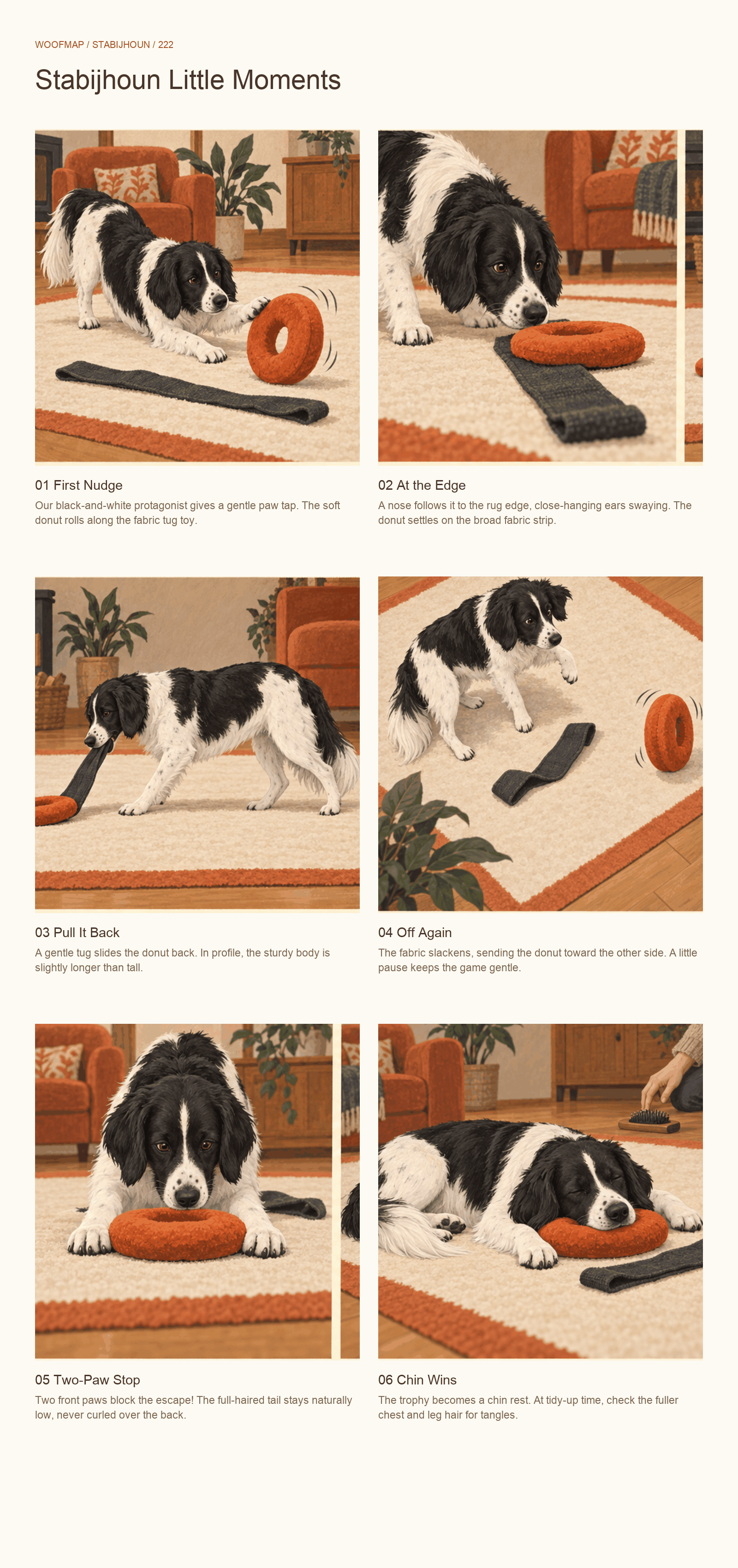
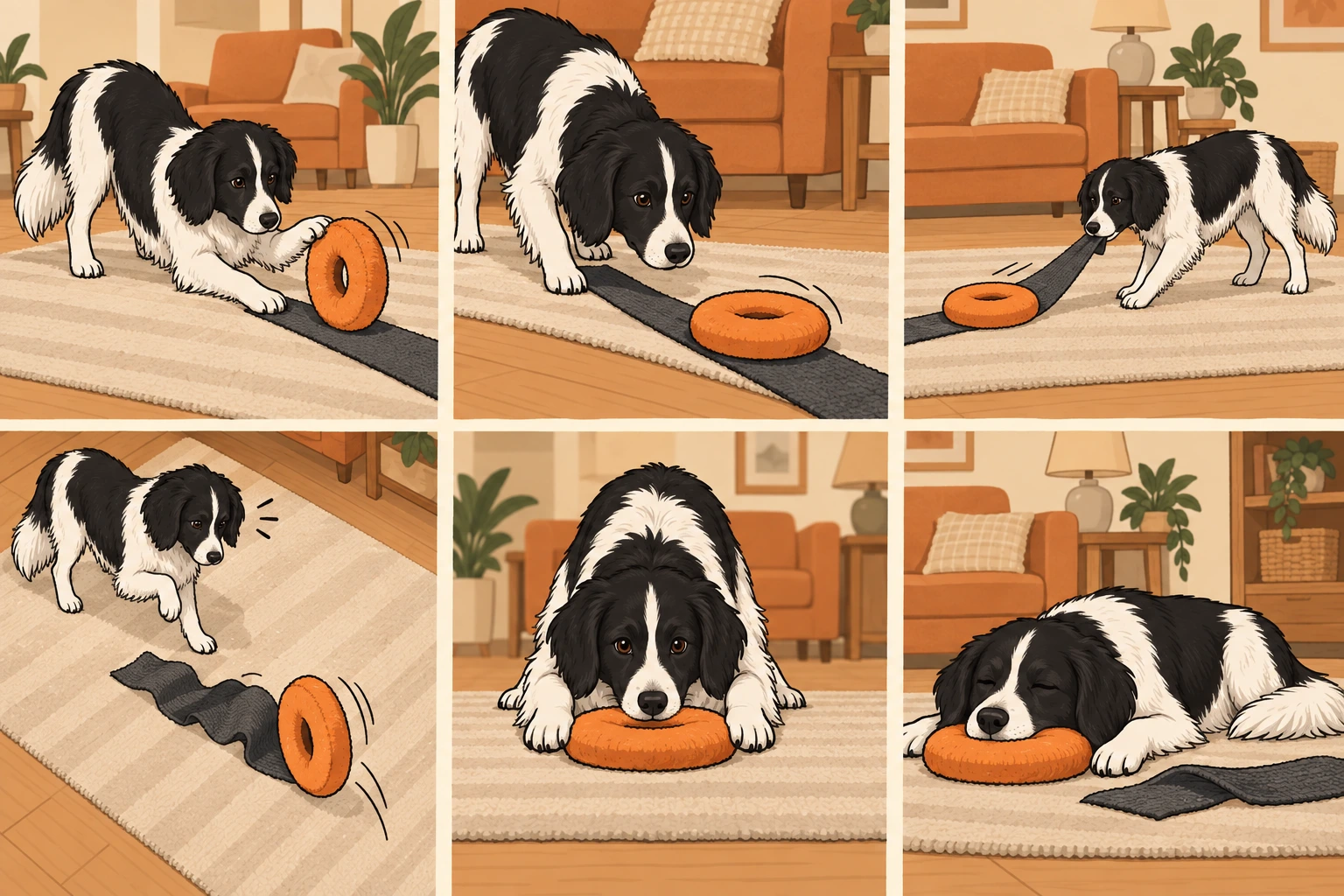
One soft donut and one fabric tug toy turn a gentle nudge into a six-beat comedy. Both toys are suitably sized, with play supervised.
The Stabijhoun originated in the Frisian forest area and is related to the Drentsche Patrijshond. Besides pointing and hunting, it kept farmyards clear of vermin; larger dogs once pulled milk carts, while smaller ones caught moles. After crossbreeding with the Wetterhoun in the early 20th century, Frisian enthusiasts began restoring the breeds separately in 1938; both were officially recognised in 1942.
Strong and muscular without being heavy, the body is slightly longer than tall. Ideal height is 50–53 cm for males and 48–50 cm for females; the ears lie against the head, and the bushy, usually lowered tail reaches the hock.
Look for a sturdy, slightly long body, trowel-shaped ears lying close to the head, and a full-haired, non-curly tail reaching the hock. Feathering makes its otherwise medium-length coat appear long. The standard covers black-and-white, brown-and-white and corresponding roan coats, not separate present-day size varieties.
The standard describes an affectionate, quiet and vigilant dog that is also independent and sometimes headstrong. It may initially be reserved with strangers or unfamiliar situations, though it should not be fearful; individuals vary. Patient, consistent training helps turn its initiative into cooperation.
Brush the fuller hair on the chest, neck, legs and tail, checking for tangles and debris after outings. Walks, scent games, retrieving and gradually taught pointing-dog activities can engage its working instincts; manage it carefully around small animals. It may be quiet and watchful at home yet make independent choices, so use patient, consistent rules and reward-based training.
Not necessarily: this working dog can think for itself, and hesitation need not mean defiance. A home willing to teach clear rules and reward cooperation is a better fit.
Check behind the ears and through the chest, leg and tail hair, brushing out tangles as needed. It has an undercoat, but the standard specifies no fixed amount of shedding; it should not be described as non-shedding.
A yard alone is a poor substitute for engagement: this breed worked as a hunter, pointer and vermin catcher. Offer supervised outings and scent or search tasks, and keep control where small animals may appear.
SOURCE NOTES
Breed traits follow the cited official standards; everyday care advice is our editorial interpretation of coat, build and working purpose.
Coat and size varieties can share a standard. The number is an archive reference, not a rarity score. An independent educational atlas, not a registry publication. Temperament varies; consult a veterinarian about health concerns.
WOOFMAP / STABIJHOUN / LITTLE MOMENTS
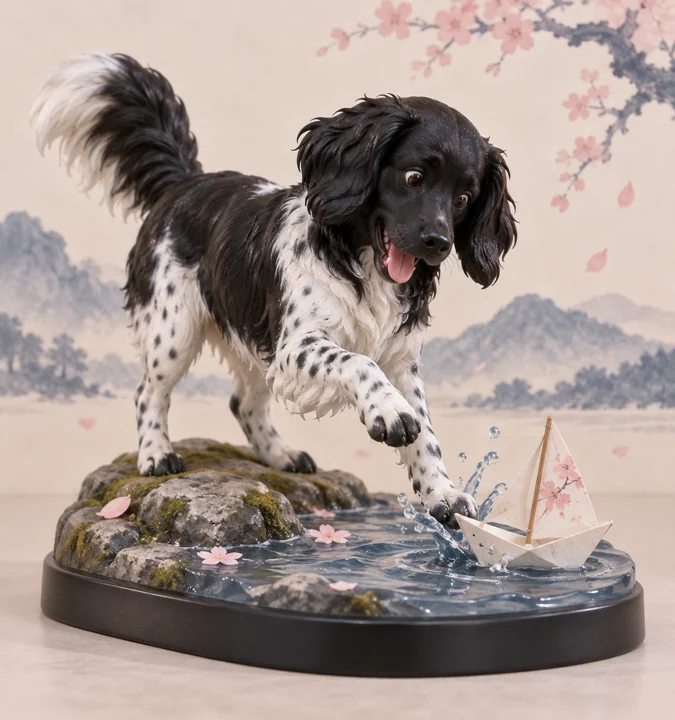
This pack features a black-and-white Stabijhoun with close-hanging ears, a sturdy, slightly long body and a full, naturally lowered tail. Its rug-side antics are fictional, not breed-wide traits.
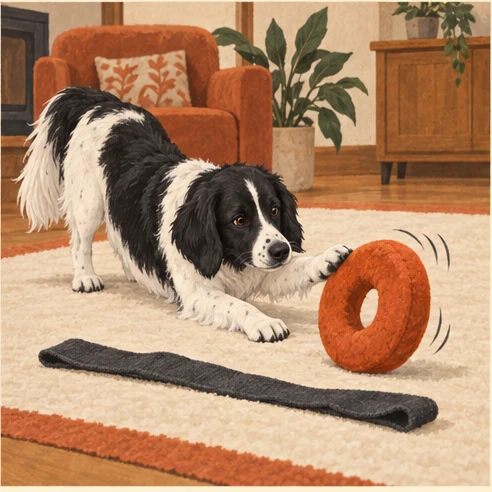
Our black-and-white protagonist gives a gentle paw tap. The soft donut rolls along the fabric tug toy.
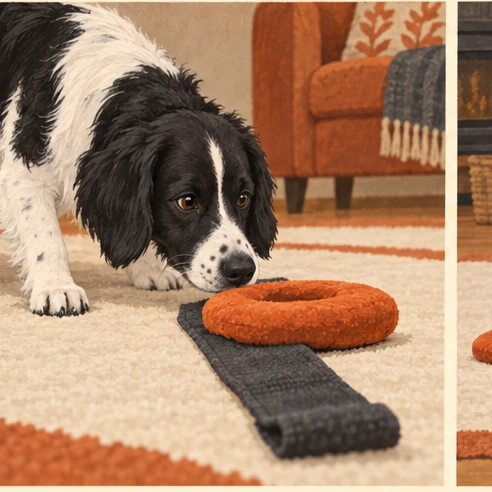
A nose follows it to the rug edge, close-hanging ears swaying. The donut settles on the broad fabric strip.
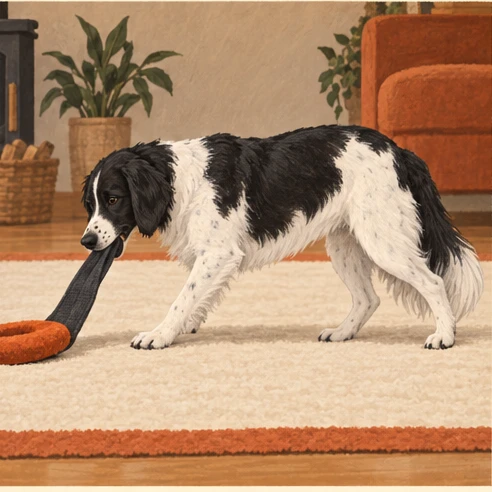
A gentle tug slides the donut back. In profile, the sturdy body is slightly longer than tall.
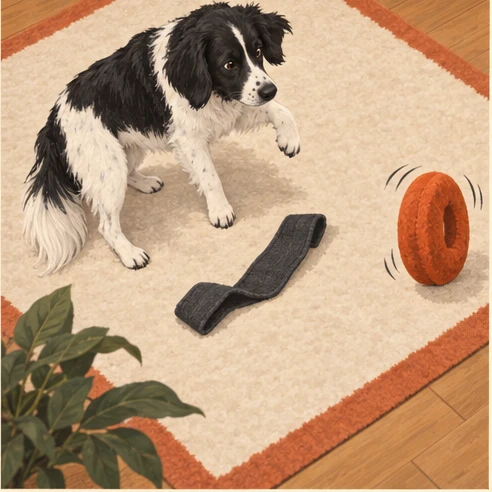
The fabric slackens, sending the donut toward the other side. A little pause keeps the game gentle.
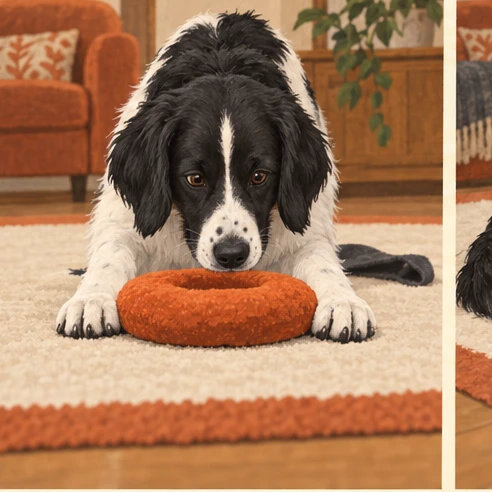
Two front paws block the escape! The full-haired tail stays naturally low, never curled over the back.
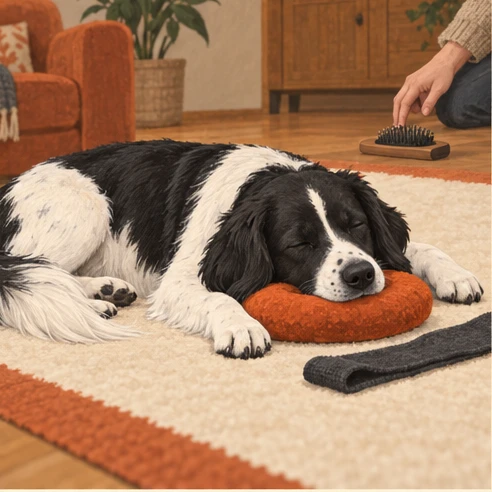
The trophy becomes a chin rest. At tidy-up time, check the fuller chest and leg hair for tangles.
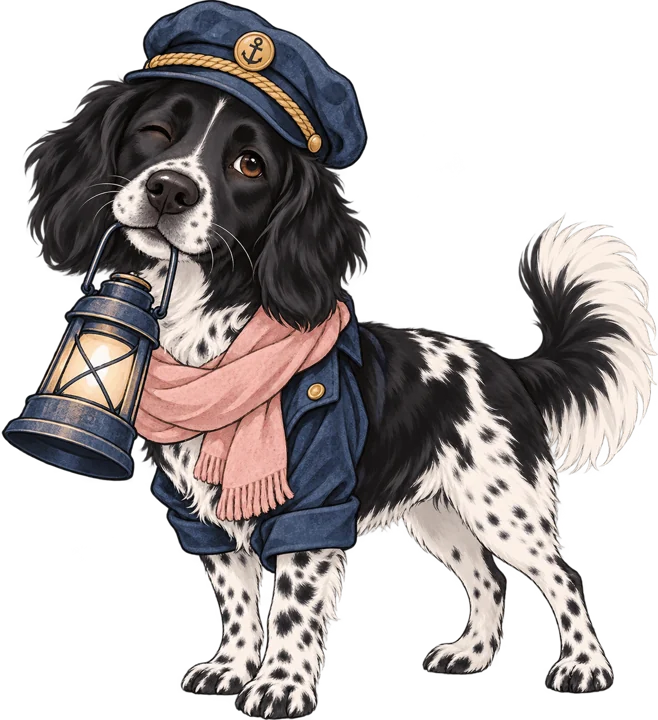
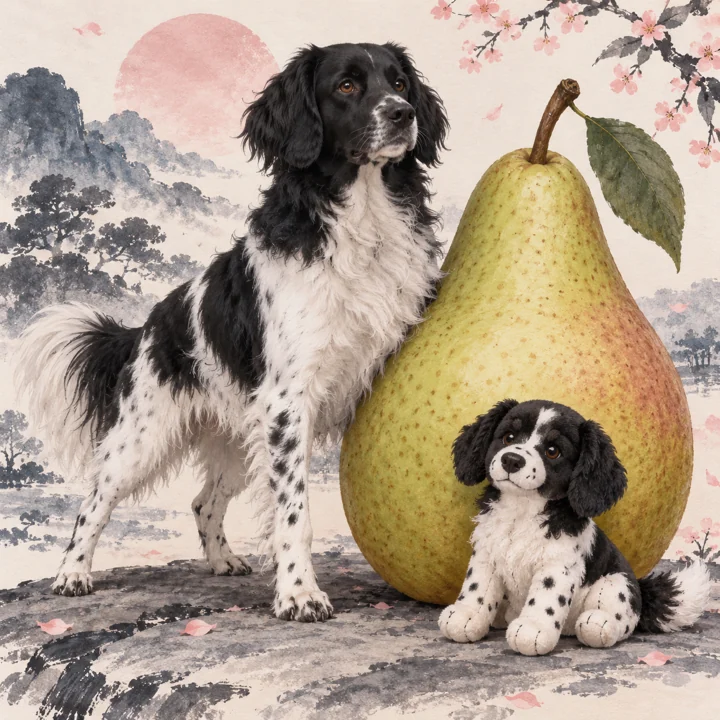
Eight transparent PNGs to save individually. Switch captions on or off for your chats.
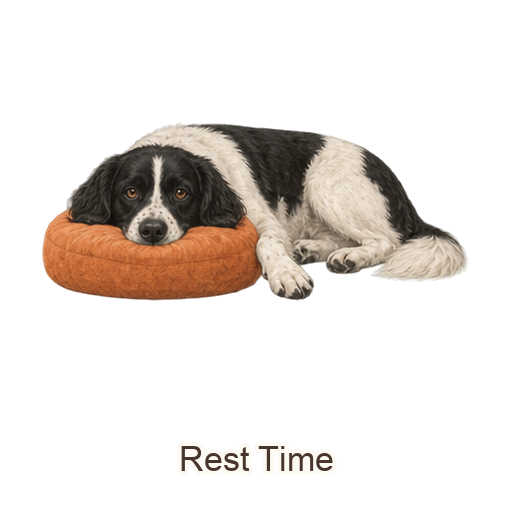 Rest Time
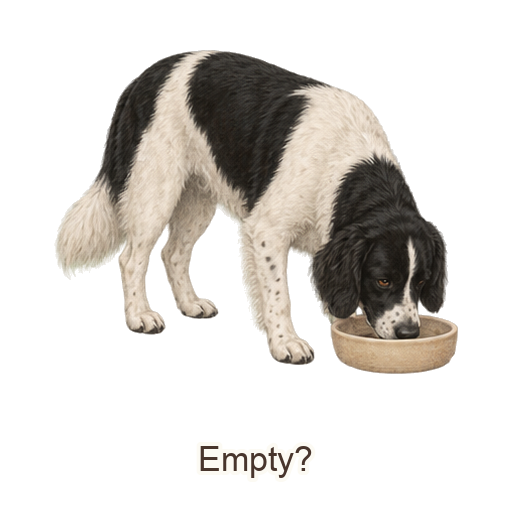 Empty?
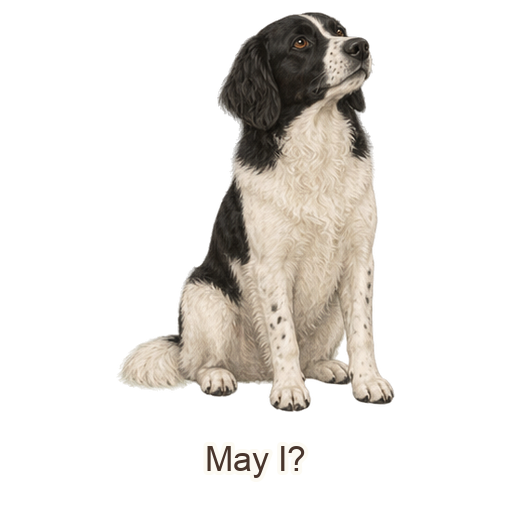 May I?
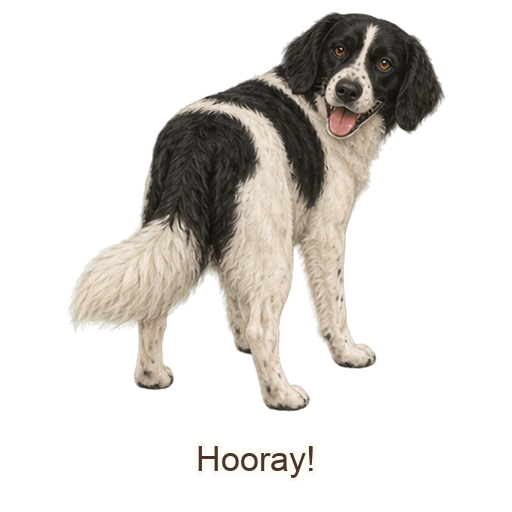 Hooray!
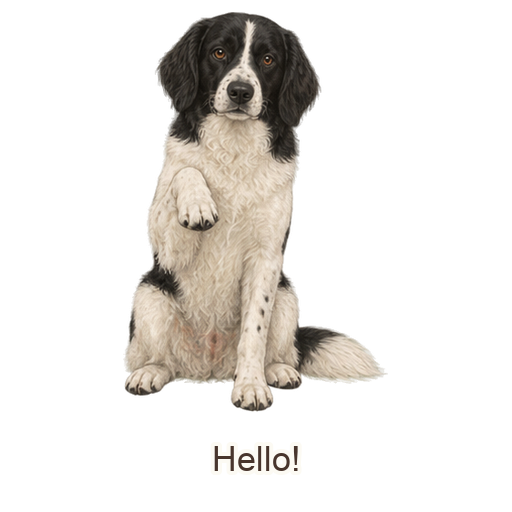 Hello!
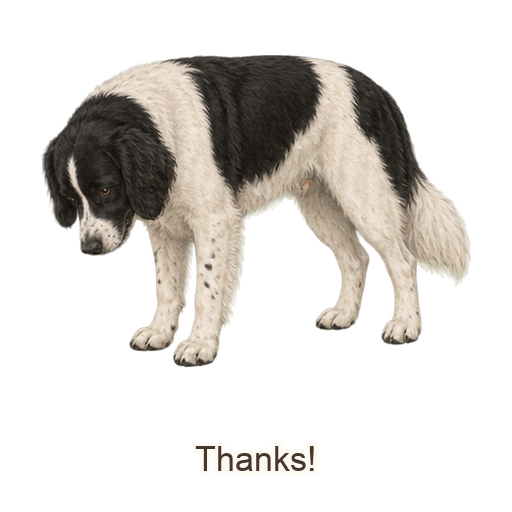 Thanks!
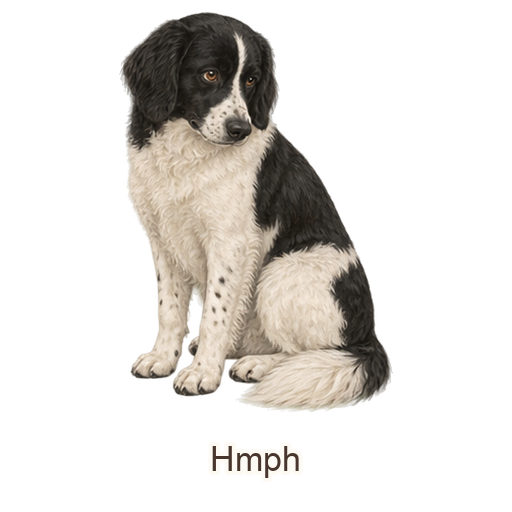 Hmph
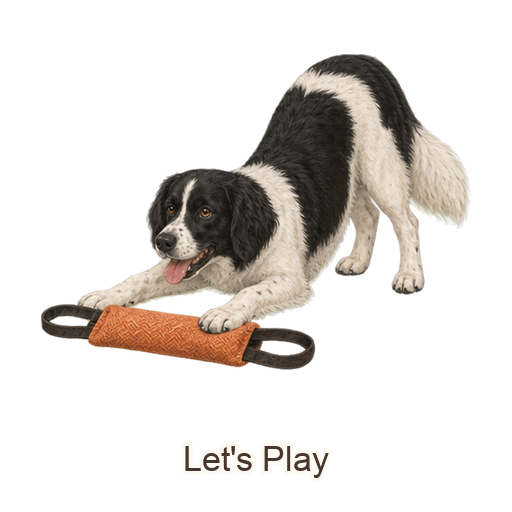 Let's Play
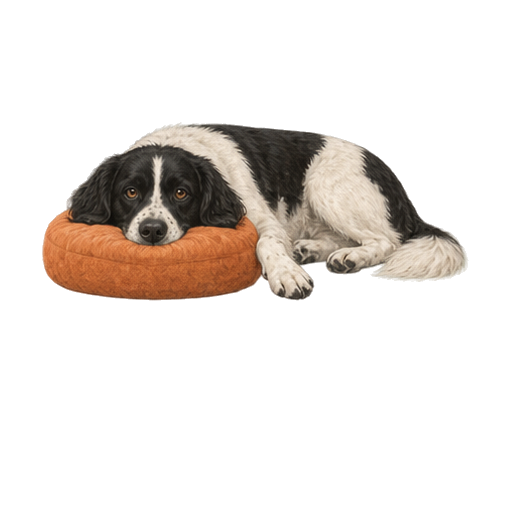 Rest Time
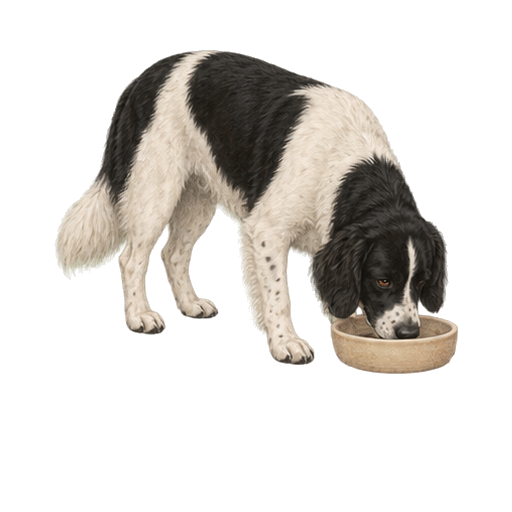 Empty?
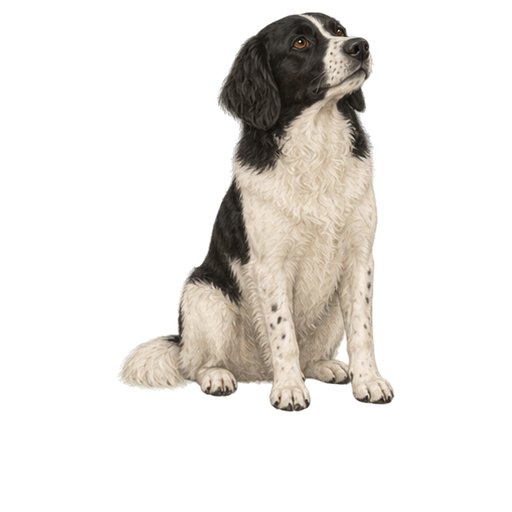 May I?
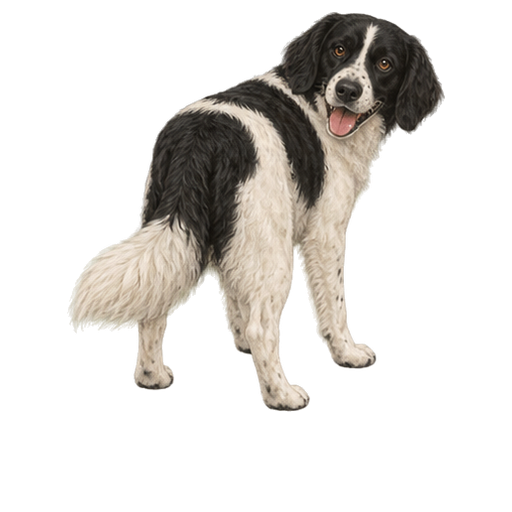 Hooray!
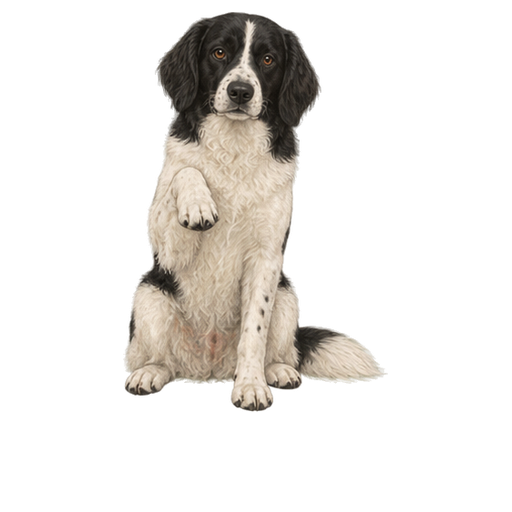 Hello!
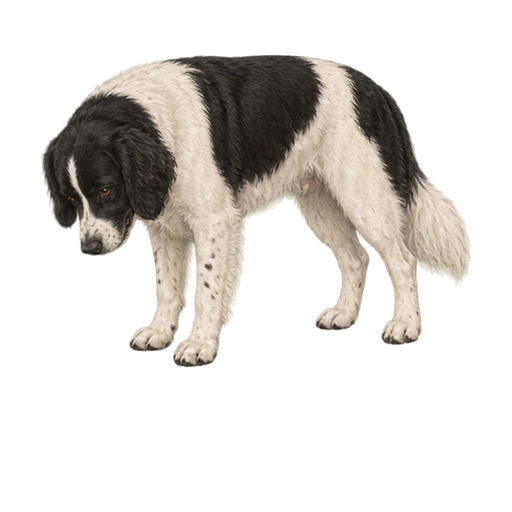 Thanks!
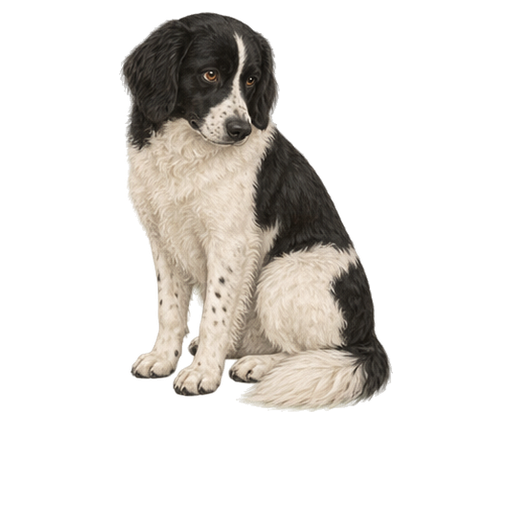 Hmph
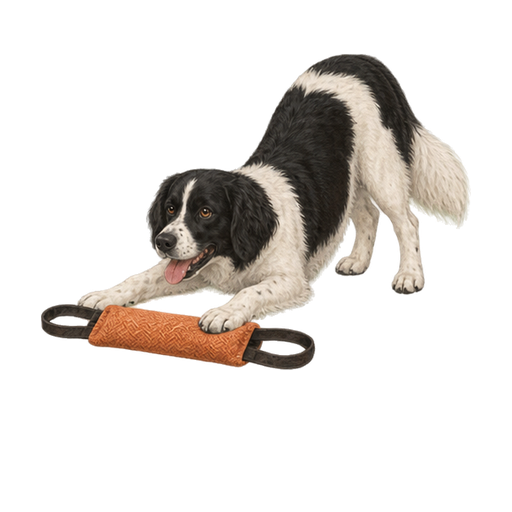 Let's Play
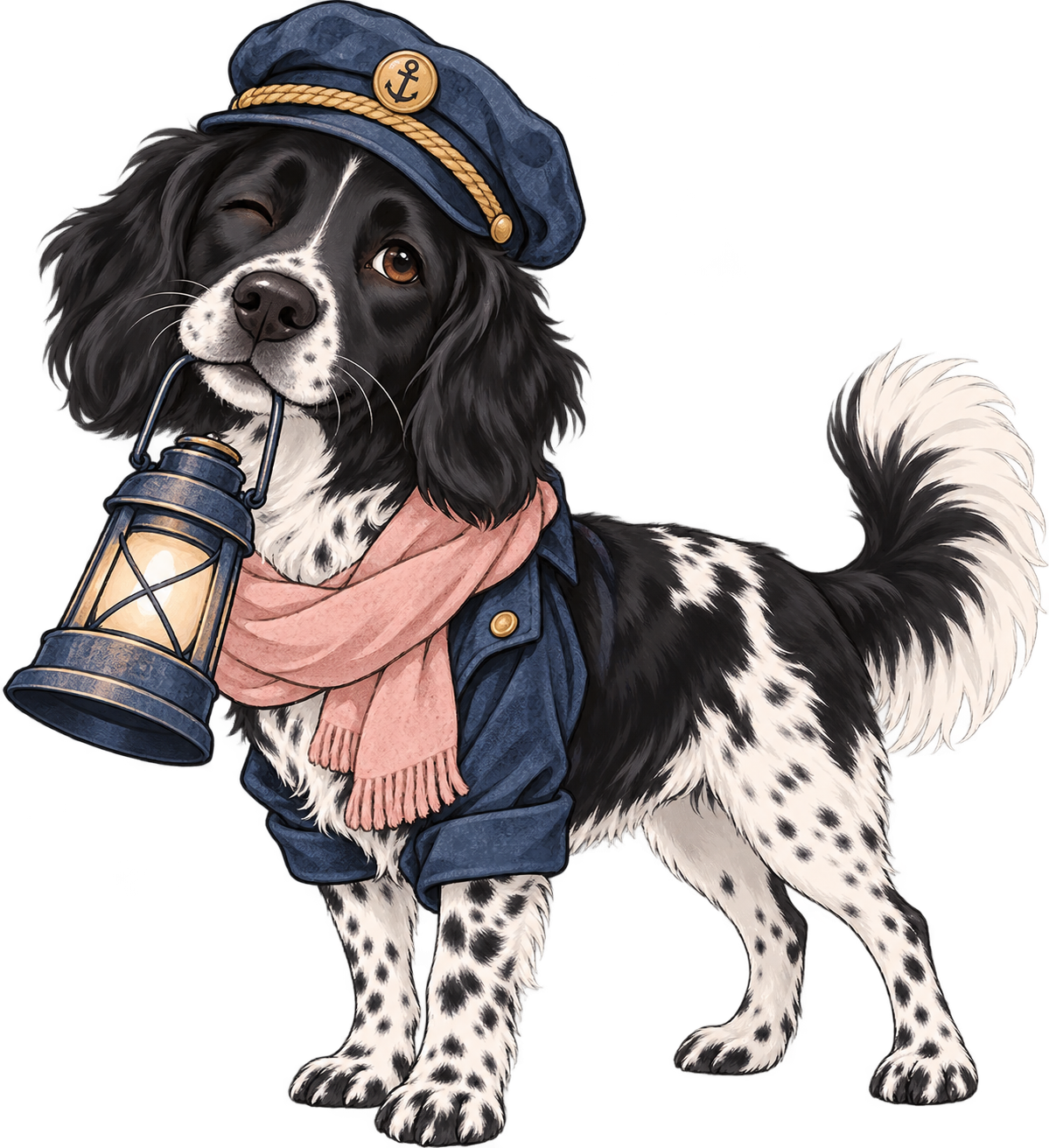
Original woofmap artwork, assisted by GPT Image 2. Free for personal chats and non-commercial sharing with credit to woofmap.com. Fictional moods do not predict every dog’s temperament; see this page’s factual sources.
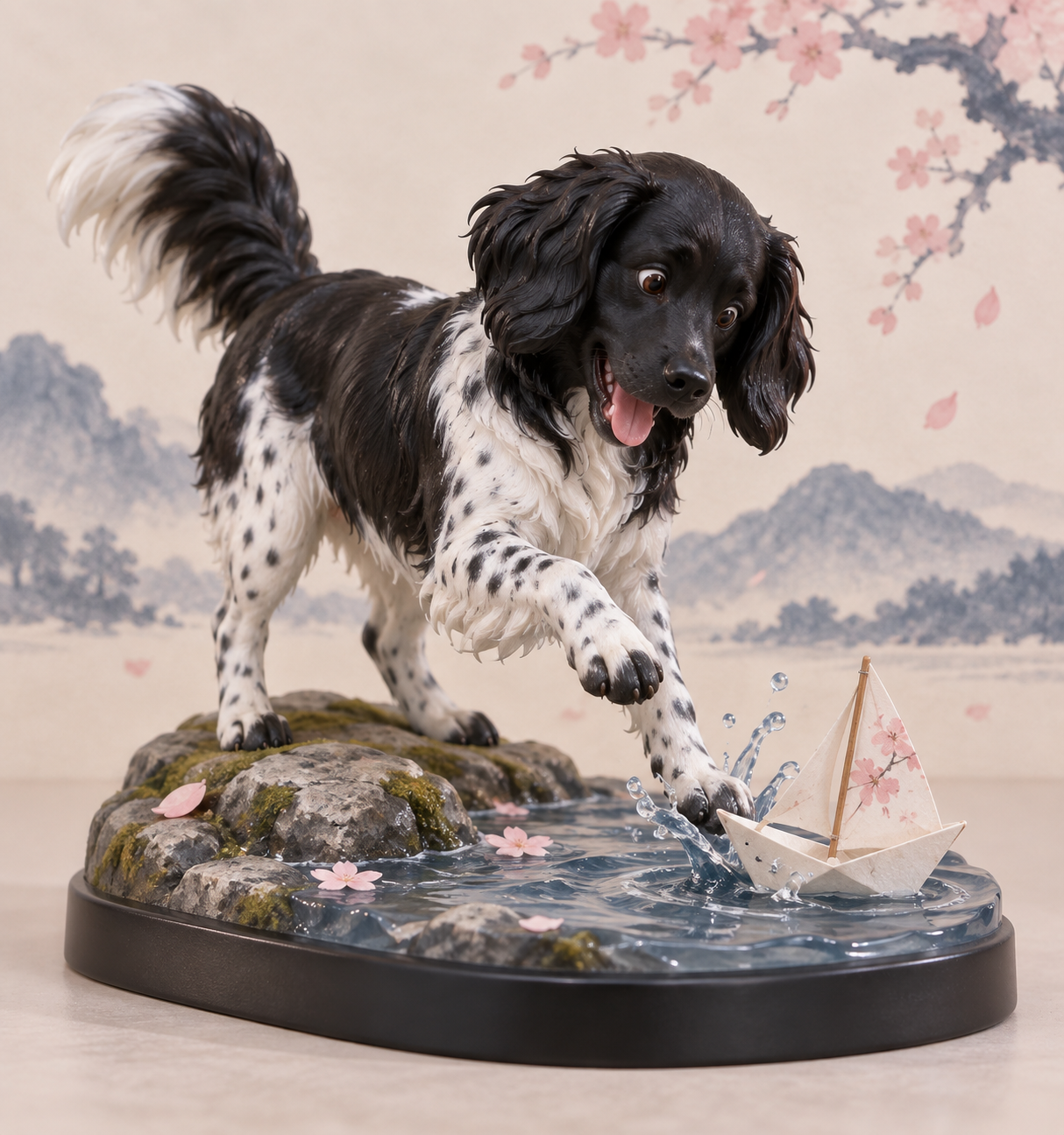
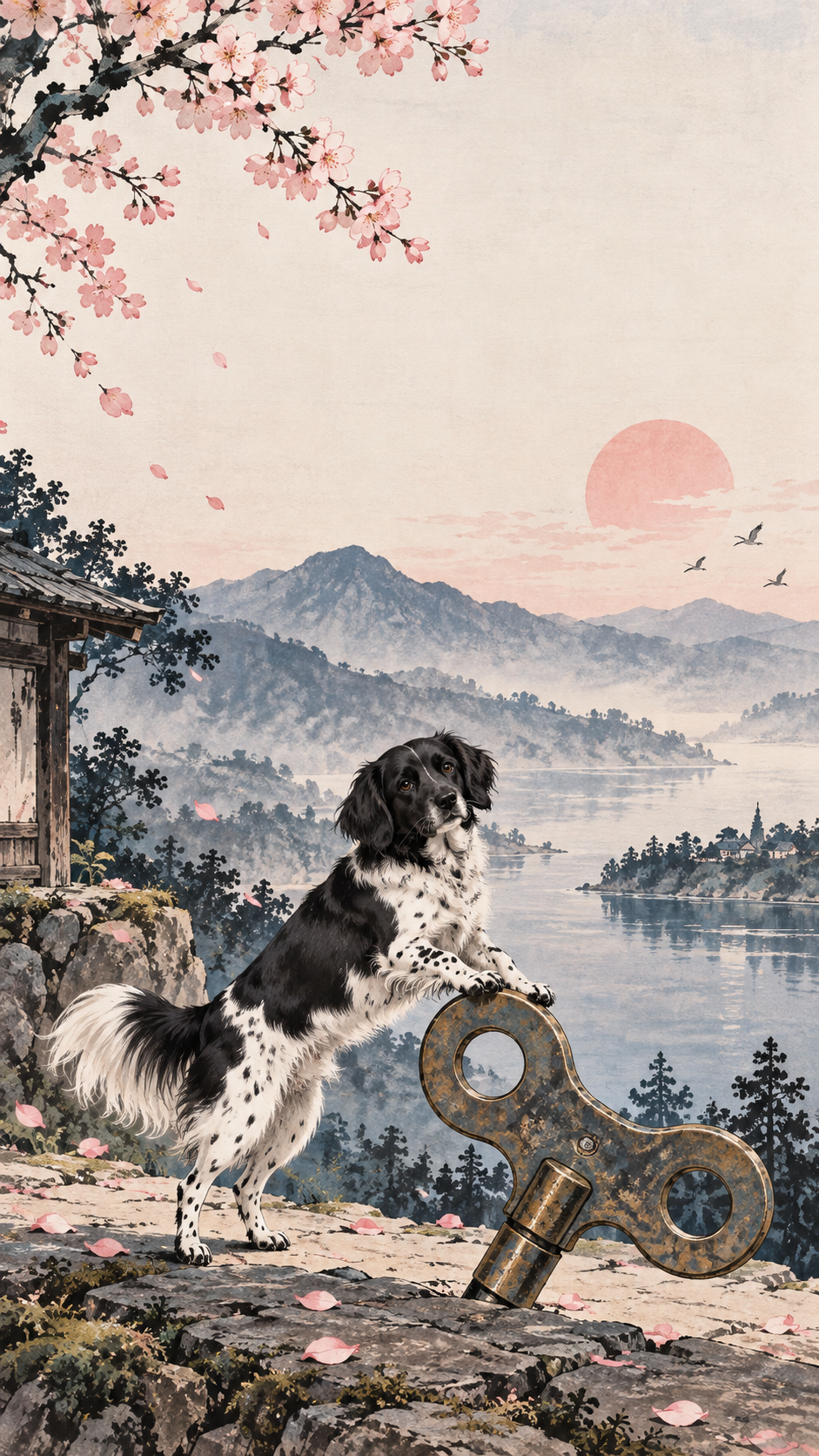
Combine the available parts, choose a name and take a little joy home.