WOOFMAP · CANINE ARCHIVENO. 143
Pinschers, Schnauzers, Molossians and Swiss mountain dogs
Dobermann
Dobermann
✳ woofmap.comGermany
WOOFMAP · CANINE ARCHIVE · NO. 143
Dobermann
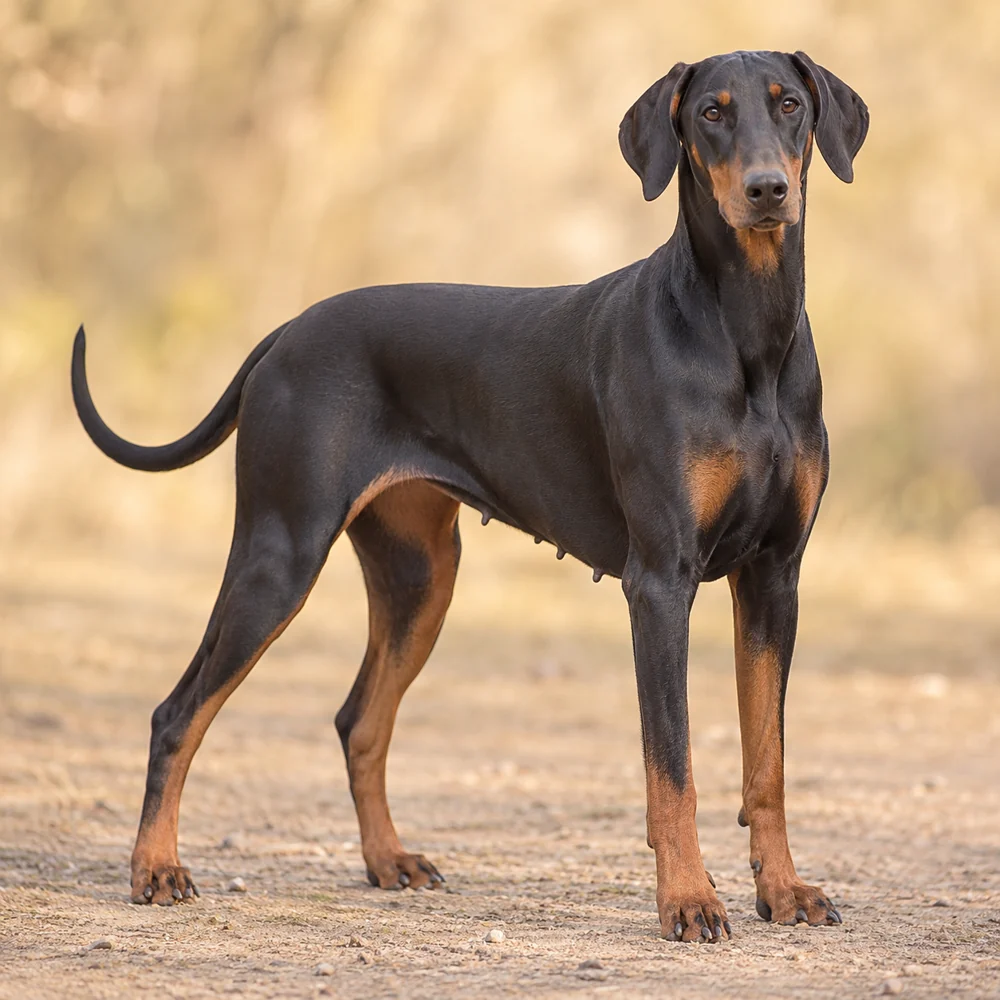
An elegant German working dog with a protective heritage.
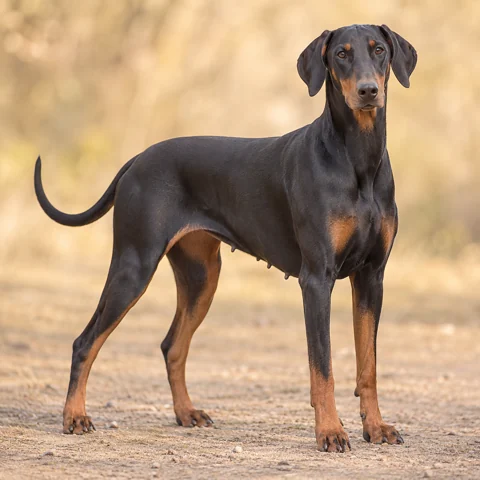
AI-generated realistic breed image, for visual reference.
Real recording · Individual vocal example · Short sample Excerpt trimmed, volume normalized and converted to MP3; pitch and speed unchanged.
Recording source: Mick Gibbs · Freesound · Akila Bark 3.mp3 ↗ · CC BY 4.0 · Open the recording
Pinschers, Schnauzers, Molossians and Swiss mountain dogs
Dobermann
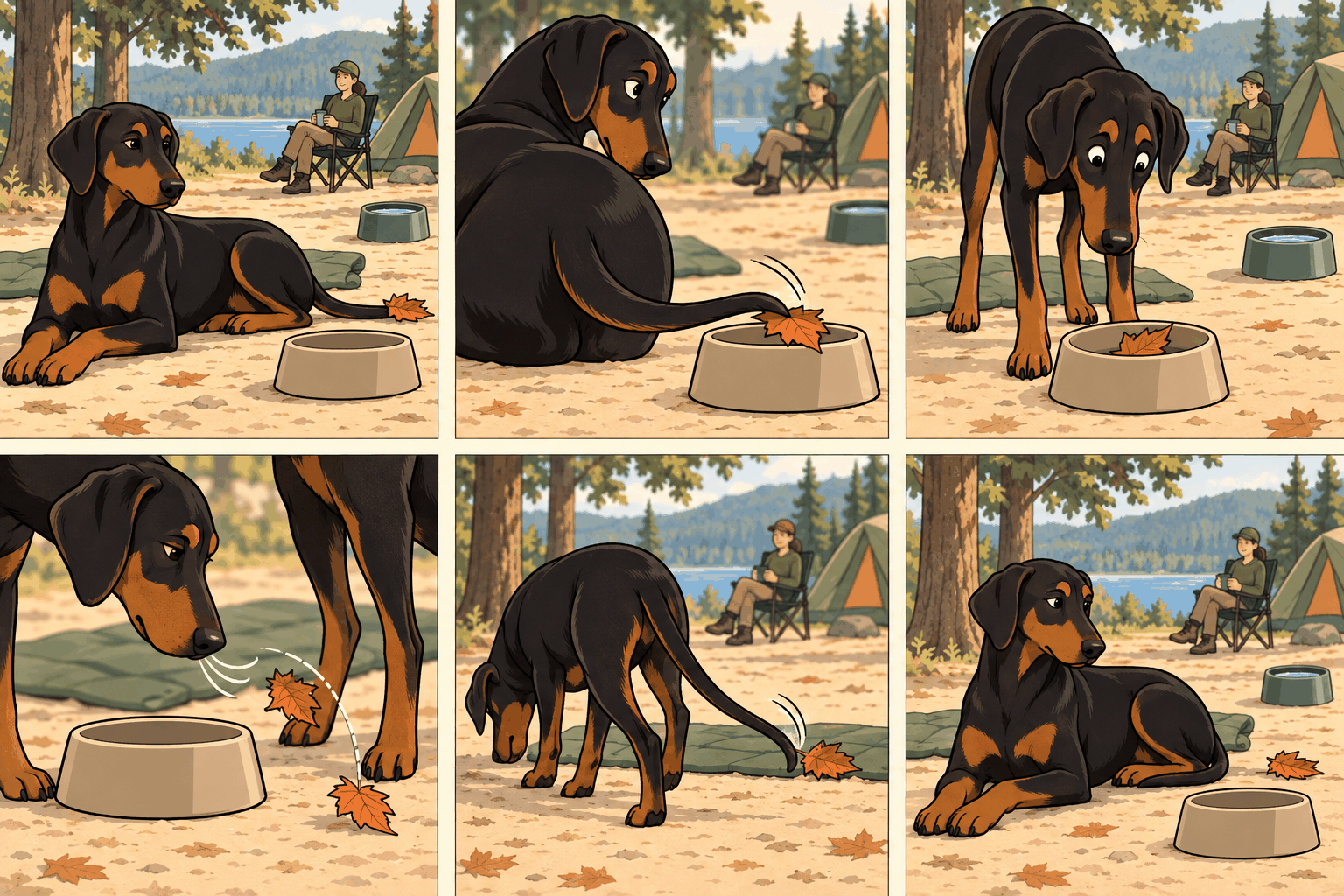
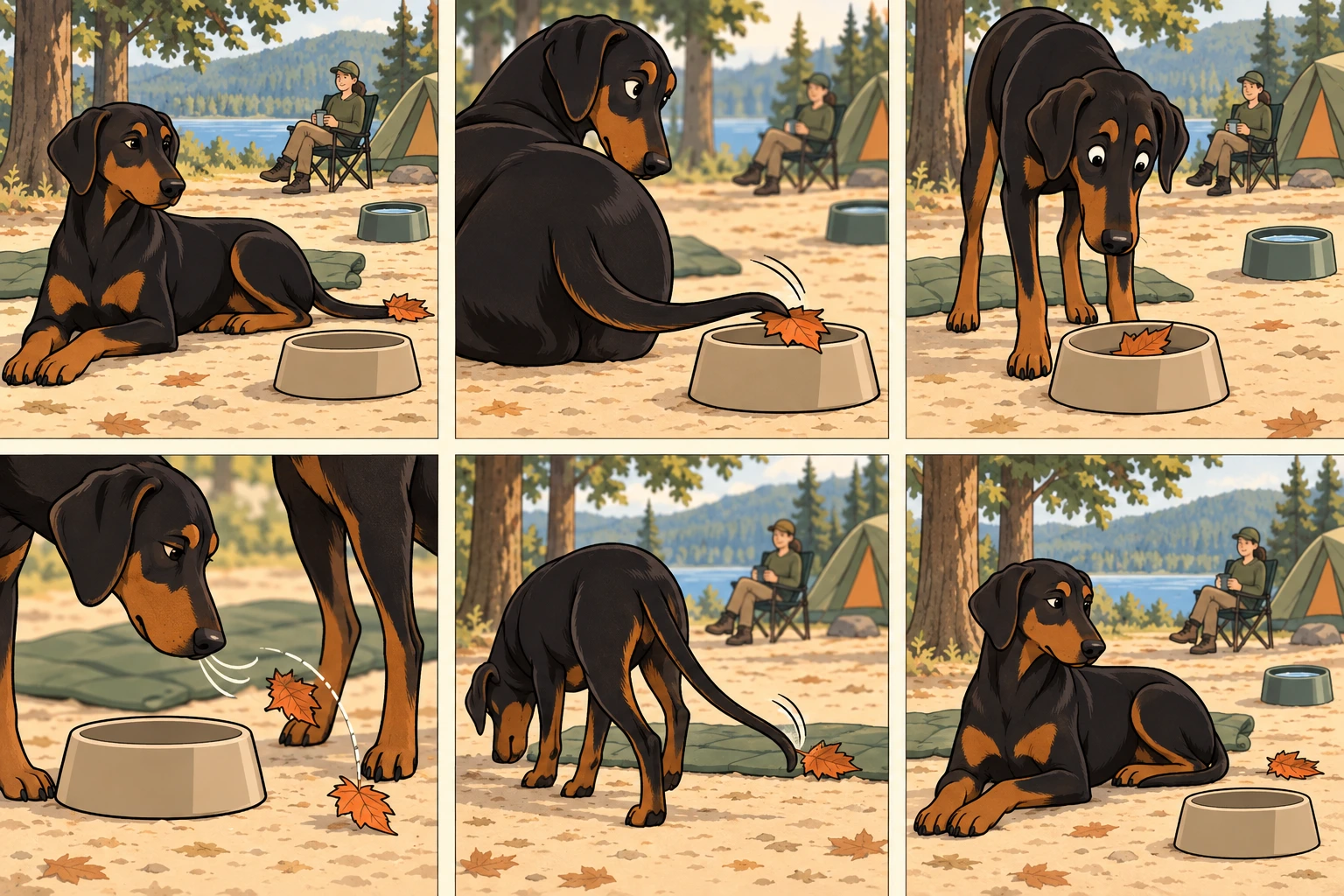
A fallen leaf meets a gently swishing, short-coated long tail, makes a circuit and returns to its starting point. Just one fictional Dobermann’s afternoon.
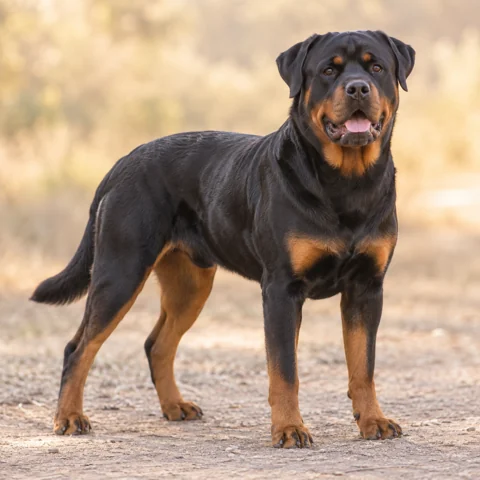
The breed takes its name from its original German breeder, Friedrich Louis Dobermann. In the 1870s he bred from several kinds of dogs; early Rottweiler-type “butcher’s dogs” and a shepherd type from Thuringia were important to its development. Dobermanns went on to serve as house and guard dogs, in police work, and in hunting to control large vermin.
Medium-sized, powerful and muscular yet elegant, the body is nearly square, especially in males. Males stand 68–72 cm and females 63–68 cm at the withers; the ears and tail are left natural, with the tail ideally carried high in a slight curve.
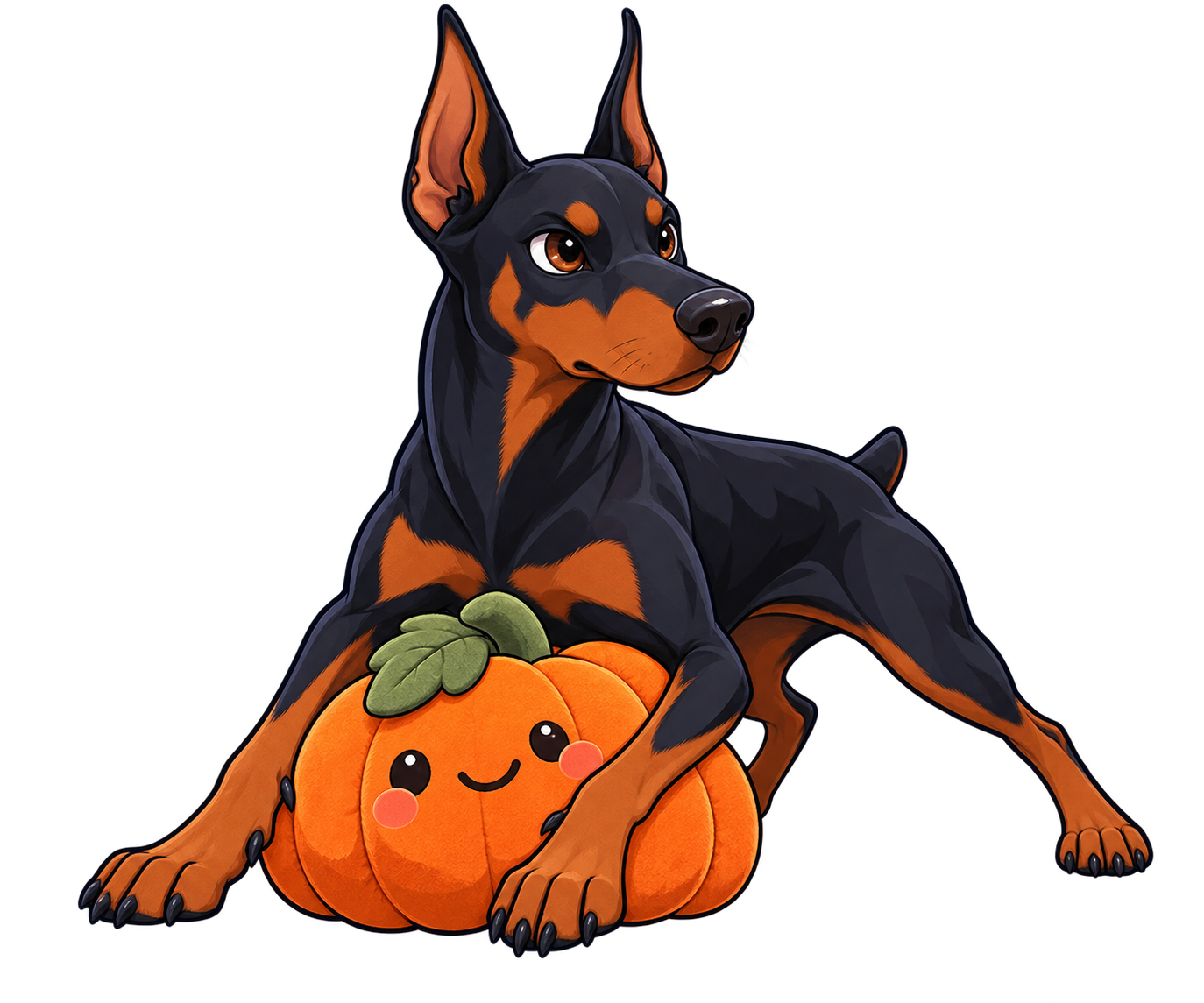
Look beyond the familiar black coat: this is a muscular, nearly square dog with a short coat and markings in defined positions. The standard covers both black and brown varieties, each marked on areas including the brows, muzzle, chest and legs; natural ears and a natural tail are part of the standard.
The standard calls for a friendly, calm dog devoted to its family, with measured alertness and courage. It describes a willing, trainable worker; consistent reward-based guidance helps channel that confidence and protective ability. Individuals differ, so sociability with strangers should not be assumed.
Brush the short coat regularly and use the opportunity to check skin, ears and nails. This working breed needs daily activity plus engaging tasks such as scent games and obedience training. Reward-based practice can build reliable recall and calm behaviour around visitors, while gradual exposure helps it adapt to varied settings. Manage its protective tendencies responsibly rather than leaving it to assess guests on its own.
The standard describes it as suitable for family life and devoted to its family. A household still needs time for consistent training, exposure to everyday situations and visitor management; the breed description cannot guarantee any individual dog’s behaviour.
Regular brushing removes loose hair and keeps the coat tidy; short hair does not mean no shedding. The standard specifies a close-fitting coat without an undercoat, not a long or visibly double coat.
It was developed for protection and work, so opportunities to think and cooperate with a handler matter alongside physical activity. Add scent games, training and managed exploration to walks, adjusting activities to the individual dog.
SOURCE NOTES
Breed traits follow the cited official standards; everyday care advice is our editorial interpretation of coat, build and working purpose.
Coat and size varieties can share a standard. The number is an archive reference, not a rarity score. An independent educational atlas, not a registry publication. Temperament varies; consult a veterinarian about health concerns.
WOOFMAP / DOBERMANN / LITTLE MOMENTS
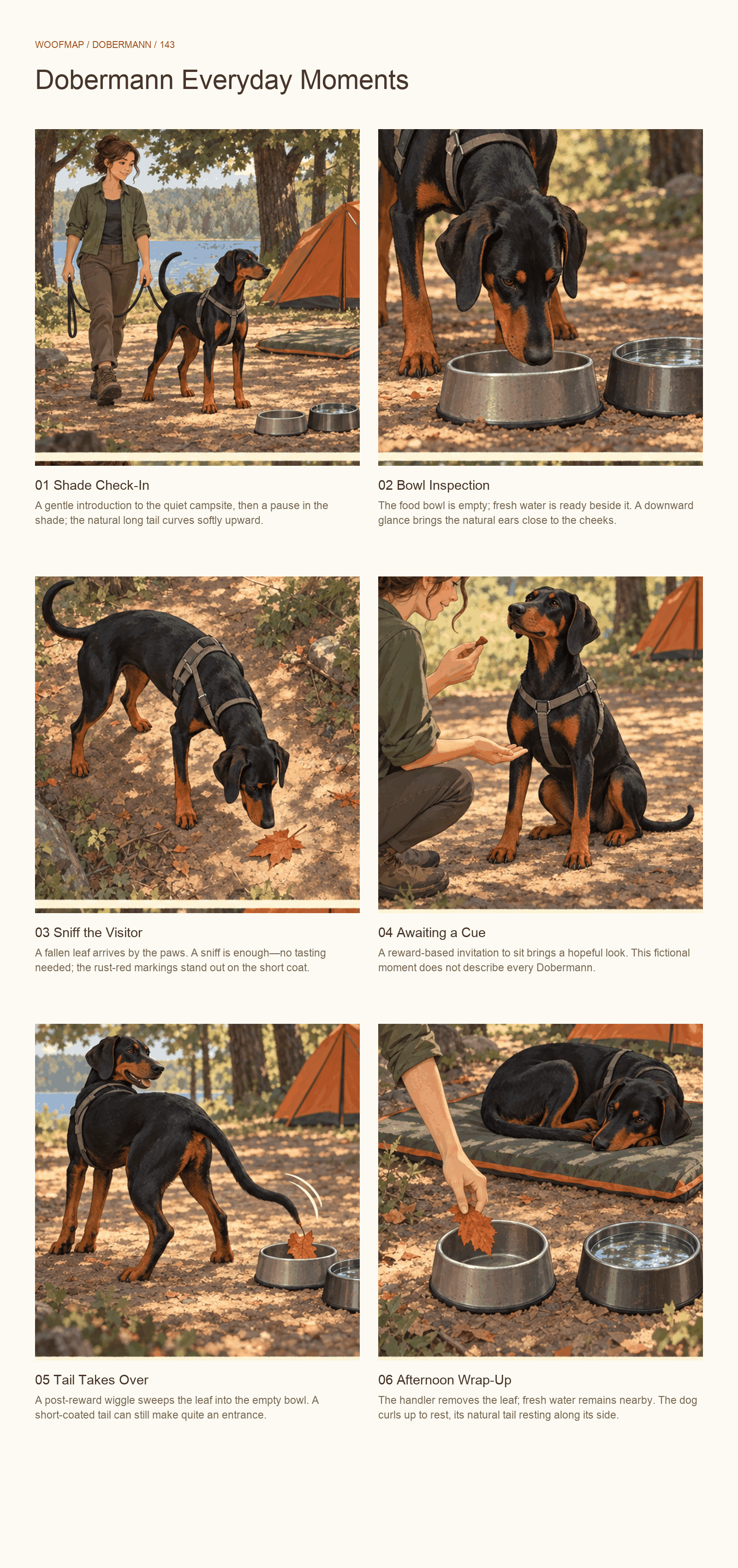
Illustrated in black with defined rust-red markings, a close-fitting short coat, natural ears near the cheeks and a gently curved natural long tail. The campsite antics and moods are fictional.
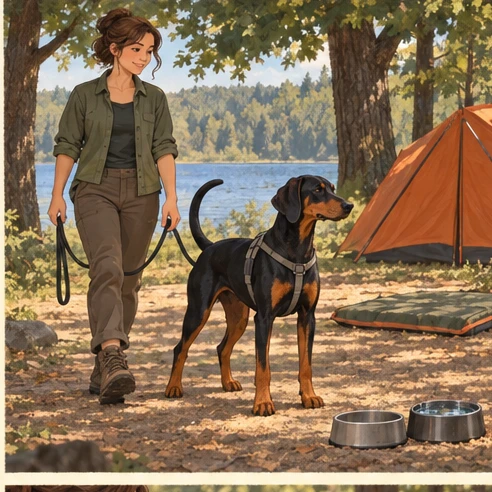
A gentle introduction to the quiet campsite, then a pause in the shade; the natural long tail curves softly upward.
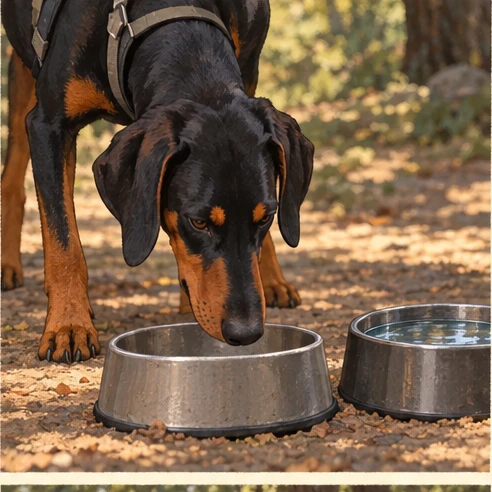
The food bowl is empty; fresh water is ready beside it. A downward glance brings the natural ears close to the cheeks.
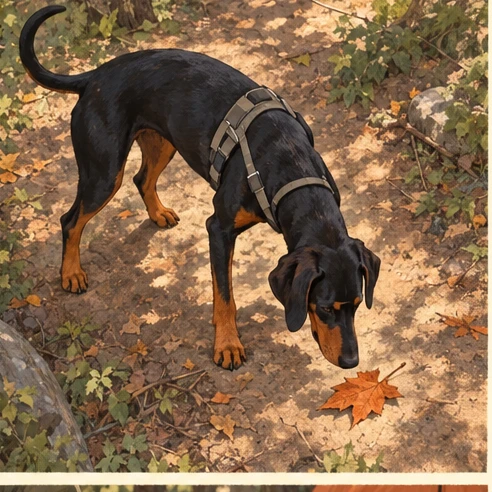
A fallen leaf arrives by the paws. A sniff is enough—no tasting needed; the rust-red markings stand out on the short coat.
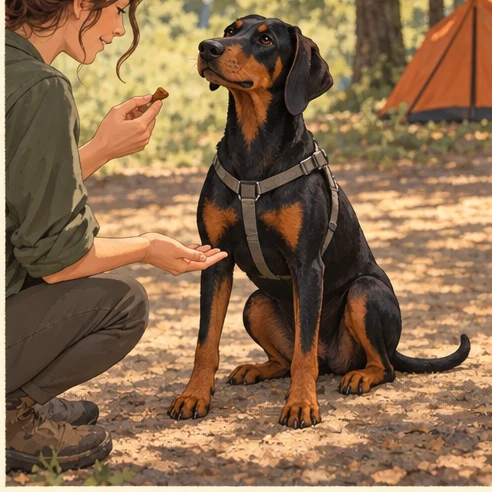
A reward-based invitation to sit brings a hopeful look. This fictional moment does not describe every Dobermann.
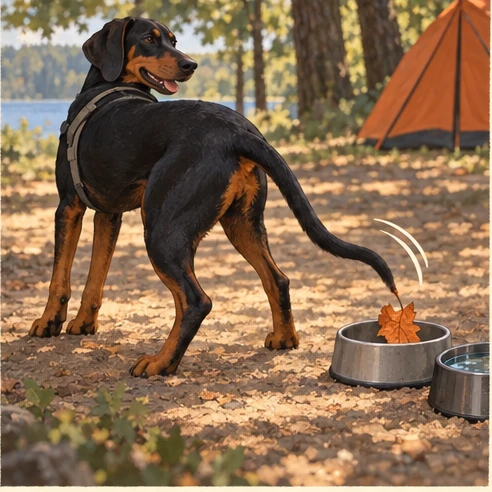
A post-reward wiggle sweeps the leaf into the empty bowl. A short-coated tail can still make quite an entrance.
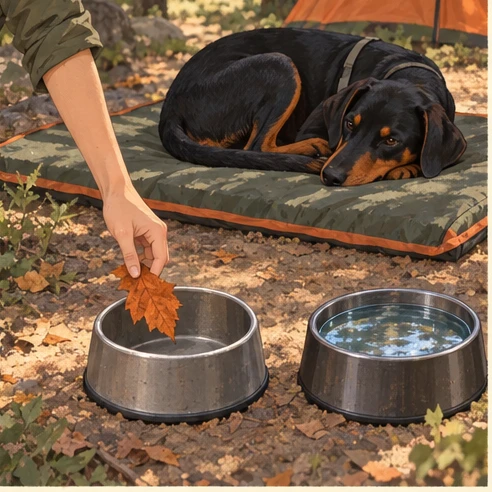
The handler removes the leaf; fresh water remains nearby. The dog curls up to rest, its natural tail resting along its side.
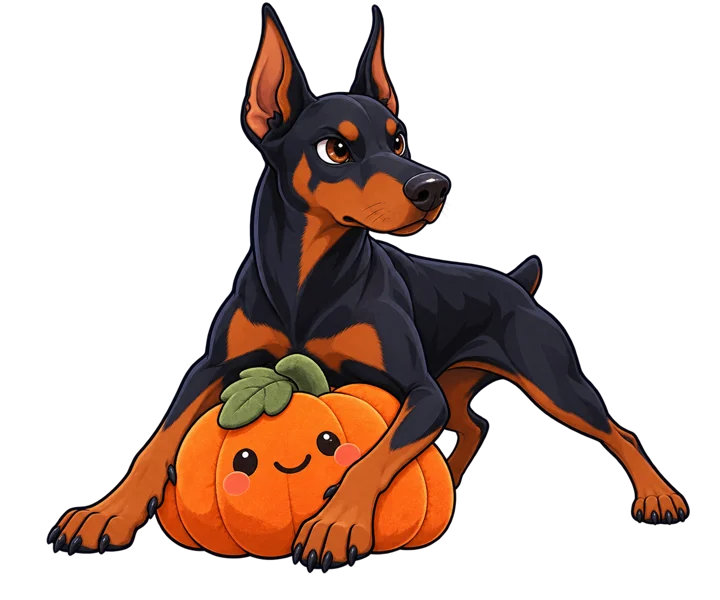
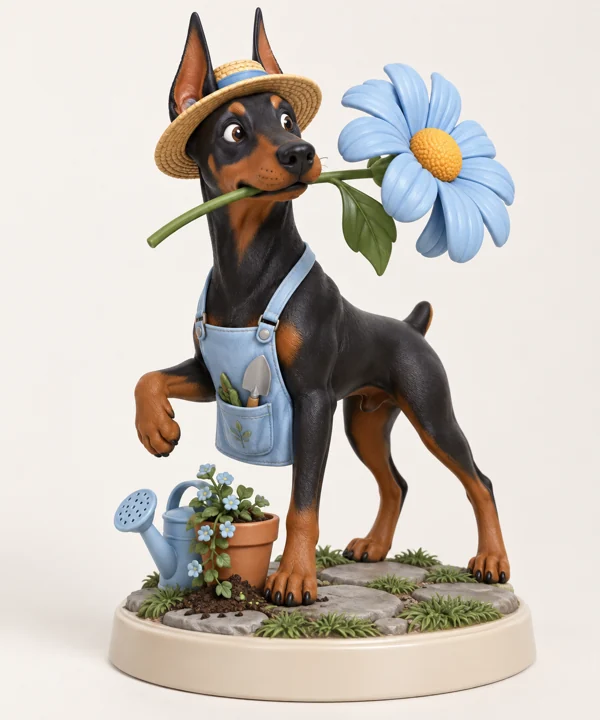
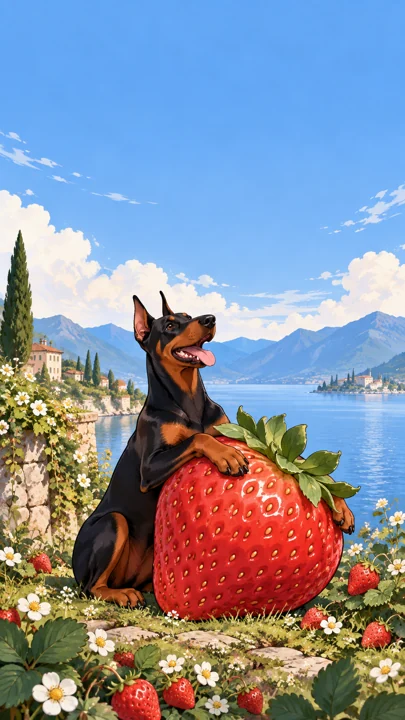
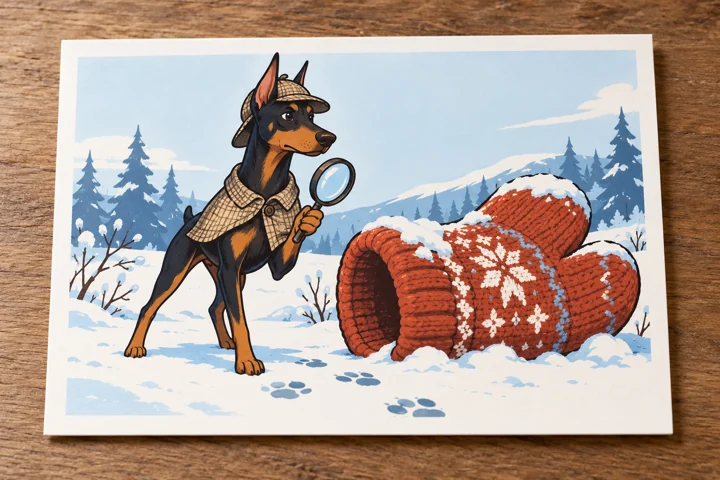
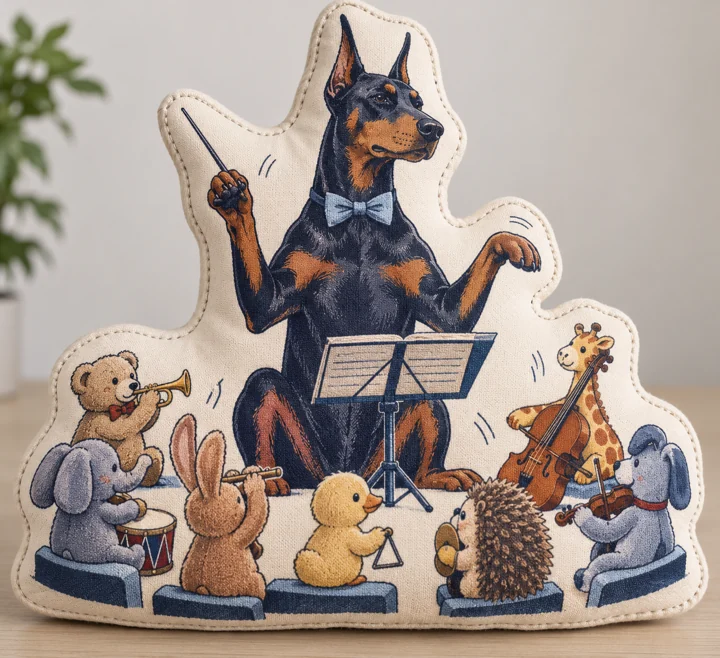
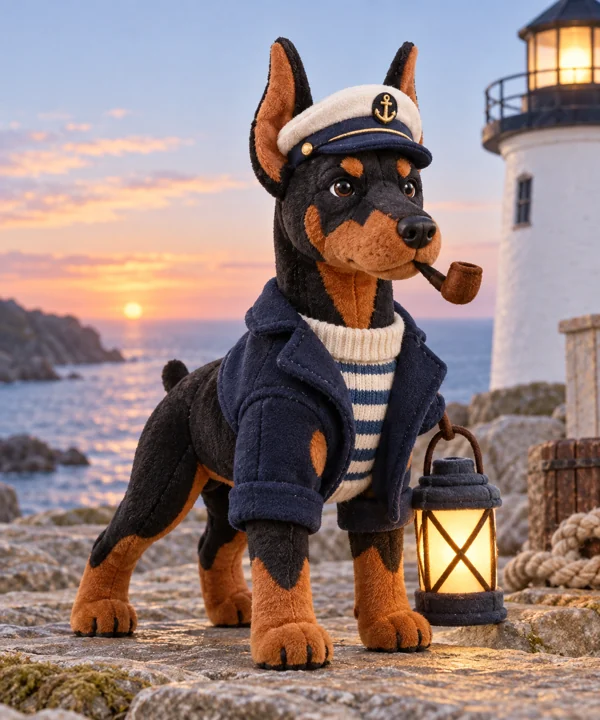
Eight transparent PNGs to save individually. Switch captions on or off for your chats.
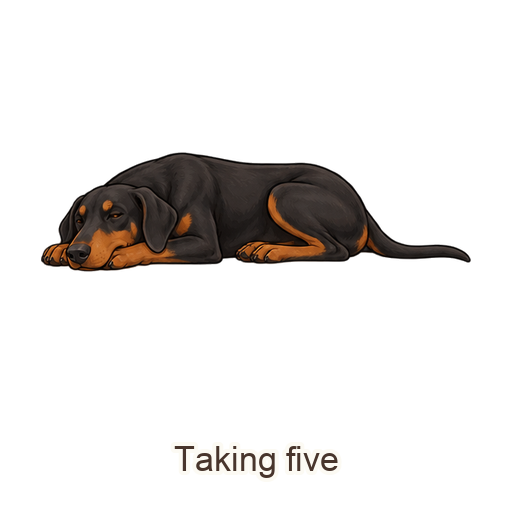 Taking five
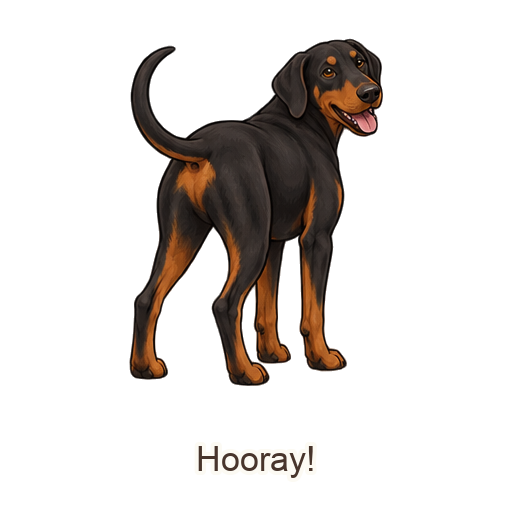 Hooray!
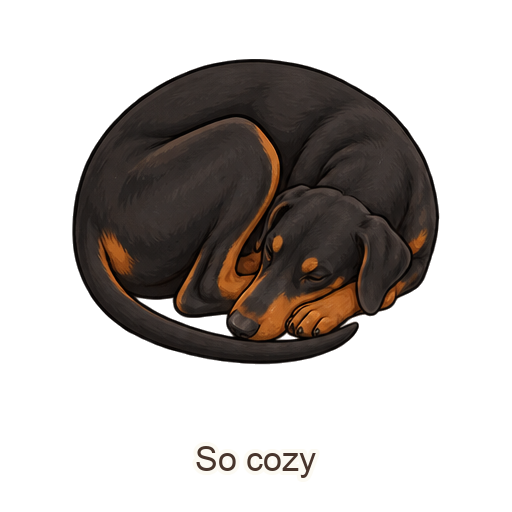 So cozy
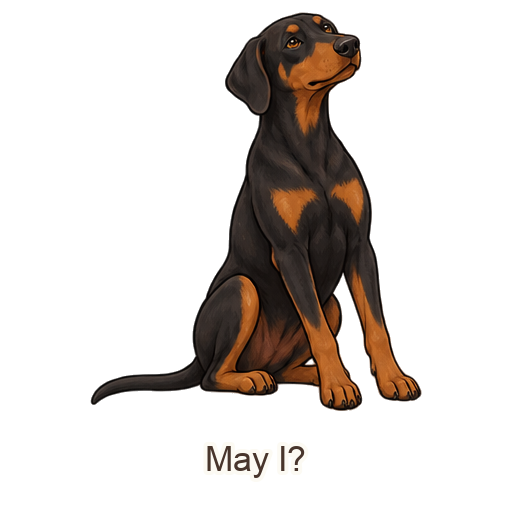 May I?
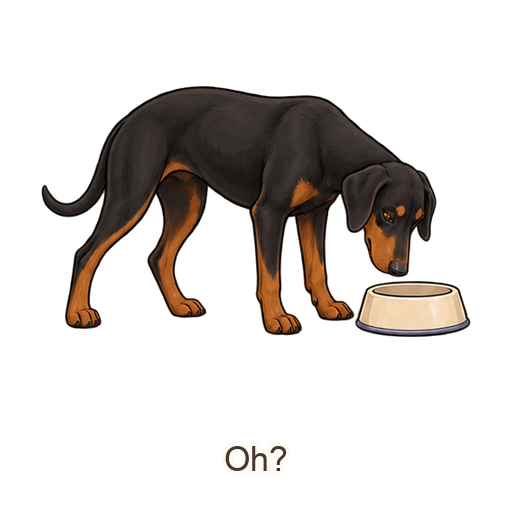 Oh?
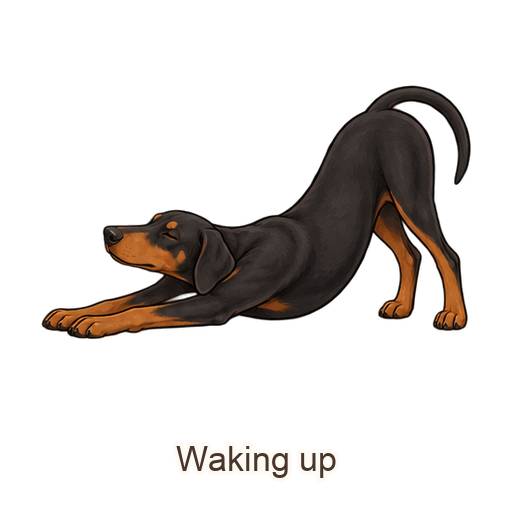 Waking up
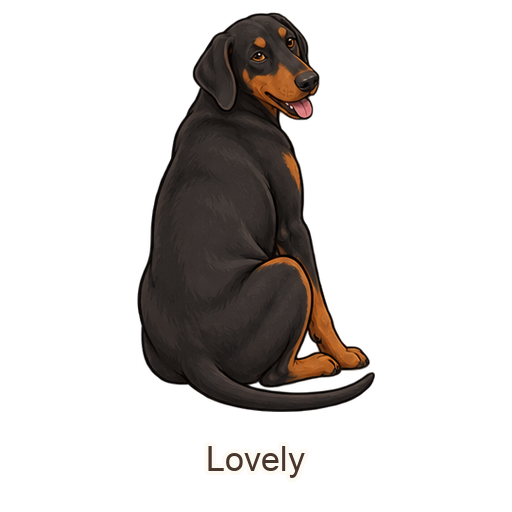 Lovely
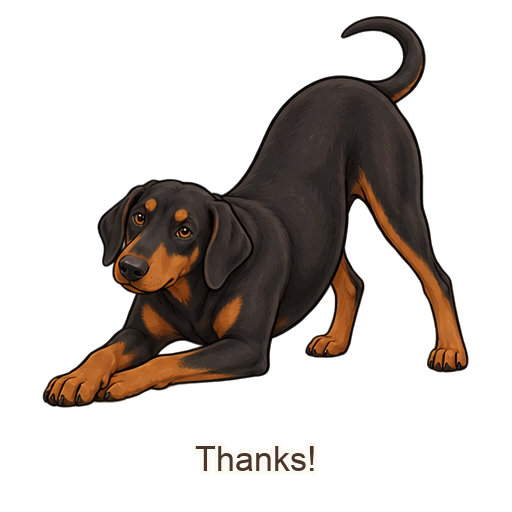 Thanks!
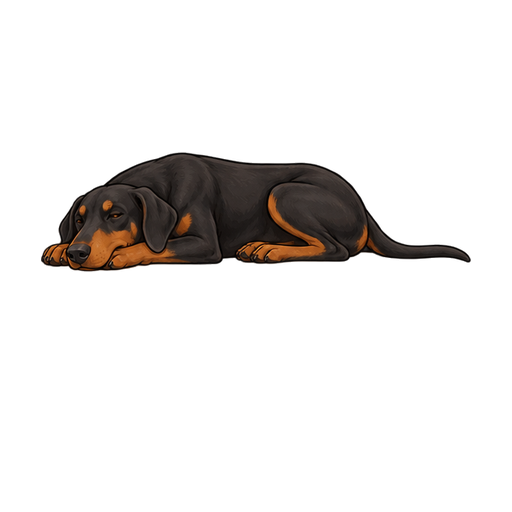 Taking five
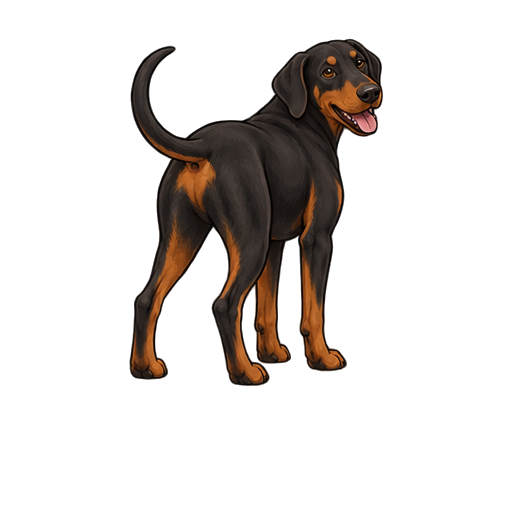 Hooray!
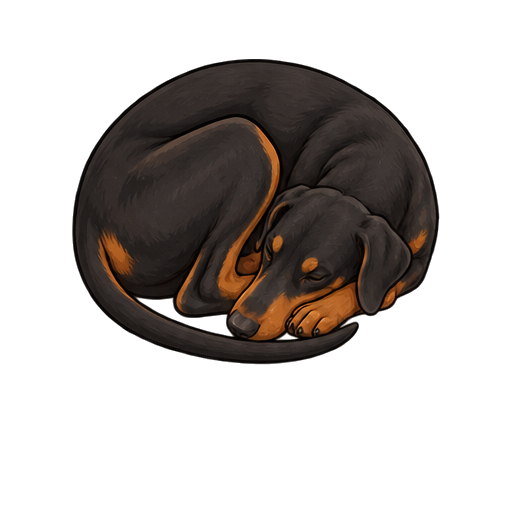 So cozy
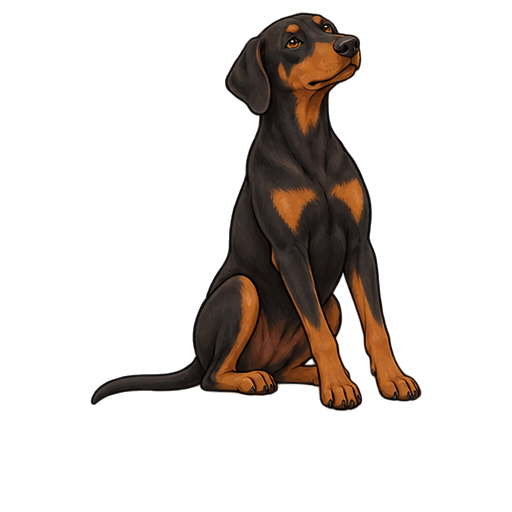 May I?
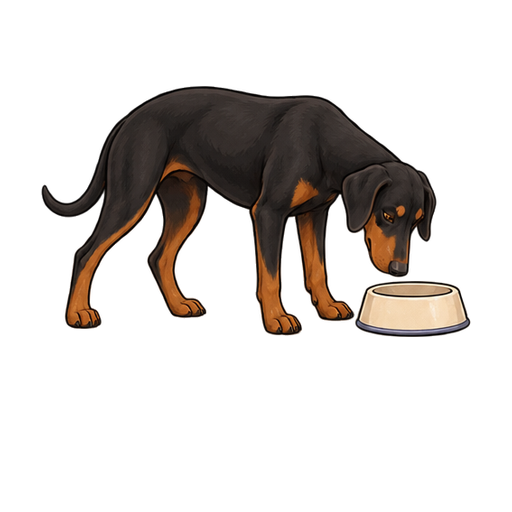 Oh?
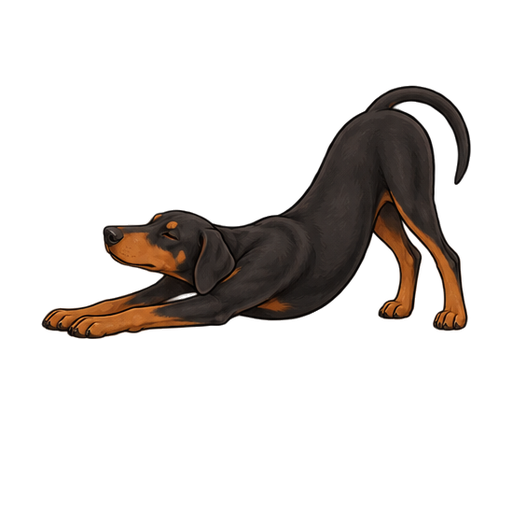 Waking up
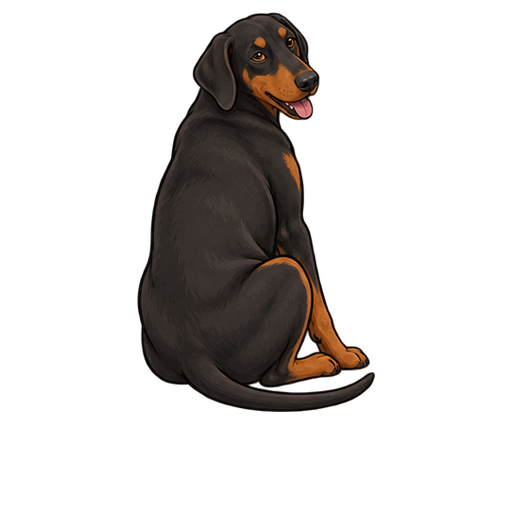 Lovely
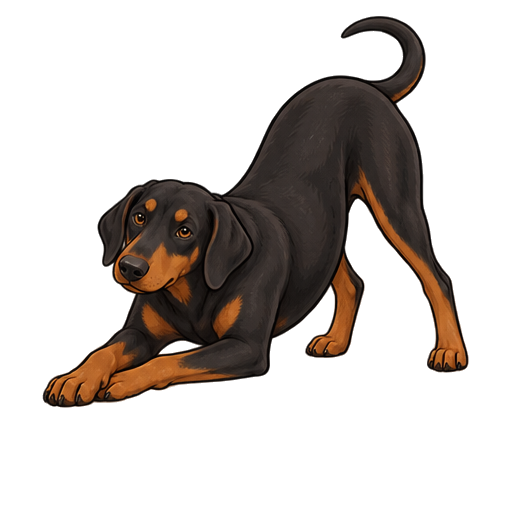 Thanks!
Original woofmap artwork, assisted by GPT Image 2. Free for personal chats and non-commercial sharing with credit to woofmap.com. Fictional moods do not predict every dog’s temperament; see this page’s factual sources.
Combine the available parts, choose a name and take a little joy home.
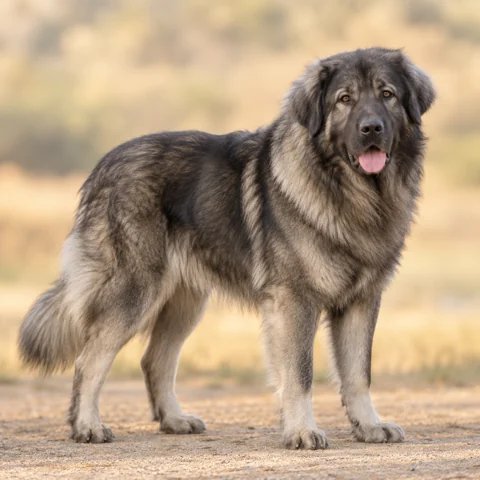 AI realistic image
Pinschers, Schnauzers, Molossians and Swiss mountain dogs
Yugoslavian Shepherd Dog - Sharplanina
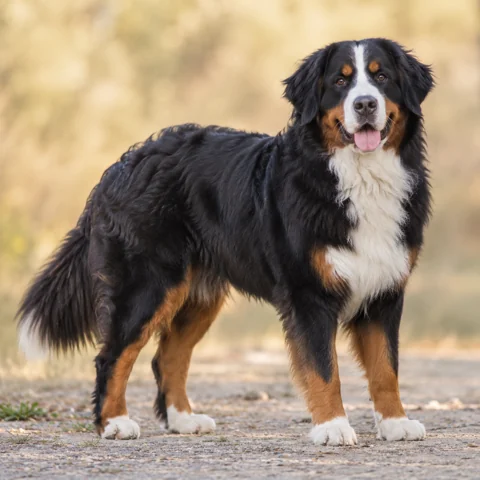 AI realistic image
Pinschers, Schnauzers, Molossians and Swiss mountain dogs
Bernese Mountain Dog
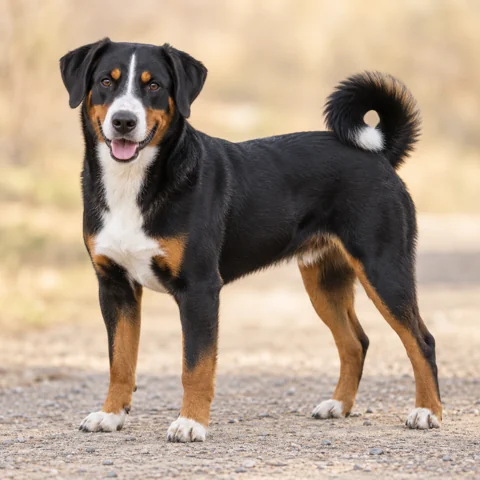 AI realistic image
Pinschers, Schnauzers, Molossians and Swiss mountain dogs
Appenzell Cattle Dog